The suitcase is zipped, but the real work is not done yet.
A smooth trip often starts long before the car ride, flight, or train leaves the station.
1. Check Your Travel Documents Early

Paperwork can make or break a getaway, so it helps to look at it first. A passport, ID, visa, or booking confirmation should be easy to find and still valid.
Put everything in one neat folder or travel pouch so it feels calm and ready. A bright pouch can be easier to spot in a busy bag, and that small choice can save time at the airport or hotel desk. If you are traveling with family, make a simple list for each person so nothing gets left behind.
2. Pack for the Weather, Not Just the Photos

Pretty outfits are fun, but comfort matters more when the sky changes fast. A light jacket, comfy shoes, and a small umbrella can turn a rough day into an easy one.
Look at the forecast before you pack, then build outfits around that plan. Layering is a smart trend because it keeps bags lighter and gives you more choices without extra cost. You can also match clothes in easy colors so each piece works with more than one look.
Try a tiny outfit plan for each day, and add one extra piece for surprise weather or a special dinner. That little bit of planning can help you feel put together without buying a whole new wardrobe. If you love photos, choose one bold item that stands out against the place you are visiting, like a bright scarf or fun hat.
3. Set a Simple Budget Before You Go
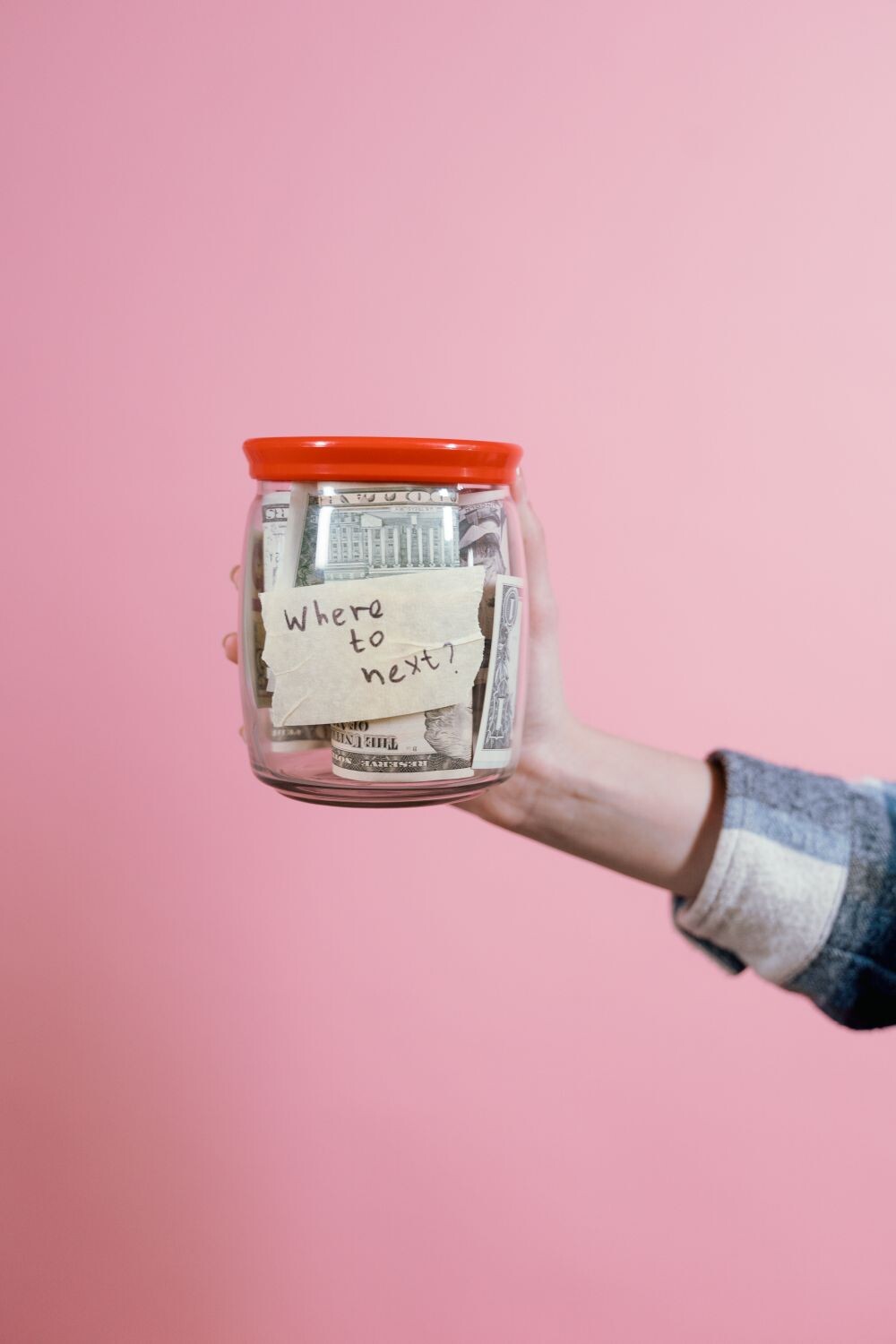
Money feels less stressful when you give it a job ahead of time. A clear budget can help you enjoy meals, rides, snacks, and treats without that nagging worry in the back of your mind.
Think about the big costs first, like travel, rooms, and tickets, then add smaller things like tips and coffee. Free walking spots, public parks, and local markets can make a trip feel rich without spending a lot. If you like a special splurge, choose one treat that feels worth it and plan around that.
Many travelers now use simple money apps or card alerts to track spending in real time. That can be helpful, but a paper note in your phone works too if you prefer something quick and easy. Personalize your budget by writing down what matters most to you, such as food, shopping, or fun day trips.
4. Make a Packing List That Fits Your Style

A good packing list keeps your brain quiet and your bag lighter. It also helps you avoid buying things twice because you forgot what was already at home.
Start with the basics, then add items that match your plans and your habits. If you hate cold hotel rooms, pack warm socks, a sleep mask, or a soft hoodie. If you love neat bags, use small pouches for chargers, toiletries, and snacks so everything looks tidy and easy to grab.
5. Plan for the First Day, Not Just the Whole Trip

The first few hours after arrival can feel messy if nothing is ready. A simple plan for food, rest, and transport can make the whole getaway feel smoother right away.
Save the address of your stay, the check-in time, and one backup place to eat. This is useful in busy cities, beach towns, and mountain spots where service can be slow or spotty. If you want a more personal touch, add one small first-day treat like a favorite snack or a stop for local ice cream.
Some travelers like to keep the first day light so they can settle in and enjoy the view. That can be a smart choice, especially after a long ride or flight. It costs less energy, and it gives you room to notice the place instead of rushing through it.
6. Keep Tech Simple and Ready

Phones, chargers, and earbuds can feel like tiny heroes on a trip. When they are charged and packed well, they make maps, music, photos, and messages easy to handle.
Bring the cords you truly need, not the whole drawer. A small power bank is handy for long sightseeing days, and many travelers now like slim chargers that fit neatly into a pocket or pouch. You can label cords with bright tape if you share gear with family or friends.
Also think about offline tools before you leave. Download maps, tickets, or playlists so you are not stuck when signal gets weak. That little step can save data costs and help you stay calm in airports, trains, or busy streets.
7. Leave Room for Local Food and Fun

Some of the best trip memories come from simple local moments. A warm pastry, a street snack, or a tiny cafe can feel more special than a fancy place with a long wait.
Check what foods are known in the area and make a short list of things to try. This gives your getaway a unique flavor and helps you feel more connected to the place. If you have food needs, look up menus early so you can enjoy the experience without stress.
It is smart to keep a little money aside for surprise treats. That way you can say yes to a cool dessert, a market snack, or a drink with a great view. Personalizing your food plan around your tastes makes the trip feel more like yours.
8. Think About Safety in Small, Easy Ways

Safety does not have to feel scary or heavy. A few simple habits can help you feel more relaxed while you enjoy new places.
Keep copies of important documents, share your plans with someone you trust, and know the address of where you are staying. Bright luggage tags, a crossbody bag, or a hidden pocket can also help your things stay close. These small choices are practical and often cost very little, which makes them a smart part of any trip plan.
Current travel trends often include smart tags and location tools, but old-fashioned awareness still matters most. Look around before you leave a cafe, count your bags when you move, and stay aware in crowded spots. Personal safety habits can be shaped to fit your style, your route, and your comfort level.
9. Pack Comfort Items That Make You Feel at Home

Comfort can turn a good trip into a great one. A favorite pillowcase, cozy socks, or a small book can make a strange room feel warmer and friendlier.
These little items do not need to cost much, but they can add a lot of joy. Some people bring tea bags, a tiny candle for after the trip, or a playlist that feels calm and familiar. If you want your getaway to feel extra personal, choose one thing that reminds you of home and one thing that makes you smile.
Comfort items are also helpful for kids and nervous travelers. They can make bedtime easier and help everyone rest better after a full day. When sleep improves, the whole trip usually feels easier and more fun.
10. Keep Your Plans Flexible Enough for Happy Surprises

A getaway should have a plan, but it should also have breathing room. Some of the best moments happen when you leave space for a view, a chat, or a stop you did not expect.
Try not to fill every hour with tasks. A loose plan can lower stress, save money on rushed choices, and make room for local events, weather changes, or a place that simply looks inviting. Many travelers today like a mix of booked activities and open time because it feels more natural.
You can personalize this by choosing one must-do each day and leaving the rest open. That balance keeps the trip unique and makes it easier to follow your mood. When your schedule has a little wiggle room, your getaway can feel lighter, kinder, and more fun from start to finish.