Good packing can make a trip feel calm before it even starts. Bad packing can turn a simple journey into a messy hunt for socks and chargers.
1. They Start With a Clear Packing Plan

Experienced travelers rarely toss things into a bag at the last minute. They picture the trip first, then pack for the places, weather, and plans ahead.
This habit keeps the bag neat and light, which is a big help at airports and train stations. A simple list also saves money because it cuts down on forgotten items and emergency buys. Many travelers now keep their plans on a phone note, while others still like paper lists with bright check marks.
2. They Choose Bags That Fit the Trip

Seasoned travelers match the bag to the journey, not the other way around. A small backpack may work for a short city break, while a soft suitcase can suit a longer stay.
The right bag looks tidy, rolls smoothly, and makes moving through crowds much easier. It also helps protect fragile things and keeps packing from feeling like a puzzle. Some people now pick bags with built-in USB ports, hidden pockets, or recycled fabric for a more modern touch.
Personal style matters too, so many travelers choose colors or tags that stand out on a luggage belt. That small choice can save time and lower stress when many bags look the same. If a bag is too fancy or too heavy, it can cost more than it gives back in comfort.
3. They Roll Clothes to Save Space
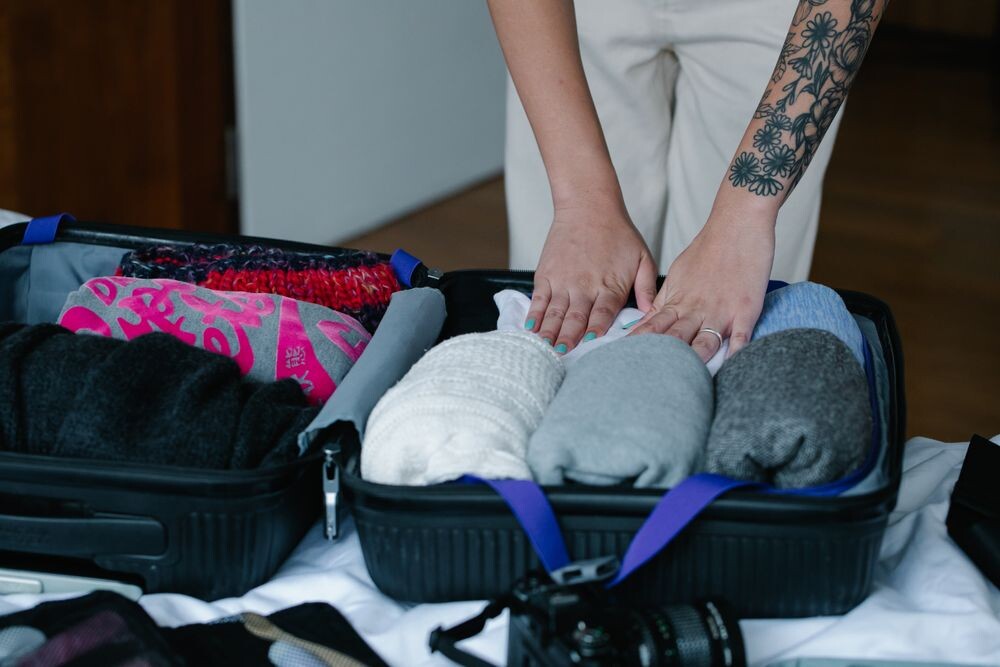
Rolling clothes is a classic habit because it makes a suitcase look tidy and full of order. Shirts, pants, and soft tops fit into small spaces and leave room for shoes or extras.
This method can also help reduce wrinkles, especially for travel clothes made from easy-care fabric. It is a smart way to pack more without buying a bigger bag. Many travelers mix rolling with packing cubes for a clean, stacked look that feels almost like a tiny drawer system.
Some people roll outfits together so getting dressed is faster each morning. That simple trick can make hotel life easier and keep the trip feeling smooth. It is a low-cost habit that works well for almost any style of travel.
4. They Use Packing Cubes for Order

Packing cubes give a bag a neat, colorful look that feels almost like a mini closet. Experienced travelers use them to separate shirts, underwear, work clothes, and gym gear.
That order helps when a trip includes more than one stop or more than one kind of activity. It also makes it easier to find one item without pulling everything out. Some cubes are cheap and simple, while others come with mesh tops, labels, or compression zippers for tighter packing.
Personalization is easy here because each cube can hold a different part of the trip. A family might color-code cubes, while a solo traveler may keep one cube only for clean laundry. With so many styles on the market, this habit can fit both tight budgets and premium travel setups.
5. They Pack a Small Carry-On Emergency Kit

A tiny emergency kit gives travelers a calm feeling, even when plans change. It often includes pain relief, bandages, wipes, a pen, and a few snacks.
This habit is useful because small problems can happen anywhere, from delays to spills to sore feet. Having the right items close by can save money by avoiding airport shop prices. Many travelers now keep their kits in clear pouches so they can spot everything fast.
The best kits are personal, not stuffed with random things. A parent may add kids’ medicine, while someone on business travel may pack stain wipes and breath mints. The goal is simple: make the kit small, useful, and ready to grab.
6. They Build Outfits Before the Trip

Experienced travelers often lay out full outfits before they zip up the suitcase. They think in complete looks, not loose piles of shirts and pants.
This habit cuts down on overpacking because every item has a job. It also helps travelers feel more put together during the trip, since the clothes already match. A phone camera can help here, since many people snap outfit photos and save them for quick morning choices.
When outfits are planned in advance, shopping becomes more thoughtful too. Travelers can borrow, reuse, or skip items that do not fit the trip style. That can save money and make the bag lighter at the same time.
7. They Keep Toiletries Simple and Smart

Experienced travelers know that toiletry bags can grow too full too fast. They stick with small bottles, solid bars, and only the basics they will truly use.
This keeps the bag lighter and reduces the chance of spills on clothes. It also helps with airport rules and makes security checks less annoying. Current travel trends include refillable containers, shampoo bars, and neat hanging toiletry bags with clear sections.
Personal touches still matter, so many travelers bring one favorite scent or skin-care item. That little comfort can make a hotel room feel more like home. Buying travel-size versions is often cheaper than replacing ruined full-size products after a leak.
8. They Leave Room for Souvenirs

Smart packers do not fill every inch of their bag on day one. They save a little space for gifts, snacks, books, or a special item picked up along the way.
This habit avoids the stress of forcing new things into an already packed suitcase. It also helps travelers stay within airline weight limits, which can save money. Some people even pack a foldable tote or extra zip bag for return-day use.
The best souvenir space is planned with the trip in mind. A beach traveler may expect shells or local clothes, while a city traveler may come home with prints or tea. That open space gives the trip room to grow in a natural, easy way.
9. They Check Weather and Activities Twice

Experienced travelers do not guess at the weather and hope for the best. They check the forecast and think about what they will actually do each day.
This habit keeps them from packing heavy coats for warm days or sandals for rainy streets. It also helps them avoid buying costly items after arrival. Many travelers now use weather apps, but they still pack a light backup layer because forecasts can change fast.
Activity planning matters too, since a hike, a fancy dinner, and a beach day all need different items. Packing for the real schedule makes the bag smarter and more flexible. That kind of care gives travelers a polished look without extra clutter.
10. They Keep Valuables Close and Easy to Reach

Experienced travelers place passports, cash, phones, and chargers where they can grab them fast. These items often go in a front pocket, sling bag, or small pouch.
This habit makes travel feel safer and smoother in busy places. It also lowers the chance of losing important things during a rush. Some travelers use RFID-blocking wallets now, while others prefer slim pouches that sit close to the body.
Personal setup matters here because each person carries different valuables. A photographer may need memory cards, while a remote worker may need a laptop cable and adapter. Keeping the most important items near the top can save both time and worry.
11. They Pack With Reuse in Mind

Experienced travelers think about how each item can work more than once. A scarf may be a blanket, a beach cover, and a style piece all in one trip.
This habit makes packing lighter and more clever, which is great for short bags and tight budgets. It also fits a growing trend toward more careful, less wasteful travel. Many travelers now choose reusable bottles, multi-use clothing, and compact tools that do several jobs.
Personalization makes this habit fun because every traveler can build a kit that fits a real life. Someone who loves coffee may pack a travel mug, while another person may want a reusable shopping bag for markets. When items serve more than one purpose, the suitcase stays simple and the trip feels easier to handle.