Adventure feels bigger when the budget stays small. Smart choices can make every mile feel lighter.
1. Build a trip fund before you pick a date
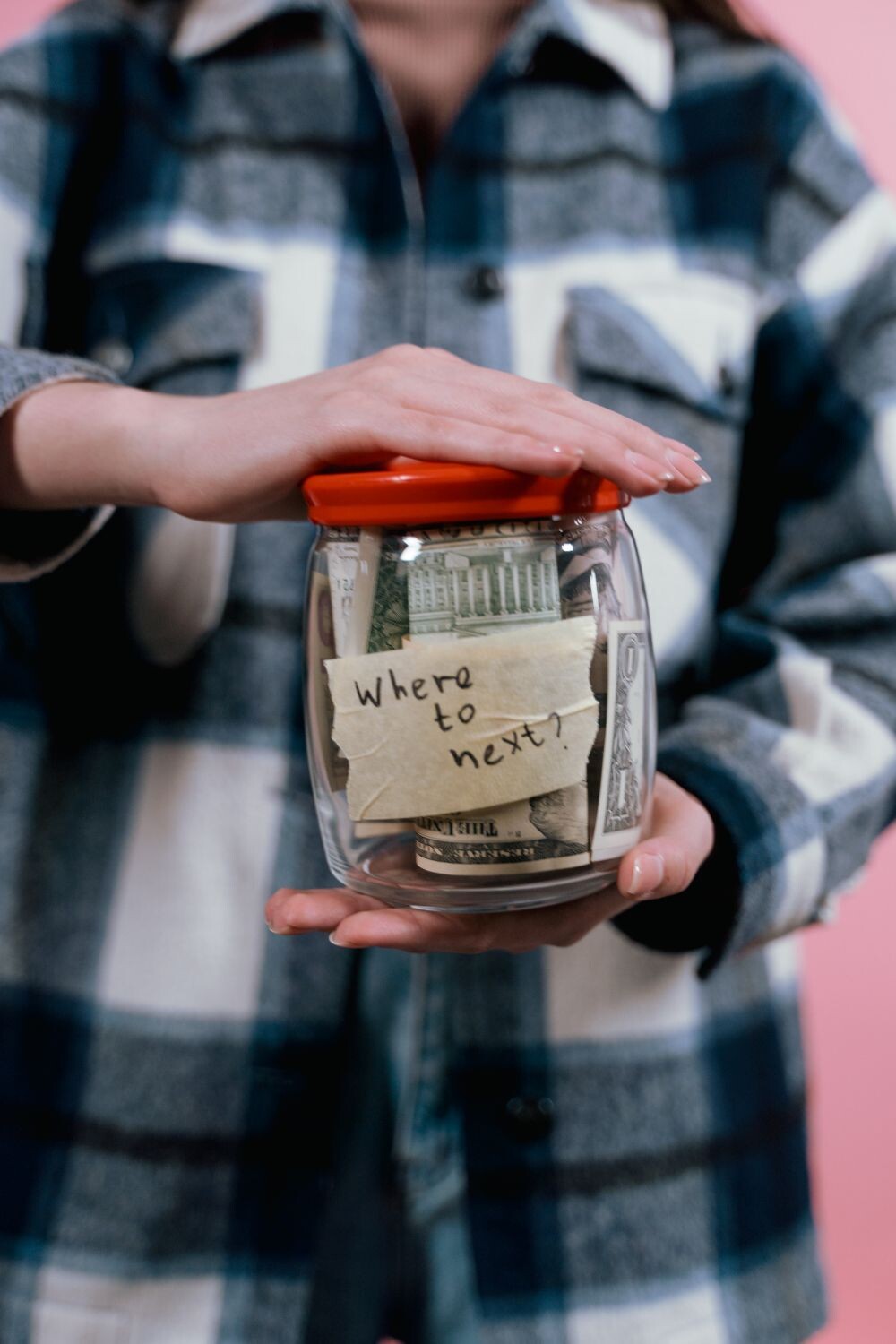
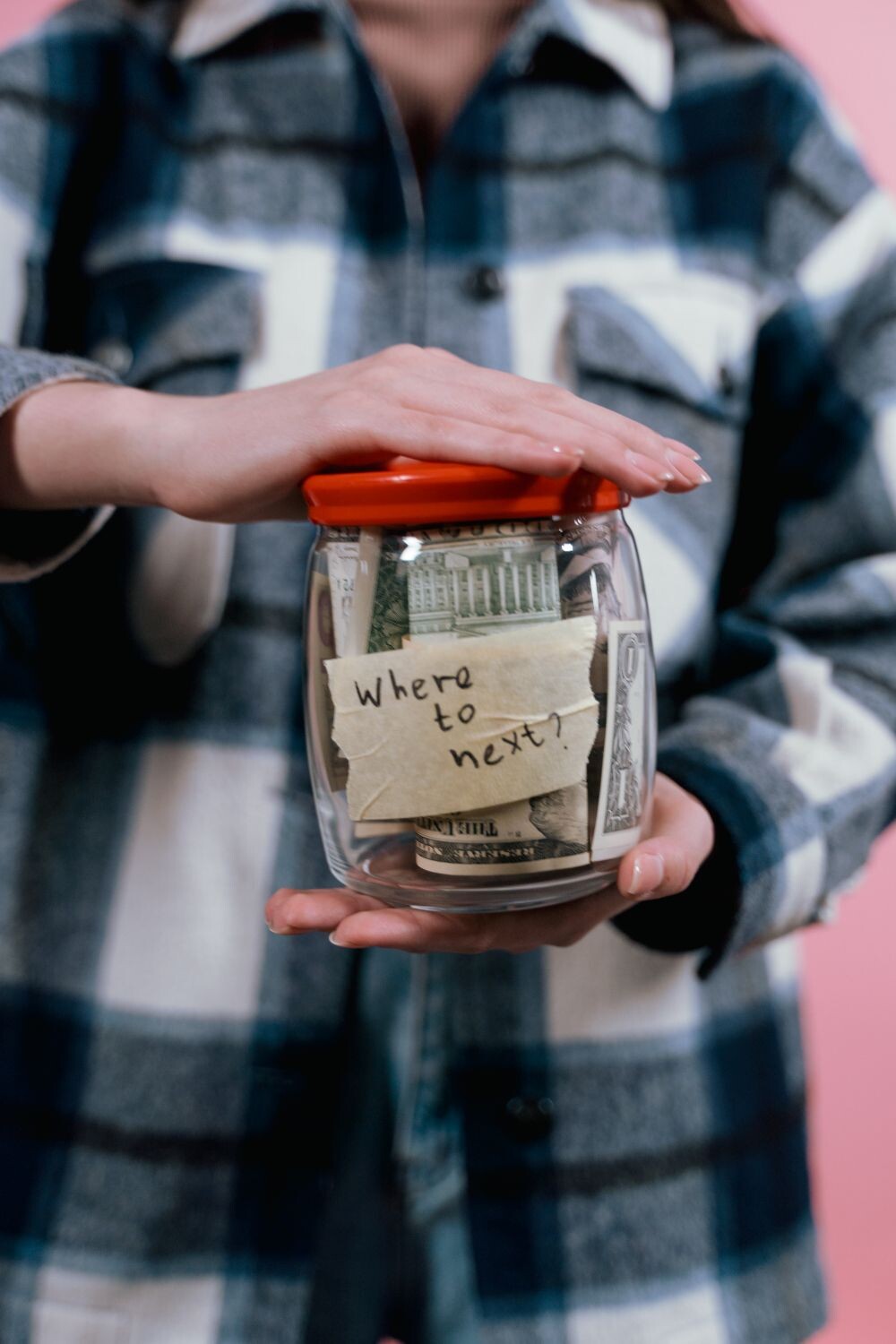
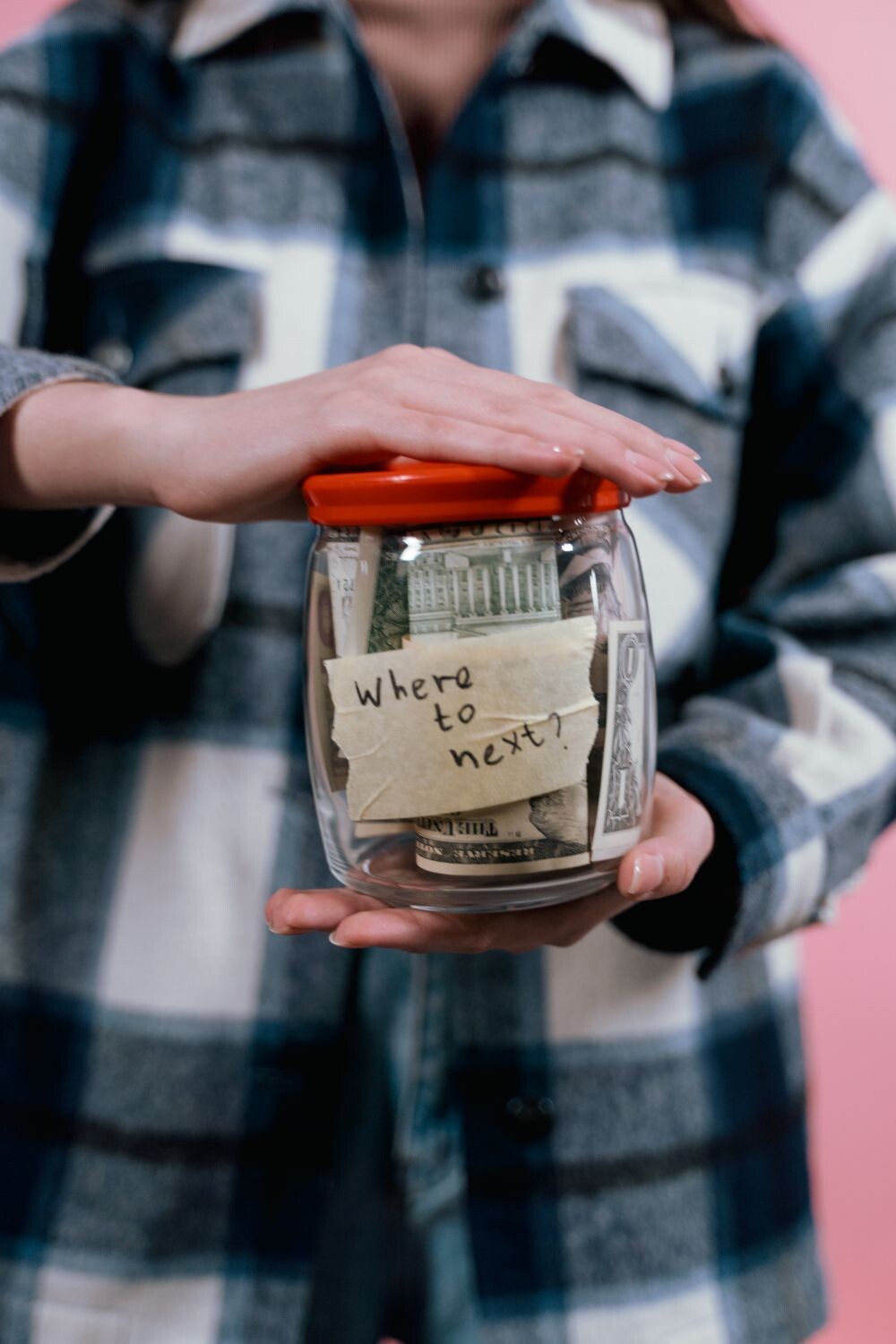
A small dedicated fund can change the whole mood of planning. Seeing a jar, envelope, or savings app grow gives your next trip a bright, hopeful feel.
Pick a simple amount to move aside each week, even if it is tiny. Automatic transfers work well because they happen before you can spend the money on snacks or impulse buys. If you want a more personal touch, name the fund after your dream place so each deposit feels like a step toward something special.
2. Travel when the crowds are thin
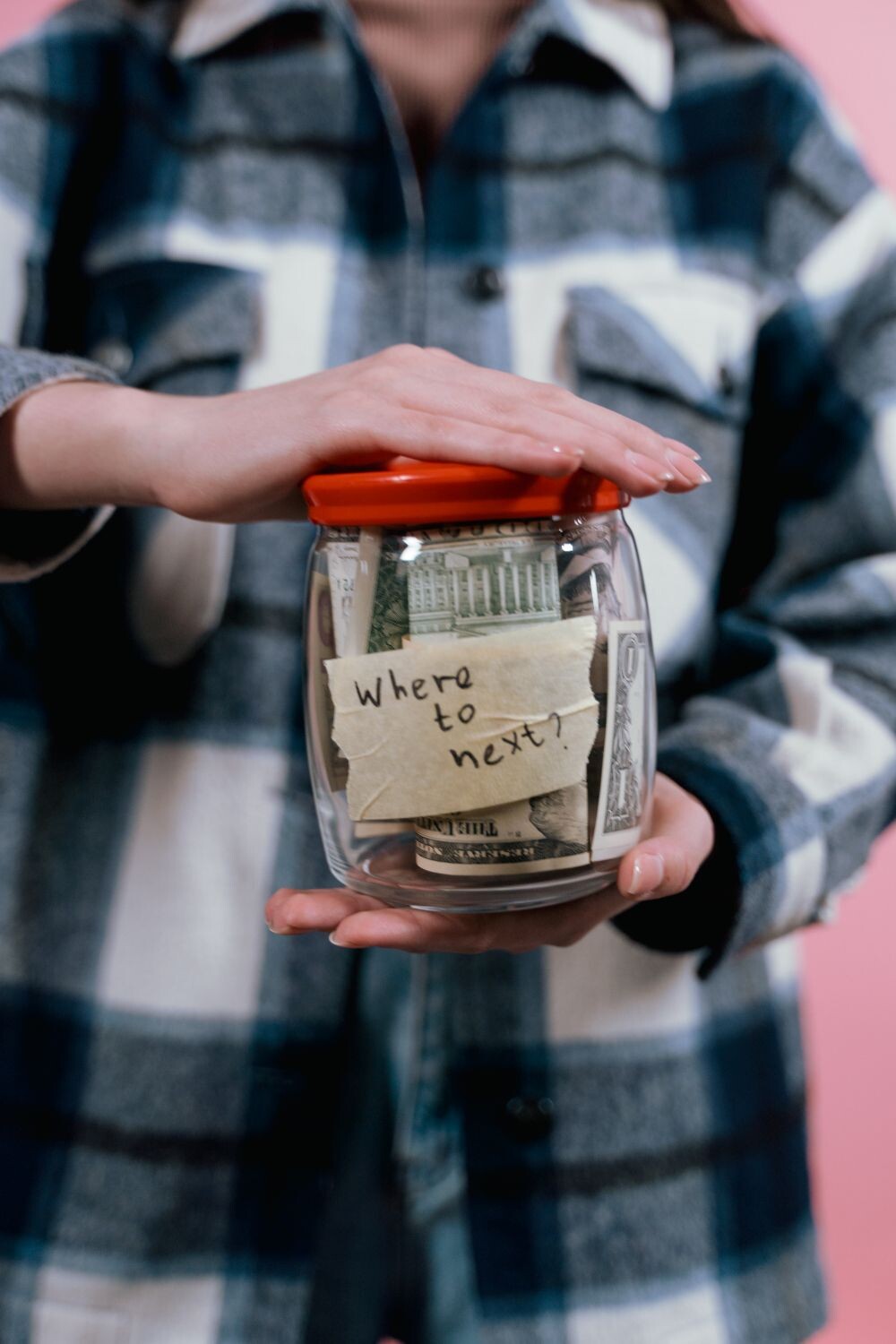
Off-season travel often brings calmer streets and friendlier prices. The photos can still look rich with color, but the lines are shorter and the stress is lower.
Airfare, rooms, and even local tours can cost much less outside peak times. You may also get a more unique feel because the place seems less rushed and more real. Try shifting your dates by a week or two and compare the price change before you book.
This trick works well for families, solo travelers, and friends who want more space to breathe. It also makes it easier to find good seats, quiet beaches, and table reservations without a long wait. Many travelers now use flexible date calendars, which makes this kind of savings easier than ever.
3. Choose one base and stay put longer

A longer stay in one place can feel cozy and calm. Instead of dragging bags from town to town, you can settle into a room with a window view and a simple routine.
Monthly or weekly rates often cut costs in a big way. You may spend less on transport, fewer check-in fees, and fewer surprise expenses. If you like a personal touch, pick a place near a market or park so your days feel local and easy.
This style fits the current trend of slower travel, which many people enjoy for its relaxed pace. It also gives you more time to notice little things, like morning light on old buildings or the smell of fresh bread nearby. A single base can feel more unique because you start to know the neighborhood like a friend.
With one home base, your packing list can stay smaller too. That means fewer extra items, less weight, and less chance of paying for baggage. It is a simple move that saves money and keeps the trip smooth.
4. Pack with purpose, not panic
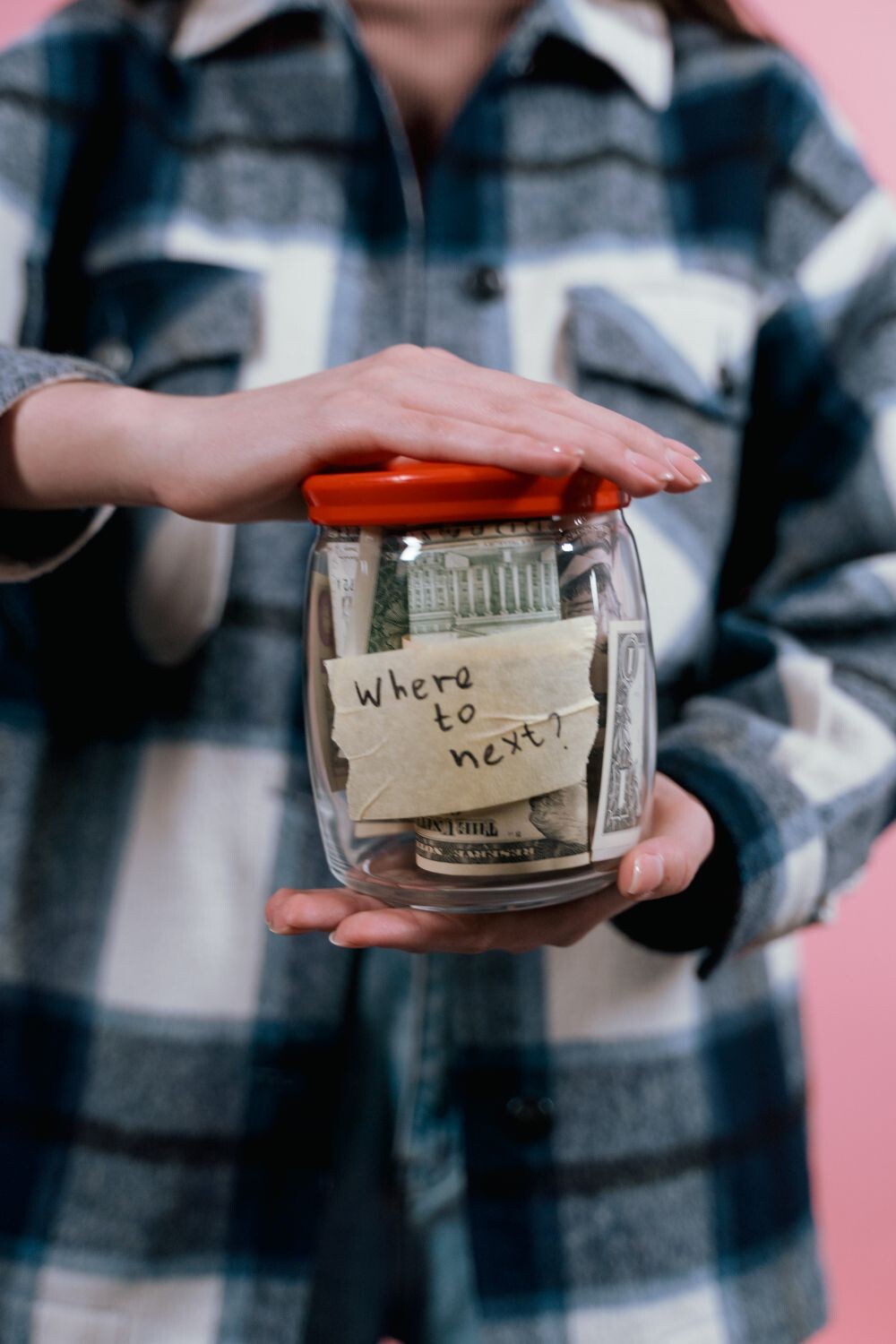
A neat bag can save money in quiet ways. When you pack only what you need, you avoid checked bag fees and the stress of carrying too much.
Lay out your clothes and gear before you zip anything up. Choose pieces that mix well, dry fast, and fit many plans, from city walks to beach time. A small color theme can make your suitcase look tidy and help your outfits feel more put together.
5. Eat like a local, not like a tourist

Street stalls, neighborhood cafes, and market meals often cost far less than big tourist spots. They also bring a richer smell, brighter colors, and a more lively feel to each meal.
Ask where local workers eat, or look for places with a short menu and a busy lunch crowd. These spots often serve fresh food at fair prices. If you want a personal twist, build one meal a day around a local dish you have never tried before.
This approach can make the trip feel more unique because food tells a story about the place. It also helps your budget stretch farther without making the trip feel plain. Many travelers now plan around one special meal and keep the rest simple, which is a smart trend for saving.
6. Use free fun to fill your days
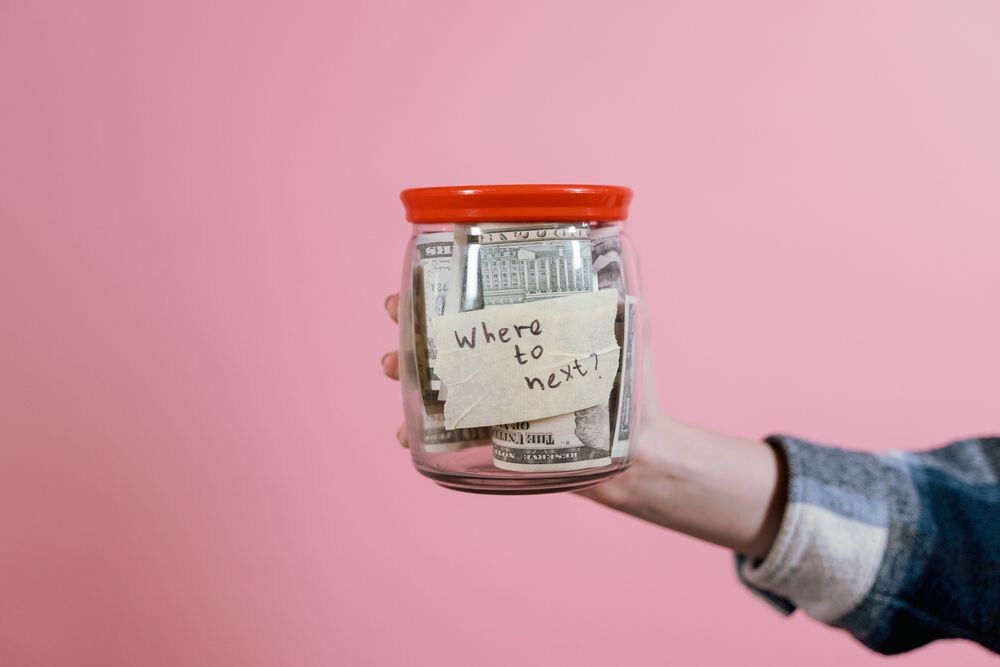
Some of the best travel moments cost nothing at all. A sunset, a public garden, or a lively street mural can feel as bright and memorable as any paid tour.
Look for free walking paths, museum days, open-air concerts, and city viewpoints. These options keep the day full without draining your wallet. You can make the plan feel personal by choosing one free activity that matches your style, like nature, art, or history.
7. Share costs when it makes sense
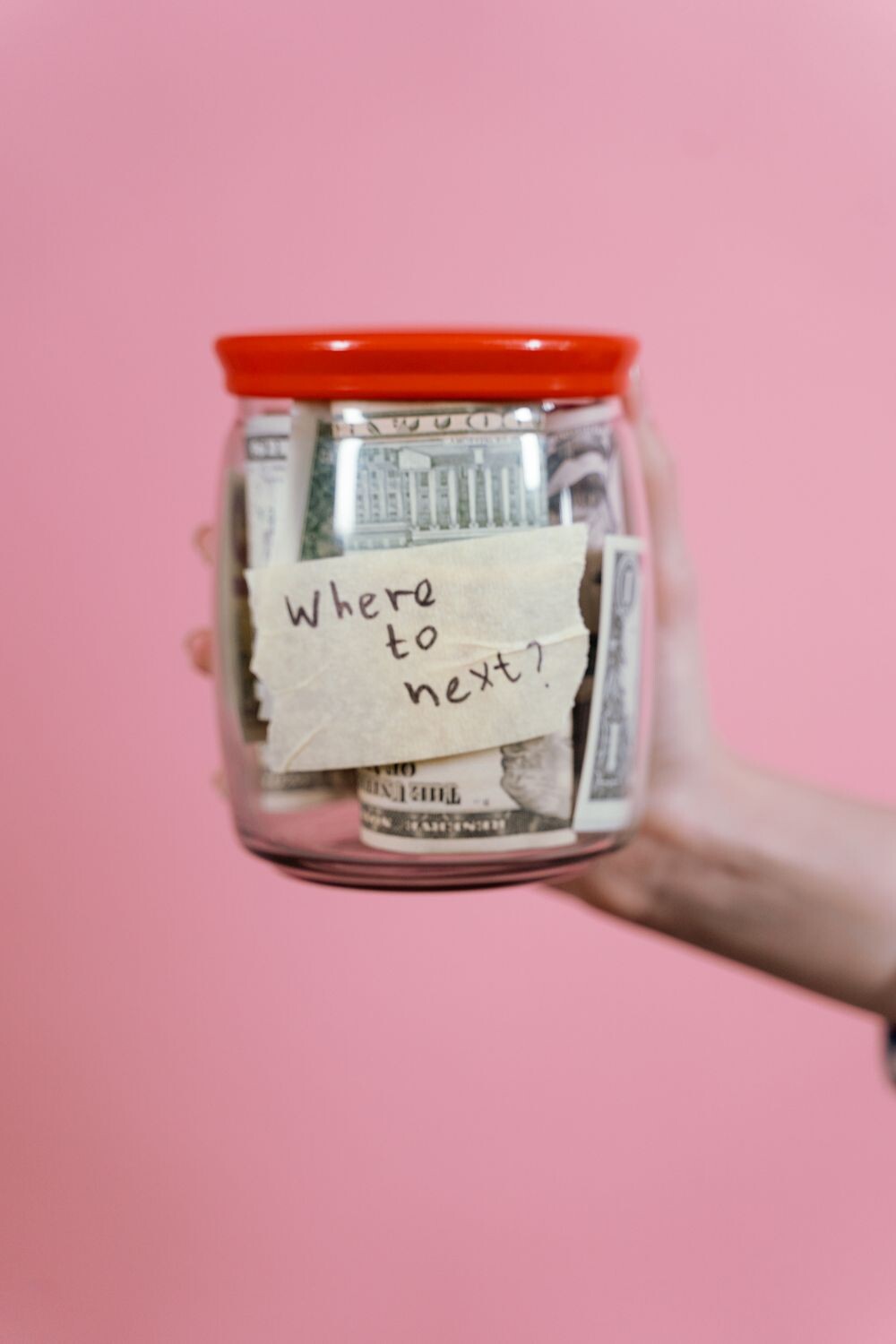
Traveling with others can lower the price of many things. A shared room, a split ride, or one big grocery run often costs less than going alone.
Make a simple agreement before the trip so everyone knows what they are paying for. That keeps things fair and calm. Shared stays can also feel warm and fun, especially when the space has a bright kitchen or a balcony with a nice view.
8. Book smart with alerts and price checks
Price alerts can do the hard work while you wait. A fare drop on your screen can feel like finding a hidden coin in a jacket pocket.
Check a few booking sites and compare the total cost, not just the first number you see. Some deals look cheap until fees appear at the end. If you want a personal edge, keep a small list of your favorite routes and watch them for a week before buying.
This habit fits the current trend of using travel apps to save time and money. It also helps you notice patterns, like cheaper days or better times to book. A calm search often leads to a better price and a better choice.
Set a limit before you start looking so you do not get pulled into a more expensive plan. That makes the process feel focused and less tiring. A clear target can also help you act fast when a good fare appears.
9. Bring the right gear from home

Small items from home can save a surprising amount. A refillable bottle, a snack pouch, or a compact rain layer can keep you from buying pricey extras on the road.
Think about the weather, the walking you will do, and the kind of places you will visit. Then pack only the gear that truly helps. A few smart items can make your bag look tidy and keep your day more comfortable.
This is especially helpful for trips with changing plans, since good gear can handle more than one use. A simple scarf can work as warmth, shade, or a seat cover. That kind of flexibility feels unique and saves money at the same time.
Try making a personal travel kit with items you always use. Keep it ready so future packing takes less effort. The less you buy on the road, the more money stays in your pocket for the parts you enjoy most.
10. Pick experiences that match your style
Not every trip needs every add-on. Choosing a few activities that truly fit your interests can keep the budget in line and make the journey feel more like you.
If you love quiet views, spend on a scenic ride and skip expensive nightlife. If food matters most, save on fancy rooms and put more money into meals. This kind of trade-off gives the trip a clear personality.
11. Keep a daily spending limit
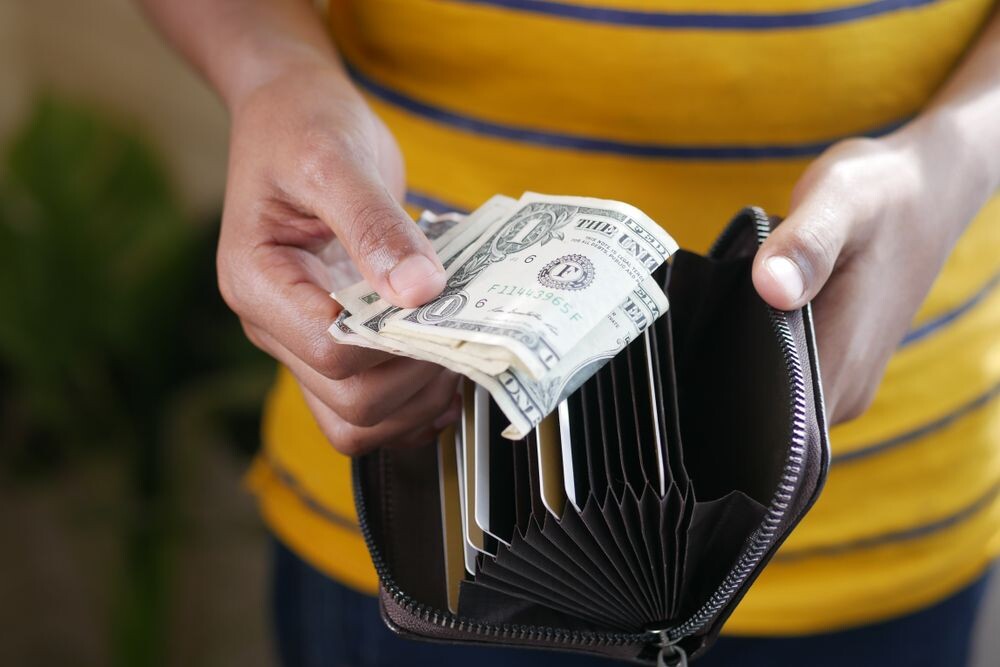
A daily limit can keep small costs from growing into a big surprise. It also gives each day a simple shape, like a bright line you can see and follow.
Write the limit in a note app or on a card in your wallet. Check it after each meal, ride, or shop stop. If you want it to feel more fun, give yourself a tiny reward on days you stay under budget, like an extra dessert or a scenic stop.
This habit works well for modern travelers who like quick tracking on their phones. It also helps you notice where your money goes, which can guide future plans. A clear limit makes the whole adventure feel more in your hands.
When you know your spending lane, you can relax more and enjoy the trip. That calm feeling is part of the savings too. It keeps the adventure light, personal, and ready for the next turn.