The first trip can feel exciting and a little shaky. Small choices can make the whole journey smoother.
1. Pack Light and Pack Smart
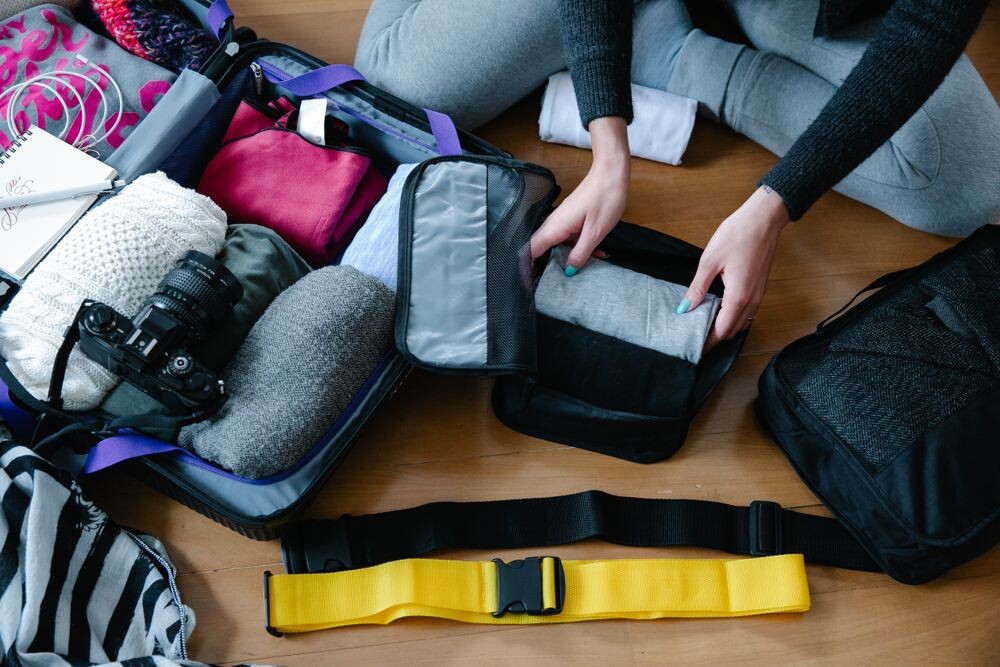
A small suitcase or backpack can make a big difference when you are new to travel. It looks neat, rolls easily, and saves your arms from extra work.
Choose clothes you can mix and match, so one shirt can work with many outfits. Put your heaviest shoes on your feet and keep your favorite basics easy to reach. This simple habit can save money too, since many airlines charge extra for heavy bags.
2. Keep Your Travel Papers Easy to Reach
Your passport, ticket, and hotel details should stay in one safe place. A slim folder or travel wallet can keep everything tidy and easy to find.
This makes check-in faster and lowers stress at busy counters. Many travelers now keep digital copies on their phones as a backup, which is a smart modern habit. You can also add a bright folder or color tag so your papers stand out in a crowd.
If you like to stay extra organized, place a note inside with emergency contacts and your home address. That small touch can help if a bag gets lost or if you need quick help. It is a simple trick, but it can feel very comforting on a first trip.
3. Learn a Few Local Words

A friendly hello or thank you can open doors and smiles. Even a tiny effort can make local people feel respected.
Try learning basic words for food, directions, and help. A phone app or small phrase card is cheap and easy to carry. Many travelers enjoy this step because it makes a place feel more personal and less scary.
You do not need perfect speech to be polite and warm. A few local words can help you order a snack, ask for the restroom, or thank a driver. That little success can turn a nervous moment into a proud one.
4. Plan Your First Day with Extra Space
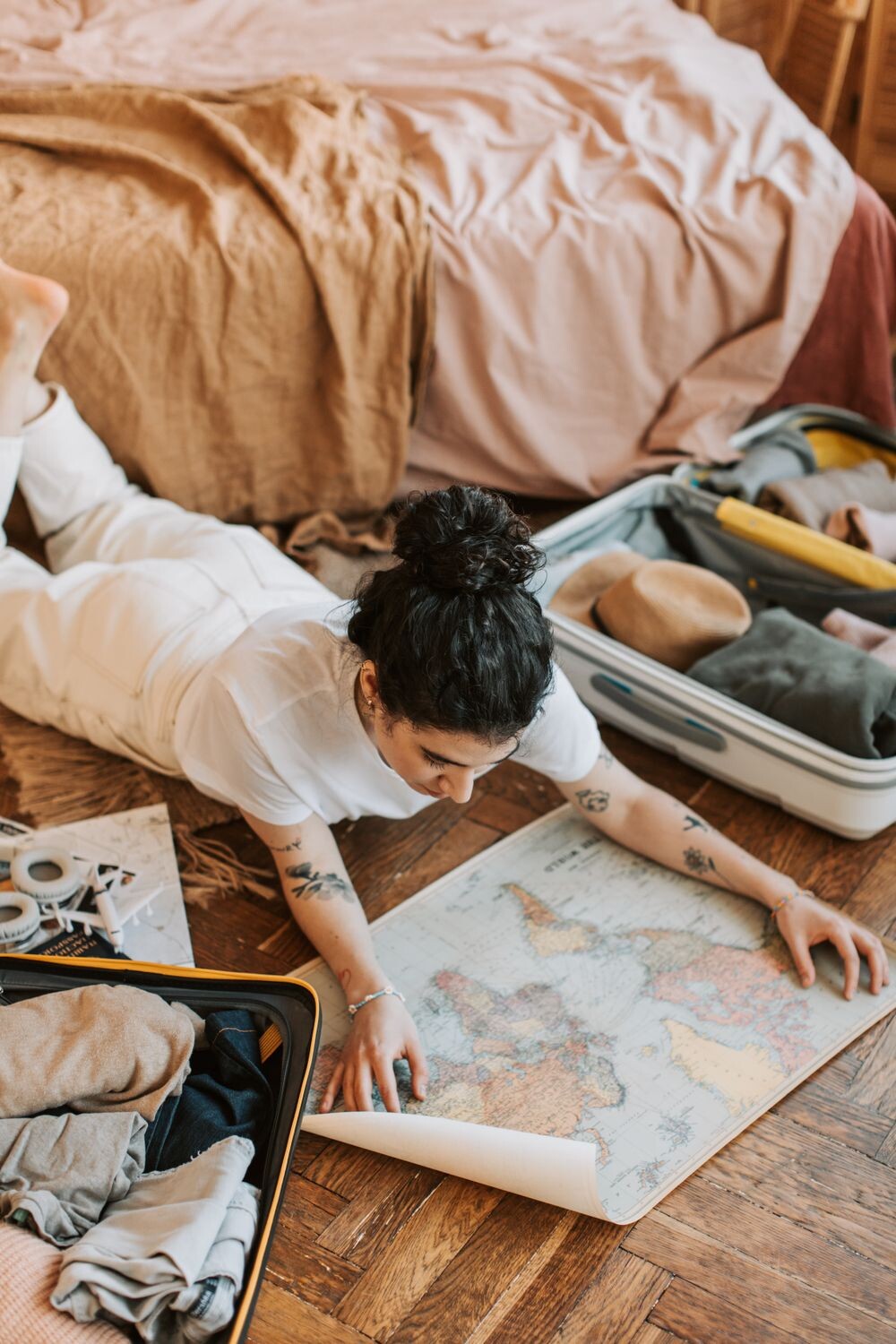
Your first day should feel calm, not crowded. A light plan gives you room to rest after the trip.
Pick one or two easy goals, like reaching your hotel and finding a nearby meal. Leave open time for delays, tired feet, and surprise sights along the way. This helps you enjoy the city without feeling rushed.
5. Choose Comfortable Shoes You Trust
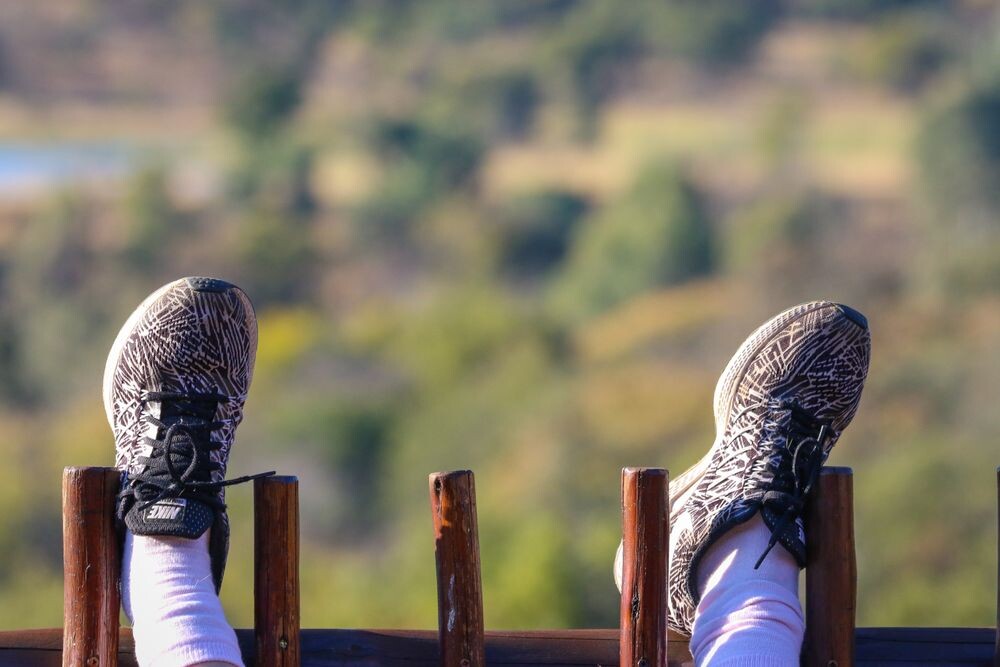
Good shoes can save a trip. Blisters and sore feet can turn a fun walk into a long, unhappy one.
Wear shoes you have already tested at home, not brand-new pairs. If you want a stylish look, choose a pair that works with many outfits and still feels soft. Many first-time travelers now favor clean sneakers because they are trendy, easy to wear, and usually cheaper than special travel shoes.
Think about the places you will visit before you pack. A city with lots of walking may need more support, while a beach trip may need sandals and one sturdy pair. Personal comfort should always win over looks.
6. Keep Some Cash and a Backup Card
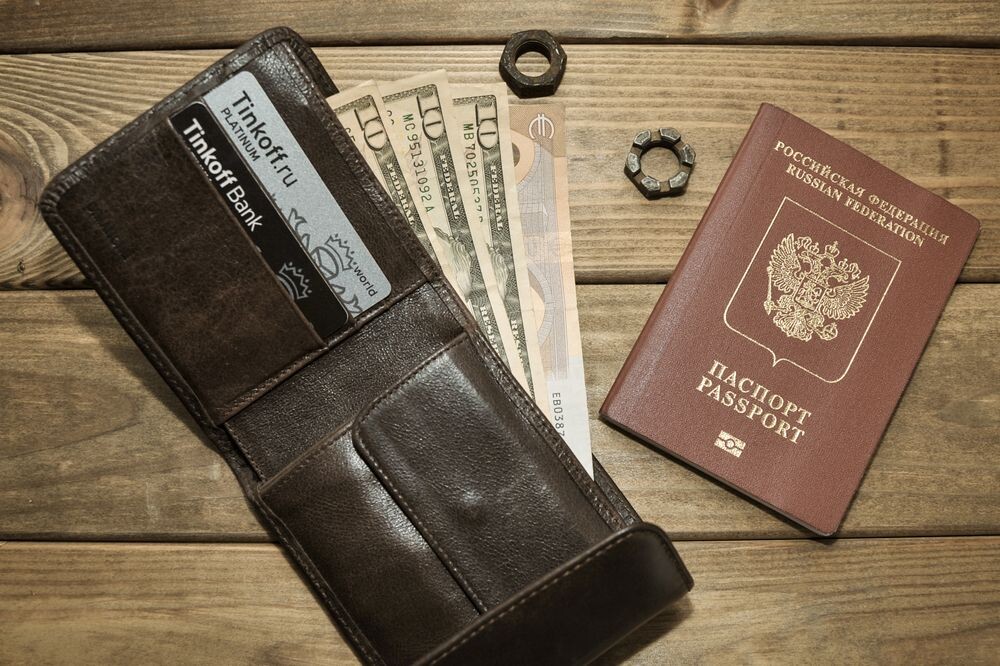
Not every place takes the same payment method. Having a little cash can help when cards do not work.
Split your money into two spots, like a wallet and a hidden pouch. Keep one card separate in case the first one is lost or blocked. This gives you peace of mind and helps avoid a panic moment at a store or taxi stand.
Check for foreign fees before you leave, because some cards charge extra on each purchase. A card with low fees can save real money over a full trip. If you travel often later, you may want a card with rewards, but for a first trip, simple and safe is best.
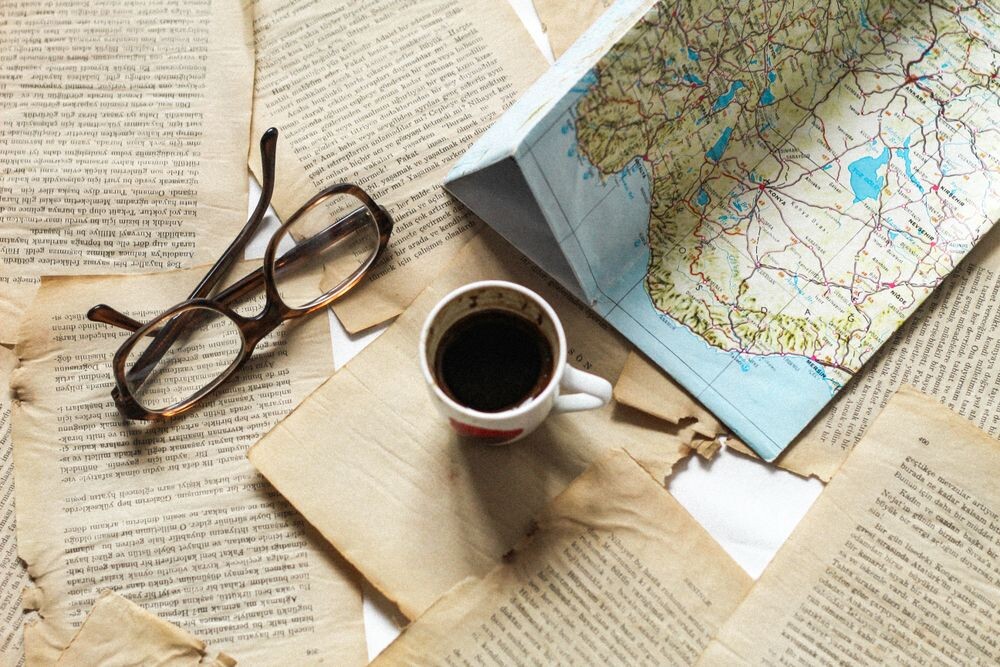
7. Use Maps Before You Go Outside
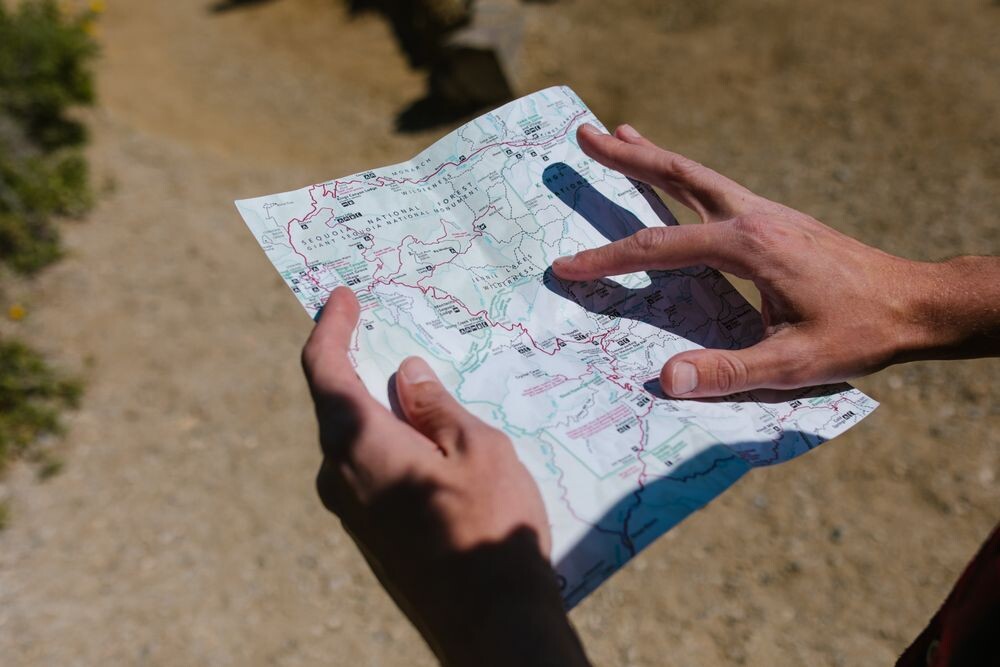
Street signs can feel confusing in a new place. A map app can help you see where you are and where you need to go.
Save your hotel and a few key spots before leaving Wi-Fi. Download offline maps so you can still find your way if the signal is weak. This is a modern travel trend that many people use because it is free and very handy.
Try zooming in on the area around your stay so the streets look familiar. You can also mark a café, pharmacy, or bus stop near your hotel. That little bit of planning can make your walks feel calmer and more fun.
8. Stay Near the Places You Will Use Most
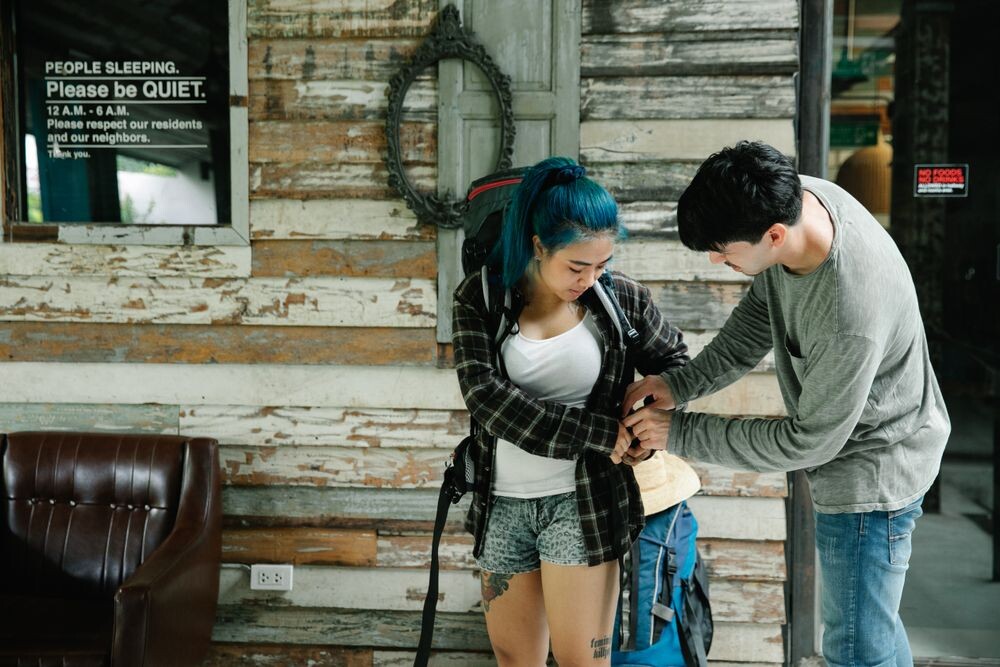
A central stay can save time and energy. It also makes the area feel less strange when you return at night.
Look for a place near trains, buses, or the sights you care about most. A room in the middle of everything may cost more, but it can save money on rides and long trips across town. Many first-time travelers like this choice because it feels simple and safe.
Read recent guest comments to see if the street is noisy or quiet. A pretty room is nice, but a restful sleep matters more. If you want a personal touch, choose a place with a friendly host or a small local feel instead of a giant chain.
9. Eat Like a Local, But Start Small
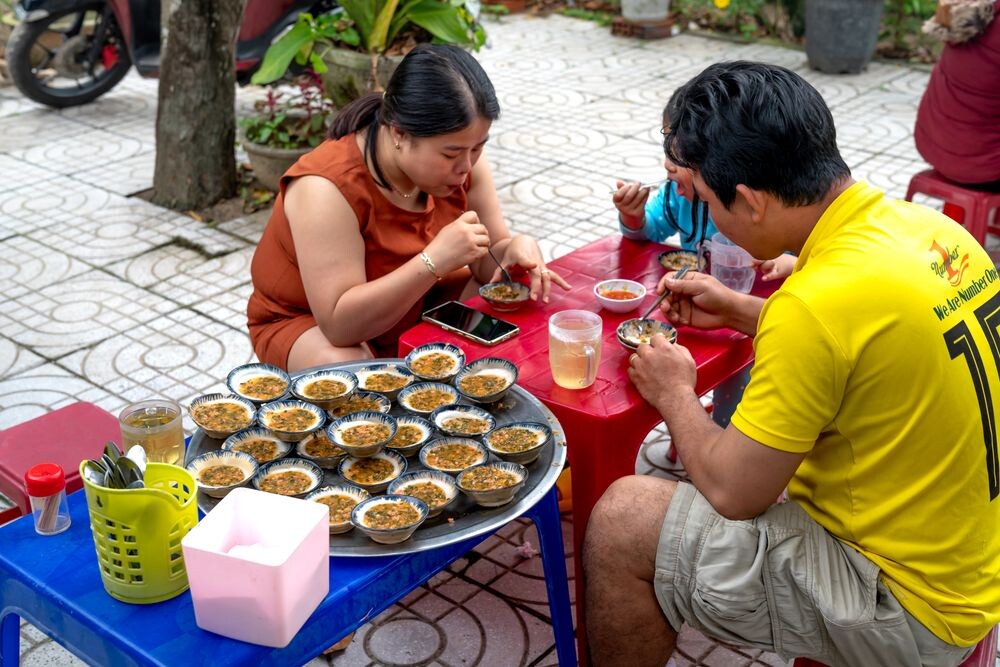
Local food can be one of the best parts of travel. Bright plates, warm bread, and new smells can make a place feel alive.
Start with simple dishes if your stomach is sensitive. A small snack shop or busy market stall can be a great first step, and the prices are often lower than fancy restaurants. This gives you a taste of the culture without putting too much pressure on your meal choices.
Ask what is popular and what is fresh that day. If you see a line of local people, that is often a good sign. You can make the meal more personal by trying one new dish and one familiar dish at the same time.
10. Build Rest Into the Trip
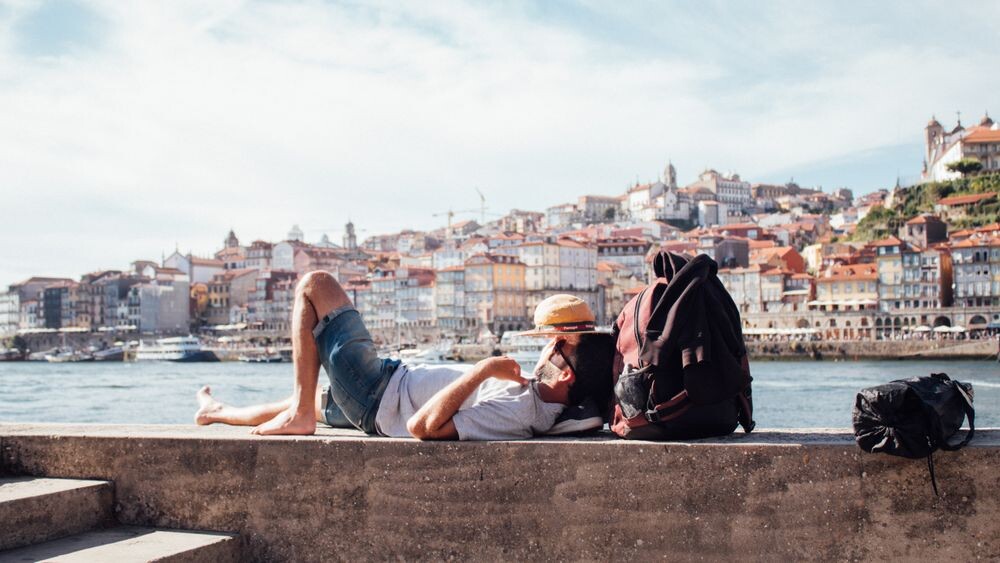
Travel can be exciting, but it can also wear you out fast. Short breaks help your body and mood stay strong.
Plan time to sit in a park, sip water, or return to your room for a pause. This keeps small problems from feeling huge. A rested traveler usually notices more colors, sounds, and details along the way.
Many people now use slower travel styles because they feel kinder and less rushed. You do not have to see every sight in one day. A calmer pace can make the trip feel richer and more personal.
11. Keep Your Bag Easy to Watch
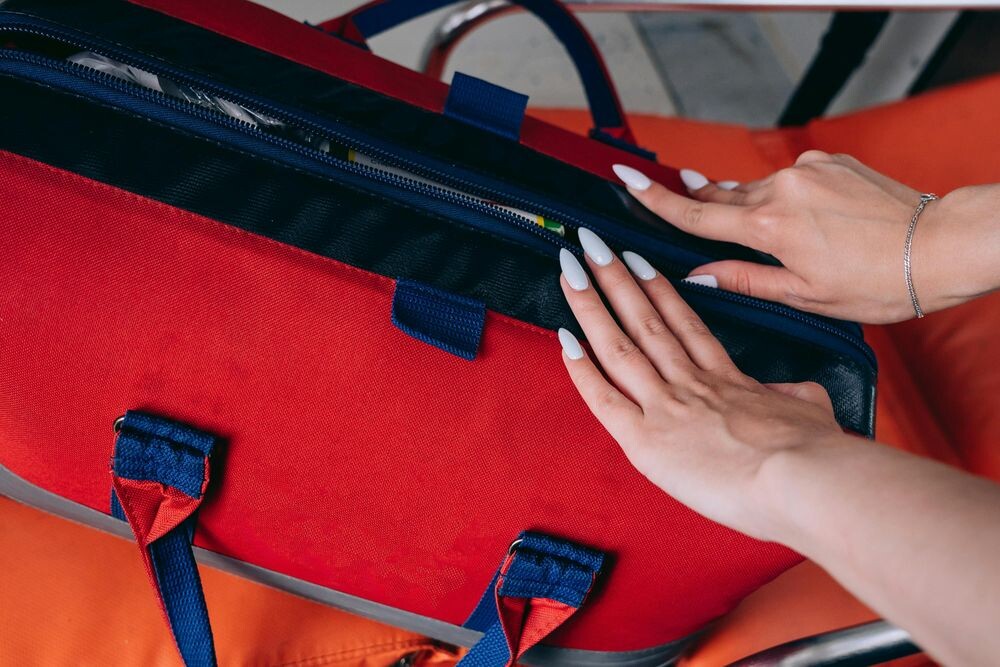
A safe bag can help you relax in busy places. It should close well and stay close to your body.
Use simple zippers, and keep your most important items in one inner pocket. A small crossbody bag or daypack is often easier to manage than a loose tote. This can also be more affordable, since you do not need fancy gear to stay careful.
Pick a bag color that does not scream for attention if you want a low-key look. Some travelers add a bright strap or tag so their bag is easy to spot. That mix of plain and personal can be both useful and stylish.
12. Talk to People When You Need Help
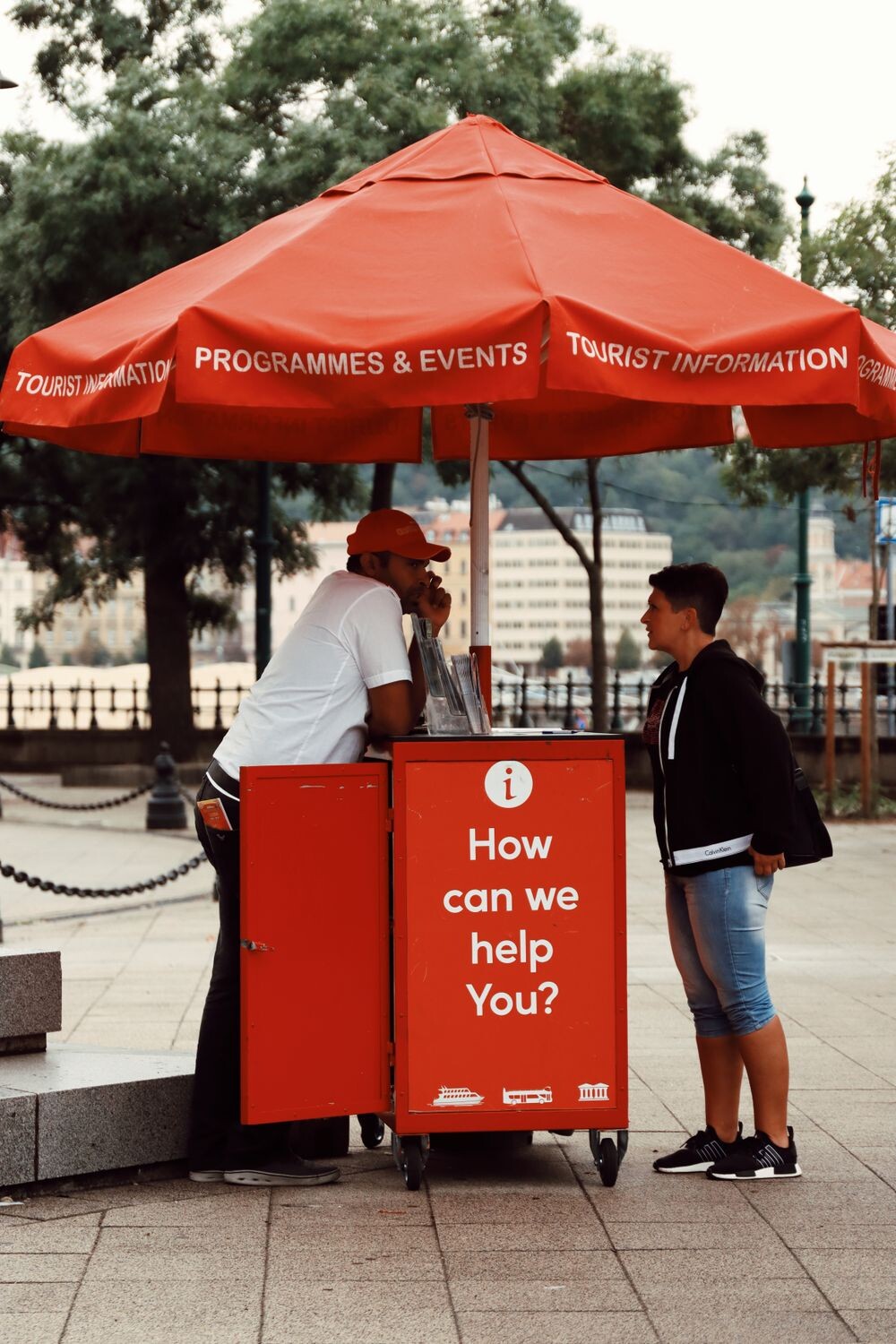
Most people are kinder than you expect. A simple question can lead to useful advice.
Ask hotel staff, shop workers, or drivers for directions or local tips. Keep your questions short and polite, and show a map or address if needed. This can save time and money because locals often know the quickest and cheapest ways around.
If you feel shy, practice a few helpful phrases before the trip. You can also write questions in your phone so they are ready when you need them. Small talks can make a new place feel warmer and more human.
13. Take Photos, But Stay in the Moment
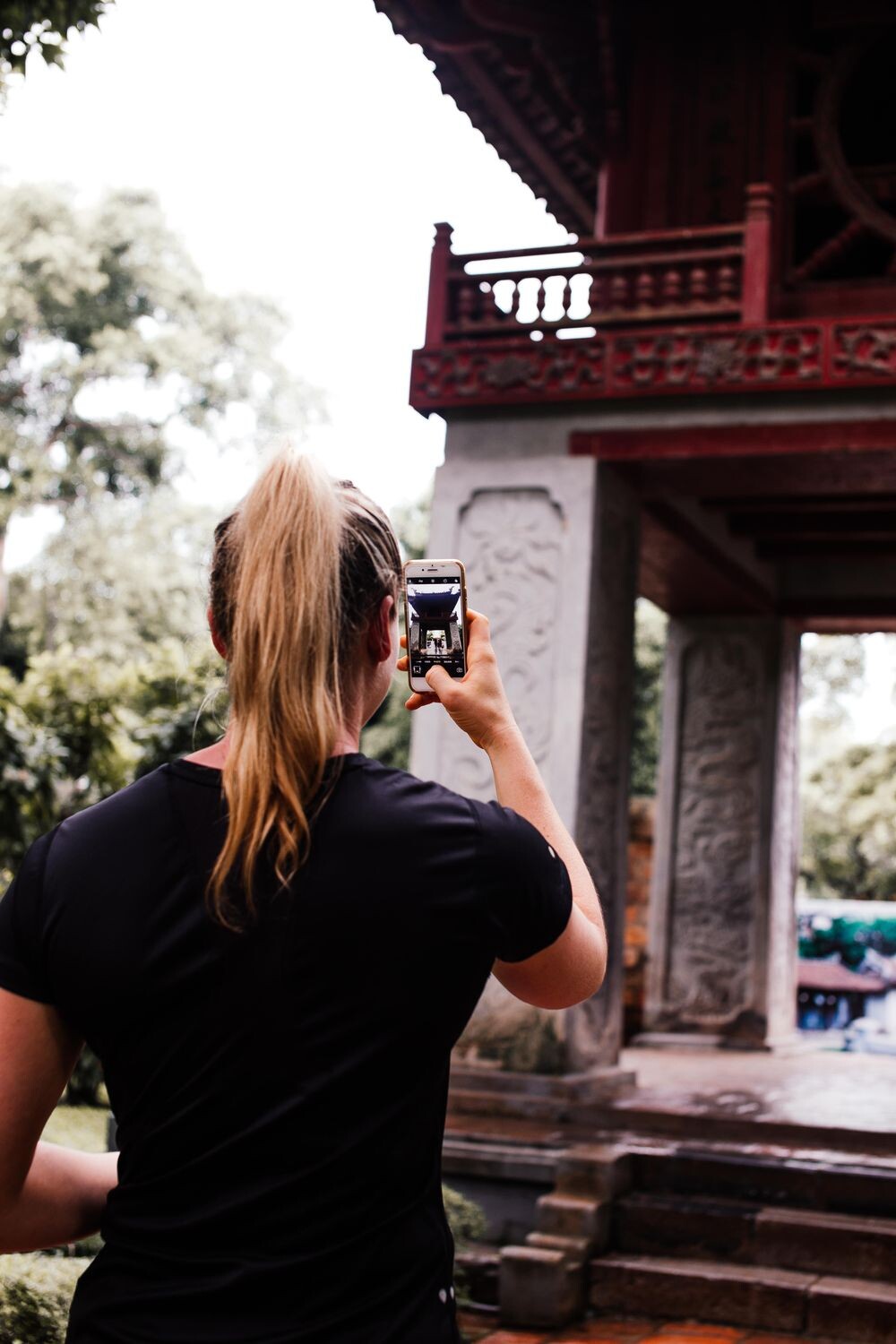
Pictures can help you remember the colors, faces, and places from your first trip. They are fun to share and nice to look back on later.
Take a few photos, then put the phone away and enjoy the scene with your own eyes. This balance keeps the trip from turning into a screen-only memory. Many travelers now like simple, natural photos instead of heavy editing, because they feel more real.
You can make your photos more personal by capturing small details like a market sign, a cup of tea, or your shoes by the door. These little moments often tell a better story than big landmarks alone. A few thoughtful shots can cost nothing and still feel priceless.