Your next trip can feel exciting before you even pack a bag. A few smart choices now can save money, stress, and time later.
1. Check the best time to go for your style
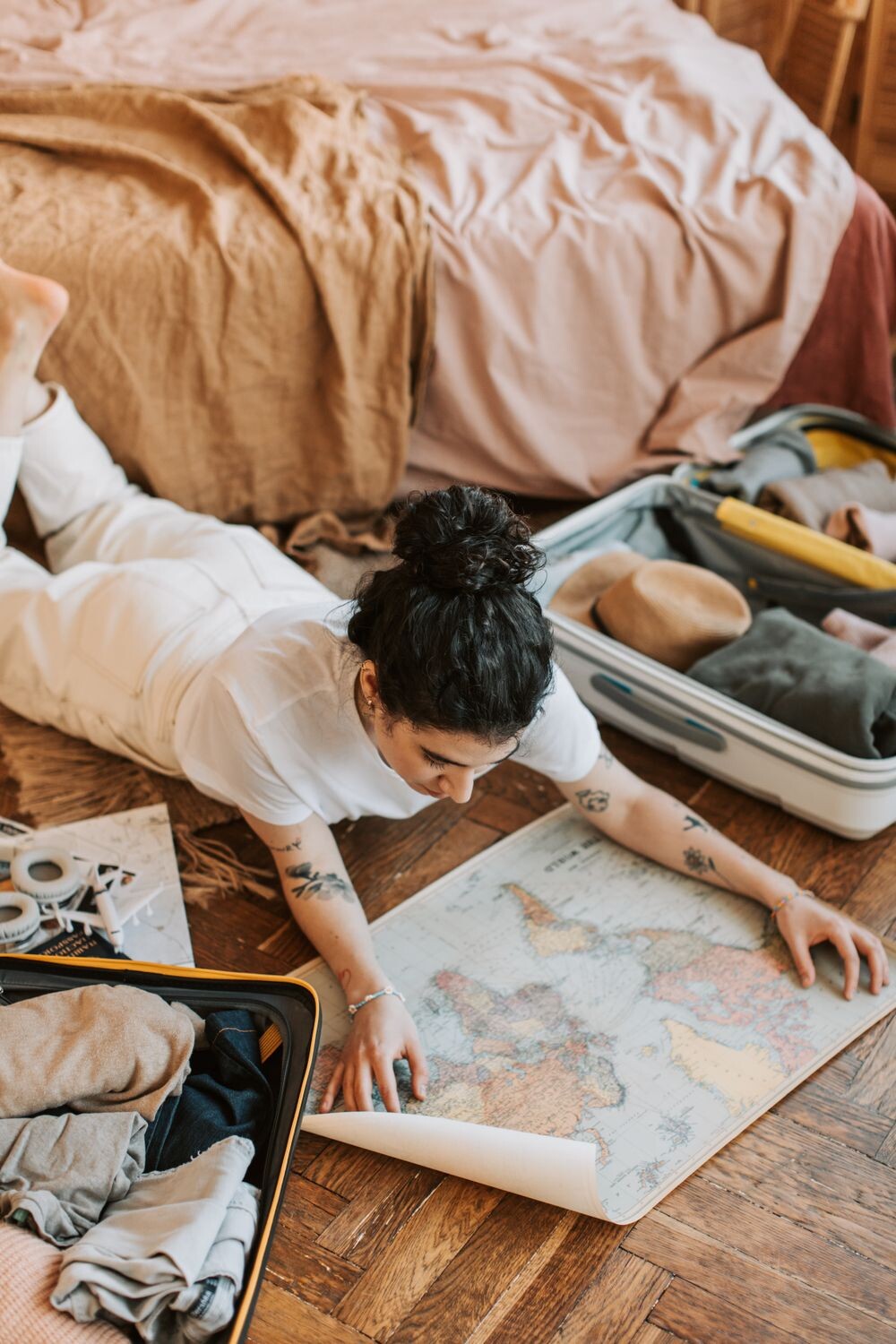
The same place can feel totally different in spring, summer, or winter. Bright flowers, warm beaches, snowy streets, or quiet trails can all change the mood of your trip.
Think about what you want most from the trip, like low prices, good weather, or fewer crowds. A shoulder season trip often gives you a nice mix of value and comfort. If you love calm days and shorter lines, that can be a great fit for you.
2. Look at the full cost, not just the ticket price

A low fare can look like a win until extra fees show up. Bags, seats, airport rides, meals, and resort charges can make a trip much more expensive.
Make a simple list of all the big costs before you book. This helps you compare places in a fair way and avoid surprise bills later. It also makes it easier to pick a trip that fits your budget and still feels fun.
Some travelers now use budget apps or price trackers to spot good deals. You can also save money by choosing a hotel with breakfast or a place near public transit. Small choices like these can leave more room for fun things once you arrive.
3. Pick a location that matches your energy

Not every trip should feel packed from morning to night. Some places shine with busy streets and loud nightlife, while others feel best with quiet views and slow walks.
Think about your own pace and the kind of days you enjoy. A beach town may be perfect for rest, while a big city may be better for food and shows. The best trip is often the one that feels right for your mood.
You can make the trip more personal by choosing a place that fits your hobbies. If you like art, look for museums and murals. If you like nature, try parks, lakes, or mountain towns that give you fresh air and wide-open views.
Many travelers now want trips that feel more local and less rushed. That trend can lead you to neighborhood cafes, small markets, and hidden streets that feel special. These spots often cost less than the big tourist areas too.
4. Read the fine print before you click book

Booking rules can be dull, but they matter a lot. A pretty photo can hide strict refund rules, date limits, or extra charges.
Check cancellation terms, change fees, and check-in times before you pay. It is also smart to look at baggage rules if you are flying. A few minutes of reading can save you from a lot of trouble later.
5. Choose the right place to stay for your trip style
A hotel, rental, hostel, or guesthouse can each give a very different feel. A cozy room with soft lights may suit one traveler, while a roomy apartment may suit a family or group.
Think about what matters most to you, like space, privacy, or helpful staff. A place near the things you want to do can save time and money on rides. It can also make your days feel smoother and less tiring.
Look at photos, maps, and recent reviews to get a better picture. Some stays have a stylish look but may be far from food or transit. A smart choice is one that matches both your taste and your plans.
6. Pay attention to how you will get around
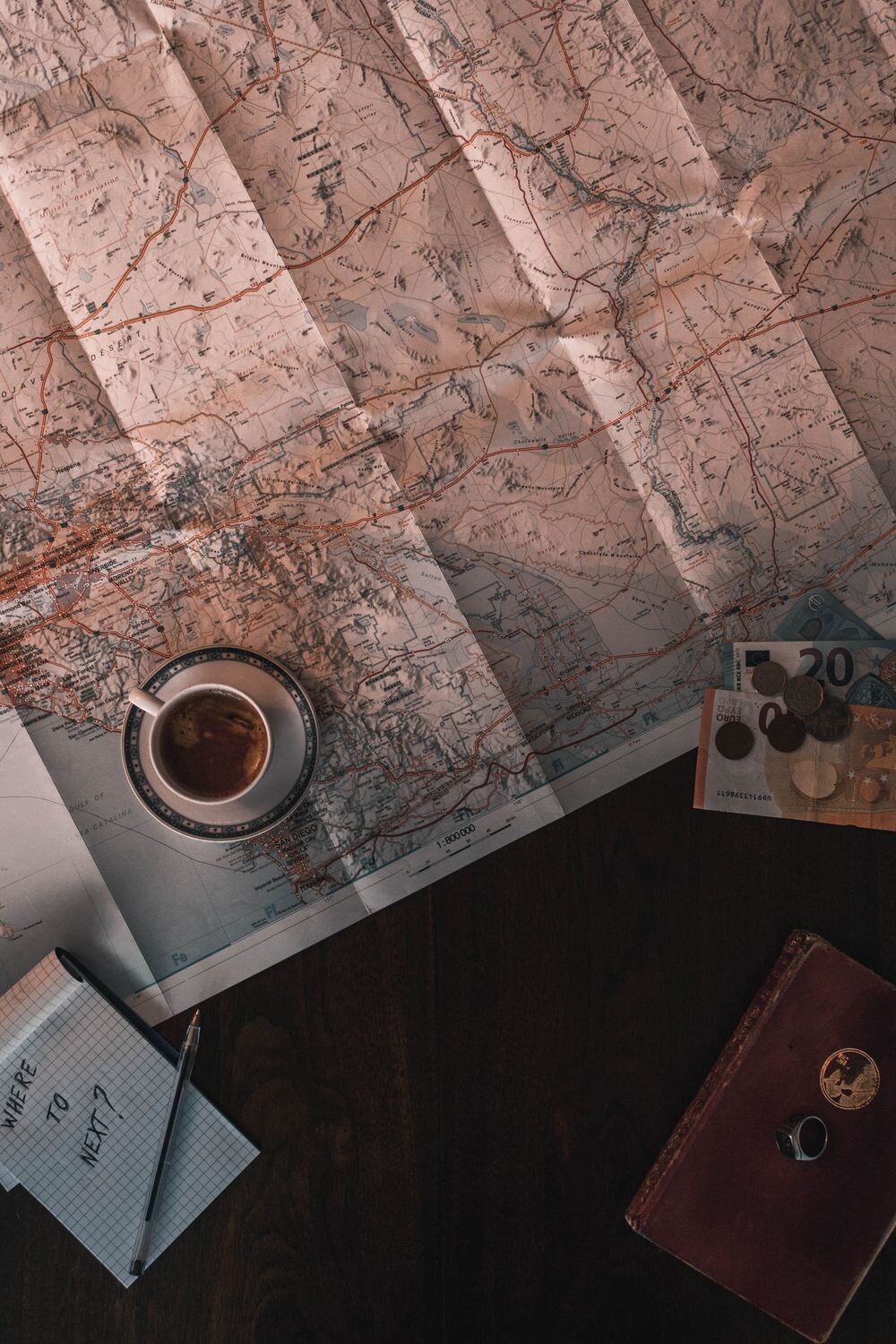
Getting from place to place can shape your whole trip. A city with trains and buses may feel easy, while a remote area may need a car or guided ride.
Before booking, check how far your stay is from airports, stations, and main sights. This can help you avoid long transfers after a tiring flight. It can also show you where the real travel costs will be.
Some travelers now like car-free trips because they feel simple and light. Others prefer to rent a car for freedom and side trips. Your best choice depends on your comfort, your budget, and how much moving around you plan to do.
Try to match your transport plan to your daily goals. If you want to wander a lively city, public transit may be enough. If you want scenic roads and small towns, a car may give you more freedom.
7. Think about safety, health, and peace of mind

A beautiful place should also feel safe and comfortable. Good lighting, helpful staff, and nearby services can make a trip feel easier from the start.
Check local advice, health needs, and any travel rules before booking. If you need medicine, special food, or extra support, plan for that early. A little care now can make the trip feel smooth and calm.
It also helps to keep digital copies of important papers. Many travelers store tickets, IDs, and hotel details on their phones for quick access. This simple habit can save time if something gets lost.
Personal safety can be part of your trip style too. Some people like busy, well-known places, while others want quiet spots with trusted reviews. Choose the setting that helps you relax and enjoy yourself.
8. Match the trip to the season and local events
A trip can feel magical when it lines up with a festival, market, or holiday lights. The streets may be brighter, the food may be better, and the whole place may feel more alive.
At the same time, special events can bring bigger crowds and higher prices. If you want the fun without the rush, look for dates just before or after the busiest days. That can be a sweet spot for both cost and comfort.
Local calendars can also help you plan around closures. Some places shut down early on certain days, while others stay open late for seasonal events. A quick check can keep your plans from getting scrambled.
Travel trends now often lean toward themed trips, like food weeks, flower seasons, or holiday markets. These trips can feel extra memorable because they give you a clear reason to go. They also make it easier to build a plan around one special idea.
9. Leave room for your own interests

The best trips do not have to look like anyone else’s. You may want art, coffee, hiking, books, music, or just a quiet chair with a view.
When you book, think about what makes you feel happy and rested. A trip feels more special when it includes your favorite things, not just the famous sights. Even one small personal touch can make the whole experience shine.
You can build that touch into your stay, your meals, or your day plans. Maybe you want a room with a balcony, a local cooking class, or a stop at a vintage shop. These choices can make the trip feel made for you.
Personalization is a big trend now because travelers want more than a plain checklist. They want moments that feel real and memorable. That can mean choosing a place with character instead of only picking the cheapest option.
10. Check reviews with a careful eye

Reviews can be helpful, but they need a smart read. One loud complaint or one glowing story does not tell the whole truth.
Look for repeated comments about clean rooms, friendly staff, noise, or location. Those patterns usually matter more than one single opinion. Recent reviews are especially useful because places can change over time.
It also helps to read reviews from people with similar travel needs. A family, solo traveler, or couple may care about different things. That makes the advice more useful for your own trip.
Photos from guests can show what a place really looks like. They may reveal room size, view quality, or nearby streets better than polished ads do. That extra look can help you book with more confidence.
11. Think about food before you book
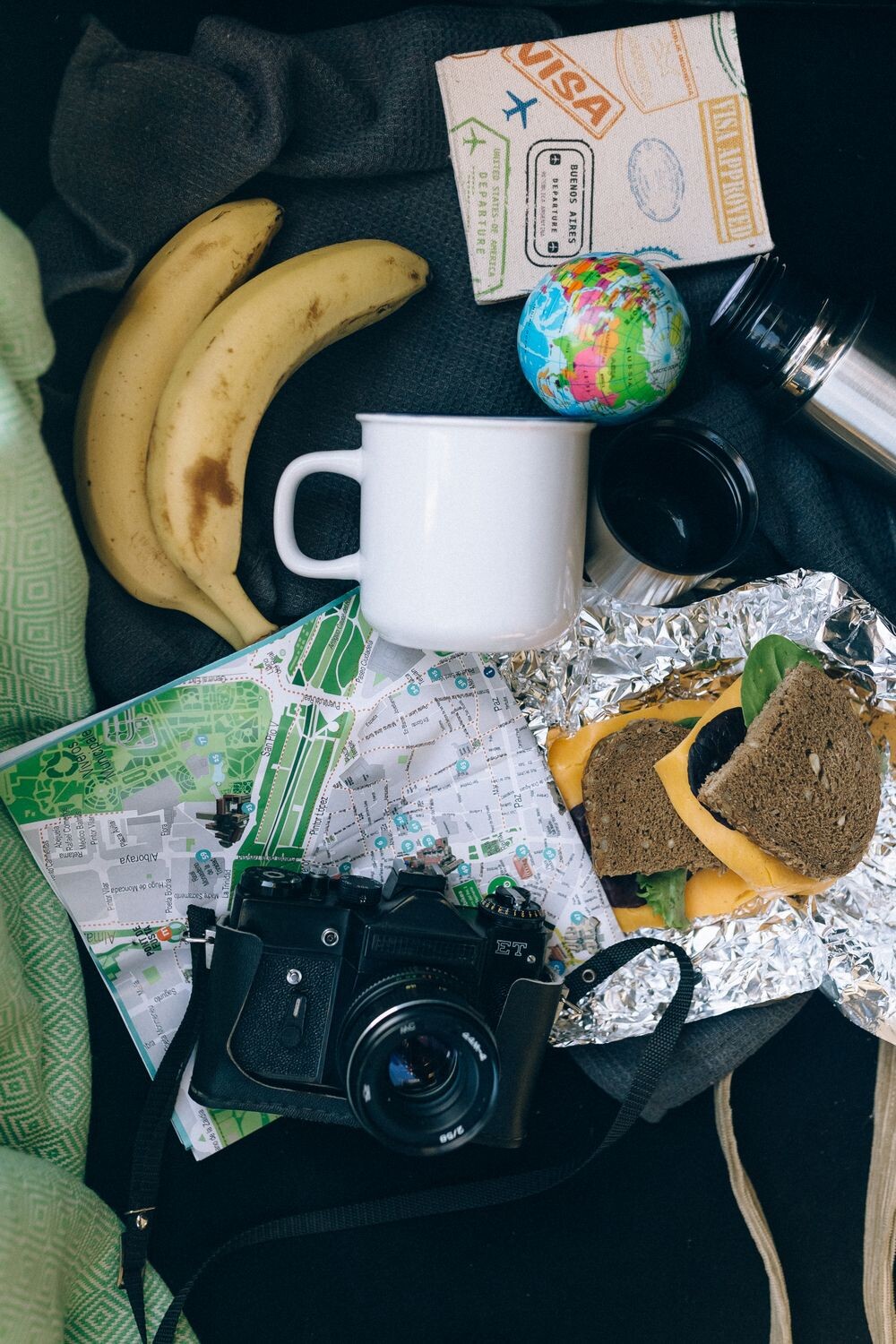
Food can shape your trip just as much as sights and hotels. A place with local snacks, street food, or cozy cafes can make every day feel richer.
If you have food needs, check menus or nearby grocery options ahead of time. This is helpful for allergies, special diets, or picky eaters. It can also keep your food budget under control.
Many travelers now plan trips around food neighborhoods and local markets. That trend can lead to tasty meals and a stronger feel for the area. It can also give you a fun way to personalize your days without spending a lot.
Try to leave space for both planned meals and random treats. A bakery you spot on a walk or a tiny stand by the road can become a favorite memory. Those small bites often feel more special than a big, costly meal.
12. Book with your schedule in mind
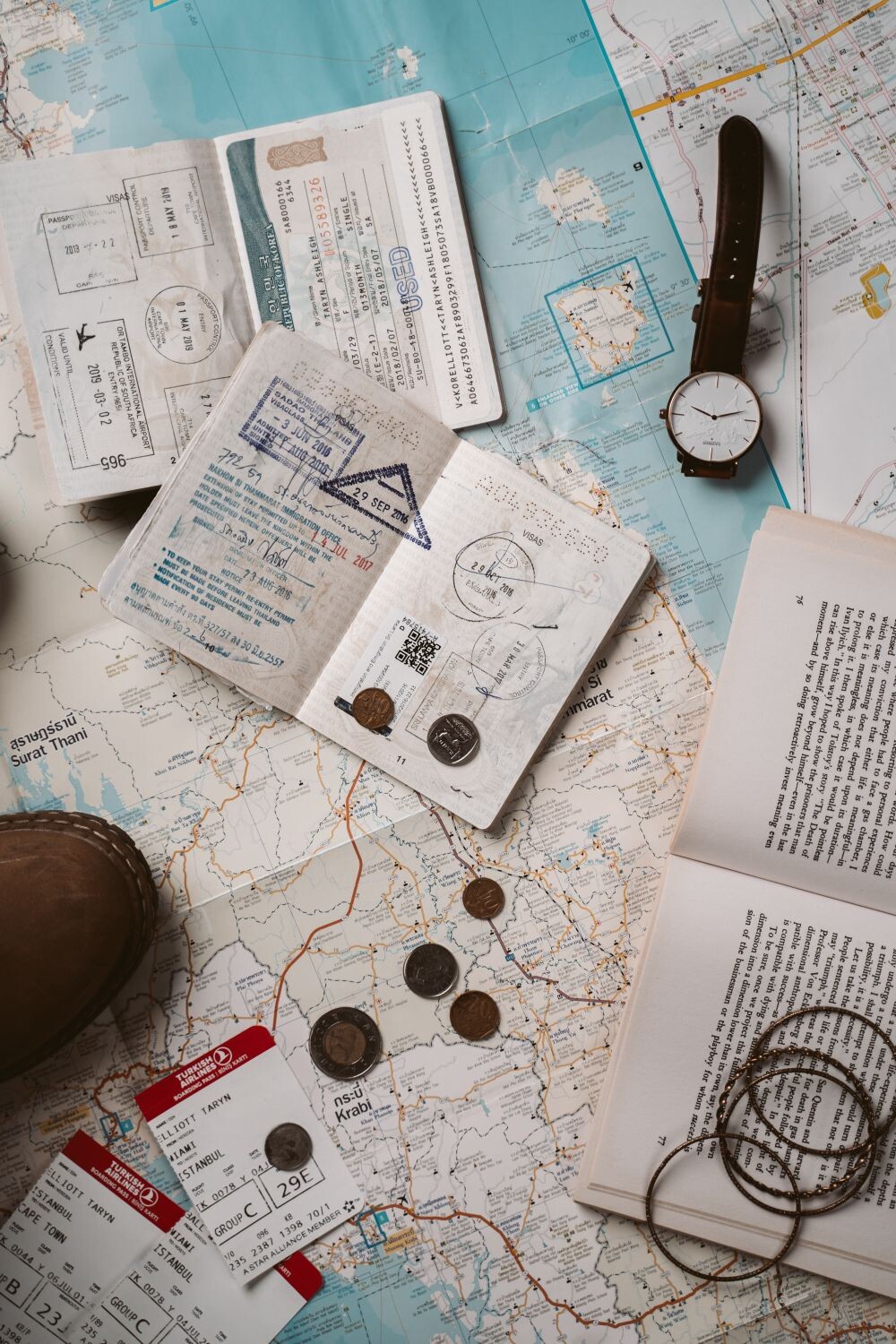
A trip should fit your life, not fight it. If your dates are too tight, even a good destination can feel rushed and tiring.
Look at work, school, family plans, and rest time before you book. A few extra hours can make travel days much easier. It can also give you room for delays without ruining the trip.
Some people now prefer shorter, more frequent getaways instead of one huge vacation. This can be a smart way to save money and still get a change of scene. It also makes planning feel less heavy.
Try to build in a calm first day if you can. That gives you time to settle in, unpack, and get used to the new place. A gentle start often makes the rest of the trip feel better.
13. Keep an eye on weather and packing needs

Weather can change the look and feel of a trip fast. Sunny skies, warm rain, or cool nights all ask for different clothes and gear.
Check the forecast close to your travel date and pack for more than one kind of day. A light jacket, comfy shoes, and a small umbrella can be very useful. Smart packing can save you from buying things you did not plan for.
The right packing list also depends on your plans. Hiking, swimming, city walks, or fancy dinners all need different items. When your bag matches your trip, everything feels easier.
Many travelers now use simple packing cubes and carry-on bags to stay neat. This trend can cut baggage fees and make moving around less stressful. It can also help you keep your trip light and tidy.
14. Make sure the booking site is trustworthy
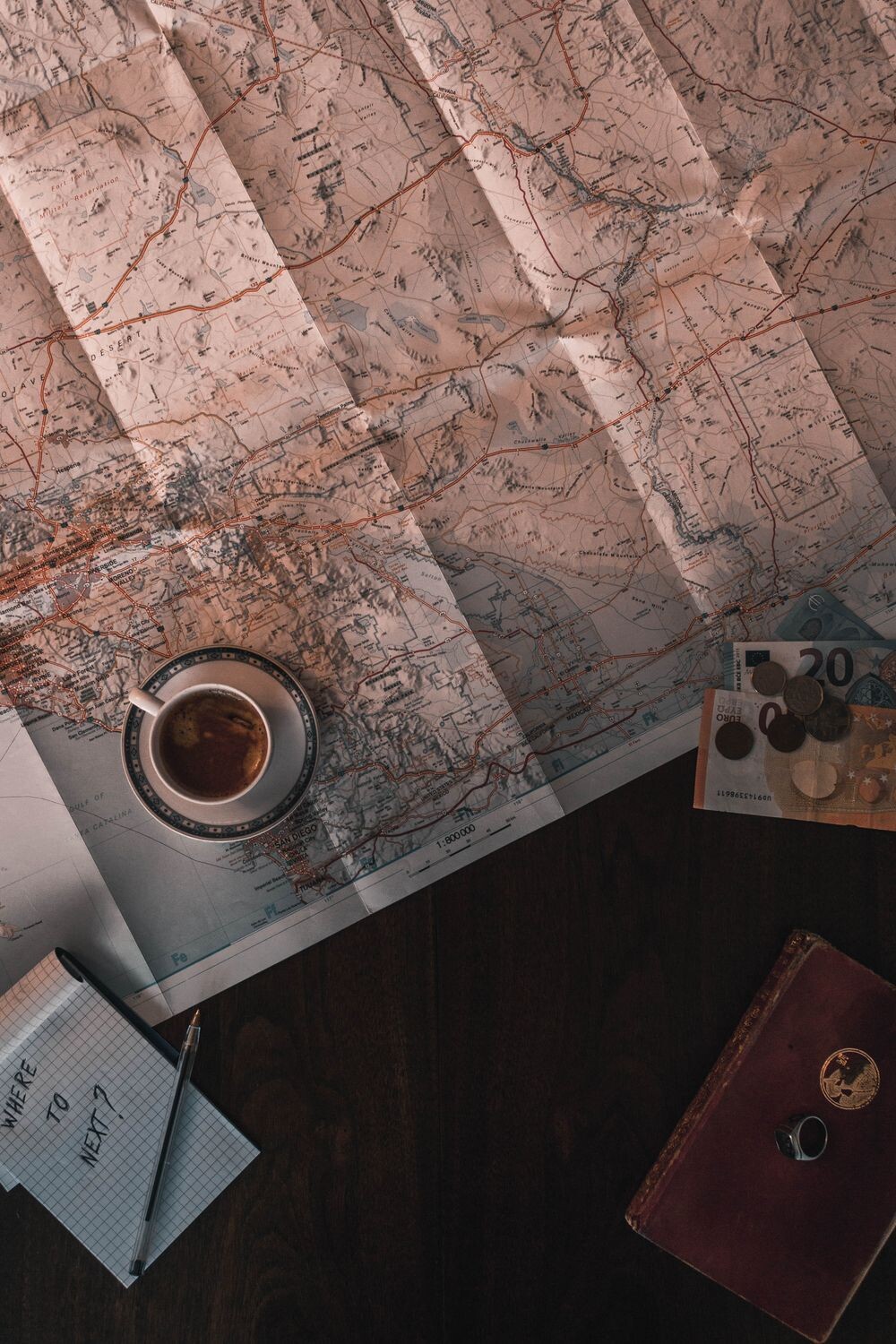
Where you book matters as much as what you book. A trusted site can help with support, clear prices, and safer payment steps.
Look for secure payment pages, real contact details, and clear policies. If something feels odd, slow down and check again before paying. A careful choice can protect both your money and your trip.
It is also smart to compare the same stay or flight on more than one site. Prices, fees, and rules can change from one place to another. That extra check may save you a fair amount.
Some travelers book direct with hotels or airlines for better help and possible perks. Others use travel sites for easy comparisons and package deals. The best choice depends on how much support and flexibility you want.
15. Leave space for surprise and joy
Even the best plan should have a little room to breathe. A trip often becomes memorable because of a view, a smile, or a street you did not expect to love.
Try not to pack every hour with tasks. Leave open time for a slow coffee, a park bench, or a last-minute stop that catches your eye. Those loose moments can become the best part of the whole trip.
You can still plan well and stay open at the same time. Pick your must-do items, then let the rest stay flexible. That balance gives you structure without making the trip feel stiff.
Today, many travelers want more meaningful moments and less rushing. That makes a little space in your plan feel even more valuable. A trip with room for surprise often feels more personal, more relaxed, and more fun.