Some trips fade fast in memory. Others stay with you for years.
1. Travel with a clear purpose
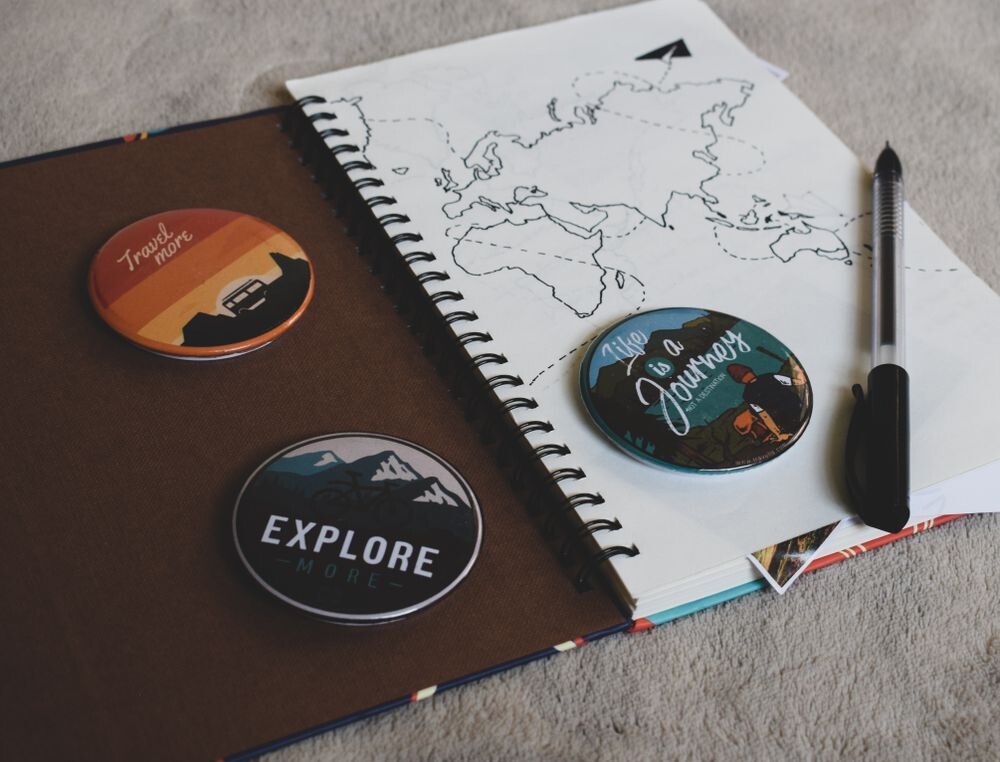
A journey feels richer when you know why you are taking it. That purpose can be rest, learning, healing, helping, or simply seeing a place with fresh eyes.
Write your reason down before you leave and keep it easy to see. This small step can guide your choices, from where you stay to how you spend your time, and it can keep your trip from feeling random. A purpose also helps you spend money with care, since you can skip things that do not match your goal.
2. Slow down your pace
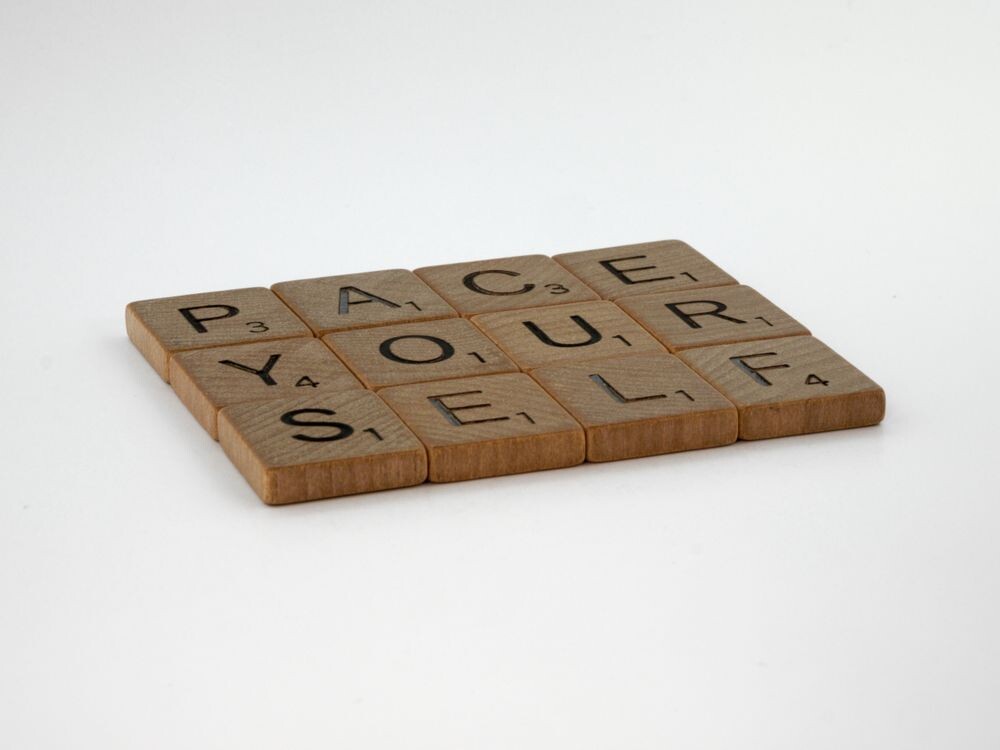
Fast trips can feel like a blur of photos and rushed meals. A slower pace gives you room to notice the light on old buildings, the smell of street food, and the sound of local life around you.
Try staying longer in one neighborhood or keeping one day open with no big plans. This can make your journey feel calmer and more personal, and it often costs less than packed schedules with many tickets. Slow travel is also a growing trend because people want deeper memories, not just busy calendars.
You can pick a café, park, or market and return to it more than once. That simple habit can turn a place from “new” into “familiar,” which often feels very meaningful.
3. Talk to local people
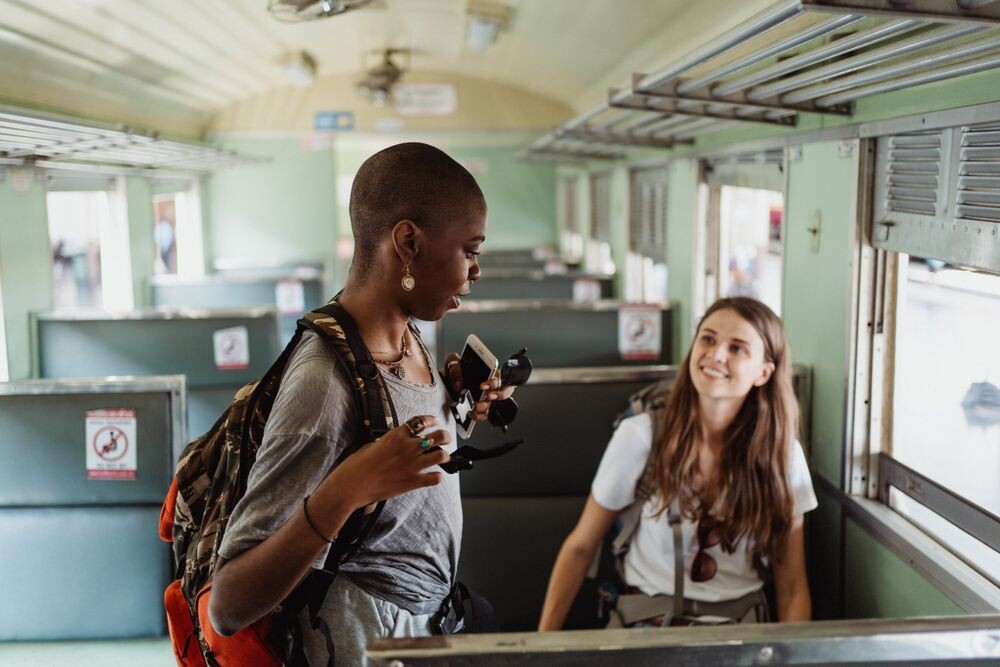
Friendly chats can turn an ordinary stop into a special memory. A shop owner, taxi driver, guide, or neighbor may share stories that no travel app can give you.
Ask simple questions and listen with care. You might learn where locals eat, how they celebrate, or what they love most about their town.
These talks can make you feel less like a visitor and more like a guest. They also help you understand the place in a real way, which is far more unique than only seeing famous sights.
If you want to be thoughtful, choose local tours or family-run spots when you can. That can support the community and often gives you a warmer, more personal experience for your money.
4. Keep a travel journal
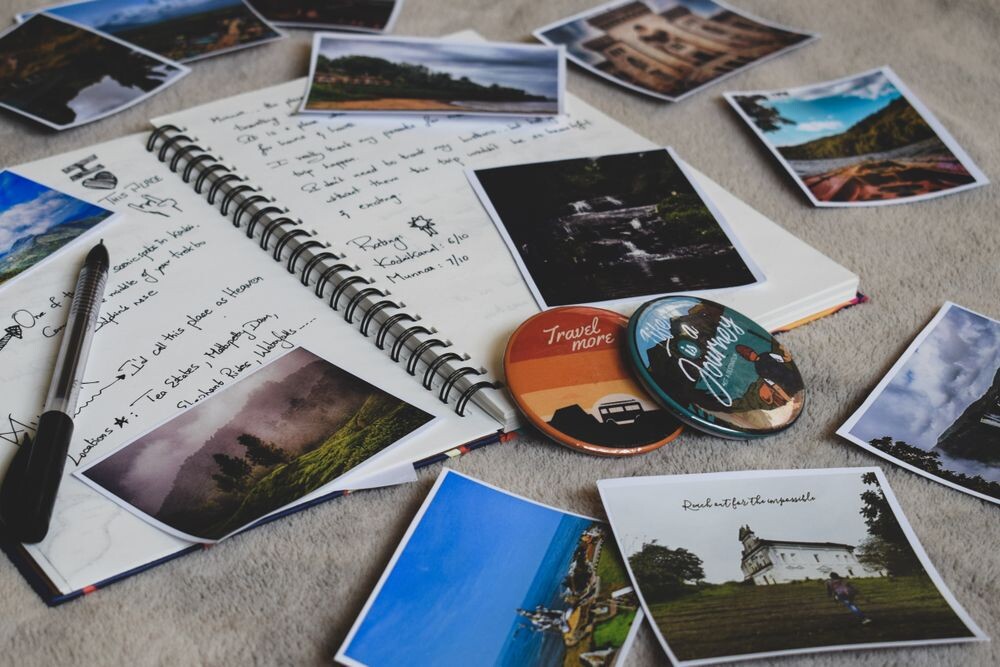
Writing things down helps you hold on to details that photos can miss. The color of a sunset, a funny moment on a bus, or a kind word from a stranger can become treasures later.
Your journal does not need to be neat or fancy. A few lines, quick sketches, ticket stubs, or even a pressed leaf can make it feel special and full of life.
5. Try local food with care
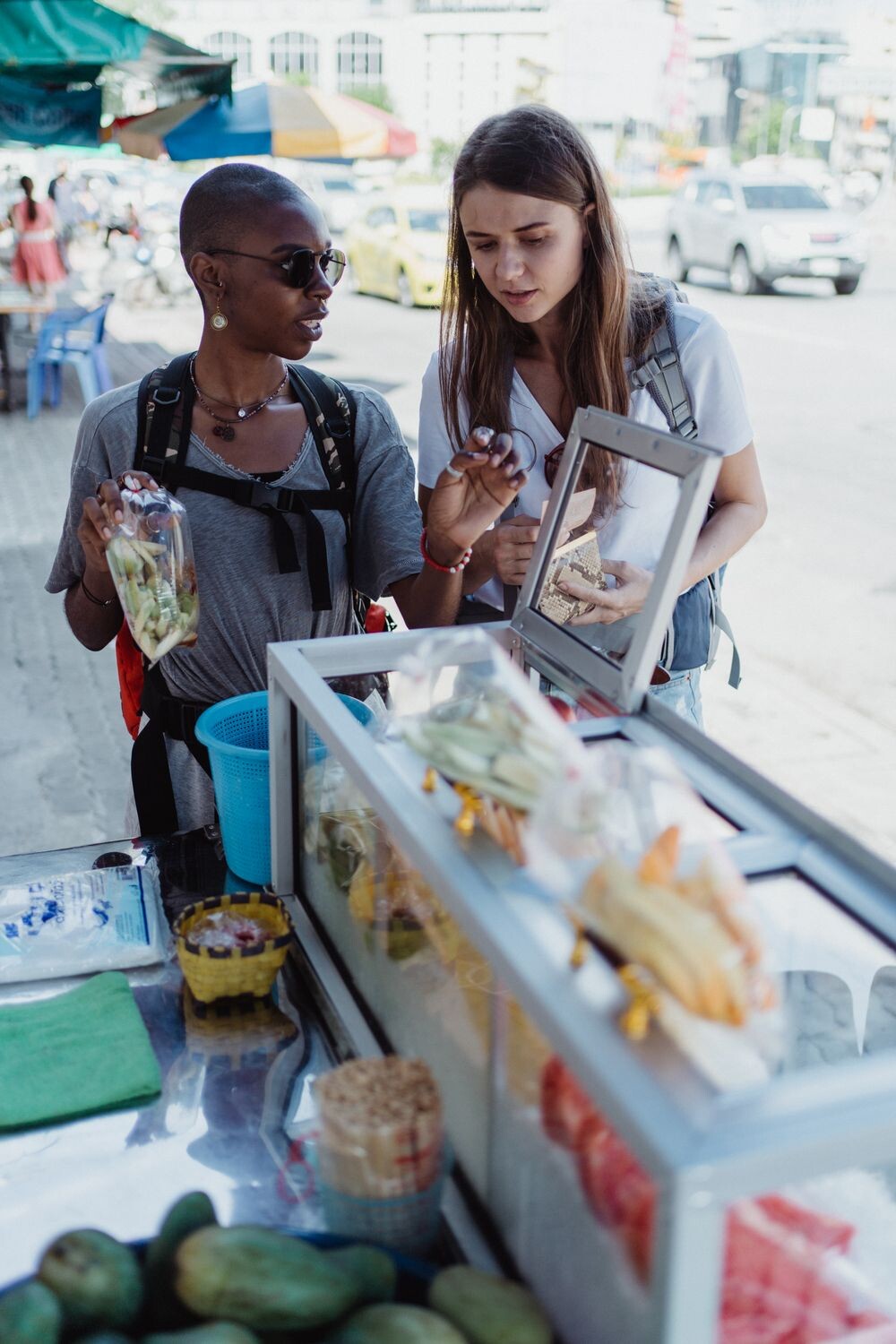
Food can tell the story of a place in a way that guidebooks cannot. A bowl of soup, a fresh pastry, or a market snack can show you what people value and enjoy every day.
Start with small bites if you feel shy about new flavors. Ask what is popular, what is fresh, and what is made nearby, because that often leads to the best meals.
Eating local can be both meaningful and budget friendly. Street food, lunch specials, and family kitchens often cost less than big tourist restaurants, and they usually feel more real too.
Today, many travelers look for plant-based dishes, farm-to-table meals, and food tours that support small makers. You can make the experience your own by choosing foods that fit your taste, health needs, and values.
6. Walk more and notice more

Walking changes the way a place feels. You hear birds, footsteps, music, and voices that you would miss from a bus or car.
It also gives you chances to spot tiny details, like painted doors, old signs, or flowers growing through stone. Those details can make a trip feel full of life and surprise.
Choose safe paths, good shoes, and a simple map so you feel relaxed. Walking is free, flexible, and perfect for travelers who want a deeper look at a city or town.
You can make it personal by planning a photo walk, a nature walk, or a food walk. Each one shows a different side of the same place and keeps the journey fresh.
7. Leave room for unplanned moments
Some of the best travel memories happen by accident. A wrong turn may lead you to a quiet square, a hidden bakery, or a view that was never in your plan.
Give yourself empty space in your day so surprises can happen. This makes the journey feel open and alive instead of packed and tense.
8. Learn a few local words
Even a small set of words can open big doors. Hello, thank you, please, and excuse me show respect and make daily life easier.
People often smile when visitors try to speak their language, even if the words are not perfect. That effort can create a warm moment that feels more human than any photo.
Use a phone app, a pocket card, or short practice before you go. Learning a few phrases is low cost, useful, and a nice way to make your journey feel more personal.
You can also learn the names of foods, places, and simple directions. These little skills can help you shop, ask for help, and feel more confident in new settings.
9. Give back while you travel
Helping others can add real meaning to your trip. You might join a beach cleanup, support a local charity shop, or buy from makers who need the business.
Small acts matter, and they do not need to be grand. Picking up litter, respecting wildlife, and being kind to workers can all make a difference.
This kind of travel often feels more rewarding because you know your time and money are doing some good. It can also help you see a place as a living community, not just a pretty backdrop.
Look for volunteer options that are safe, short, and truly useful. Ethical travel is a strong trend right now, and many people want trips that leave a positive mark.
10. Travel with fewer things
Light packing can make your journey feel easier and calmer. When you carry less, you have more freedom to move, change plans, and enjoy the day.
Choose clothes that mix well, and bring only the items you truly need. A simple bag can save money on fees, reduce stress, and make your trip feel neat and tidy.
11. Make time for quiet moments

Busy trips can fill your head too fast. Quiet moments let your thoughts settle so you can feel the place instead of only seeing it.
Sit by water, rest in a park, or watch the sky change before sunset. These calm pauses can become some of the most beautiful parts of your journey.
Quiet time also helps you notice what matters to you. That can make the trip feel more personal, especially if you are traveling for reflection, recovery, or a fresh start.
You do not need to spend much to enjoy stillness. A bench, a window seat, or a peaceful corner can be enough to make a day feel special.
12. Take photos with intention
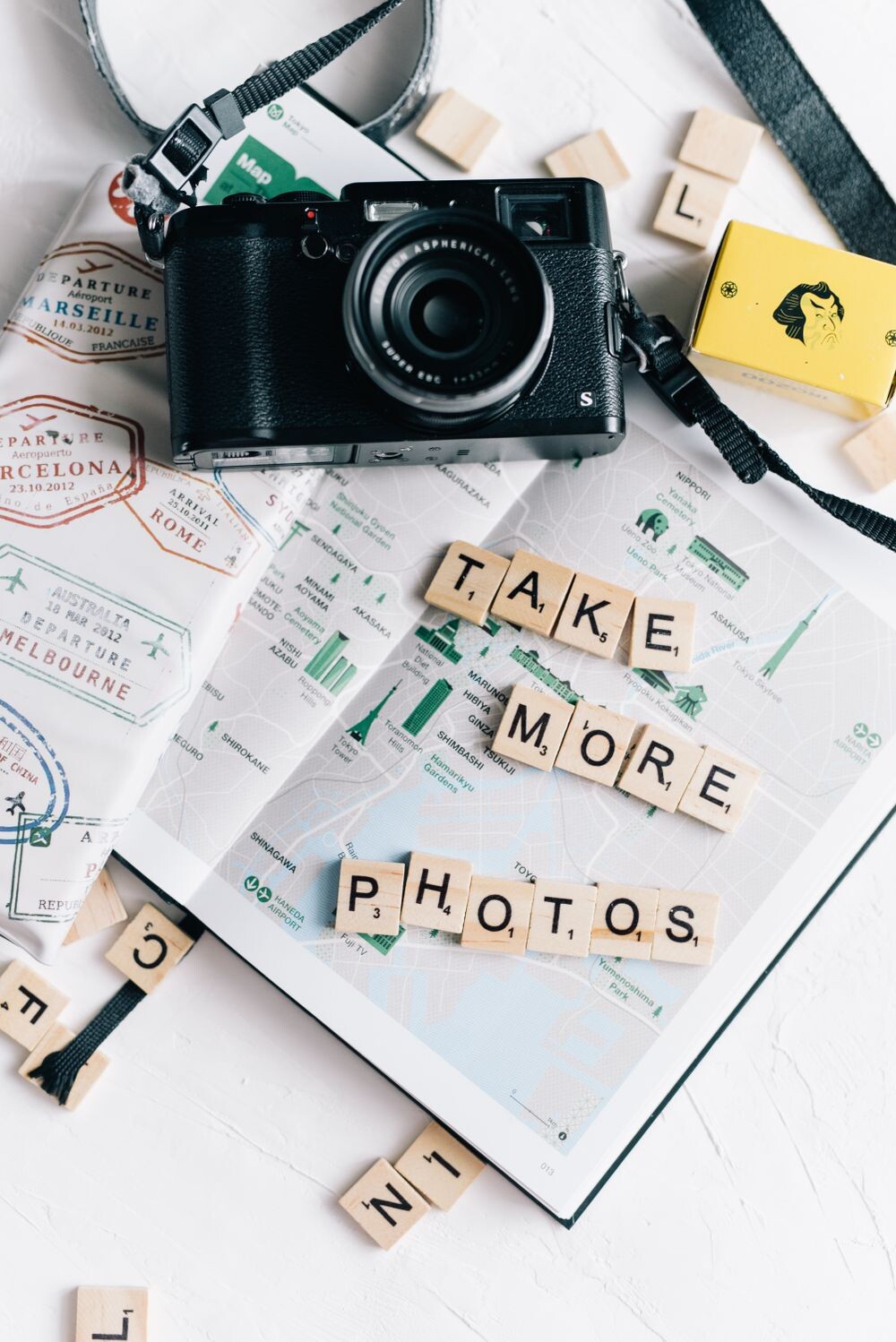
Photos can help you remember the feeling of a place, not just the look of it. Instead of snapping everything, choose moments that truly speak to you.
Try photographing small details, such as hands making bread, rain on a street, or the pattern of tiles. These pictures often feel more unique than the usual landmark shot.
Think about the story you want the image to tell. A thoughtful photo set can show your mood, your path, and the people or places that touched you.
13. Connect with nature
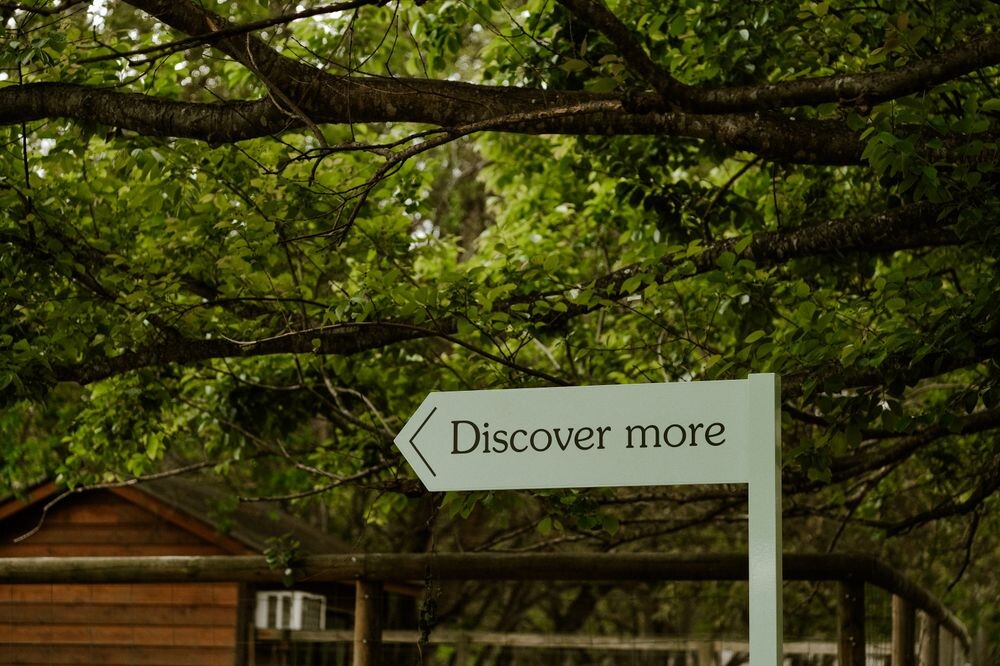
Nature can make any journey feel bigger and more alive. Trees, rivers, mountains, and open skies have a way of slowing your mind and lifting your spirit.
Spend time in a garden, along a trail, or near the sea if you can. The sights and sounds can feel fresh and healing, especially after noisy streets or long travel days.
Nature-based travel is also very popular right now, from forest stays to national park trips. Many of these choices can be affordable if you plan ahead and keep your needs simple.
You can make the experience your own by birdwatching, sketching leaves, or collecting safe natural memories like photos and notes. These small habits help the journey feel personal and calm.
14. Respect local customs

Respect is one of the best ways to make travel meaningful. When you dress, speak, and act with care, you show that you value the place and the people in it.
Learn a little about greetings, table manners, and sacred spaces before you arrive. This can help you avoid mistakes and also make you feel more welcome.
Being respectful often leads to better experiences, because people tend to open up more when they feel seen and honored. It can also save money and trouble by helping you avoid awkward situations or extra fees.
Small changes, like removing shoes where needed or keeping your voice low in quiet places, can make a big difference. Thoughtful travel is not only kind, it also makes your own memories richer.
15. Reflect before you go home
Reflection helps your journey stay with you after the bags are unpacked. A little review can turn scattered moments into lessons, feelings, and memories that last.
Ask yourself what surprised you, what made you smile, and what you want to carry into daily life. You can write it down, talk about it with a friend, or sort through your photos with care.
This final habit can make a trip feel complete without needing a formal ending. It also helps you see the value in your choices, your growth, and the people you met along the way.
If you want to make it even more personal, create a small memory box or a simple digital album. That keeps the journey close and gives you something meaningful to return to later.