Some trips fade fast in memory. Others stay with you for years.
1. Keep a small travel journal
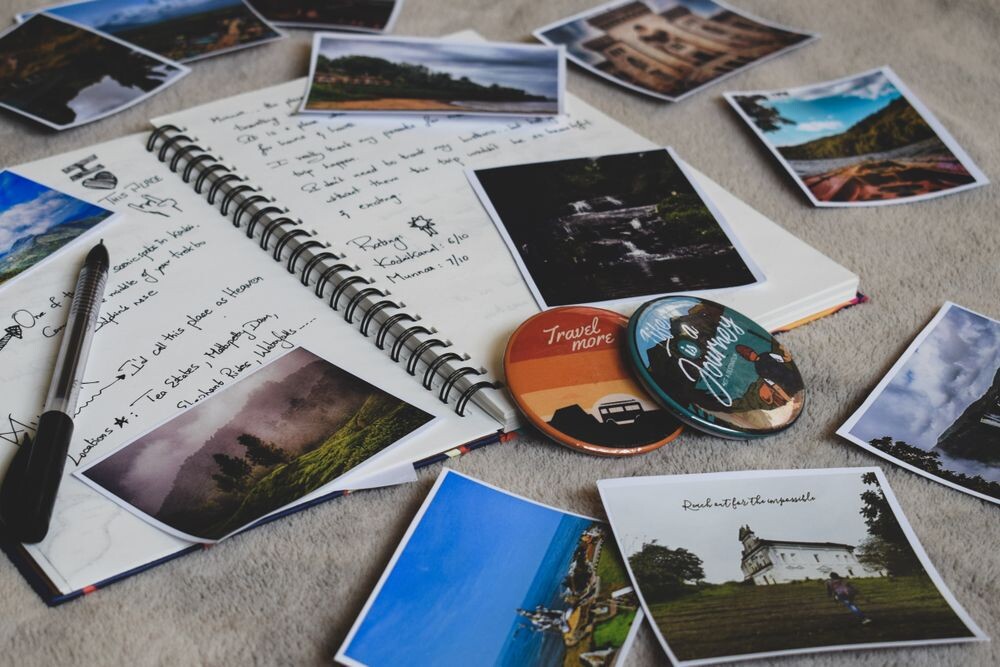
A tiny notebook can turn a plain trip into a story you own. The pages may fill with train times, market smells, and the color of the sky at sunset.
Writing down thoughts helps you notice more during the day. It also gives you a private place to sort feelings, dreams, and small surprises. A simple pen and pocket book cost very little, and many travelers now use slim digital notes too, which is handy if you want to keep things light.
2. Learn a few local words
A warm “hello” in the local language can open doors fast. Even a short phrase can make a shopkeeper smile or a taxi driver relax.
This habit makes your trip feel more personal and respectful. You do not need perfect speech, only a willing heart and a few helpful lines. Many people now use language apps before a trip, and that trend makes it easy to practice on the go.
Try greeting people, saying thank you, and asking for simple directions. Write the words on your phone or card so you can use them when you need them. If you visit more than one place, pick the most useful phrases for each stop.
3. Choose slow moments over packed plans
A quiet bench beside a river can mean more than a rushed list of sights. Slow travel gives you time to watch clouds, hear birds, and feel the place around you.
This style of journey often costs less because you spend less on fast transport and last-minute tickets. It also helps you notice unique details that busy travelers miss, like a street musician, a bakery smell, or a child flying a bright kite.
Leave room in your day for wandering, resting, and people-watching. If you want, build your route around one main goal and a few soft extras. That way your trip stays open, calm, and full of small joys.
4. Eat like a local
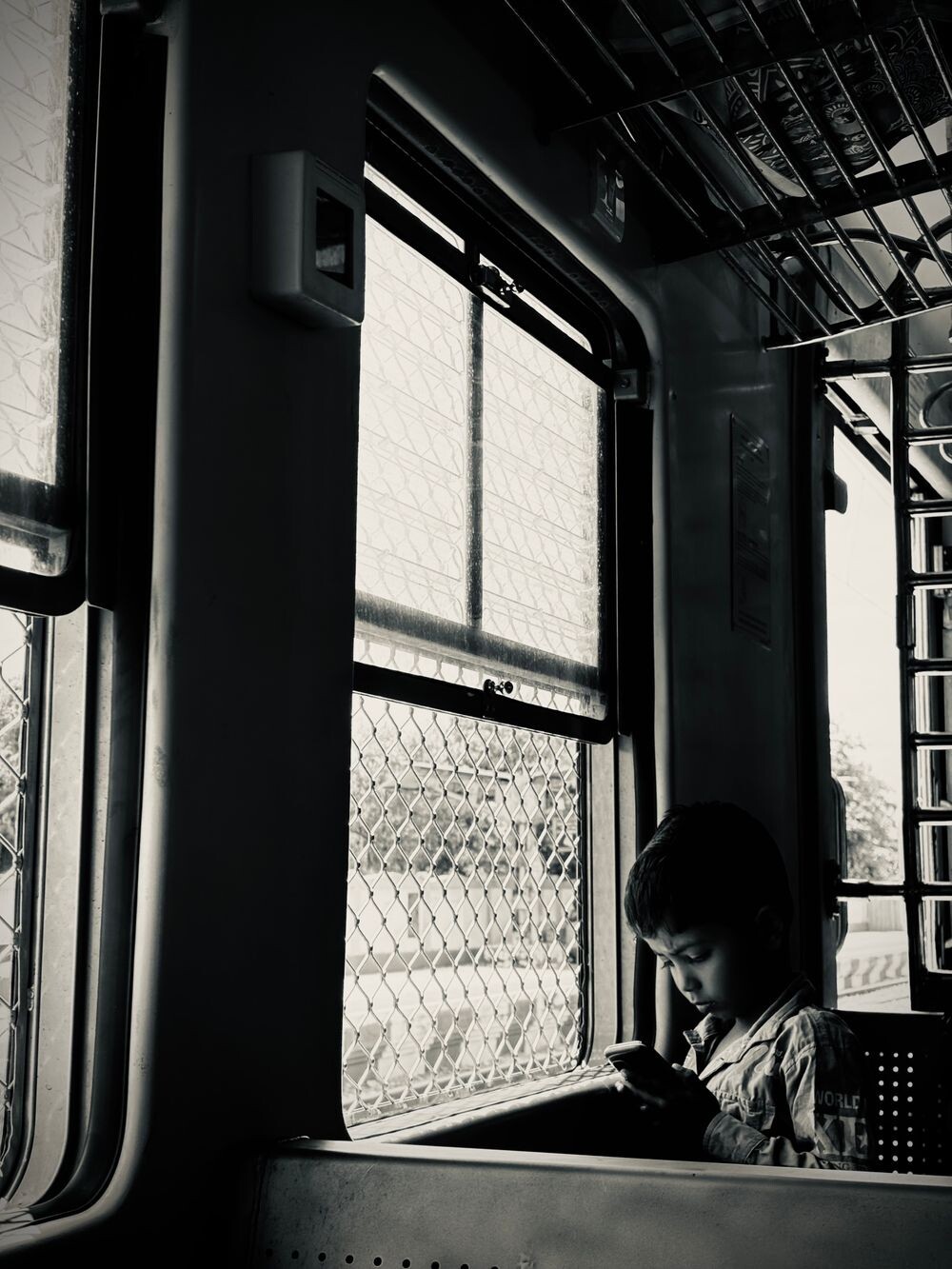
Food can tell you more about a place than a guidebook ever could. A bowl of soup, a street snack, or a home-cooked meal can show you what people value and enjoy.
Local food is often fresher, cheaper, and more tied to the area’s history. Ask what dish the town is proud of, then try it with an open mind. Many travelers now seek family-run spots and market stalls, since they often feel more real than big chain restaurants.
5. Talk to people, not just places
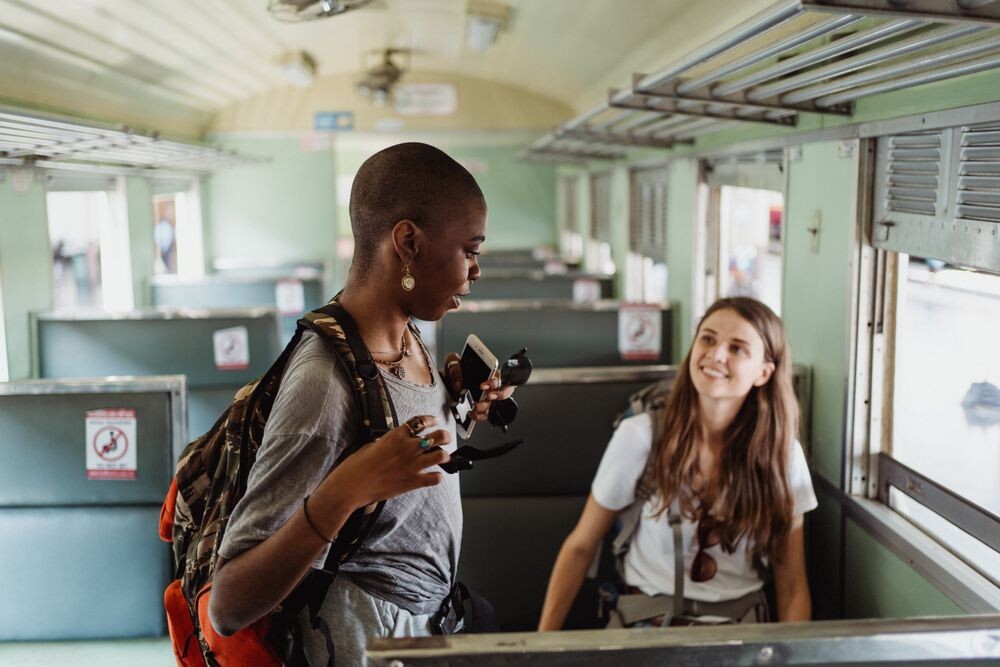
Memories grow stronger when they include faces and voices. A short chat with a host, driver, or shop owner can make a whole day shine.
People often share tips that no app can give. They may point you to a hidden view, a quiet café, or a festival that is not on the main tourist map.
Keep your questions simple and kind. Ask what they love about the area, or what they would show a friend. These small talks can make your journey feel warm, human, and one of a kind.
6. Travel with a purpose
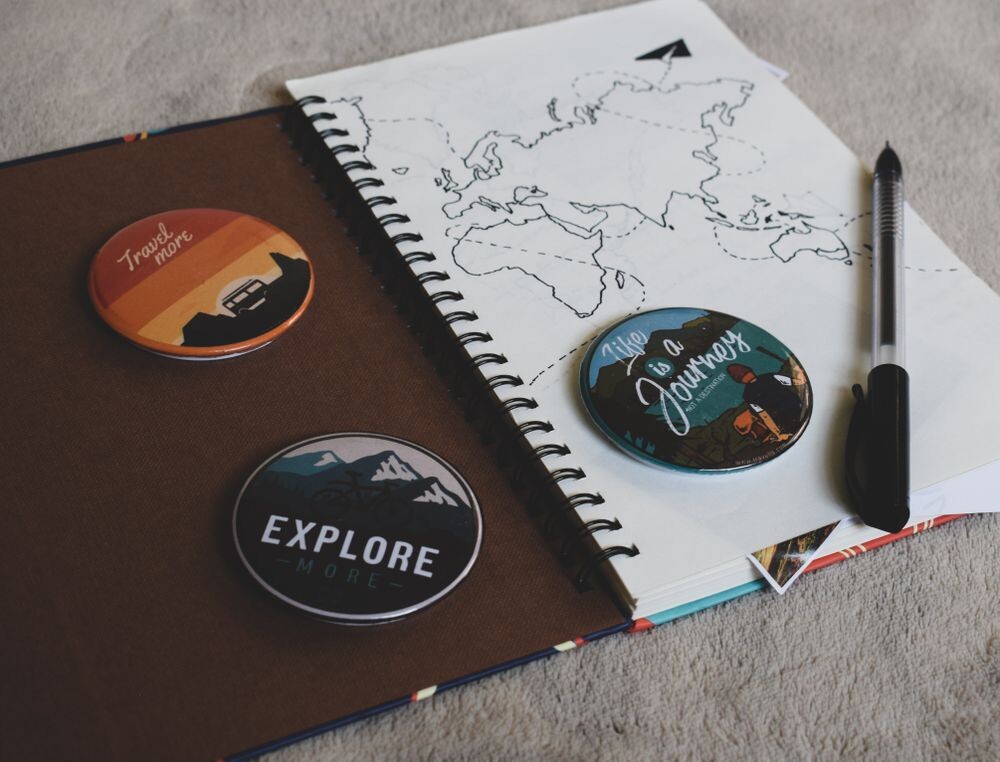
When you connect your trip to a cause, every step can feel more important. You might join a beach cleanup, support a local craft group, or volunteer for a day at a food bank.
This kind of travel often brings deeper pride and stronger memories. It can also help your money go further, since some purpose-led trips cost less than fancy tours.
Pick a cause that fits your skills and values. If you love animals, nature, teaching, or building, there may be a place where your time helps a lot. Purpose adds meaning without taking away the fun.
7. Pack with care and keep it simple
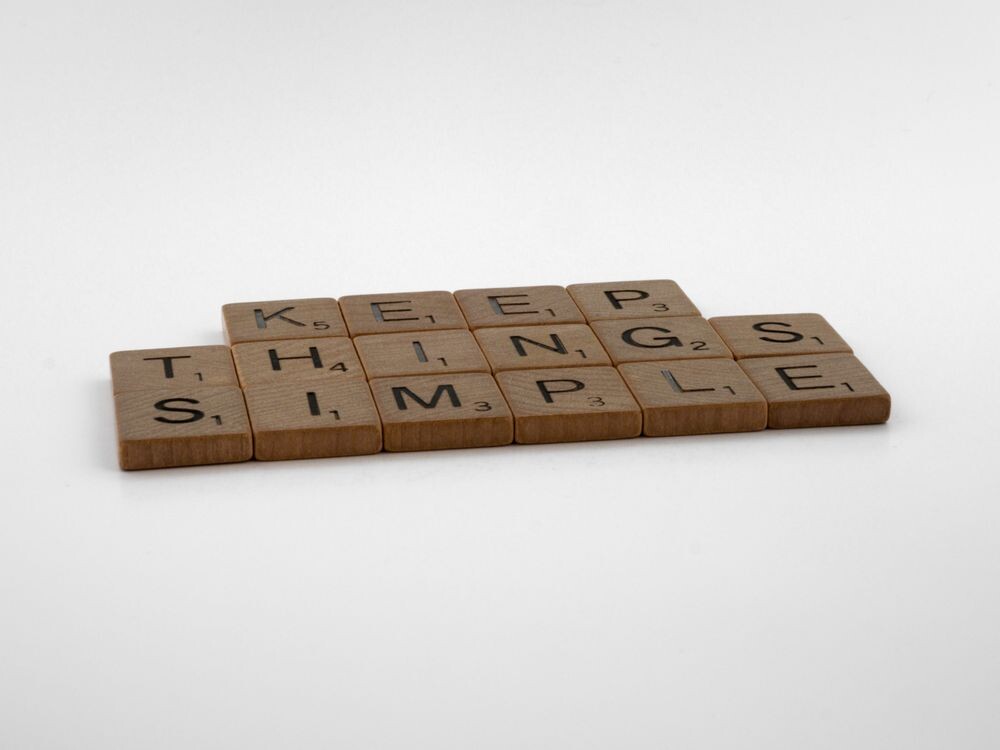
A light bag can make a journey feel easier and calmer. When you carry less, you move more freely and worry less about lost items.
Simple packing also saves money because you avoid extra baggage fees and wasteful purchases. Choose pieces that work in many ways, and add one or two items that feel special to you.
Some travelers now prefer clean, reusable gear and refillable bottles, which fits the growing trend toward low-waste trips. You can also pack a favorite scarf, mug, or small photo to make new places feel a bit like home. The right mix of useful and personal can make the whole trip smoother.
8. Take photos with intention
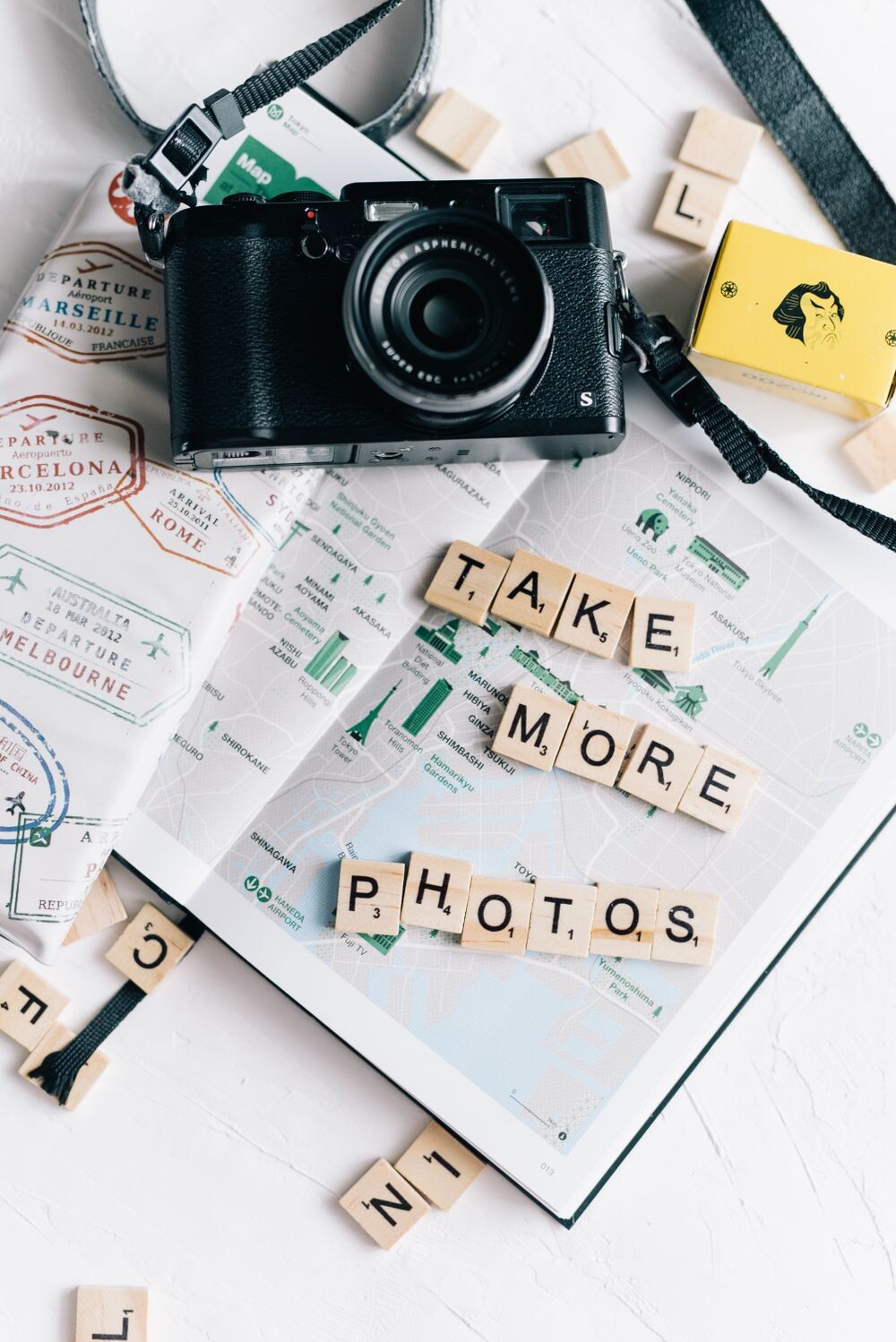
Good photos do more than show where you went. They can hold the light, mood, and feeling of a moment you never want to lose.
Instead of snapping everything, pause and choose what matters most. A close-up of hands making bread, a rainy window, or a bright doorway may say more than a crowded landmark.
Think about the story you want your pictures to tell. You do not need a costly camera, since many phones now take strong images. Try mixing wide views with small details so your album feels rich and personal.
Print a few favorites when you get home, or make a tiny photo book. That simple act can help the trip live on in a more lasting way. It also gives you something real to hold, not just a screen full of files.
9. Set one small learning goal
A journey feels richer when you leave with a new skill or fact. You might learn how to cook one local dish, spot a few birds, or understand a bit of history.
This gives your trip a clear focus without making it feel like school. It can also be budget-friendly, since many local lessons, museums, and free talks cost little or nothing.
Pick a goal that fits your style and interests. If you like art, study wall murals; if you like nature, learn about trees or tides. The best goal is simple, fun, and tied to the place you are in.
10. Spend time in nature

A green path, a beach at dawn, or a mountain lookout can calm a busy mind fast. Nature has a way of making people feel small in a good way.
These moments are often free, which helps your trip stay affordable. They also offer a fresh view of the place, since many areas look very different once you step away from shops and traffic.
Bring water, good shoes, and a little respect for the land. Follow local rules, stay on marked paths, and leave no trash behind. Many travelers now seek outdoor time more than crowded attractions, and that trend makes quiet places even more valuable.
Try to visit at sunrise or near sunset for softer light and cooler air. A simple walk can become the best part of the day. Sometimes the most meaningful view is the one that asks nothing from you except your attention.
11. Keep one day open for chance

Some of the best travel moments happen when you make room for the unexpected. An empty day can lead to a tiny festival, a hidden café, or a beautiful street you never planned to find.
This kind of freedom makes a trip feel alive. It also lowers stress, because you are not racing from one booked event to the next.
Leave one block of time with no strict plan. Follow a local tip, take a different bus, or sit where the crowd looks interesting. The cost is usually low, and the reward can be very high.
12. Buy from local makers
A handmade bowl, woven bag, or painted card carries more heart than a mass-made souvenir. You can often see the maker’s style in every line, stitch, or brush mark.
Buying from local artists helps money stay in the community. It also gives you a keepsake with a real story, which makes it far more unique than a common gift shop item.
Look for markets, small studios, and fair trade stores. Ask how the item was made and what materials were used, since that can make the piece feel even more special. If your budget is tight, even a small item like a postcard or key tag can still hold meaning.
13. Make time for quiet reflection

A few calm minutes can help you notice what the journey is teaching you. Sit by a window, on a step, or under a tree and think about what felt good today.
This habit helps you carry more than pictures home. It can also ease homesickness and keep your mind steady when travel feels busy or strange.
Some people write a thought before bed, while others sit in silence with a cup of tea. You can make it personal by choosing a place that feels safe and peaceful to you. Reflection costs nothing, yet it may be one of the richest parts of the trip.
Try asking yourself simple questions. What made you smile? What surprised you? What would you like to remember in a month or a year? Those small answers can add real depth to your journey.
14. Share the trip with care
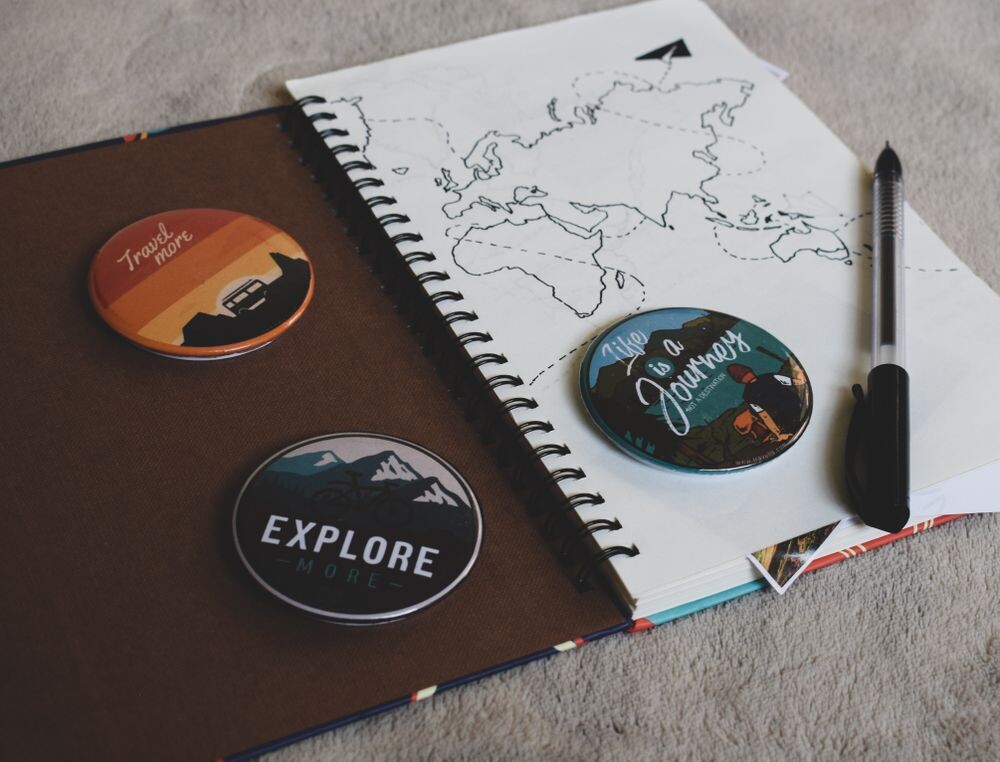
Telling others about your journey can help you see it more clearly. A voice note, blog post, or message to a friend can turn loose memories into a stronger story.
Sharing also lets you include the people who matter to you back home. It can be as simple as sending one photo with a line about why that moment felt special.
Be thoughtful about what you post, especially when people around you value privacy. Many travelers now share less but with more meaning, which is a welcome trend. You can choose a few honest moments instead of flooding everyone with every stop.
15. Leave room for gratitude
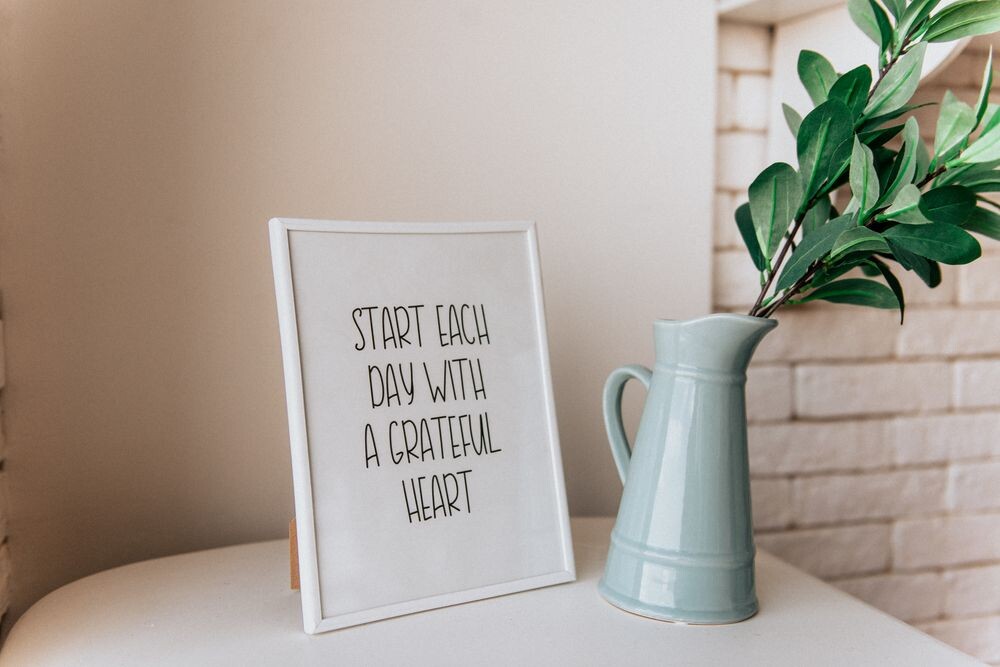
Gratitude can make even an ordinary journey feel bright. A warm bed, a safe ride, a kind smile, or a clear road can become small gifts when you notice them.
This habit changes the way you remember a trip. Instead of focusing only on what went wrong, you begin to hold the good parts more tightly.
Before sleep, name a few things that felt kind, helpful, or beautiful. You might thank a host, a friend, a meal, or even your own brave self. That simple practice costs nothing, takes only a moment, and can give your whole journey a deeper glow.