The first glance can be misleading. A place may look simple and still hold layers of surprise.
1. Learn the local rhythm before you arrive
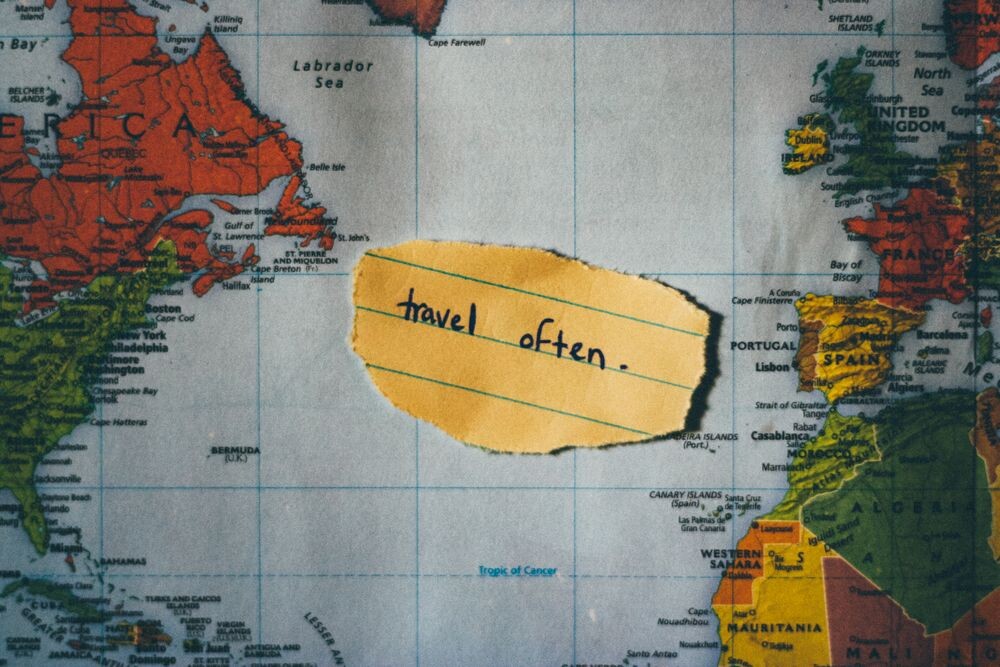
Every place has its own pace, and that pace shapes how your day will feel. A busy city may wake up early, while a quiet beach town may come alive much later.
Watch photos, read short travel notes, and notice what people wear, eat, and do. This helps you fit in with ease and enjoy the scene without feeling out of place. It also saves money because you can plan meals, rides, and activities around local habits.
2. Pick the right season for your style
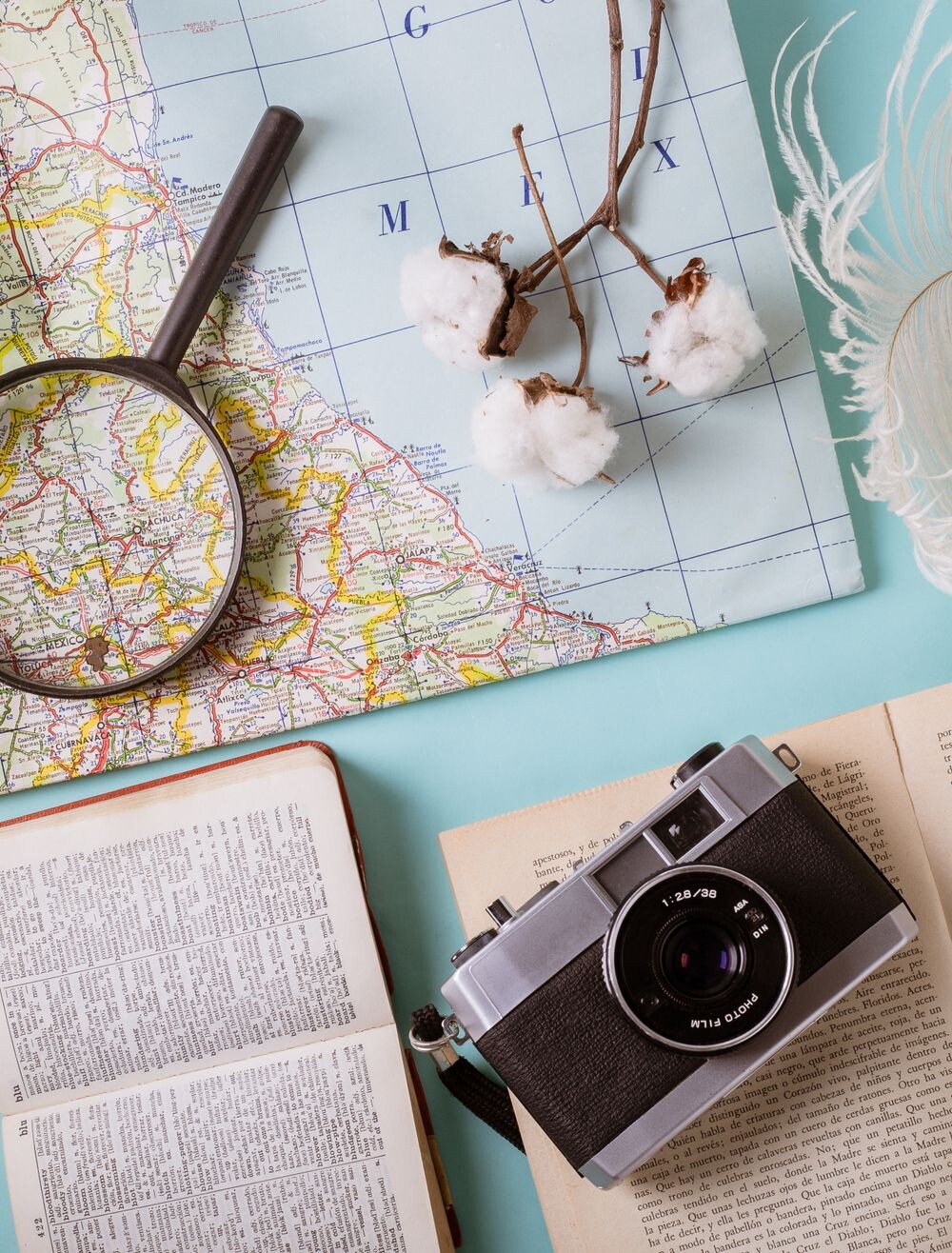
Weather can change the whole mood of a trip. Sun, rain, wind, or snow can make the same street look bright, calm, wild, or cozy.
Some travelers love peak season because everything feels lively and full. Others prefer quieter months for lower prices and fewer crowds. If you enjoy taking photos, soft light and clear skies may matter more than a packed calendar.
Check climate charts, festival dates, and school breaks before you book. You can also match the season to your own comfort, like choosing cooler days for walking or warmer days for beach time. That small choice can make a big difference in how much fun you have.
3. Study the map, but leave room for surprise
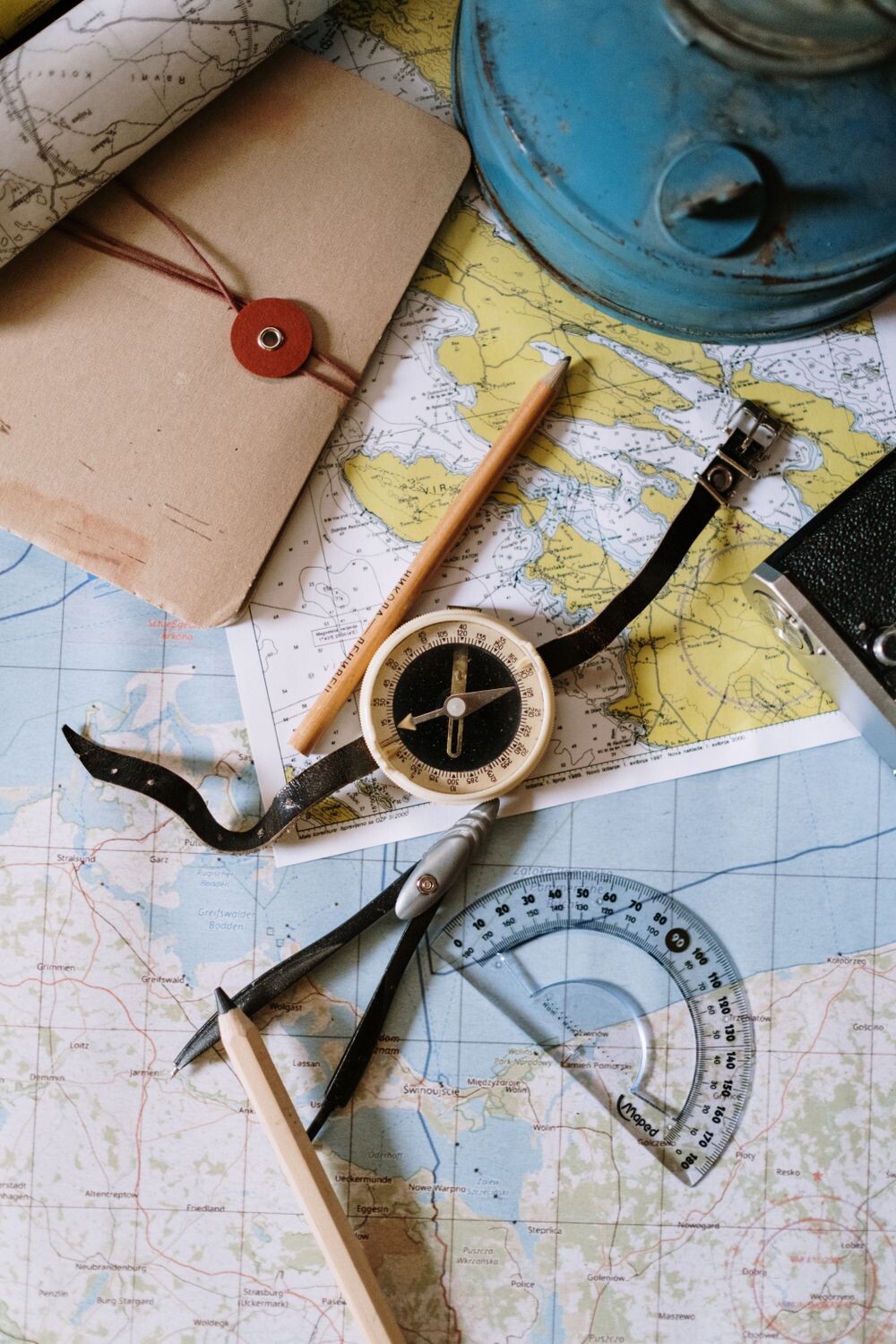
A map can help you spot the shape of a place before you step into it. Hills, rivers, train lines, and old town streets often tell you where the best views and shortcuts may be.
Try marking a few key spots like your hotel, a main square, and a safe transit stop. This makes the area feel less confusing and gives you a simple plan. It also helps you choose a neighborhood that matches your mood, from lively and modern to calm and local.
Many travelers now use offline map apps, saved lists, and custom pins for easy planning. Those tools are handy, but do not fill every hour with fixed plans. A little open space can lead to the best meals, the prettiest corners, and the most memorable moments.
4. Set a budget that still feels fun
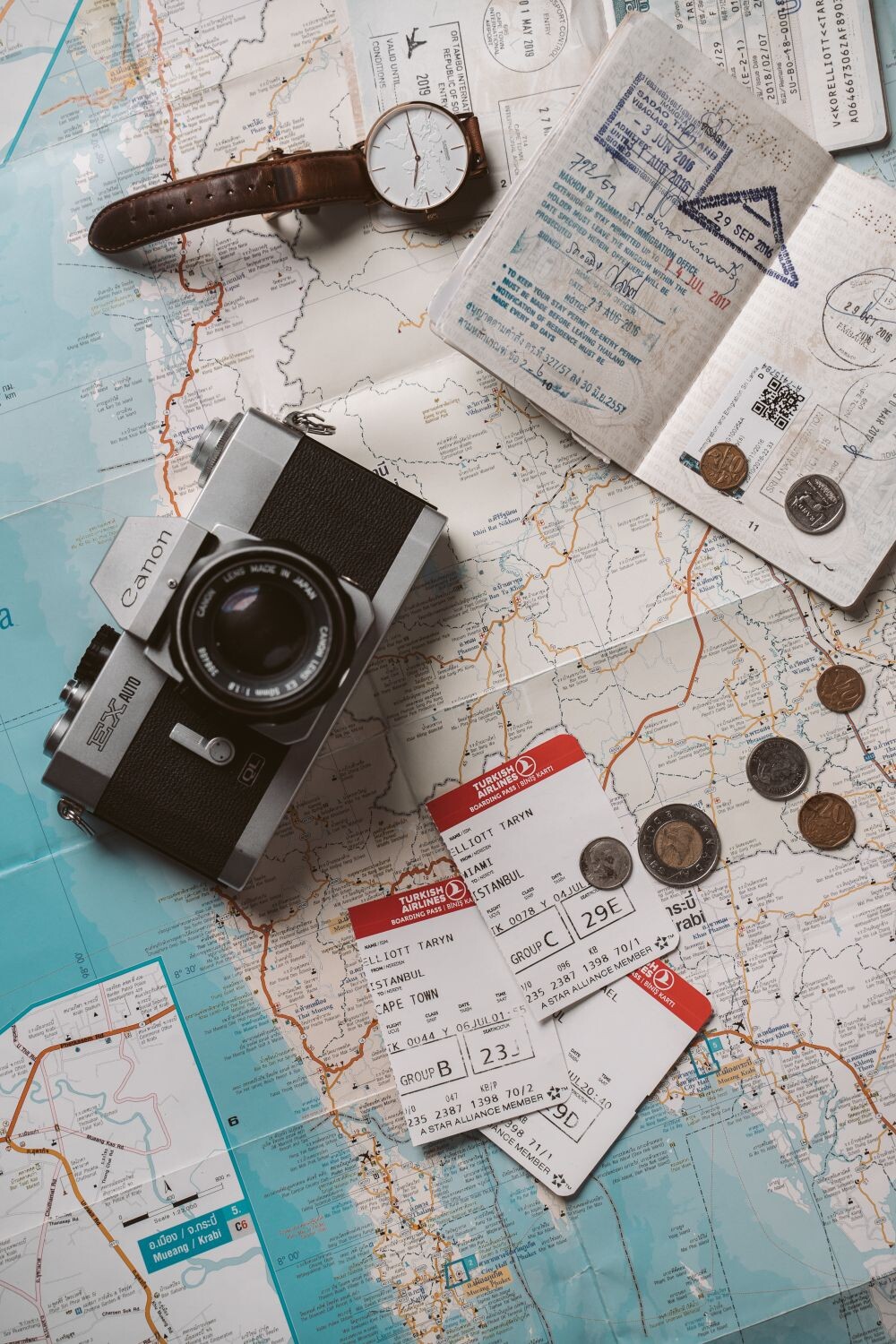
Money worries can dull a trip fast, so it helps to plan early. When you know your spending limits, you can relax and enjoy the view.
Think about food, rides, tips, tickets, and small treats like coffee or snacks. These little costs add up, especially in popular places. A simple daily budget can help you decide where to splurge and where to save.
Some destinations are known for luxury, while others shine because they are affordable and easy to enjoy. You can make any trip feel special by choosing one or two things that matter most, like a nice dinner or a guided tour. That way your money supports the parts of the trip you will remember most.
5. Taste the local food with an open mind

Food is one of the fastest ways to feel the spirit of a place. A street stall, market snack, or family-run cafe can tell a bigger story than a guidebook page.
Look for dishes that are common in the area and ask what people eat at home. This often leads to better flavor and lower prices than tourist menus. It also gives you a chance to try something unique, from spicy soups to sweet breads or fresh grilled bites.
If you have food limits, learn key words before you go and keep them saved on your phone. You can still enjoy local meals by asking for simple swaps or choosing places with clear menus. A little planning helps you stay safe while still tasting the heart of the destination.
6. Pack for comfort, not just style
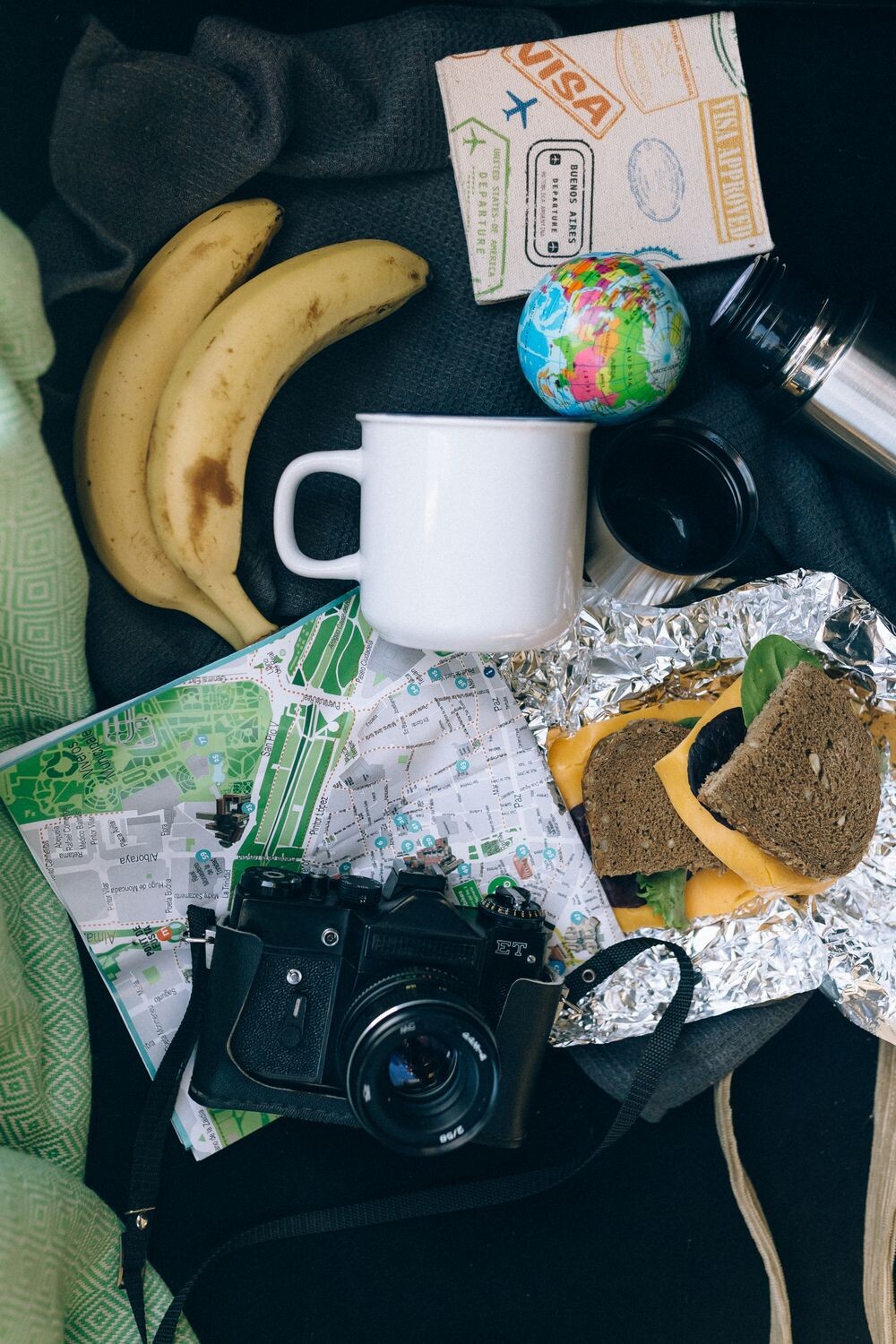
It is easy to overpack when a trip feels exciting. Still, a bag that is too full can slow you down and make simple moves feel hard.
Choose clothes that work in layers, so you can handle warm sun, cool nights, or sudden rain. Good shoes matter too, especially if the streets are uneven or you plan to walk a lot. A light bag with smart basics often feels better than a heavy suitcase full of maybes.
Think about the look of the destination as you pack. Bright coastal places may call for airy fabrics, while old stone towns may feel better with sturdy shoes and a neat layer on top. Small items like a scarf, hat, or foldable tote can add style and usefulness at the same time.
7. Check safety basics without fear
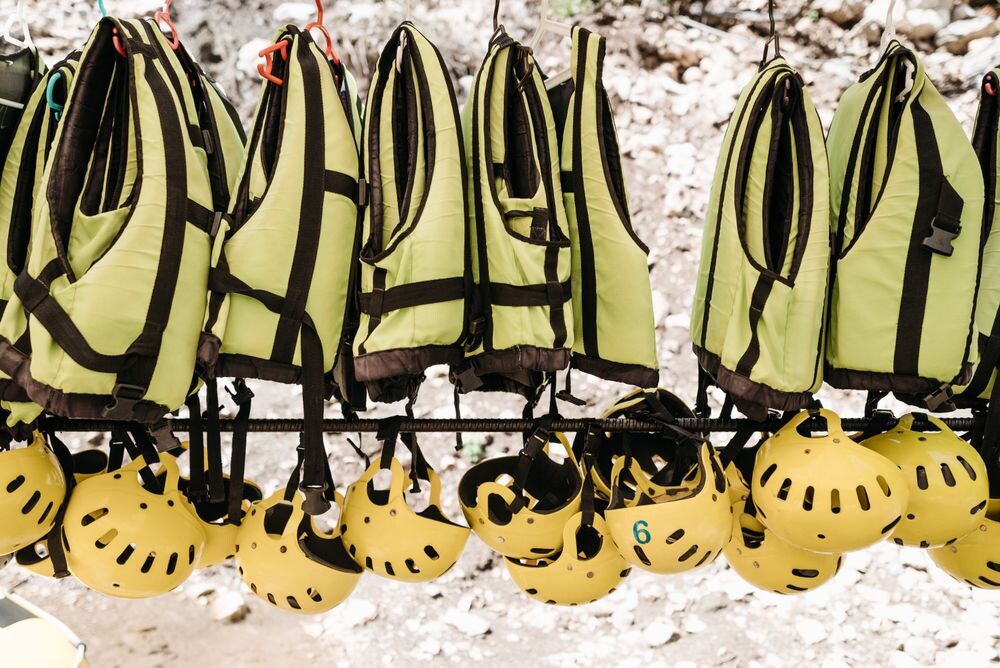
Feeling safe helps you enjoy a new place with a clear mind. A little care can protect your trip without making it feel tense.
Read recent advice about common scams, neighborhood changes, and transport tips. Keep copies of important documents and store them in more than one place. It is also wise to know how to reach your hotel, a taxi stand, or a local help desk if you need support.
Many travelers now share live updates through apps and travel forums, which can be very useful. Use those tools to stay informed, but do not let worry take over the whole trip. When you know the basics, you can focus on the colors, sounds, and small joys around you.
8. Learn a few local words and gestures

A simple hello can open doors in a big way. People often smile more when they hear a visitor try their language, even if the words are not perfect.
Start with greetings, thank you, please, and yes or no. These small words can make ordering food, asking for help, or buying tickets much smoother. They also show respect, which often leads to kinder service and warmer chats.
Gestures matter too, since some hand signs mean different things in different places. A quick look at local manners can save you from awkward moments. If you want a more personal trip, write a few favorite phrases in a notebook or save them on your phone for easy use.
9. Choose your stay based on the experience you want

Where you sleep can shape the whole feel of the trip. A room in the center of town gives you quick access to action, while a stay on the edge may feel calmer and more local.
Think about what matters most to you: views, quiet, price, or easy transport. A small guesthouse may offer friendly advice and a homey feel. A modern hotel may give you quick service and extra comfort after a long day.
Current travel trends include boutique stays, family-run homes, and eco-friendly lodging. These options often bring a more personal touch and can help you feel connected to the area. If you want a trip that feels made for you, match the stay to your daily plans instead of just the photos online.
10. Plan for transport before you land
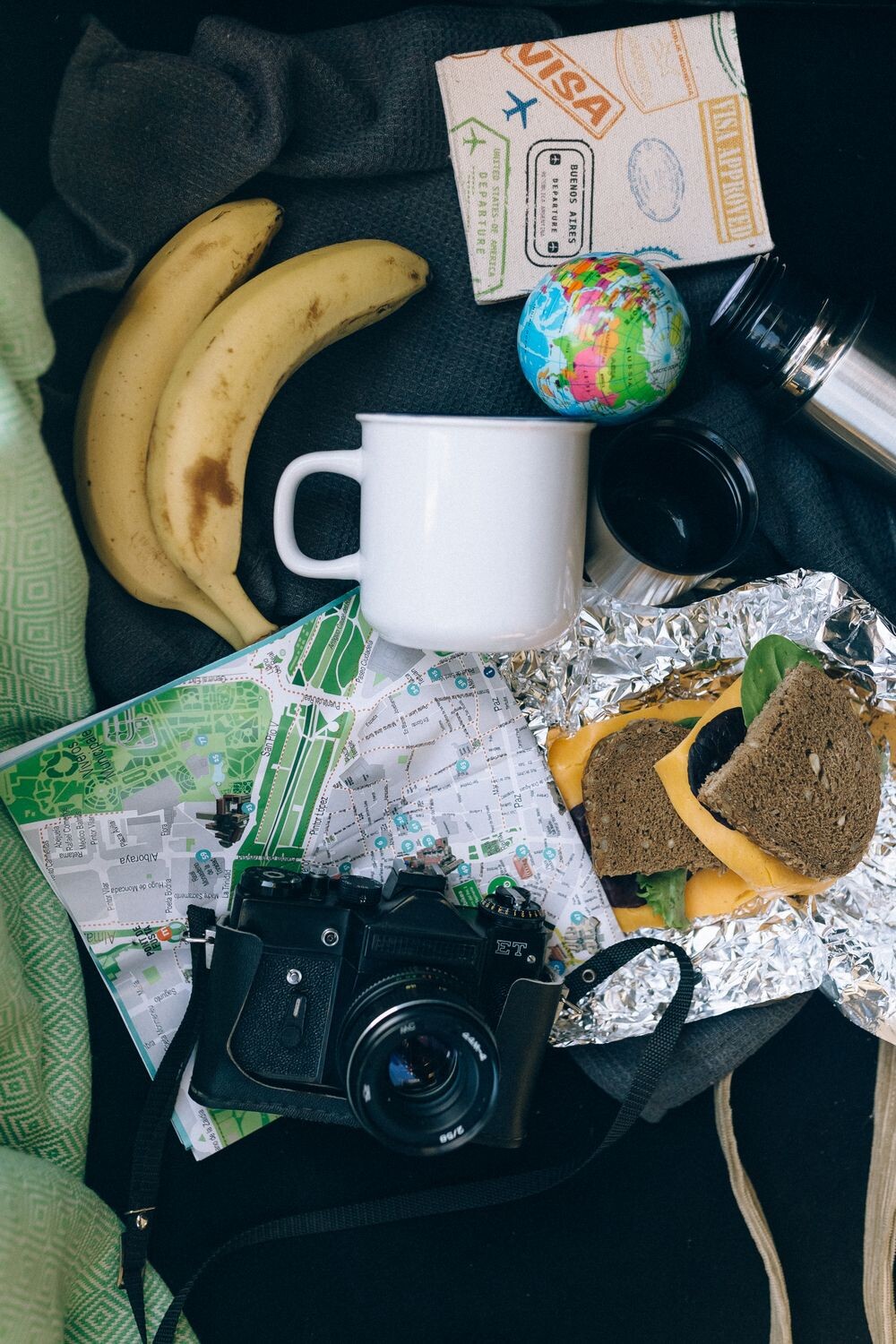
Getting around is easier when you already know your choices. Trains, buses, rideshares, bikes, and walking routes each create a different kind of trip.
Look up airport transfers, city passes, and common fares so you are not guessing after arrival. This can save time and keep your budget steady. It also helps you decide if you want a car-free trip or a more flexible plan.
Some places are best seen on foot, with tiny lanes and pretty corners around every turn. Others spread out wide, so a bus or rental may be the smarter choice. Pick the style that matches your energy, your schedule, and the kind of scenes you want to enjoy.
11. Leave space for the most interesting detours
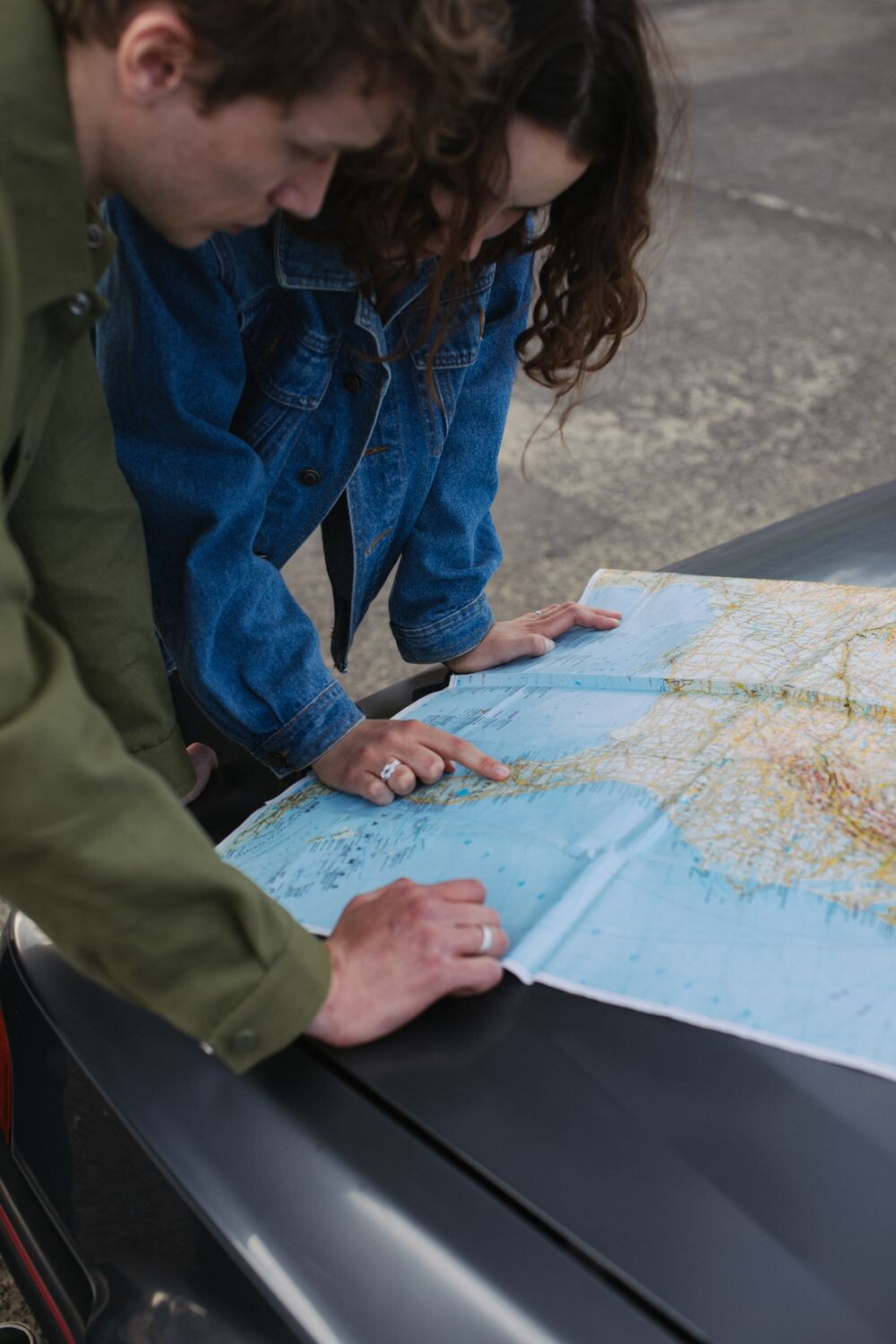
Some of the best travel memories happen away from the main path. A side street cafe, a local market, or a quiet park can feel more real than a famous spot.
Do not pack every hour too tightly. A loose plan gives you room to follow a mural, a music sound, or a friendly tip from someone nearby. Those small detours often become the stories you tell later.
If you like making trips feel personal, build in one open block each day. Use it for a nap, a slow walk, or a random stop that catches your eye. That freedom can make even a short trip feel richer and more alive.
12. Pay attention to local customs and dress

Clothes can show respect before you even say a word. In some places, modest outfits feel right, while in others bright and casual clothes fit the mood.
Check what people usually wear at temples, churches, beaches, or city streets. This helps you avoid standing out for the wrong reason. It also makes packing easier because you can choose pieces that work in more than one setting.
Personal style still matters, so do not feel like you must dress plain. You can add your own touch with colors, jewelry, or a favorite bag while still keeping things appropriate. That balance helps you feel both comfortable and confident in photos and in person.
13. Use current tech, but keep a backup plan

Phones make travel smoother than ever. You can book rides, translate signs, save tickets, and find nearby spots in just a few taps.
Still, batteries die and signals fade at the worst times. Save key details offline, carry a charger, and keep printed copies of must-have info. A backup plan can turn a stressful moment into a small bump instead of a big problem.
Travel tech trends now include digital wallets, translation tools, and smart packing lists. These tools are helpful, but they work best when paired with simple habits like checking charge levels and writing down an address. The mix of smart tech and old-school backup gives you more peace of mind.
14. Look for the hidden value in free and low-cost fun

A beautiful trip does not have to be expensive. Many places offer public gardens, street art, beaches, markets, and scenic walks that cost very little or nothing at all.
Ask locals or hotel staff about free events, community festivals, and public viewpoints. These can give you a deeper feel for the place than a pricey ticket might. They also leave more room in your budget for one special treat.
If you want a trip that feels rich without spending too much, mix paid and free activities. A museum visit can sit beside a sunset stroll or a market snack. That blend keeps the day fun, balanced, and easy on your wallet.
15. Think about your energy, not only your wish list

Not every exciting plan fits every traveler. A place full of stairs, crowds, and long lines may sound fun in theory but feel tiring in real life.
Be honest about how much walking, noise, and change you enjoy in one day. If you need calm, choose slow mornings and shorter outings. If you love action, plan for lively streets, busy sights, and late dinners that match your pace.
Personalizing the trip to your energy level makes everything better. You can still see the highlights while giving yourself breaks and gentle moments. That balance helps the whole journey feel enjoyable instead of rushed.
16. Keep your eyes open for the small things

Big landmarks are wonderful, but tiny details often make a place feel special. The sound of a market bell, the smell of fresh bread, or the color of laundry on a balcony can stay in your mind longer than a postcard view.
Slow down enough to notice the details on doors, signs, tiles, and trees. Those little pieces show the true character of a destination and make your visit feel more personal. They also give you better photo ideas because the best shots are not always the most famous ones.
If you enjoy keeping memories, write a short note at the end of each day about one thing that stood out. That habit helps you remember the trip in a vivid way long after you return home. It also turns a simple visit into a story that feels uniquely yours.