New places can feel exciting and a little mysterious. A few smart choices can make the whole trip smoother.
1. Learn the local vibe before you go
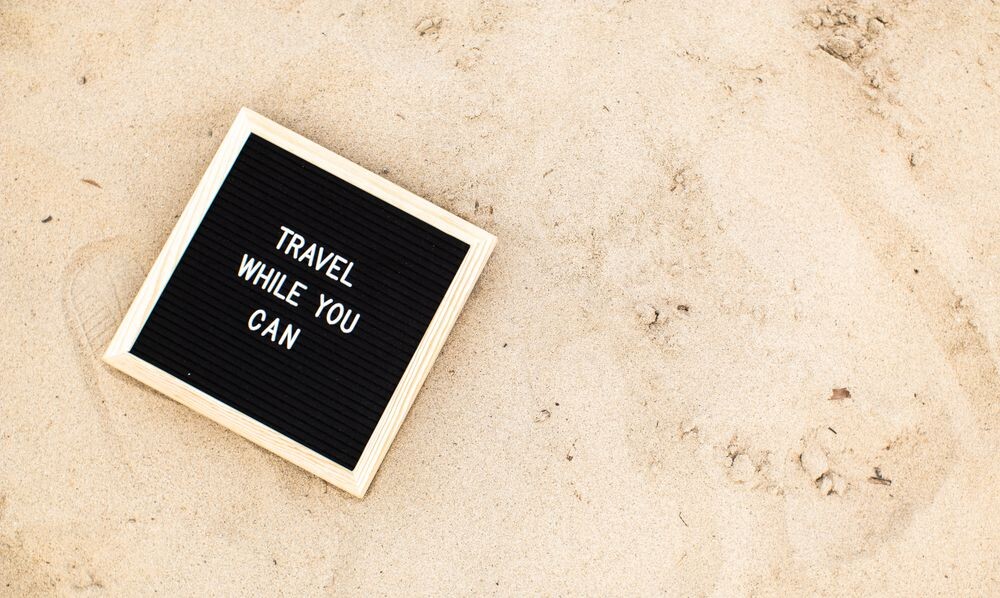
Every place has its own mood, and that mood can shape your whole trip. Some spots feel calm and slow, while others buzz with noise, color, and fast-moving crowds.
Look at photos, short videos, and travel blogs to get a feel for the streets, beaches, markets, or hills. This helps you pack better, dress in a way that fits in, and plan days that match the place instead of fighting it. It also saves money because you can skip things that do not fit your style and spend on the parts that matter most to you.
2. Check the weather and plan for surprises
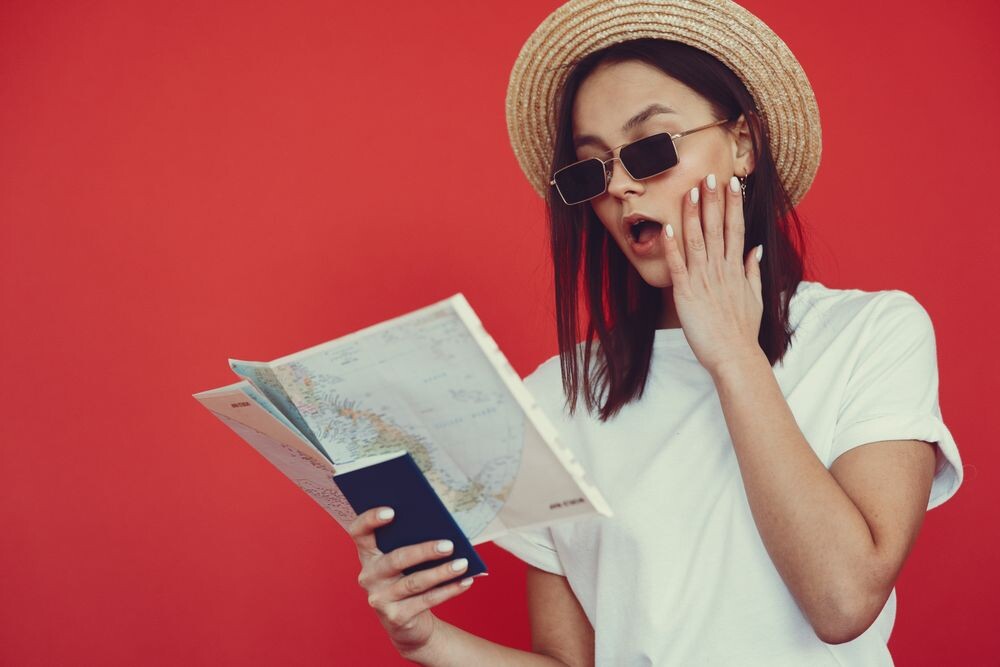
The sky can change your plans fast, so it helps to know the season before you arrive. A sunny place may still get heavy rain, strong wind, or chilly nights.
Pack layers, a light rain jacket, and shoes that can handle wet ground. If your destination is known for heat, think about hats, water bottles, and breathable clothes that keep you comfortable. Many travelers now use weather apps and local social pages to stay ahead of sudden changes, which can save both time and money.
Weather also changes how a place looks, which can be part of the fun. A mountain town may seem bright and open in one season, then cozy and misty in another. That means you can shape your trip around the look and feel you want most.
3. Study the map and the way people move around
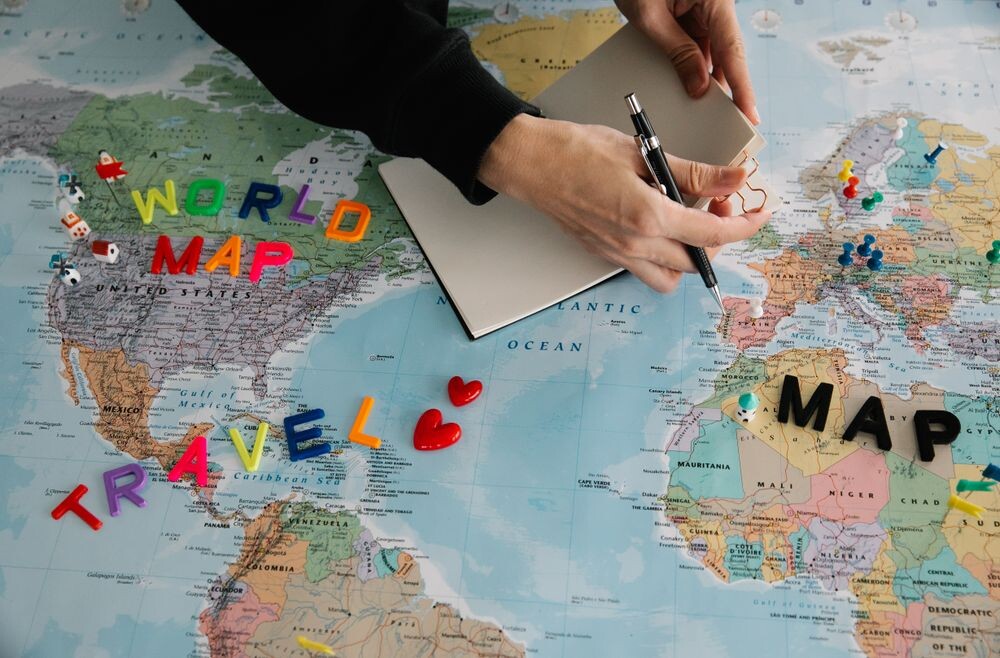
A pretty place can still be hard to get around if the roads, trains, or buses are confusing. Knowing the layout helps you avoid getting stuck far from the spots you want to see.
Check if the area is walkable, bike-friendly, or best reached by taxi, bus, or train. This can help you choose where to stay and how much to budget for rides. It also gives you a chance to plan a trip that feels more personal, like slow walks through a compact old town or easy day trips by rail.
Some travelers like to save maps offline and mark food stops, restrooms, and key sights ahead of time. That simple step can reduce stress and make each day feel easier. It also helps you spot hidden corners that are not in every guidebook.
4. Learn a few local words and gestures
A smile and a small greeting can open doors in a new place. Even a few words in the local language can make people warm up fast.
Try simple phrases like hello, thank you, please, and excuse me before you leave home. If the area uses common gestures in a special way, learn those too so you do not send the wrong message. This small effort can make your trip feel more personal and respectful, and it often leads to kinder service and helpful tips.
5. Set a budget that fits your style
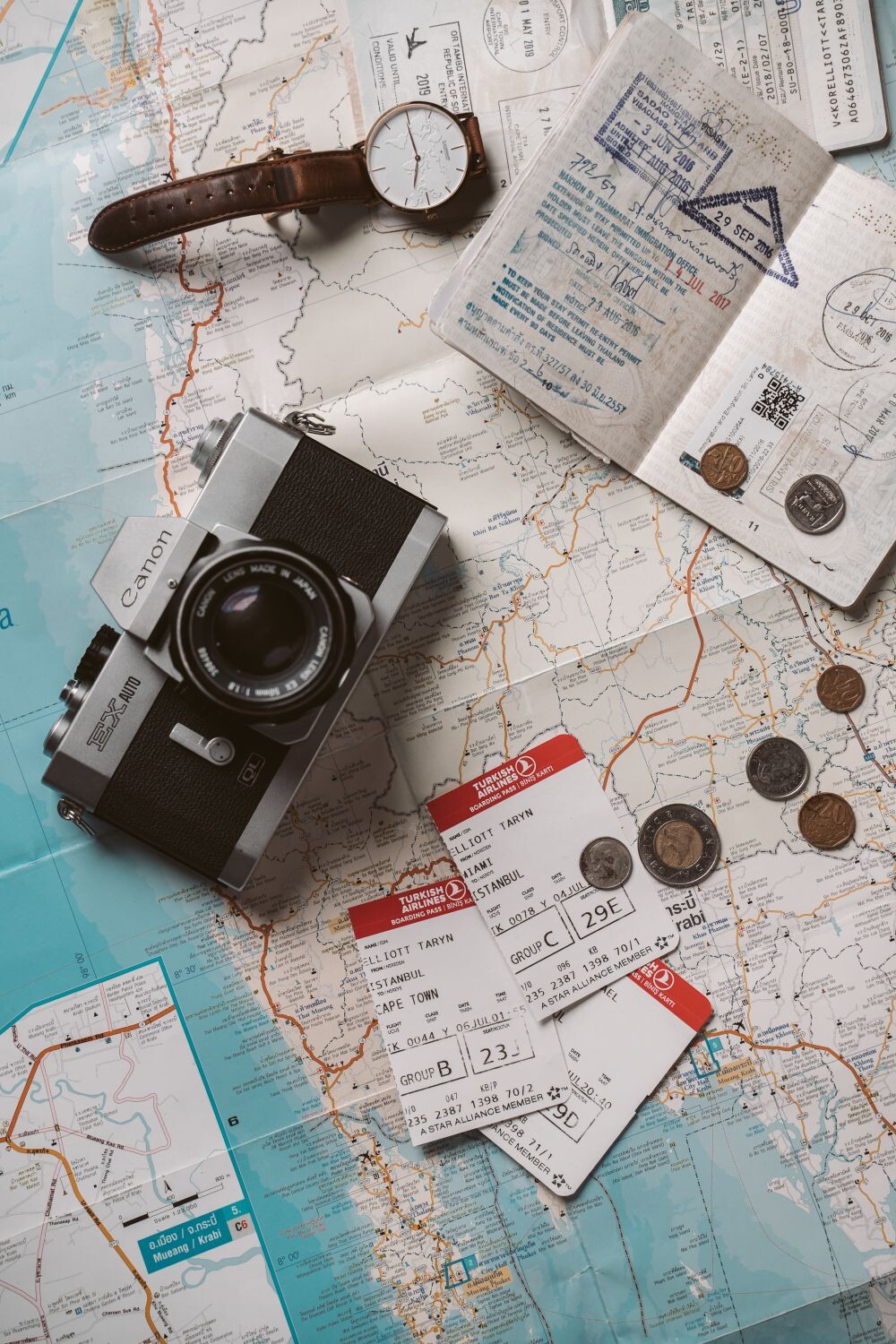
Travel can be fancy or simple, and both can be amazing. The key is knowing what you want to spend before you arrive.
Think about food, rides, entrance fees, snacks, gifts, and backup money for small surprises. A street food meal may cost far less than a fancy dinner, while a scenic boat ride or museum pass may be worth the splurge. Many travelers now mix budget choices with one or two special treats, which keeps the trip fun without draining savings.
It helps to decide what matters most to you. If food is your joy, spend more there and save on lodging. If comfort matters most, choose a nicer room and keep daytime plans simple.
6. Choose the right time of day for each place
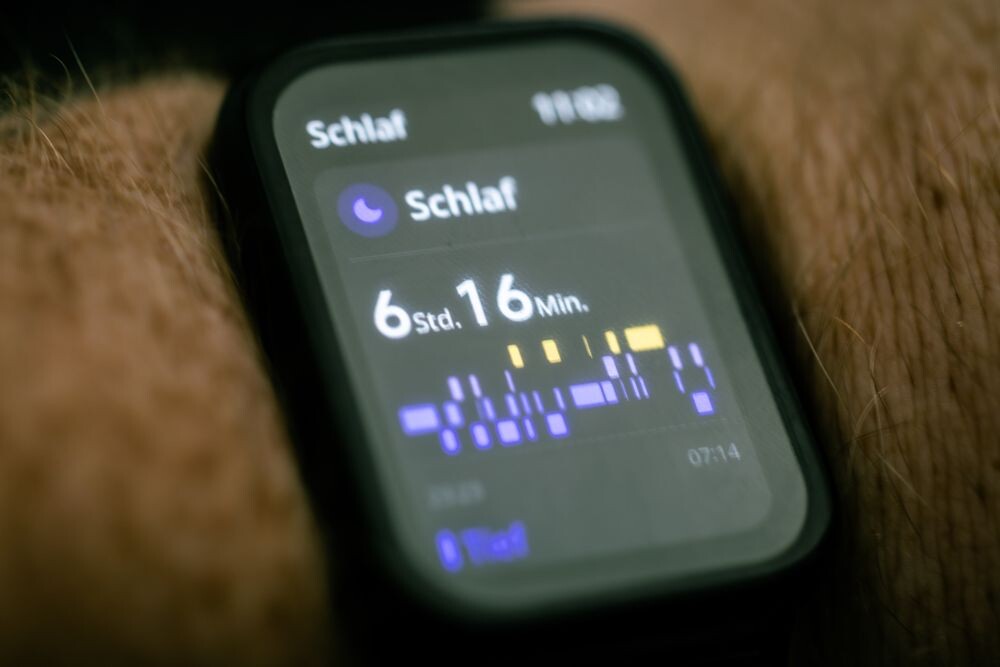
Some sights look best in soft morning light, while others shine after sunset. Timing can change the whole feel of a street, market, beach, or temple.
Early visits often mean fewer crowds and cooler air. Later visits may bring glowing lights, lively music, and a more social mood. This can help you match your trip to your own energy, like quiet sunrise walks or busy evening outings.
Ask locals or read recent tips to see when a place feels most pleasant. You may also save money by going at off-peak times when lines are shorter and deals are easier to find. A little timing can turn an ordinary stop into a favorite memory.
7. Pack for comfort, not just for photos
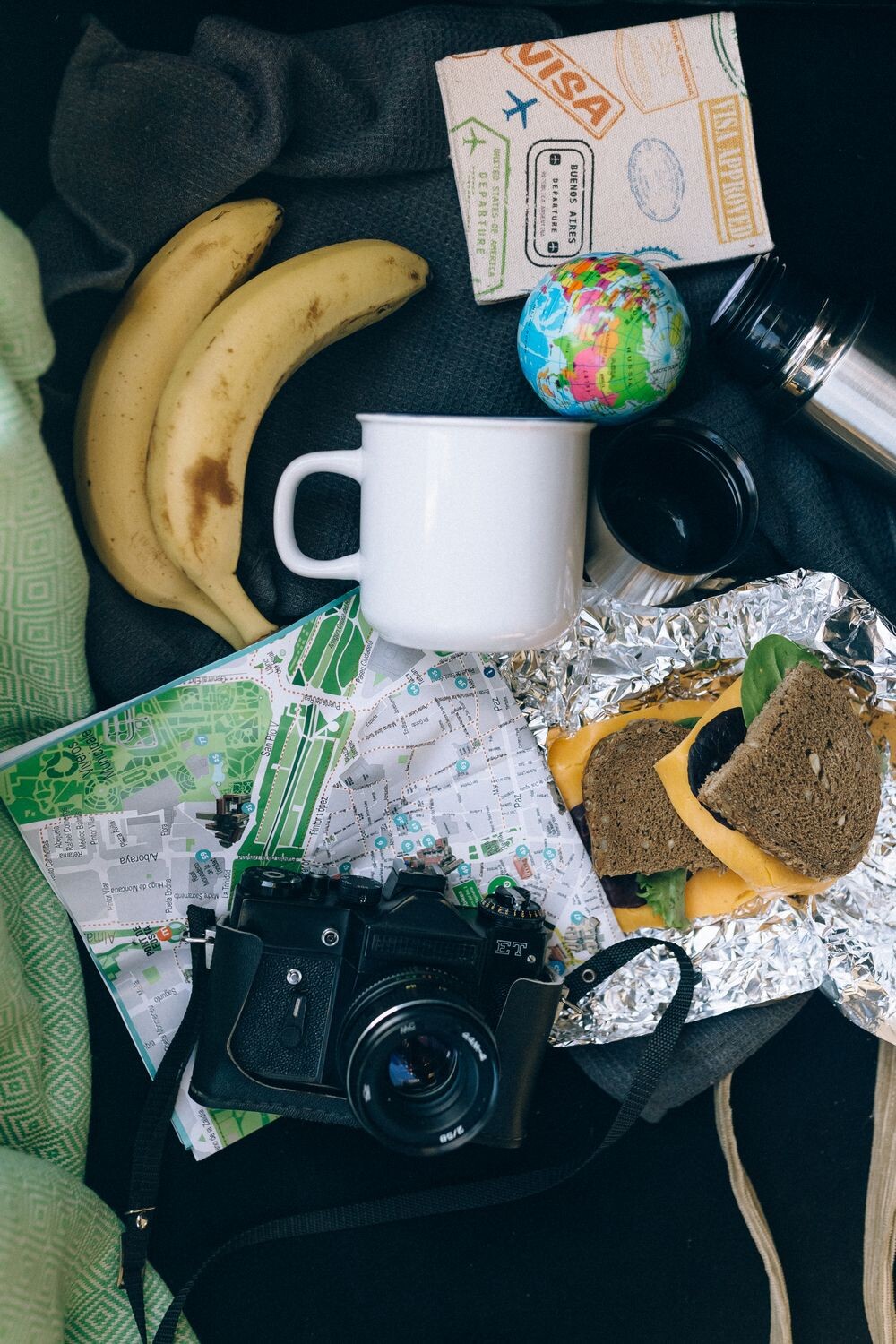
It is easy to pack for pretty pictures and forget real-life needs. A stylish outfit is nice, but sore feet or a heavy bag can ruin the day.
Bring shoes you can walk in, clothes that match the weather, and a small bag for water and snacks. Add items that fit your trip, like swimwear, a scarf for cool nights, or a portable charger for long days out. More travelers now choose light, flexible packing because it makes moving around easier and cheaper.
Personal touches still matter, so add something that feels like you. Maybe that is a bright hat, a favorite notebook, or a travel mug for your morning drink. When comfort and style work together, the whole trip feels smoother.
8. Respect local customs and quiet rules
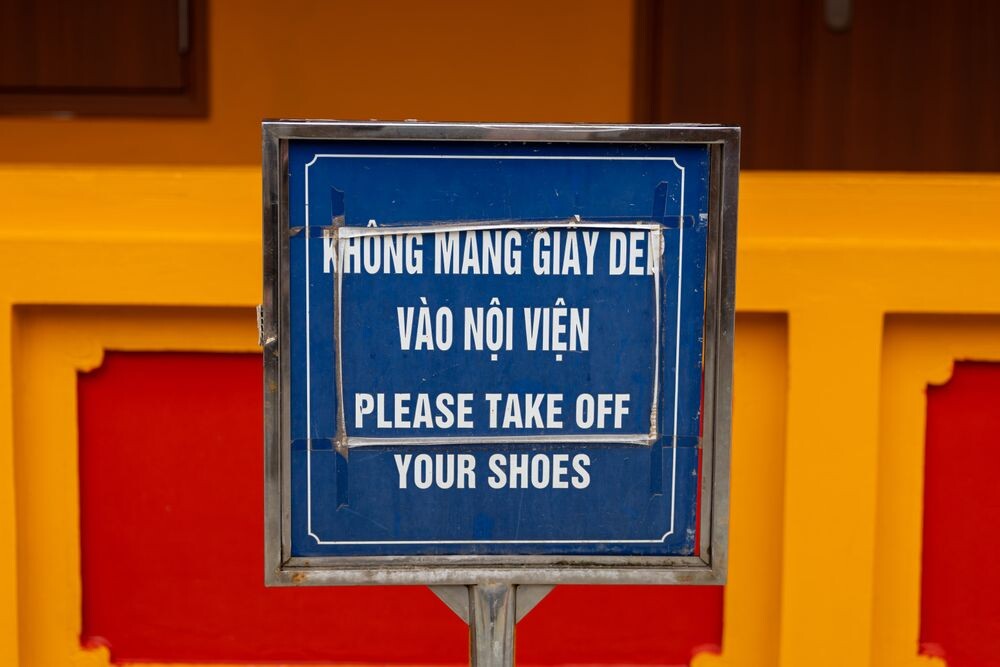
Different places have different ideas about dress, noise, and behavior. What feels normal at home may seem rude somewhere else.
Read about local customs before you go, especially for temples, churches, family homes, and small villages. A little care with clothing, voice level, and photos can show respect and help you avoid awkward moments. It also makes the trip richer, because you get to see how people live in a way that feels thoughtful, not rushed.
When in doubt, watch what locals do and follow their lead. Simple habits like taking off shoes, covering shoulders, or asking before snapping a photo can go a long way. These small steps often cost nothing but mean a lot.
9. Taste the food, but start smart
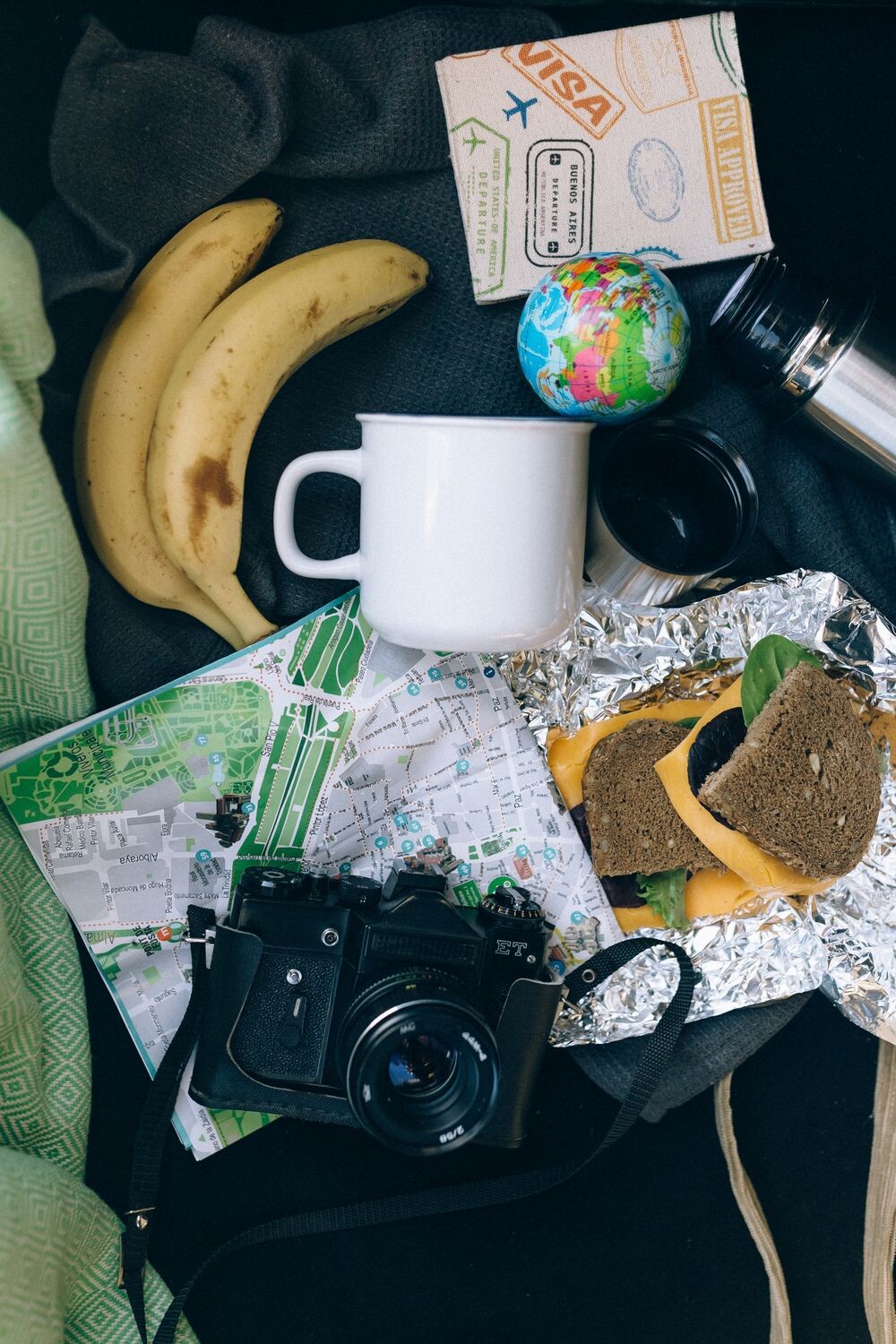
Food is one of the best parts of a new destination. Bright spices, fresh bread, grilled meats, or sweet treats can tell you a lot about a place.
Start with busy spots that look clean and popular with locals, since that often means fresh food and fair prices. Try one new dish at a time so your stomach has time to adjust. If you have food needs or allergies, keep a note on your phone in the local language so ordering is easier.
Street snacks can be cheap and exciting, while sit-down meals may give you a slower, more relaxed break. Both can be part of a great trip. A good food plan adds flavor, saves money, and makes your visit feel more unique.
10. Keep your phone and money safe
Busy places can be beautiful, but they can also be crowded. That means it helps to think about safety before you head out.
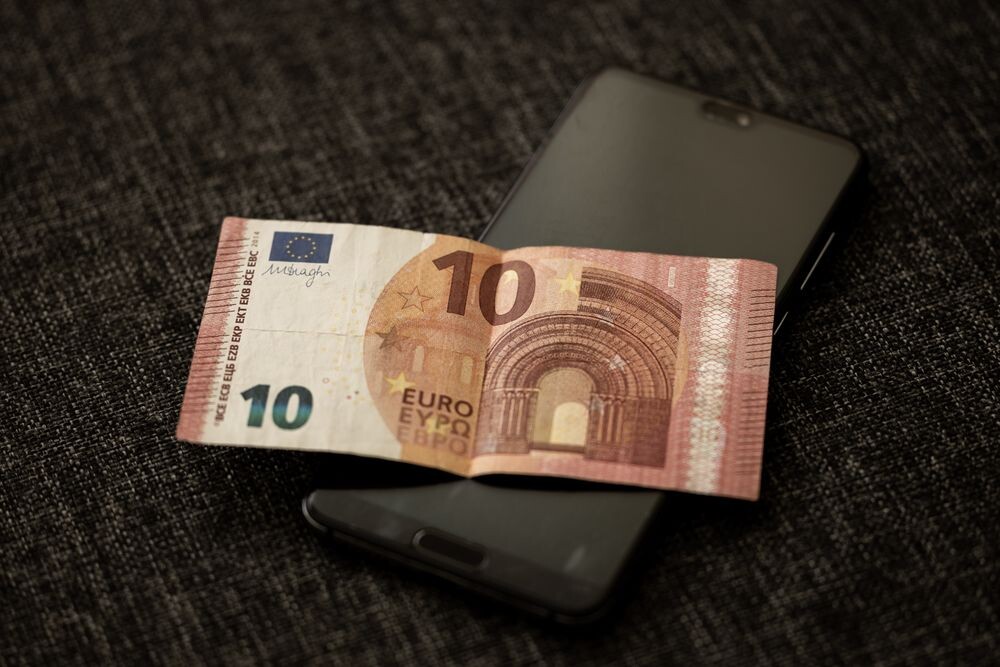
Use a crossbody bag, keep cash in more than one spot, and avoid showing all your money at once. Set up phone locks, backup photos, and offline copies of important details. Many travelers also use digital wallets and tap-to-pay tools now, which can be safer than carrying too much cash.
Safety does not have to feel scary. It just means staying aware, especially in markets, stations, and packed streets. A few calm habits can protect both your stuff and your peace of mind.
11. Leave room for one or two unplanned moments

A full schedule can sound smart, but it can also feel tiring. Some of the best parts of a trip happen when there is space to wander.
Keep a few open hours for a surprise café, a quiet park, or a local event you did not expect. This gives your trip a more personal shape, because you can follow your mood instead of only following a list. It can also save money if you end up enjoying free spots more than paid ones.
Unplanned time often brings the most memorable views, too. A small alley with flowers, a sunset over a river, or a tiny shop with handmade gifts can become the thing you remember most. That kind of moment feels special because it is yours alone.
12. Look for the local art, markets, and small makers
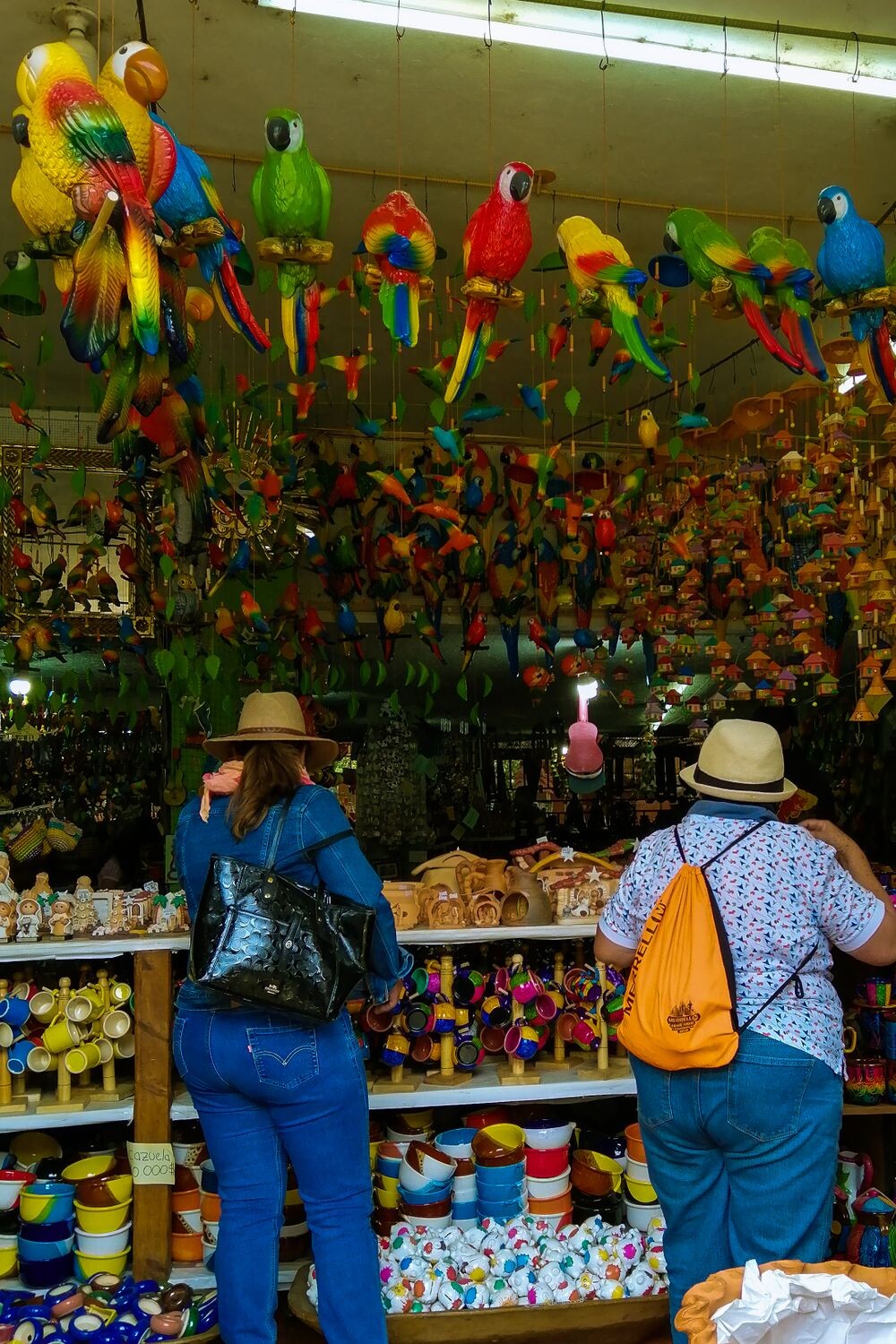
Big sights are fun, but small creative spaces often show the heart of a place. Painted walls, handmade crafts, music corners, and tiny stalls can feel warm and full of life.
Visit local markets, craft shops, and art streets to see what people make with their own hands. These spots often offer unique gifts and better prices than fancy tourist stores. They also give you a chance to support real people, which makes shopping feel more meaningful.
Trendy travelers now look for handmade items, local brands, and eco-friendly products. If you want your trip to feel more personal, pick one small item that reminds you of the place. A woven bracelet, a print, or a jar of local jam can carry the memory home.
13. Think about how you want to rest
Rest is not wasted time on a trip. It is the thing that helps you enjoy everything else.
Choose a place to stay that matches your energy, like a quiet guesthouse, a lively city hotel, or a cozy rental with a kitchen. A good bed, a safe area, and easy access to food can make a huge difference in how your days feel. This choice also affects cost, since a simple room may free up money for tours or meals.
Build in little rest breaks during the day, too. A café stop, a shady bench, or a slow ride can help you reset. When you feel rested, you notice more details, enjoy better photos, and stay in a better mood.
14. Check the local events calendar
Festivals, sports games, and holiday events can make a place feel extra alive. Streets may fill with music, lights, food stalls, and bright clothes.
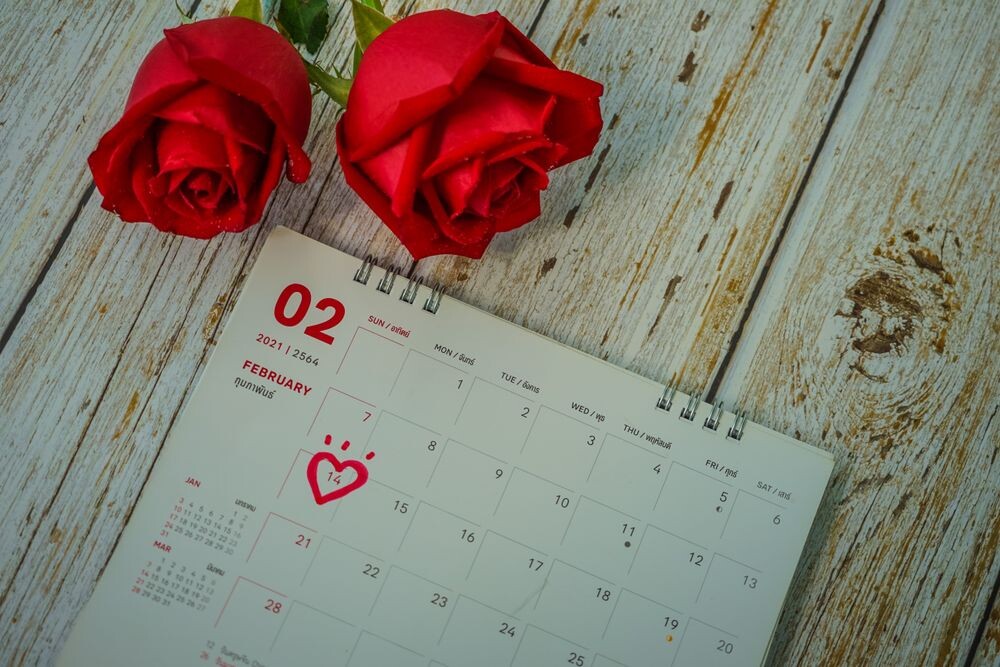
Look up the local calendar before you book, because big events can change hotel prices and crowd levels. Sometimes that means higher costs, but it can also mean a richer, more exciting visit. If you like lively energy, this is a great way to time your trip around something special.
For a calmer stay, you may want to avoid peak event days. On the other hand, if you want color, noise, and a strong sense of place, a festival can be perfect. Either way, planning ahead helps you choose the mood you want.
15. Keep your plans flexible for health and comfort
Travel feels better when your body feels okay. Small things like sleep, water, and shade can change your whole day.
Bring any medicines you need, plus basic items like bandages, hand wipes, and sunscreen. Drink water often, take breaks when you feel tired, and do not pack every hour with activity. This is especially helpful in hot places, high places, or busy cities where long walks can wear you out.
Many travelers now build slower trips on purpose because they want less stress and more joy. You can make the trip fit you by choosing easier routes, shorter days, and places to sit and breathe. That kind of care costs little, but it can make the trip far better.
16. Save the best moments in a way that feels true to you
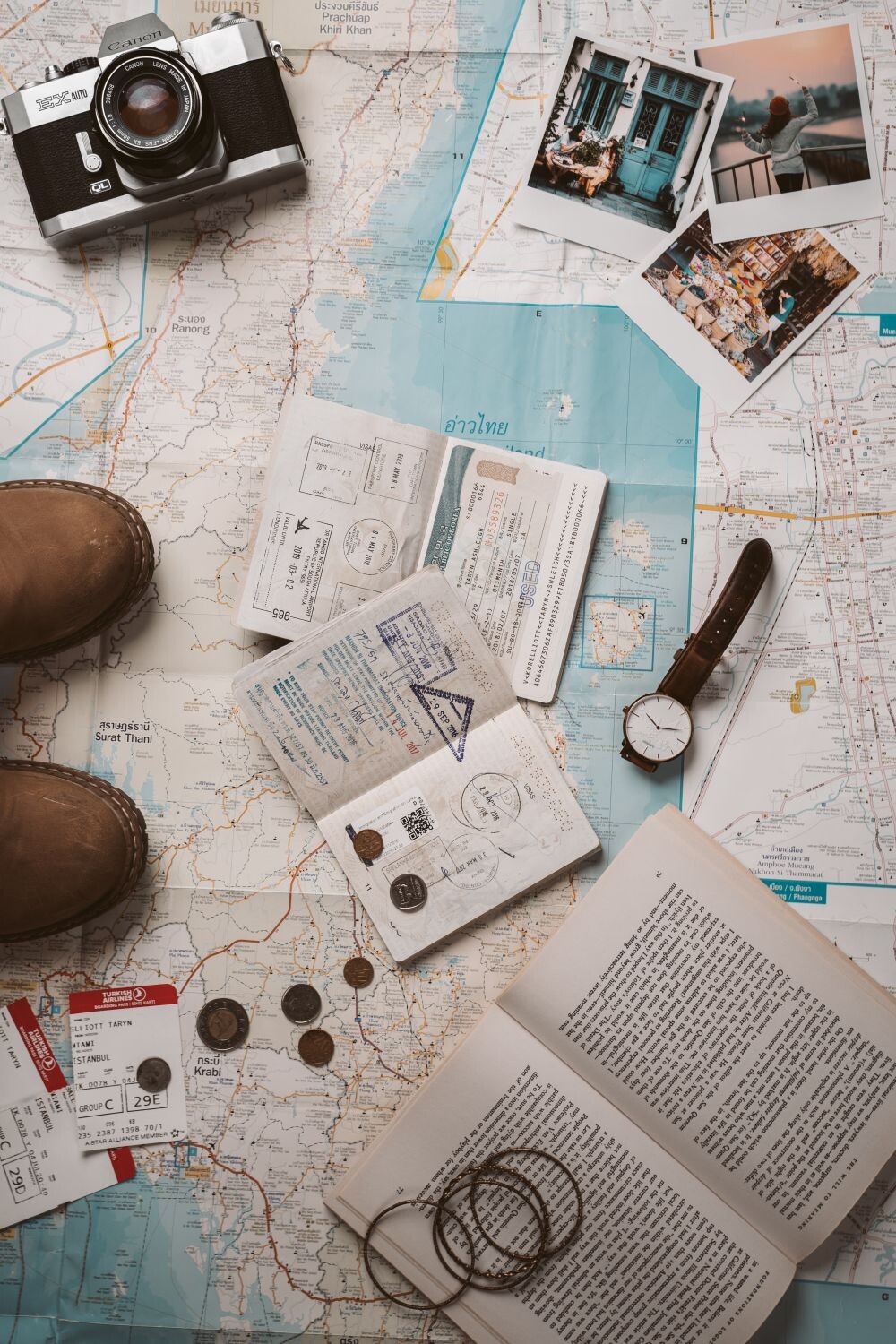
Photos are nice, but memories can live in many forms. A small note, a sketch, a ticket stub, or a voice memo can mean just as much.
Pick a simple way to record what you love, and make it part of the trip. You might write down the smell of a bakery, the sound of a train, or the color of a sunset over the rooftops. This makes the journey feel more personal and helps you notice details that many people miss.
Some travelers now share short reels or photo journals, while others keep private travel books. Both can be fun, and both can fit different budgets. The best method is the one that feels easy enough to keep doing while you are still enjoying the moment.