The first step into a new place can feel thrilling and strange at the same time. A smart plan makes the whole trip smoother and more fun.
1. Learn the local mood before you arrive

Every place has its own pace, sound, and style, and that mood can shape your whole visit. Some streets feel calm and slow, while others buzz with music, lights, and busy corners.
Spend a little time reading about daily life, local habits, and common greetings. This helps you fit in more easily and avoid small mistakes, and it can also help you choose clothes, plans, and activities that match the place better.
2. Check the weather and pack with care
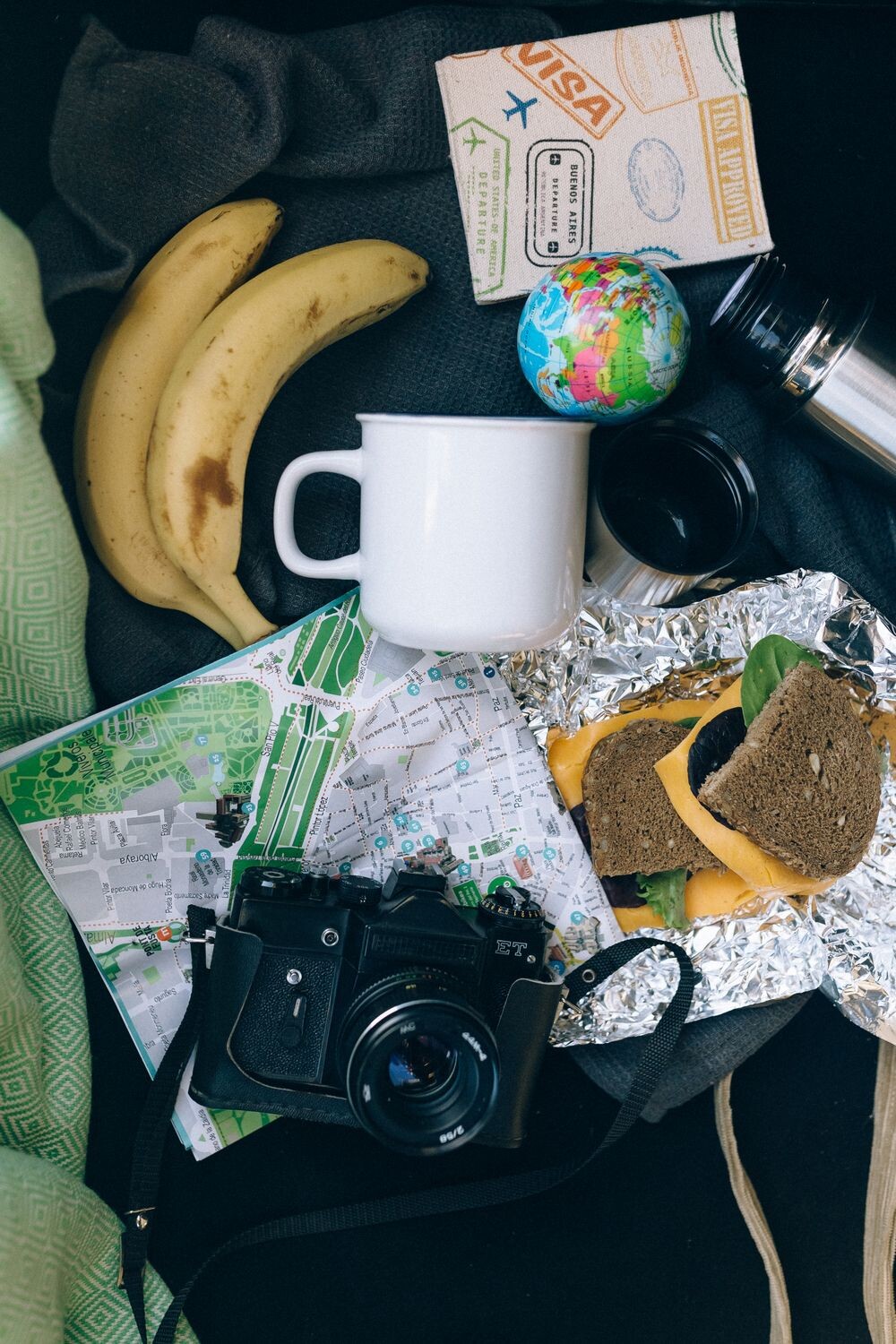
The sky can change your plans fast, so it helps to know the weather before you go. A sunny beach town may still have cool nights, and a city trip can turn wet with little warning.
Pack items that work in more than one way, like a light jacket, comfy shoes, and a small umbrella. This can save money because you will not need to buy extras after you arrive, and it also keeps your bag lighter and easier to carry.
Think about the season, not just the day you leave, since some places have hot afternoons and chilly mornings. If you like taking photos, the right weather can make colors brighter and streets look more beautiful.
3. Set a budget that leaves room for surprises

Money can change the feel of a trip, so it is wise to plan your spending early. A clear budget helps you enjoy meals, rides, and fun stops without worry.
Look at the cost of food, transport, and entry fees before you book anything. It is smart to keep a little extra for treats, tips, and small surprises, because some of the best moments come from unplanned stops.
You can also choose a trip style that fits your own taste, from simple street food days to fancy dinner nights. Mixing low-cost plans with one special splurge can make the whole trip feel richer without spending too much.
4. Study the map, but stay open to surprises
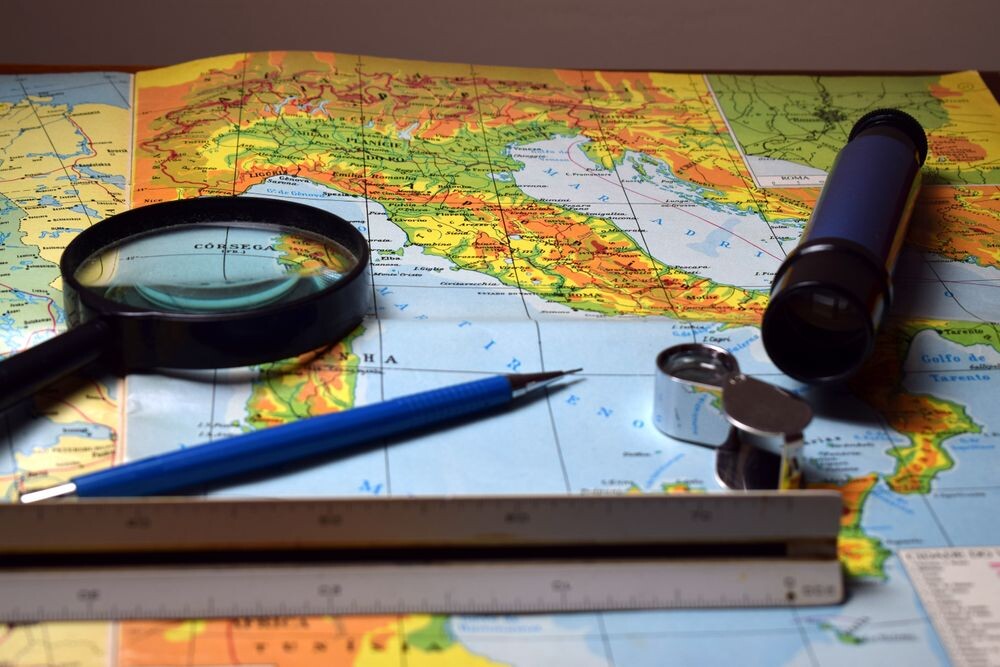
A map can show you the shape of a place before your feet ever touch the ground. It helps you spot neighborhoods, parks, markets, and paths that might be worth your time.
Still, the best moments often happen when a side street or small café catches your eye. Use the map as a guide, but leave space in your day for a few random turns and quiet finds.
5. Taste the food like a local

Local food tells a story about the place, and each bite can feel like a small adventure. Bright spices, fresh bread, sweet snacks, or grilled dishes can make your trip feel more real.
Try asking what people eat for lunch or what dish they are proud of in that area. This can lead you to better meals, better prices, and a more personal experience than picking only the most famous spots.
If you have food limits, learn the names of ingredients that matter to you before you go. That small step can help you eat with more confidence and enjoy the local scene without stress.
6. Pick the right place to stay

Where you sleep can shape the whole feel of your trip, from quiet mornings to late-night walks. A room near the places you want to visit can save time and energy each day.
Think about what matters most to you, such as a soft bed, a strong shower, a kitchen, or easy bus access. Prices can vary a lot, so compare options and read recent reviews to find the best fit for your style and wallet.
7. Learn a few local words and signs

A few simple words can open doors and bring warm smiles from people you meet. Even a small greeting or thank-you can show respect and make daily tasks easier.
It also helps with menus, signs, and signs on buses or trains, especially in places where English is not common. You do not need to speak perfectly; just having a few key phrases can make you feel more confident and connected.
Many travelers now use phone apps, but writing down important words can help when the battery gets low. You can also personalize your list with words about food, directions, and your own needs, which makes the trip feel more comfortable.
8. Watch how people get around
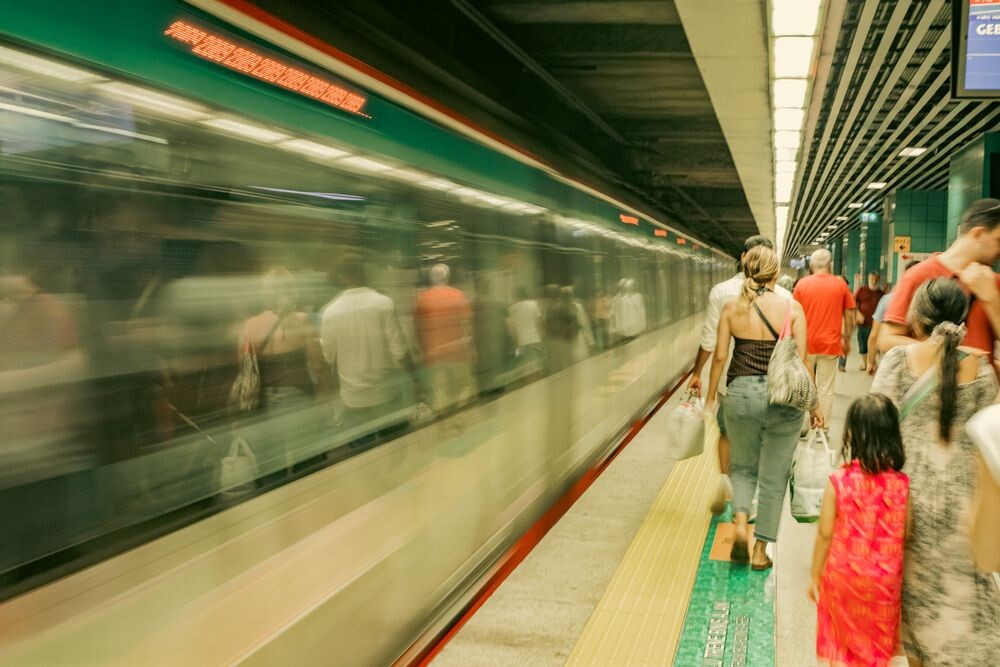
Transport can shape the rhythm of your day, and each place has its own way of moving people. Some cities have fast trains, some rely on buses, and others feel best when you walk or bike.
Look at ride prices, ticket rules, and travel times before you arrive. This can help you avoid costly taxi rides and choose the best mix of walking, public transport, and short rides for your plans.
Many travelers now like bike shares and app-based rides, but the old-school tram or ferry can be part of the fun too. If you enjoy people-watching, a bus ride can give you a great view of daily life.
9. Respect local customs and quiet rules

Every place has small habits that help people live together kindly. These can include how loud to speak, when to tip, or how to dress in certain places.
Watching what locals do is often the easiest way to learn. When you respect those customs, you usually get warmer service, fewer awkward moments, and a better feel for the real heart of the place.
It can also help you choose what to wear for temples, churches, markets, or nice dinners. A little thought here can save money too, since you may avoid fines, extra fees, or the need to buy something new at the last minute.
10. Keep your plans loose enough to breathe

A packed schedule can make a trip feel like homework instead of fun. A loose plan gives you room to rest, wander, and follow your own energy.
Pick a few must-see spots, then leave open space between them. That way you can stop for a pretty view, a cool shop, or a long lunch without feeling rushed.
This style works well for many kinds of travelers, from families to solo guests, because it lowers stress. It also helps you notice the small, unique things that make a place stand out, like street art, tiny gardens, or a kind shop owner.
11. Check safety basics before you go

Feeling safe helps you relax and enjoy the trip more fully. A quick look at neighborhood advice, emergency numbers, and local warnings can make a big difference.
Keep copies of your ID, know where to get help, and save key addresses on your phone. If you travel at night, pick bright streets and trusted transport, and share your plan with someone you trust.
Safety can also include simple habits like watching your bag and keeping some cash in more than one spot. These small steps do not take away the fun; they just give you more freedom to enjoy it.
12. Make room for photos and memories
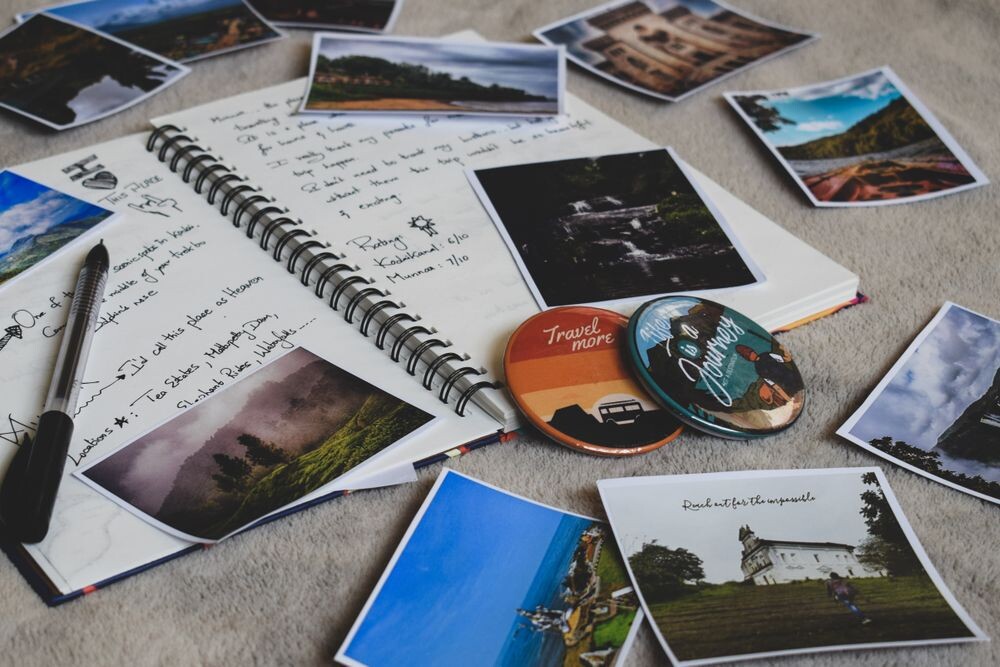
New places often look amazing, from colorful walls to wide views and busy markets. Taking photos can help you hold onto those moments long after the trip ends.
Think about the kind of memories you want, then plan a few photo stops that match your style. Some people love grand city scenes, while others prefer close-up shots of food, signs, or local details.
Current trends like short travel clips and simple phone edits can make it easy to share your trip in a fun way. You can also keep a small note list of favorite places, prices, and people you met, which adds a personal touch to your memories.
13. Be ready for tech and signal issues

Phones are useful, but they do not always work the way you hope in a new place. Signal may be weak, maps may load slowly, and charging spots may not be easy to find.
Bring a power bank, a charging cord, and any adapter you need for the plugs there. It also helps to save maps, hotel details, and booking info before you leave Wi-Fi, so you can still find your way if the signal drops.
Some travelers now use offline apps and digital wallets, but it is smart to carry a little cash too. That mix gives you more freedom and keeps you from feeling stuck when tech acts up.
14. Look for free and low-cost fun

Not every great experience needs a big ticket price. Parks, markets, public art, beaches, and walking paths can give you a strong sense of place for very little money.
Ask locals about free events, open-air shows, or museum days with no entry fee. These choices can stretch your budget and still give you rich, colorful moments that feel special.
Many places now offer city passes or bundle deals, which can be good if you plan to visit several paid spots. Still, mixing free sights with one or two paid treats often makes the trip feel more balanced and personal.
15. Give yourself time to rest

Travel can be exciting, but it can also make you tired faster than you expect. New sounds, new food, and lots of walking can wear out even the happiest guest.
Plan quiet breaks in a café, a park, or your room so your mind and body can catch up. Rest often helps you enjoy the rest of the day more, and it can keep small problems from feeling huge.
If you like a certain routine, bring a little piece of home with you, such as a book, tea, or music playlist. That personal touch can make a new place feel kinder and help you start the next day in a better mood.
16. Stay curious about the people you meet

The people in a place often leave the strongest memory of all. A friendly chat with a market seller, driver, or café worker can show you sides of the destination that guidebooks miss.
Ask simple questions, listen well, and share a little about your own home if the moment feels right. These small talks can lead to tips on hidden spots, better prices, and local favorites that make your trip feel truly one of a kind.
Being curious also helps you notice the small beauty around you, from painted doors to busy sidewalks and shared smiles. When you stay open and kind, the destination feels less like a stop on a list and more like a living place with its own voice.