A place can feel familiar and strange at the same time. That mix is part of the fun.
Fresh streets, new smells, and local habits can change a simple trip into a vivid memory. A little planning helps you enjoy the best parts without feeling rushed.
1. Learn the local vibe before you go
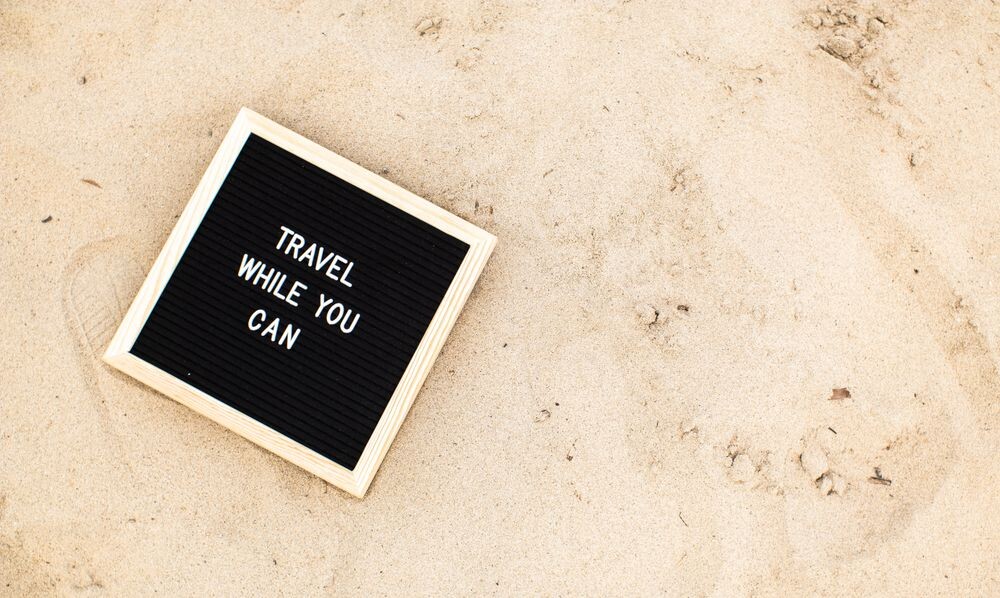
Every place has its own mood, from calm beach towns to busy city corners. Knowing that vibe helps you pack the right clothes, plan the right pace, and feel more at ease.
Look at photos, read a few travel blogs, and check short videos from people who have been there. You may notice bright buildings, quiet markets, or packed sidewalks that tell you what daily life feels like. This can also help you choose activities that match your style, like slow walks, food stops, or outdoor fun.
2. Check the weather and season

Weather can change your trip more than you think. A sunny coast, a rainy mountain town, or a chilly old city each needs a different plan.
Season also affects crowds, prices, and what is open. Warm months may bring lively streets and busy hotels, while cooler months can offer lower costs and a calmer feel. Pack layers, a small rain jacket, or sun gear based on the forecast so you stay comfortable.
Some travelers now plan around shoulder season to save money and avoid long lines. That can be a smart way to enjoy pretty views and better deals at the same time.
3. Study the local money situation
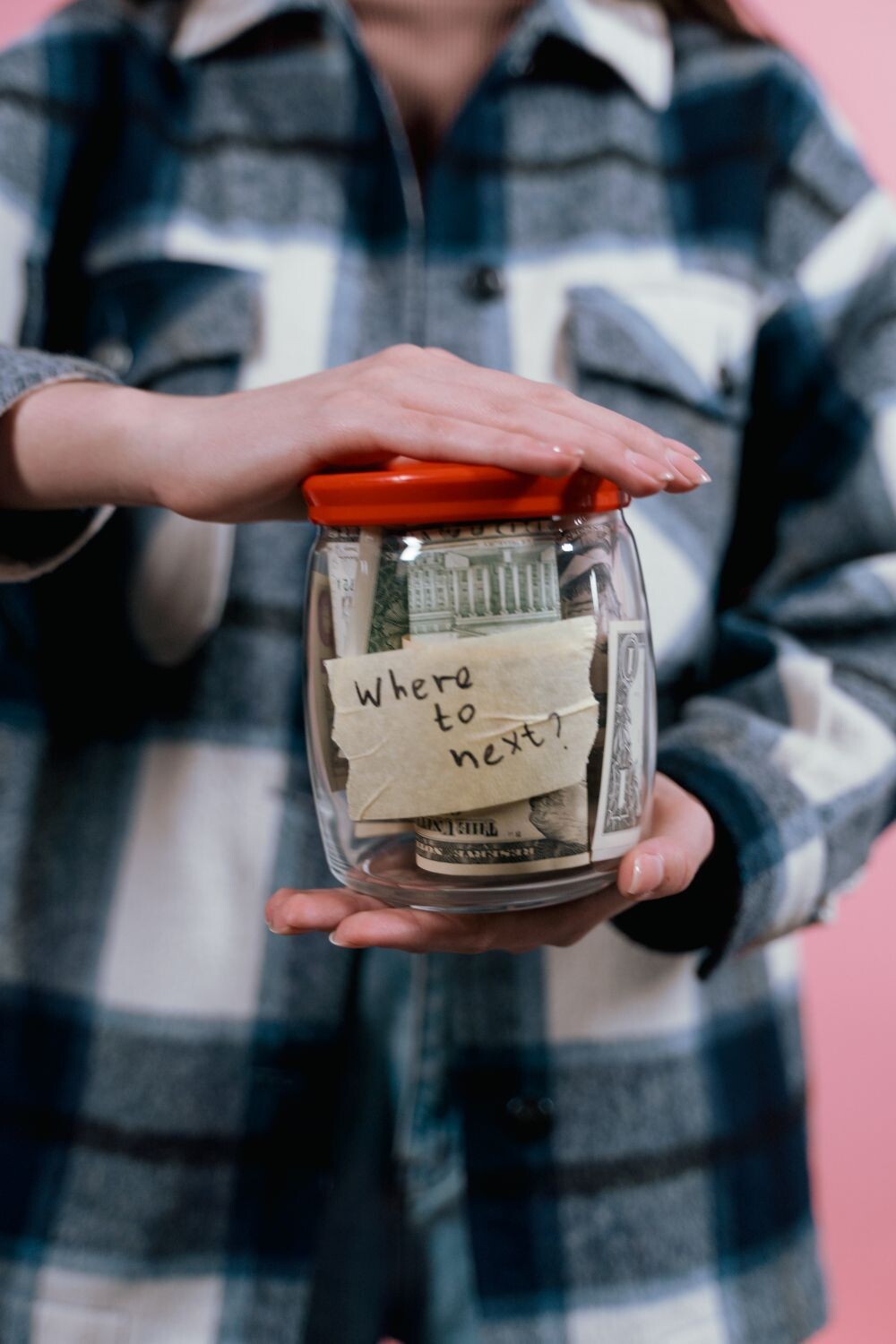
Money rules can be very different from place to place. Some spots use cards everywhere, while others still like cash for small shops and taxis.
Check the local currency, common prices, and any fees from your bank. It helps to know if meals, rides, and tips are cheap or costly before you arrive. You can also set a daily budget so you do not spend too fast.
Many travelers keep a mix of payment options for safety and ease. A small wallet plan can make market visits, snack stops, and ticket buying much smoother.
4. Understand the culture and customs
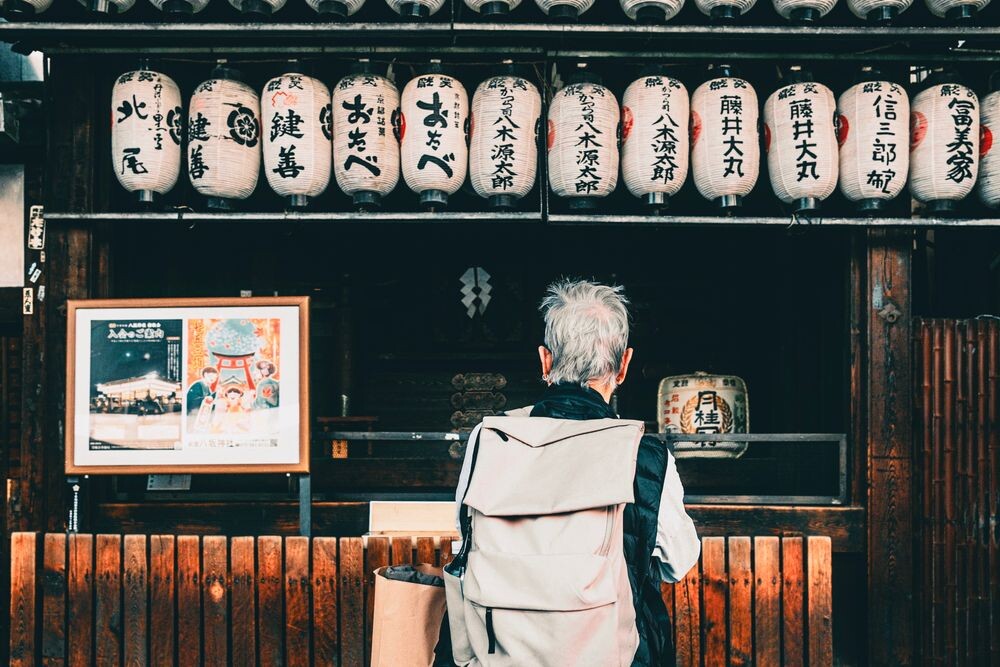
A destination feels richer when you know how people live there. Small customs, like greetings, dress, and table manners, can help you show respect.
Look up basic do’s and don’ts before you go. In some places, quiet voices are polite, while in others, lively talk is normal and welcome. Learning a few local words can also make people smile and help you feel more connected.
Travelers today often enjoy cultural tours, cooking classes, and neighborhood walks. These are great ways to see what makes a place truly special.
5. Map out your must-see spots
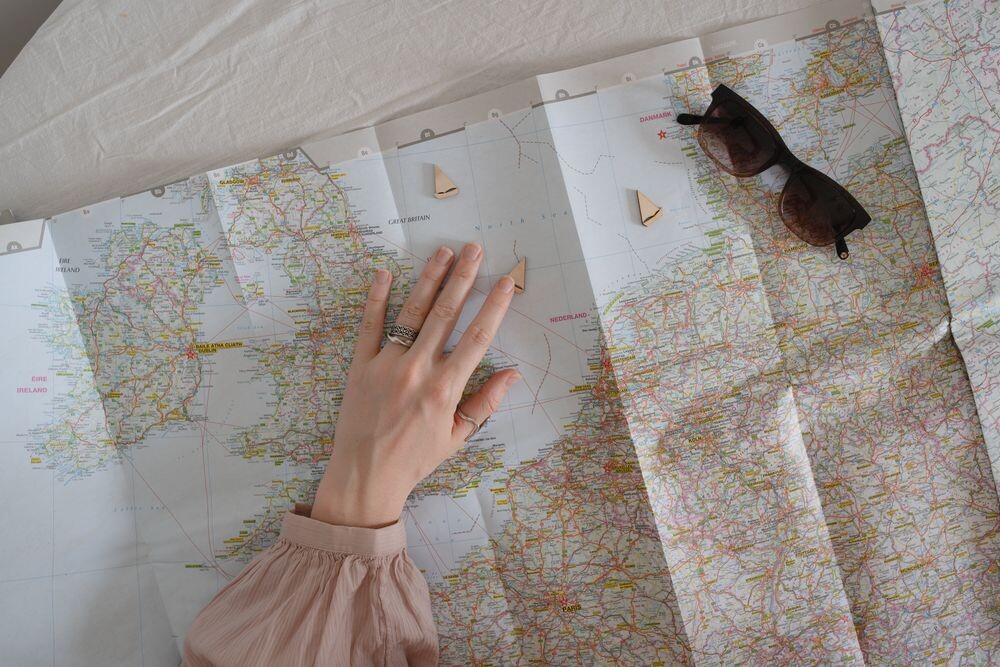
A new destination can feel huge, so a simple list helps. Pick a few places that matter most to you, like a park, museum, beach, or old town street.
This keeps your days balanced and less stressful. You can leave room for surprise stops, but still make sure you see the sights that fit your interests. If you love art, food, or nature, build your plan around that theme.
Personal touches make the trip feel more yours. Try choosing one place for sunrise, one for snacks, and one for a slow evening walk.
6. Think about how you will get around
Getting from one place to another can shape your whole trip. A city with trains feels very different from a town where you need buses, bikes, or taxis.
Check ride apps, public transit, and walking routes before you arrive. Some places are easy to cross on foot, while others need more planning and time. If you want freedom, renting a bike or car may help, but it can also add cost and stress.
New travel trends often include e-scooters, bike shares, and transit cards that work for many rides. These can save time and make the streets feel more open and fun.
Choose the option that fits your comfort level. A simple transport plan can save both money and energy.
7. Pack for comfort, not just style
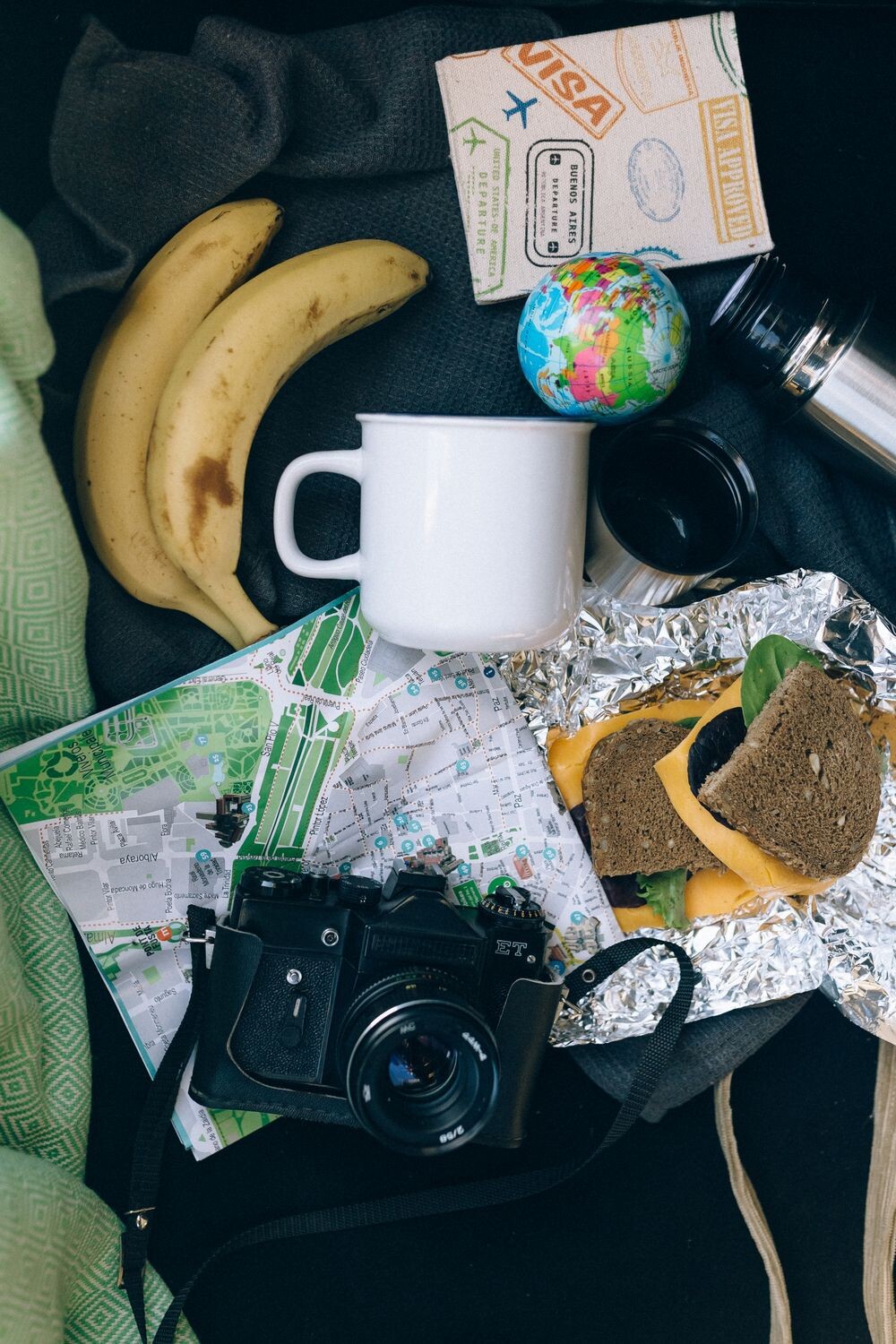
Pretty outfits are nice, but comfort matters a lot on the road. If your shoes hurt or your bag is too heavy, even a lovely place can feel tiring.
Pick items that work in more than one setting. A light jacket, good walking shoes, and clothes you can layer are often the best friends of a happy traveler. A small day bag can also hold water, snacks, and a charger.
Many people now use packing cubes and reusable bottles to stay neat and ready. These small choices can make your trip feel easier from the start.
8. Learn a few safety basics
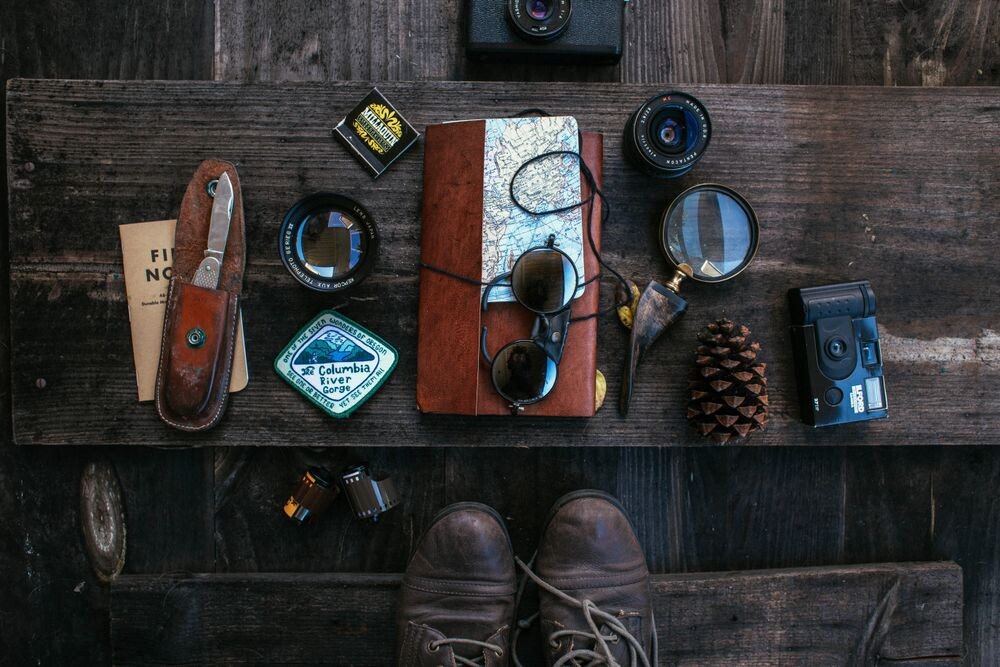
Feeling safe helps you relax and enjoy the view. Before you go, learn which areas are busy, which roads are well lit, and what to do if you need help.
Keep copies of important papers and save key phone numbers in your phone. It is also smart to tell someone at home where you are staying. Trust your gut if a street, person, or plan feels off.
Many travelers now share live locations with family or friends. That simple step can add peace of mind without taking away fun.
9. Taste the food with an open mind
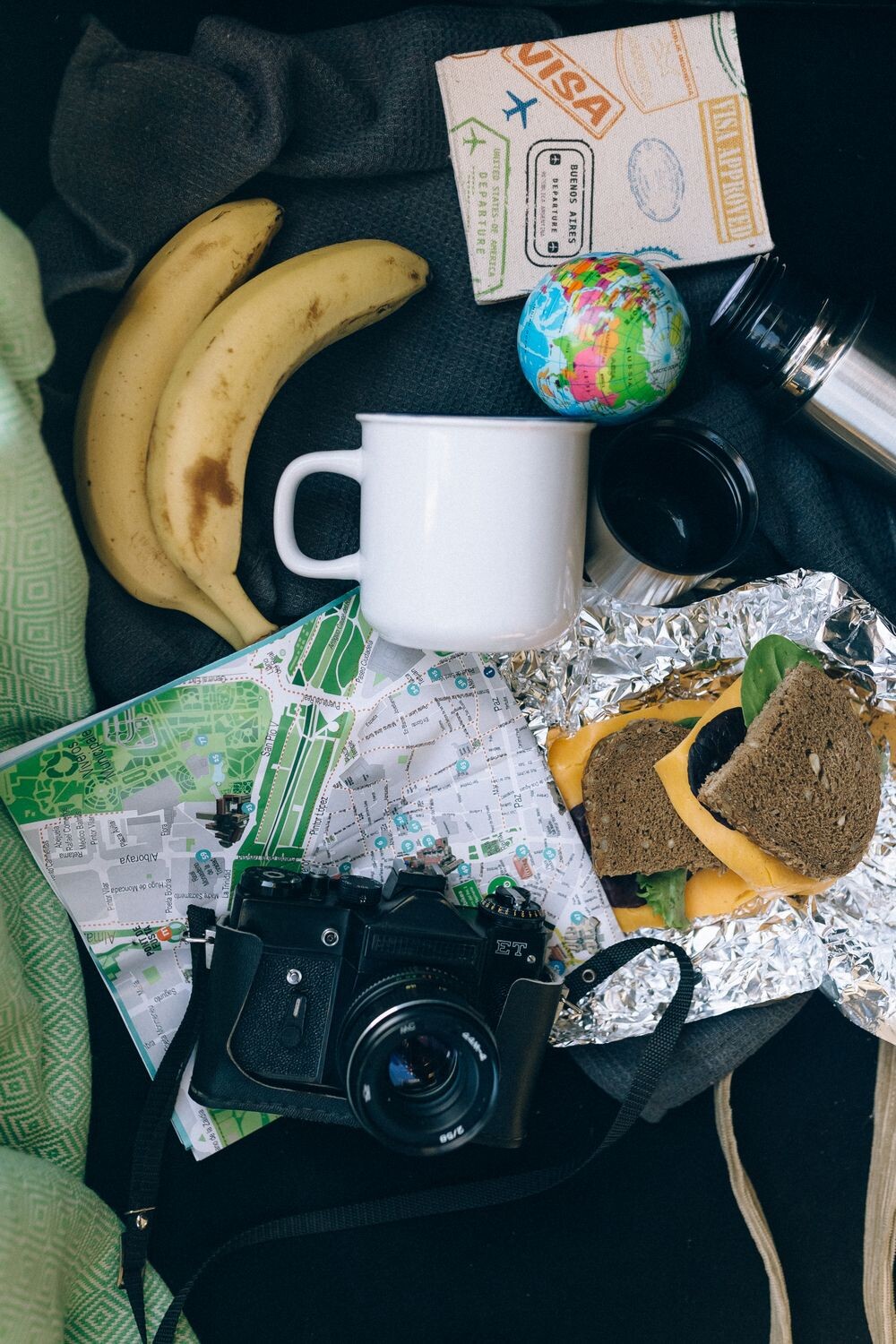
Food can be one of the best parts of a new destination. Bright fruit stands, warm bread, spicy soups, and sweet treats can tell you a lot about local life.
Try a mix of famous dishes and simple snacks. Ask locals where they eat, since small family spots often have the best flavor and friendliest feel. If you have food needs, learn how to say them clearly before you arrive.
Street food is still a big travel trend because it is tasty and often budget friendly. A tiny bite from a busy stall can become a big memory later.
Make the experience personal by keeping a food note on your phone. Write down the dishes you loved so you can find them again or share them with friends.
10. Watch for hidden costs
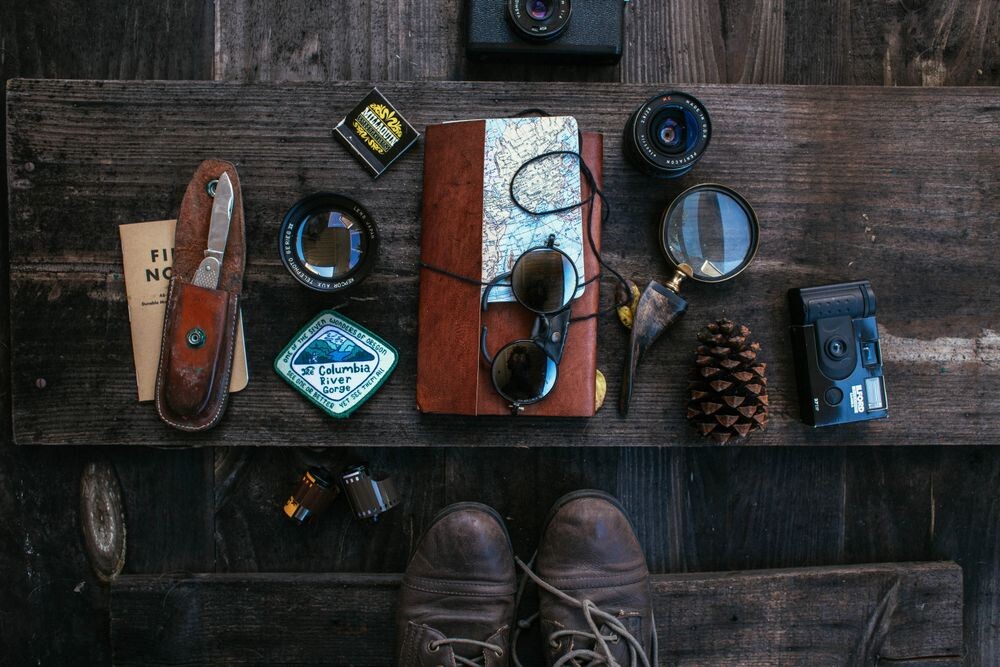
Some trips cost more than they first seem. Extra fees can show up in luggage charges, resort fees, local taxes, tips, or ticket add-ons.
Read the fine print before booking anything. A cheap hotel may not be such a bargain if breakfast, transport, and Wi-Fi cost extra. It helps to compare a few options and look at the full price, not just the first number you see.
Budget travelers often use free walking areas, public parks, and low-cost museums to stretch their money. That can still give you a rich and colorful trip.
11. Make time for slow moments
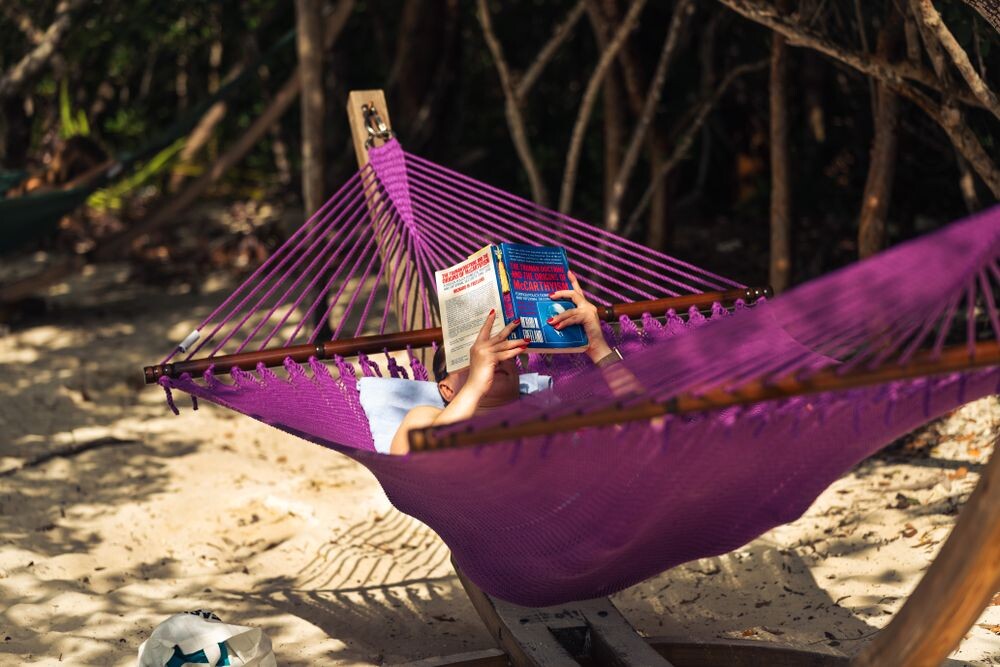
A packed schedule can make a trip feel like homework. Slow moments help you notice the real beauty around you, like tree shadows, shop windows, and street music.
Leave gaps in your day for rest, snacks, or a surprise stop. You may find a tiny bakery, a peaceful bench, or a local event that was not on your list. These pauses often become the parts people remember most.
Many travelers now prefer a slower style with fewer stops and more time in each place. That trend can make a destination feel deeper and more personal.
Choose one quiet activity that matches your mood, like journaling, people-watching, or a sunset stroll. A little calm can make the whole trip feel better.
12. Check internet and phone access

Staying connected can be very helpful in a new place. You may need maps, translation tools, ride apps, or a way to message your group.
Find out if your phone will work there and what data plan makes sense. Some travelers buy local SIM cards, while others use eSIM plans before they leave. Free Wi-Fi can help, but it is smart not to depend on it alone.
Personalize your setup by saving offline maps and key addresses. That way you can still find your hotel, a café, or a train stop even if the signal drops.
Good phone prep can save time and reduce stress. It also helps you feel more confident when you are in a busy area.
13. Respect the natural spaces
Nature spots can look stunning, from blue water to green hills to rocky trails. Keeping them clean and safe helps everyone enjoy them longer.
Follow signs, stay on paths, and carry out your trash. If you visit beaches, forests, or parks, use reusable items when you can. This protects the place and often saves money too.
Eco-friendly travel is a strong trend now, and many visitors like to support it. Choosing refillable bottles, gentle sunscreen, and local guides can make a real difference.
Try to match your plans to the setting. A quiet sunrise hike or a low-impact boat ride can feel both exciting and kind to the land.
14. Leave room for local surprises
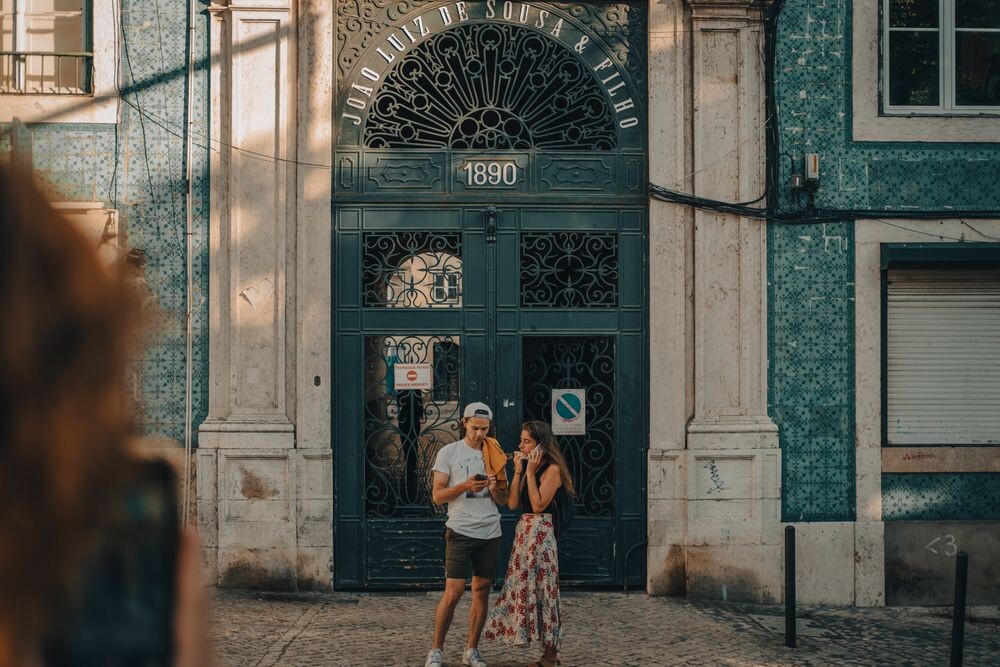
Some of the best travel moments happen by chance. A street parade, a tiny art shop, or a friendly market can become the heart of the trip.
Do not fill every hour with fixed plans. Give yourself space to follow a smell, a sound, or a crowd and see where it leads. This can help you find unique places that guidebooks may miss.
Ask locals for one favorite spot, not just the famous ones. Their tips can lead you to a quiet view, a hidden snack stand, or a fun neighborhood event.
Making room for surprise keeps the trip fresh. It also makes your journey feel more like your own story.
15. Think about photos and memories
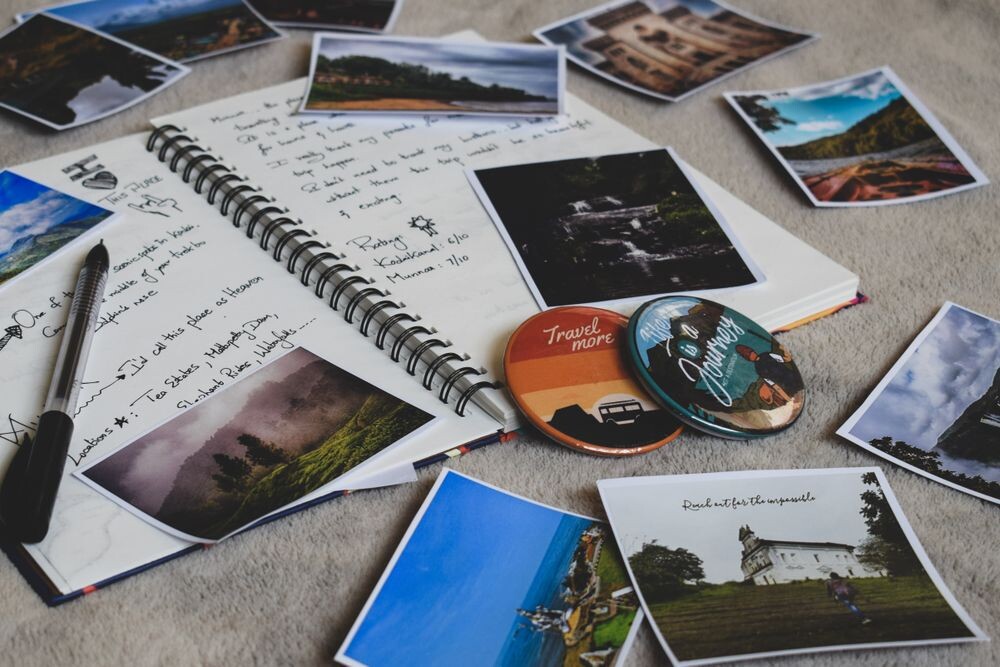
Pictures help you hold on to the feeling of a place. They also let you share the colors, shapes, and moods that caught your eye.
Plan when you want to take photos so you do not spend the whole trip behind a screen. Early light, warm evening light, and rainy streets can all look beautiful in different ways. You can also collect small keepsakes like tickets, postcards, or menu slips.
Many travelers now make digital albums or short video journals. These are easy ways to save memories without carrying much extra stuff.
Make your memories personal by writing one line about each day. A few words can bring back a whole scene later.
16. Prepare for your own travel style
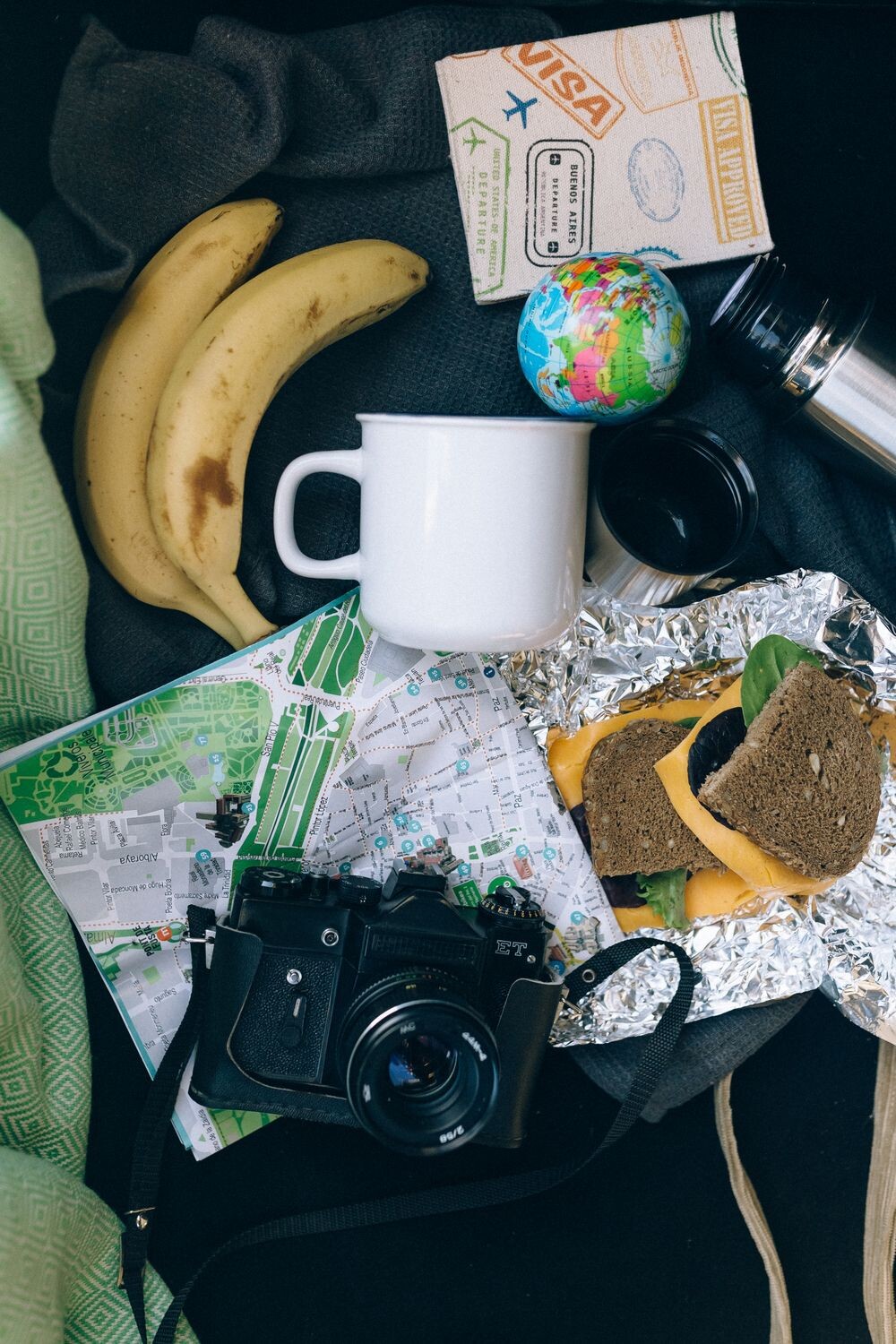
No two travelers need the same plan. Some people love busy days and big crowds, while others want quiet corners and long meals.
Think about what makes you feel happy, safe, and rested. Build your trip around that. If you like art, add galleries. If you like food, add markets. If you like calm, choose parks, beaches, or small streets.
The best trips often match the traveler, not just the destination. When your plan fits your style, the whole place feels easier and more exciting.
Before you go, make one list of your top wants and one list of things you can skip. That simple step can save money, time, and energy while helping the trip feel just right.