A new place can feel exciting before you even arrive. Small choices can shape the whole trip.
1. Learn the local vibe before you go
Every destination has its own mood, and that mood can change how your trip feels. Some places feel calm and slow, while others buzz with music, traffic, and bright lights.
Check a few photos, read recent posts, and notice what people wear, eat, and do there. This helps you pack better, plan better, and feel more ready when you step off the bus, train, or plane.
2. Pick the best time for your visit
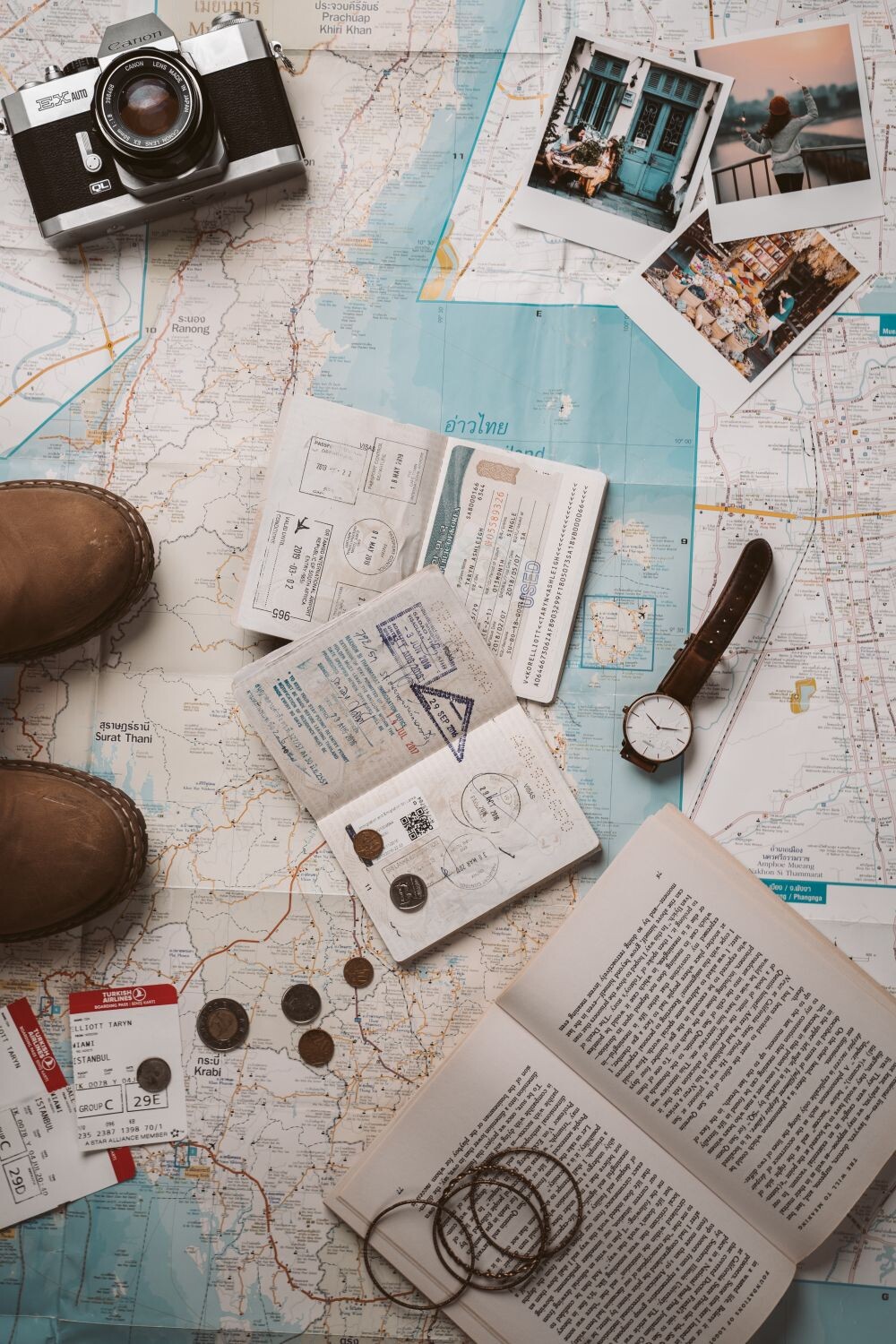
Weather can make a big difference in how a place looks and feels. A beach town in sunny season may look like a postcard, while the same spot in storm season may be quiet and rainy.
Look at crowd levels, festival dates, and school breaks before you book. Traveling in a less busy time can mean lower prices, shorter lines, and more room to enjoy the view.
It also helps to think about what you want most from the trip. If you love bright flowers, warm walks, or winter lights, choose the season that matches your dream.
3. Set a simple budget early
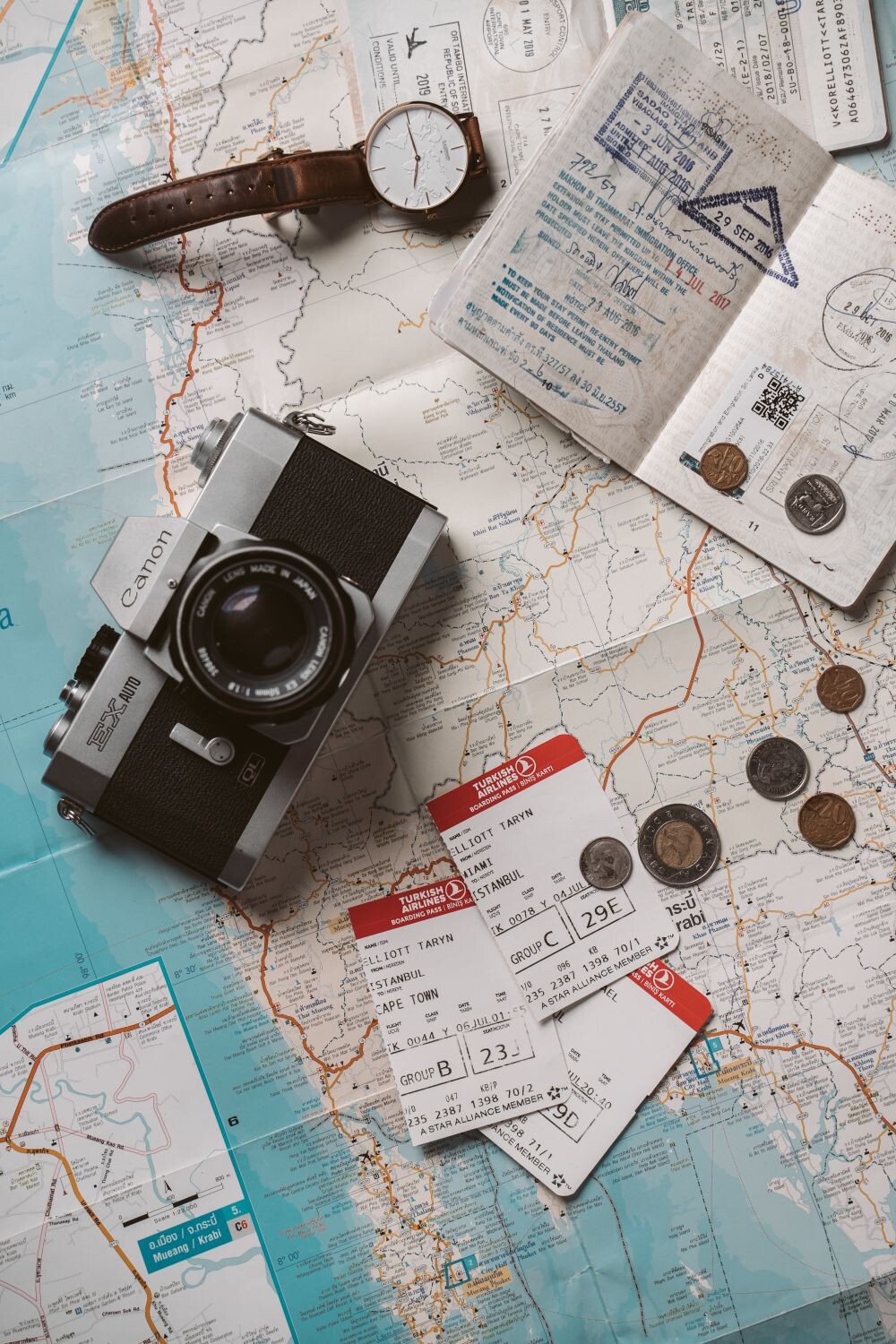
Money stress can take the fun out of a trip fast. A clear budget helps you enjoy meals, rides, and small treats without worry.
Write down what you can spend on travel, food, sleep, and fun. Then add a little extra for surprises like tips, local snacks, or a last-minute museum ticket.
Some places are known for high hotel prices, while others are great for street food and cheap transit. If you want a trip that feels more personal, spend more on the parts you care about most and save on the rest.
4. Check how you will get around
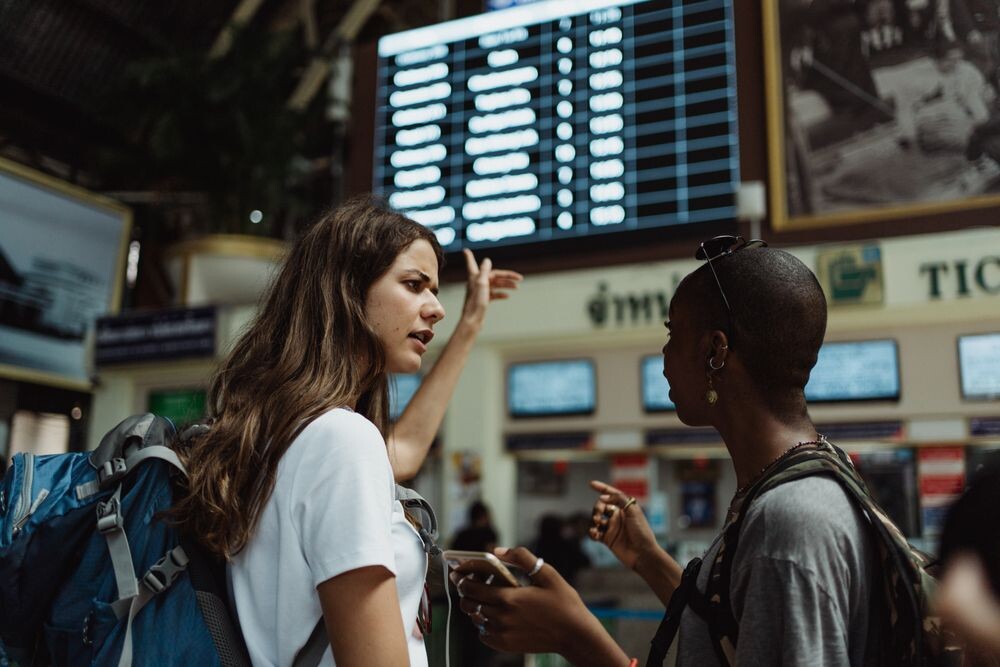
Getting from one spot to another can be part of the adventure. A city with trains, buses, bikes, or walkable streets often feels easier and more open.
Look up maps before you leave so you know how far things really are. This can save time, help you avoid extra taxi costs, and make each day feel smoother.
5. Pack for the place, not just the plane
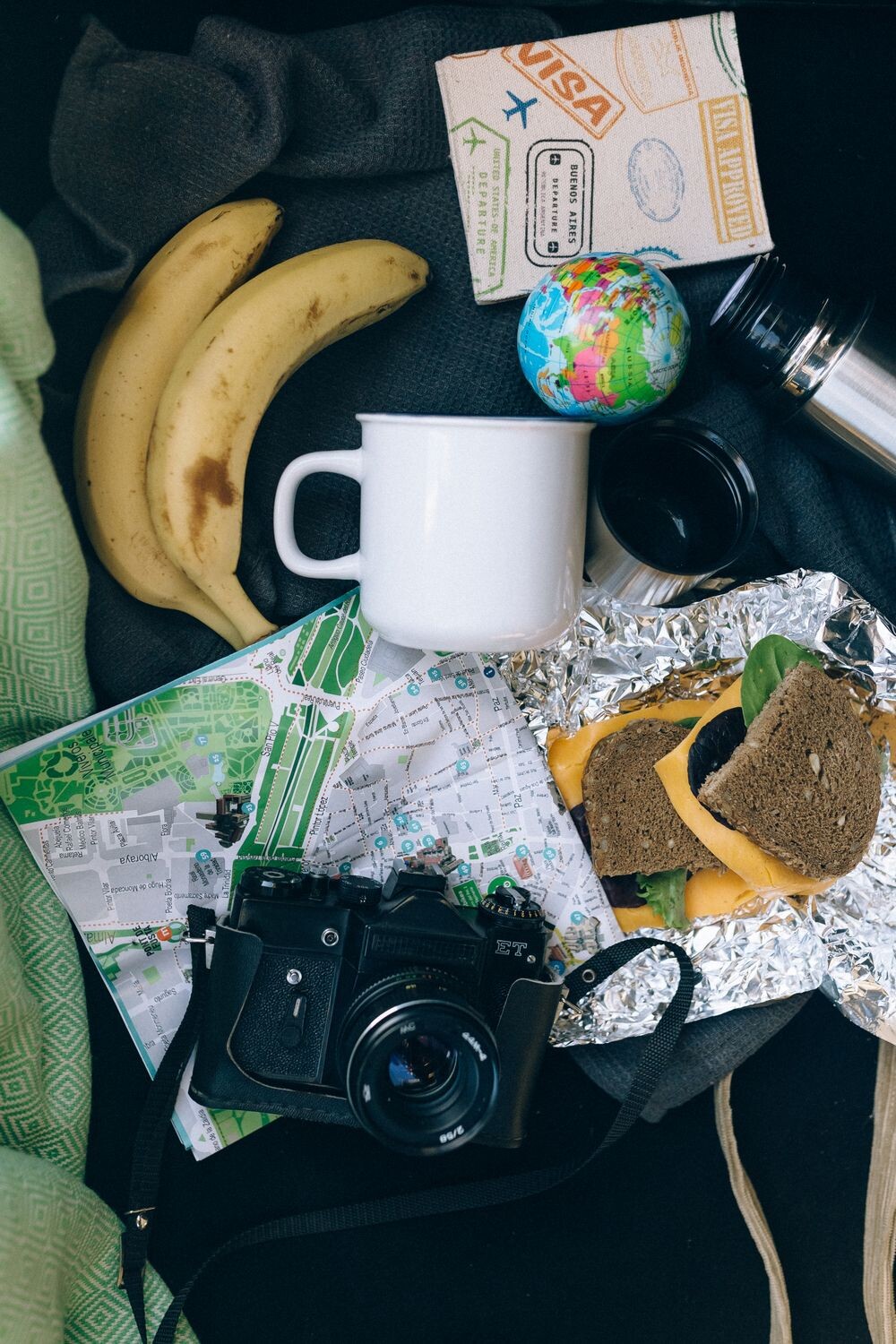
What you bring should match the weather, the roads, and the activities. A rainy mountain town needs different shoes than a warm beach area or a big city with lots of walking.
Light layers, comfy shoes, and a small day bag can make a trip much easier. Think about local style too, since some places feel more casual and others feel more dressed up.
Smart packing can also save money because you will not need to buy as many things after you arrive. If you want a more unique trip, add one item that fits the place, like a bright scarf, a sun hat, or a reusable water bottle with local art.
6. Learn a few local words and customs
A simple hello, thank you, or please can go a long way. People often smile when visitors try to speak even a little of the local language.
Also learn basic customs like how to greet people, when to tip, and what to wear in certain spots. These small acts show respect and can help you feel more welcome.
It is a good idea to save a few phrases in your phone before you go. You can also make the trip feel more personal by learning the names of local foods, places, and common signs.
7. Make food part of the plan
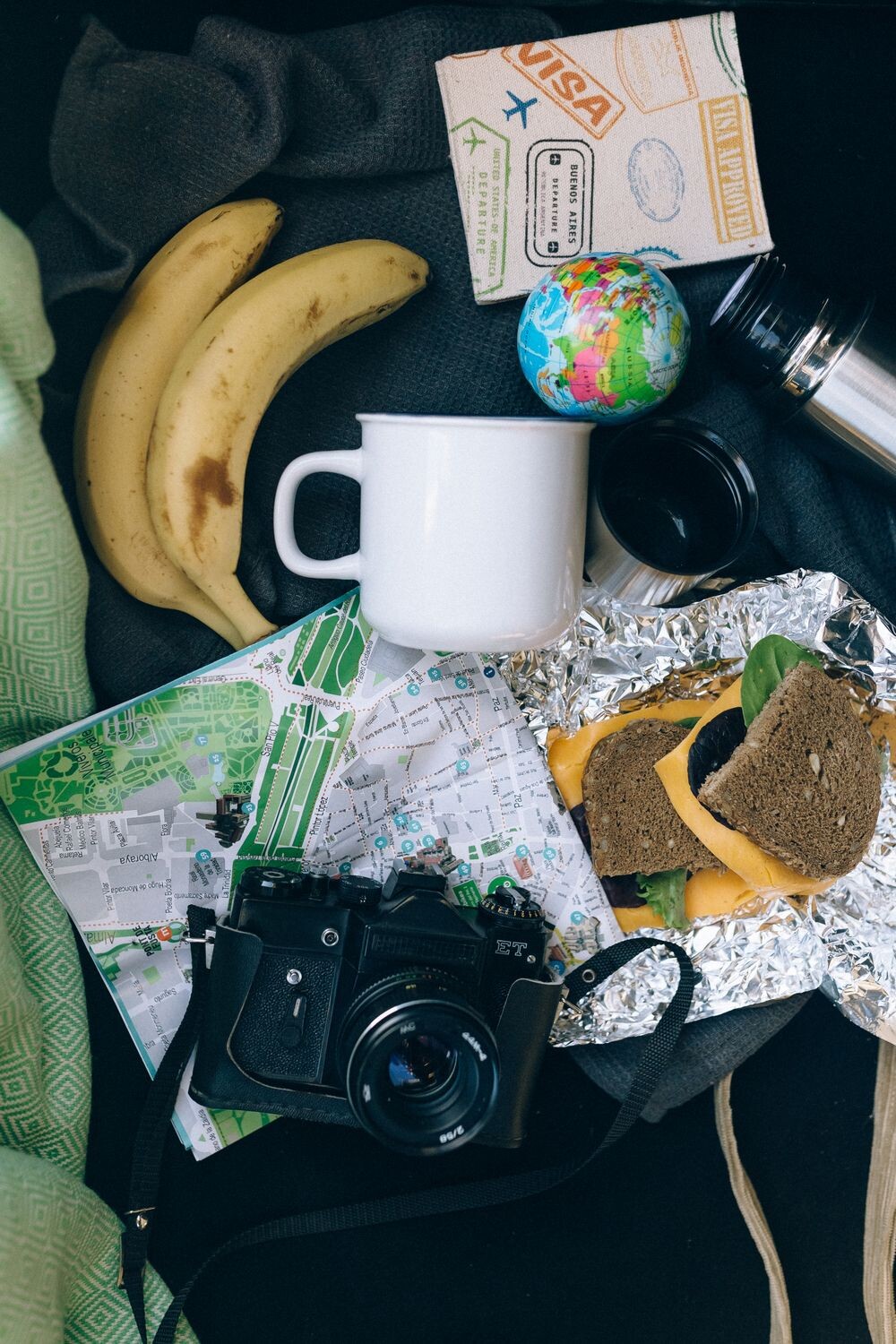
Food tells a story about a place, and local dishes often become the best memories. A colorful market, a tiny bakery, or a street cart can be just as exciting as a famous landmark.
Look up what the area is known for so you do not miss the best bites. Try a mix of trusted spots and small local places if you want both comfort and surprise.
Food costs can change a lot from one neighborhood to another, so it helps to compare menus before you sit down. If you follow current travel trends, you may also find more people choosing food tours, cooking classes, and farm-to-table meals for a more hands-on experience.
8. Stay aware of safety basics
A safe trip feels more relaxing from the start. Knowing the basics helps you enjoy the sights instead of worrying all day.
Keep copies of key documents, know emergency numbers, and learn which areas are busy and well lit. It is also smart to share your plans with someone you trust back home.
Most places are friendly, but a little caution still matters. You can personalize your safety plan by using a map app, carrying a small amount of cash, and choosing places to stay that fit your comfort level.
9. Choose your stay with care
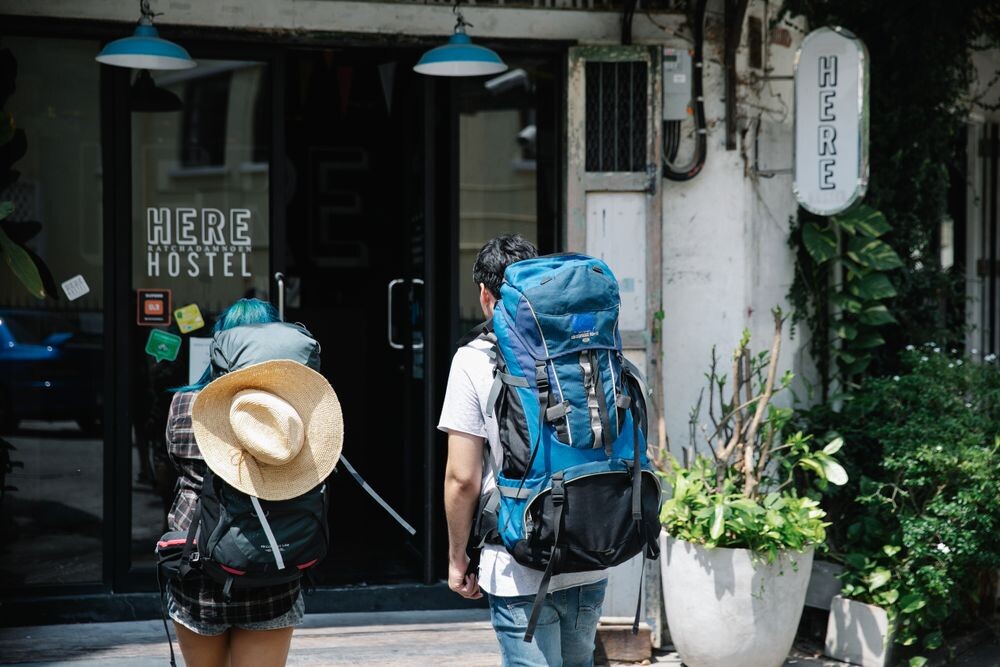
Where you sleep can shape the whole mood of the trip. A cozy guesthouse, a modern hotel, or a small apartment can all give a very different feel.
Think about what matters most to you, like quiet nights, breakfast, kitchen space, or a strong view. Reading recent reviews can help you spot noise, cleanliness issues, or hidden fees before you book.
Some travelers now like staying in places that feel local and homey instead of big and fancy. If you want better value, compare the full cost, not just the nightly price, because taxes and service charges can add up fast.
10. Plan for both famous spots and hidden corners
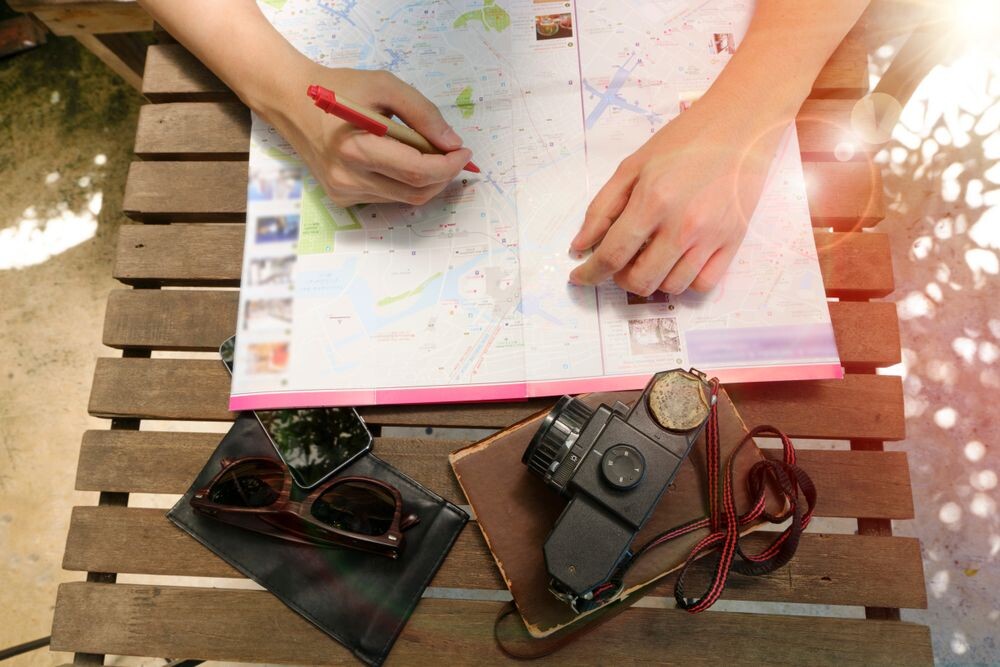
Big landmarks are popular for a reason, and they often look amazing in person. Still, smaller streets, local parks, and neighborhood shops can feel even more special.
Mix well-known places with quiet corners so your days do not feel rushed or crowded. This balance can help you see the place in a fuller, more real way.
A good tip is to leave some open time in your schedule. That way you can follow a fun sign, stop for a snack, or sit and watch the world go by without feeling behind.
11. Think about your pace

Some trips feel best when they move slowly. Others feel better when packed with action, photos, and new stops all day long.
Choose a pace that matches your energy, age, and travel style. If you love calm mornings, build in extra time for coffee, reading, or people-watching before heading out.
This can also help with costs because rushing often leads to extra rides and more impulse spending. A slower plan may give you more chances to notice small, unique details like street art, old signs, and local music.
12. Keep an eye on local events
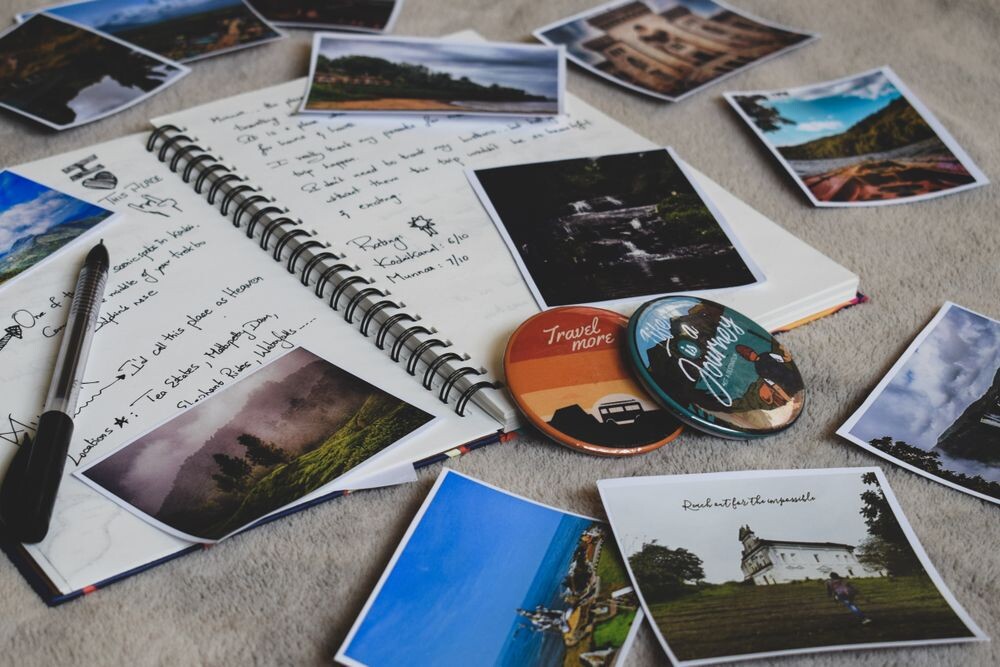
Festivals, markets, and holidays can make a place feel bright and full of life. Streets may look extra colorful, and the air may be filled with music, food smells, and happy crowds.
These events can be a big plus if you want a lively trip. They can also raise hotel prices and make some areas crowded, so timing matters.
Check event calendars before you book so you can plan around the crowds or join them on purpose. If you like personal touches, pick one event that fits your interests, like art, food, sports, or music.
13. Be ready for internet and phone needs
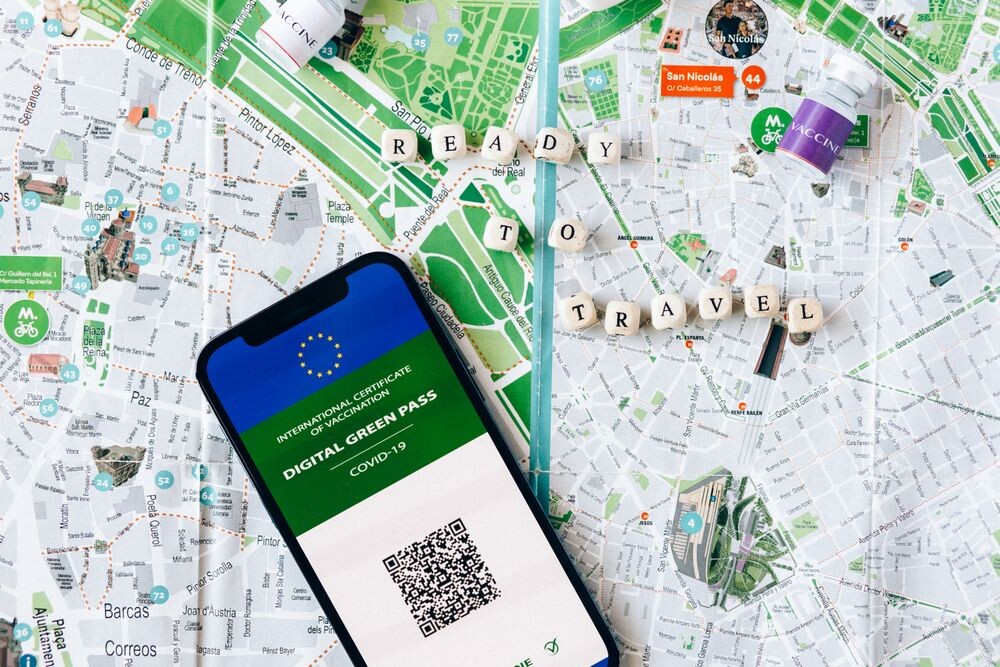
Staying connected can make travel easier and less stressful. Maps, translation tools, ride apps, and booking sites all work better when your phone is ready.
Look into roaming, local SIM cards, or Wi-Fi options before you leave. This can save money and keep you from getting stuck without directions or contact.
Many travelers now prefer to download maps and key info ahead of time. A simple backup plan, like a paper note with your hotel name and address, can be very helpful too.
14. Respect the environment and local spaces
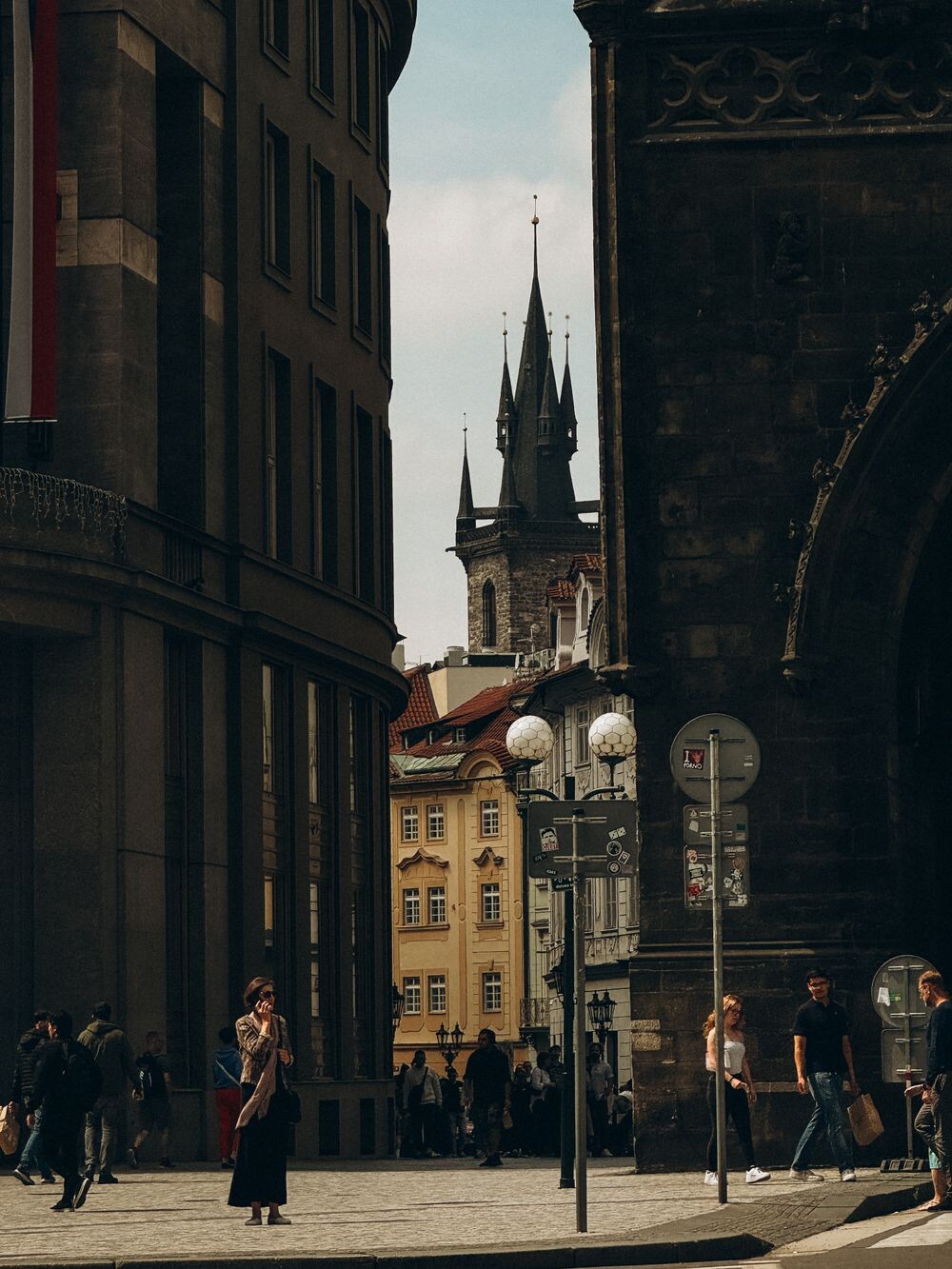
Beautiful places stay beautiful when visitors treat them with care. Clean trails, quiet beaches, and tidy streets make the whole area more pleasant for everyone.
Bring a reusable bottle, toss trash in the right place, and follow signs at parks and historic sites. Small actions can protect the place and make your visit feel more thoughtful.
15. Leave room for surprises
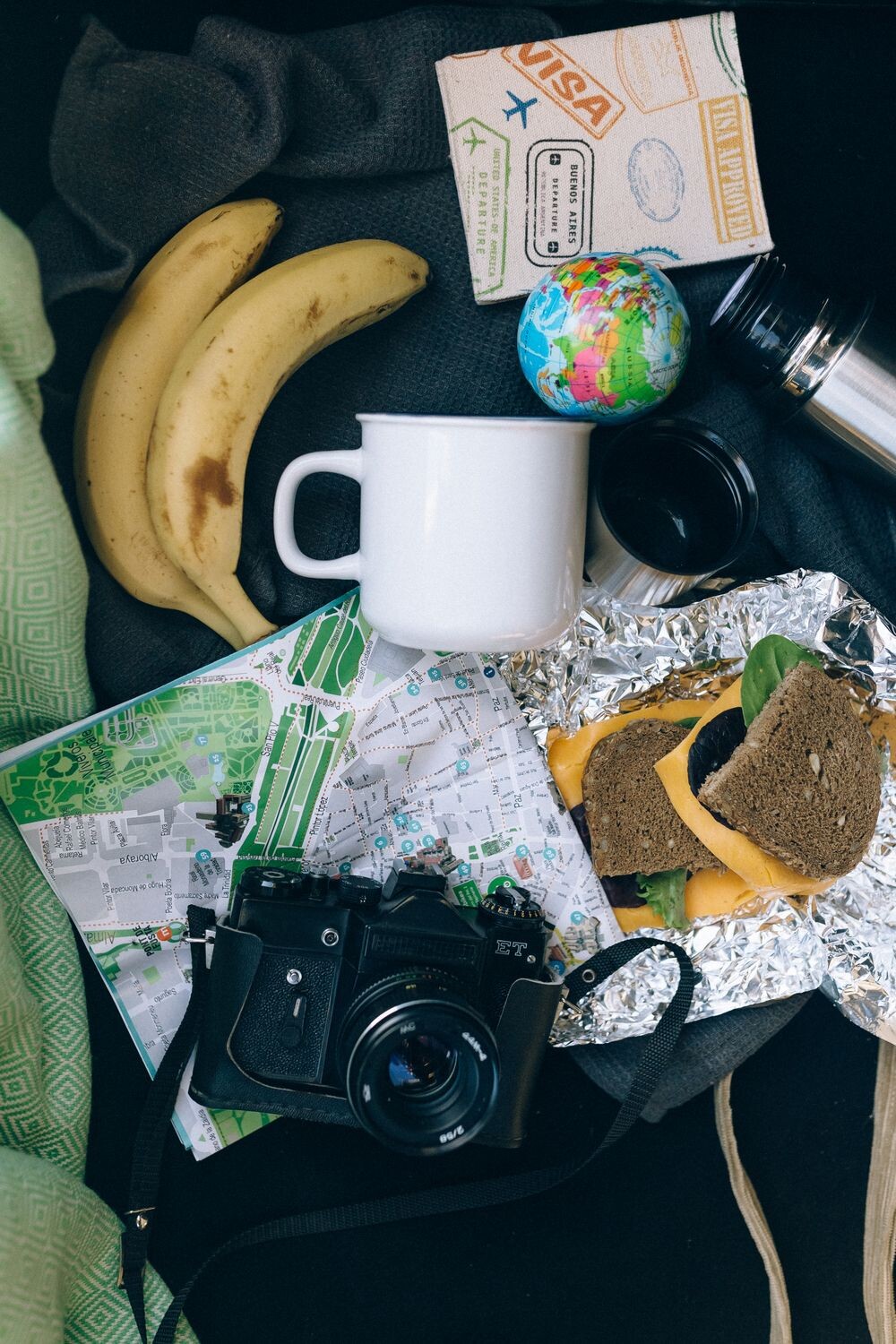
Some of the best travel moments happen when plans change a little. A sudden rain shower, a street show, or a friendly local tip can lead to something memorable.
Do not fill every hour if you can help it. Open space gives you room to rest, wander, and follow your curiosity in a natural way.
This kind of freedom can also help you spend less because you may choose a free viewpoint, a local market, or a simple walk instead of always booking paid activities. If you want a more personal trip, keep one day light and let the destination shape the plan.
16. Save the details that matter most to you
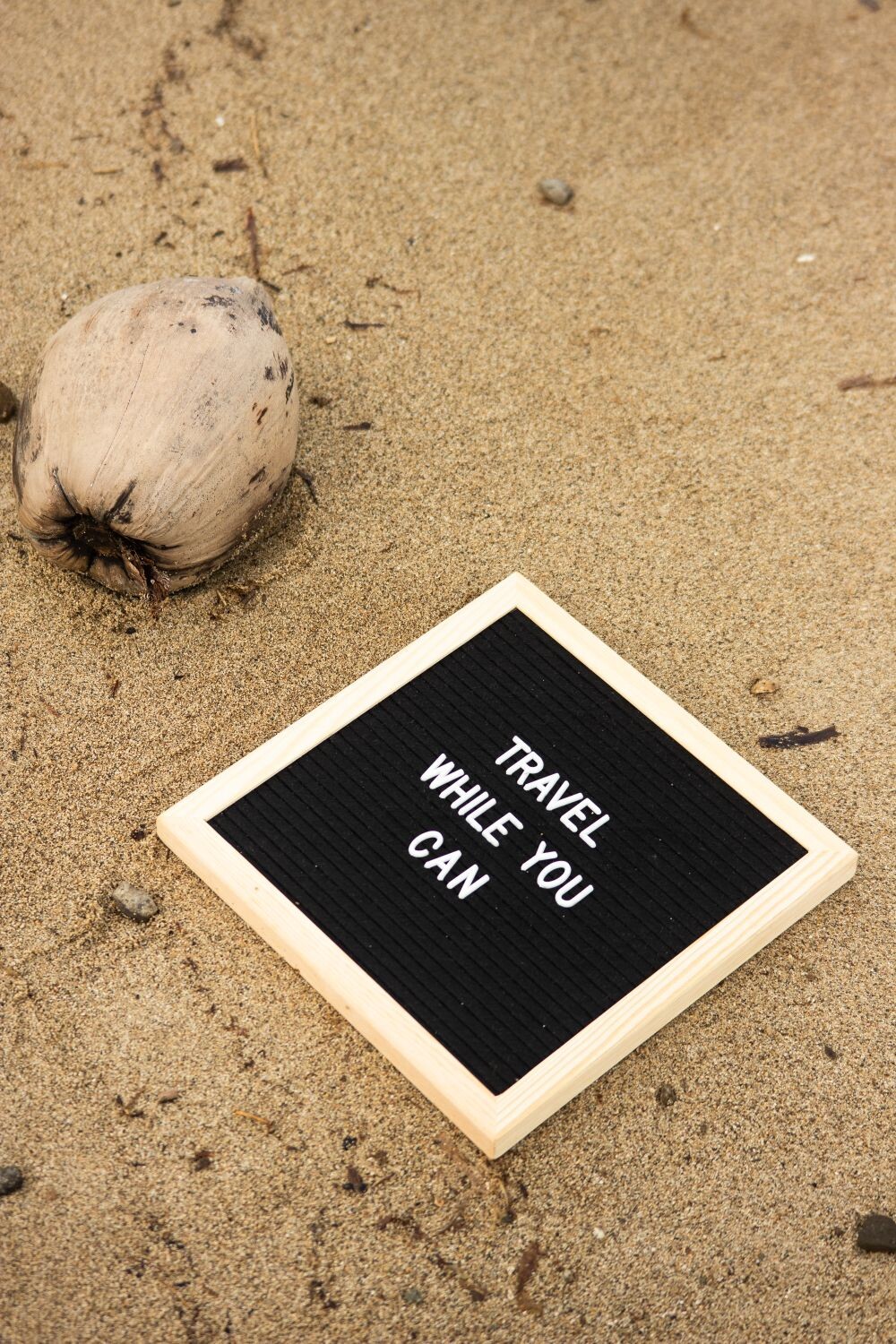
Every traveler notices different things, and that is part of the fun. One person may love the smell of fresh bread, while another remembers colorful walls, quiet alleys, or a view from a hill.
Take notes, photos, voice memos, or short clips so you can hold onto the parts that feel special. Later, these little pieces can help you plan your next trip with even more care.
It is also smart to note what worked well and what felt hard, like food prices, walk times, or the best time of day to visit a spot. Those personal notes make future trips easier, cheaper, and more in line with your style.