New places can feel exciting and a little mysterious. A smart start makes the whole trip smoother.
1. Learn the local vibe before you go

Every place has its own mood, and that mood changes how your trip feels. A quiet beach town, a busy city, and a mountain village all ask for a different pace.
Look at photos, read a few travel posts, and notice what people wear, eat, and do during the day. This helps you match your plans to the place instead of fighting against it. It can also save money, since you may avoid spots that are too fancy or too rushed for your style.
2. Check the weather and pack for it
Weather can change your whole trip, from the shoes you wear to the food you want. A sunny street looks bright and cheerful, while a rainy lane can feel calm and cozy.
Pack layers, a light rain jacket, and shoes that can handle long walks. If the area is known for heat, cold, wind, or sudden rain, plan for that first. A small personal touch, like your favorite cap or scarf, can make your travel outfit feel more like you and less like a chore.
It also helps to check local seasons, not just the forecast. In some places, the busy travel time costs more, while off-season trips can be cheaper and more peaceful.
3. Map out the best areas to stay

Where you sleep can shape your whole day. A hotel near a market feels lively, while a place near a park may feel calm and green.
Think about what matters most to you, like easy transit, food nearby, or a pretty view. A central spot can save time and taxi money, but a farther spot may give you more space for less cash.
Use maps to see how close your stay is to the places you want to visit. If you like local charm, try a small guesthouse, a family-run inn, or a short-term rental with a kitchen. That kind of choice can make the trip feel more personal and can help with food costs too.
4. Know the best ways to get around

Some places are made for walking, while others need trains, buses, bikes, or boats. The streets, signs, and traffic can look very different from home.
Check how locals move around and what is easy for visitors. A transit card, a bike rental, or a simple ride app can save time and stress.
It is smart to compare prices before you arrive, since airport taxis and tourist shuttles can cost more. If you enjoy a slower pace, walking routes can show tiny details like murals, shop windows, and hidden cafés that cars often miss.
Try to keep a backup plan in case one bus is late or a station is closed. A little planning makes the trip feel more open and less confusing.
5. Taste the local food with an open mind

Food is one of the most fun parts of a new place. A street stall, a market snack, or a small family restaurant can tell you a lot about the area.
Ask what dishes are popular with locals and which ones are good for first-time visitors. You may find bold flavors, bright colors, and meals served in ways you have never seen before.
Try mixing low-cost meals with one special dinner if your budget allows it. If you have food needs, learn a few key phrases or save a note on your phone so you can order safely and clearly. That simple step can make eating out feel much easier and more relaxed.
6. Respect local customs and simple manners

Small habits can mean a lot in a new place. A smile, a quiet voice, or the right greeting can make people feel respected.
Look up basic rules for dress, tipping, and public behavior. In some places, shoes come off at the door, while in others, speaking softly on transit is the polite choice.
This kind of knowledge does more than avoid mistakes. It helps you connect with people in a warm, human way. If you want your trip to feel more personal, learn a few local words and use them with care.
Cost can matter here too, since some customs can save you money, like eating where locals eat or using public fountains instead of buying drinks all day. Simple respect often opens better experiences than flashy spending.
7. Keep your daily plans flexible
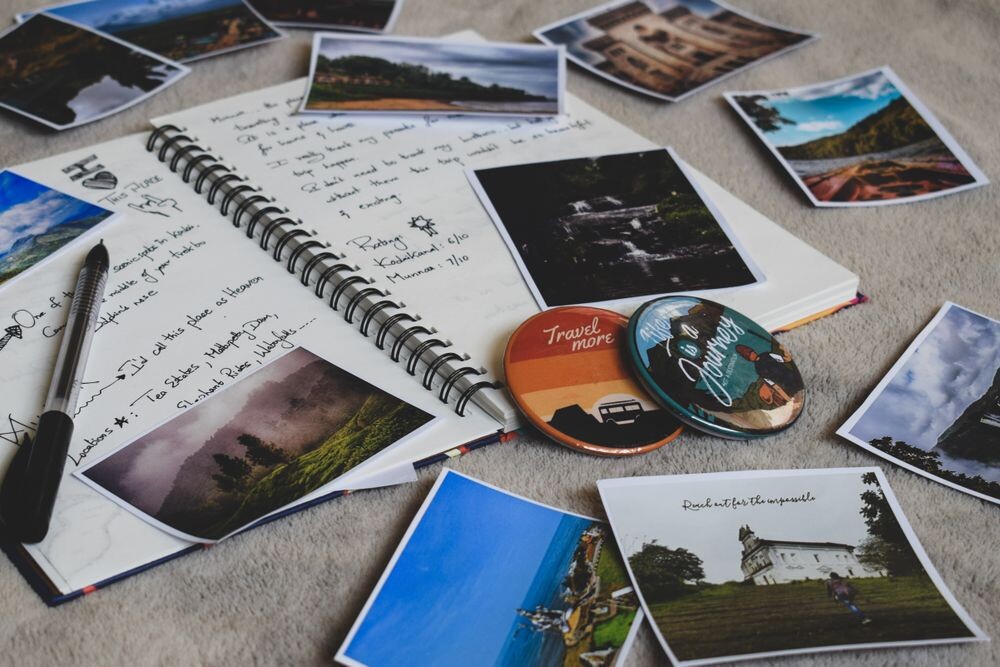
Good trips leave room for surprise. A street festival, a local market, or a sudden sunny afternoon can become the best part of the day.
Build a loose plan with one or two must-see spots and space in between. This gives you freedom to rest, wander, or follow a tip from someone you meet.
Flexible plans also help with cost. If one museum is too pricey or too crowded, you can switch to a free park, a scenic walk, or a neighborhood café. That makes the trip feel less pressured and more like your own story.
Many travelers now leave room for slow travel, which means fewer rushed stops and more time in each area. That trend works well for people who want deeper memories instead of packed schedules.
8. Watch your budget before it watches you
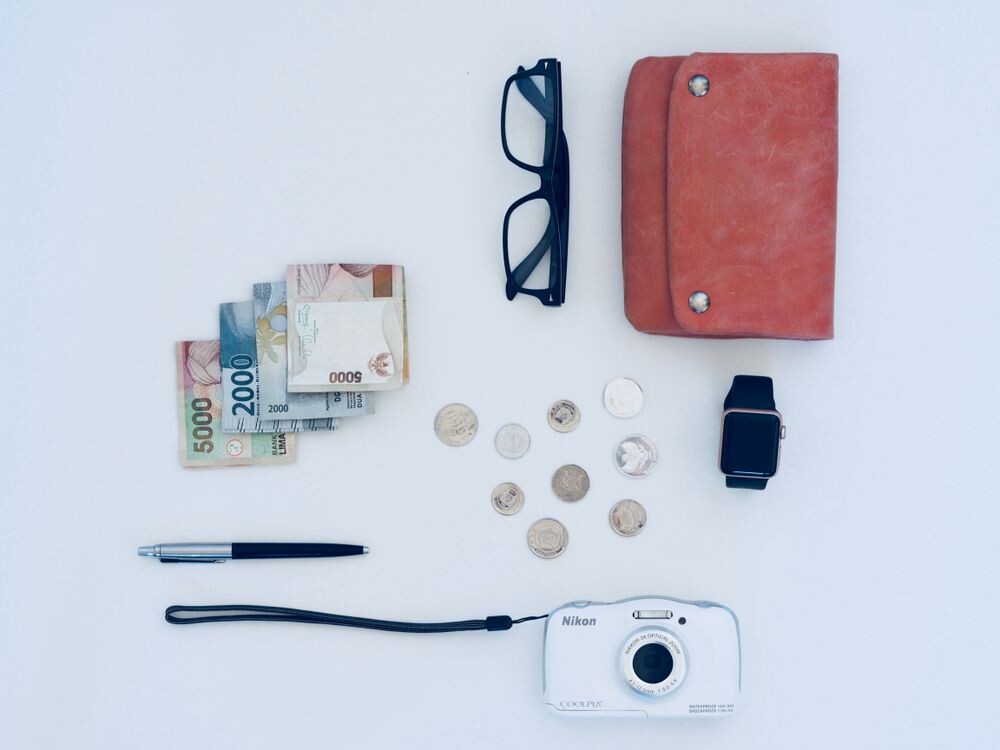
Money can slip away fast on a trip. Small costs like snacks, rides, and entry fees add up in a way that can surprise you.
Set a daily spending goal and keep track of the big items first. Food, sleep, transit, and tickets usually take the biggest bite, so those are the ones to check early.
Look for free things to do, like public gardens, city views, markets, and walking paths. You can also personalize your spending by saving for what matters most to you, such as art, coffee, or local crafts. That way, your money goes to the parts of the trip you will remember.
9. Pack light, but pack smart

A heavy bag can slow you down and make every step feel longer. A lighter bag looks neat, feels easier, and gives you more room for things you pick up along the way.
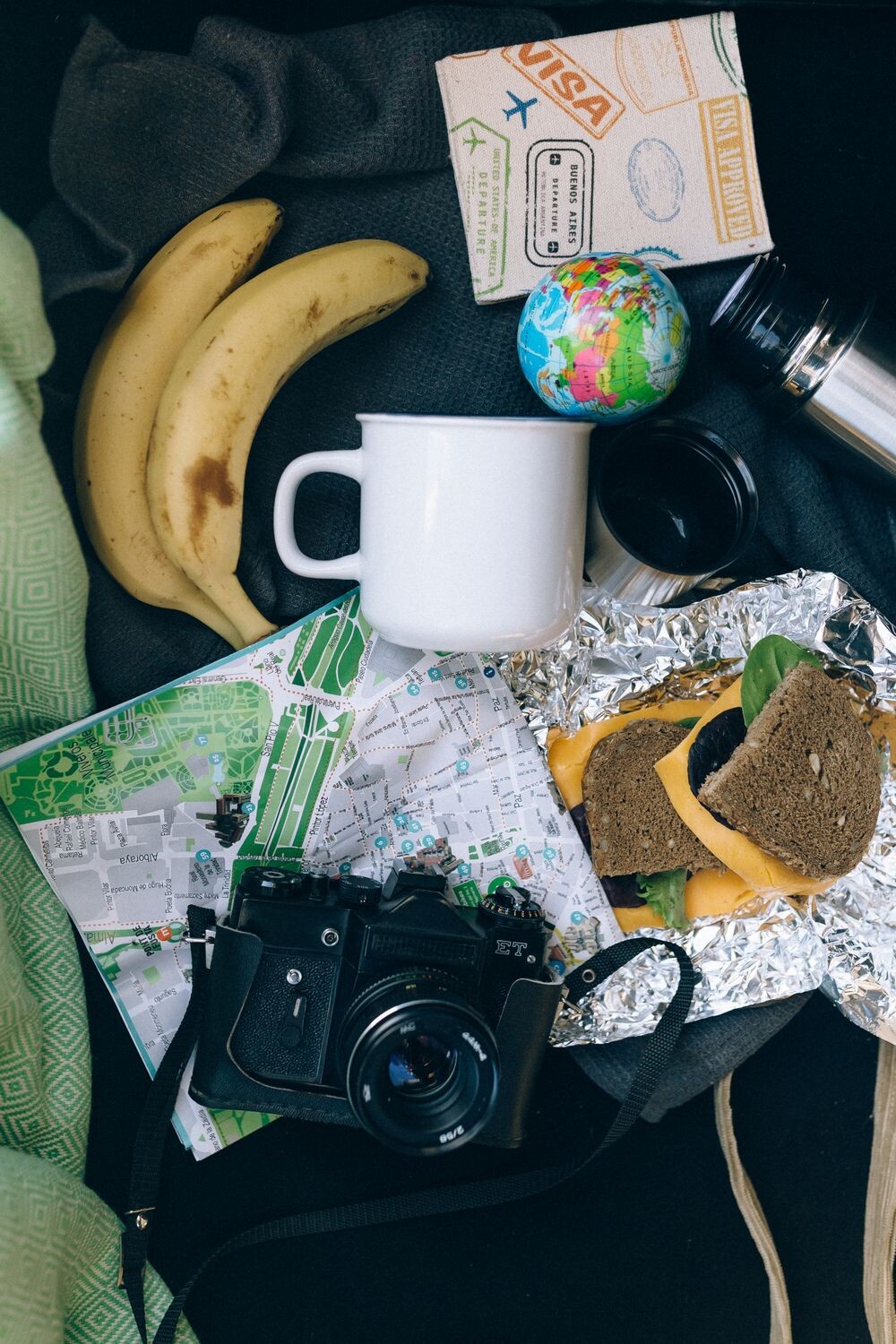
Choose clothes you can mix and match, plus a small set of items that fit your plans. A day bag, a charger, a water bottle, and a tiny first-aid kit can make a big difference.
Think about the place itself when you pack. A sunny coastal town may call for sandals and sunscreen, while a cool city may need a jacket and closed shoes. Packing with the destination in mind is a simple way to travel better and spend less on last-minute buys.
Many travelers now use packing cubes and multi-use items to stay neat. That trend is popular for a reason: it keeps bags tidy and makes finding things much easier.
10. Learn a few useful local words
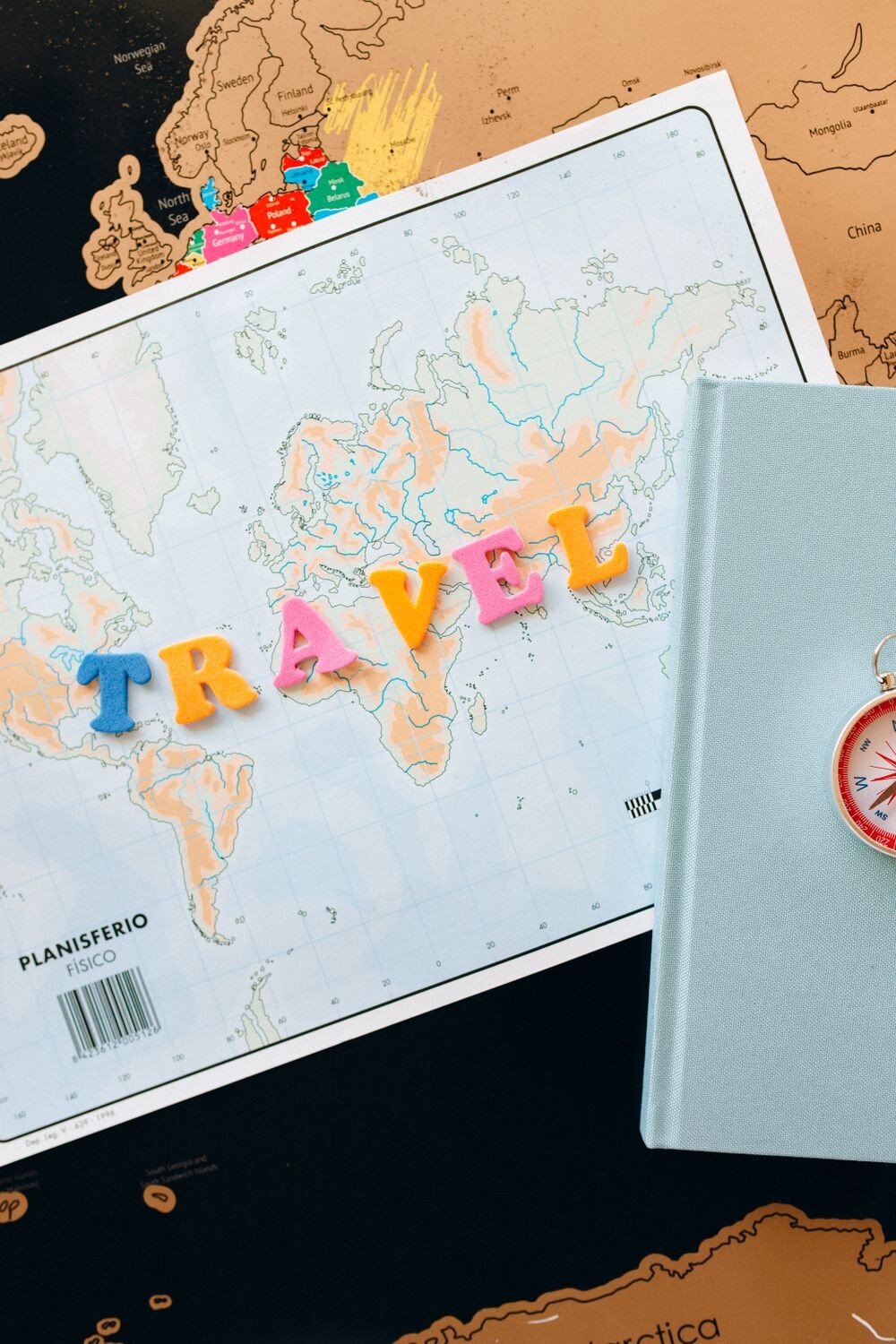
Even a handful of phrases can open doors. Saying hello, thank you, and please in the local language can bring a smile right away.
These words help with signs, menus, and simple questions too. They can make a busy place feel less scary and more welcoming.
Practice short phrases before you leave, or save them in a notes app for quick use. If you want a personal touch, write the words on a card in your own handwriting. That little effort often makes people kinder and more patient.
It can also help with costs when you ask for prices, understand deals, or avoid tourist-only offers. Clear words can save both time and money.
11. Pay attention to safety basics

Safety does not have to feel heavy or scary. It is mostly about making smart choices so you can enjoy the trip with a calm mind.
Keep copies of key documents, know where your stay is, and share your plans with someone you trust. It is also wise to learn which neighborhoods feel busy and bright at night and which ones are better visited in the day.
Use your phone in a way that fits the place, and keep valuables close. If you are walking in a crowded area, a crossbody bag or zipped pocket can help a lot. These small habits are easy to personalize and can fit any travel style.
Some places are adding more cameras, better lighting, and clear visitor signs, which is a growing travel trend. Still, your own habits matter most, especially when you are new somewhere.
12. Make time for local art and culture
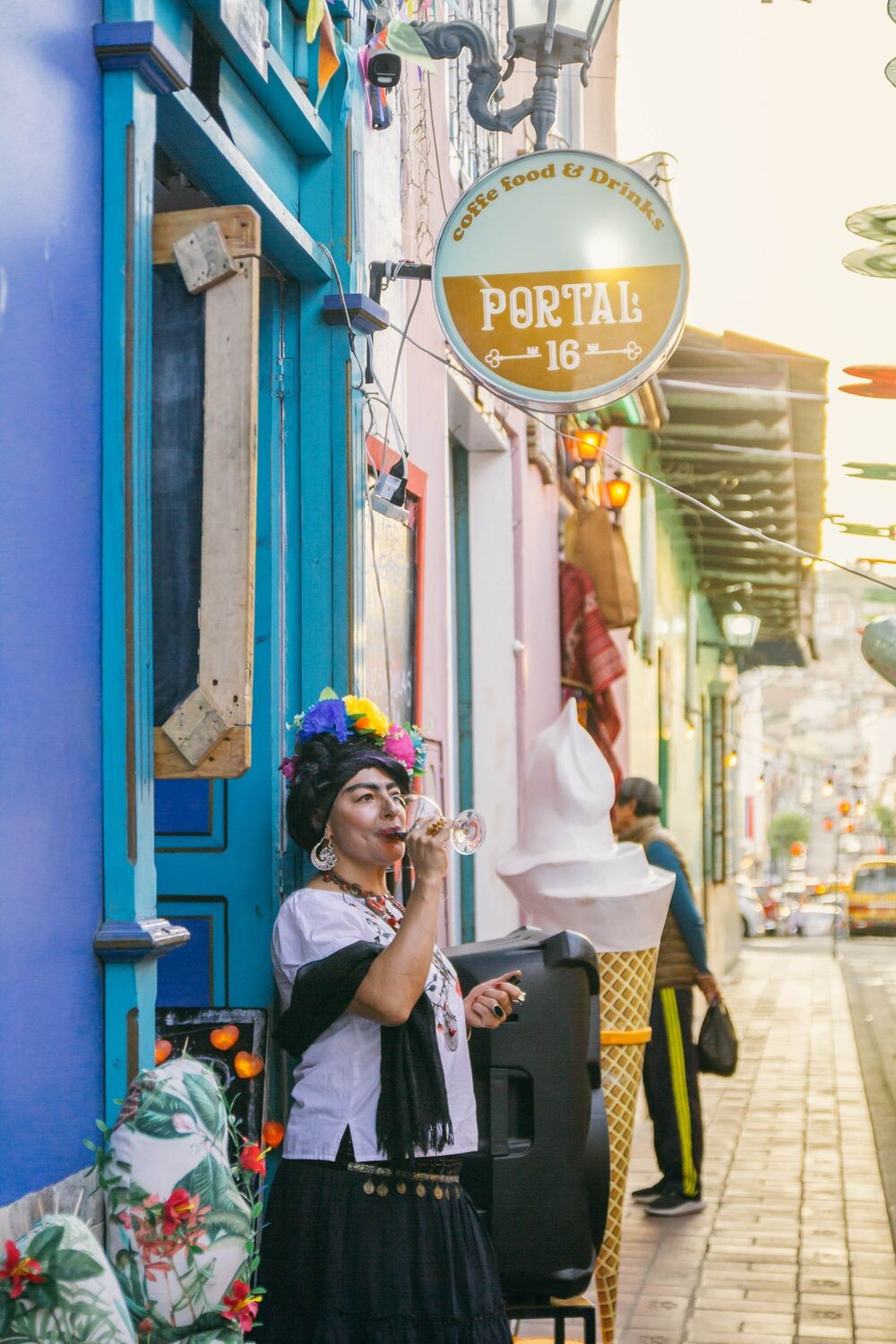
Art can show you the heart of a place. A painted wall, a handmade bowl, a tiny theater, or a music show can feel more alive than a guidebook page.
Check for museums, craft shops, live music, or neighborhood events. These spots often reveal colors, stories, and styles that make the destination feel unique.
If you like hands-on fun, try a workshop or a local class. You might paint, cook, weave, or dance in a way that fits your own interests. That kind of activity turns a trip into a memory you helped create.
Costs can range from free street art walks to paid gallery visits, so there is something for many budgets. A mix of both can keep the trip rich without making it too expensive.
13. Be ready for internet and phone changes
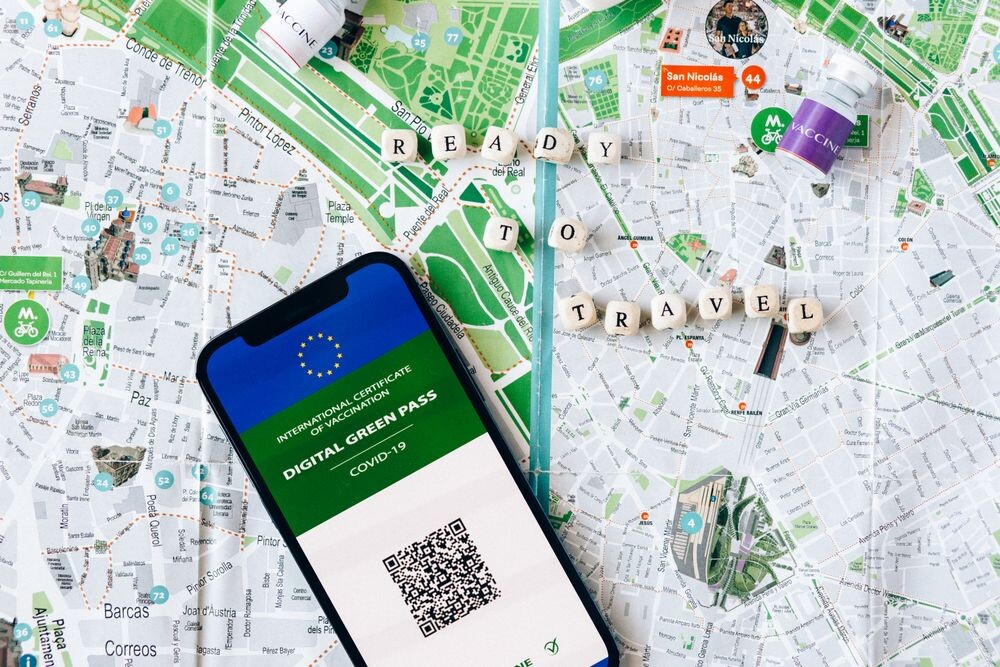
Your usual phone plan may not work the same way in a new place. Maps, messages, and ride apps can become hard to use if you do not plan ahead.
Check roaming fees, local SIM cards, or travel data plans before you leave. A downloaded map and a few saved addresses can be a huge help if the signal drops.
This is also a good spot to personalize your setup. Save important contacts, your hotel name, and a few key phrases in your language app so they are easy to find. That way, your phone supports the trip instead of causing stress.
Many travelers now use eSIMs and offline tools, which is a handy trend for smooth trips. These options can also help you avoid surprise charges.
14. Leave room for small, unexpected joys

Some of the best moments are not on the plan. A friendly shop owner, a pretty side street, or a sunset from a hill can become the memory you keep most.
Slow down enough to notice signs, smells, sounds, and colors around you. A place can feel very different when you look beyond the famous spots.
Try building one open block into each day so you can follow your mood. If you feel tired, rest in a café. If you feel curious, take the longer path. That freedom makes the trip feel more like yours.
This approach can also help with cost because free moments often end up being the sweetest. A bench, a view, and a snack from a local shop can beat a pricey attraction on some days.
15. Think about what you want this trip to feel like
Some trips are for rest, some are for fun, and some are for learning. Knowing your goal helps you choose the right places, the right pace, and the right budget.
Do you want bright city energy, soft beach days, or quiet nature time? Your answer shapes everything from your clothes to your meals.
Personal goals make the trip feel special. You might want better photos, more family time, new foods, or a chance to try something brave. Write your top wishes down before you go so you can make choices that match them.
Travel trends now lean toward meaningful trips with fewer but better experiences. That style often feels more rewarding than trying to do everything at once.
16. Keep a simple plan for your first day

The first day can feel full of noise, signs, and new faces. A simple plan helps you settle in without feeling rushed.
Choose one easy meal, one short walk, and one main task like checking in or buying transit passes. That gentle start gives you time to notice the streets, the light, and the feel of the place.
Make the first day fit your own style. If you like calm, choose a park or a quiet café. If you like energy, pick a market or a lively square. A soft first day can also help you avoid overspending, since you are less likely to book too many things too fast.
It is smart to keep your arrival day simple even in a trendy destination with lots of hot spots. A calm start gives you a better chance to enjoy the rest of the trip with clear eyes and a happy mind.