Fresh places can feel exciting and a little mysterious. A smart plan makes the trip sweeter.
1. Learn the local vibe before you go
Every place has its own mood, from quiet streets with old stone buildings to bright markets filled with music. A few minutes of research can help you picture the setting and feel ready for the first step out the door.
Reading about the local style also helps you avoid surprises and save money. You can pick clothes that fit the weather, choose spots that match your taste, and plan for the kind of day you really want. If you like calm mornings, busy food stalls, or art-filled lanes, you can shape the trip around that.
2. Check the weather and pack with care

Weather can change the whole feel of a trip, turning a sunny square into a windy walk or a cool hill town into a chilly evening. A bright sky may look perfect in photos, but rain, heat, or cold can change what you do and what you wear.
Bring layers, comfy shoes, and one small backup item like a rain jacket or sun hat. This keeps you ready for sudden shifts and helps you avoid extra shopping costs after you arrive.
People now often pack lighter and choose items that work in more than one way, which is handy for short trips and long ones alike. A simple outfit plan also makes it easier to move around, sit in cafes, or join a tour without feeling weighed down.
3. Study the best areas to stay in
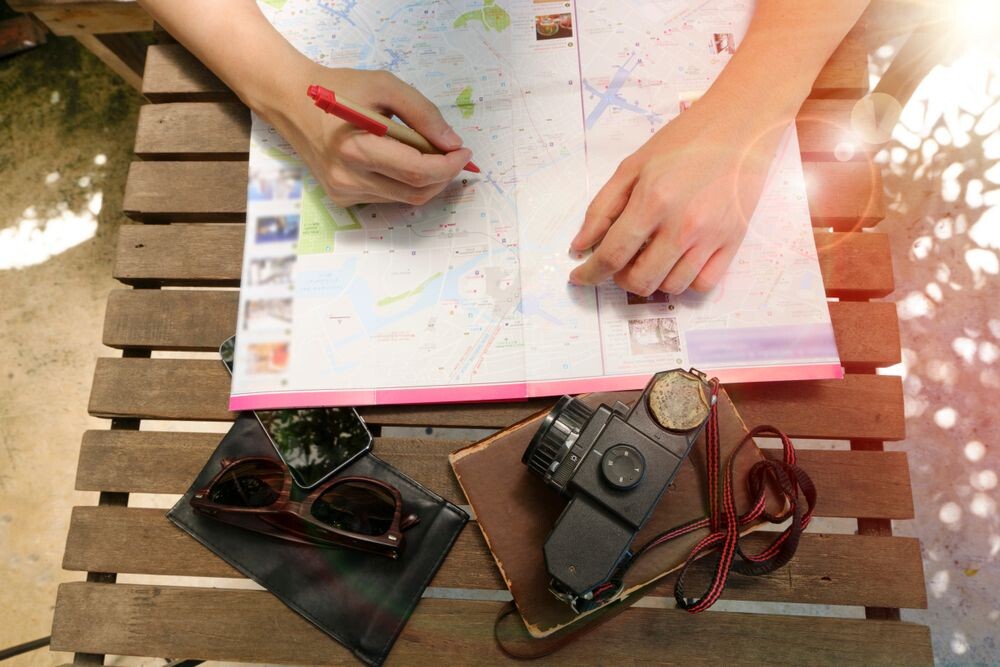
Not every part of a city feels the same, and the map can tell a fun story if you look closely. One area may be full of street food and night lights, while another may be calm, green, and close to museums.
Picking the right spot can save time and taxi money, which leaves more for meals or entry fees. It also helps you match the trip to your style, since some people want action outside the door and others want peace after a long day.
Look at photos, read short reviews, and check how far the place is from the things you care about most. If you are traveling with family, a quiet zone may help everyone rest better, while solo travelers may like a lively street with easy access to shops.
4. Learn a few local words and simple manners
A warm hello in the local language can open doors and spark smiles. Even a small effort can make you feel less like a stranger and more like a welcome guest.
Good manners also help you avoid awkward moments at shops, cafes, and public places. A little respect goes a long way when you ask for help, take photos, or join a line.
5. Make a budget that fits your style
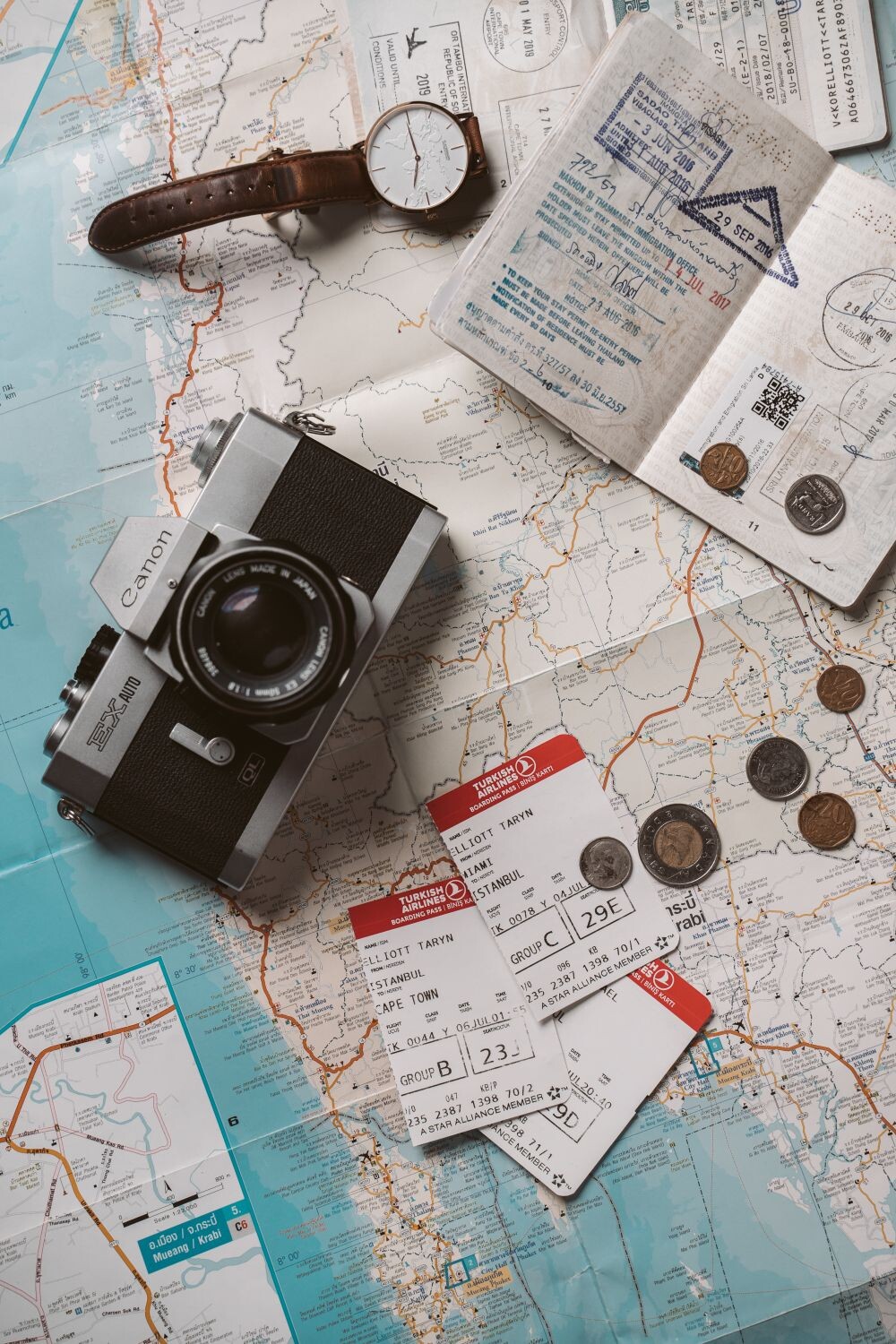
Money plans can keep a trip fun instead of stressful, and they help you choose what matters most. Some travelers want fancy meals, while others prefer simple food and more time for sights.
Think about hotel costs, meals, rides, entry fees, and small extras like snacks or souvenirs. You can save by booking early, using public transit, or choosing a local lunch spot instead of a tourist cafe.
Travel trends now lean toward smart spending, with many people mixing one special treat into an otherwise low-cost day. That balance can make a trip feel rich without draining your wallet.
6. Pick a few must-see spots, not too many

A destination can tempt you with a long list of shiny places, but too many plans can turn into a rush. It is better to choose a few places that truly matter to you and leave room for surprises.
This gives you time to enjoy the view, take photos, and sit for a snack without watching the clock. You also spend less on extra rides and last-minute tickets when your day has a clear shape.
Try mixing famous landmarks with smaller places that show local life, like a bakery, a park, or a street with murals. That mix makes the trip feel personal and gives you stories that are not in every guidebook.
7. Taste the food like a local

Food is one of the best ways to feel the heart of a place, especially when the dishes look colorful and smell amazing. A bowl of soup, a fresh pastry, or a grilled snack can tell you a lot about the people who live there.
Ask locals where they eat, and you may find better prices and better flavor than in crowded tourist spots. Street food can be a great deal, but it helps to watch for clean stalls and busy lines, since those often mean fresh food.
If you have special food needs, write them down before you go and learn the key words for them. That small step can save time and stress while still leaving room for tasty new choices.
Food tours and market walks are also a big trend right now, and they are a fun way to try many bites in one outing. You can pick sweet, spicy, or mild foods based on your own taste, which makes the meal feel made for you.
8. Plan for getting around
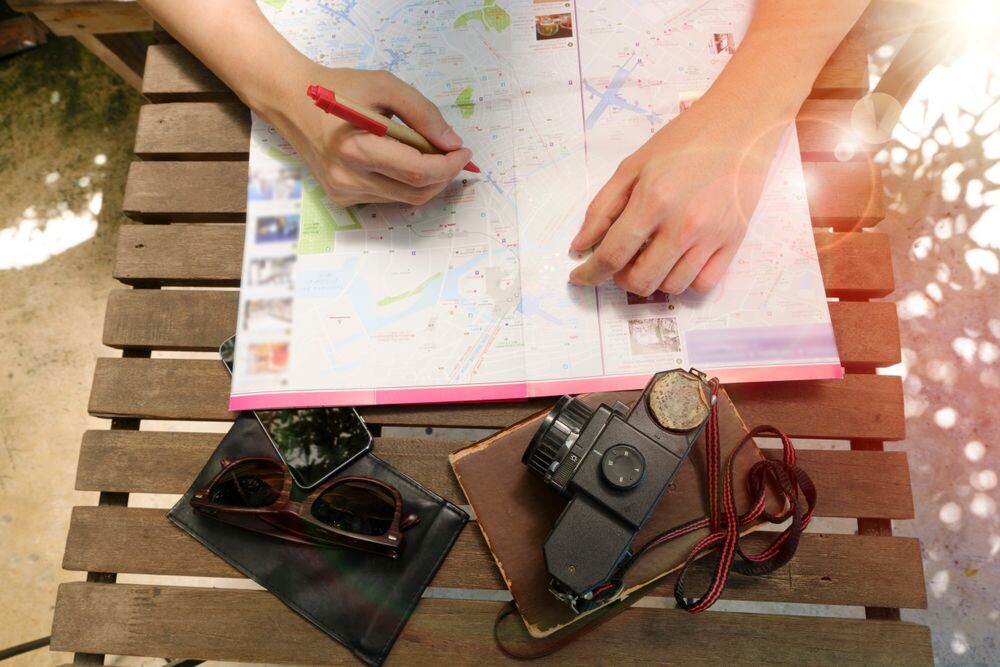
A place can look easy on a screen and still feel tricky once you arrive, especially if streets are busy or signs are hard to read. Knowing your ride options ahead of time can make the first day much smoother.
Look into buses, trains, bike rentals, walking paths, and local taxis so you know what fits your budget and energy. Public transit often costs less, while walking can give you the best views and a closer feel for the neighborhood.
Some travelers now use map apps and transit cards to move around with less stress, which can be a big help in a new city. If you like freedom, choose a flexible plan; if you like ease, book a ride or transfer before you land.
9. Keep safety in mind without losing the fun
Feeling safe helps you relax and enjoy the sights, sounds, and colors around you. A little care with your bag, phone, and route can protect your trip from simple problems.
Stay aware in crowded places, use trusted transport, and keep copies of key papers in case you need them. These habits cost little or nothing, but they can save time, money, and worry.
It also helps to share your plan with someone you trust, especially if you are out late or heading to a less busy area. That way, you can still enjoy the night market, the music, or the sunset with one extra layer of peace.
10. Leave room for local culture and events

Some of the best memories come from things you did not plan, like a parade, a craft fair, or a small concert in a square. These moments can make a place feel alive in a way that no photo ever can.
Check local event calendars before you go so you can join something special if it fits your dates. Many events are free or low-cost, and they often show the true spirit of the place better than a standard tour.
Personalize your trip by choosing events that match your interests, such as music, art, sports, or food. If you love bright scenes and lively crowds, a festival may be perfect; if you like calm moments, a small gallery opening may suit you better.
11. Pack smart for comfort and ease
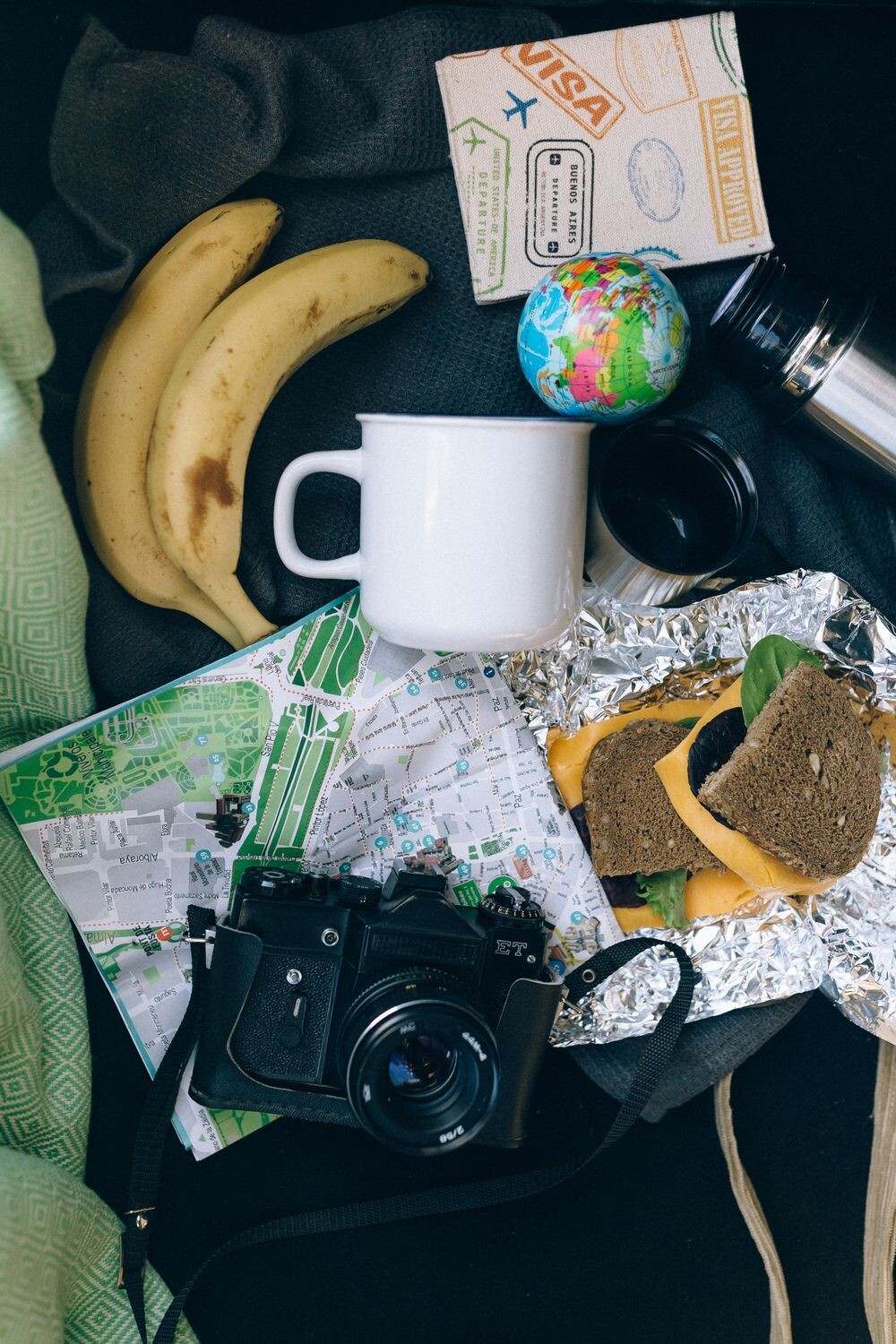
A well-packed bag can make a day feel easy from morning to night. When you have the right items close by, you spend less time hunting and more time enjoying the view.
Bring a water bottle, small snacks, phone charger, and any daily medicine you need. These simple things can cut extra costs and keep you from buying the same item at a higher price in a tourist area.
Many travelers now use small backpacks, packing cubes, and reusable items to stay neat and light. You can also make the trip feel more like your own by bringing one favorite item, such as a scarf, notebook, or camera.
12. Use photos and notes to guide your choices
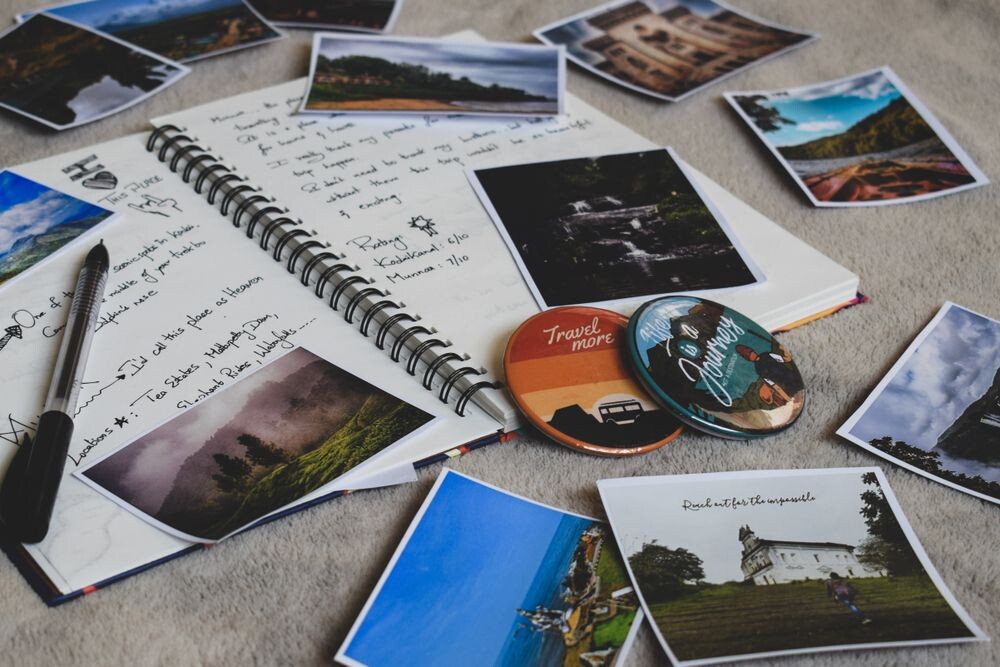
Pictures can help you see the style of a destination before you arrive, from bright buildings to leafy paths and cozy cafes. Notes from other travelers can add helpful clues about crowd levels, prices, and hidden gems.
Save a few images of places you want to see, then use them to shape your route and mood. This can help you choose between a busy square, a quiet beach, or a colorful market without feeling lost.
It also helps to write down your own likes, such as good views, local art, or family-friendly fun. That way, you can build a trip that feels like it was made for you instead of copied from a guide.
Short video clips and quick review posts are a big trend now, and they can show real-life details better than a polished brochure. Still, it is smart to balance online ideas with your own taste so the trip stays personal and fresh.
13. Think about your pace and energy

Not every traveler wants the same kind of day, and that is a good thing. Some people feel happiest with a full schedule, while others want slow mornings, long meals, and a soft sunset.
Choosing your pace helps you enjoy more and tire less. It can also save money, since rushed travelers often spend extra on taxis, snacks, and last-minute fixes.
If you are going with kids, older family members, or friends with different habits, talk about rest breaks before the trip begins. A mix of active time and calm time can keep everyone smiling and make the whole journey feel smoother.
Many people now plan around wellness, with gentle walks, spa stops, or quiet cafes built into the day. That trend fits well with travel that feels personal, kind, and easy to enjoy.
14. Respect local rules and habits
Every destination has small customs that help daily life run well, and learning them shows care. What feels normal at home may seem rude or strange somewhere else, so a little reading can prevent awkward moments.
Rules about dress, noise, tipping, and photo-taking can vary a lot from place to place. Following them can help you blend in, avoid fines, and show respect to the people who live there.
15. Plan for the unexpected
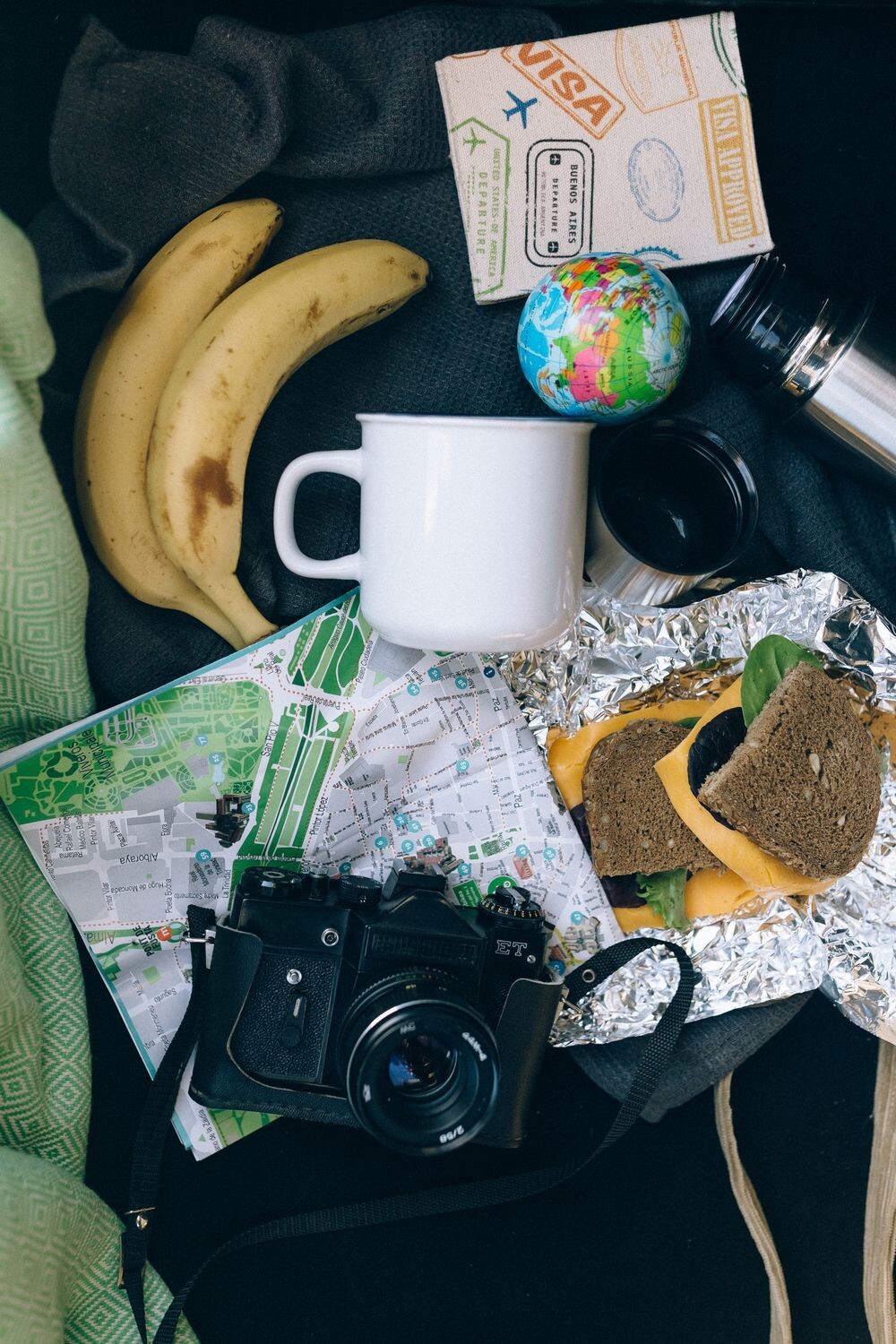
Even a perfect trip can face a late bus, a closed museum, or a sudden rain shower. A flexible attitude turns those bumps into part of the story instead of ruining the day.
Keep a backup plan for meals, indoor fun, and transport so you are not stuck when plans change. This can save money too, because you will not need to pay for expensive emergency fixes as often.
It can help to carry a small list of alternate spots, such as a cafe, a bookstore, or a covered market. If your first choice is full, you will still have something pleasant and close by.
Travel tools now make it easier to adjust on the fly, with live maps, weather alerts, and quick booking apps. That kind of support gives you more freedom to enjoy the day without feeling trapped by a schedule.
16. Make the trip feel like your own
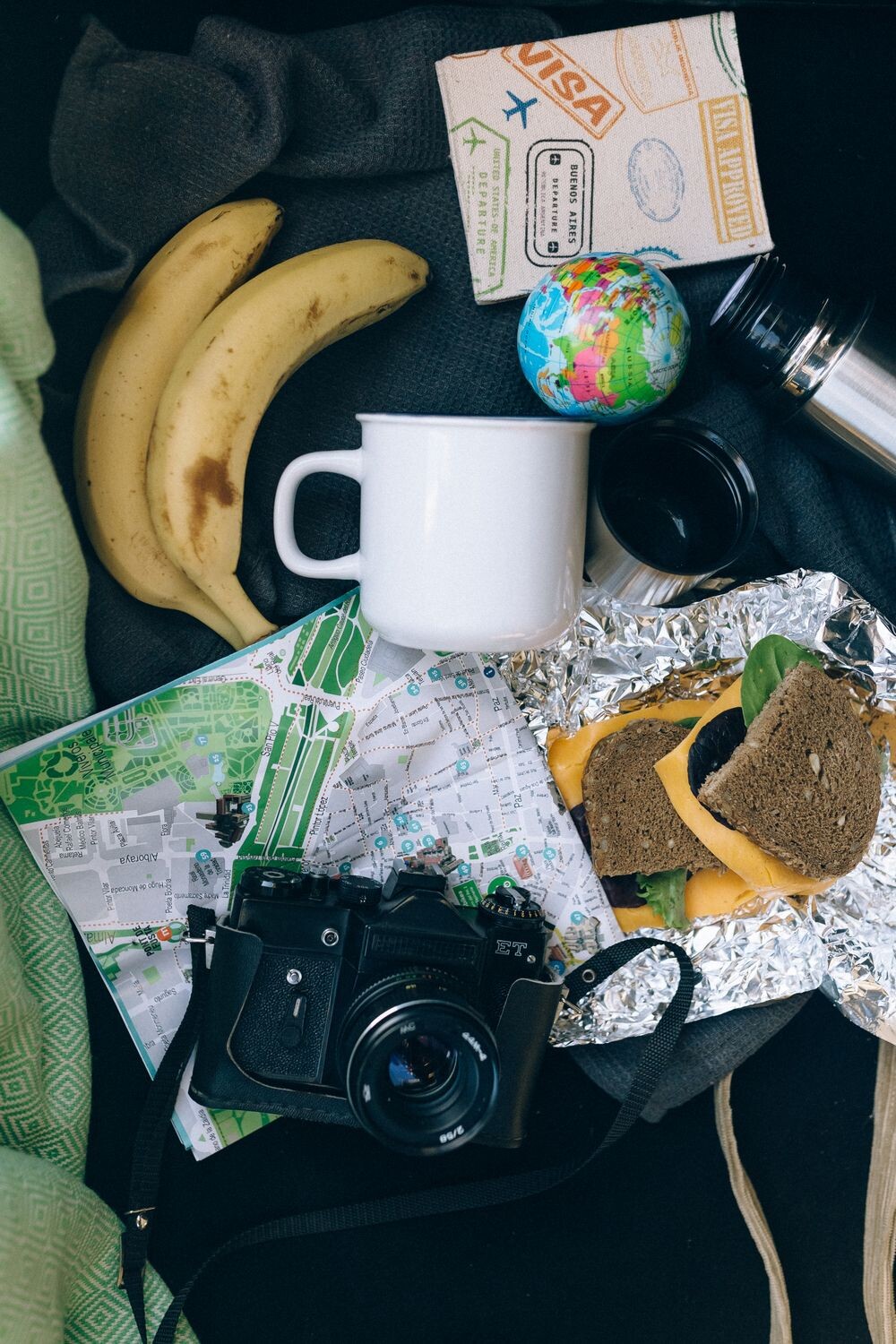
The best trips are not just about famous places; they are about the way those places fit your own likes and dreams. A destination becomes more special when you add your own style, your own pace, and your own little traditions.
You might choose a sunrise walk, a photo hunt, a food stop, or a quiet bench with a view that speaks to you. These small choices cost little but can make the whole trip feel richer and more memorable.
Try building a simple theme around your visit, such as art, food, nature, or family fun, so the day has a clear feeling. That personal touch can make even a short stay feel full of meaning.
Travel trends now lean toward custom trips that match a person’s hobbies and comfort level, and that is great news for curious travelers. When you shape the journey around your own tastes, the destination feels less like a checklist and more like a story you helped write.