Good trips rarely happen by accident. Small choices made early can save stress later.
Some of the best travel moments begin long before the plane takes off. A little planning can make the whole journey feel smoother, richer, and more fun.
1. Book Your Main Transport Early
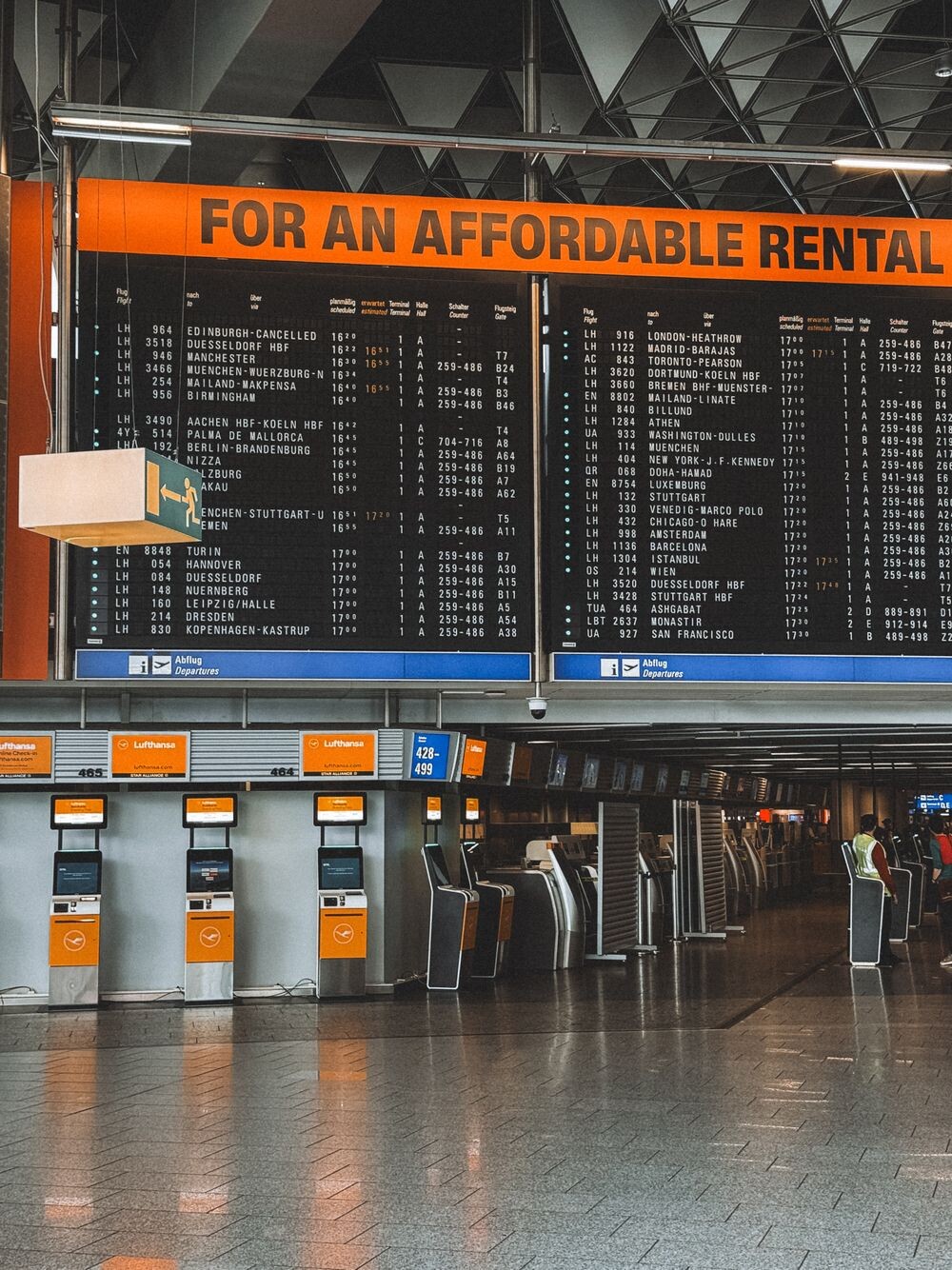
Flights, trains, and long-distance buses often look simple at first. Then prices rise fast and the best times disappear.
Booking early can open up better seats, calmer schedules, and lower fares. It also gives you more room to pick a route that fits your style, like a window seat for views or a night train for a restful ride. If your trip is during a holiday or busy season, early booking becomes even more important because popular times can sell out quickly.
2. Pick the Right Place to Stay
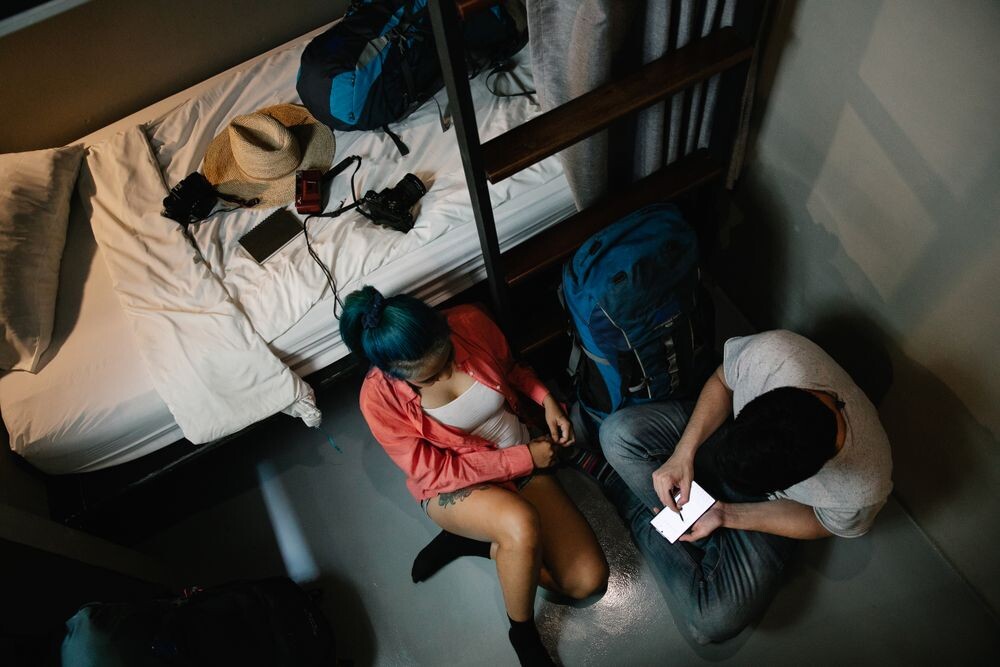
A good room can shape your whole trip. A bad one can leave you tired before the day even starts.
Look at the area, not just the price. A place near the sights, food, or transit may cost a bit more, but it can save time and taxi money. Many travelers now like smaller stays, family homes, and boutique hotels because they feel more personal and often show more local style.
Try to match the stay to your trip mood. A quiet room may be best for a slow beach break, while a lively spot may suit a city adventure. Read fresh reviews, check photos carefully, and think about what matters most to you, such as a view, a kitchen, or a strong Wi-Fi signal.
3. Set Your Travel Budget
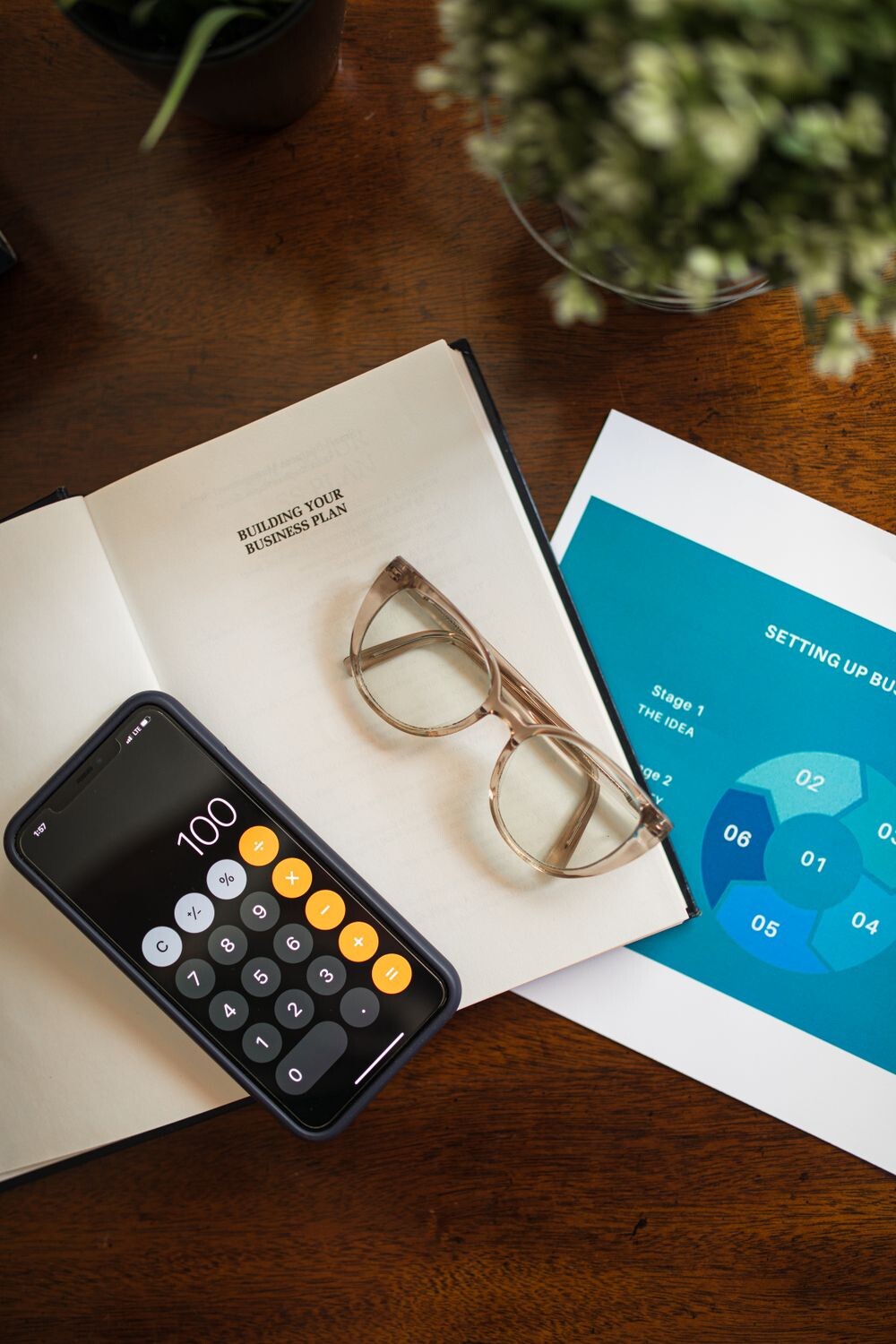
Money feels easier when you know the plan. A clear budget helps you enjoy the trip without worry.
List the big costs first, like transport, rooms, food, and entry fees. Then add extra money for snacks, tips, shopping, and surprise moments that make travel fun. A simple budget also helps you choose between a fancy meal and a museum ticket, so your money goes where you care most.
Some travelers like to split spending into daily amounts. Others keep one pool for the whole trip and track it with an app or notes on a phone. If you want a more personal trip, save a little extra for one special treat, such as a boat ride, a cooking class, or a room with a great view.
4. Check Passports, IDs, and Visa Rules
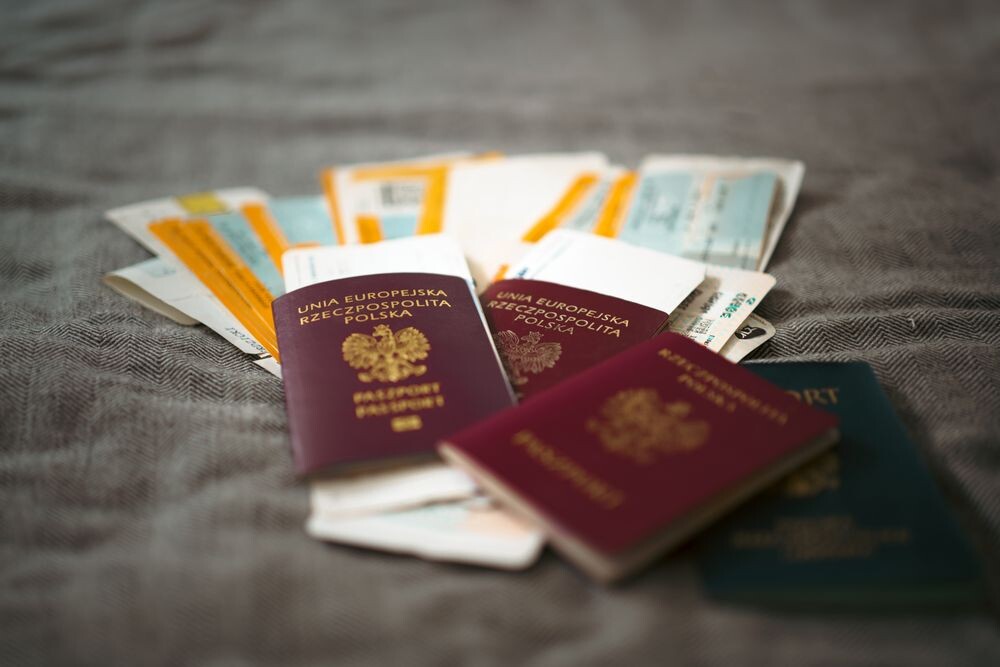
Paperwork can be boring, but it matters a lot. One missing date or stamp can stop a trip before it starts.
Check your passport early and make sure it will still be valid for your destination. Some places ask for extra months of validity, and some trips need visas or online entry forms. If you wait too long, rush fees and delayed approvals can make the trip cost more and cause stress.
Make copies of key papers and keep them in more than one place. A digital copy on your phone and a paper copy in your bag can both help if something gets lost. This small step gives peace of mind and makes the whole journey feel safer.
5. Plan Your Packing List
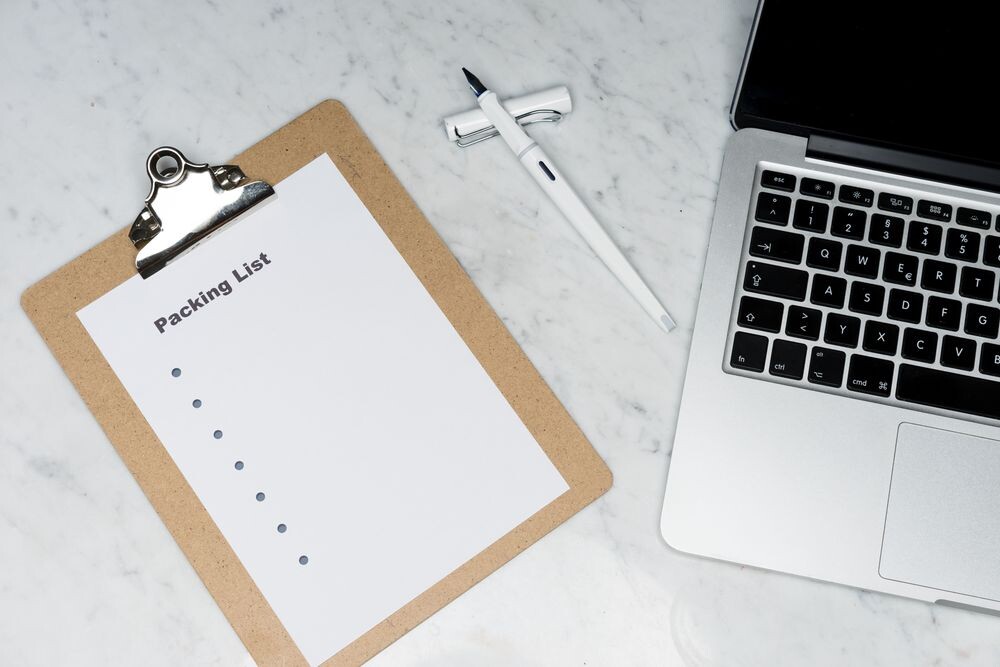
Packing well starts with thinking ahead. The right list keeps your bag lighter and your trip easier.
Look at the weather, the places you will visit, and the things you plan to do. A beach trip needs different items than a city break or a mountain walk. Travelers today often pack mix-and-match outfits, quick-dry clothes, and small tech gear because these items save space and work for many plans.
Personalize your list with the things that make you feel comfortable, like a favorite scarf, a book, or a reusable water bottle. Try laying everything out before it goes in the bag so you can spot extras fast. This also helps you avoid buying things twice, which saves money.
6. Learn About Local Weather

Weather can change the look and feel of a trip fast. Sunshine, rain, wind, or heat all shape what you do each day.
Check the forecast for the season, not just the week before you leave. A place that looks warm in photos may be chilly at night or rainy in the afternoon. Knowing the weather early helps you choose better clothes, better shoes, and even better plans for each day.
If you are traveling somewhere with strong sun, pack hats, shades, and sunscreen. If rain is common, a light coat or foldable umbrella can save the day. Planning for weather also helps you enjoy the scenery more, because you can be ready for the view instead of worrying about getting wet or too hot.
7. Reserve Popular Activities Ahead of Time

Some trips have one special thing everyone wants to do. That one thing can sell out before you even arrive.
Book famous tours, shows, museums, and timed entry spots early when you can. You may get better time slots, smaller crowds, and less waiting in line. This is a smart way to protect your time and avoid missing the very thing that made you want to go in the first place.
Think about what feels most unique to you. Maybe it is a sunrise hike, a food class, a boat ride, or a local festival. When you lock in those plans early, you can build the rest of the trip around them and keep your days balanced.
8. Choose the Best Time to Visit
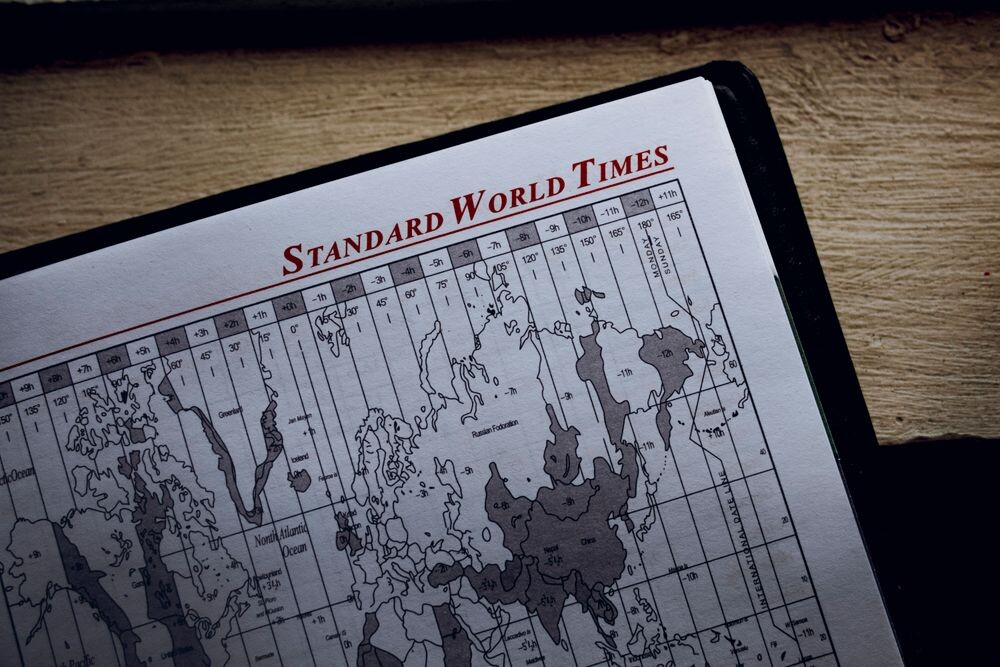
When you go can matter as much as where you go. A place may feel calm in one month and crowded in another.
Traveling in the shoulder season can bring lower prices and nicer crowds. Peak season may give you more events, but it can also mean fuller streets and higher costs. The timing you choose can shape the mood of the whole trip, from quiet mornings to busy nights.
Think about what kind of trip you want most. If you like energy and big events, peak season may fit you. If you want slower days and more space, an off-peak visit might feel better and cost less too.
9. Make a Simple Daily Plan

A loose plan can keep a trip from feeling messy. It helps you see more without rushing all day.
Start with a few must-do items and leave room for free time. That way you can enjoy a cafe, a park bench, or a surprise street market without feeling behind. Many travelers now use short day plans instead of packed schedules because they feel more relaxed and leave space for real fun.
Write down opening hours, travel times, and one backup idea for each day. This keeps you ready if the weather changes or a place is closed. A daily plan also helps you group nearby stops, which can save money on rides and make the day feel smoother.
10. Arrange Health Needs Early
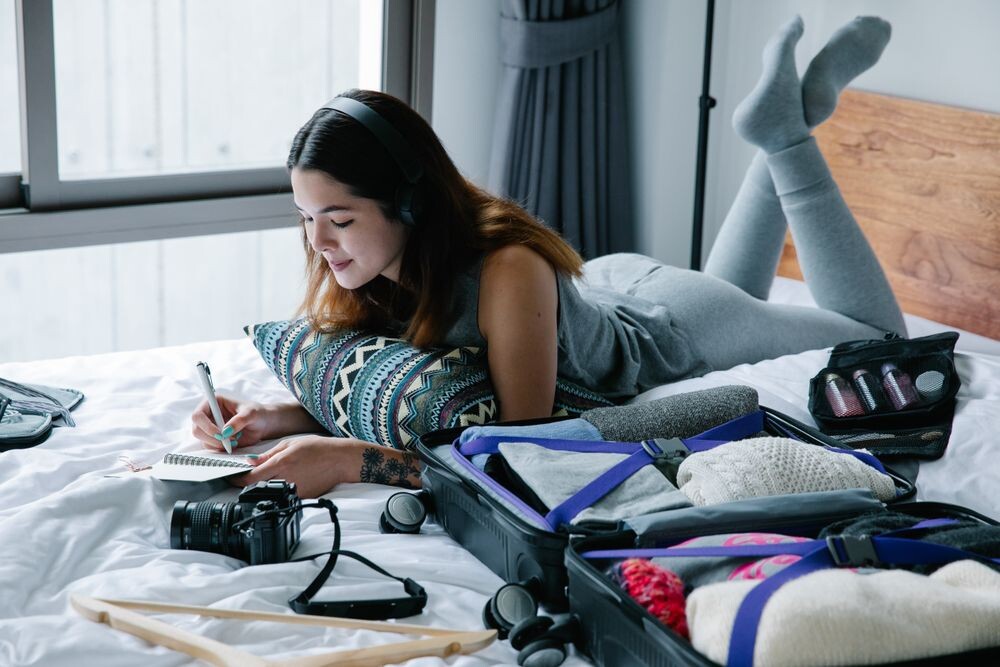
Health prep is easy to forget until the last minute. Then even small problems can feel big.
Check if you need shots, medicines, or doctor advice before you go. Some countries have special health rules, and some trips need items like motion sickness pills or allergy medicine. Getting these things early can keep you from paying rush prices or hunting for a pharmacy in a new place.
Pack a small health kit with basics that fit your needs. Include bandages, pain relief, hand cleaner, and any personal medicine in the original package. This kind of planning can make you feel calmer and more ready for long travel days, busy streets, or new foods.
11. Set Up Money Access

Money should be easy to use when you travel. A little setup now can prevent a lot of trouble later.
Tell your bank you are going away so your card does not get blocked. Check if your destination uses cash, cards, or both, and plan for fees that may come with ATM use or foreign payments. Many travelers now keep one backup card and a small amount of local cash because it adds safety and flexibility.
Think about how you like to spend. Some people prefer one card for most things, while others like cash for markets and tips. If you set your money plan early, you can focus more on the trip and less on finding a working machine at the wrong time.
12. Learn a Few Local Phrases
Even a small bit of language can open doors. It can also bring a smile to the people you meet.
Learn basic words for hello, please, thank you, and help. These simple phrases can make meals, rides, and shop visits feel friendlier. In many places, trying the local language shows respect and can make your experience feel more personal and warm.
Use a phone app, a note card, or sticky notes to practice before you leave. If you want a more unique trip, learn words tied to your interests, such as food, art, or nature. A little effort goes a long way and often leads to better tips from locals and more honest help when you need it.
13. Plan Your Airport or Station Arrival
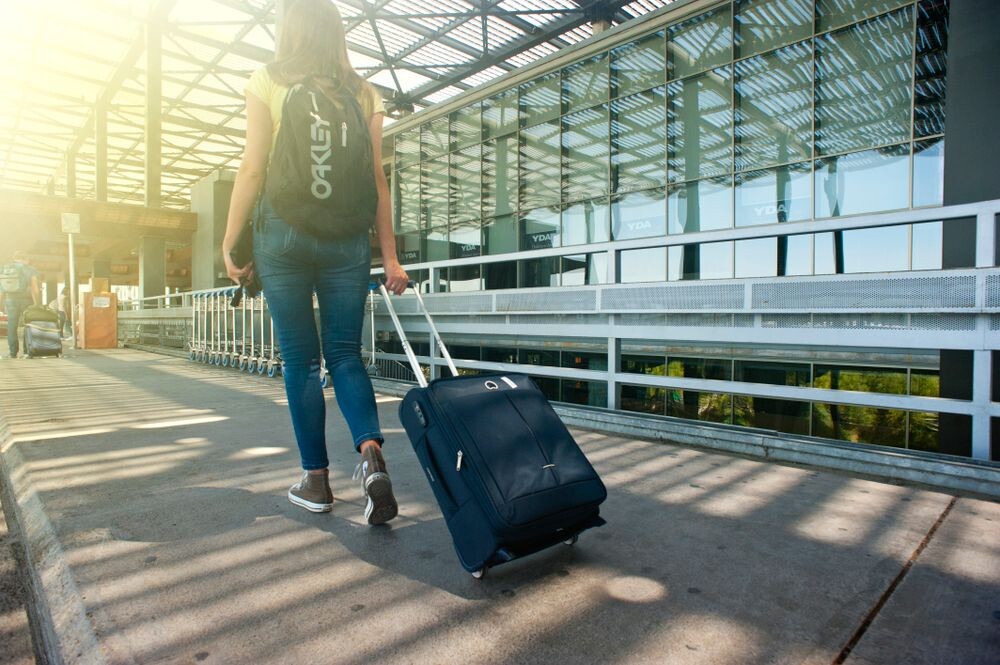
Getting there on time is part of a smooth trip. The last thing you want is a rushed start.
Check how long it takes to get to the airport, train station, or bus stop, and add extra time for traffic. Early arrival gives you room for lines, security checks, and coffee without panic. It can also lower stress and help you start the trip in a better mood.
Think about the best way to get there, too. A prebooked ride, train, or family drop-off may cost less than a last-minute taxi. If you travel often, you may want to save a favorite route and time estimate so your next trip starts even easier.
14. Save Important Contacts
Travel feels safer when key numbers are close at hand. You do not want to search for them in a hurry.
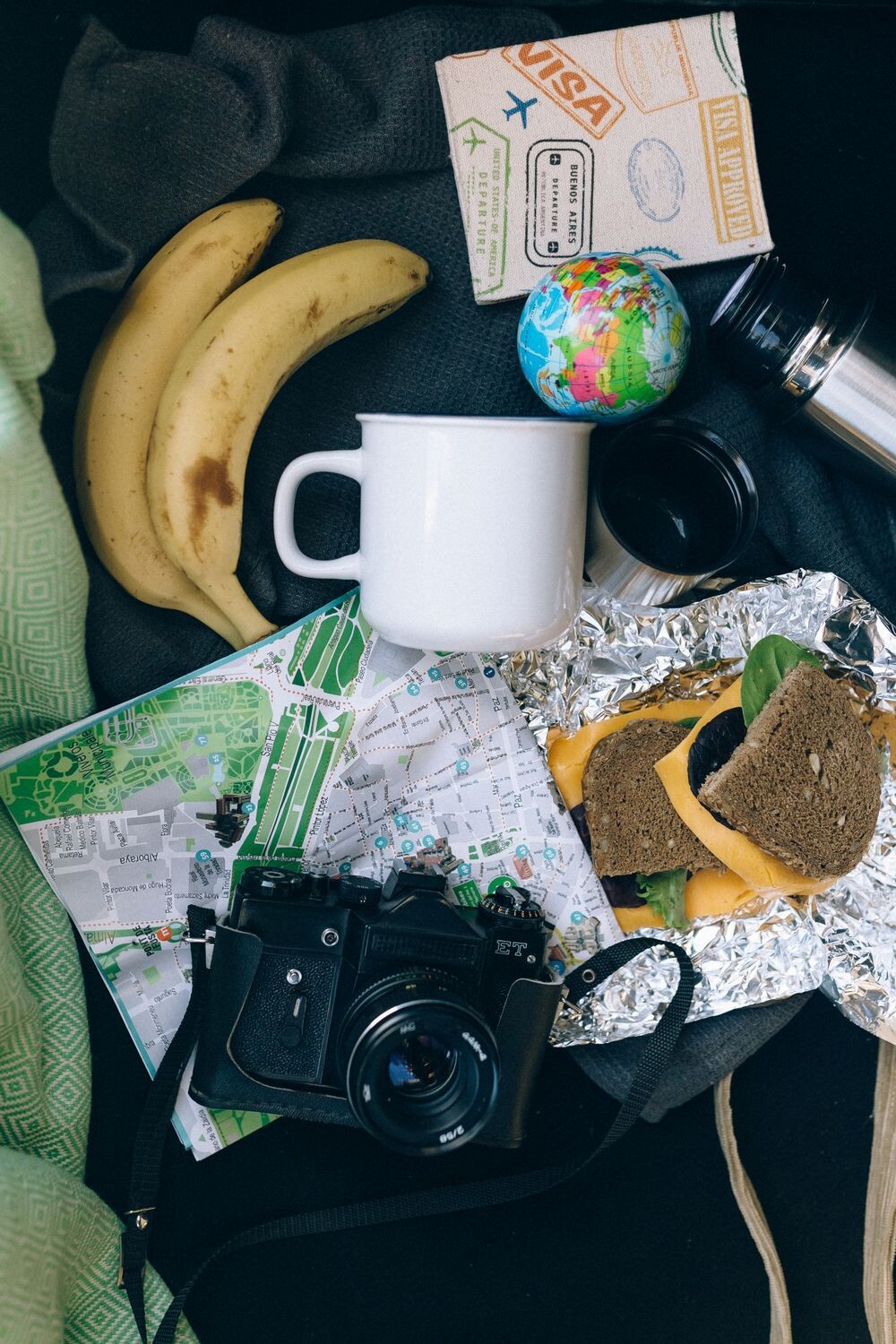
Keep the contact details for your hotel, airline, bank, and emergency help in one easy place. Add the numbers to your phone and also write them down in case your battery dies. This simple habit can help with lost bags, changed plans, or a sudden need for help.
Personalize your contact list with people back home who can help if needed. You might include a parent, friend, or travel buddy, plus your country’s embassy or consulate. Having these names ready can make a big difference when plans shift fast.
15. Research Food and Dining Options

Food can be one of the best parts of a trip. It can also be tricky if you wait too long to plan.
Look up local dishes, food markets, and places that fit your taste or diet. If you have allergies or avoid certain foods, planning early helps you stay safe and enjoy meals more. Many travelers now like food tours, street snacks, and small family restaurants because they feel more real and often cost less than fancy spots.
Make a short list of places you want to try, but leave space for random finds. A mix of planned meals and surprise stops can make the trip more fun. If you want a unique memory, choose one meal that feels special, like a rooftop dinner, a seaside cafe, or a local breakfast spot with a great view.
16. Set Up Your Tech Before You Go
Phones and gadgets can help a lot on the road. They work best when they are ready before you leave.
Download maps, translation tools, tickets, and offline guides ahead of time. This can save data costs and help when the signal is weak. A charged power bank, the right plug adapter, and a clean phone storage space can make your trip feel much easier.
Think about the tech style that fits you. Some travelers like to keep things simple with one phone and one charger, while others pack cameras, tablets, and earbuds for more comfort. If you want a smoother trip, test everything at home so you know it works when you need it most.
17. Plan for Rest and Slow Time
A full trip is not only about doing more. It is also about resting well enough to enjoy what you do.
Build quiet time into your plans so you do not feel worn out. A slow morning, a park stop, or an early night can help you enjoy the next day more. This is especially helpful on long trips, family trips, or busy city breaks where the pace can get hectic fast.
Choose rest that feels good to you, such as reading by a window, taking a short walk, or sitting at a cafe and watching the world go by. This kind of planning may not cost much, but it can add a lot of joy. When you make space for calm, the whole trip often feels more personal, more balanced, and more memorable.