Travel can feel magical in tiny bursts. The best moments often hide in plain sight.
1. Build A Tiny Ritual For Every New Place

A small ritual can make each stop feel special and personal. It might be a morning coffee on a bench, a photo by a train sign, or a short walk before dinner.
This idea works because your brain starts linking the place with a feeling, not just a view. It is low cost, easy to repeat, and simple to shape around your style. Try picking one action that fits every trip, then change the details to match the city, beach, or mountain around you.
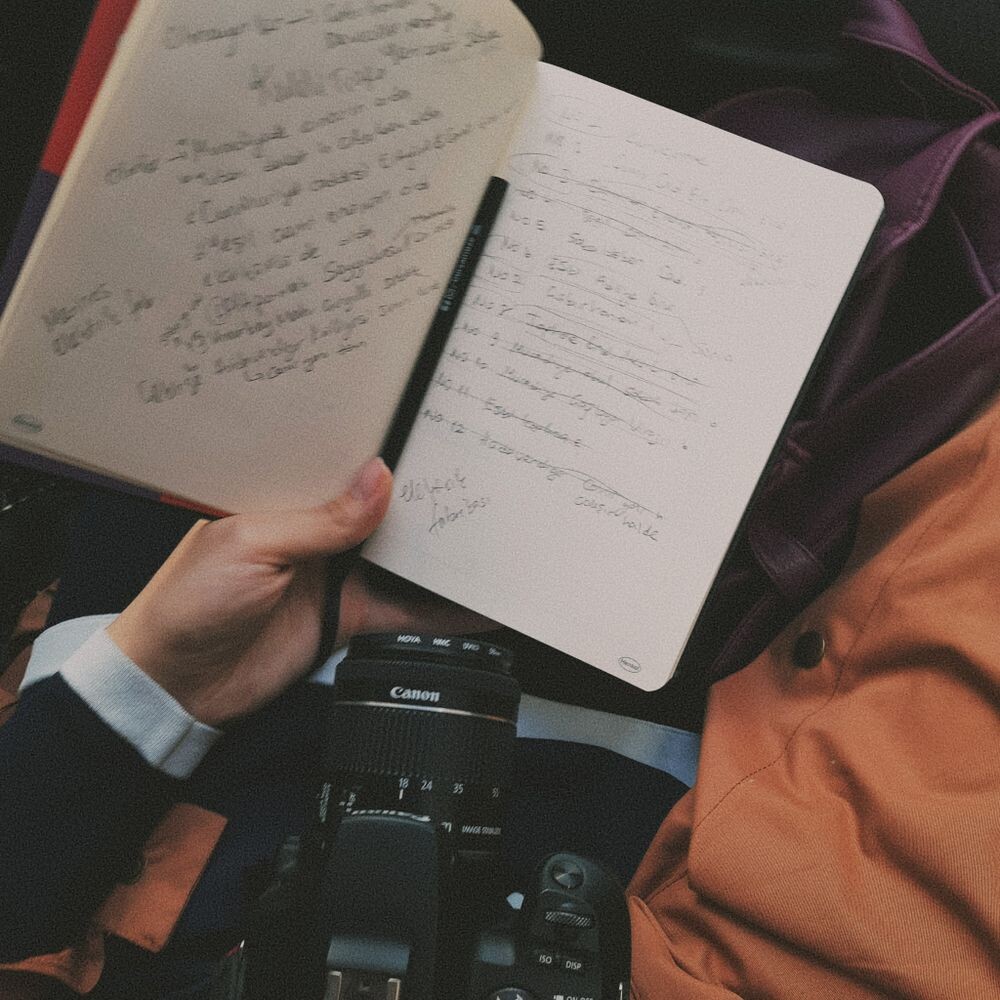
2. Pack A Pocket Journal For Quick Travel Notes
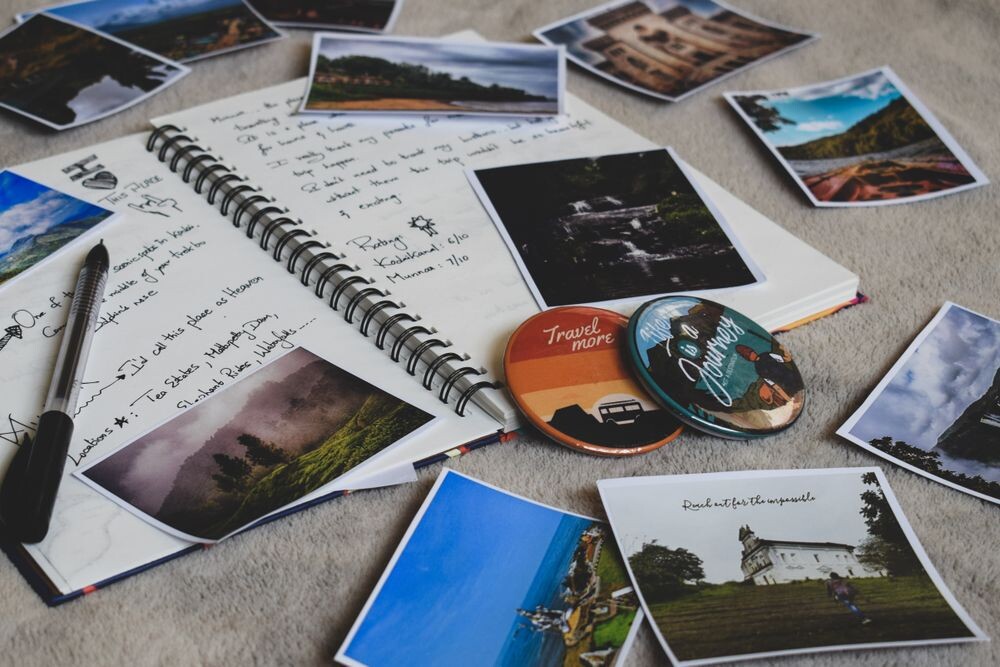
A little notebook can hold the best parts of a day before they fade. You can sketch a street, write a food name, or save a funny moment from the ride.
It gives your memories more color than a phone screen alone. Many travelers now like paper journals because they feel calm and personal, and they cost very little.
Use stickers, ticket stubs, or pressed leaves to make it yours. If you prefer less clutter, write only one line at night and keep it short.
3. Follow The Local Color Palette
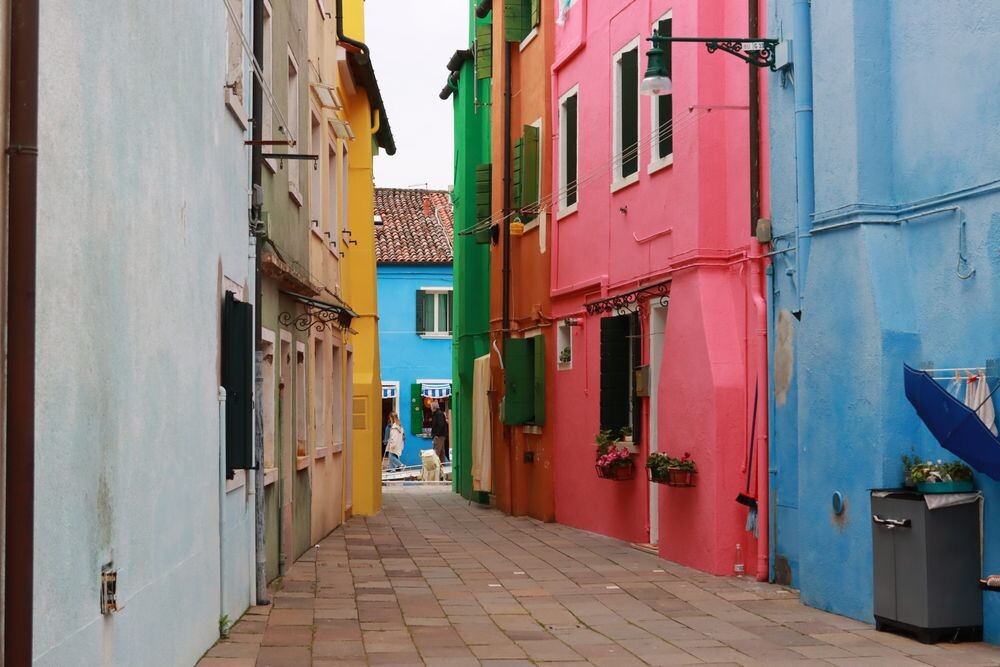
Every place has its own look, from bright market fruit to soft stone walls. When you notice colors, even simple streets can feel fresh and full of life.
This makes your photos and memories stand out in a unique way. It can also help you choose outfits, souvenirs, or even a café that matches the mood of the place.
Look for colors in doors, signs, clothes, and food plates. If you travel on a budget, use free walking time to spot these details instead of paying for extra tours.
Try making a color theme for each day, like blue, gold, or green. That tiny game can turn an ordinary outing into a playful travel moment.
4. Make One Meal Your Main Event

Instead of rushing through every meal, give one of them extra attention. Sit near a window, order something local, and notice the smell, sound, and shape of the food.
This creates a richer memory and often leads to better choices than fast eating. It can be fancy or cheap, so it works for all kinds of trips.
Ask the server for the dish they love most, or choose the plate that looks like the region. A meal can become a story when you slow down and enjoy it on purpose.
5. Create A “First Look” Spot On Arrival

Pick a place where you can pause after arriving and take in the scene. It could be a rooftop, a park, a bridge, or even the corner outside your stay.
This helps your mind switch from travel mode to place mode. The view feels sharper, and the moment becomes easier to remember.
For a low-cost option, choose a public spot with a clear view and good light. If you want a personal touch, bring a snack, play one song, or call someone you love while you stand there.
6. Collect Sounds, Not Just Photos
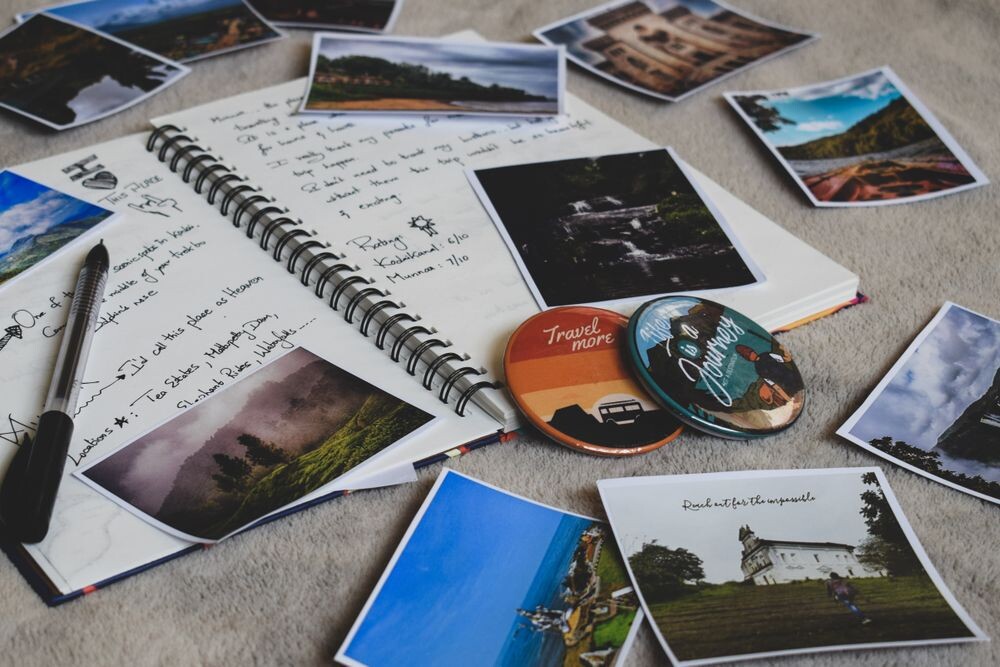
Travel is full of sounds that can bring a place back fast. Think of tram bells, beach waves, market chatter, or rain on a tin roof.
Recording a few short clips gives you a fresh kind of memory. This trend is growing because many people want more real and emotional travel keepsakes.
Keep the clips brief so they are easy to sort later. You can also make a sound list in your journal and write what each sound made you feel.
Try to catch one sound in the morning and one at night. The contrast can make the place feel more alive when you look back.
7. Plan A Photo Walk With A Theme
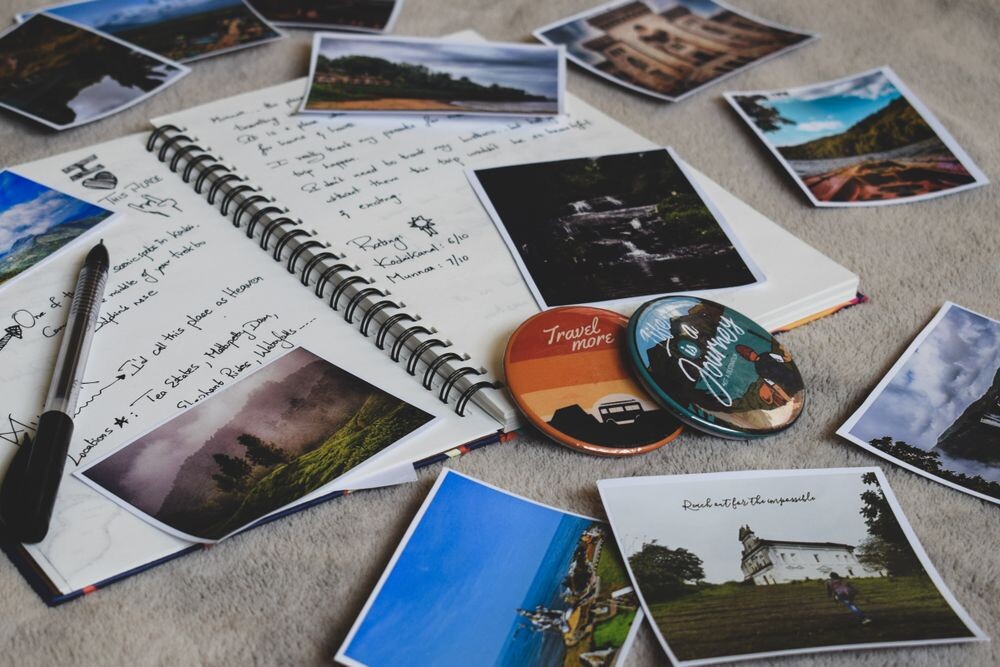
A themed photo walk gives your day a fun goal. You might hunt for reflections, old doors, street art, or tiny food details.
This makes sightseeing feel active and creative. It also helps you notice things most visitors walk right past.
You do not need a costly camera to do this well. A phone works fine, and the real value comes from your eye and your patience.
Pick one theme before you leave your room, then stay with it for an hour. The focus can make even a familiar street feel new.
8. Leave Space For A Surprise Stop
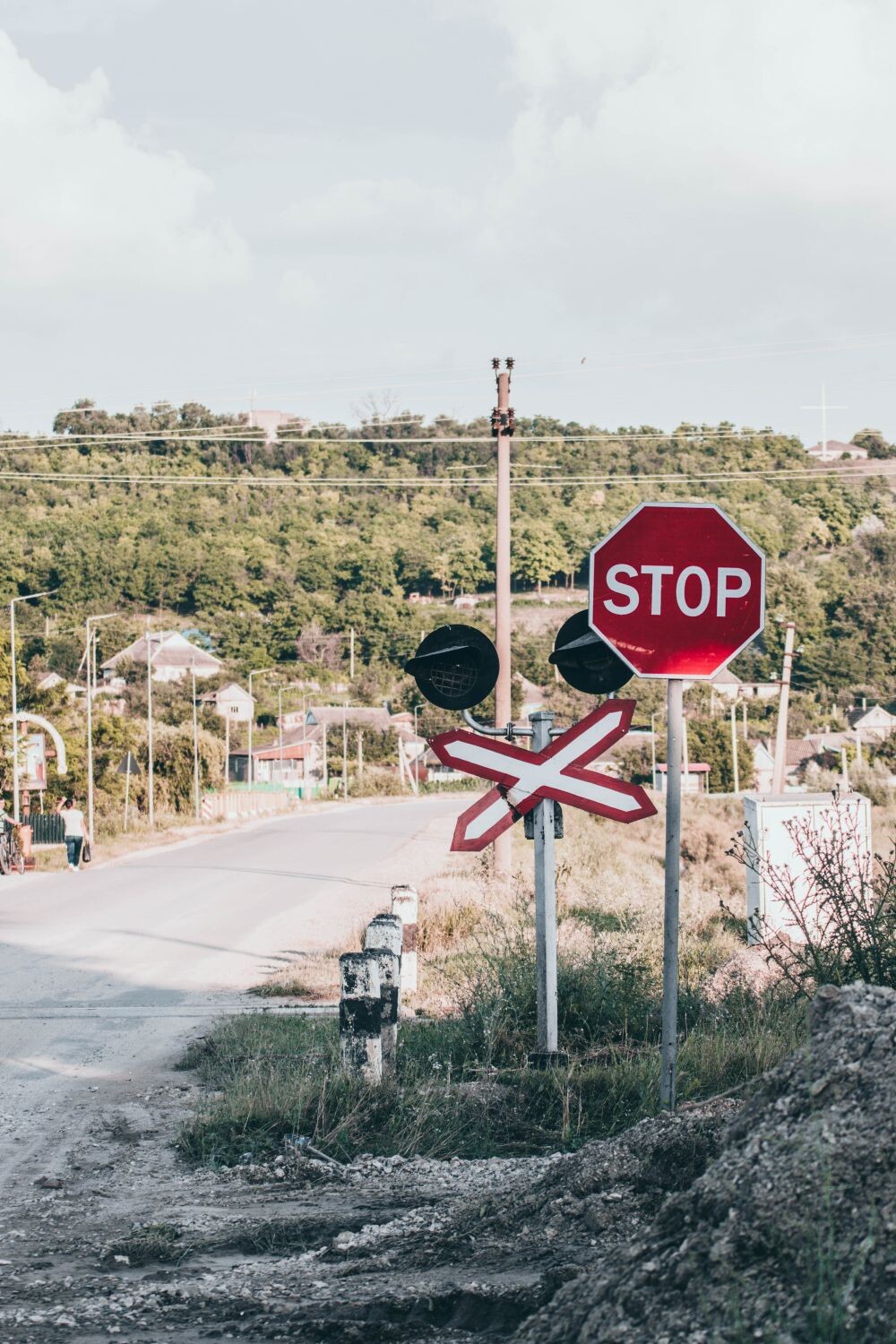
Not every moment needs a full plan. Leaving one open block in your day gives room for a market, a tiny museum, or a pretty side street.
That little space often holds the best memory of the trip. It feels more personal because it happened by chance, not just by schedule.
Surprise stops can be free, cheap, or a bit pricey, so it helps to keep a small extra budget. If you are traveling with others, ask each person to choose one possible surprise and vote later.
This keeps the day flexible without feeling messy. It can also reduce stress when the weather or crowd changes your plans.
9. Match Your Outfit To The Place

Clothing can be part of the travel story. A breezy dress for a coastal town or a cozy layer for a mountain town can help you feel in sync with the setting.
This idea adds fun to your day and can make photos look more connected to the place. It is also a chance to pack smarter by choosing pieces that work in more than one outfit.
Try using one accent color or one local texture, like linen or cotton. If you want to keep costs down, use clothes you already own and build around them.
Small style choices can make a big difference in how you remember a day. When you feel comfortable and place-ready, the whole trip can feel smoother.
10. Keep A Snack For The Right Moment
A favorite snack can turn a plain stop into a happy pause. Eating it while watching a sunset, riding a ferry, or sitting in a park makes it feel special.
This is a simple way to add comfort and joy without spending much. It also helps on long travel days when hunger can make everything feel harder.
Choose something that travels well and does not melt or crumble too much. Local snacks are a great pick if you want a cheap taste of the region.
You can even make a tiny snack tradition for each trip. That small habit gives you a reliable moment to look forward to.
11. Try A Slow Morning In A New Neighborhood

Waking up early and walking before the crowds arrive can feel peaceful. The streets often look softer, and shop windows, trees, and cafés seem to wake up with you.
This slower pace helps you notice details that busy hours hide. It is a great way to make a place feel more real and less rushed.
Bring a coffee or tea if that fits your budget, or just carry water and start walking. You can also choose a neighborhood that feels safe and easy to wander through.
A slow morning often gives you the clearest memories of a trip. The calm light and quiet sounds can stay with you long after you leave.
12. Make A Memory Map

A memory map is a simple drawing of where your best moments happened. You can mark the café, the view, the train station, or the bench where you rested.
This turns your trip into a visual story that feels more personal than a plain list. It also helps you remember the route and notice how places connect.
You can make it on paper, in a notes app, or inside a travel journal. It costs almost nothing and can be as neat or messy as you like.
Add tiny notes about smells, sounds, or people you met. Those details make the map feel alive and unique.
13. Choose One Local Skill To Try
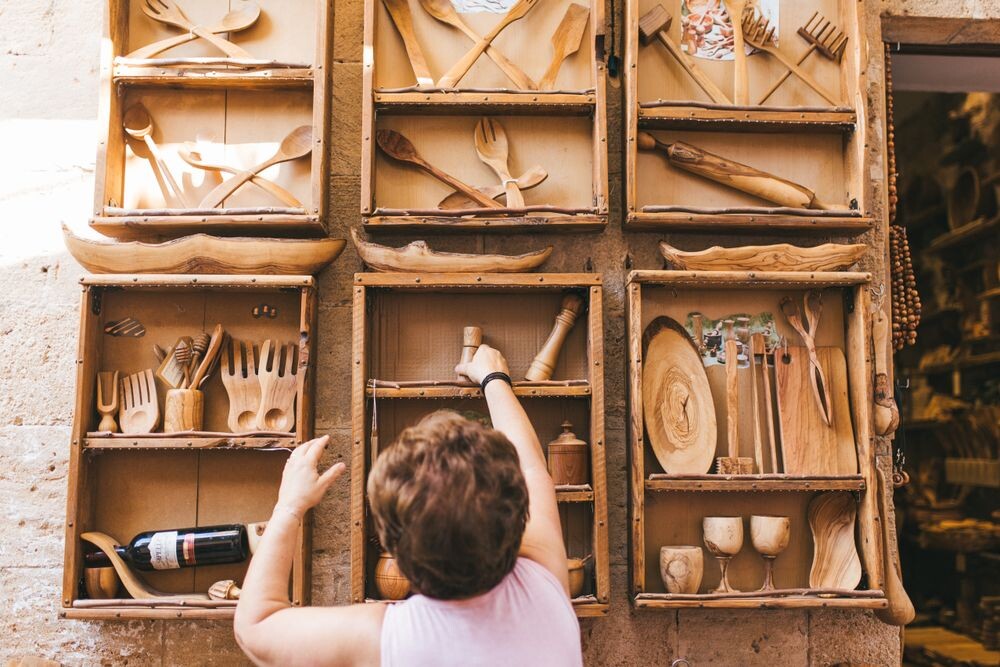
Learning a small local skill can make travel feel deeper and more fun. It might be a cooking trick, a dance step, a phrase in the language, or a craft from a market stall.
This gives you a hands-on memory instead of only a viewing memory. It also helps you connect with people in a warmer and more respectful way.
Look for short classes, market demos, or free public events before paying for anything big. Many of these experiences are affordable and give more value than a standard souvenir.
Even a tiny skill can become a favorite part of the trip. Later, using it at home can bring the whole place back to mind.
14. Watch The Same Spot At Different Times

A place can feel like a different world as the light changes. A square at noon may feel busy, while the same square at dusk may look calm and golden.
This simple habit helps you see more from the same location without spending more. It also gives your trip a richer rhythm and fewer rushed moments.
Pick one spot that is easy to return to, like a bridge, plaza, or shoreline. If you are saving money, this is a smart choice because it creates many memories from one free place.
Bring a small plan for each visit, such as people-watching, sketching, or taking one photo. The changing mood can make the scene feel fresh every time.
15. Give Your Day A Tiny Mission

A tiny mission can make wandering feel playful and focused. You might look for a red door, a cat in a window, a map sign, or a dessert you have never tried.
This adds purpose without making the day feel strict. It can also work well for kids, friends, or solo travelers who want a little spark.
Choose a mission that fits your budget and energy level. Some missions cost nothing, while others may lead you to a small shop or café.
When you find the thing, pause and enjoy the win. That small success can become one of the best parts of the day.
16. Save One Moment For No Screen Use

Putting the phone away for a short time can make a travel moment feel brighter. You may notice the wind, the faces around you, or the way the light moves across a building.
This gives your mind a rest and helps the memory stick better. Many travelers now like screen-free pauses because they feel more calm and present.
Start with a short block of time, like a walk or a meal, so it feels easy. If you want, tell your group ahead of time so everyone can join in.
The moment does not need to be perfect to matter. In fact, the small, unplanned parts often become the ones you remember most.
17. End The Day With A Short Story Swap

At the end of the day, share one favorite moment with the people you traveled with or with yourself in a journal. It could be the best view, the funniest sign, or the tastiest bite.
This turns loose memories into a clear travel story. It also helps you notice what mattered most, which makes the trip feel richer and more personal.
You can do this while waiting for a ride, sitting on a bed, or sipping a night drink. It costs nothing and only takes a few quiet minutes.
Try naming the moment in a simple way, like “the blue alley” or “the warm bread stop.” That tiny title can make the memory easier to hold onto later.