A special trip can feel magical before it even begins. The best trips often start with a simple idea and a little care.
1. Pick a theme that fits the mood
A theme gives your trip a clear heart and makes every choice feel easier. It can be cozy, fancy, playful, quiet, or full of adventure.
Think about what the trip should look and feel like in your mind. A beach escape, a mountain stay, or a city food weekend all create a different kind of joy. A theme also helps you match clothes, activities, and even photos so the whole trip feels connected.
2. Choose one special place to stay
The place you sleep can shape the whole trip in a big way. A cute cabin, a small inn, or a room with a view can make the journey feel unique.
Look for a stay that adds charm without causing stress. Some travelers want a hot tub, others want a balcony, and some just want a quiet bed and soft sheets. Booking early can help with cost, and checking recent reviews can keep surprises small.
Try to match the stay to the reason for the trip. For a birthday, a place with pretty lights and room for a treat works well. For a family trip, extra space and easy parking may matter more than style alone.
3. Build a simple wish list of must-do moments
A wish list keeps the trip personal and fun. It can include one meal, one view, one activity, and one small treat.
This kind of list helps you avoid overpacking the day with too much to do. It also gives everyone something to look forward to, which makes the trip feel special from the start. If money is tight, you can mix free moments with paid ones and still make the day feel rich.
Write down things that feel meaningful, not just popular. A sunset walk, a local bakery, or a quiet museum stop can be more memorable than a rushed schedule. Add in a few current favorites, like a trendy coffee shop or a popular photo spot, if they fit your style.
4. Set a budget that feels calm
Money worries can steal the fun from a trip before it begins. A clear budget helps you enjoy the planning without feeling lost.
Start with the big pieces like travel, sleep, food, and activities. Then leave a little room for extras, because small surprises always seem to appear. You can save by traveling on quieter days, choosing lunch over dinner at a fancy spot, or using free local sights.
5. Add one surprise that feels personal
A small surprise can make the whole trip sparkle. It might be a note, a favorite snack, or a booked activity the other person did not expect.
Personal surprises work best when they match the person’s likes. A music lover may enjoy concert tickets, while a nature fan may love a guided hike or boat ride. Even a tiny surprise can feel big when it shows real thought.
Keep the surprise simple so it stays fun and does not cause stress. If the trip is for a child, a special toy or dessert can be enough. For adults, a massage, a wine tasting, or a sunset cruise can feel extra thoughtful without being too costly.
6. Plan around the best time of year
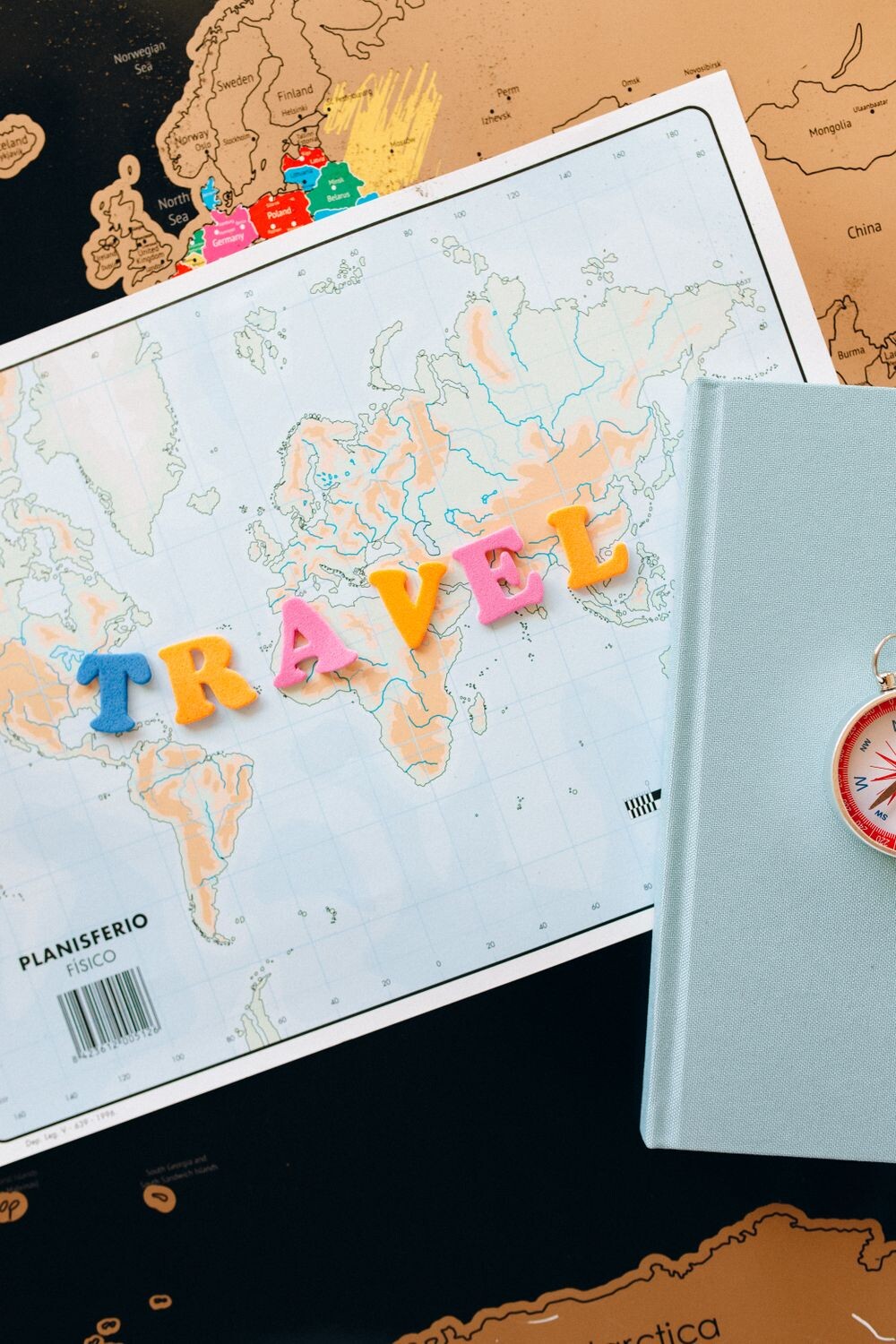
The season can change the whole look of a trip. Snow, flowers, bright sun, or fall leaves all create their own kind of beauty.
Think about weather, crowds, and prices before you choose your dates. Off-season travel often costs less and feels calmer, while peak season may bring more events and energy. A good time of year can also make outdoor plans easier and more enjoyable.
Match the season to the trip’s purpose when you can. A cozy winter getaway may be perfect for relaxing, while spring can be lovely for parks and gardens. If you want a trendy feel, look for seasonal food festivals, outdoor markets, or holiday lights.
7. Leave room for slow moments
Not every part of a special trip needs to be packed with action. Slow moments can be the ones people remember most.
A quiet breakfast, a lazy afternoon, or a short walk with no rush can bring a nice balance. These pauses help everyone rest and notice the little things around them. They also cost little or nothing, which is always helpful.
Try not to fill every hour with plans. A little free time can turn into the best part of the day when you find a pretty street, a local shop, or a lovely bench by the water. Slow travel often feels more personal and less tiring.
8. Choose activities that match each person
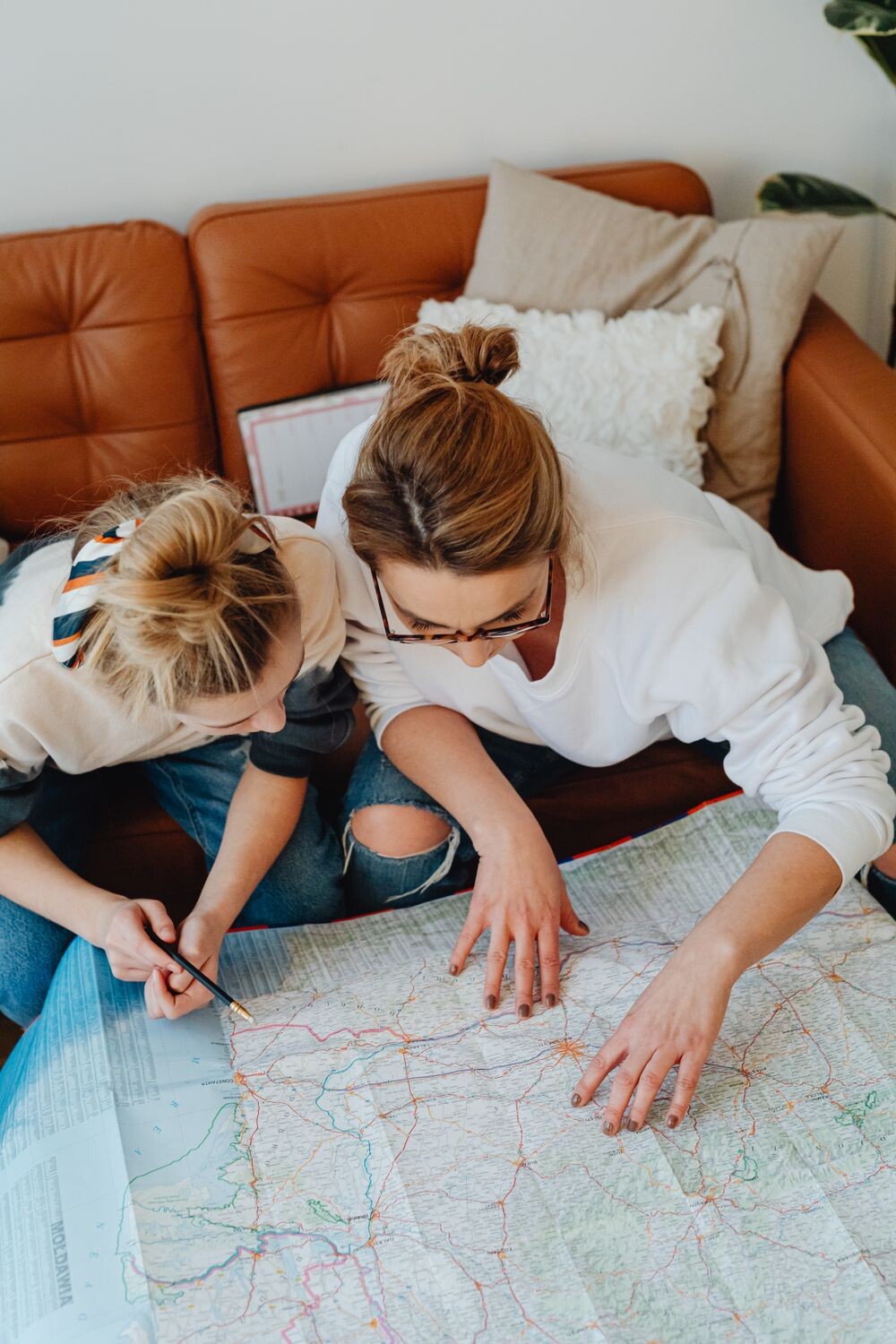
A trip feels more special when everyone gets a turn to enjoy something they love. The best plans often mix shared fun with personal favorites.
Think about ages, energy levels, and interests before you book anything. A child may want a zoo or beach day, while an adult may enjoy a tasting room or art walk. Matching the plan to the people on the trip makes the day smoother and happier.
You can create a small list for each person and look for overlap. That way, one outing may please the whole group, and another can be a personal treat. This approach is helpful for families, couples, and friend trips alike.
9. Make food part of the memory
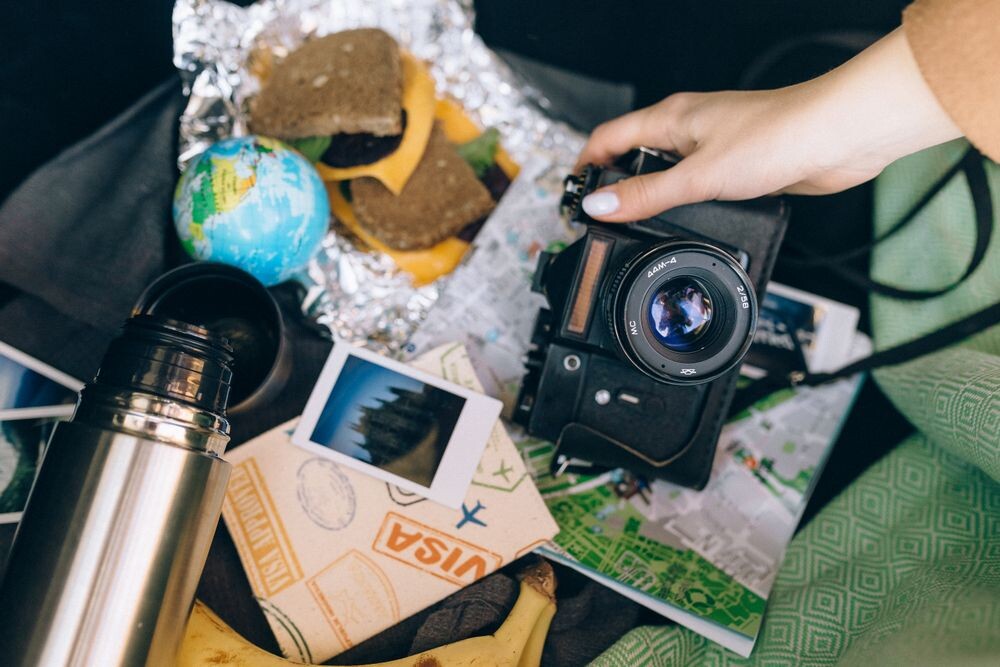
Special meals can become the best stories from a trip. A pretty cafe, a local dish, or a dessert stop can add flavor to the whole experience.
Food is a great way to make a trip feel local and unique. Try one place that is famous, one place that is simple, and one sweet stop just for fun. If cost matters, mix in picnic snacks or casual meals so the budget stays friendly.
Look up local favorites before you go, but leave room for a surprise find too. A bakery with fresh bread or a small stand with a line out the door can be a good sign. Today many travelers also like farm-to-table spots, food halls, and colorful brunch places that are easy to share online.
10. Pack with the trip story in mind
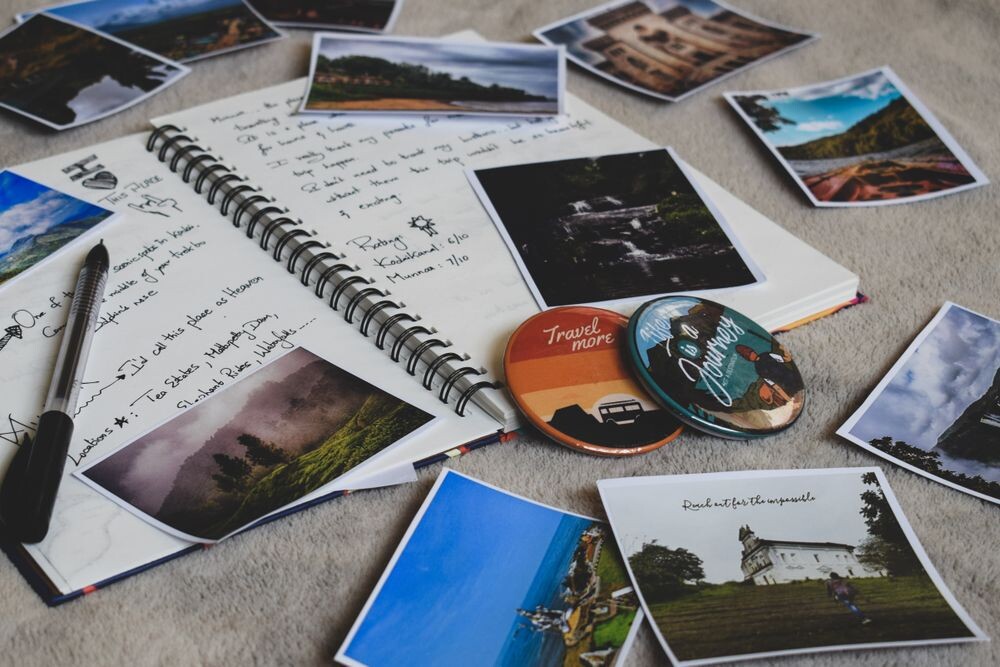
Packing can be more fun when you think of it as part of the trip mood. A soft sweater, a bright outfit, or comfy shoes can all fit the feeling you want.
Try to pack items that make life easier too. Chargers, snacks, water bottles, and a small bag for day trips can save time and money. Good packing also helps you avoid buying things you forgot at a higher price later.
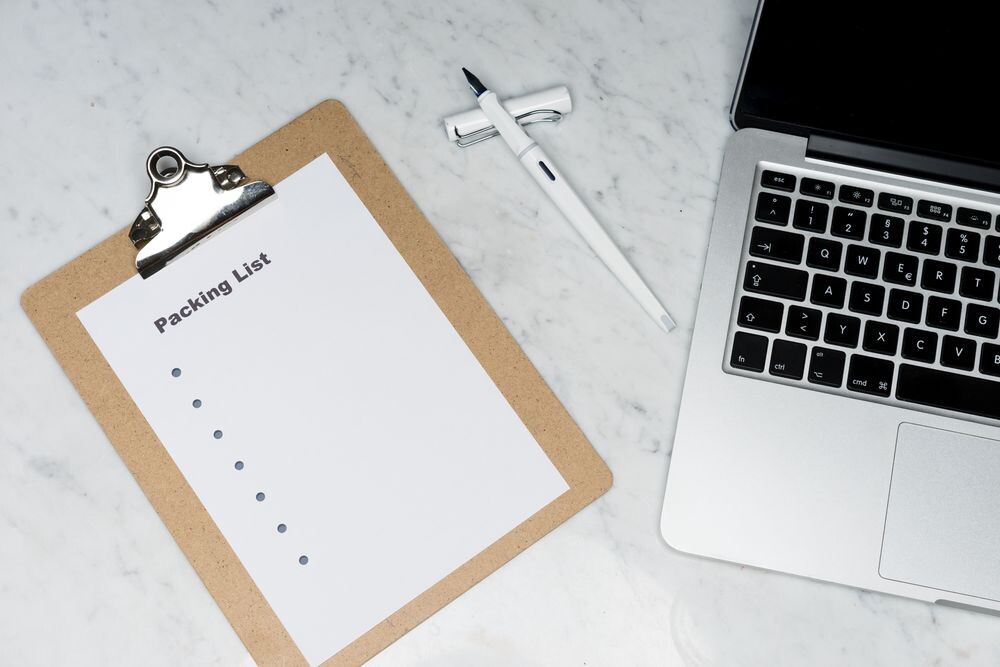
If the trip is for photos, choose a few outfits that work well together. If it is for hiking or walking, comfort should lead the way. A simple packing list can keep you calm and ready.
11. Plan a few photo-worthy spots
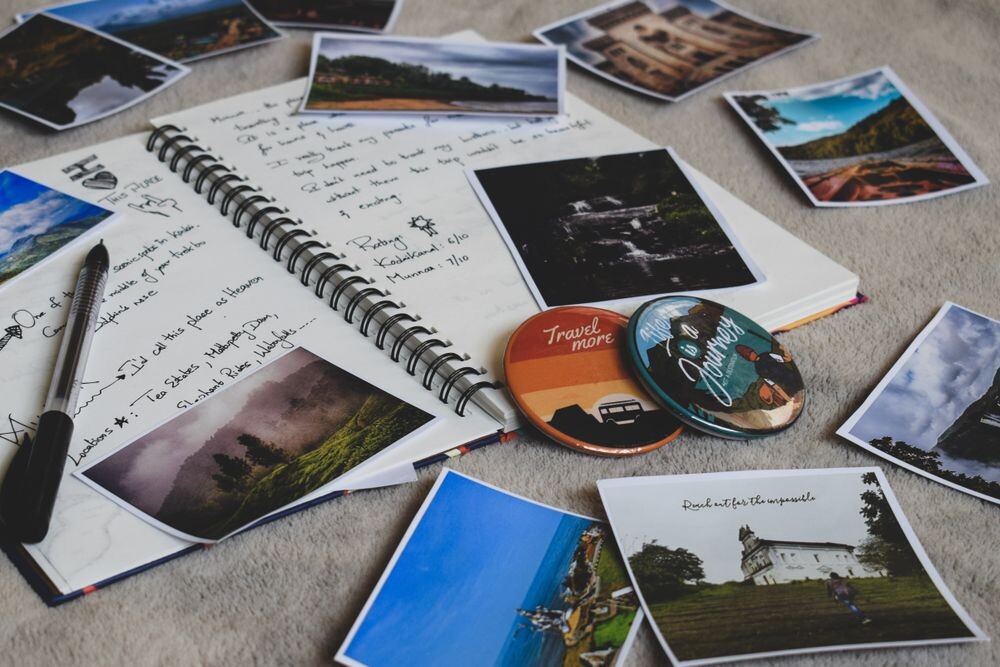
Pretty pictures can help hold on to a special trip long after it ends. A bright wall, a scenic overlook, or a charming street can add a lot of fun.
Look for places with strong colors, soft light, or wide views. These spots often make the trip feel more memorable and can be nice for family albums or social posts. You do not need fancy gear to get good shots, just a little time and a good eye.
Try to include places that feel real, not only famous. A market stall, a park bench, or a café window can be just as lovely as a big landmark. If you want a current trend, many travelers now enjoy candid photos that show the moment instead of stiff poses.
12. Use local guides and small businesses
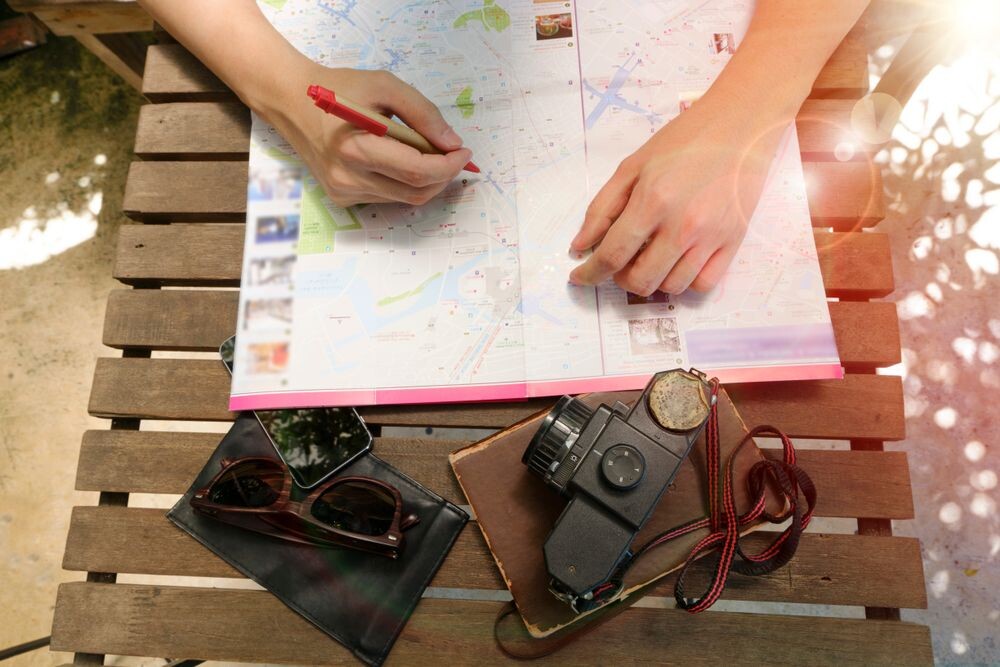
Local guides can add warmth and real stories to your trip. Small shops, family-run restaurants, and neighborhood tours often feel more personal than big tourist spots.
This choice can make the trip more unique and often more meaningful. You may hear useful tips, learn about hidden places, and support people who live there. Cost can vary, but many small experiences are fair-priced and worth it.
Ask locals where they like to go, or read recent reviews for honest advice. A handmade craft store or a tiny museum may give you a better sense of place than a crowded chain store. These choices often bring a richer feel to the day.
13. Add a little wellness to the plan
A special trip can still be restful, even if it is full of activity. A calm morning stretch, a spa visit, or a quiet nature stop can help everyone feel better.
Wellness does not have to be fancy. It can be a long walk, a good sleep, or a healthy meal that keeps energy steady. Many travelers now like trips that mix fun with care, which makes the whole experience feel more balanced.
Think about what helps your group relax most. Some people enjoy yoga or a massage, while others prefer a slow swim or a peaceful reading break. Adding wellness can make the trip feel kinder to the body and mind.
14. Create a flexible plan for each day
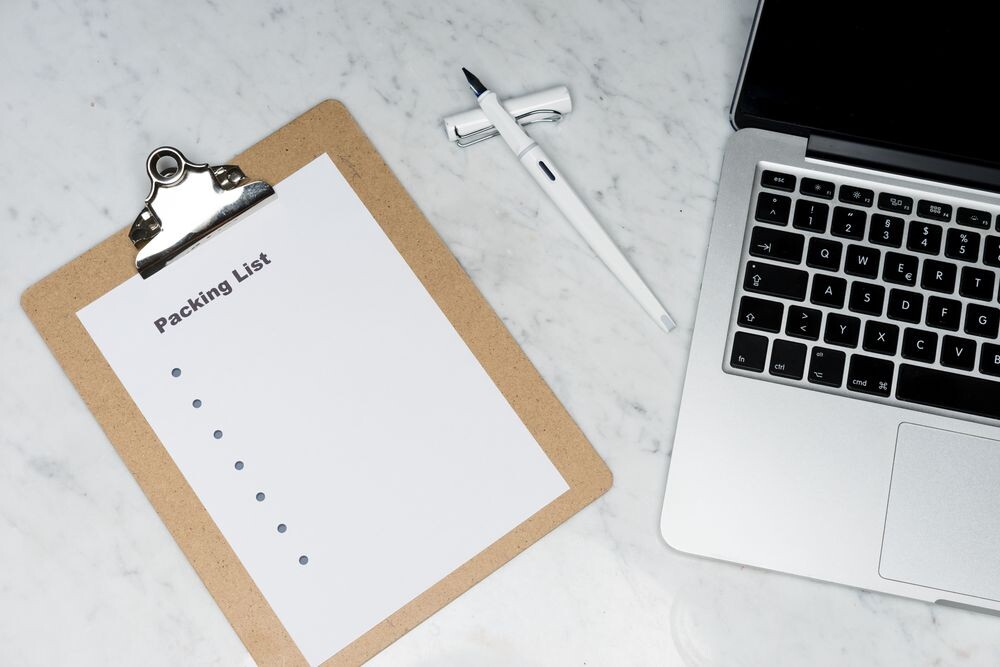
A loose plan can be better than a tight one. It gives the trip shape without making every hour feel rushed.
Write down the main parts of each day, then leave space between them. That way, delays, weather changes, or new ideas will not throw everything off. A flexible plan can also save money if you spot a free event or a better deal nearby.
Use simple notes like morning, afternoon, and evening instead of a packed schedule. This helps everyone know what is coming while still keeping things easy. It also makes room for happy accidents, like a street show or a pretty sunset stop.
15. Pick a travel style that feels comfortable
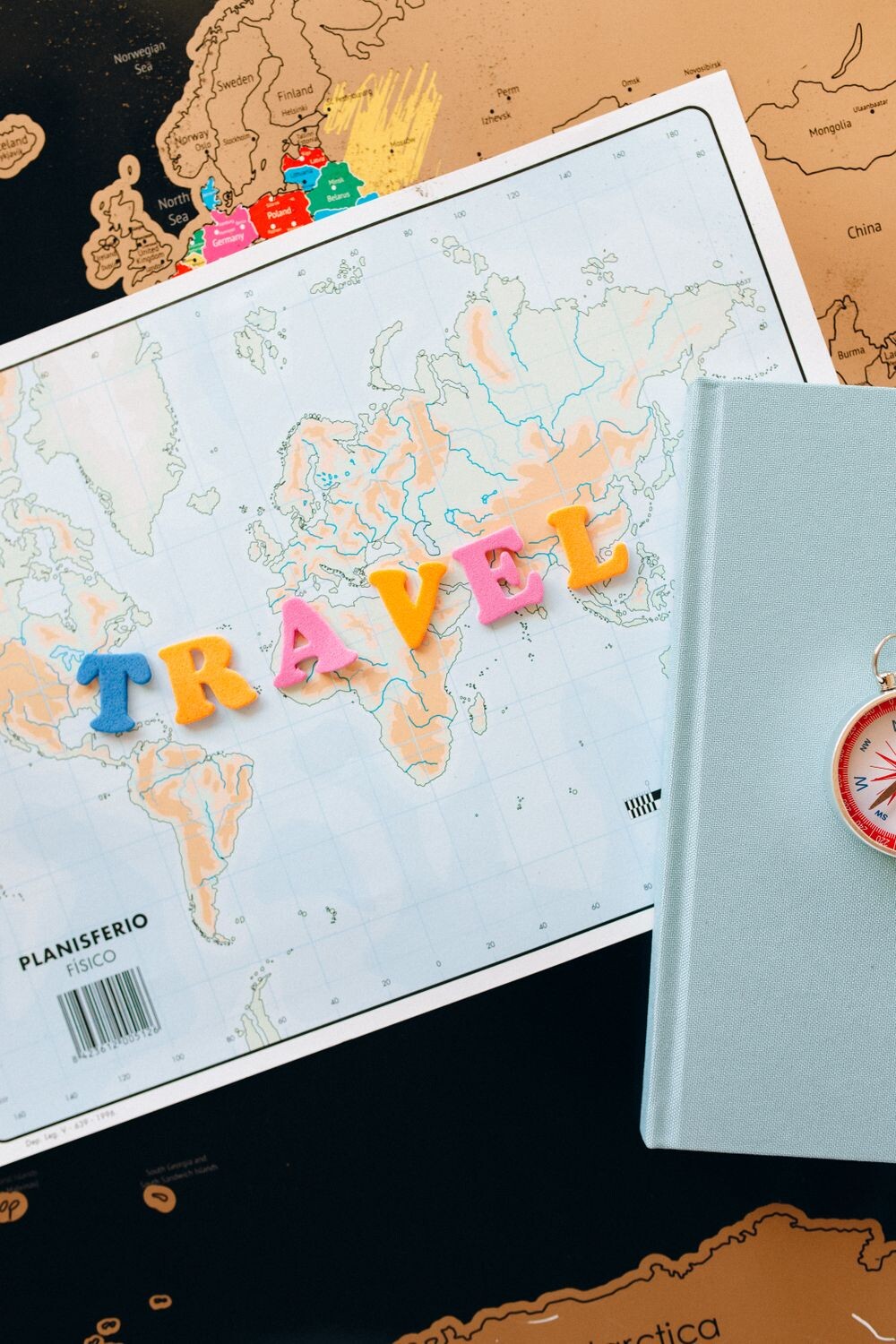
The way you travel matters just as much as the place you go. A road trip, train ride, flight, or boat trip each brings a different kind of fun.
Comfort can save energy and reduce stress during the trip. If you hate long drives, a train may feel better. If you love freedom and scenic stops, a road trip may be the right fit, though gas and parking costs should be part of the plan.
Think about what will make the journey feel like part of the memory. Some people enjoy the buzz of airports, while others want quiet views from a window seat. Choosing the right travel style can make the whole trip feel smoother from the start.
16. Include one shared activity everyone can enjoy
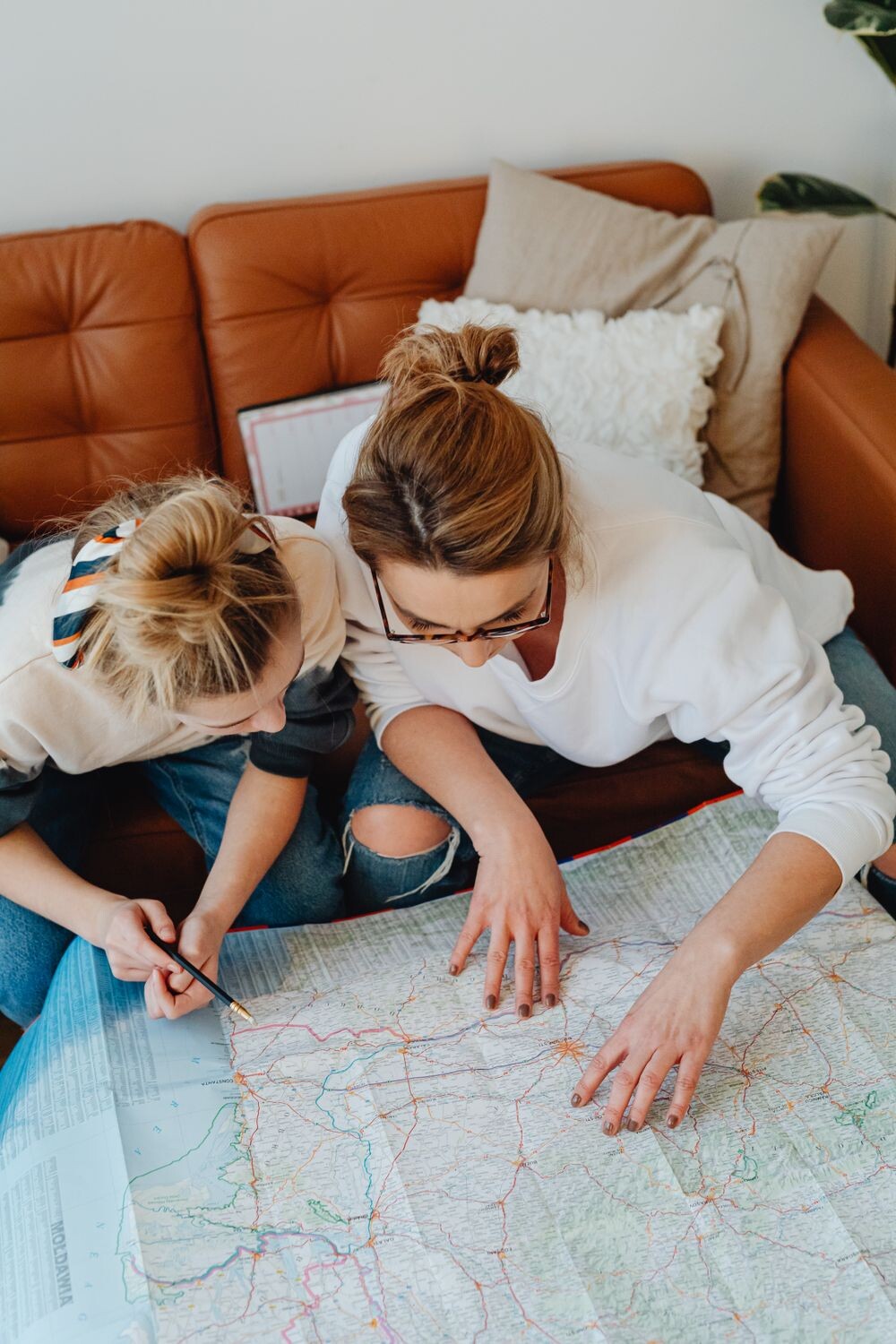
Shared moments help a trip feel like a real team experience. A boat ride, a game night, a cooking class, or a simple picnic can bring people together.
Look for an activity that is easy to join and fun for different ages. This can be one of the most unique parts of the trip because it creates a memory that belongs to the whole group. Shared activities also make great value if they give you a lot of joy for the price.
Choose something that fits the energy of the group. If people are active, a bike ride may be perfect. If they are tired, a movie night or board game evening can still feel special and warm.
17. Leave space for local surprises
Some of the best trip moments are not planned at all. A street fair, a live song, or a hidden shop can turn an ordinary day into something bright.
Give yourself room to follow a tip from a local or a sign that looks interesting. This kind of openness can make the trip feel fresh and unique. It can also help with cost, since many surprise moments are free or low-priced.
Keep your eyes open for small details that show the place’s personality. A painted door, a tiny garden, or a busy corner café can tell a story all by itself. These little surprises often become the parts people talk about later.
18. Save a small keepsake from the trip
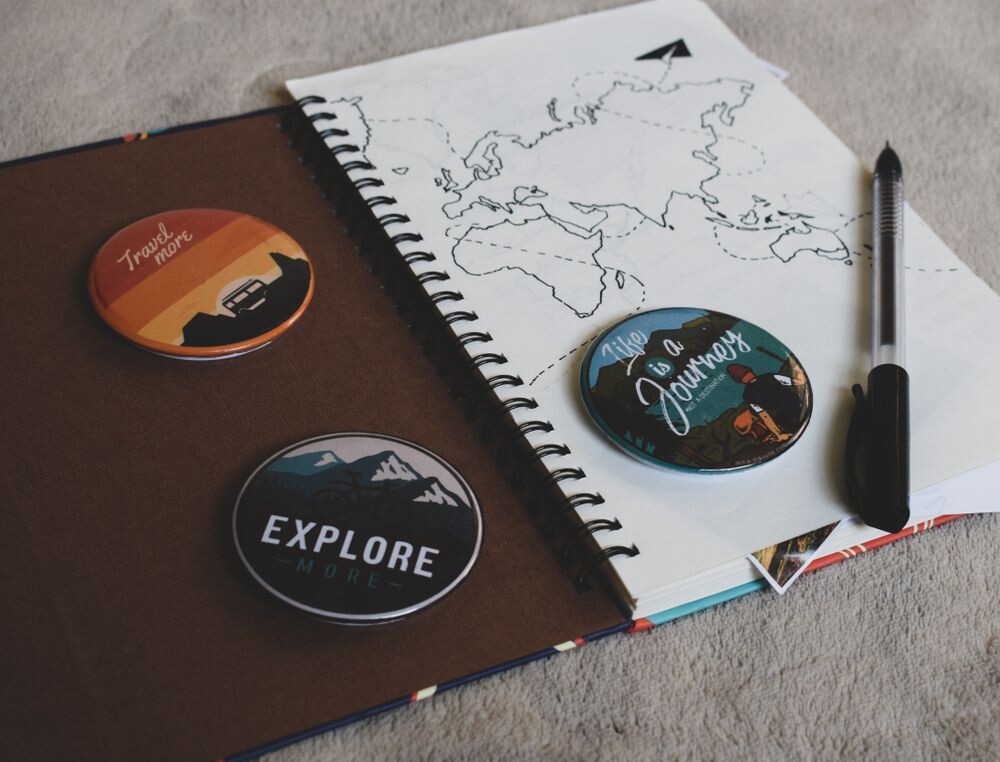
A keepsake helps the memory stay alive after the bags are unpacked. It can be a postcard, a shell, a ticket stub, or a local craft.
Choose something that feels meaningful instead of expensive. A small item can hold a big feeling and remind you of the trip for years. If you want a current trend, many travelers now make little memory boxes or photo books right after they get home.
Think about what best tells the story of your trip. A hand-painted mug may remind you of a cozy town, while a pressed flower may bring back a garden walk. Keep it simple, personal, and easy to enjoy later.