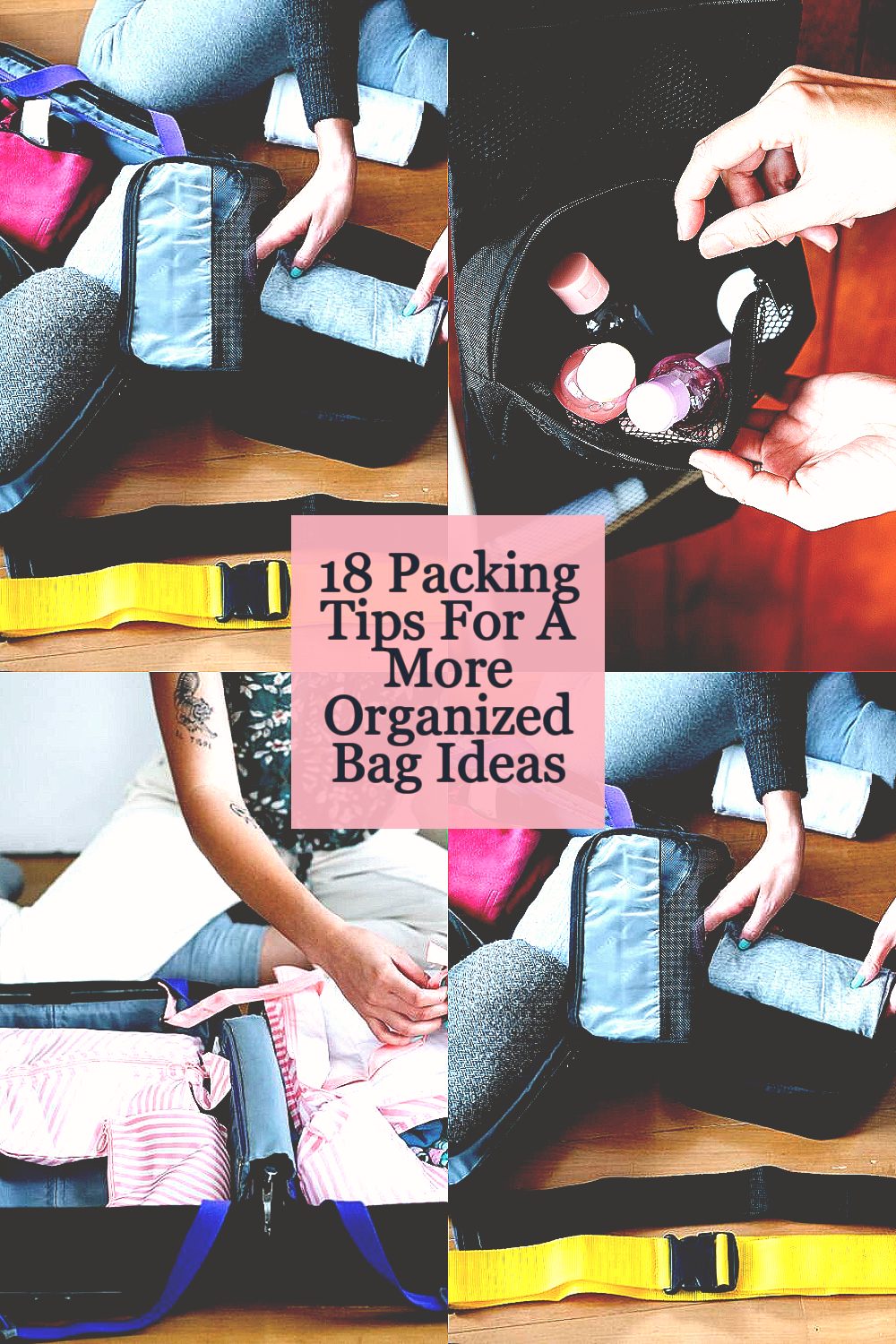
A messy bag can turn a simple day into a small headache. A tidy bag feels calm, quick, and ready for anything.
1. Start With a Clear Bag Layout
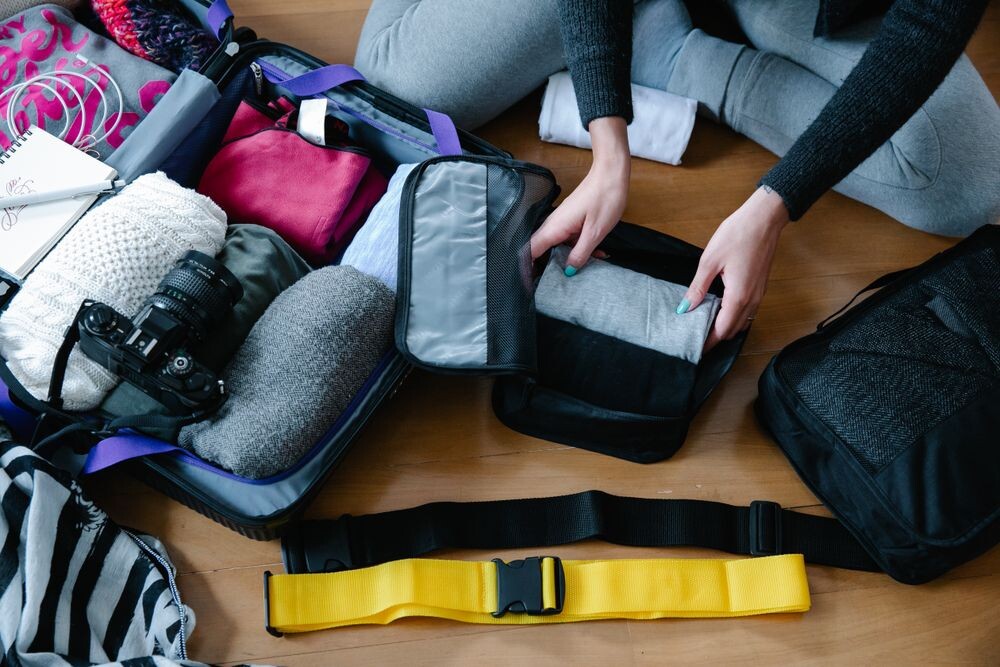
A bag works better when every item has a clear home. Picture a neat inside with one spot for snacks, one for tools, and one for daily must-haves.
This simple setup saves time and keeps your hands from digging around. It also helps you notice what you already own, so you do not buy extra things you do not need. Clear pouches, small zip bags, and slim cases are popular because they make the inside look clean and easy to read.
2. Use Small Pouches for Tiny Items
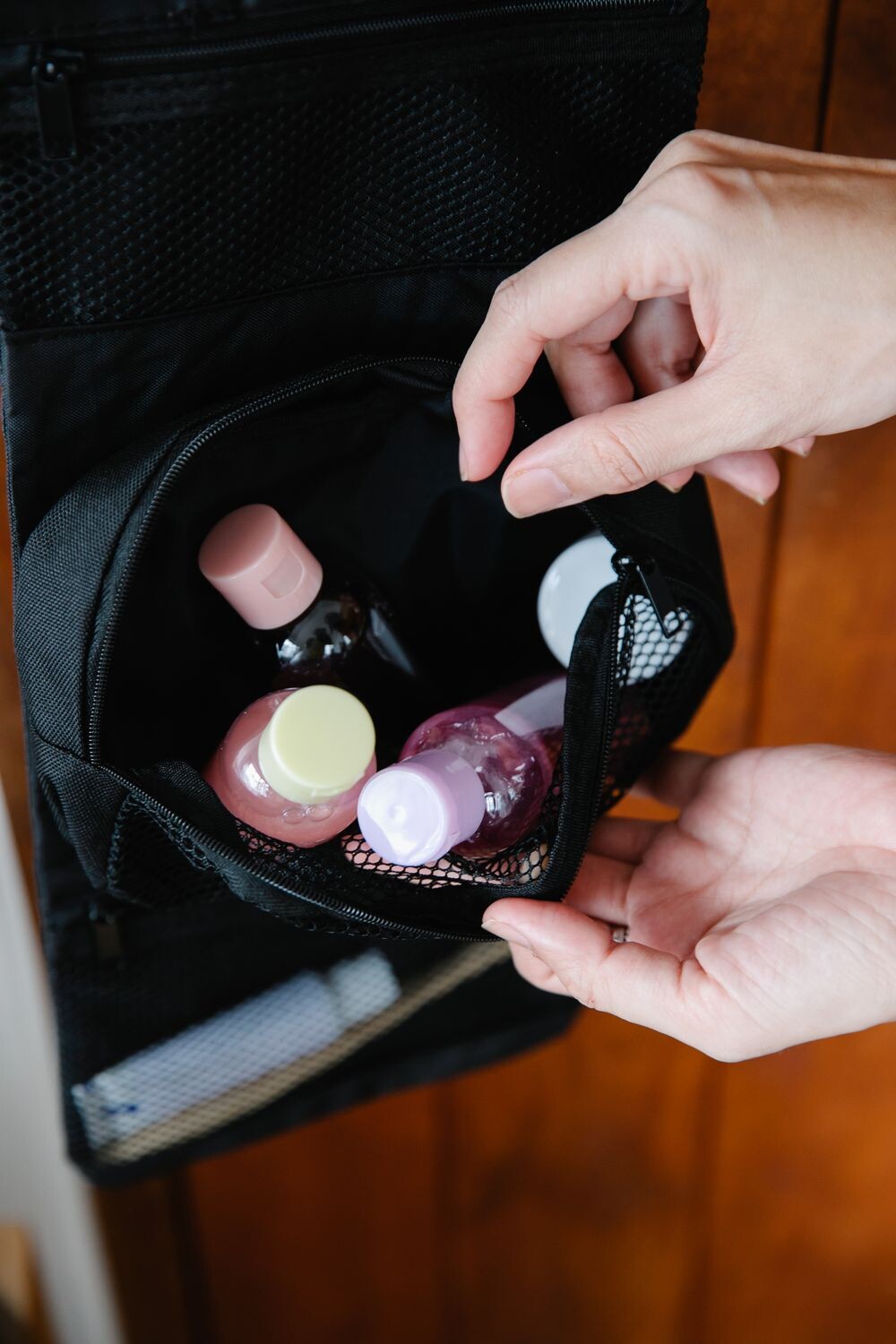
Little things can make the biggest mess in a bag. Hair ties, chargers, lip balm, and earbuds seem to vanish the moment they are loose.
Small pouches keep those bits together and easy to grab. You can pick bright colors, soft fabric, or clear plastic to match your style and spot them fast. Many people like budget-friendly pouches from dollar stores, while others choose sturdy ones that last longer and feel more polished.
Try giving each pouch a job, like one for tech, one for care items, and one for spare change. That way, your bag feels personal and organized at the same time. If you want a fun look, choose pouches with patterns that show your mood or favorite colors.
3. Pack by Daily Routine

Think about how your day really goes before you pack. A bag packed for your real routine feels smarter than one packed for a perfect day that never happens.
If you always need a notebook, water bottle, and snack, place them where you can reach them first. If your work or school day changes often, use flexible pockets so you can switch things out fast. This habit makes your bag feel custom-made without costing much.
It also helps you avoid carrying extra weight. A lighter bag is easier on your shoulders and looks less bulky. Many people like this simple style because it fits busy mornings and keeps the inside neat.
Try making a weekday setup and a weekend setup if your life changes a lot. That small trick can make packing feel almost effortless. You can even keep a short list on your phone so you do not forget your usual items.
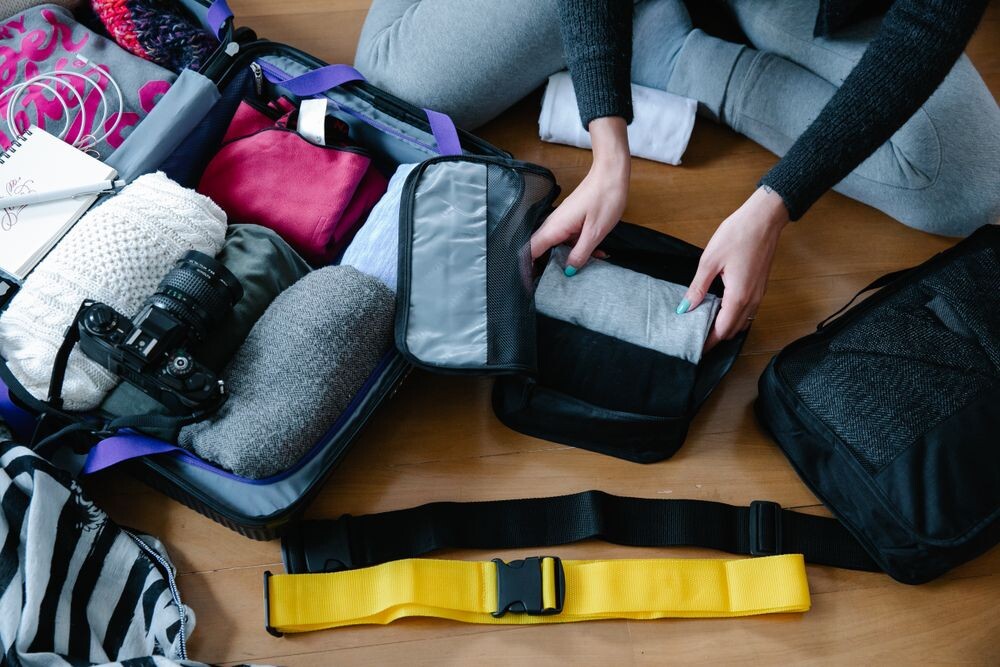
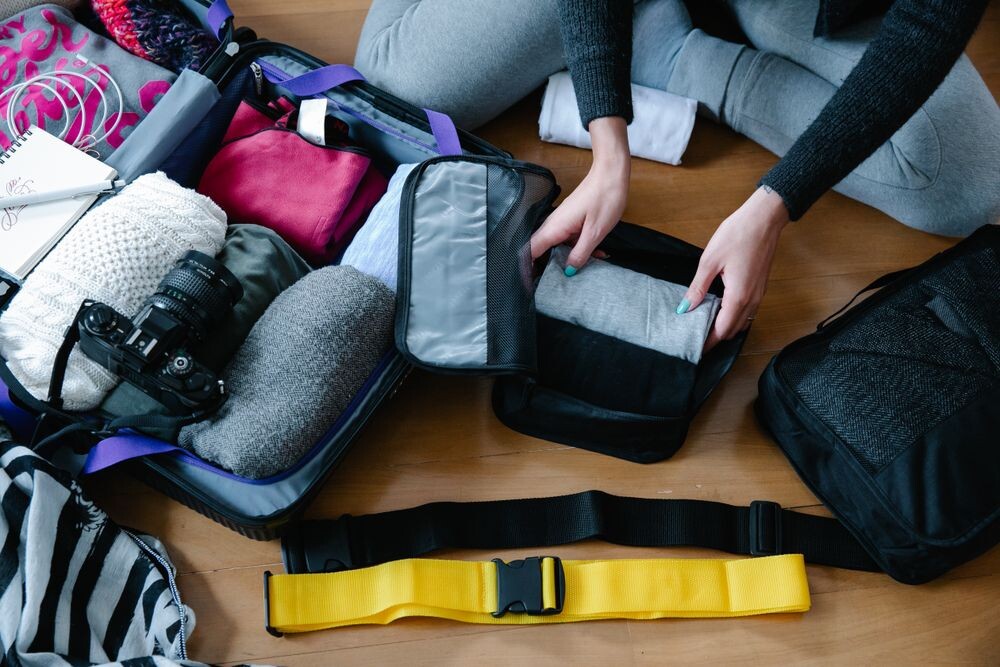
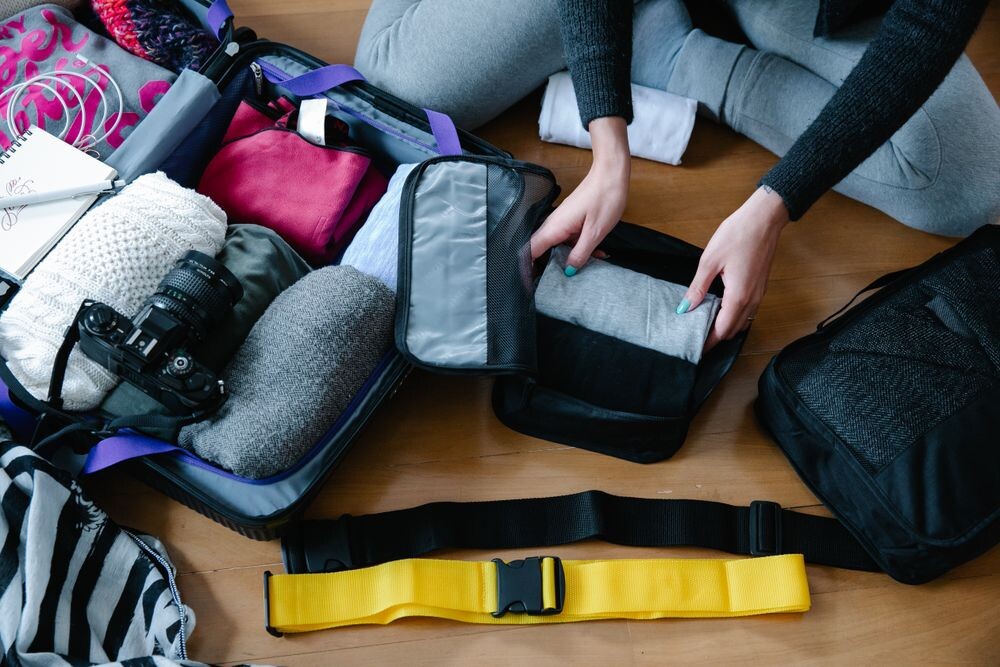
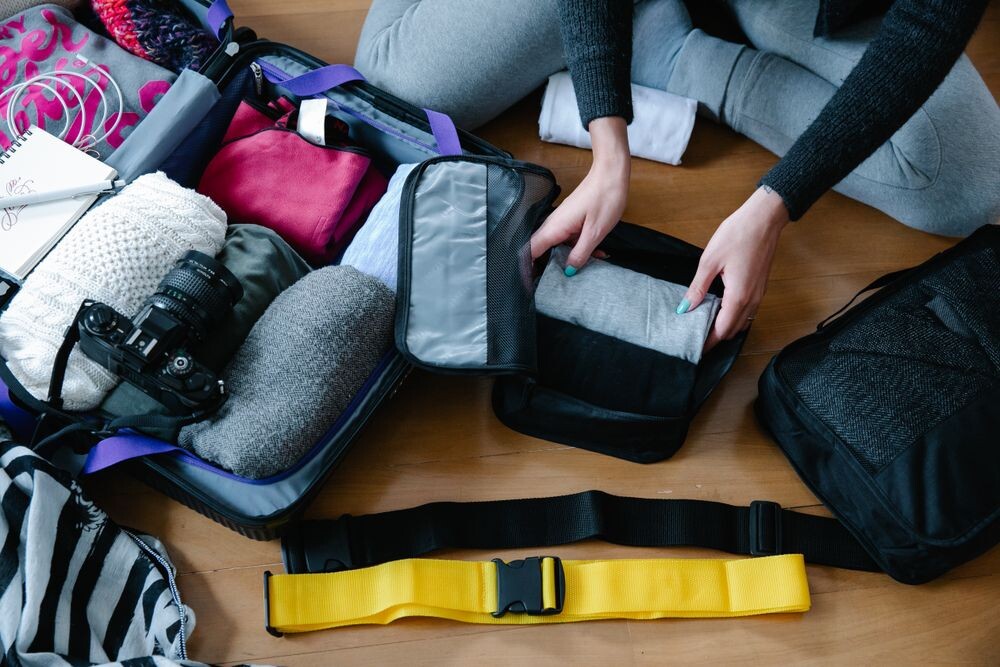
4. Roll Soft Items to Save Space

Soft items like scarves, socks, and lightweight clothes take up less room when rolled. Rolled pieces also look neat, almost like tiny bundles lined up in a row.
This method helps stop wrinkles and makes it easy to see what you packed. It is a great choice for travel bags, gym bags, and school bags with extra space. Best of all, it costs nothing and works with items you already own.
5. Keep Heavy Items Near the Bottom

A bag feels better when the weight sits low and close to your back. That shape keeps the bag from tipping and makes it easier to carry.
Put books, water bottles, or bigger tools near the bottom or back panel. Smaller items can go on top so they stay easy to reach. This setup can also make your bag look smoother from the outside, which many people like for a clean, simple style.
If you use a backpack, this trick can help your shoulders feel less tired. If you use a tote, it can stop the bag from slouching to one side. A smart weight layout is one of the cheapest ways to make a bag feel better right away.
Try testing the feel before you leave home. If the bag leans or pulls, shift the heavy items a little. Small changes can make a big difference in comfort.
6. Choose a Color Code That Makes Sense
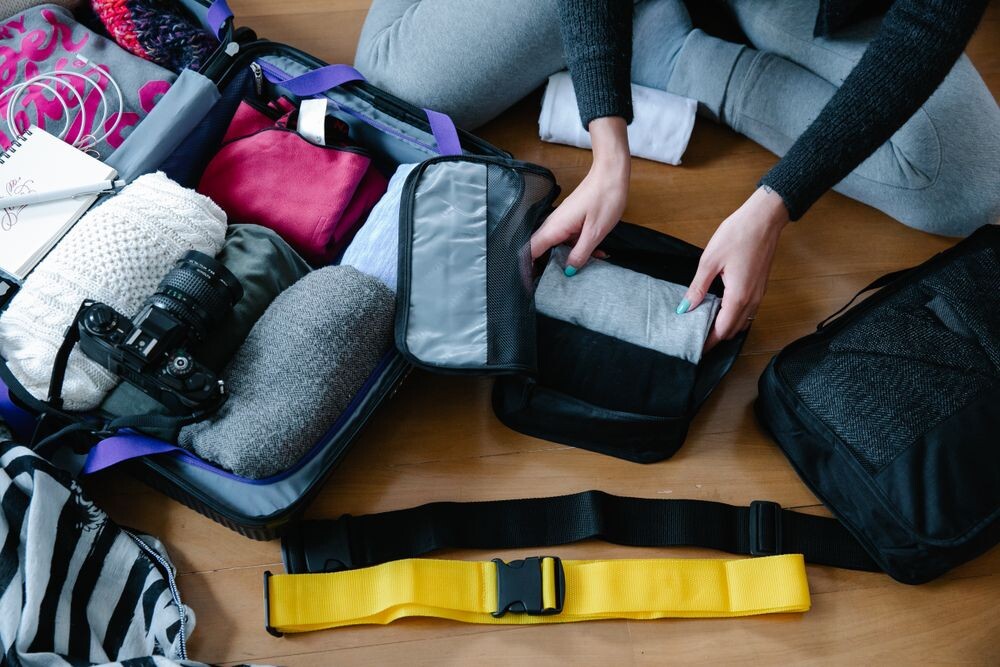
Color coding can make your bag look fun and easy to use. It also helps you find things faster because your eyes learn where each color belongs.
You might use blue for tech, green for snacks, and pink for care items. Some people like soft matching shades, while others enjoy bold colors that stand out. The best part is that you can make it fit your own taste without spending a lot.
Clear labels can work with color coding too. Together, they make the inside of your bag feel like a tiny system that just works. This idea is popular because it is simple, pretty, and easy to keep up.
If you share a bag with family or a partner, color coding can prevent mix-ups. It also helps kids learn where things belong. A little color can bring a lot of order.
7. Use Flat Cases for Papers and Screens
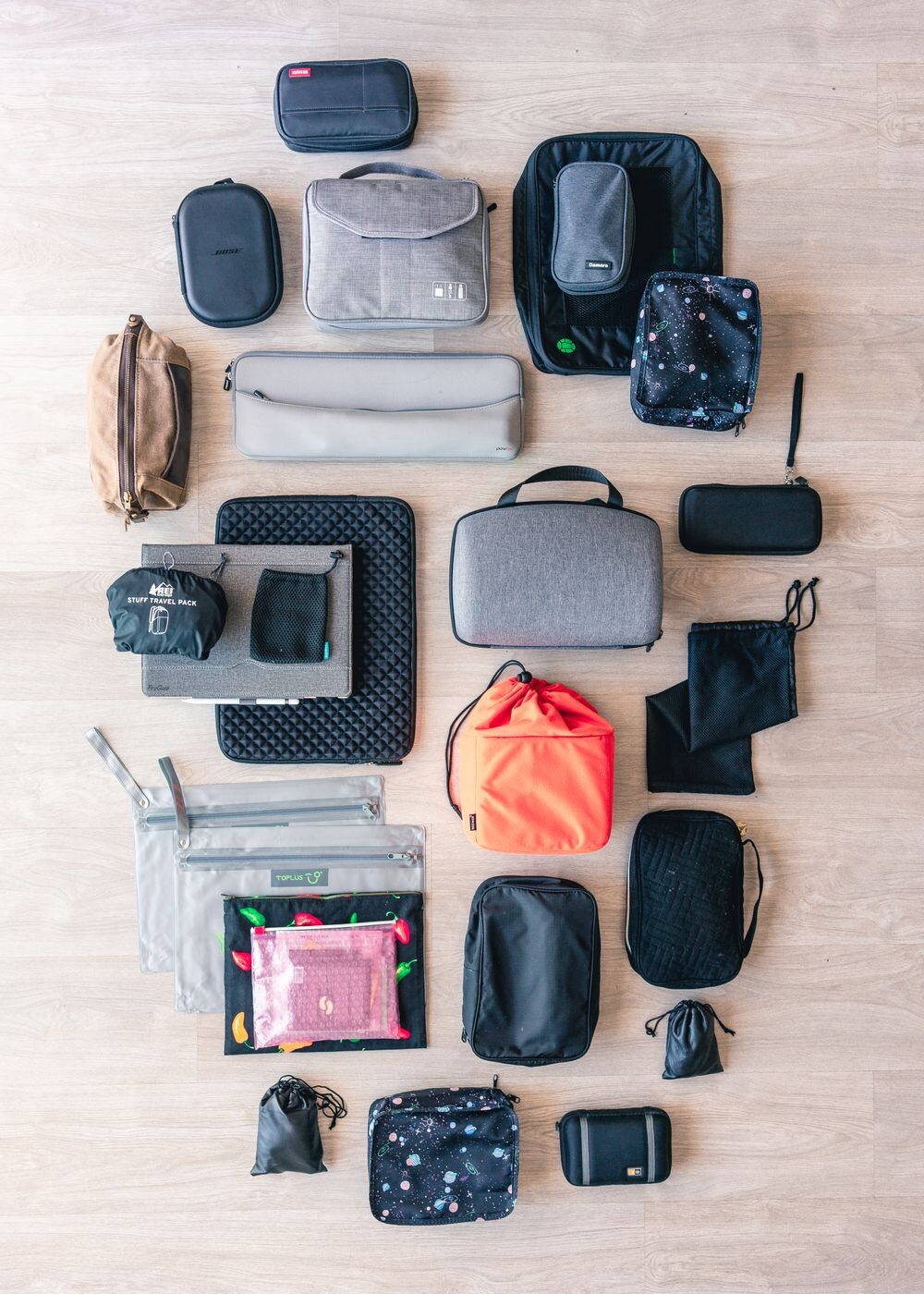
Loose papers bend fast, and screens can get scratched if they float around. A flat case keeps both safe and easy to stack.
These cases look sleek and tidy inside a bag. They work well for tablets, notebooks, art paper, and important forms. Some are cheap and thin, while others are padded and cost more for extra protection.
Pick a case size that fits your real items, not just the biggest one you can find. A case that is too large can waste space and make your bag feel crowded. A neat flat case can make even a small bag feel more organized.
8. Build a Mini Emergency Kit
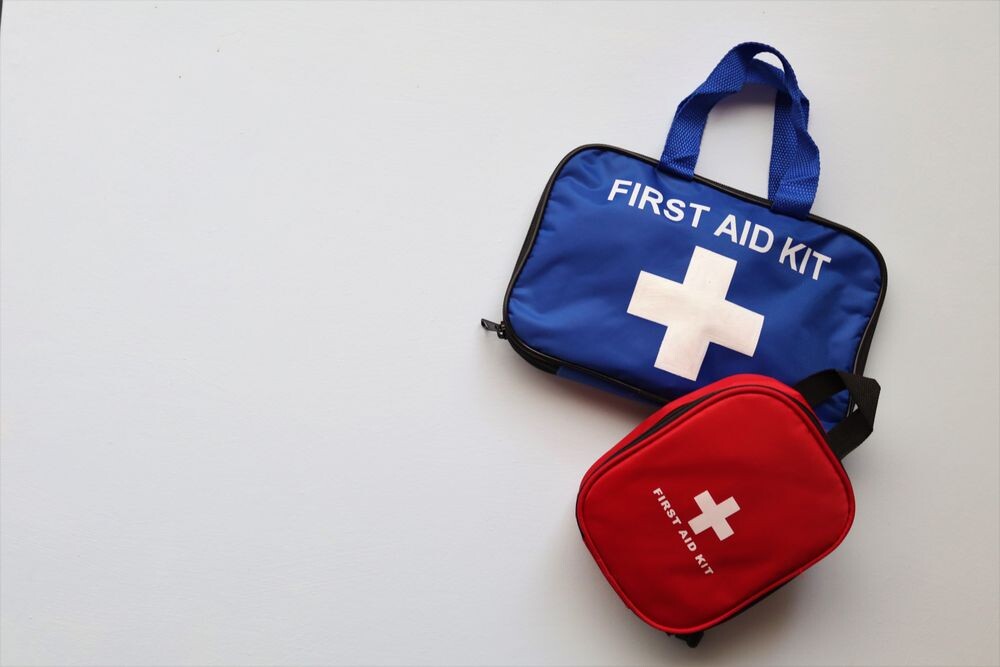
A tiny emergency kit can save the day when small problems pop up. It may hold bandages, pain relief, wipes, a pen, and a spare hair tie.
Keep it in one pouch so it is ready when you need it. This idea gives peace of mind and keeps the rest of your bag from turning into a random grab bag. People like these kits because they are practical and easy to personalize.
You can make yours simple or add more items based on your life. For school, you might add a spare charger cable. For work, you might add stain wipes or breath mints.
Try using a pouch that opens wide so you can see everything at once. That small design choice makes the kit faster to use. It also helps you restock items before they run out.
9. Use Hooks and Clips for Fast Access
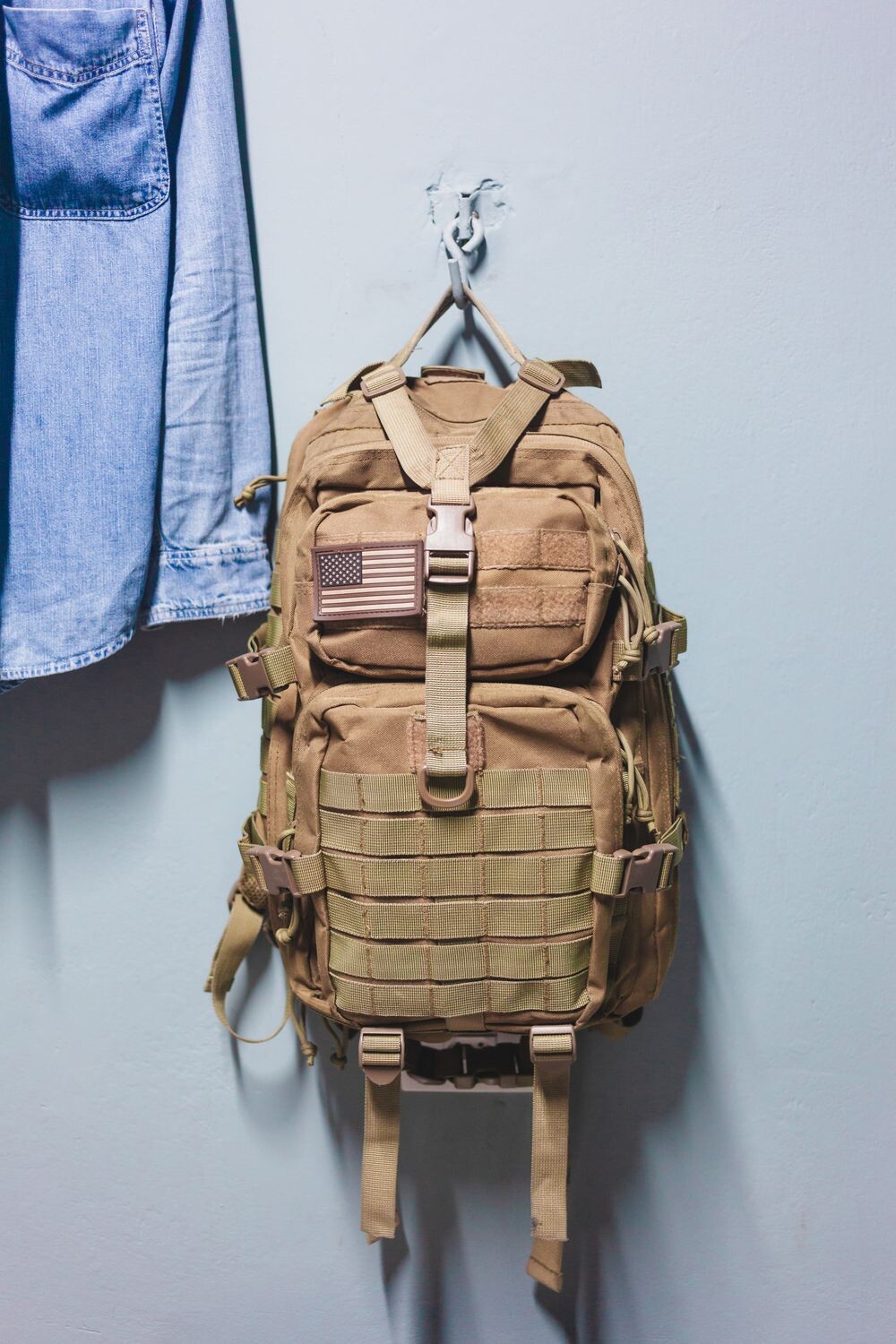
Hooks and clips can make a bag feel much smarter. They hold keys, badges, and small cases right where you can reach them.
No more digging to the bottom for something you use every day. A clip can also keep a water bottle or pouch from sliding around inside. Many people like these tools because they are low-cost and easy to add.
Choose clips that match your bag style, from shiny metal to soft plastic. You can even use a colorful carabiner for a sporty look. The best part is that hooks make the inside feel open and less crowded.
If you carry keys often, attach them to a clip near the top pocket. That way, they stay secure but still simple to grab. Small hardware like this can make a big difference in daily comfort.
10. Pack Only What You Will Actually Use
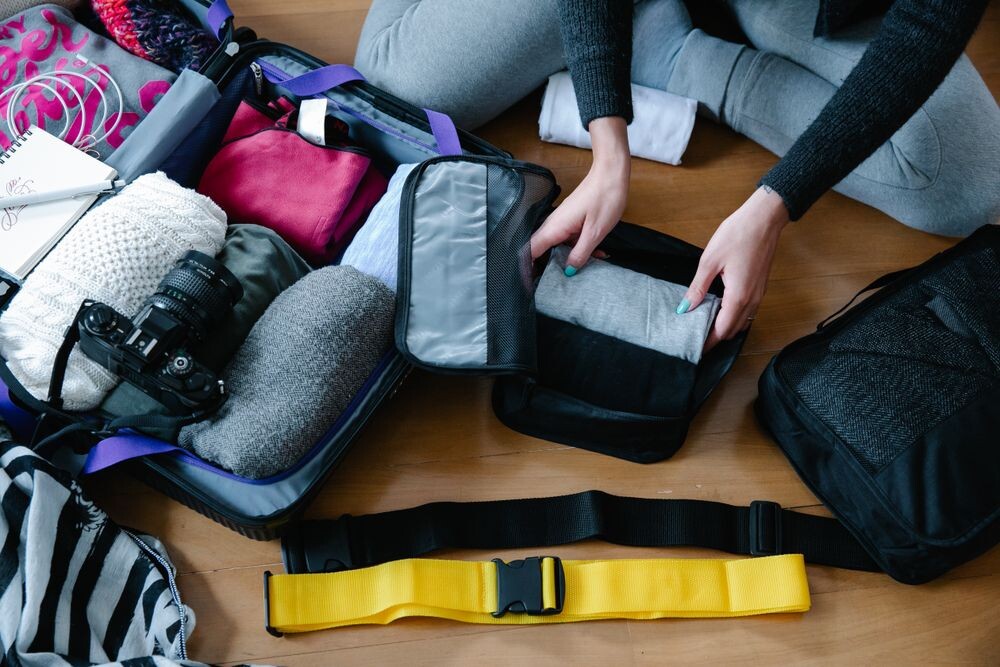
An overfilled bag often feels heavy and hard to search through. Packing with care means choosing items that truly earn a place.
Ask yourself if each item will help today. If not, leave it out and enjoy the extra space. This habit costs nothing and can make your bag feel lighter, cleaner, and more useful.
You may be surprised by how much calmer a simpler bag feels. It can also make your favorite items stand out instead of hiding under clutter. Minimal packing is a trend because it looks neat and saves time.
Try keeping a small list of your must-haves. That list can stop you from adding random extras. A focused bag often works better than a stuffed one.
11. Make a Charging Zone

Chargers, cords, and power banks can turn into a tangled nest fast. A charging zone keeps them together in one smart place.
Use a slim pouch or cable wrap so the cords stay neat and do not knot up. This setup protects your electronics and saves time when your battery gets low. It also gives your bag a more modern, tech-friendly feel.
Some people like clear cases for their charging gear because they can see the cable ends right away. Others prefer soft pouches with a little padding. Either way, the goal is the same: quick access and less mess.
If you use the same charger every day, keep it in the same pocket every time. That habit makes packing faster and easier. It also helps you notice when a cord is wearing out before it fails.
12. Keep Snacks in a Separate Spot
Snacks can be a lifesaver, but crumbs can be a problem. A separate snack spot keeps food neat and stops smells from mixing with other items.
Use a sealed container or zip pouch for dry snacks like crackers, nuts, or fruit bars. This choice keeps the bag cleaner and makes the snack easy to grab on the go. It is also a smart money saver because you can pack food from home instead of buying it outside.
Choose containers that fit your bag shape so they do not waste room. Flat snack boxes are great for slim bags, while small round ones work well in larger totes. A little planning can make snack time feel much more pleasant.
If you like variety, prep a few snack packs at once. That way, you can swap them out quickly during the week. It is a simple trick that keeps your bag ready and fresh.
13. Use a Dedicated Spot for Important Papers
Important papers should never float loose in a bag. A dedicated spot keeps them flat, safe, and easy to find when needed.
Use a folder, envelope, or slim document sleeve for forms, tickets, and notes. This keeps them from getting bent or lost under other items. A clean paper section also gives your bag a more polished look.
Label the sleeve if you carry different kinds of papers. You might have one for school, one for work, and one for travel. This makes the bag feel personal and helps you stay ready for busy days.
If you want a low-cost option, a simple plastic folder works well. If you want something nicer, choose a sturdy sleeve with a snap closure. Either way, your papers stay safer and your bag stays calmer.
14. Put Daily Essentials in the Top Pocket

The top pocket is prime space because it is easy to reach. It should hold the things you use the most, like keys, gum, a phone, or a transit card.
When essentials live at the top, you waste less time searching. You also avoid opening the whole bag every few minutes, which helps keep the inside neat. This is a small change that can make a bag feel much more thoughtful.
Try keeping the same items there every day so your hand learns the pattern. That memory makes packing and unpacking quick. It also gives your bag a simple rhythm that feels easy to keep up.
If your bag has a soft lining, use a small pouch in the top pocket to protect delicate items. This can help your phone screen or sunglasses stay safe. A top-pocket system is easy, cheap, and very useful.
15. Match Your Bag Inserts to the Bag Shape

Bag inserts can make the inside look crisp and controlled. The best insert fits the shape of the bag instead of fighting against it.
A tall tote may need a narrow insert, while a wide backpack may need a boxier one. Good fit means less shifting, less clutter, and better use of space. It can also make the bag feel more expensive and stylish without a huge price tag.
Some inserts come with pockets, which is great for people who like a built-in system. Others are simple and light, which works well if you want to keep costs down. Pick the style that suits your daily life, not just the prettiest one online.
If you change bags often, choose an insert that moves easily from one bag to another. That saves time and keeps your routine smooth. It is a great way to stay organized without starting over each day.
16. Keep a Spare Space for Unexpected Items
Leaving a little open space in your bag is a smart move. That empty spot gives you room for a surprise item like a gift, a new book, or a wet umbrella.
If every inch is packed tight, the bag can feel stuffed and hard to close. A small gap keeps things flexible and easier to manage. It also makes your bag look less overstuffed, which is a nice visual bonus.
This tip works well for people who like to shop, travel, or carry items for others. You do not need a huge empty area, just enough room to breathe. A bag with a little spare space often feels more useful all day.
Try checking your bag before you leave and removing one extra item if needed. That simple step can create the room you need. It is a quiet way to keep your bag ready for real life.
17. Refresh the Bag on a Set Schedule
Even the neatest bag gets messy after a while. A regular refresh keeps old receipts, crumbs, and unused items from piling up.
Pick a day to empty, wipe, and reset your bag. This habit helps you spot broken pens, empty wrappers, and things you no longer need. It also gives your bag a fresh, cared-for feel that many people enjoy.
Some people do a quick reset each week, while others do it at the end of every month. The best schedule is the one you can keep. A simple routine costs nothing and can save a lot of stress later.
Use the reset time to restock pouches and check that chargers, snacks, and papers are still in good shape. You can even change the setup if your routine has changed. A bag that gets regular care stays easier to use.
18. Add Personal Touches That Still Stay Useful
A bag should work well, but it should also feel like yours. Small personal touches can make it cheerful, easy to spot, and more fun to carry.
Try a charm, key tag, fabric patch, or colorful strap that fits your style. These details can make your bag stand out while still staying practical. Many people like this trend because it adds personality without making the bag messy.
Choose items that do more than look nice. A bright tag can help you find your bag fast, and a soft strap can make carrying more comfortable. When style and function work together, the bag feels special in a very real way.
If you want a low-cost touch, use a ribbon, sticker, or small tag you already have at home. If you want a more polished look, pick one quality accent instead of many tiny extras. A personal detail can make your organized bag feel warm, fresh, and ready for the day.

