Travel can feel out of reach when prices keep climbing. The good news is that smart choices can make every trip feel richer and lighter on your wallet.
1. Choose Destinations That Fit Your Budget

Some places look dreamy but cost far less than famous hotspots. A quiet beach town, a small mountain village, or a mid-sized city can give you bright views and a calmer pace.
Pick a place where your money goes farther, and you may enjoy better meals, nicer rooms, and more local fun. You can also match the trip to your style, like art, nature, food, or history. That makes the whole journey feel personal instead of forced.
2. Travel During Slower Seasons

When crowds thin out, prices often soften too. Streets feel easier to walk, and popular sights look more open and relaxed.
Off-season travel can bring lower rates on hotels, flights, and tours. You may also get more attention from local hosts and shop owners. If your schedule is flexible, this is one of the easiest ways to save.
Try shoulder seasons, which sit between busy and quiet times, for a sweet spot of good weather and fair prices. Pack layers, since cooler months can feel different from the photos online. A little timing can change a costly trip into a smart one.
3. Book Flights With Flexible Dates

Flight prices can swing a lot from one day to the next. A small shift in your travel dates may reveal a much better deal.
Use fare calendars and price alerts to spot cheaper days. Early morning or late-night flights can also cost less, and they often feel less crowded. That can make the airport experience smoother and less stressful.
If you can adjust your plans by a day or two, you may save enough for meals or a fun outing. Some travelers even build the trip around the cheapest flight, then shape the rest of the plan around that. It is a simple habit with a big payoff.
4. Pack Light and Skip Extra Fees

A small bag can save more than just money. It can also make moving through stations, sidewalks, and hotel lobbies much easier.
Many airlines charge for checked bags, and those fees add up fast. A carry-on with smart packing cubes, mix-and-match clothes, and tiny toiletries can keep your trip neat and cheap. You spend less time waiting and more time enjoying the road.
Think about what you truly wear, not what you wish you might wear. A few flexible outfits work better than a suitcase full of maybes. This low-cost habit is popular with modern travelers who want less hassle and more freedom.
5. Stay in Places With Kitchens

Food can eat a big chunk of a travel budget. A kitchen gives you a chance to make simple breakfasts, snacks, and even one or two full meals.
Look for apartments, guesthouses, or hostels with cooking space. A room with a fridge and microwave can already help a lot. You may find local markets nearby, which adds a fun and colorful part to the trip.
This choice works well for families, long stays, and anyone who likes a slower pace. You can try local ingredients without paying restaurant prices every time. It is practical, personal, and often more comfortable than eating out all day.
6. Use Public Transit Like a Local

Buses, trains, and trams often cost far less than taxis or ride-shares. They also let you see the city in a more real and lively way.
Buy day passes or transit cards if they fit your route. Many cities now have clear transit apps that show maps, times, and fare details. That makes it easier to move around without guessing.
Public transit can feel like a tiny adventure on its own. You may pass markets, parks, and neighborhoods you would miss in a car. For budget travel, that is a smart and colorful win.
7. Eat Where Locals Eat

Tourist streets often charge more for smaller portions and average food. A few blocks away, the same meal can taste better and cost less.
Look for busy lunch spots, family-run cafes, and market stalls with a steady line. Fresh bread, noodle bowls, rice plates, and soup shops are often kind to your budget. They also give you a stronger feel for the place.
Ask hotel staff, shop owners, or local guides where they eat on a normal day. That simple question can lead you to hidden gems with great flavor. You save money and get a more honest taste of the city.
8. Plan Free and Low-Cost Activities

Many of the best travel moments cost very little. A sunset walk, a public garden, a street performance, or a free museum day can feel special.
Search for city passes, free walking routes, and community events before you go. Parks, beaches, temples, and historic squares often offer a lot without a ticket. This keeps your days full without draining your funds.
Mix one paid activity with a few free ones to keep the trip balanced. That way, you still enjoy a treat without spending all day on entry fees. It is a simple way to make the trip feel rich in memories, not just expenses.
9. Set a Daily Spending Limit

A daily limit can keep small buys from growing into a big problem. It gives your trip a clear shape and helps you stay calm.
Break your budget into food, transport, fun, and extras. Use a notes app or a tiny notebook to track your spending as you go. Seeing the numbers early makes it easier to adjust before things get tight.
You can also give yourself a little fun money each day so the plan does not feel strict. That makes room for an ice cream, a postcard, or a local snack. Personal budgets work best when they still leave space for joy.
10. Travel With a Friend or Small Group

Sharing costs can make a trip much easier to handle. A room, a rental car, or even a meal often costs less per person when split.
Group travel also adds safety, company, and more eyes on good deals. One person can find the hotel, another can plan transit, and someone else can spot a discount. Teamwork can make the trip smoother and cheaper.
Pick travel partners with similar habits so money choices stay simple. Talk early about budgets, meal plans, and spending style. When everyone is on the same page, the trip feels more relaxed and fair.
11. Use Reward Points and Travel Cards Wisely
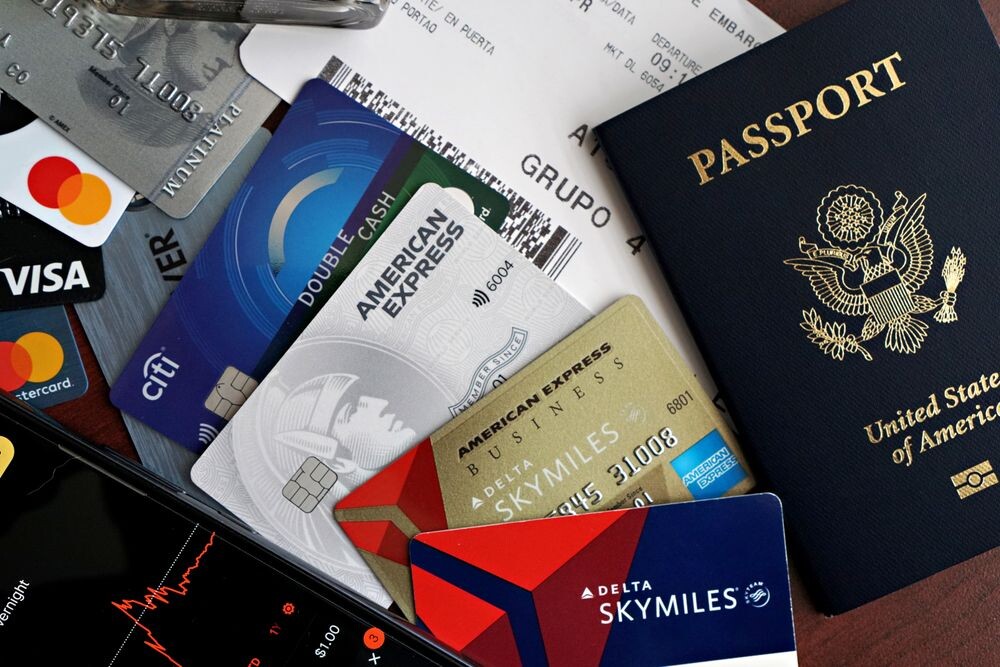
Points and miles can stretch your budget if you use them with care. They may cover flights, hotel nights, or small extras that would otherwise cost cash.
Choose cards or programs that match how you already spend, not ones that tempt you into buying more. Watch for annual fees, blackout dates, and rules that make rewards harder to use. A good rewards plan should feel simple, not stressful.
Many travelers now pair one main card with a savings habit for travel. That keeps the system tidy and easy to follow. If you like planning, this can be a neat way to turn normal spending into future trips.
12. Book Direct When It Makes Sense

Third-party sites can be helpful, but direct booking sometimes brings better support and clearer rules. If plans change, it is often easier to deal with the hotel or airline itself.
Some places offer direct-booking perks like free breakfast, room upgrades, or flexible changes. Those extras can save money in sneaky ways. The room may also feel more personal when the property knows you booked with them.
Check both options before you buy, since the cheapest rate is not always the best value. A slightly higher price can be worth it if it includes useful benefits. Smart travelers look at the full picture, not just the first number.
13. Stay Longer in One Place

Moving less can lower transport costs and reduce tired, rushed days. A slower trip often feels more peaceful and much more local.
Weekly or monthly stays may come with lower prices than short visits. You can unpack, settle in, and shop more carefully instead of buying things again and again. That can help your budget and your comfort at the same time.
Longer stays also make it easier to find the best bakery, park, or corner store. You start to know the area, which adds a warm and unique feeling to the trip. This style fits current slow-travel trends very well.
14. Shop at Markets and Grocery Stores

Local markets can be bright, busy, and full of color. They also help you save on snacks, drinks, fruit, and simple meal items.
Grocery stores are great for breakfast foods, picnic supplies, and travel essentials. A loaf of bread, cheese, fruit, and yogurt can cost much less than a cafe stop. You can still enjoy one special meal out without paying for every bite.
Try to buy a few local treats so the experience feels fun, not frugal. Fresh berries, regional bread, or a small dessert can add charm to your day. This approach keeps the trip tasty and budget-friendly.
15. Walk More and Ride Less

Walking costs nothing and shows you the small details people miss from a car window. You notice murals, shop signs, flowers, and the rhythm of daily life.
Many cities are more beautiful on foot than from behind a taxi door. Comfortable shoes, a simple map, and a little patience can lead to great surprises. You may find a hidden cafe or a quiet view that was never on your list.
Walking also helps you decide where to spend money and where to skip it. If a place feels too far or too costly, you can choose a closer option. That kind of freedom is part of smart travel.
16. Look for Bundle Deals

Bundles can combine flight, hotel, and sometimes car rental at a lower price. They are especially handy when you want a simple plan without too much searching.
Compare the bundle price with separate bookings before you buy. Some packages look cheap at first but hide fees or weak hotel choices. A good bundle should save money and still fit your comfort level.
Families and busy travelers often like bundles because they reduce planning time. You can also pick a package that matches your style, like beach days, city breaks, or nature stays. The right bundle feels easy and still leaves room for personal touches.
17. Bring Reusable Travel Basics

Small reusable items can save money again and again. A water bottle, shopping bag, snack container, and travel mug all help cut repeat costs.
Refilling water and carrying your own bag can reduce impulse buys. Many places now support eco-friendly habits, so this choice fits a current travel trend too. It is a simple way to be kind to your budget and the planet.
Choose items that are light, sturdy, and easy to clean. That makes them more useful on long days and in different kinds of weather. A few well-chosen basics can quietly save a lot over time.
18. Keep a Little Space for Surprise Savings

Some of the best budget wins happen when you leave room to adjust. A flexible plan lets you switch a fancy dinner for a picnic or choose a cheaper tour if one appears.
Watch local boards, hotel notices, and travel apps for last-minute deals. A rain-free afternoon may open up a free event, or a museum may offer a discount hour. Being open to small changes can make the trip feel fresh and lively.
Personalize this idea by choosing the kind of surprises you enjoy most, like snacks, views, or hands-on activities. That way, your savings do not feel random; they feel chosen. A little flexibility can make a modest budget feel much bigger.