The road feels easier when you know a few smart tricks. Small choices can turn a trip from messy to smooth.
1. Pack Light and Pack Smart
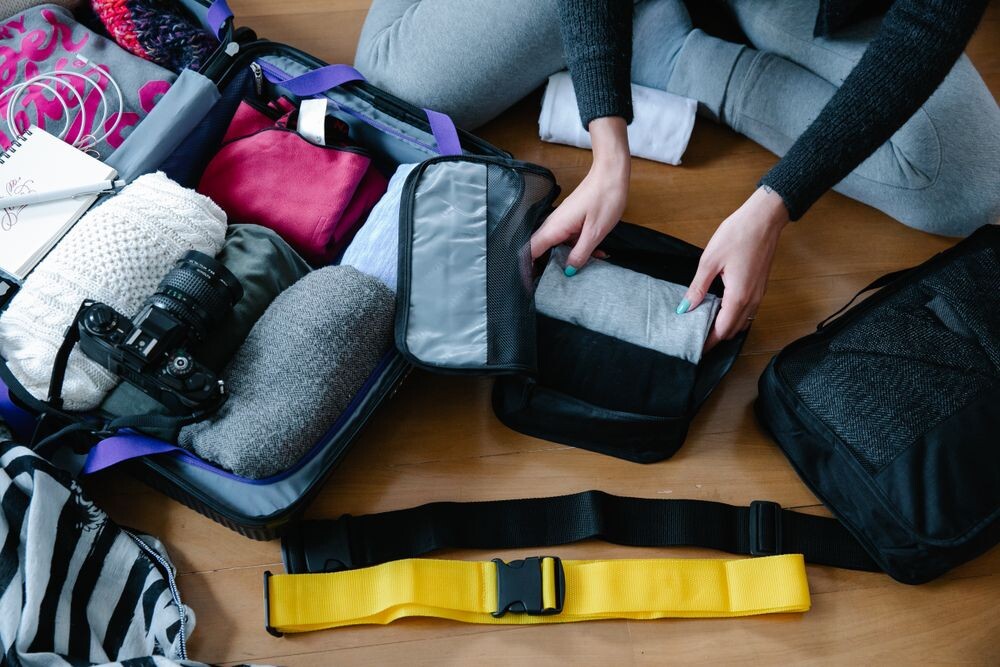
A small bag can feel like a quiet superpower at the airport, on a train, or while walking through a busy street. It leaves your hands free and your mind calm.
Choose clothes in colors that mix well, so each piece can work with many others. Roll soft items to save space, and place shoes near the bottom so the bag stays neat. This simple habit can cut baggage fees and make moving around much easier.
2. Keep Important Items in One Easy Spot
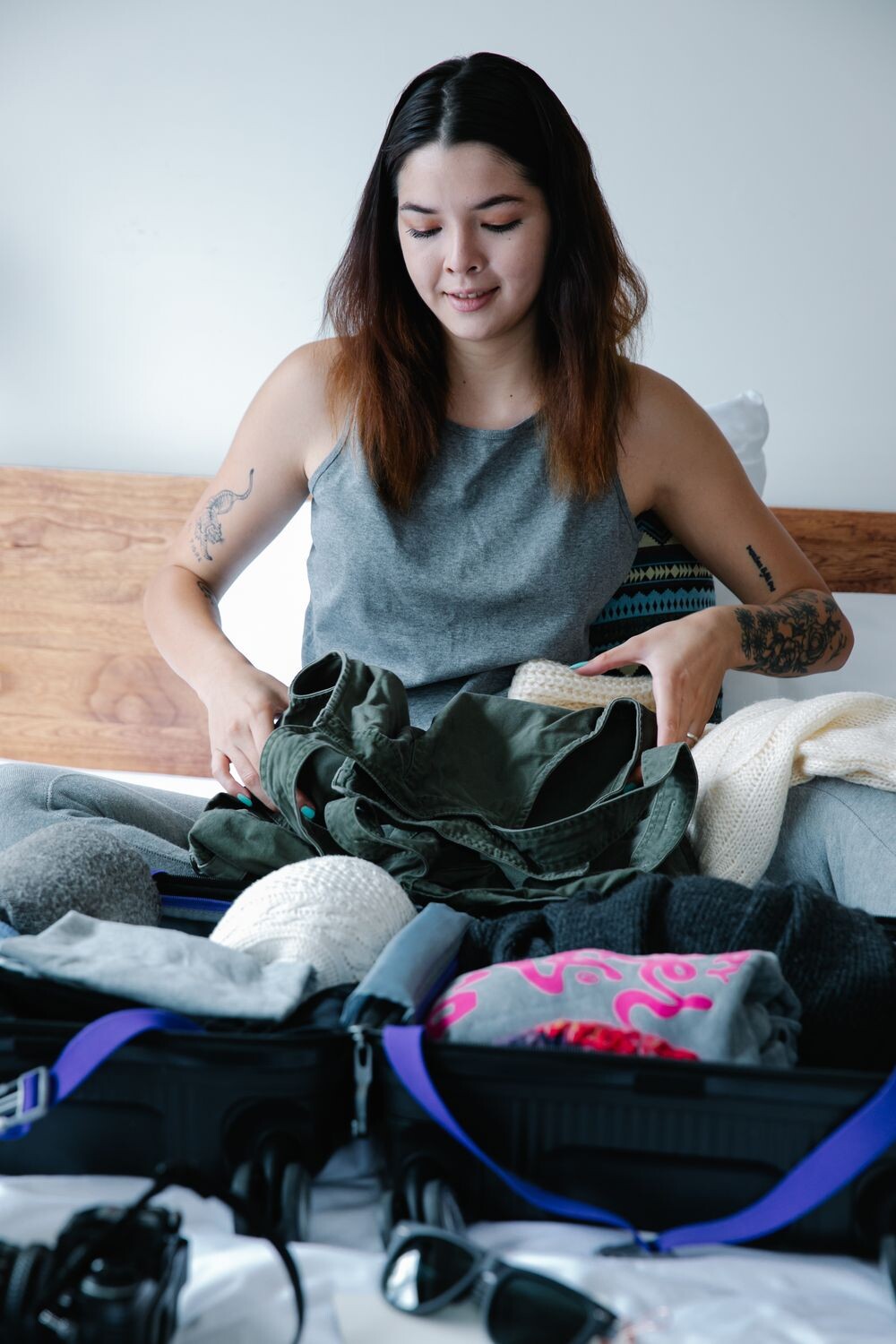
Your passport, phone, wallet, and tickets should live in a safe place you can reach fast. A slim pouch, neck pouch, or small crossbody bag can help a lot.
This idea saves time and lowers stress when lines get long. It also gives your trip a more polished feel, since you are not digging through every pocket. Many travelers now like anti-theft bags with hidden zippers, which can be a smart pick if you want extra peace of mind.
Pick a style that matches your look and your comfort level. Some people like bright bags so they can spot them quickly, while others prefer plain ones that blend in. A little personal choice here can make daily travel feel smoother and safer.
3. Learn a Few Local Words
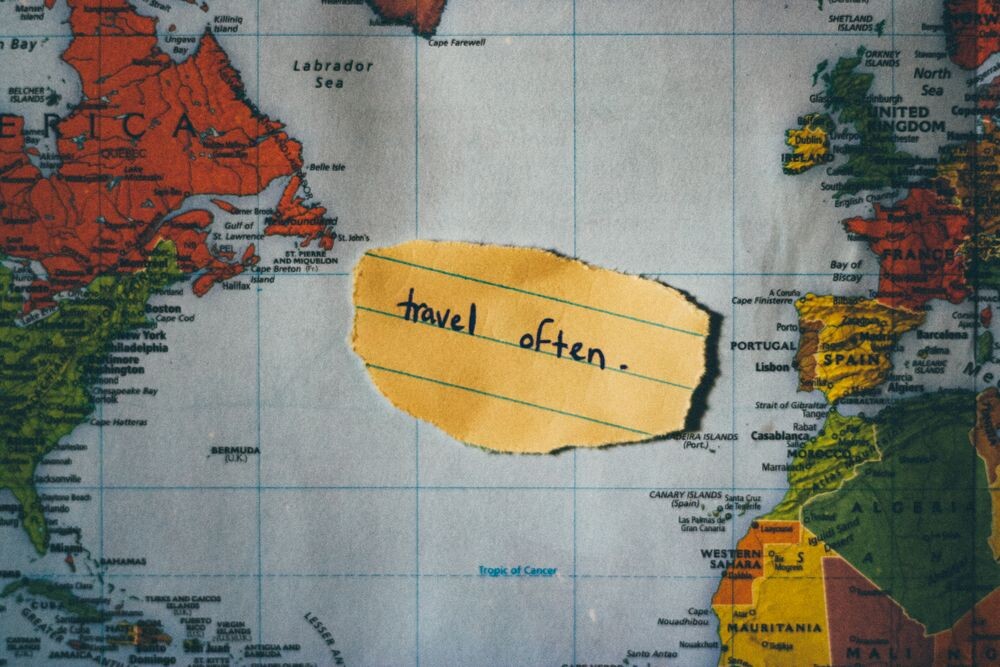
A warm greeting in the local language can open doors and smiles. Even a short phrase can make a place feel friendlier right away.
Start with simple words like hello, please, thank you, and excuse me. These help with food, directions, and small talks with shop workers. If you want, write them on a note card or save them in your phone for quick practice.
This small effort can also help with costs, since people may be more willing to guide you to fair prices or local spots. It adds a personal touch that feels respectful and kind. In many places, travelers who try the language often get a warmer welcome.
4. Keep a Flexible Plan
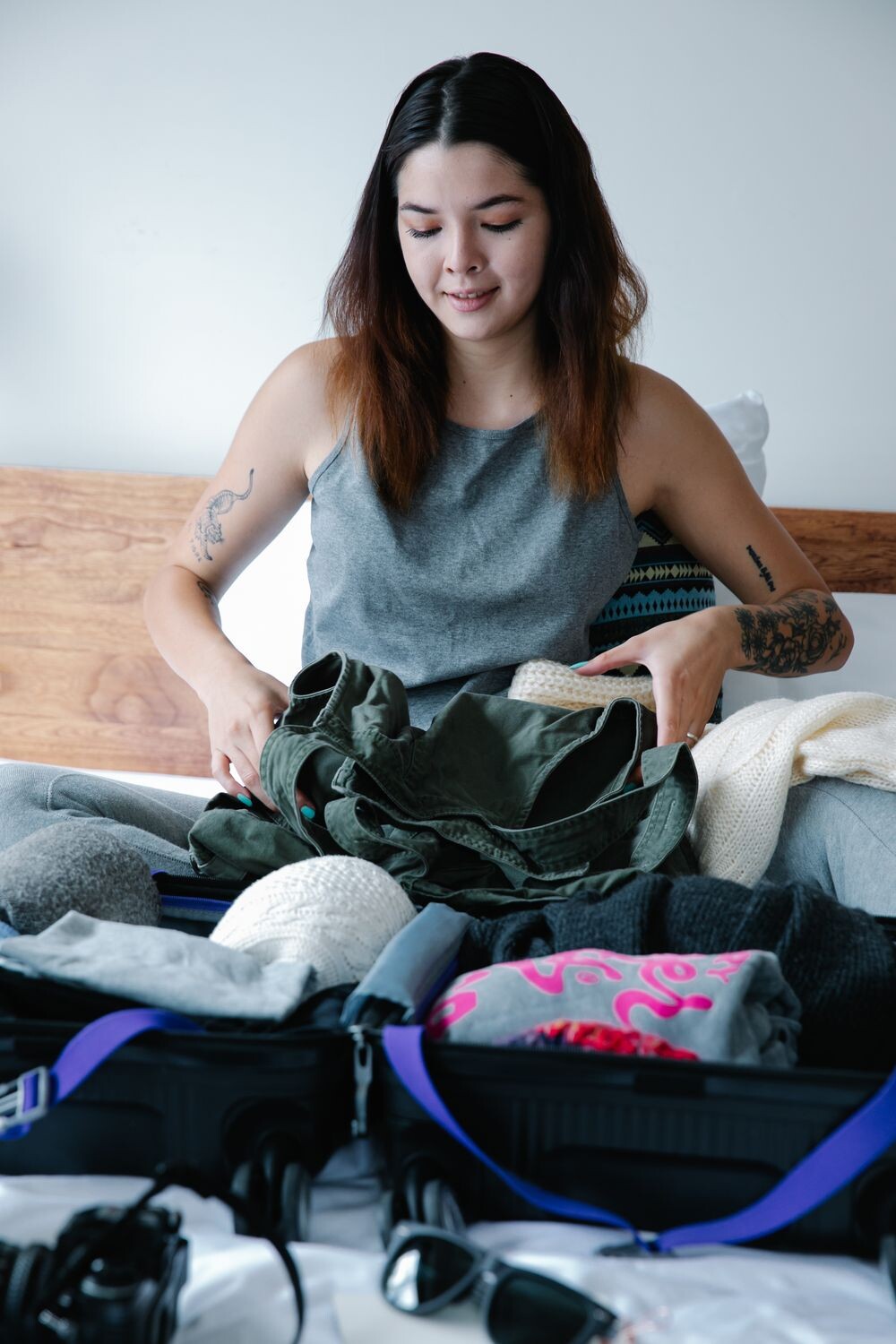
A good trip plan is more like a gentle map than a tight rule book. It gives you a direction without boxing you in.
Leave room for slow mornings, surprise stops, and weather changes. This can help you avoid stress if a museum closes or a bus runs late. Flexible plans also fit current travel trends, since many people now prefer less rushed and more relaxed trips.
5. Use Offline Maps and Saved Notes
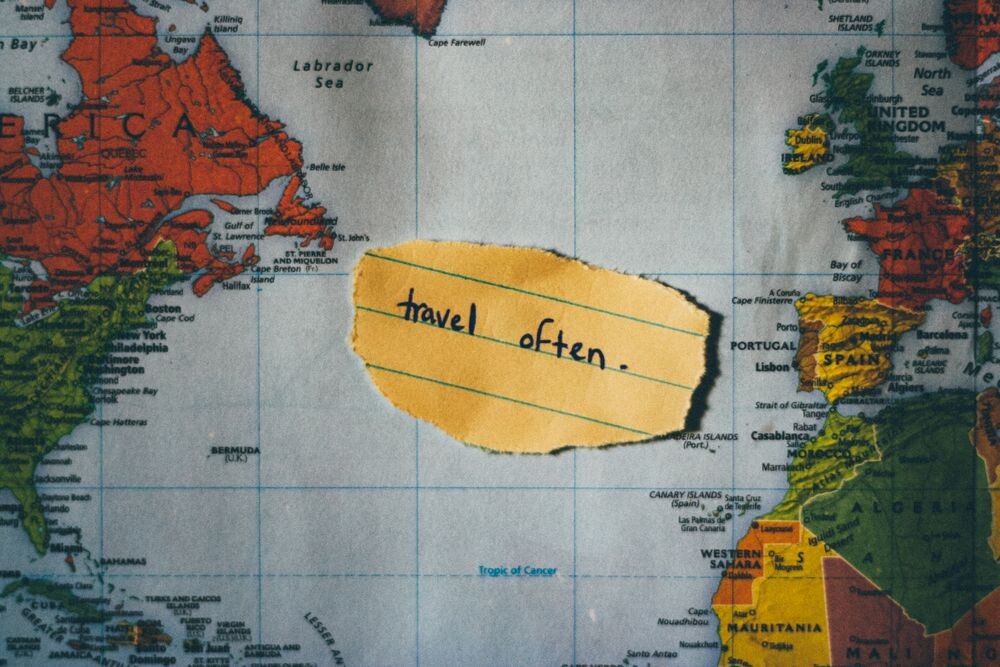
A screen with a clear map can feel like a tiny guide in your pocket. It is especially helpful when signs are hard to read or the internet is weak.
Save your hotel, main sights, and favorite food spots before you head out. You can also keep notes with address details, booking codes, and emergency contacts. This can save money on roaming charges and help you move with more confidence.
Try marking places by color, such as food in one shade and transport in another. That makes your phone feel organized and personal. It also helps you spot the right place fast when you are tired or in a crowd.
6. Learn How to Rest on the Move
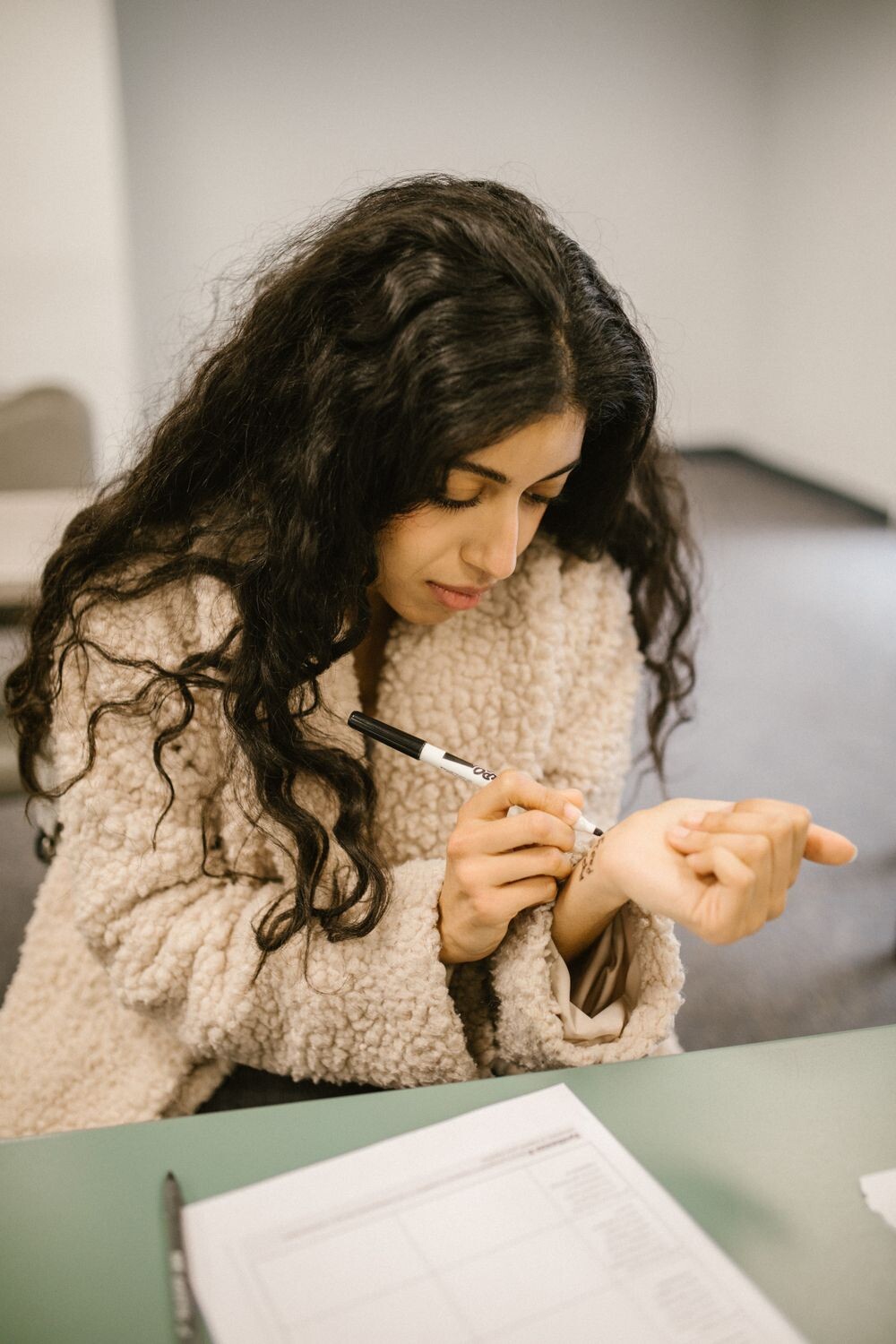
Travel days can be long, and tired people make more mistakes. A little rest can keep your mood bright and your body steady.
Bring a neck pillow, eye mask, or light scarf if you expect a long ride. Pick seats with a view if that helps you feel calm, or choose an aisle if you like to move around. These small choices can improve comfort without adding much cost.
Some travelers now use calm music, breathing apps, or short stretch breaks to feel better. You can make the routine your own by choosing what feels soothing. A rested traveler often enjoys the place more once they arrive.
7. Watch Your Budget Every Day
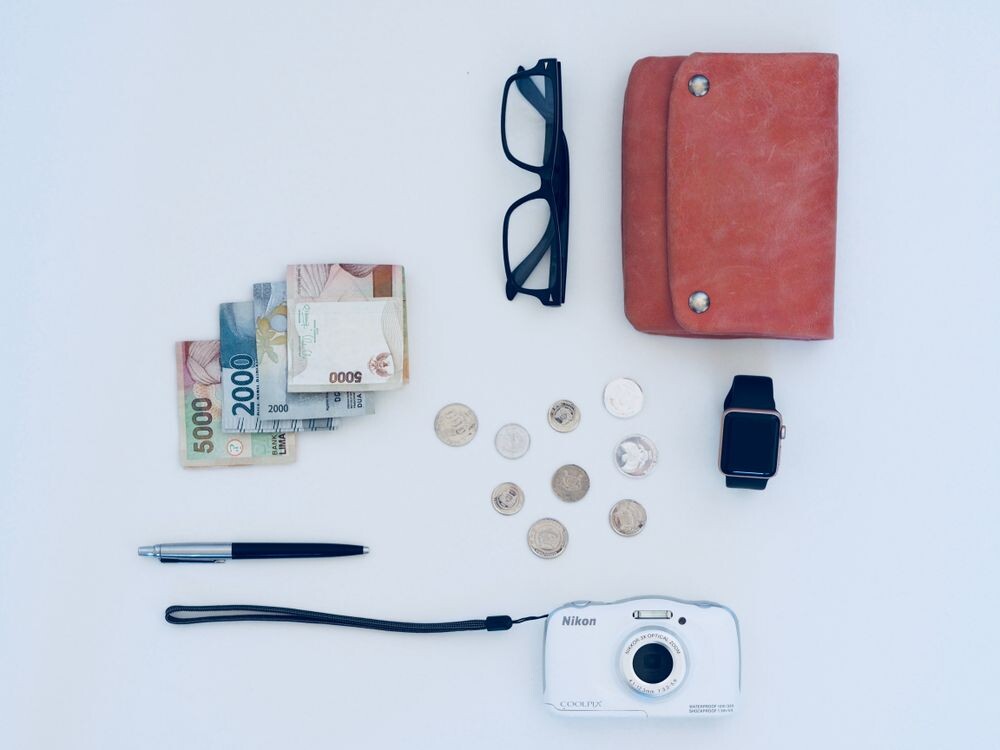
Money can slip away fast when snacks, rides, and small souvenirs add up. A simple budget helps you stay in control without ruining the fun.
Set a daily limit for food, transport, and extras before you leave your room. Use a notes app or a tiny notebook to track what you spend. This makes it easier to see where your money goes and where you can save.
You can also look for free walking paths, public parks, and local markets that cost less than big tourist stops. Many travelers enjoy mixing one paid activity with one low-cost one. That balance keeps the trip exciting and friendly to your wallet.
8. Choose Food with Care
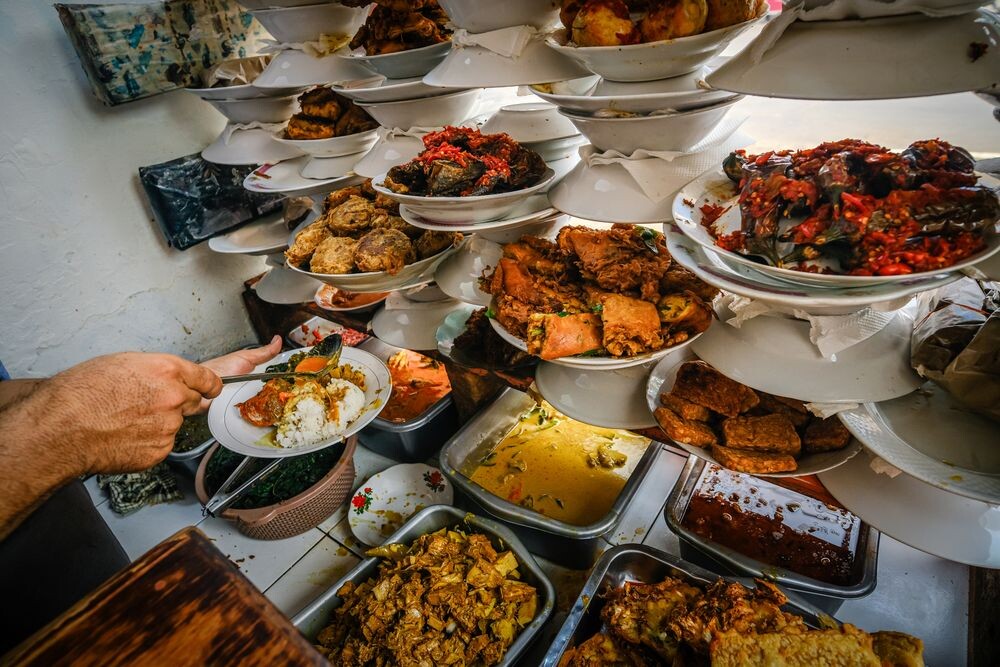
Food can be one of the best parts of a trip because it tells a story about the place. Bright market stalls, warm bread, and colorful fruit can make a street look alive.
Try local dishes, but pay attention to clean places and fresh ingredients. If your stomach is sensitive, start with smaller portions and keep water nearby. This can help you enjoy the flavor without spoiling the day.
Ask locals where they eat, since those places are often tasty and fair in price. You can also match your food choices to your own needs, like spicy, mild, veggie, or gluten-free meals. A little planning here can make every bite feel more personal and safe.
9. Stay Aware of Your Surroundings
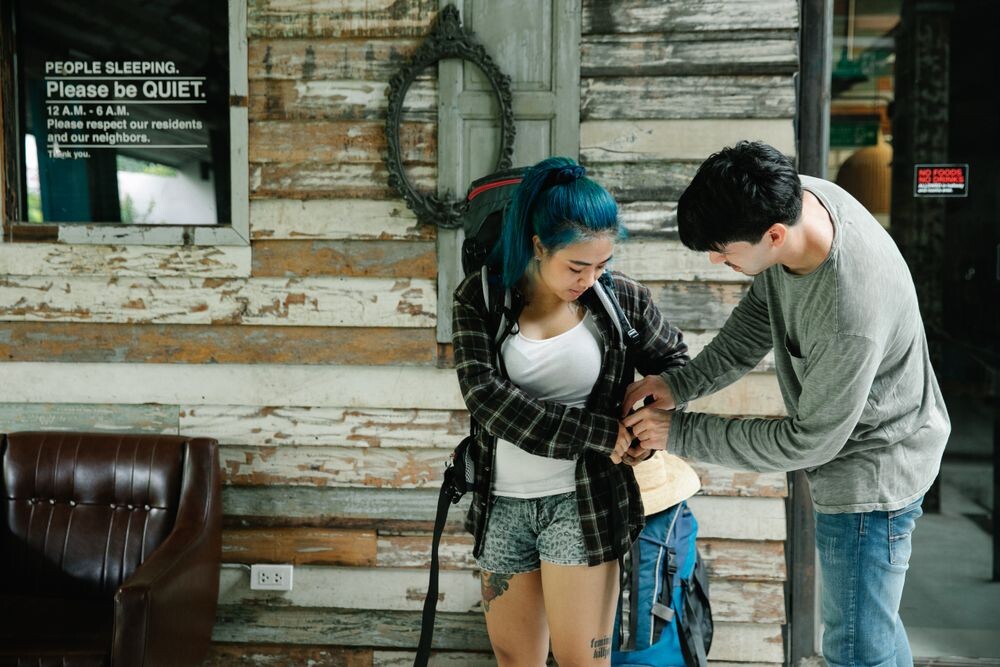
Busy places can be exciting, but they can also be tricky. A traveler who stays alert can move with more ease and less worry.
Keep your bag zipped, watch your phone, and notice who is near you. It helps to pause before taking out cash in a crowd. These habits are simple, yet they can prevent a lot of trouble.
Try to walk with purpose, even if you are checking a map. That small habit can make you seem more confident and less like a lost target. Many travelers also use plain bags and low-key clothing for a safer, calmer look.
10. Keep Copies of Important Documents
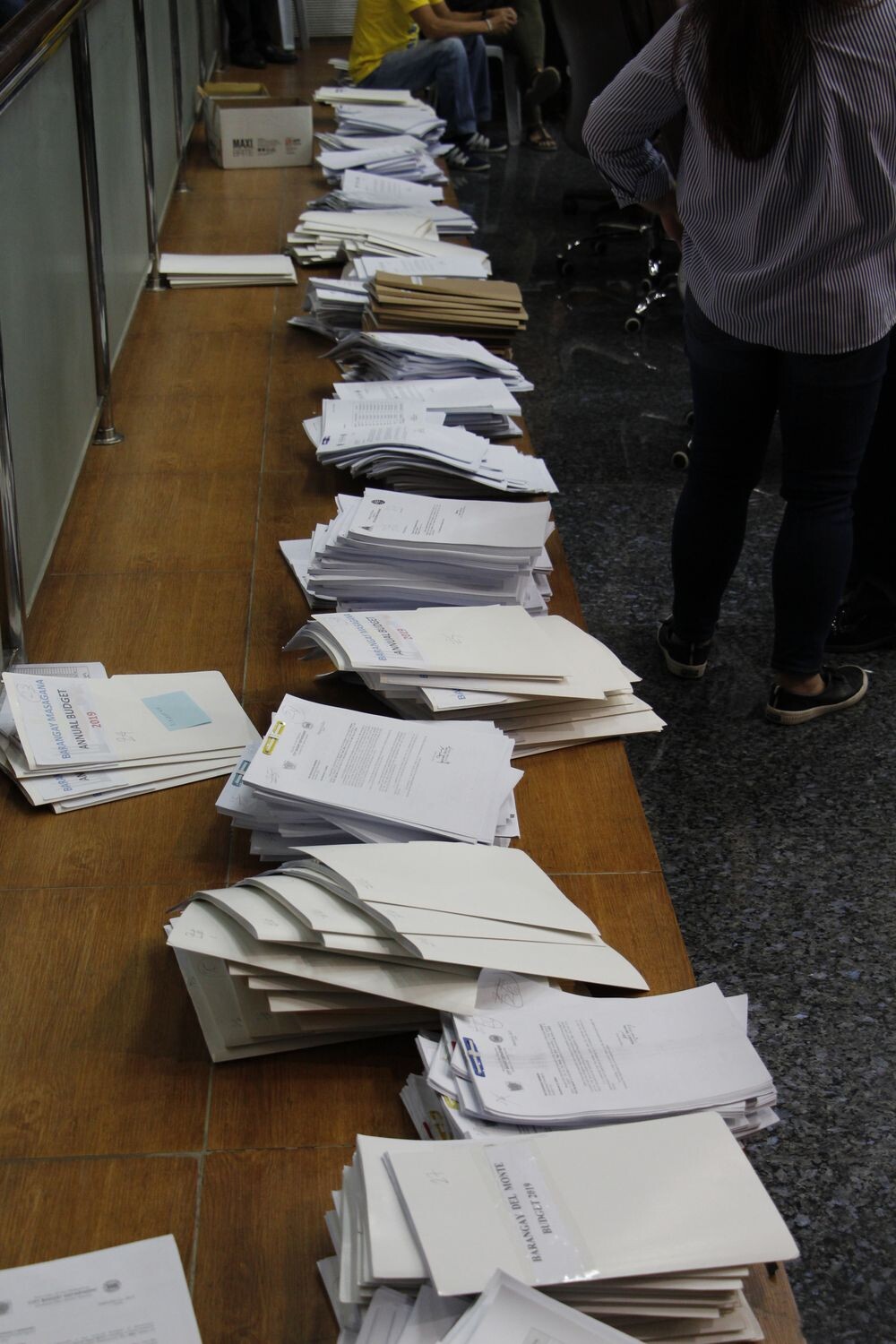
Losing a passport or booking paper can feel scary, but backups can soften the blow. A few copies can save time when you need help fast.
Store paper copies in one bag and digital copies in a secure cloud folder or email. Include your ID, passport, insurance, and hotel details. This can make a big difference if your phone dies or your bag gets misplaced.
You can even label the copies by trip, so they are easy to find later. That little bit of order feels good and can reduce panic in a hard moment. It is a low-cost habit with a big payoff.
11. Dress for the Place and the Weather
Clothes can change how you feel and how people see you. A good outfit keeps you comfy and helps you fit in better.
Check the weather before you pack, and bring layers for cool mornings or rainy evenings. In some places, modest clothing is the kind choice, especially at temples or formal sites. This can help you avoid awkward moments and extra spending on last-minute clothes.
Pick items that dry fast and do not wrinkle too much, since those are easier on the road. Some travelers like neutral outfits because they mix well and look neat in photos. You can still show your style with a scarf, hat, or bright shoes.
12. Use Public Transport When It Makes Sense
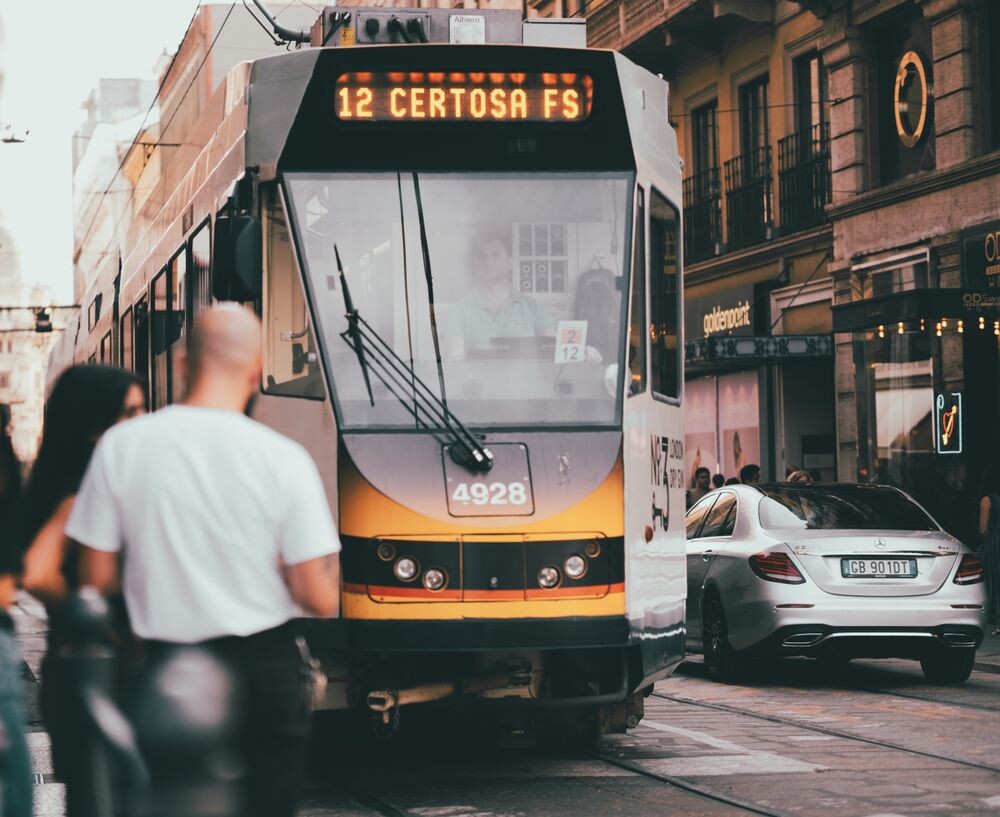
Buses, trains, and subways can show you a city in a real and lively way. You see local life up close, not just the tourist side.
Public transport is often cheaper than taxis and can be faster in crowded places. Learn the basic routes before you go, and keep a small amount of cash or a travel card ready. This saves both money and time.
If you enjoy people-watching, this can be one of the most fun parts of a trip. You may notice fashion, music, and daily habits that you would miss in a car. It gives your journey a richer feel and often makes a city seem more human.
13. Make Time for Slow Moments
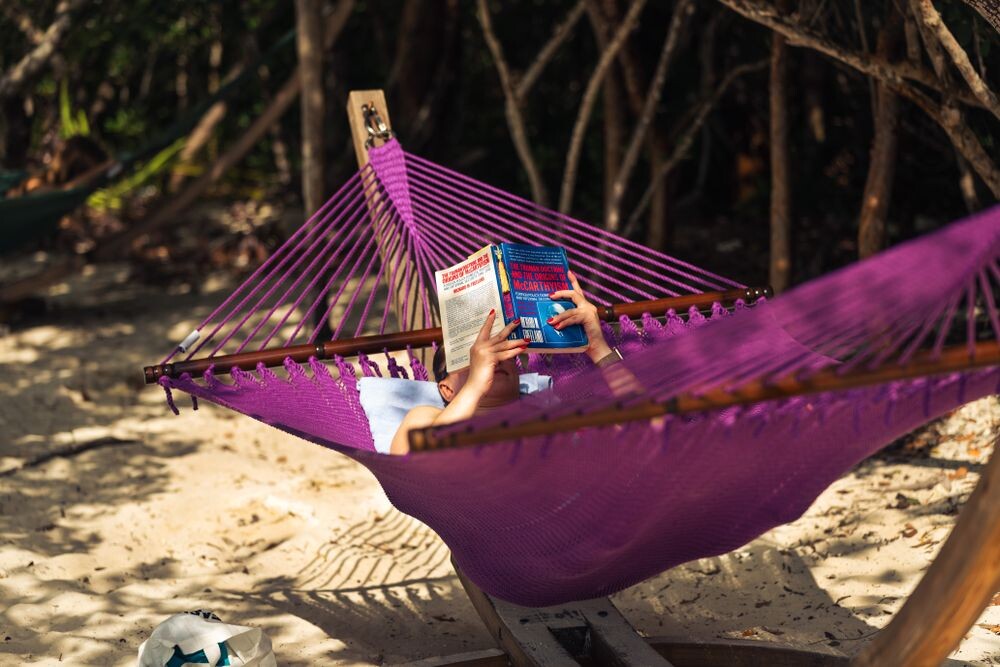
Not every good memory comes from a famous place. Sometimes the best parts are a quiet bench, a street musician, or a sunny corner cafe.
Leave room in your day for nothing in particular. Those open spaces can help you notice little things like flowers on windows, old doors, or the smell of fresh bread. They also lower stress and keep the trip from feeling packed too full.
Many travelers now like slower trips because they feel more real and less tiring. You can personalize this by choosing one slow stop each day, like a park, market, or waterfront. That simple habit can make your trip feel richer without costing much.
14. Keep a Small Health Kit
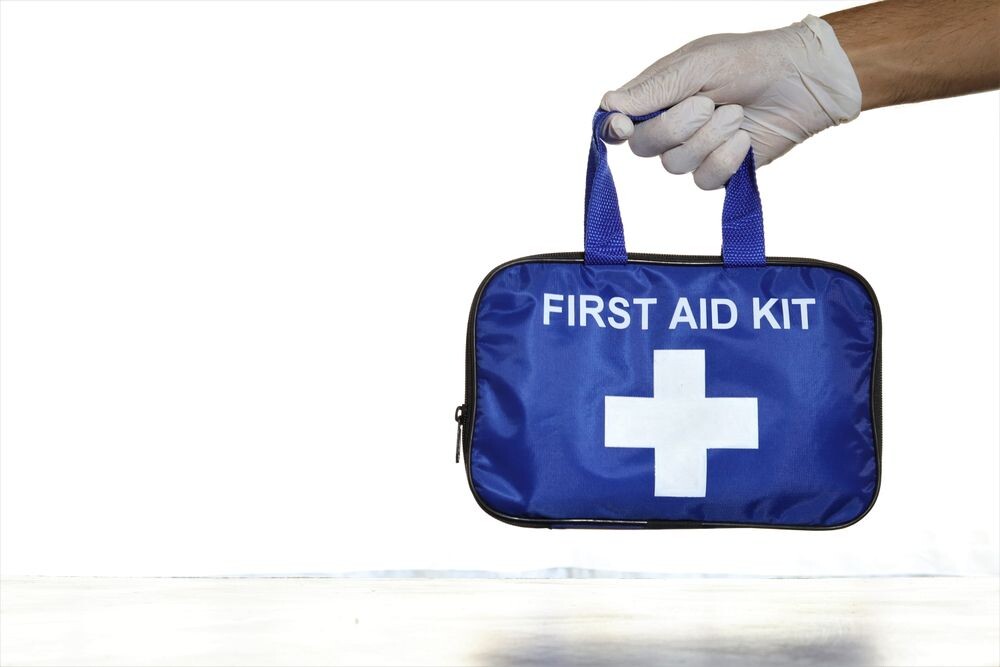
A tiny health kit can be a quiet hero in your bag. It helps when you get a headache, scratch your hand, or feel a little sick.
Pack basic items like bandages, pain relief, hand wipes, and any personal medicine you need. Add sunscreen and bug spray if your trip calls for them. This can save money because you will not need to hunt for a store in a rush.
Put the kit in a pouch that is easy to spot, so you can grab it fast. Some travelers also add tea bags, gum, or electrolyte packets for comfort. A kit like this feels personal because it is built around your own needs and habits.
15. Be Open to Local Customs
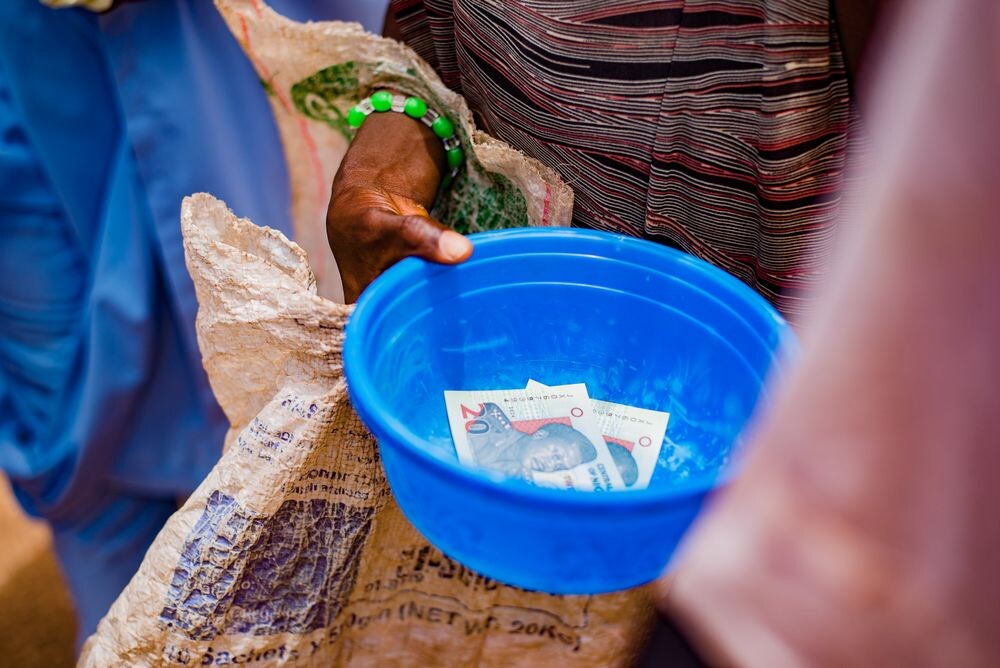
Every place has small habits that shape daily life. Learning them can help you feel welcome instead of awkward.
Watch how people greet each other, stand in line, and speak in public. If you are not sure what to do, a polite smile and a calm voice go a long way. This kind of care often costs nothing, but it can earn a lot of kindness back.
You can make the experience your own by learning one custom before each trip. That might be taking off shoes, tipping in a certain way, or using both hands for a gift. These little acts show respect and make your visit feel more meaningful.
16. Take Photos with Purpose
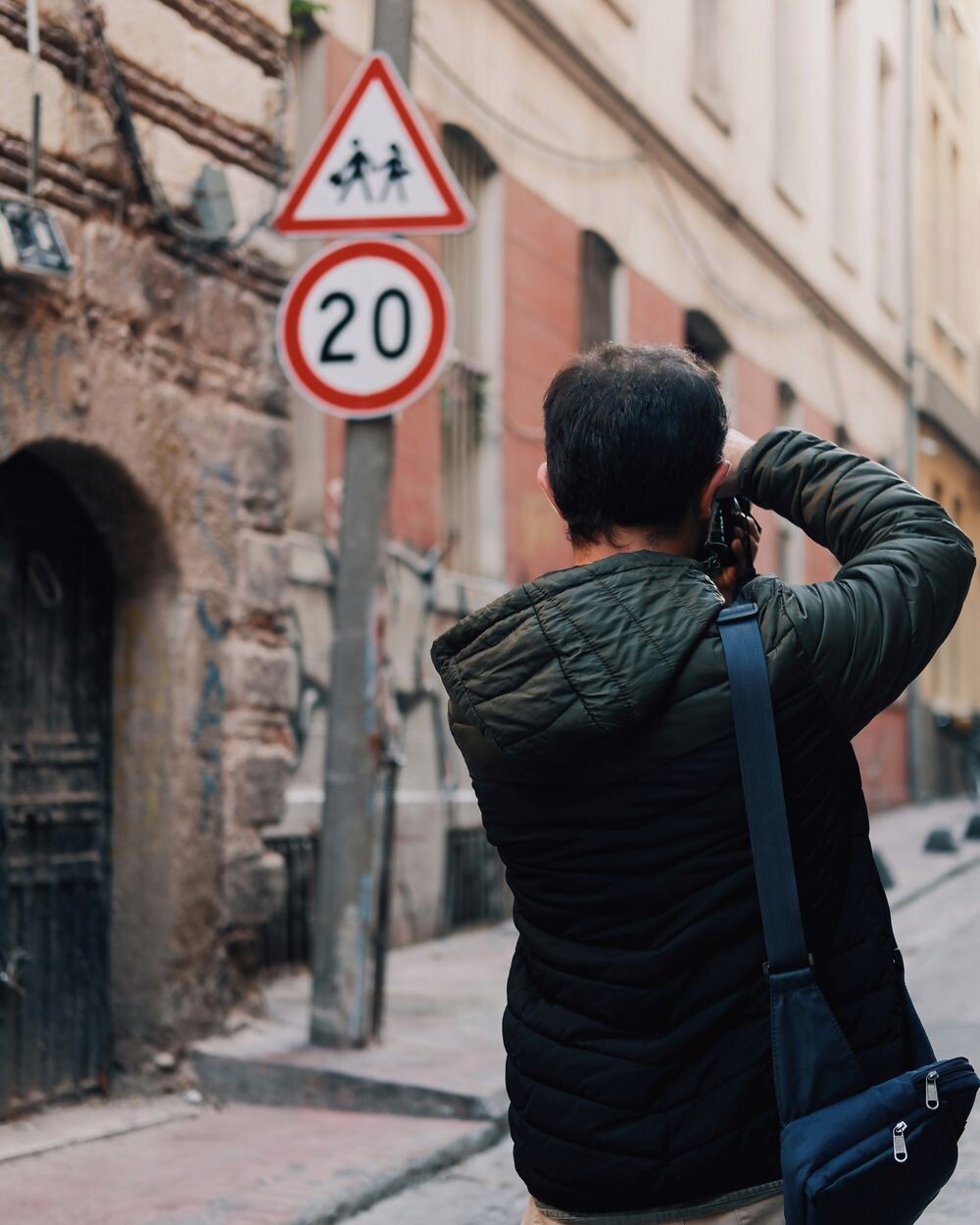
Pictures can help you remember the smell, color, and mood of a place. A good photo can bring a trip back to life later.
Try to take a few wide shots, a few close-ups, and a few people-free scenes. That mix gives you a fuller story than only taking selfies. It also keeps your phone storage under control, which can save you from buying extra data or cloud space.
Current travel trends often favor natural shots over stiff poses, and that can make your album feel more real. You can personalize your photos with a favorite color, a journal note, or a short caption. The goal is not perfection; it is memory with heart.
17. Keep Your Phone Charged
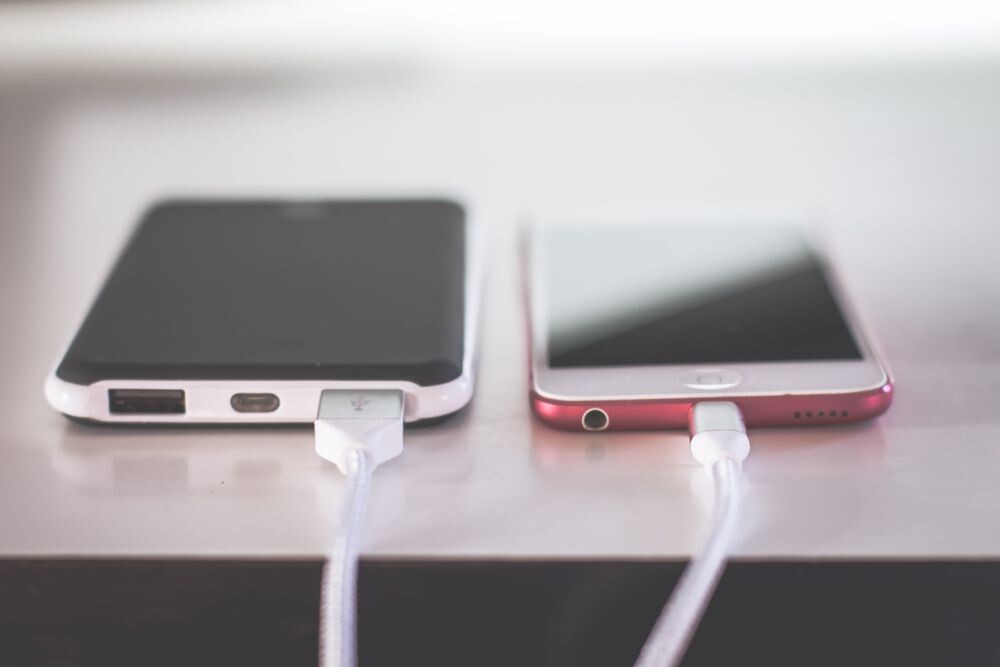
A dead phone can turn a simple day into a hard one. Maps, tickets, and messages often live there now.
Carry a power bank and a charging cable in your day bag. Charge your phone overnight and top it up during meals or rides when you can. This helps you avoid stress and keeps you connected without hunting for a wall plug.
Some travelers choose slim chargers so the bag stays light, while others prefer larger ones for longer days. Pick what fits your trip style and budget. A charged phone can also help you save money by making it easier to compare prices on the go.
18. Talk to Locals with Respect
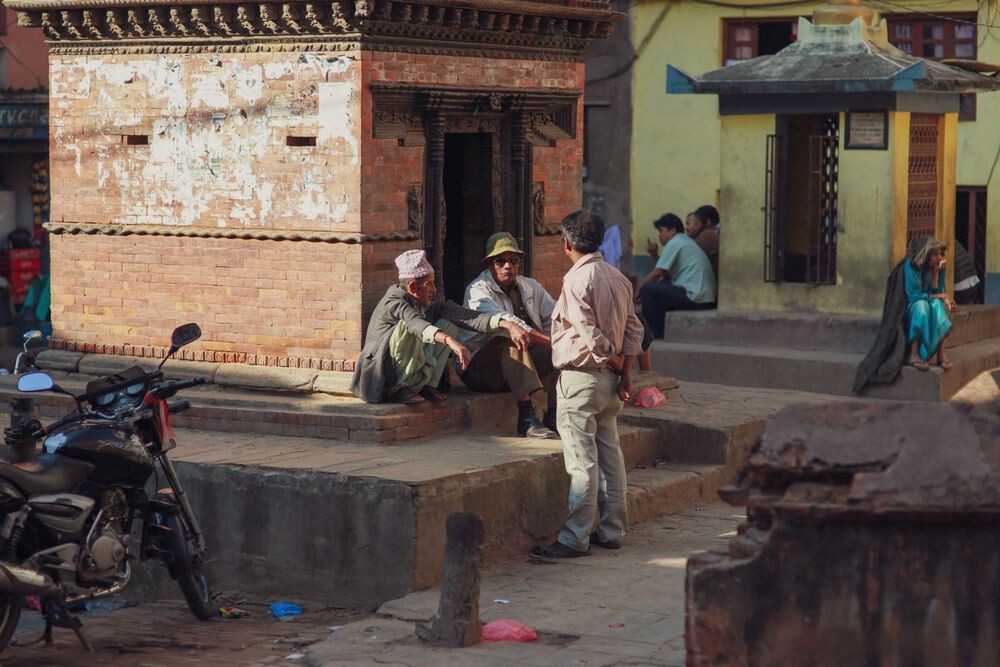
Local people can give the best tips, from hidden food spots to quiet streets. A short chat may lead to the most useful part of your day.
Ask simple, kind questions and listen well to the answer. If someone shares advice, thank them and use it with care. This makes the trip feel more human and often leads to better, less costly choices than guidebook picks.
You can make the chat more personal by asking about favorite meals, weekend plans, or local traditions. That shows real interest, not just tourist curiosity. Many travelers remember these small talks long after the trip ends.
19. Leave Room for Souvenirs
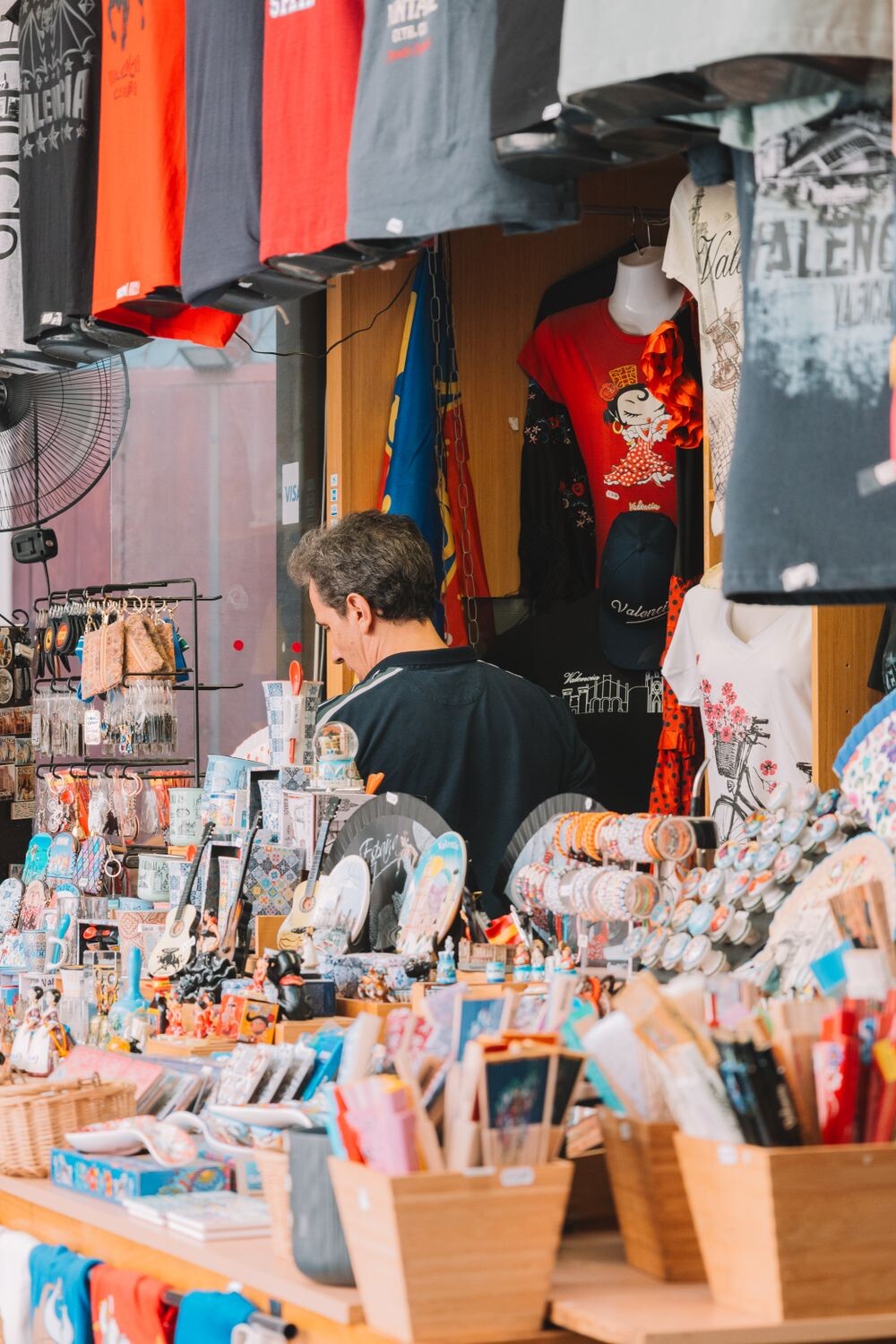
Souvenirs do not need to be big or fancy to matter. A small item can hold a strong memory.
Set aside a little space and money for keepsakes like postcards, spices, magnets, or handmade crafts. Local markets often offer more unique finds than big shops, and prices can be friendlier too. This keeps your bag lighter and your spending more thoughtful.
Try choosing items that remind you of a place in a special way, such as a scent, color, or texture. That makes your collection feel personal instead of random. Trendy souvenir shops may be tempting, but a simple local item often has more heart.
20. Keep a Travel Journal
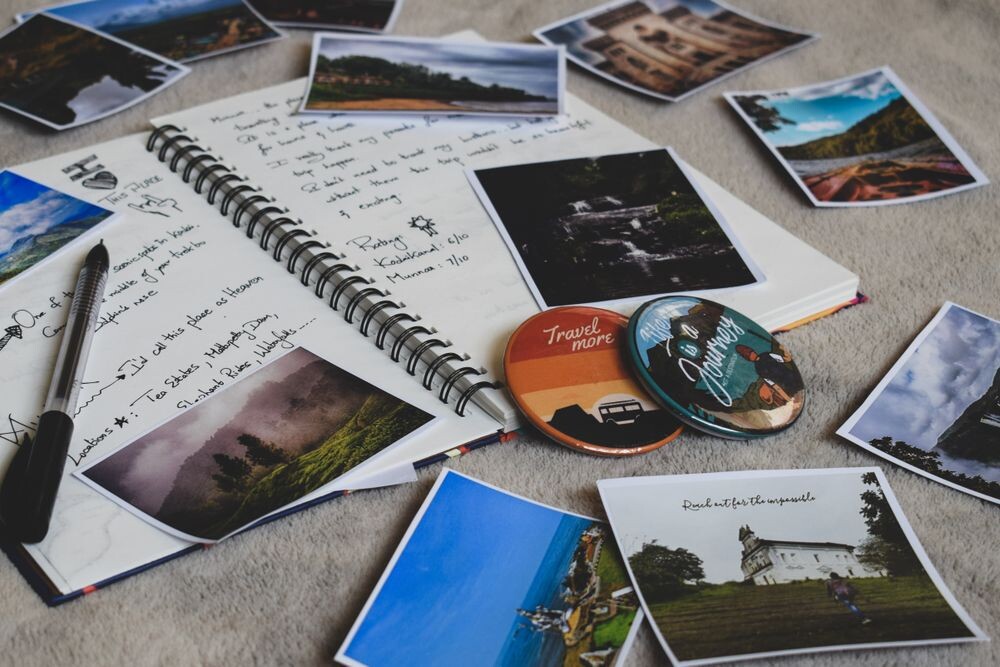
A travel journal can hold the little things that photos miss. It keeps a trip alive in words, sketches, ticket stubs, and quick notes.
Write about what you ate, who helped you, what you heard, and how the air felt. You do not need perfect writing for this to work. A few lines each night can become a treasure later, and the habit costs almost nothing.
Some travelers like plain notebooks, while others use colorful pages, stickers, or digital notes. Pick the style that feels fun and easy, so you will keep using it. Your journal can also help you remember what to do next time, from better packing to smarter spending.