Travel feels exciting before the bags come out. Then the little tasks start to stack up.
1. Start with a simple trip goal
Before you book anything, picture the kind of trip you want. A beach break, a city walk, or a quiet food trip all need different plans.
This first step keeps your choices clear and saves money later. It also helps you avoid spending on things that do not fit your style.
2. Build a small budget early
A travel budget gives your trip a clear shape. It can be as easy as setting limits for food, sleep, rides, and fun.
Use a notes app or a simple sheet so you can see where your money goes. This helps you spot pricey habits before they grow, and it makes room for smart choices like local snacks or free sights.
Many travelers now use budget apps that track costs in real time. You can also make your trip feel more personal by saving more for the parts you love most, like art, hiking, or special meals.
3. Pick the best time to go

The same place can feel very different in another season. A sunny beach may feel crowded in peak months, while a city can be calmer and cheaper at other times.
Check weather, school breaks, and local events before you lock in dates. This can help you find lower prices and better room choices, and it may give you a more relaxed trip with fewer lines.
Some travelers now plan around shoulder season to get a sweet mix of good weather and fair costs. That choice can make a trip feel more unique because you see a place with less rush and more local life.
4. Choose one main base
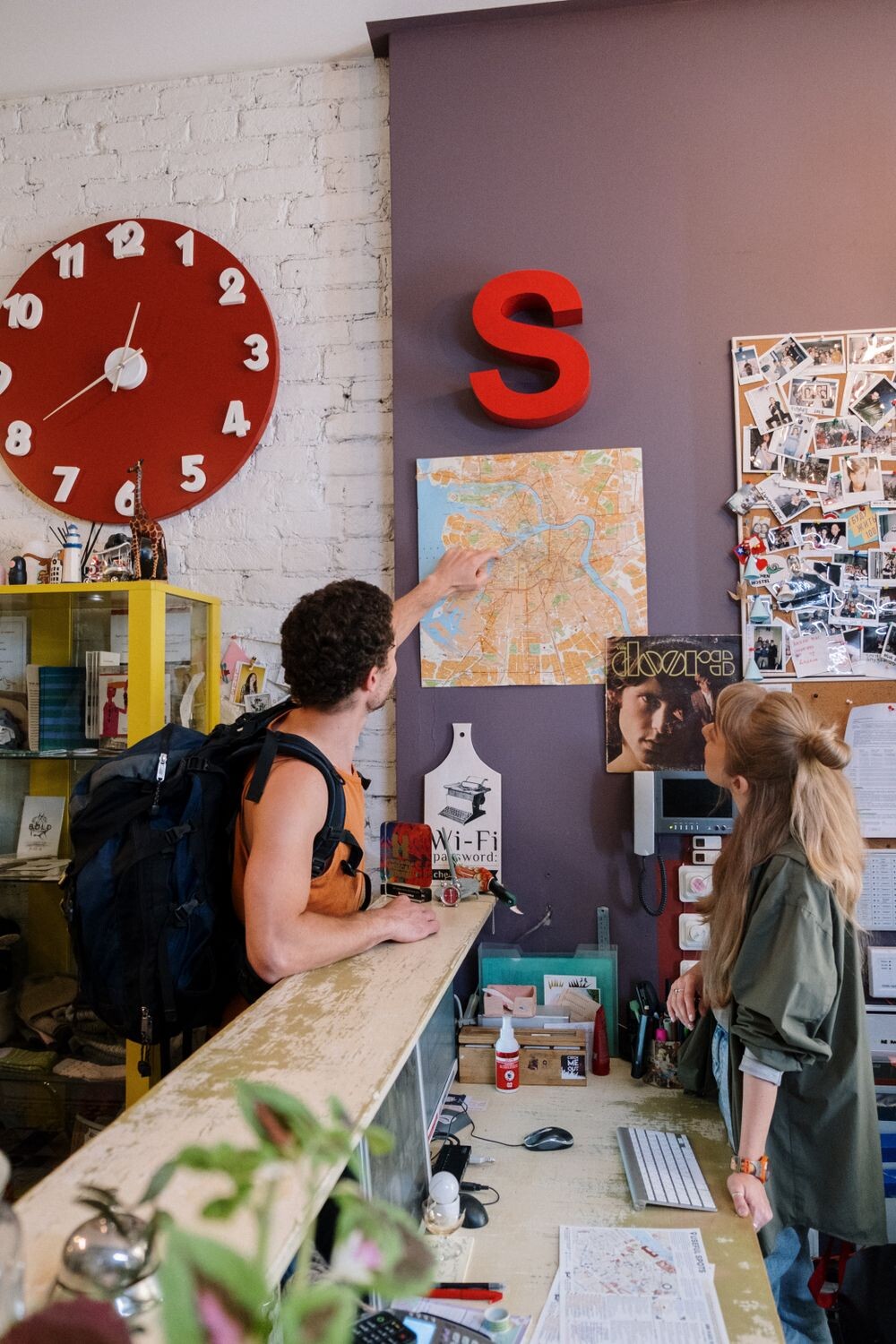
Staying in one main place can make travel much easier. It cuts down on packing, moving, and the stress of too many check-ins.
From that base, you can take day trips and still come back to the same bed. This often saves money on transport and helps you enjoy a more settled rhythm, which is nice for families and tired travelers.
5. Make a loose day plan
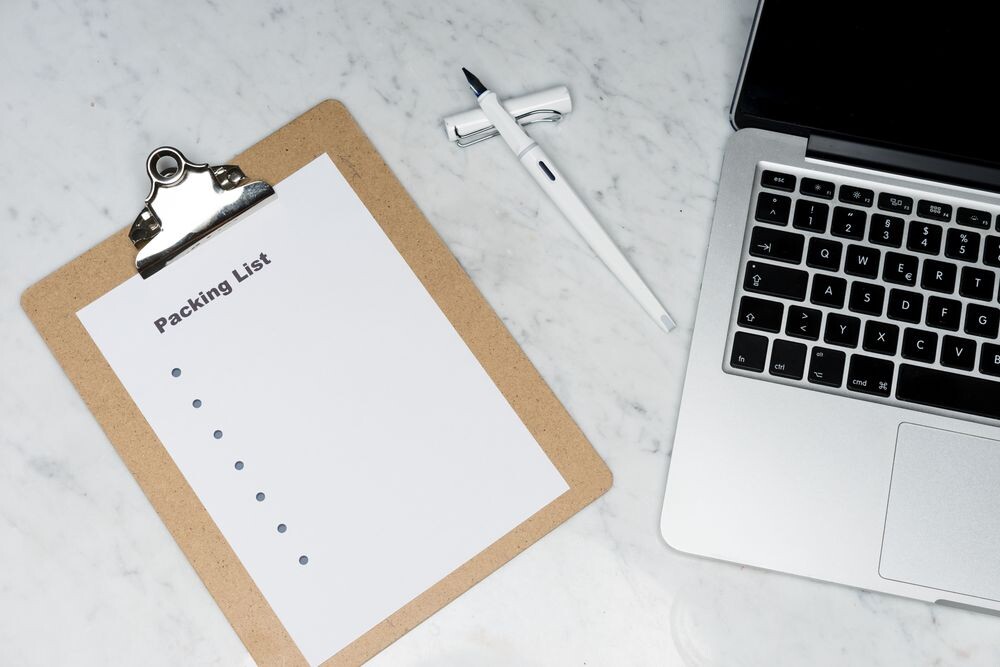
A loose plan helps you know what matters most each day. It can be a morning museum, a lunch stop, and one sunset spot, with free time left open.
This style keeps the trip flexible and less rushed. It also gives you room for surprises, like a local market or a street show you did not expect.
Many travelers now like slow travel, where the day has space to breathe. You can personalize your plan by adding one thing you love each day, such as coffee shops, parks, or old buildings.
6. Pack with a color plan
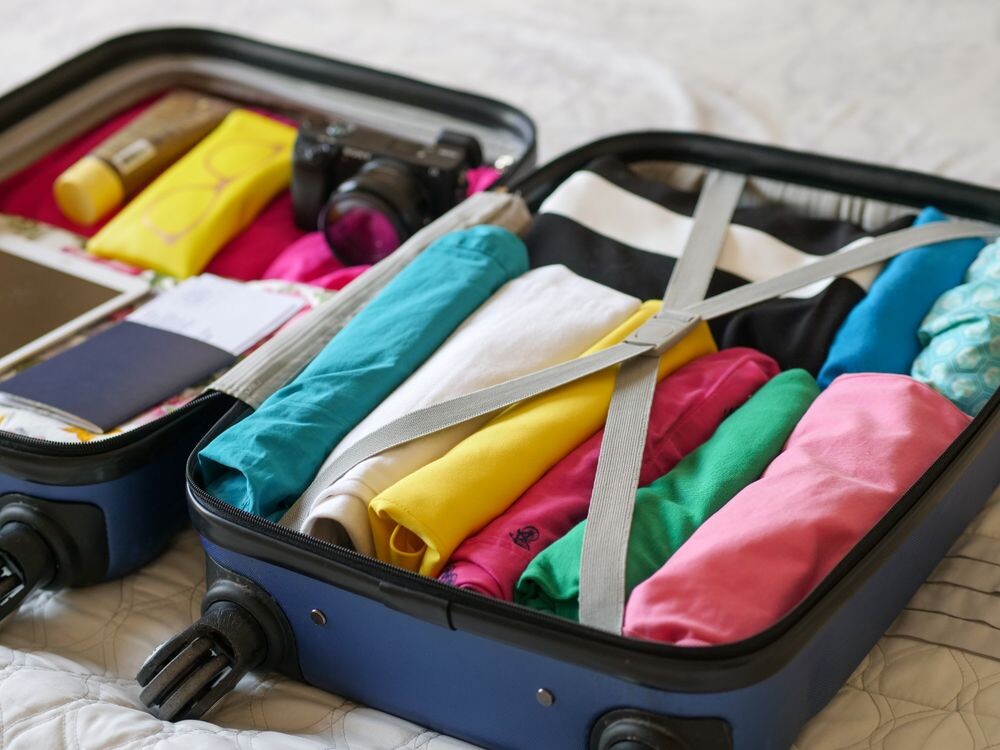
Color-matched clothes make packing feel neat and smart. When shirts, pants, and shoes work together, you can build more outfits with less stuff.
This is great for saving suitcase space and avoiding extra baggage costs. It also makes mornings easier because you do not have to think hard about what matches.
Try using one base color and one bright accent color for a look that feels clean and fun. A tidy packing cube setup can also make your bag look like a small travel drawer, which is oddly satisfying.
7. Keep a carry-on ready kit
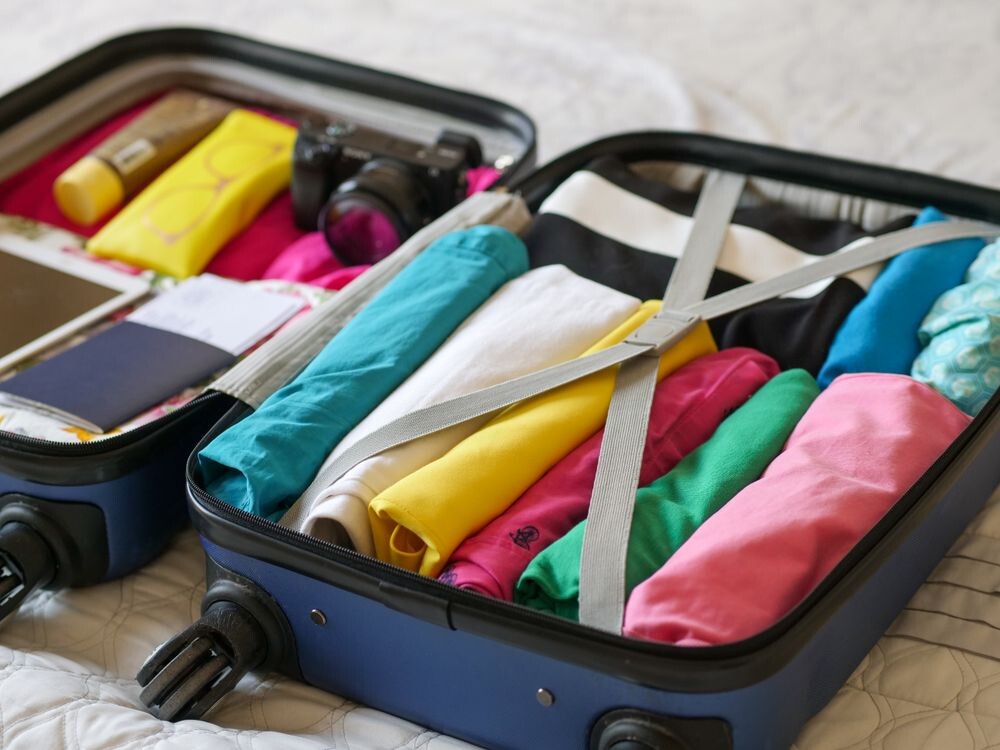
A ready kit helps you stay calm when bags are delayed or plans change. Put in a charger, small snacks, wipes, a pen, medicine, and any must-have papers.
This kit can save you time and money if your checked bag is late. It also gives you a more personal safety net, because your favorite items are close by when you need them.
Many travelers now keep a slim power bank and reusable water bottle in this kit. That small setup can make airports, trains, and long rides feel much easier to handle.
8. Check travel documents early
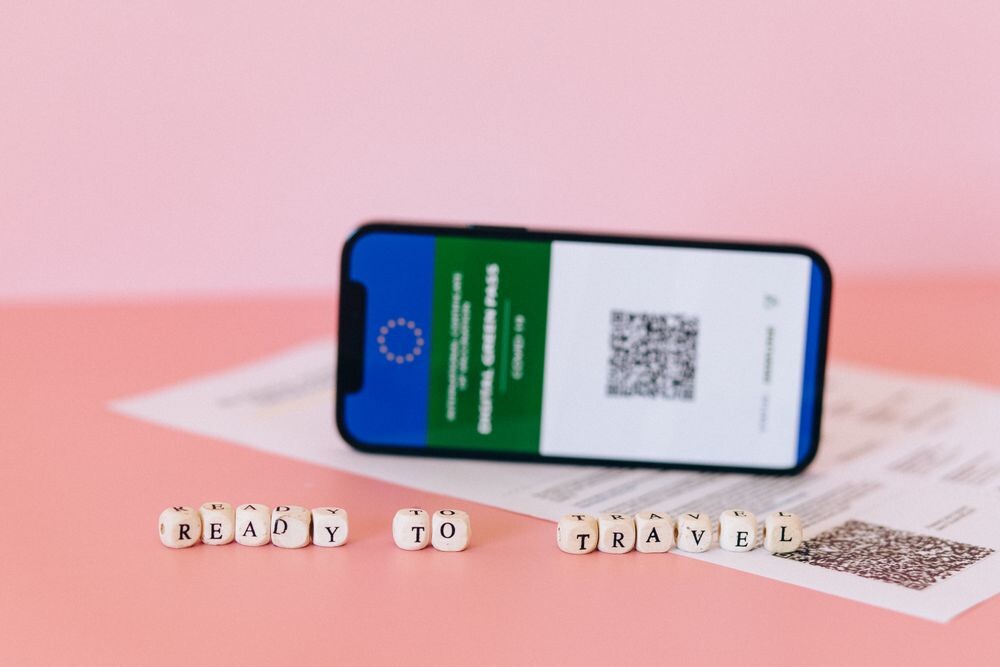
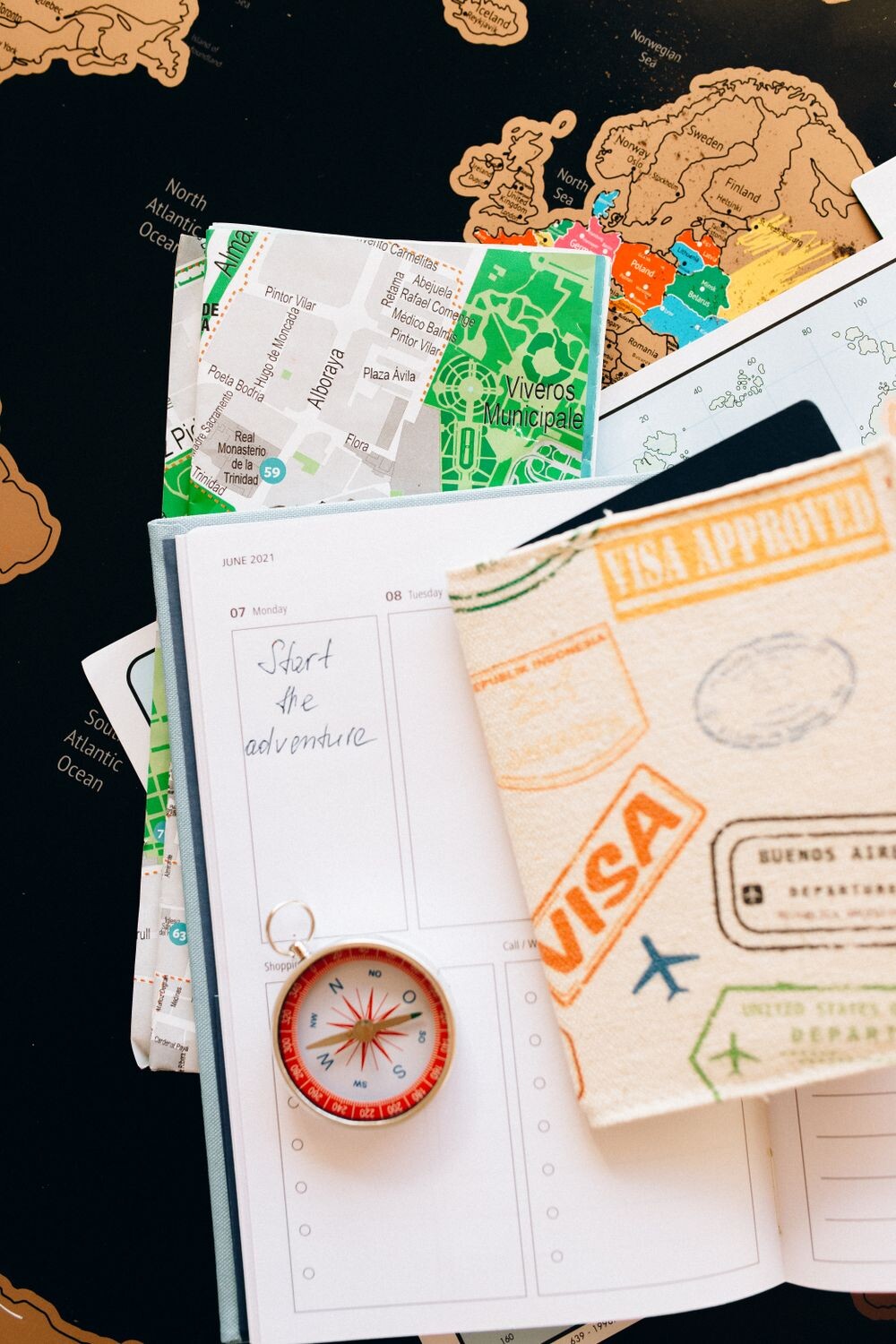
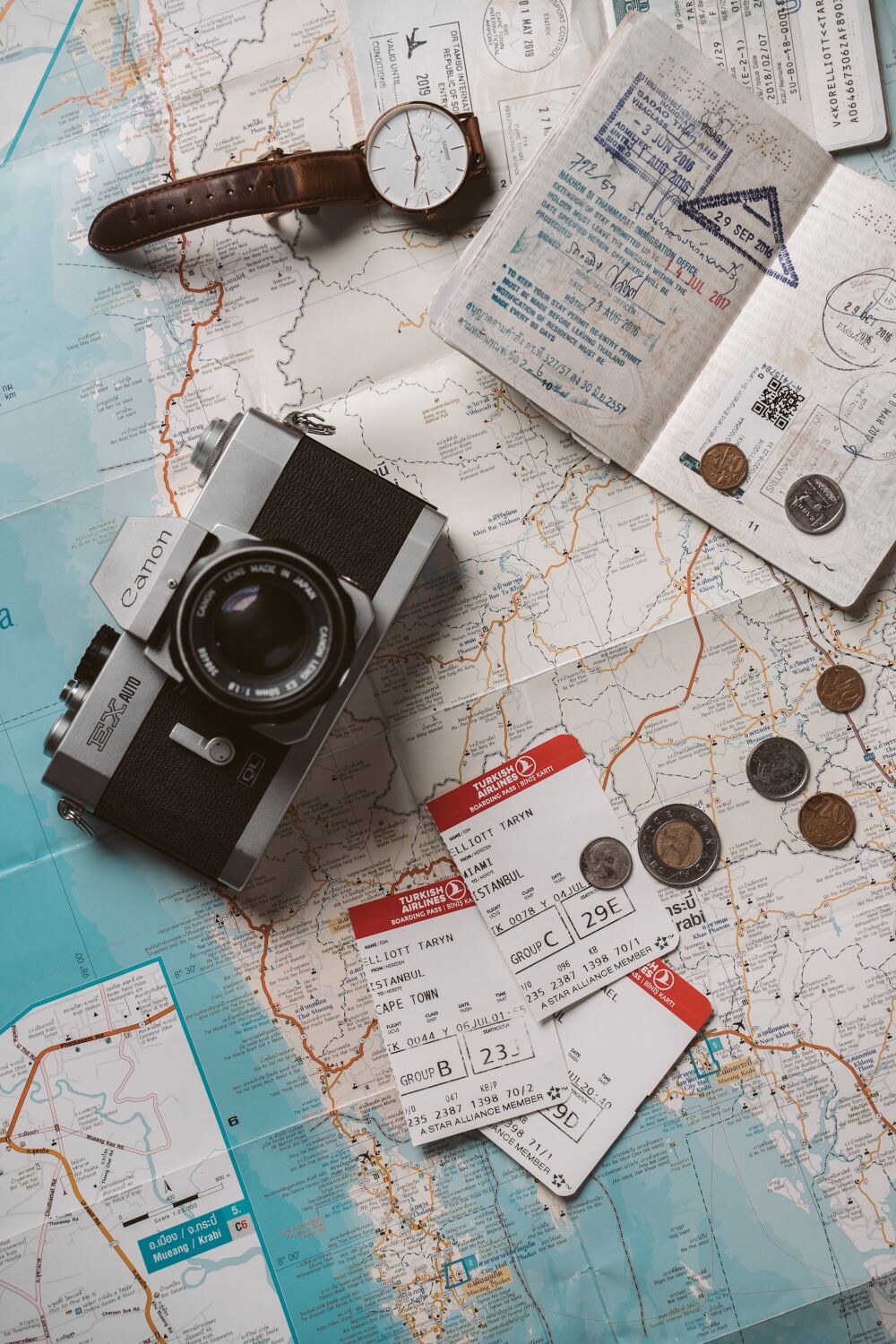
Passports, visas, tickets, and IDs should be checked long before the trip. A small date mistake can cause big stress later.
Make copies on paper and save digital copies too. This is a simple habit that protects your trip and can save money if you avoid rushed fixes or rebooking fees.
Some people keep document photos in a secure cloud folder for quick access. You can also add a personal touch by using a bright folder or pouch that is easy to spot in a bag.
9. Use a shared trip note
A shared note keeps everyone on the same page. It can hold hotel names, flight times, booking links, and meal ideas in one place.
This works well for family trips, friend trips, and group events. It cuts down on repeated questions and helps the whole group move faster when plans shift.
Shared notes are a current favorite because they are easy to edit on the go. You can make yours unique by adding color labels for food, transit, and fun stops.
10. Leave room for one surprise
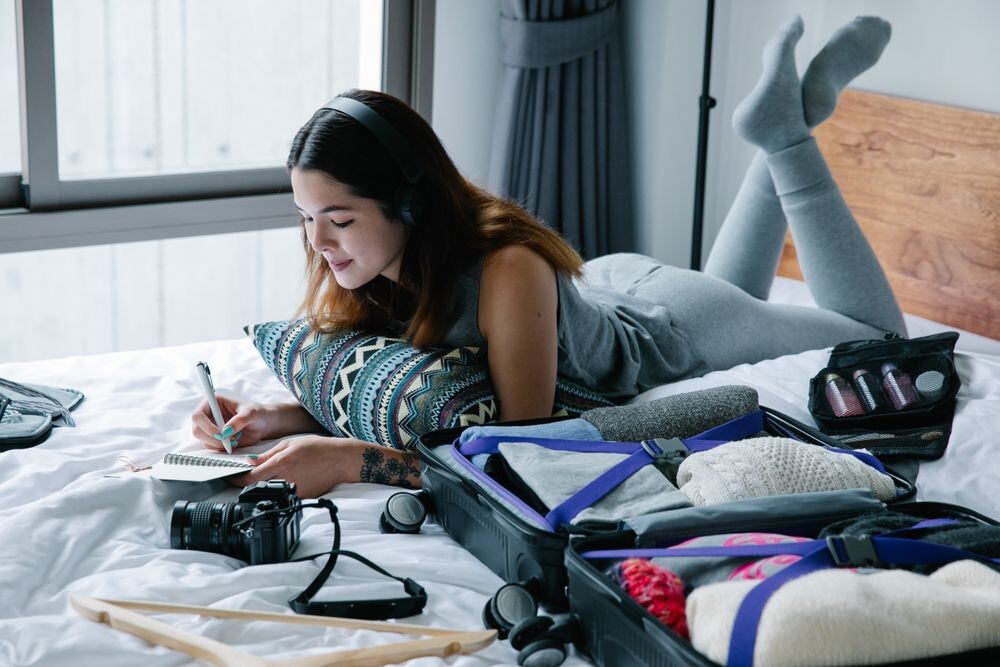
Trips feel richer when one part is left open. A surprise stop might be a local bakery, a small museum, or a quiet park bench with a great view.
This gives your trip a fresh feel and often creates the best memories. It also helps you enjoy the place as it is, not just as it was planned on paper.
Many travelers now save a little money and time for spontaneous moments. You can make the surprise fit your style by picking a theme, like sweets, views, or handmade gifts.
11. Learn a few local basics
A few simple words in the local language can open doors. Even a kind hello, thank you, and excuse me can make people smile.
This small effort shows respect and can make daily tasks easier. It may also help with directions, food orders, and small chats that lead to helpful tips.
Language apps make this step quick and fun for modern travelers. If you want it to feel more personal, write the words on a card and keep it in your pocket for easy use.
12. Map food stops ahead of time
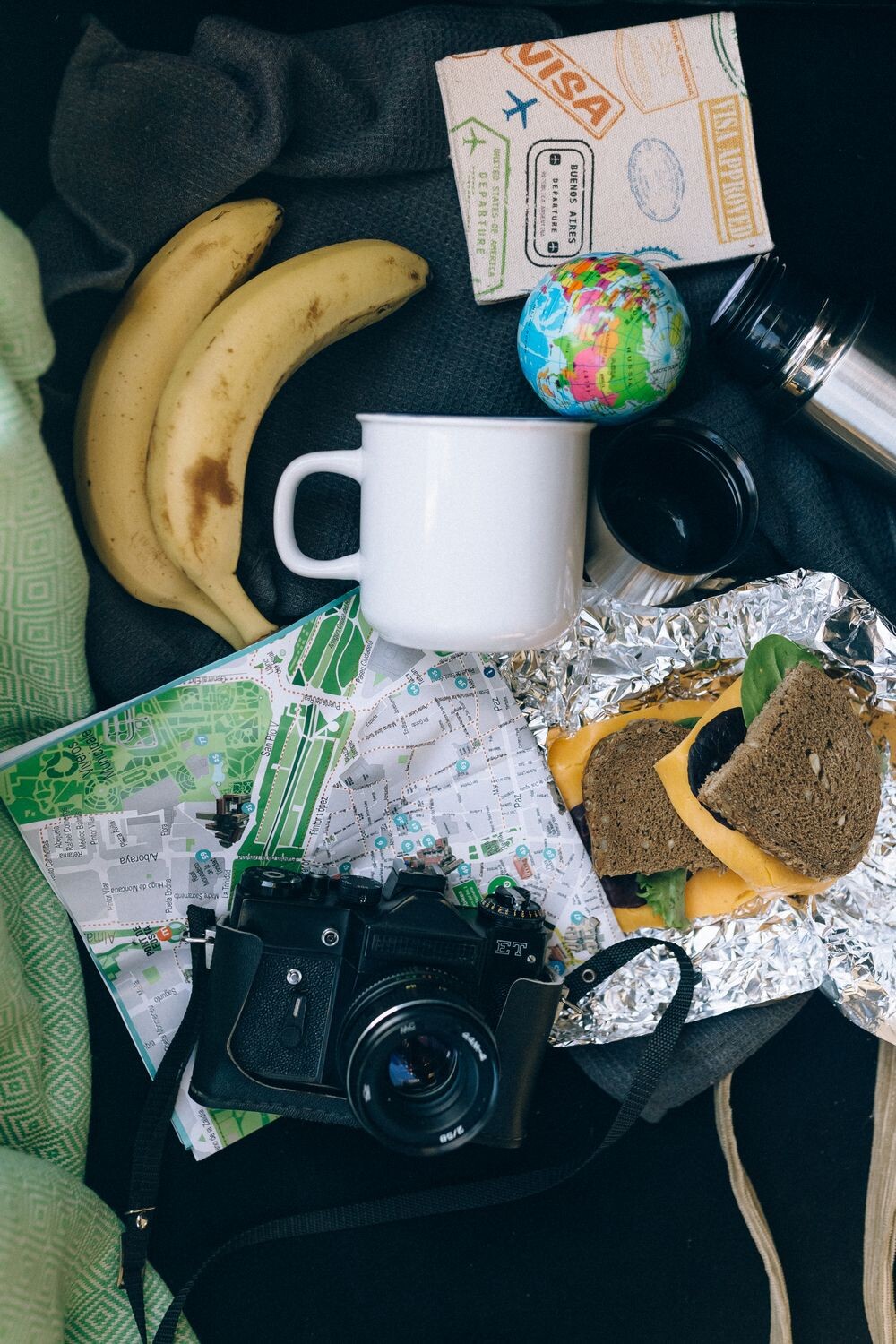
Good food plans can save a trip from hunger stress. It helps to know where breakfast, lunch, and a late snack might come from.
Look for places near your sights so you do not waste time walking in circles. This can also help you manage costs, since you can choose between cheap bites, market meals, and special dinners.
Food maps are especially useful in places with long lines or short opening hours. You can make the list more unique by saving one local dish to try in each town.
13. Use transit before taxis when you can
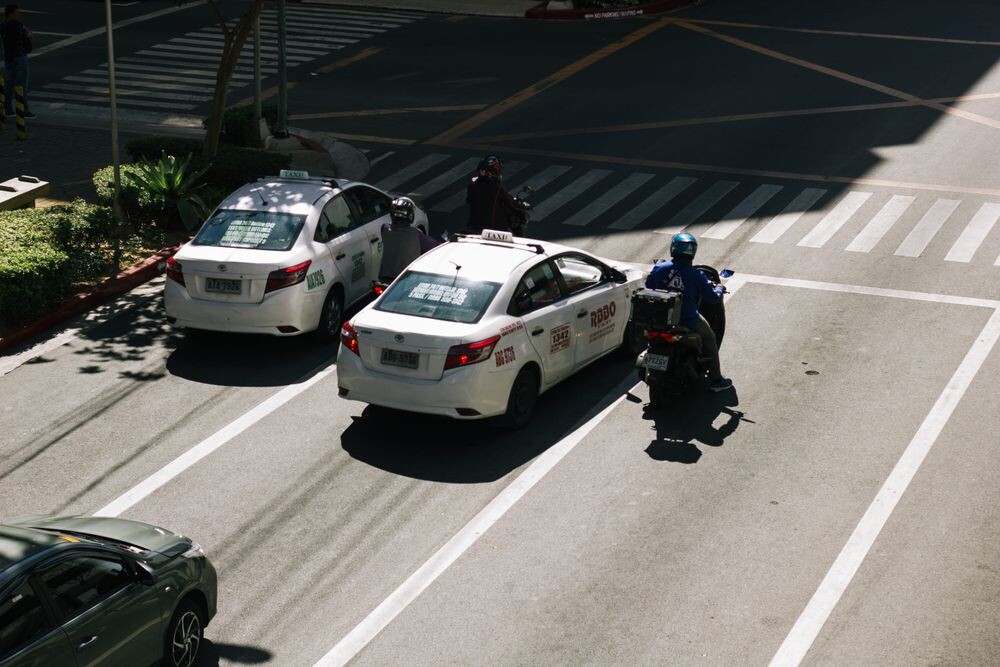
Public transit can be a fun part of the trip, not just a way to get around. Trains, buses, and trams often show you the city in a more real and lively way.
They are usually cheaper than taxis, which helps your budget go further. You may also avoid traffic jams and get to see street life, signs, and neighborhoods you would miss by car.
Many cities now have easy transit cards and phone passes for faster rides. If you want a personal touch, learn the main route names before you go so the system feels less scary.
14. Book the hardest parts first
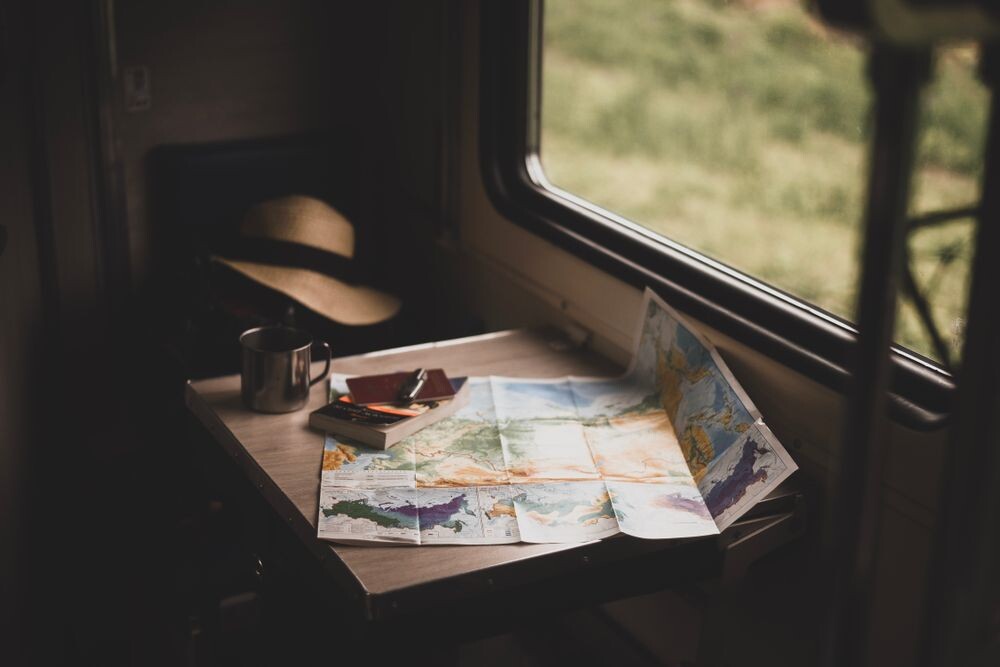
Some parts of travel sell out fast, like popular rooms, busy trains, and special tours. Booking those early can make the rest of the trip much calmer.
Once the tough parts are set, the smaller details become easier to shape. This can save money too, since early choices often come with better rates and more room options.
15. Keep one backup plan
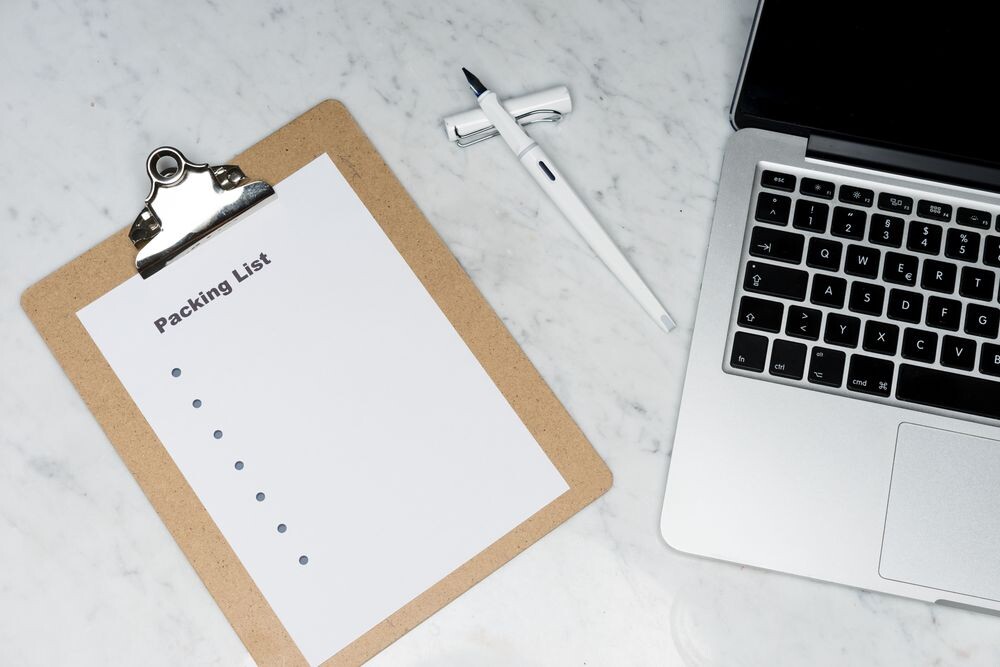
Every trip runs into a small snag now and then. A rainstorm, a late ride, or a closed site can throw off even the best plan.
Having one backup idea for each day keeps the trip moving. You might switch a park for a museum or swap a long walk for a cozy cafe stop, which can still feel special.
Backup plans are smart for current travel trends too, since weather and busy bookings can change fast. You can make yours personal by choosing backup spots that match your mood, like calm, active, or family-friendly.
16. Pack for comfort, not just style
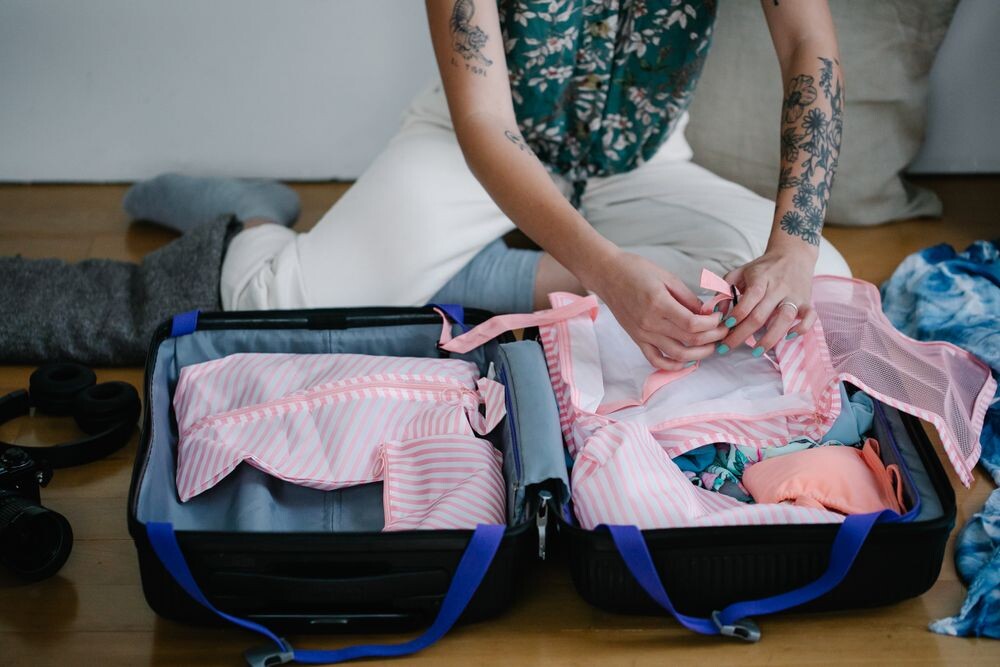
Comfort matters more than many people think. Soft shoes, layers, and clothes that move well can make long days feel much lighter.
This can save money too, because you may need fewer emergency buys like extra socks or a new umbrella. It also helps you enjoy the trip more, since sore feet and sticky clothes can spoil even a beautiful view.
Travel fashion now leans toward clean, simple pieces that work in many places. You can still make it your own with one bright scarf, hat, or bag that stands out in photos.
17. Save important info offline
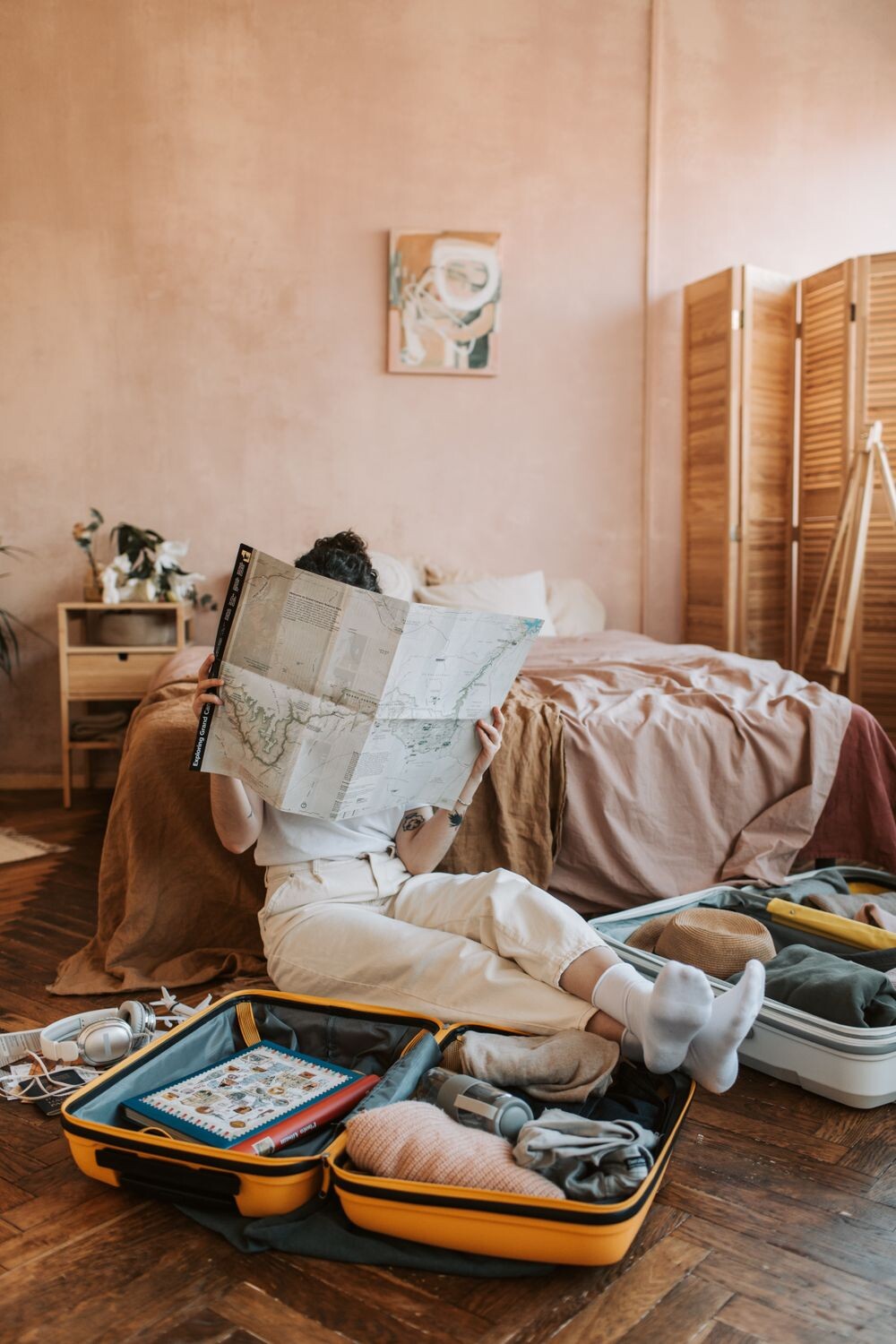
Phones are helpful until the signal disappears. Offline maps, ticket screenshots, and address notes can rescue a trip when internet is weak.
This is a low-cost habit that brings a lot of peace of mind. It also helps in crowded places, where fast access to details can keep you from feeling lost or rushed.
Many travelers now build a small offline folder before leaving home. You can personalize it by adding local emergency numbers, your hotel name, and a short list of favorite spots.
18. Plan rest like an activity
Rest is part of travel, not a break from it. A slow morning, a nap, or a quiet hour in a park can help the whole day feel better.
When you plan rest on purpose, you avoid getting too tired too soon. That can save money too, because tired travelers often spend more on quick fixes, snacks, and taxis.
Some of the best current travel ideas focus on balance instead of packing every hour. You can make rest feel special by choosing a pretty cafe, a shady bench, or a hotel room with a view.
19. Keep your plans easy to share
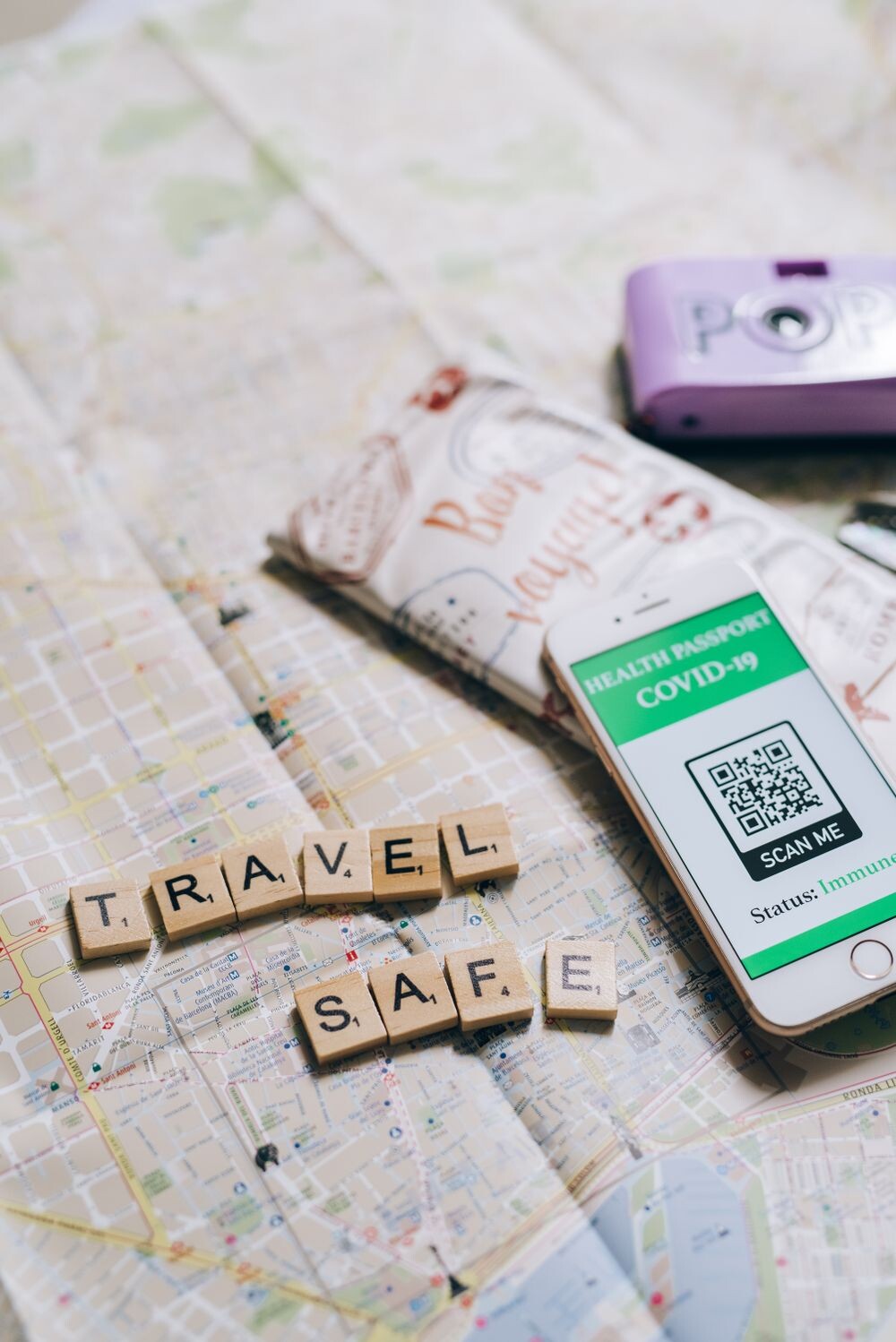
Sharing your plan with someone at home adds a layer of safety. It is simple to send hotel names, flight times, and a rough schedule before you leave.
This can help if your phone dies or you need support while away. It also gives peace of mind without making the trip feel heavy or tied down.
Many people now share live location only during travel days, which feels practical and light. If you want a personal touch, add a short note about your favorite stops so the trip feels more real to the person following along.
20. Make space for your own travel style
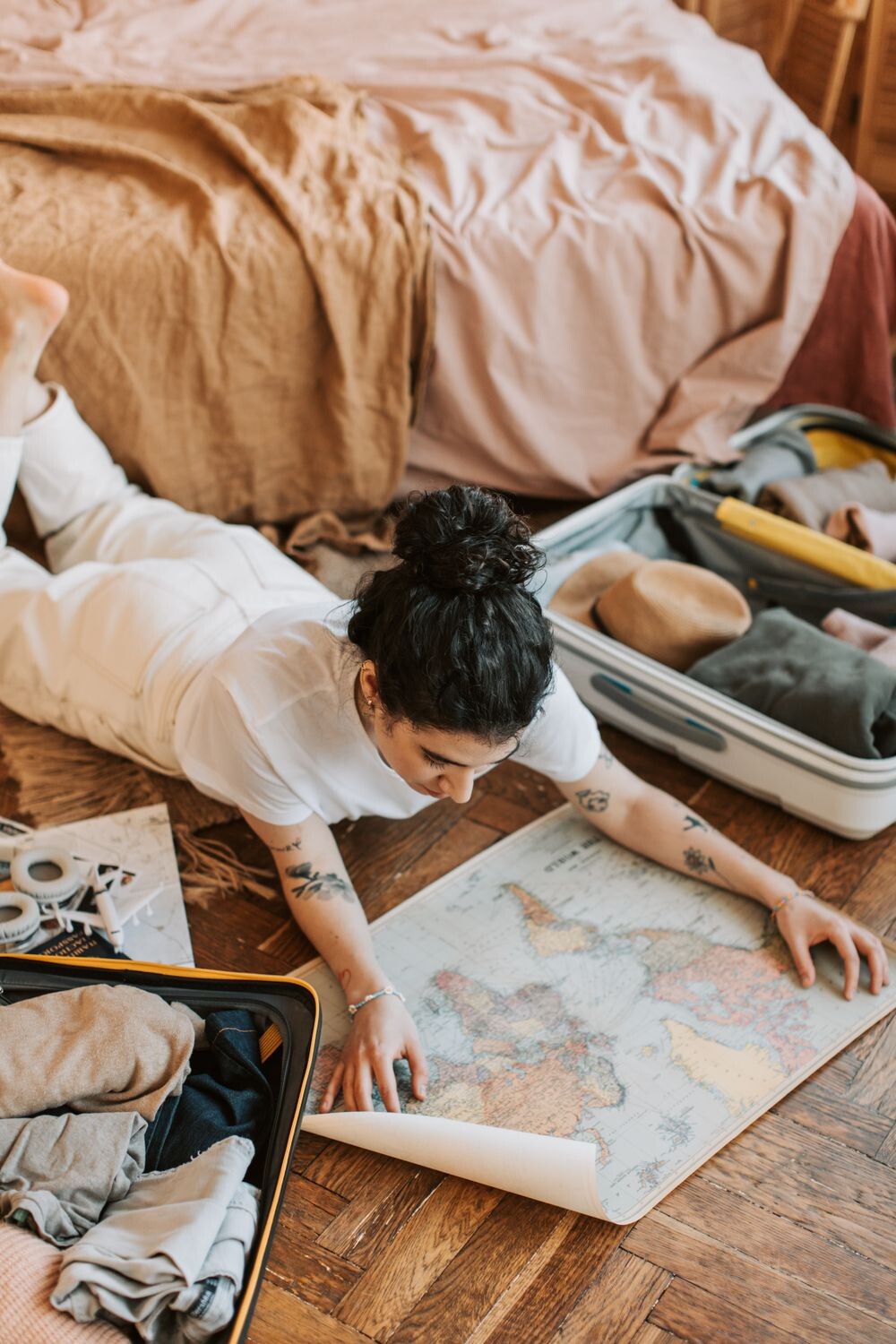
The best trip plan is the one that fits you. Some people love busy days, while others want slow walks, quiet meals, and lots of photos.
When you plan around your own style, the trip feels easier and more fun. It can also help you spend money in ways that matter most to you, instead of copying someone else’s idea of a perfect trip.
Current travel trends may point toward wellness, local food, or low-waste packing, but your trip can still feel personal and unique. Add the small things that make you happy, like a favorite playlist, a sketchbook, or a special snack for the road.