Great trips often start long before the bags are packed.
The smartest travelers know a few quiet tricks that save time, money, and stress.
1. Build the trip around one clear goal
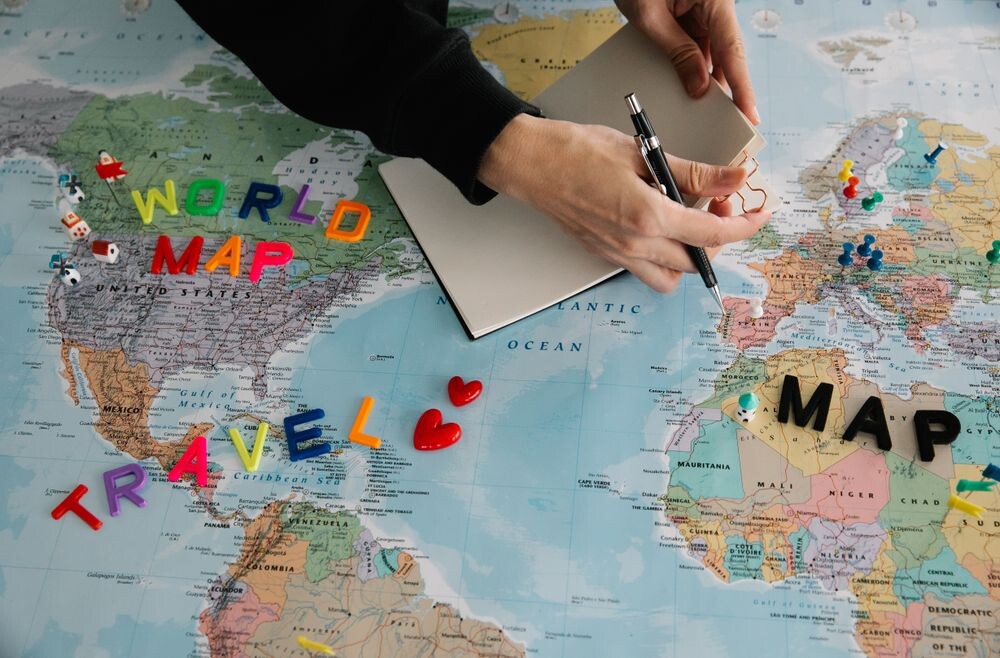
Experienced travelers start with one simple question: what should this trip feel like? That answer shapes everything from the city you pick to the pace of each day.
This keeps the plan clean and easy to follow. A beach break, food trip, or museum weekend all need different choices, and that makes the trip feel more personal.
2. Pick dates with care, not just hope
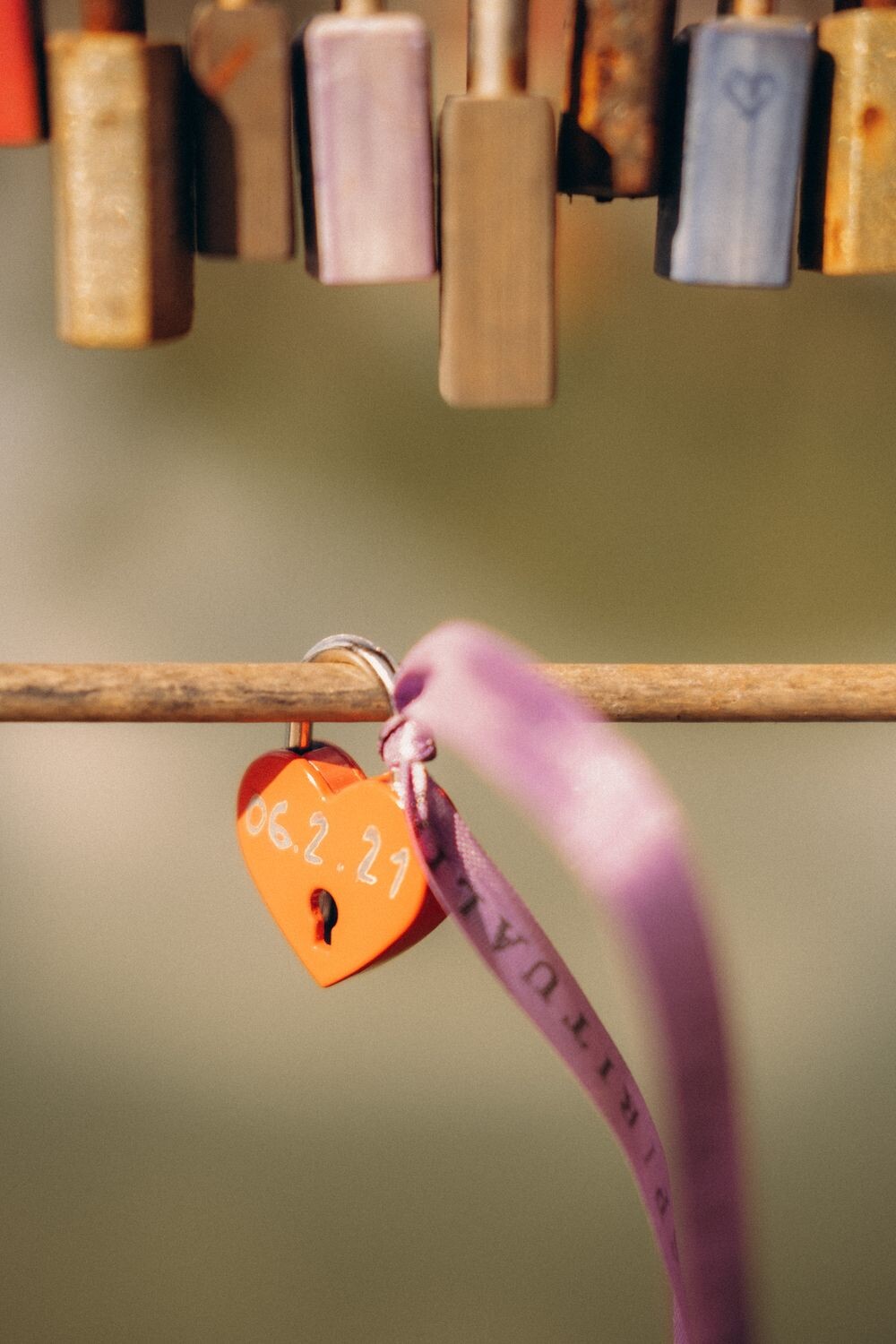
The best dates are often the ones that other people skip. Midweek flights, shoulder seasons, and school-free windows can make a huge difference in both price and comfort.
Travelers also watch local holidays and big events. A city may look calm on a calendar but feel packed and costly once a festival or sports weekend starts.
A small date shift can unlock better hotel rooms, quieter streets, and lower fares. It also gives you more room to shape the trip around your own style instead of the crowd.
3. Use a simple trip map before booking anything
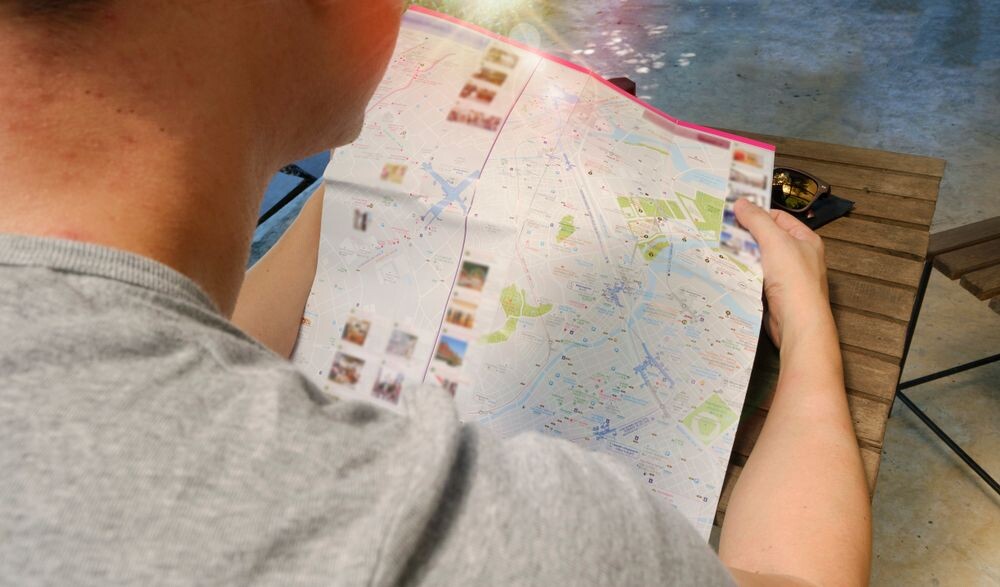
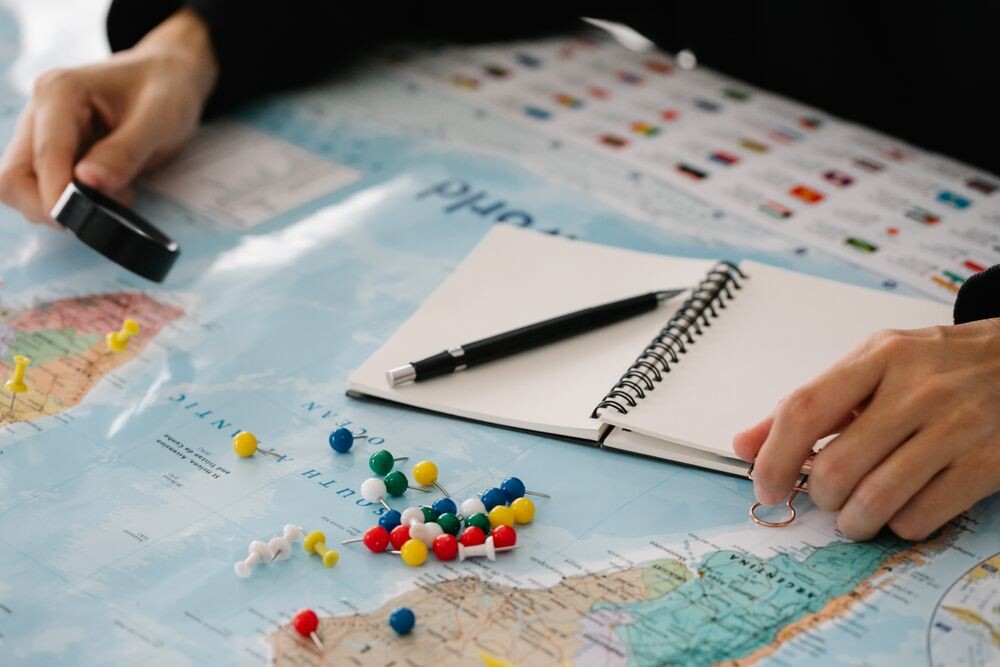
A hand-drawn map or digital pin list can save a lot of guesswork. It shows where the airport, hotel, sights, and food spots sit in relation to each other.
That picture helps you spot long rides, awkward transfers, and wasted time. It can also reveal charming areas you might miss if you only stare at review scores.
Some travelers color-code pins for food, rest, and must-see places. This makes the plan feel playful and easy, and it helps you shape a route that fits your pace.
4. Choose a base that matches your style
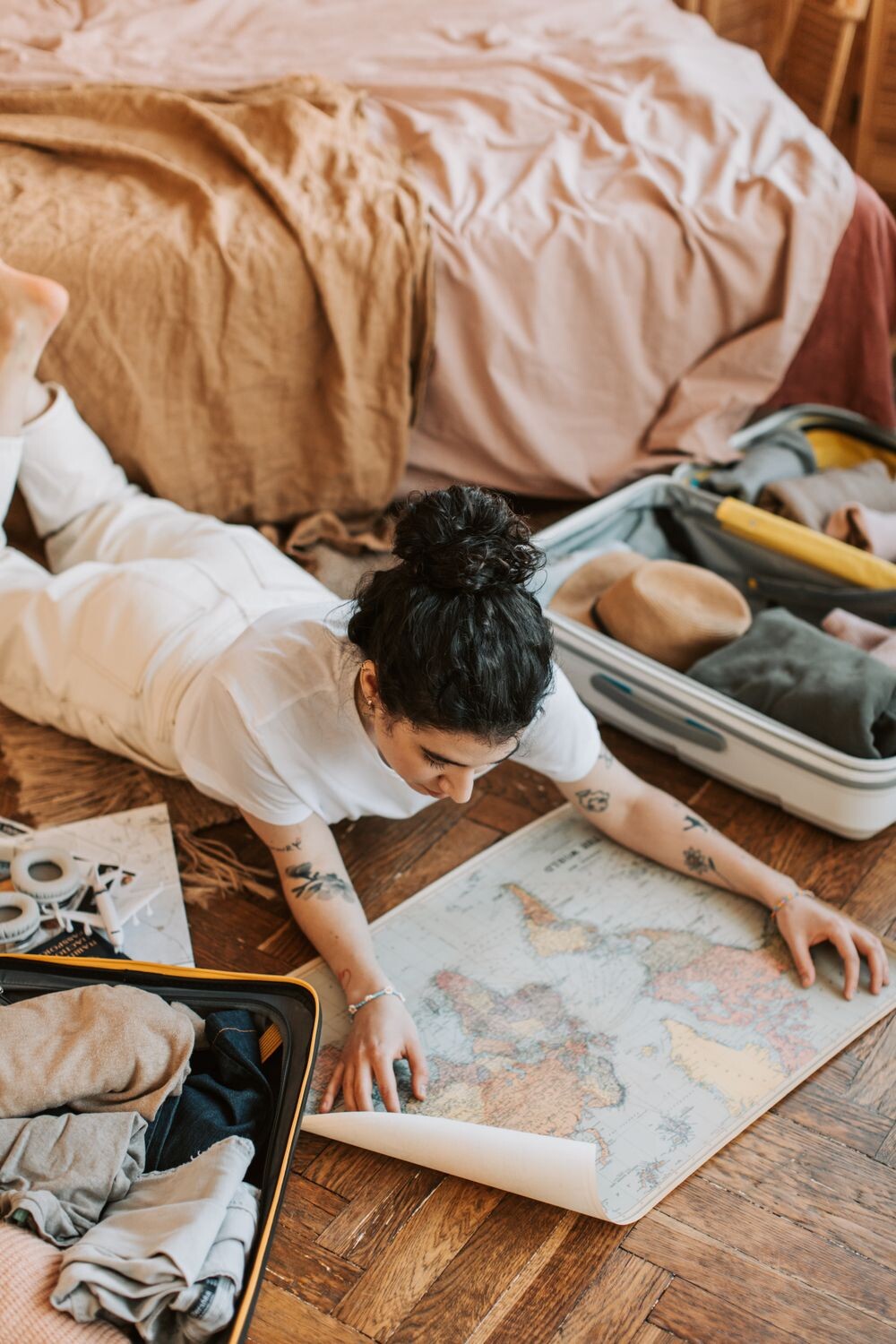
Where you sleep can change the whole mood of a trip. A lively center puts you near buzz and lights, while a quieter edge can bring better rest and lower prices.
Many travelers now favor neighborhoods with local cafés, transit stops, and walkable streets. That choice often feels richer than staying right beside the most famous landmark.
5. Book the first night with extra ease in mind

The first night should feel easy, not fancy. After a long flight or train ride, travelers love a place that is simple to reach and calm to enter.
This can mean paying a little more for a cleaner path from the airport or station. The benefit is less stress, fewer mistakes, and a smoother start to the whole trip.
Some people also pick a hotel with late check-in and a clear front desk. That small detail can feel like a warm welcome when your body is tired and your brain is full.
6. Keep one flexible day in the plan
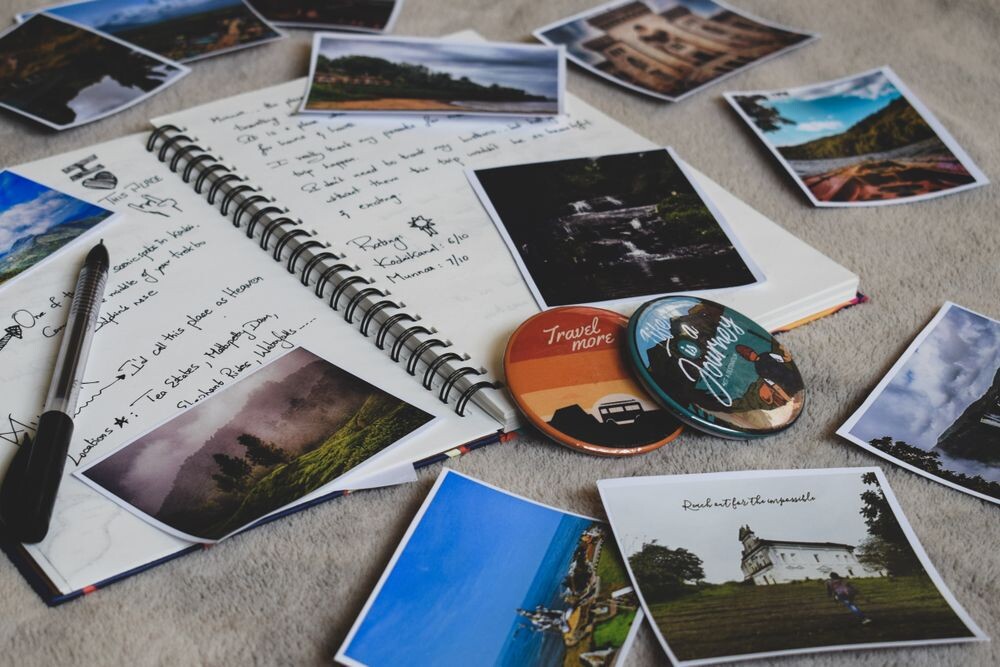
Even the best schedule can change once you arrive. A rainy afternoon, a great local tip, or a tired mood can make a fixed plan feel too tight.
Smart travelers leave one day open or lightly planned. That space is perfect for a slow breakfast, a surprise market, or a second visit to a place you loved.
It also helps with cost, since you can wait for good weather before booking a paid activity. That kind of freedom is one reason many travelers feel calmer on the road.
7. Pack with a color or category system
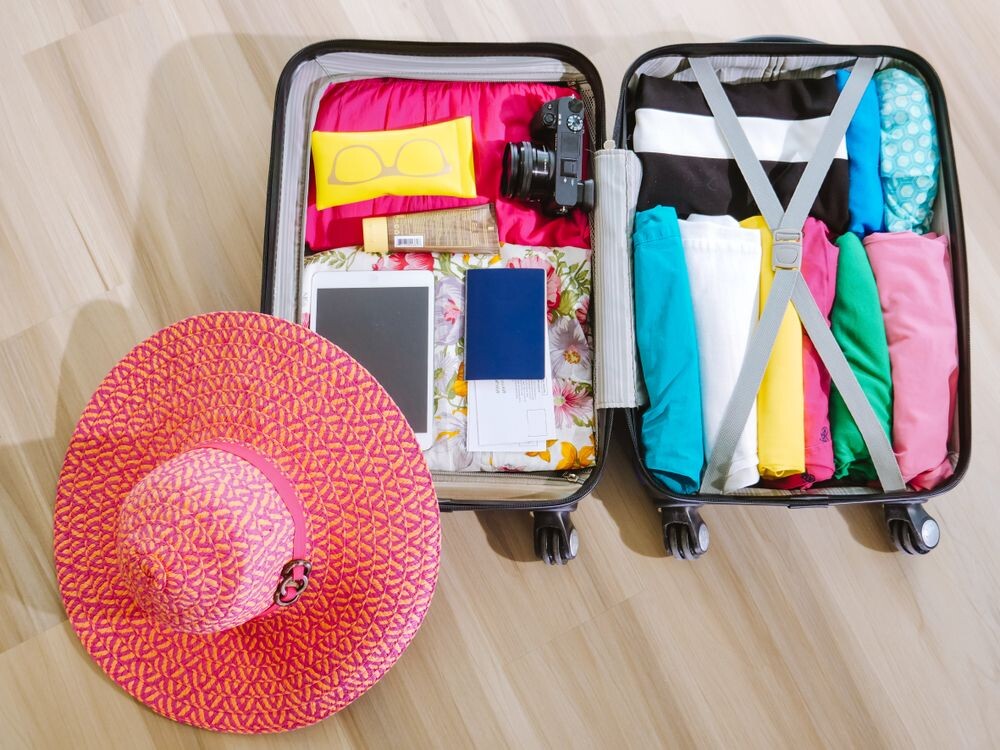
A neat packing system can make a suitcase look almost like a tiny shop shelf. Shirts, socks, chargers, and toiletries each get their own spot, so nothing turns into a mess.
This saves time when you are tired and searching for one small item. It also helps you see what you already have, which can stop you from buying extras you do not need.
Many travelers use packing cubes, clear pouches, or matching bags. The look is tidy, and the feeling is even better because you can unpack in minutes instead of hunting through a pile.
8. Leave room for one local surprise
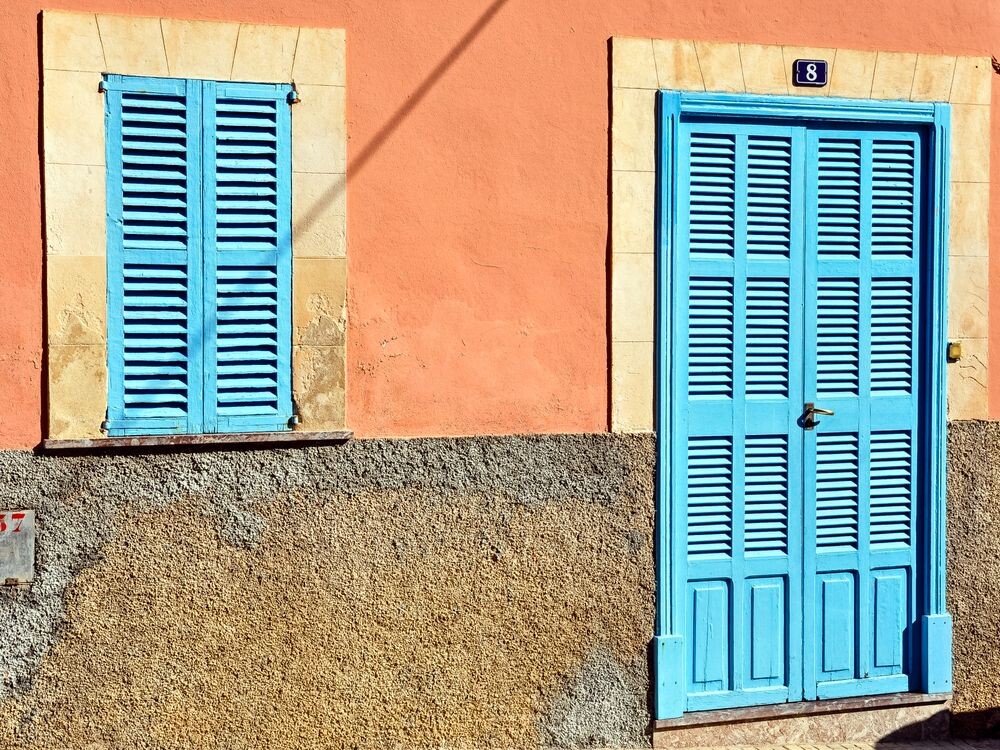
Some of the best travel memories come from a choice you did not plan. A tiny bakery, a street mural, or a neighborhood park can become the highlight of the day.
Experienced travelers keep space for one local surprise on purpose. They ask hotel staff, taxi drivers, or shop owners for a favorite nearby spot and follow the lead.
This often costs less than a big ticket attraction, too. It also gives the trip a one-of-a-kind feel that no guidebook can fully copy.
9. Watch for hidden fees before you pay
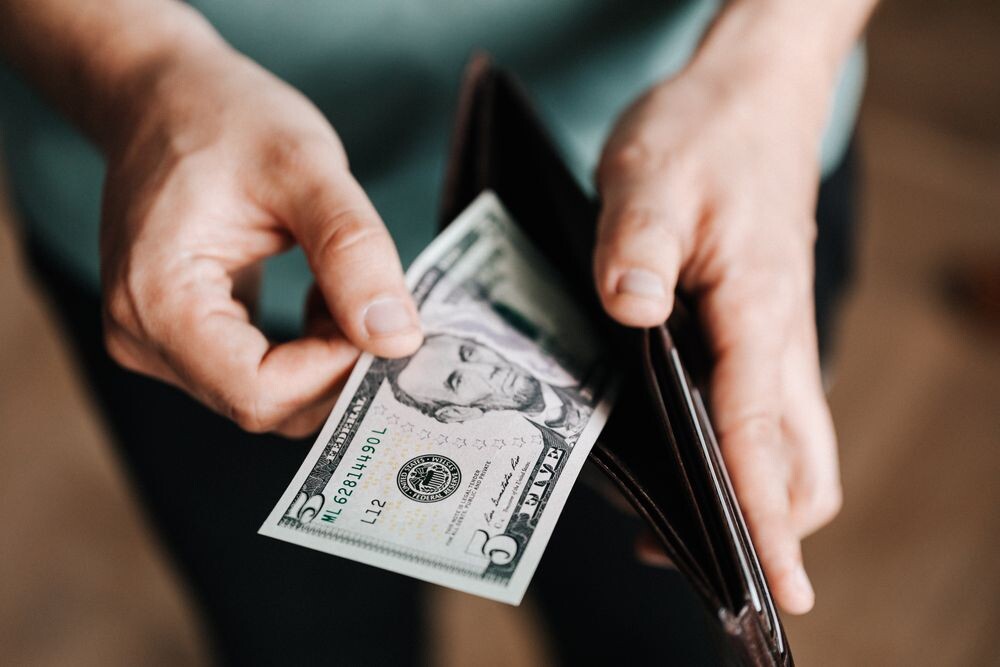
The sticker price is not always the real price. Resort fees, baggage fees, seat charges, and service fees can quietly raise the total by a lot.
Travelers who check the full cost early avoid nasty surprises later. They compare the final total, not just the first number on the screen.
This habit is extra useful now, since many booking sites split costs in tricky ways. A careful look can protect your budget and help you spend on things you will truly enjoy.
10. Save key details in more than one place
Phones are helpful, but they can fail at the worst time. Battery drain, lost signal, or a broken screen can make one saved note feel far too fragile.
That is why experienced travelers keep copies of bookings, passports, and addresses in more than one spot. A paper note, email folder, and phone screenshot can work together like a safety net.
This is a simple trick with big comfort value. It makes airport lines, hotel check-ins, and border stops feel less scary because the important facts are easy to reach.
11. Use transit like a local when it makes sense
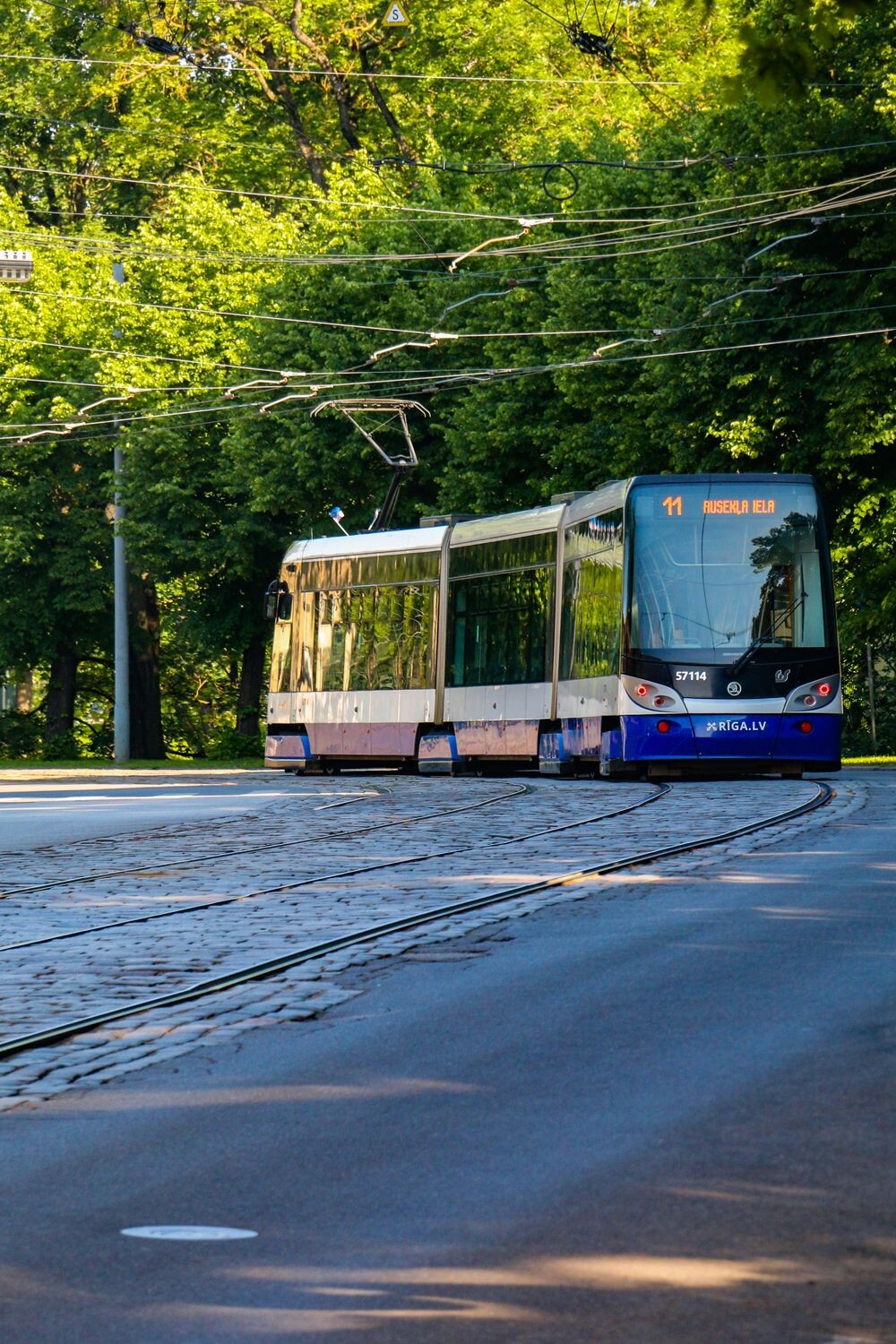
Public transit can show a city in a fresh and lively way. The windows, signs, and packed platforms often give you a real feel for the place.
It is often cheaper than taxis and faster than walking long distances. Many travelers now look for metro passes, day cards, and tap-to-pay systems that make rides easy.
To make it personal, some people plan one transit ride just for fun and use the rest of the day on foot. That mix brings both comfort and local flavor.
12. Plan meals as part of the trip, not an afterthought
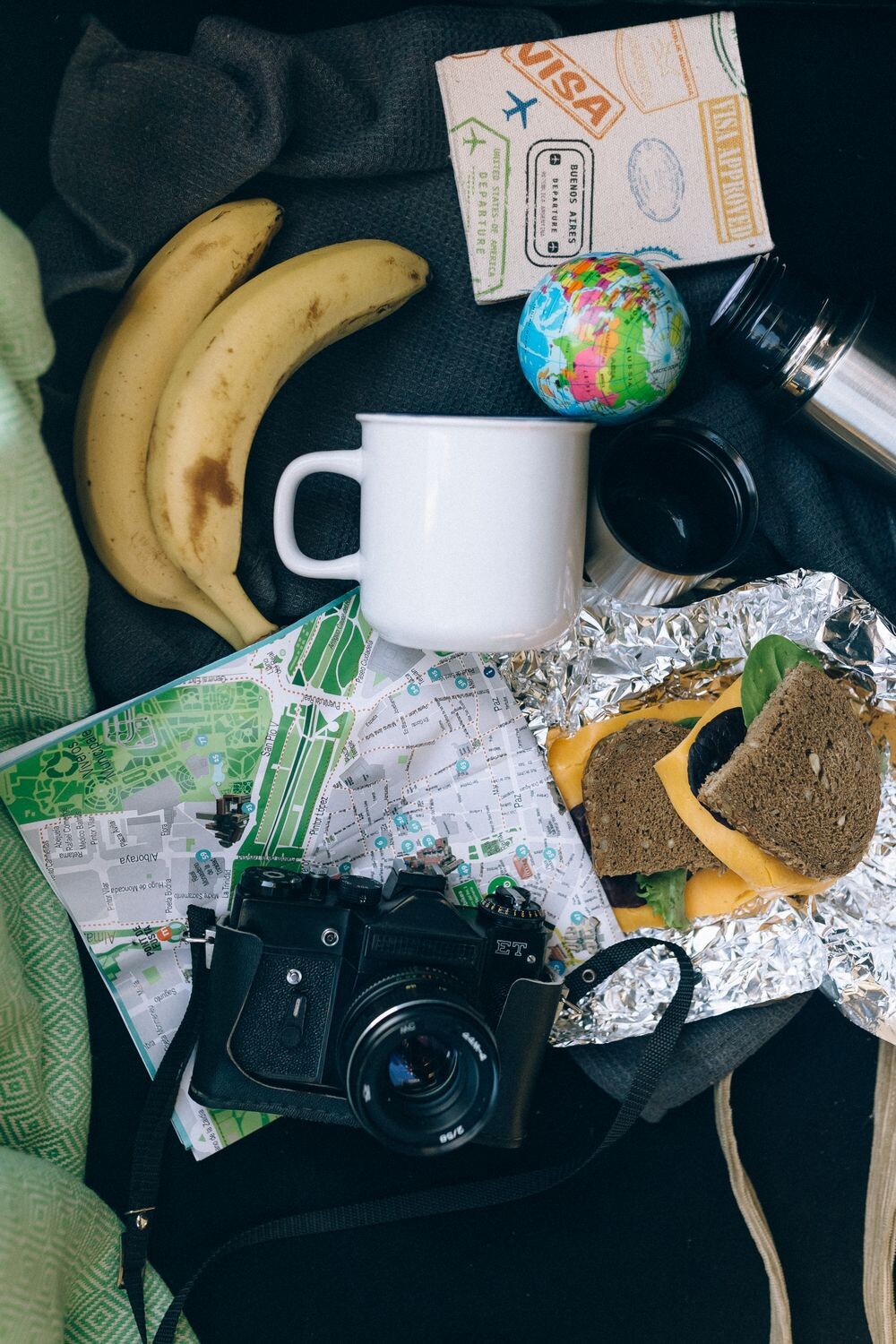
Food can shape the memory of a place as much as any landmark. A bright market, a tiny noodle shop, or a sunset snack by the water can feel magical.
Experienced travelers often mark a few meal spots before they go. They mix one special dinner, one cheap local bite, and one easy standby near the hotel.
This balance helps with both cost and energy. It also leaves room for cravings, since not every meal needs to be a big event to feel special.
13. Check walking time, not just distance
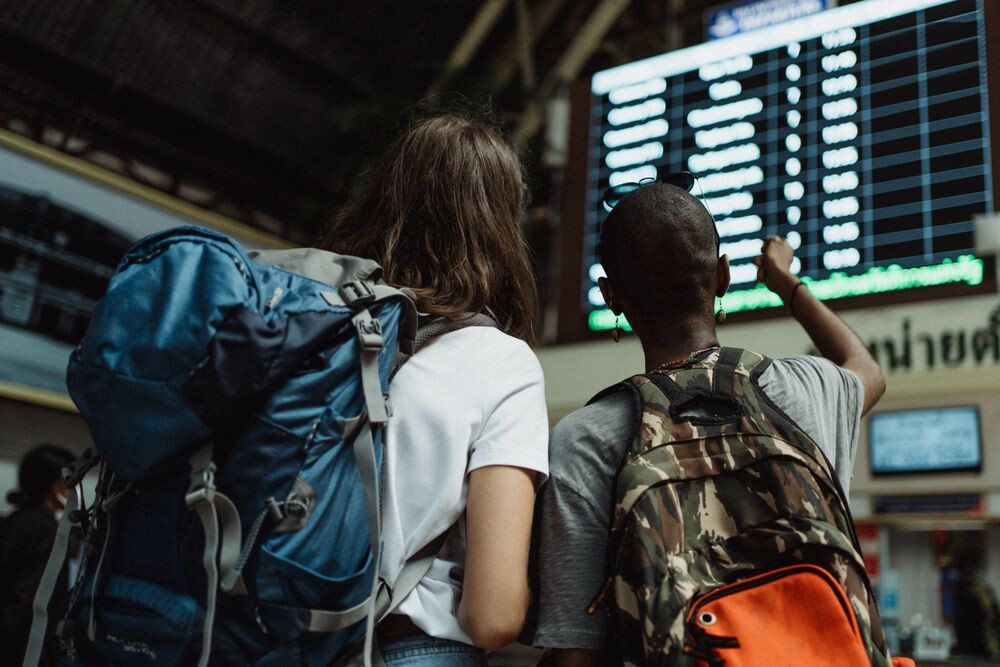
A map can make two places look close, even when the walk feels long. Hills, busy roads, heat, and crowds can turn a simple stroll into a tiring chore.
Travelers who look at walking time make better daily plans. They can save their energy for the sights they care about most and avoid arriving sweaty or rushed.
This is especially helpful in cities with old streets or uneven paths. It gives the trip a calmer rhythm and helps each stop feel more enjoyable.
14. Build a small emergency fund into the budget
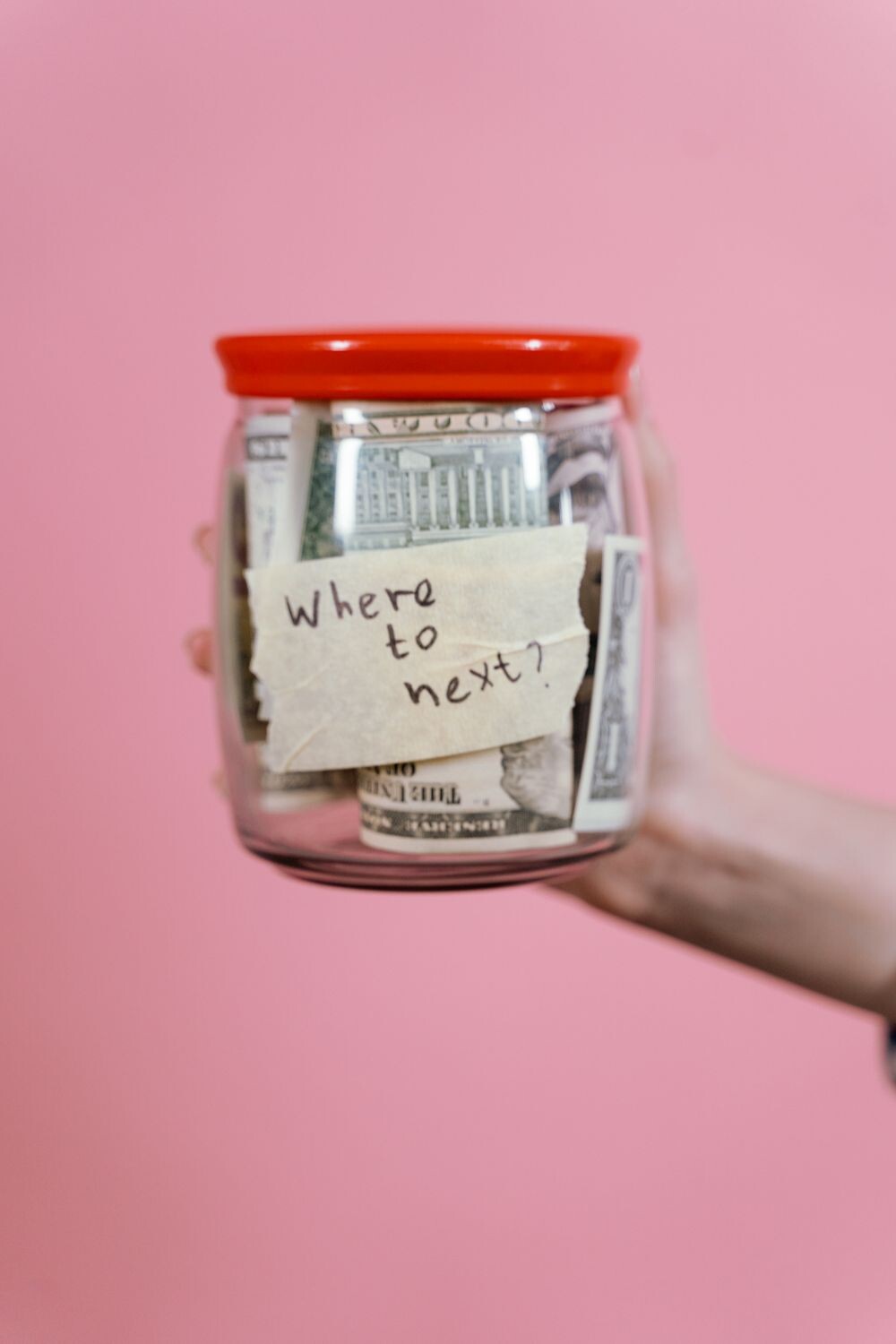
Good plans still need a cushion. A missed train, extra taxi, or sudden weather change can happen without warning.
Many experienced travelers set aside a small backup amount before the trip starts. That money is not for shopping; it is for peace of mind when things go sideways.
The feeling is powerful because it keeps one problem from ruining the whole day. It also makes you more relaxed when you need to make a quick choice.
15. Watch current travel trends, but use them wisely
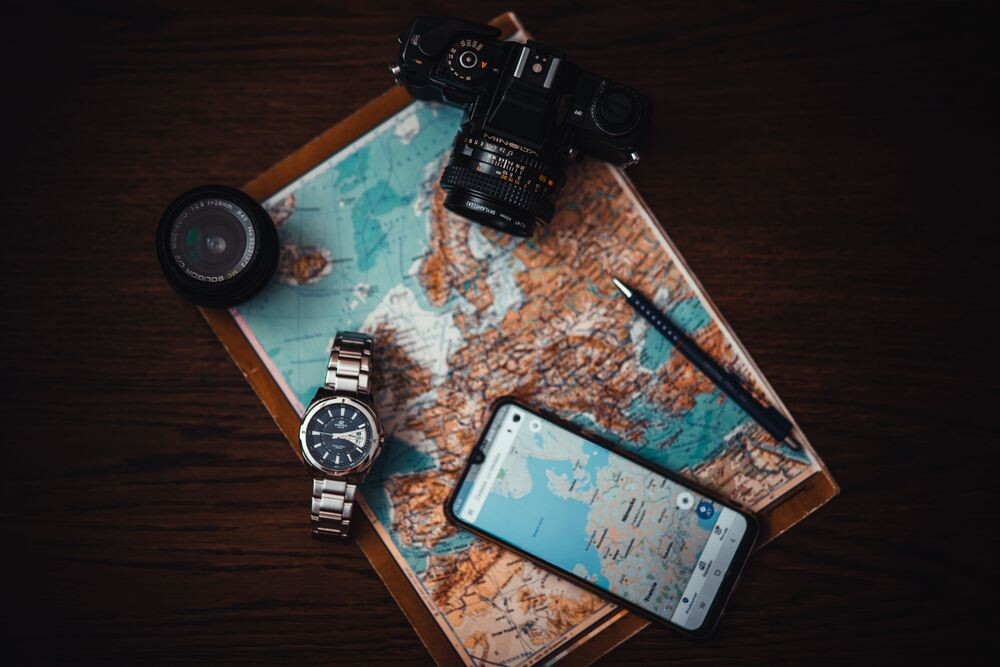
Travel trends can help you spot useful ideas, from train trips to slow travel to wellness stays. They can also point you toward places that are getting better food, better transit, or better visitor tools.
Still, smart travelers do not chase every hot spot just because it is popular. They use trends as clues and then match them to their own budget, pace, and comfort level.
That approach keeps the trip unique instead of copy-and-paste. It also helps you find value in places that may be less crowded but just as rich in character.
16. Make your luggage easy to spot and easy to use
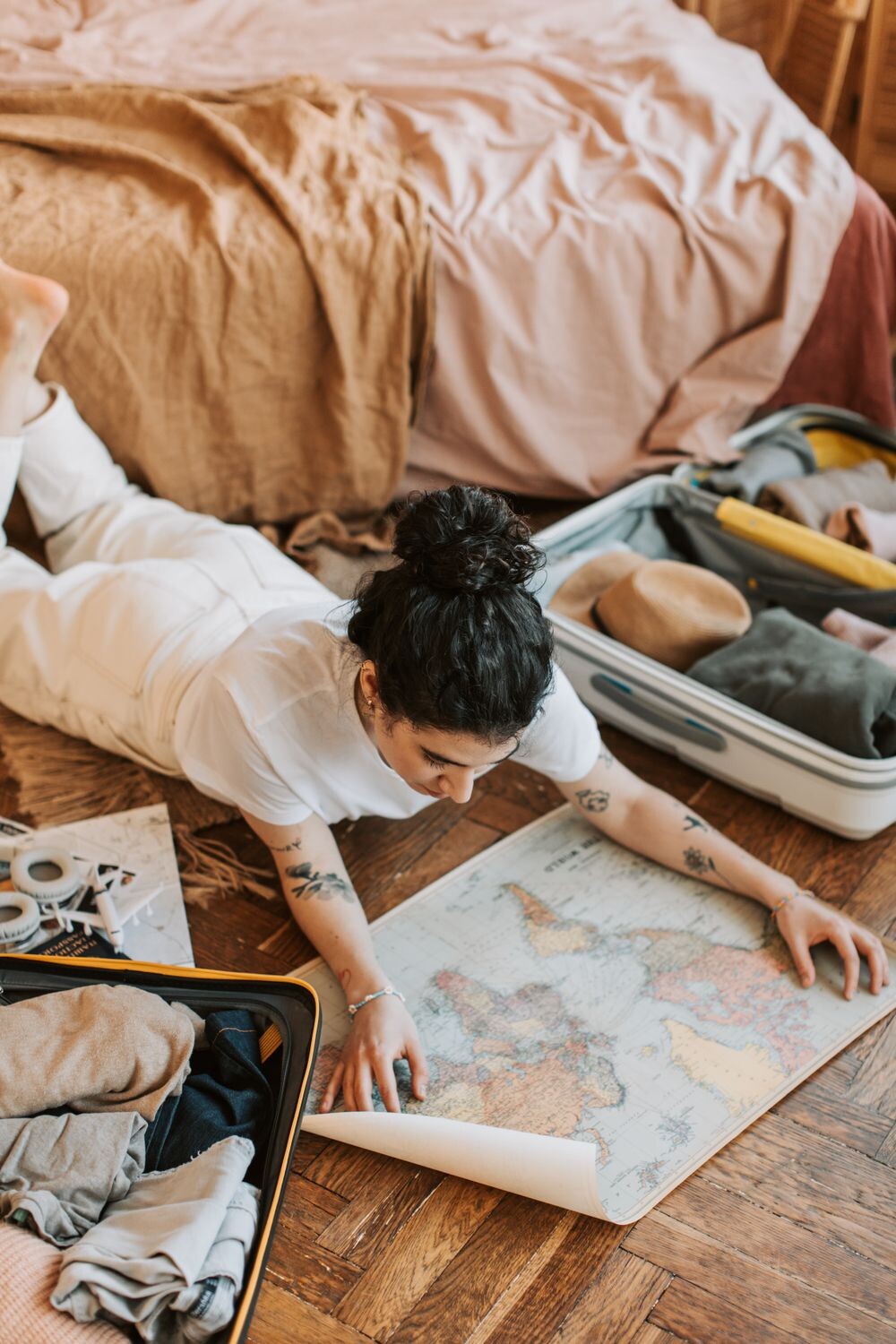
A suitcase should be simple to find in a busy line of bags. Bright tags, a ribbon, or a bold cover can save time at the carousel and lower stress right away.
Inside the bag, the best travelers keep the most important items near the top. That means a charger, snacks, a light layer, and any must-have papers are quick to reach.
This small setup feels neat and smart. It also gives you a more personal travel style because your bag works with you instead of slowing you down.
17. Plan for rest, not just sightseeing
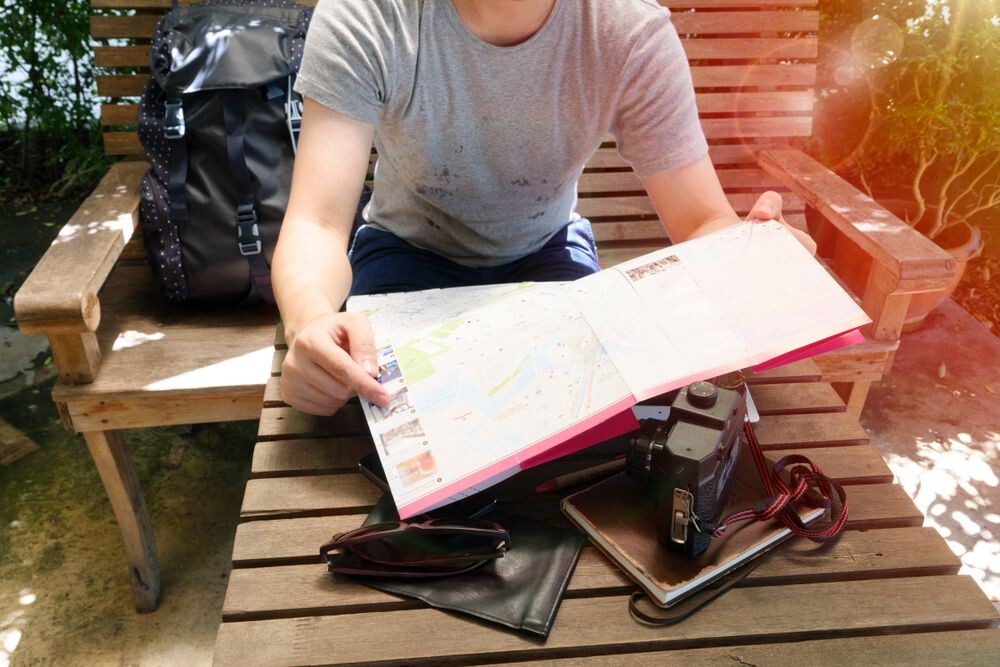
A packed day can look exciting on paper and feel rough in real life. Rest stops, quiet cafés, and short breaks help the trip stay fun instead of draining.
Experienced travelers often schedule a slow hour after a big museum or long ride. That pause can be as simple as sitting in a park, people-watching, or reading under a tree.
This keeps your mood steady and your body happier. It also makes room for a softer, more personal kind of travel that many people now value more than rushing around.
18. Keep a list of backup plans
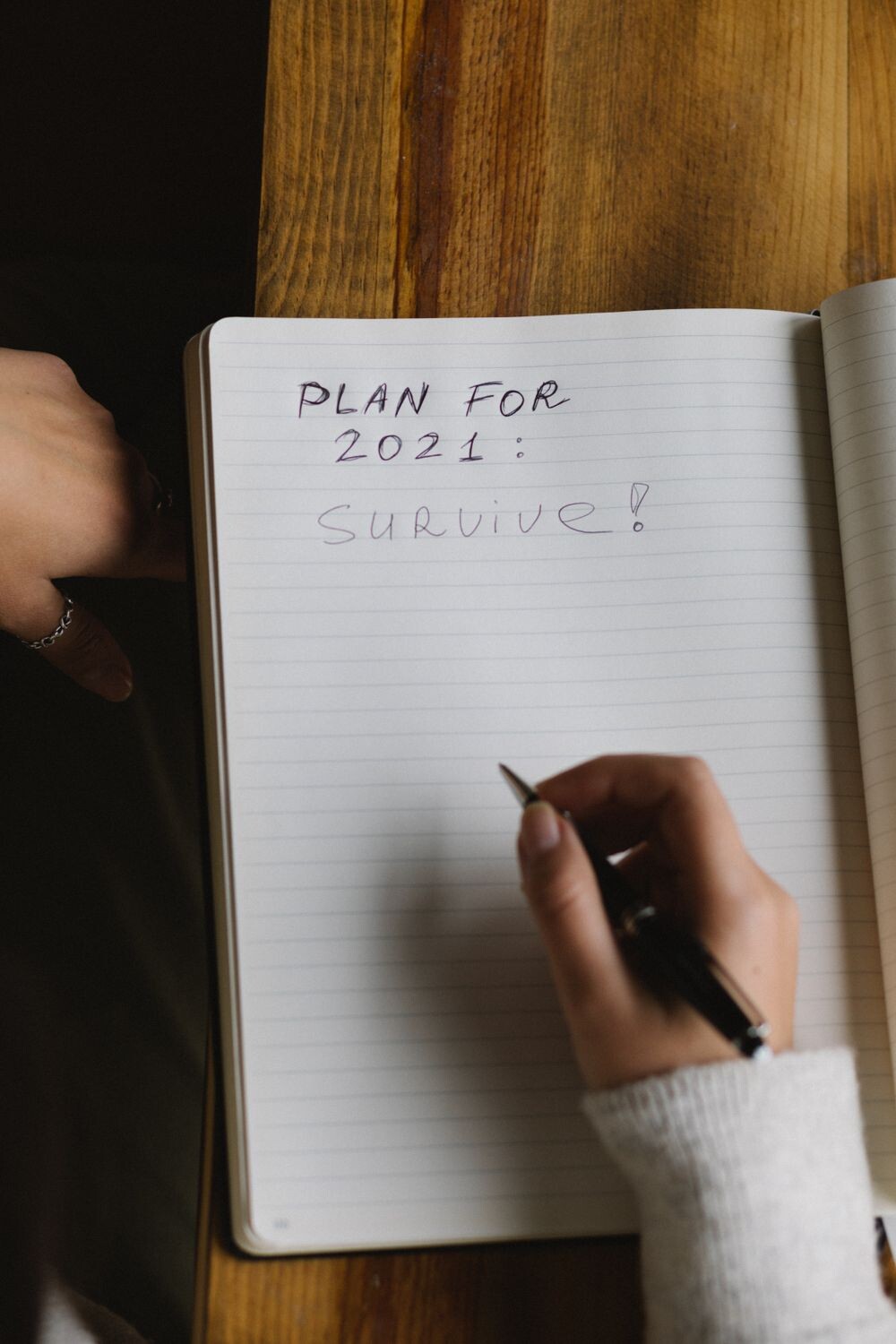
Weather, closures, and sold-out tickets can change a day fast. A backup list gives you a quick path forward when the first idea falls apart.
Travelers often save a second museum, a covered market, a café street, or a short scenic walk. That way, the day still feels full even if the main plan slips away.
Backup ideas can be low-cost or free, which is great for the budget. They also help you stay flexible, which is one of the biggest secrets to a smooth trip.
19. Use reviews like a detective, not a robot
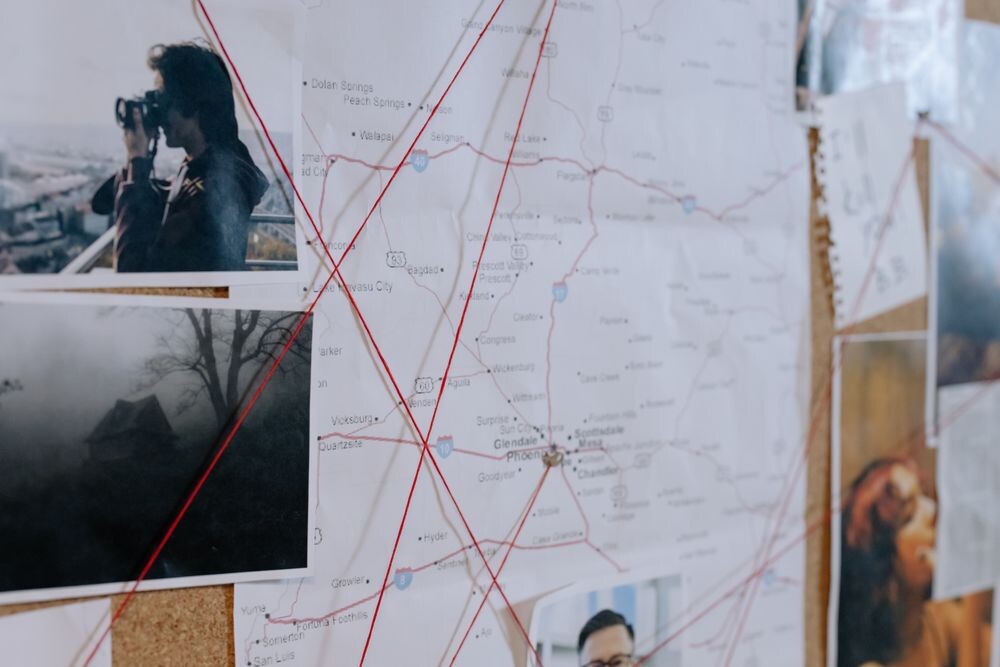
Reviews can be helpful, but they are best read with care. A single angry comment or one glowing post may not tell the full story.
Experienced travelers look for patterns instead of perfect scores. If many people mention noise, slow service, or a great view, that detail is probably worth trusting.
This method helps you choose places that fit your taste. It can also save money by steering you away from expensive spots that do not match your needs.
20. Make one part of the trip feel extra like you
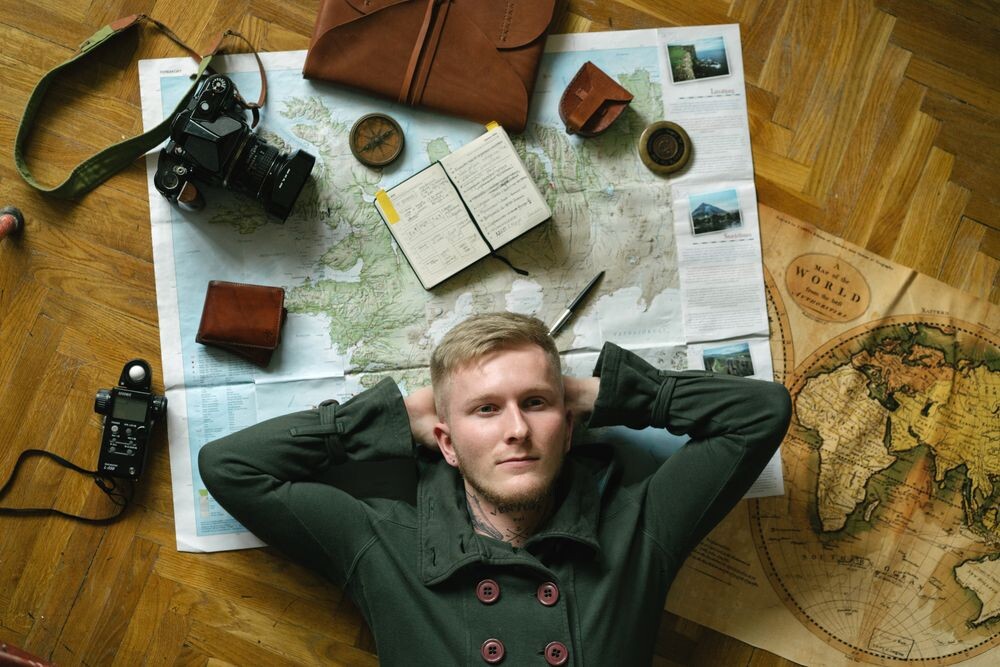
The most memorable trips often have one personal touch. It might be a favorite snack, a music playlist, a sunrise walk, or a notebook for sketches and thoughts.
Travelers who add a personal ritual feel more connected to the place. The trip becomes more than a checklist, and the memories feel warmer and more vivid.
This is a great place to spend a little money if it matters to you. A special class, a local craft, or a tiny souvenir can make the whole journey feel made just for you.
21. End each planning session with one clear next step
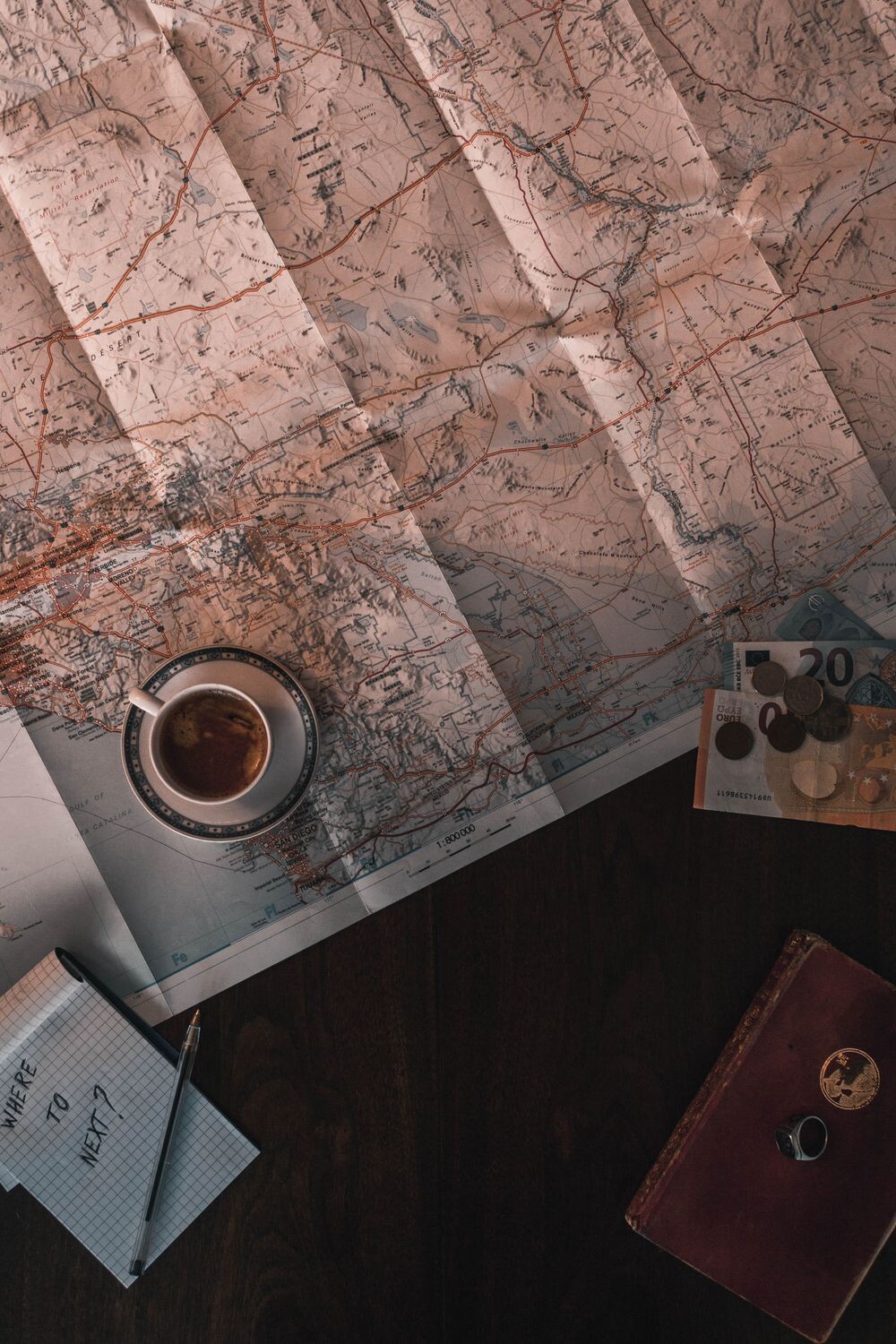
A trip plan gets stronger when it moves in small, easy steps. After each session, experienced travelers write down the next action, such as booking a room, checking train times, or saving a map.
This keeps the process from feeling giant and messy. It also makes the work feel rewarding because every small step brings the trip closer.
Many travelers like this method because it fits busy lives and keeps costs under control. When the next step is clear, the whole journey feels more real, more personal, and much less stressful.