Trips can feel fresh again with a few small changes. New habits can make old places shine.
1. Try a Slow Morning Start

A slow morning can turn a busy trip into something softer and calmer. Picture a quiet café, warm light, and a simple breakfast with no rush.
This style helps travelers feel less tired and more present. It also costs less than a packed day of paid activities, since a peaceful walk or a long coffee break can be enough. Add a favorite book, a playlist, or a journal to make the morning feel personal.
2. Book a Stay in a Small Neighborhood

Staying away from the main tourist strip can feel more real and more relaxed. The streets often look lived-in, with local bakeries, corner shops, and children playing outside.
This choice can bring better food prices and fewer crowds. It also gives travelers a chance to see daily life, not just famous sights. Try picking a place near a market or park so the area feels easy to enjoy on foot.
Many travelers now want local charm over fancy lobbies, so small guesthouses and apartment stays are trending. A simple room with a balcony or kitchen can make the trip feel more like home. If you like privacy, choose a quiet block; if you like energy, stay near a busy square.
3. Plan One Day With No Schedule

An open day can feel exciting in a new way. Without a strict plan, the city gets room to surprise you.
This can lower stress and leave space for happy accidents. You might find a tiny museum, a street musician, or a bakery that was not on any list. Keep a small budget ready for one unplanned meal or ride, and use that freedom to shape the day around your mood.
People who always book every hour often feel more tired than thrilled. A free day gives travelers a chance to rest, wander, or stay longer in a place they love. It also makes room for personal tastes, like shopping, sketching, or people-watching.
4. Take a Food Tour by Flavor, Not Fame

Instead of chasing the most famous restaurant, build a day around tastes you enjoy most. Think spicy snacks, sweet treats, fresh bread, or local drinks with bright colors.
This style can be cheaper than a fancy tasting menu and far more playful. It also helps travelers learn about a place through smell, texture, and color. Ask locals for one favorite bite, then follow that clue to the next stop.
5. Ride Public Transport for Part of the Trip

Buses, trams, and trains can show a city in a very honest way. You see real streets, real routines, and real views from the window.
This choice often saves money and cuts the need for expensive rides. It can also feel more unique than moving only by taxi. Bring a small map or app, keep coins or a transit card ready, and sit near a window if the route is scenic.
Many travelers now enjoy transit as part of the adventure, not just a way to get around. The ride can become a quiet break between busy stops. If you like comfort, choose off-peak times and plan a short route first.
6. Pack a Theme for Your Wardrobe

Travel outfits can be more fun when they follow a simple theme. A color story, like blue and white or earth tones, can make photos look neat and stylish.
This approach saves space and helps clothes mix and match easily. It also lowers the chance of overpacking, which can cut baggage fees. Pick items that work for walking, dining, and light weather changes so your bag stays light.
Personal style matters here, so choose a theme that feels like you. Some travelers love bright prints, while others prefer soft neutrals. A small scarf, hat, or pair of shoes can tie the whole look together.
7. Try a Local Class or Workshop

A hands-on class can add a special memory to any trip. Pottery, cooking, weaving, or dance can all bring a place to life in a new way.
These activities often give better value than buying more souvenirs. You leave with a skill, a story, and sometimes something made by your own hands. Check small studios or community centers, since they may cost less than tourist-heavy options.
Classes also make it easier to meet people in a relaxed setting. If you want a personal touch, choose a workshop tied to your interests, such as coffee, art, or music. The best ones feel local, friendly, and easy to join even for beginners.
8. Build a Photo Hunt Instead of a Photo Dump

Taking pictures can become more fun with a small mission. You might look for bright doors, funny signs, old textures, or reflections in water.
This makes each walk feel like a game and helps you notice details you may miss otherwise. It also keeps photo-taking from taking over the whole day. Use your phone, a small camera, or even a disposable camera for a different feel.
Many travelers now prefer fewer, better photos instead of hundreds of random shots. A photo hunt gives your trip a visual story that feels more personal. If you like editing later, choose one color or mood to keep the album consistent.
9. Stay Close to Nature for One Leg of the Journey

Even a short stop near trees, water, or hills can change the mood of a trip. The air feels different, the light looks softer, and the pace slows down.
This can help tired travelers rest and reset. Nature stays often cost less than big city hotels, especially outside peak seasons. Bring walking shoes, a reusable bottle, and a sweater so you can enjoy the setting without extra spending.
10. Collect Small Local Items Instead of Big Souvenirs
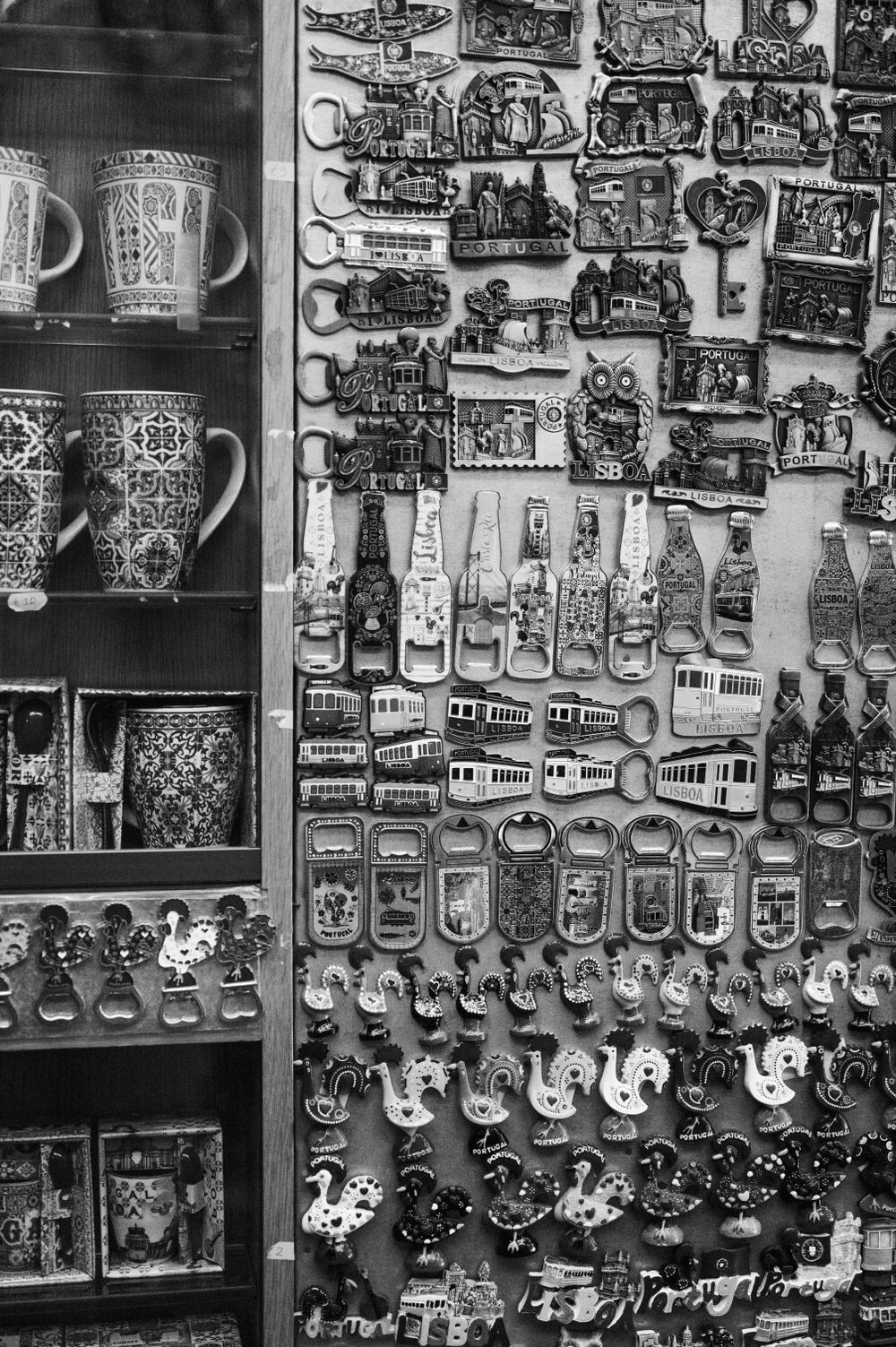
Little keepsakes can hold more meaning than large gifts. A postcard, a tea packet, a ticket stub, or a tiny handmade charm can tell a stronger story.
This habit saves luggage space and often saves money too. It also makes shopping feel more thoughtful and less rushed. Try choosing one small item that reminds you of a smell, color, or moment from the trip.
Some travelers make a memory box at home and add one piece from each journey. That can turn simple objects into a personal travel museum. If you want a budget-friendly idea, look for free printed maps or labels from local shops.
11. Wake Up Early for the Quiet Hours

Early mornings can be the calmest and prettiest time in many places. Streets look open, markets feel fresh, and landmarks often glow in soft light.
This timing may help travelers avoid crowds and heat. It can also leave the rest of the day open for slower plans or cheaper meals. Set out your clothes and snacks the night before so the early start feels easy.
People who like peaceful moments often enjoy this trend more than late-night sightseeing. The city seems to belong to you for a little while. If you are not a morning person, begin with one early walk and keep it short.
12. Try a Trip With a Single Color Palette

A color palette can make a trip feel stylish and playful. You might pick soft green, sunny yellow, deep red, or classic black and white.
This idea can shape clothes, photos, and even notebook pages. It gives the journey a visual thread that feels neat and memorable. You do not need to buy much; just use what you already own and add one or two small items if needed.
Personal touches make this idea better, so choose colors tied to your taste or mood. Some travelers match their outfits to the season, while others match them to the destination. The result feels creative without being expensive.
13. Swap Big Restaurants for Market Meals
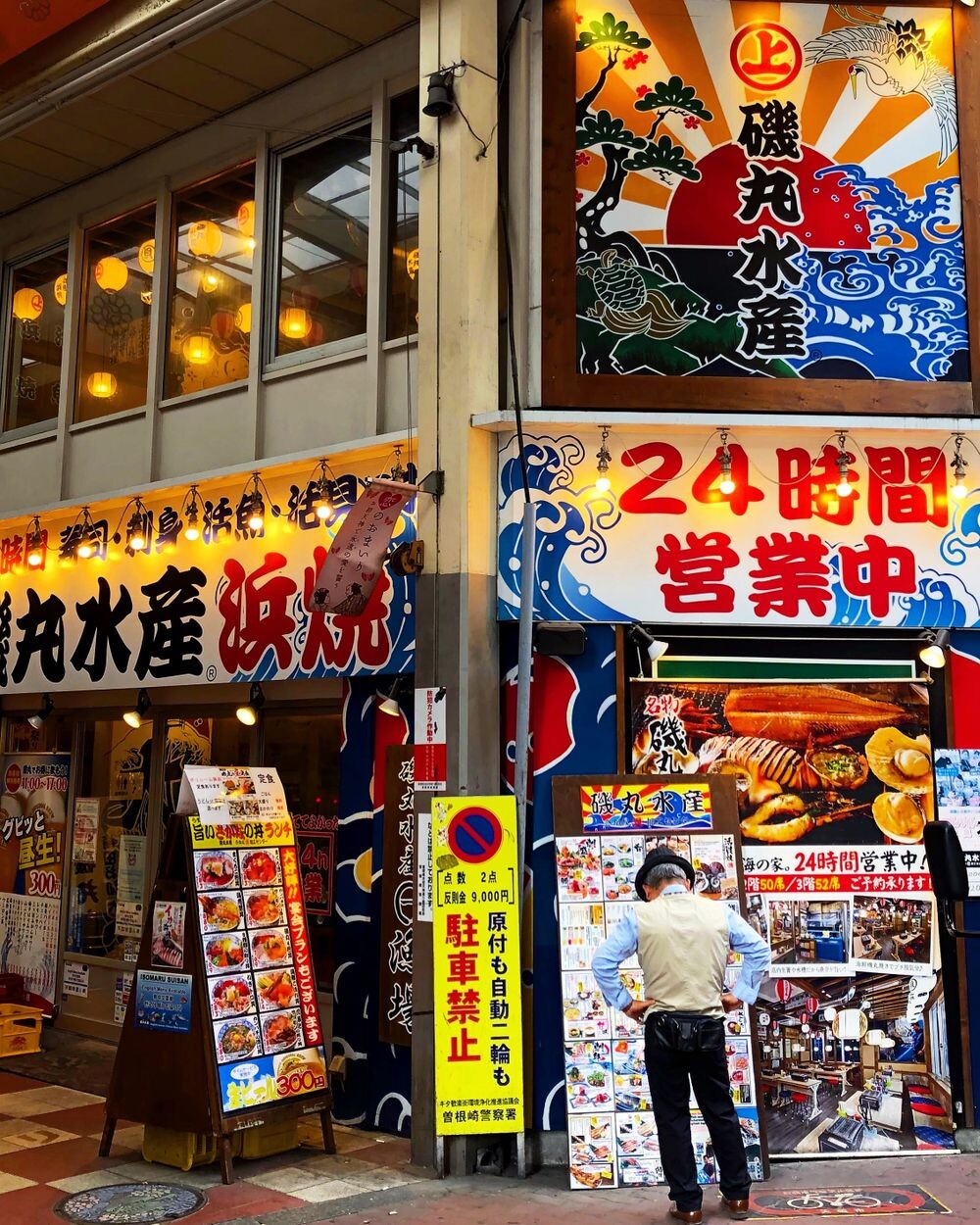
Local markets can be full of color, sound, and great smells. Stalls often show fresh fruit, hot snacks, baked goods, and dishes made right in front of you.
Meals from markets are often cheaper than sit-down dining. They also let you sample more foods in one stop. Bring cash, ask what is fresh, and share plates with a travel partner if you want to try more without spending too much.
This is a strong choice for travelers who like a casual vibe. The setting feels lively and real, and the food can be a story all by itself. If you want a personal twist, pick one item based on color and one based on smell.
14. Add a Creative Project to the Journey

A trip can feel richer when you make something during it. You might write a short story, paint a scene, or keep a tiny sketchbook.
This gives you a reason to slow down and notice details. It also creates a keepsake that is more personal than anything bought in a shop. The cost can be very low if you bring a small notebook or a few pens from home.
Creative travel is trending because many people want deeper memories, not just quick photos. A project can be as simple as one drawing a day or one page of notes per stop. Pick a format that fits your style so it feels fun instead of like homework.
15. Travel With a Light Bag Only

Using a small bag can make every move feel easier. You walk faster, pack faster, and worry less about heavy wheels or lost luggage.
This choice often avoids checked bag fees and makes train or bus travel much smoother. It also forces smart packing, which means fewer unused items. Choose clothes that dry fast, fold well, and work in more than one setting.
Many travelers now see light packing as a skill, not a sacrifice. The freedom can feel amazing when you move through stations or stairs. Add one comfort item, like a scarf or favorite socks, so the bag still feels personal.
16. Book a Place With a Kitchen Corner
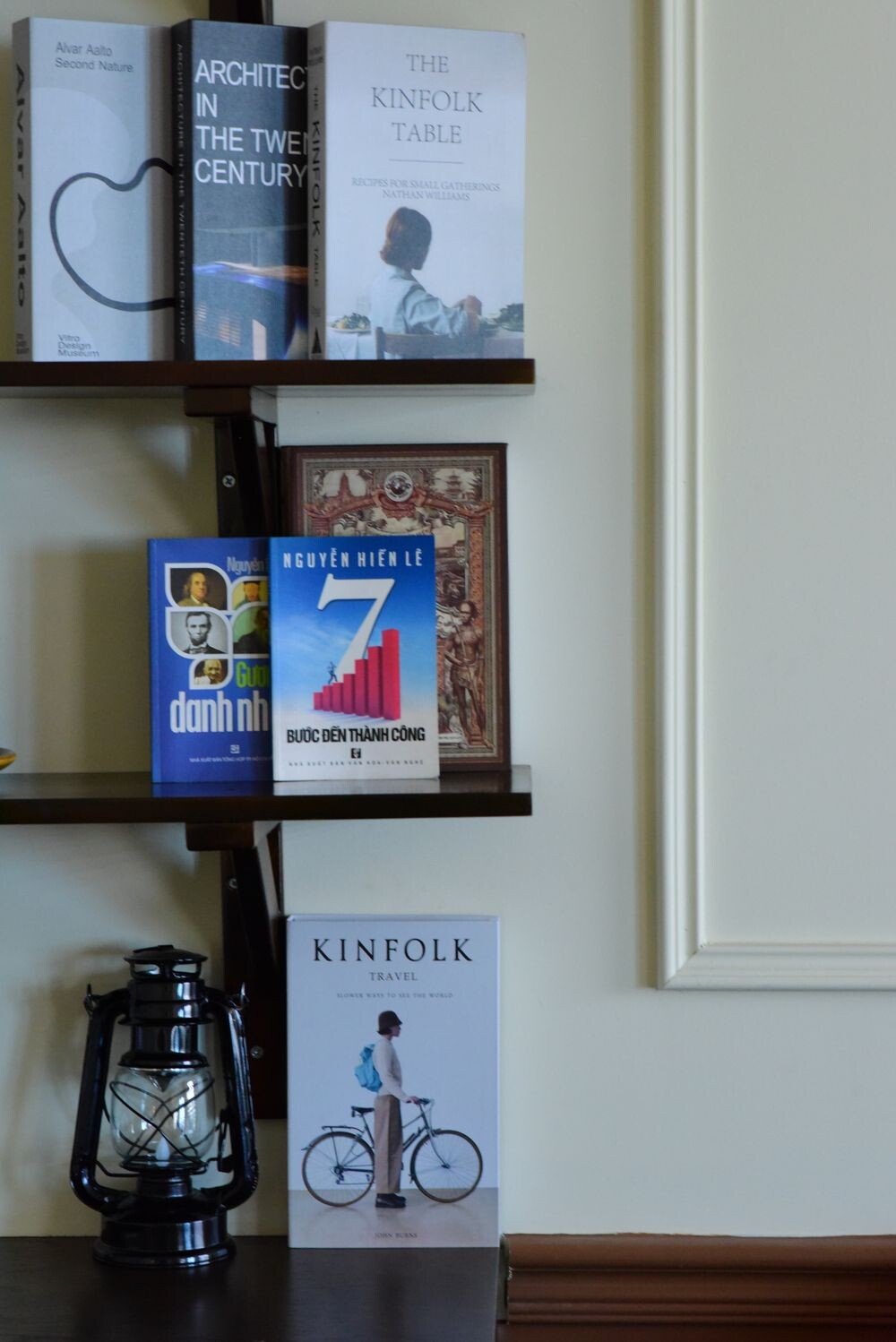
A small kitchen area can change the whole rhythm of a trip. Coffee in the morning, fruit at midday, and a simple snack at night can feel cozy and calm.
This can help cut food costs, especially on longer stays. It also gives travelers more control over meals if they have special food needs. Shop at local stores and cook one easy meal to feel more settled in the space.
The trend toward apartment stays and kitchen suites keeps growing because people like flexibility. You do not need to cook every meal to get the benefit. Even a fridge, kettle, and toaster can make the room feel more useful and home-like.
17. Choose One Landmark and Spend More Time There

Rushing from sight to sight can blur the memory of a place. Staying longer at one landmark lets you notice the light, the sounds, and the people around it.
This can be more satisfying than checking off many stops. It also costs less in transport and may reduce the need for extra tickets. Bring a snack, sit on a bench, and watch how the place changes through the hour.
Some travelers now prefer slower sightseeing because it feels less like a race. A single spot can offer many views if you give it time. If you like photos, return at a different time of day for a fresh look.
18. Try a Trip Focused on One Hobby

Travel can feel more exciting when it centers on something you already love. Hiking, books, music, surfing, or birdwatching can all shape a trip in a fun way.
This makes planning easier because your choices have a clear purpose. It also helps you meet people with the same interest. Costs vary, but you can often keep them low by finding public trails, free events, or local meetups.
Personalization is the best part of hobby travel. A reader might seek quiet cafés and bookstores, while a music fan might look for live shows and record shops. The trip feels made for you instead of copied from a guidebook.
19. Build a Sunset Routine

Sunset can become a daily highlight instead of a random bonus. A beach, rooftop, hill, or quiet bridge can all work as a viewing spot.
This moment gives the day a gentle ending and often costs nothing. It can also help travelers pause and feel thankful for where they are. Bring a light layer, a drink, or a snack so the wait feels comfortable.
Many people now plan their evenings around golden light because the photos look beautiful. The routine can be simple and still feel special. If you want a personal touch, choose one place that matches your trip mood, such as lively, quiet, or romantic.
20. Use Paper Notes for Daily Plans

Writing plans on paper can feel calming in a very small but useful way. A folded note in your pocket is easy to glance at without opening a phone.
This helps reduce screen time and keeps your day feeling present. It also works well when battery life is low or signal is weak. Use colored pens, stickers, or little icons to make the page feel more fun and easy to read.
Paper planning is a simple trend that many travelers enjoy because it feels hands-on. It can also become a nice memory after the trip ends. Keep the note short and light so it supports the day instead of controlling it.
21. Try a New Way to Move Around

Different transport can change how a destination feels. A bike, ferry, cable car, scooter, or even a long walk can open up new views.
This can be more memorable than sitting in a car the whole time. It may also cost less, especially if you choose walking or public bikes. Check safety rules, wear the right gear, and choose routes that match your comfort level.
Travelers often find that movement becomes part of the fun. The wind, the sound, and the pace all add to the story. If you want a personal touch, pick the method that matches your energy and the shape of the place.
22. Make a Tiny Ritual for Every Arrival

A small ritual can help a new place feel friendly right away. It might be unpacking one item, drinking tea, opening the window, or taking a short walk.
This gives your mind a clear signal that the trip has begun. It can also reduce that uneasy feeling that sometimes comes after a long ride. Choose something simple and repeat it on each trip so it becomes comforting.
Many travelers like rituals because they make movement feel steady. The habit does not need to cost anything at all. A favorite scent, song, or snack can make the first hour in a new place feel warm and familiar.
23. Mix One Fancy Moment With Simple Days

A trip does not need to be fancy all the time to feel special. One nice meal, one spa hour, or one beautiful room can balance out simpler days.
This approach can keep spending under control while still adding a touch of luxury. It also makes the treat feel more meaningful because it stands out. Choose the one splurge that matters most to you, and keep the rest of the trip relaxed and affordable.
Current travel trends often favor this kind of smart balance. People want comfort, but they also want value. A single special moment can carry the memory of the whole trip if it matches your taste.
24. Leave Space for a Surprise Stop

One surprise stop can become the best part of the journey. It might be a tiny village, a roadside view, a local café, or a small shop you had not planned to see.
This idea brings playfulness back into travel and keeps the day from feeling too strict. It can also lead to low-cost fun, since some of the best stops are free. Ask a driver, host, or local helper for one unexpected suggestion and follow it if it feels right.
Personal choices make this idea shine, because your surprise can match your interests. A history fan may choose an old ruin, while a nature lover may choose a hidden trail. The thrill comes from giving the trip room to wander a little.