Travel does not have to drain your savings. Small choices can open big doors.
1. Travel During the Shoulder Season

Prices often drop when the crowds thin out and the weather stays pleasant. Airports feel calmer, streets look less packed, and hotel lobbies can feel more relaxed.
This is a smart way to save on flights, rooms, and even tours. You may also get a more personal feel from locals because they are not rushed by peak-season traffic. Pick a place with mild weather, then build your trip around that sweet spot.
2. Use Fare Alerts for Flights
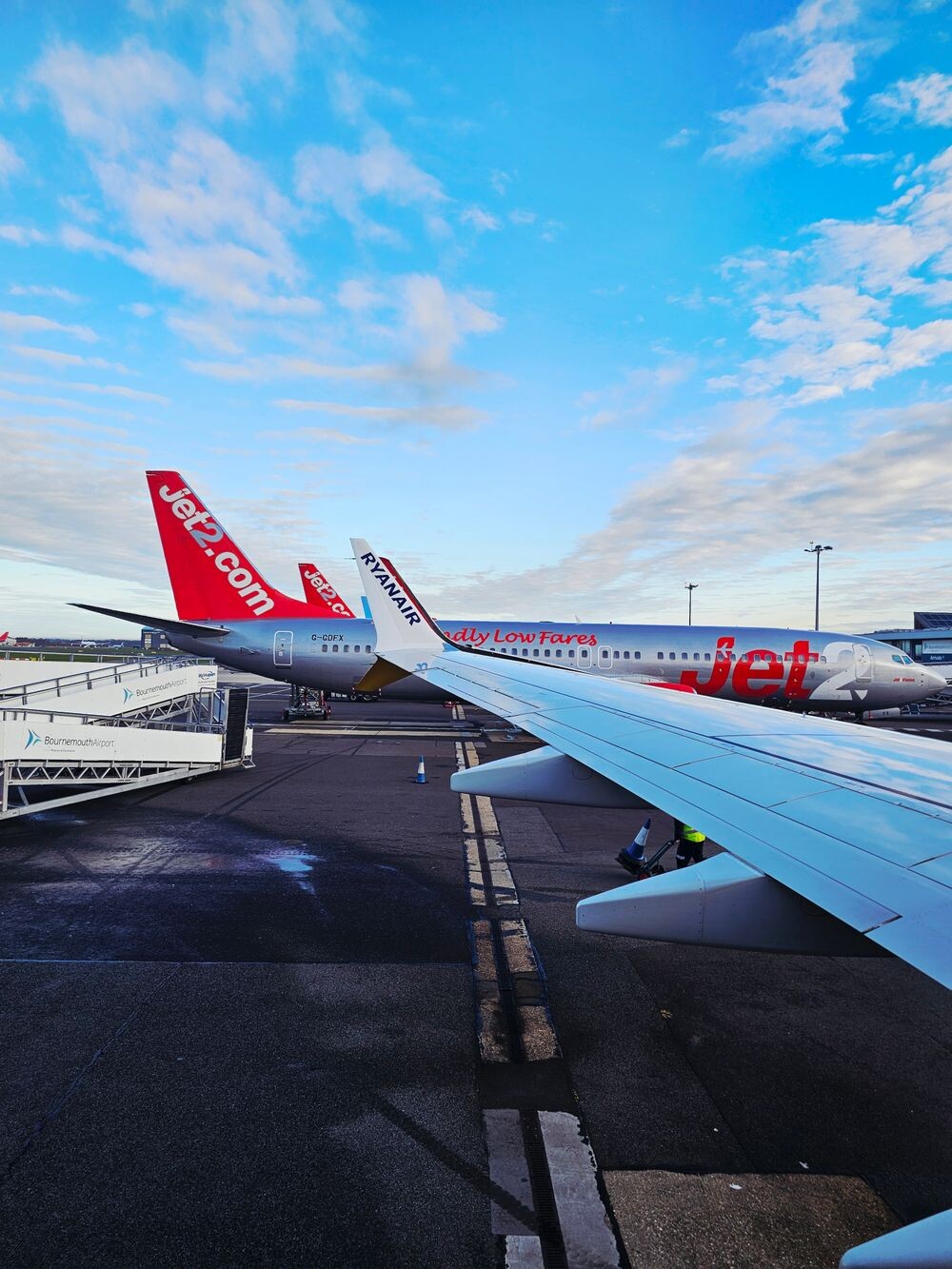
Fare alerts can do the hard work while you go about your day. A low-price email can feel like a tiny win before the trip even starts.
This helps you spot good deals without checking every hour. It also gives you a better sense of normal prices, so you know when a sale is truly worth it. Set alerts for a few dates and nearby airports to widen your chances.
Many travelers now use apps that track price drops in real time. You can make the search fit your style by choosing nonstop trips, longer layovers, or even different departure days.
3. Stay in Vacation Rentals or Guesthouses
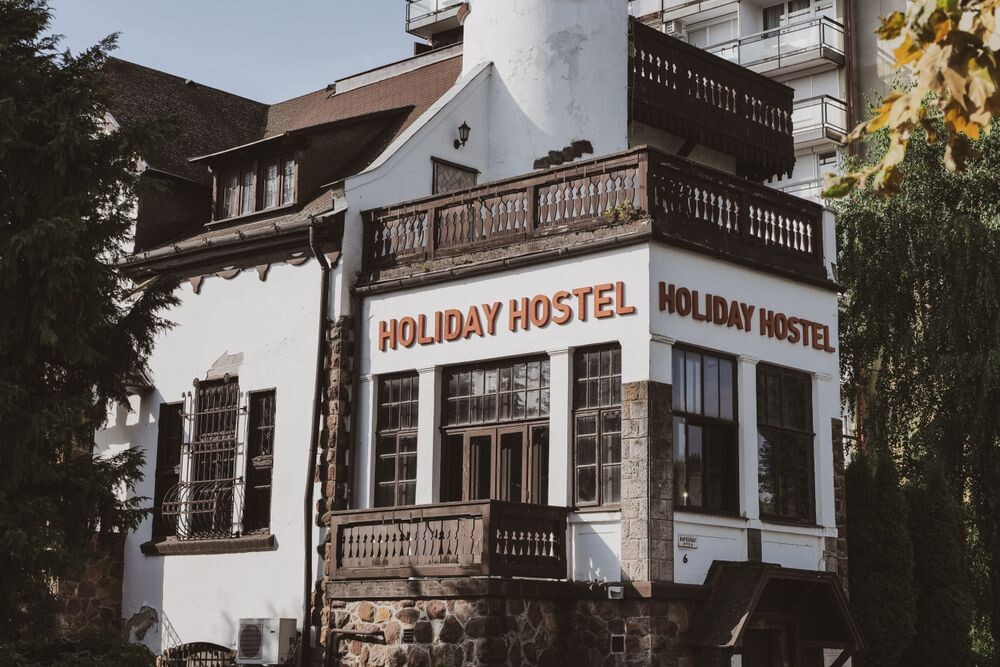
A small apartment or guesthouse can feel warmer than a plain hotel room. You may see a kitchen, a balcony, or a bright local-style room that adds charm to the stay.
Cooking a few meals can cut food costs in a big way. It can also make the trip feel more personal because you shop at local markets and try simple regional foods in your own space.
Look for places with laundry, too, since that can save money on packing and baggage. If you are traveling with family or friends, shared spaces can lower the cost per person and make the trip feel more home-like.
4. Pack Light and Avoid Bag Fees
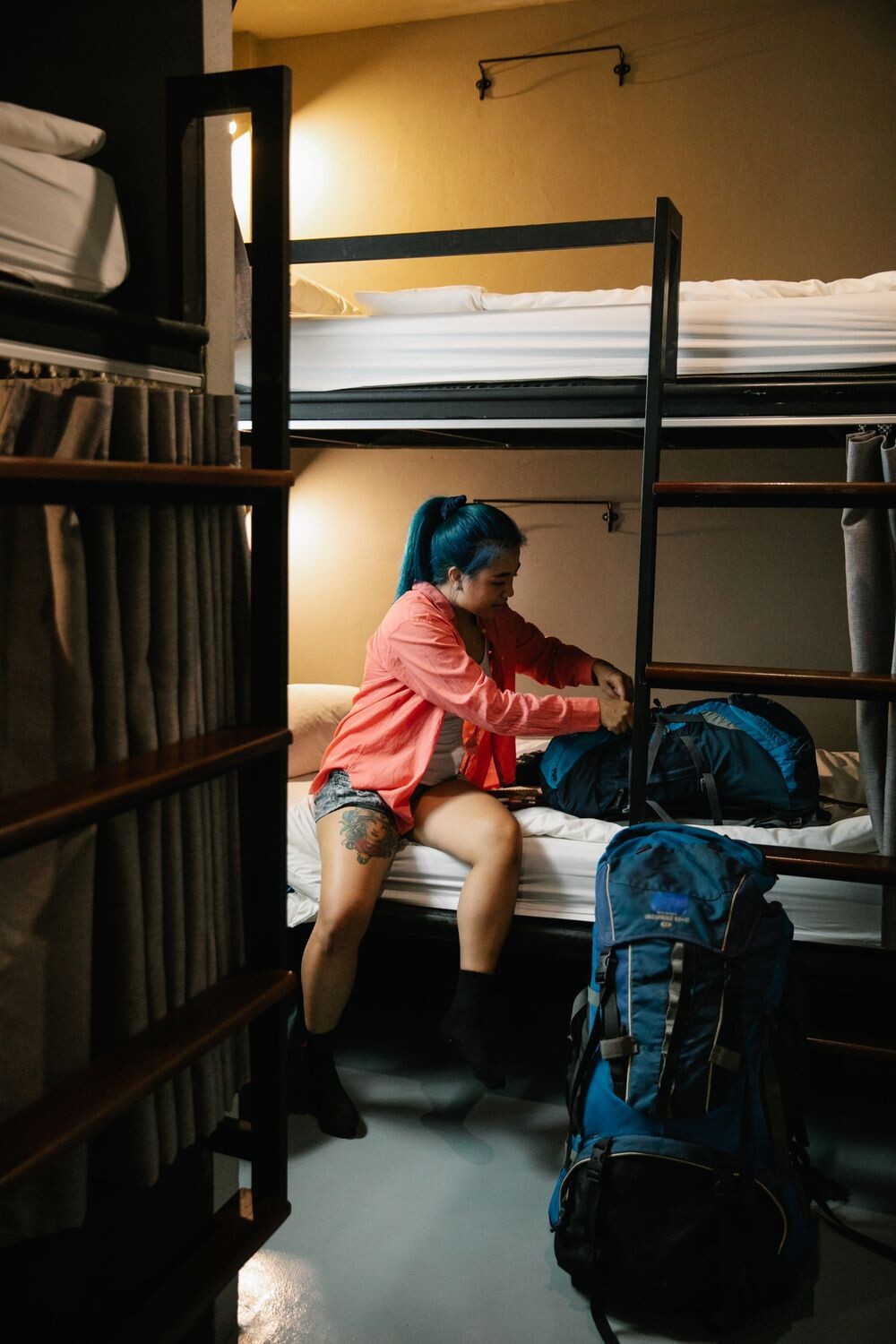
A smaller bag can make the whole trip feel easier. You move faster through airports, and you do not have to wait at baggage claim with everyone else.
Many airlines charge extra for checked luggage, so packing light can save a surprising amount. It also helps you stay neat, since you bring only what you truly need.
Choose clothes that mix and match well, and use packing cubes to keep things tidy. A personal travel style can still shine with a few favorite items, like a scarf, hat, or one bold shirt.
5. Book Trains, Buses, or Shared Rides
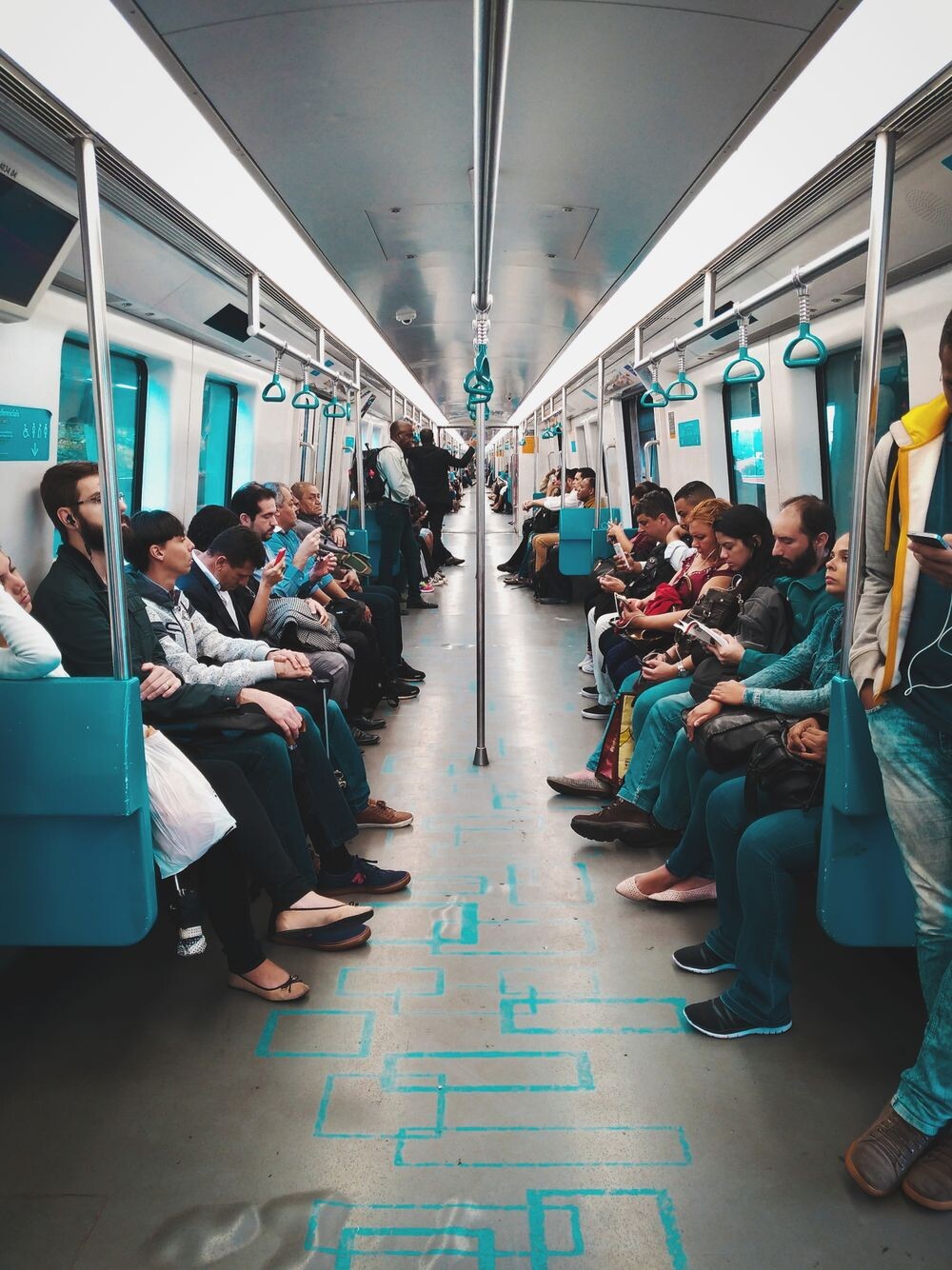
Ground travel can be much cheaper than flying, especially for short routes. The views can be lovely, with wide fields, mountain roads, or city lights outside the window.
This option can also be easier on your budget because it often includes fewer extra fees. Some modern buses now offer Wi-Fi, charging ports, and comfy seats, which makes the ride feel more useful.
Check schedules early, since the best seats and lowest prices often go first. If you like slow travel, this can also give you more time to enjoy the journey itself.
6. Cook Some of Your Own Meals
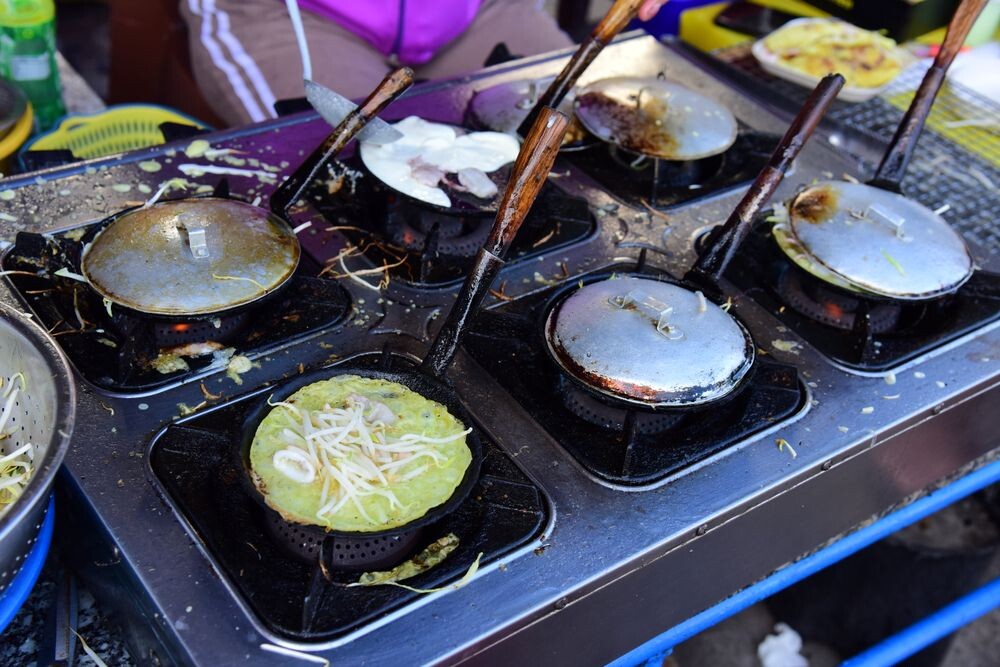
Food can take a huge bite out of a travel budget. A simple breakfast in your room or a picnic lunch by the water can save money and still feel special.
Local markets are a great place to find fresh fruit, bread, cheese, and easy snacks. The colors and smells can make shopping fun, and you get a small taste of daily life in the area.
Try mixing home-cooked meals with a few local restaurant visits. That way you still enjoy the food scene without spending too much every day.
Even a small cooler bag or reusable container can help if you are on the move. Personalize your food plan based on your habits, like choosing one treat meal and keeping the rest simple.
7. Use City Passes and Attraction Bundles
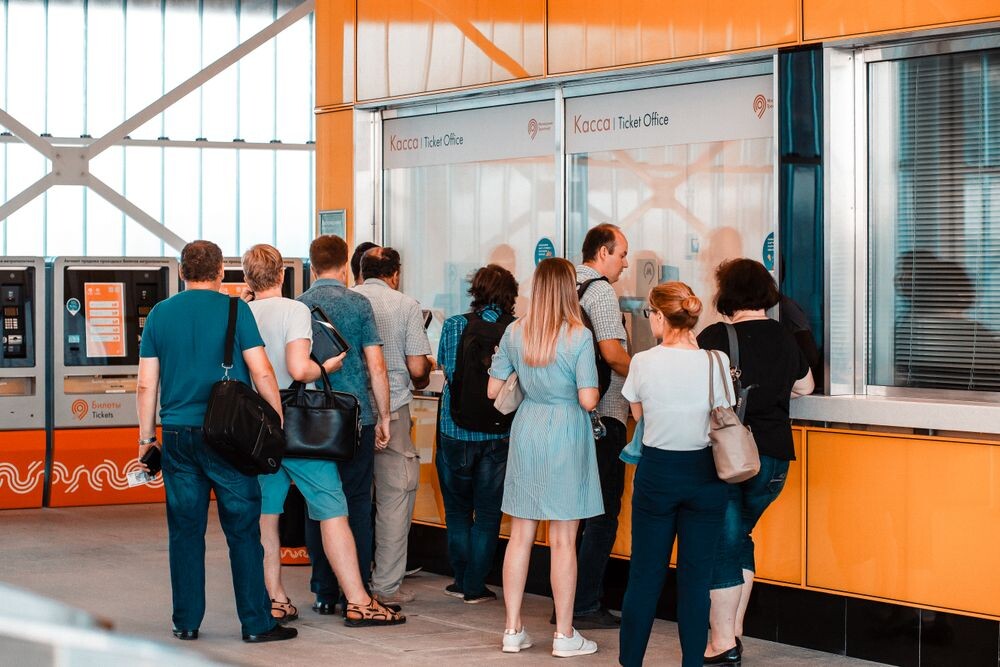
Many cities sell passes that group together several sights for one price. The booklet or app often looks neat and colorful, with maps, icons, and easy entry details.
This can be a good fit if you plan to visit many popular spots. It may also save time at the door, since some passes let you skip long ticket lines.
Compare the pass cost with the places you really want to see. If the bundle matches your interests, it can feel like a custom-made deal instead of a random package.
Some passes now include digital guides and timed entry tools. That makes planning smoother and helps you avoid paying for things you never meant to use.
8. Travel With a Flexible Itinerary
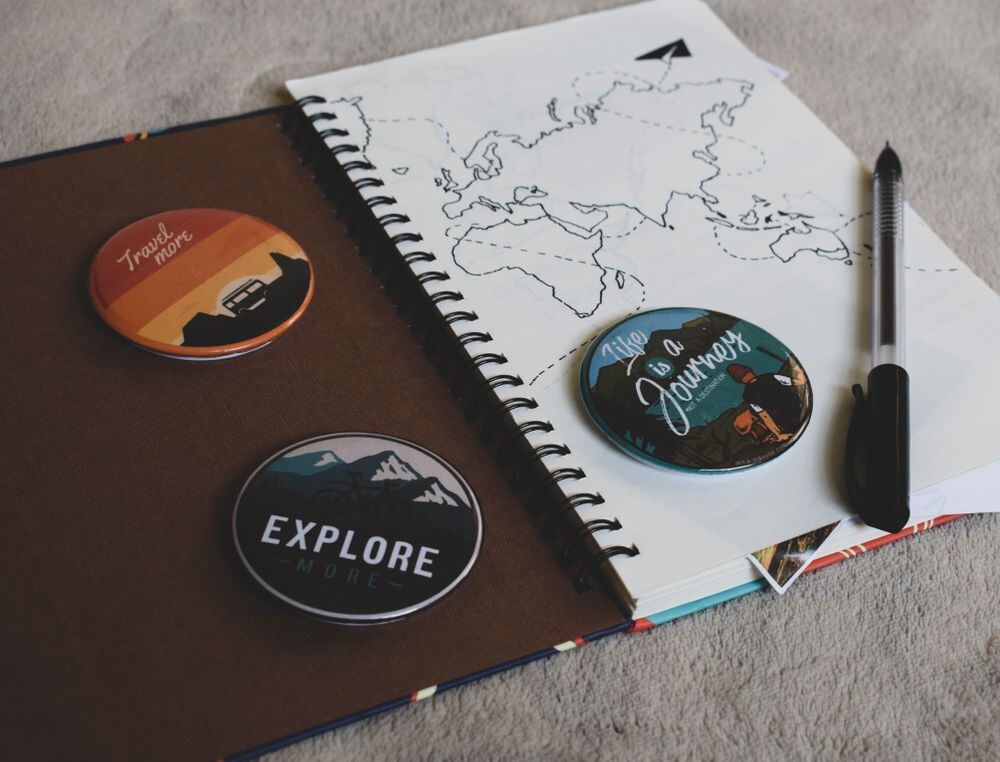
Flexibility can lead to lower prices in places you might not expect. A change in dates or a nearby airport can sometimes cut the cost by a lot.
It also gives you room to follow better deals as they appear. You may end up in a charming neighborhood, a quieter beach, or a less crowded town that feels more local.
Build a trip with a few must-see spots, then leave some open space. That way you can shape the journey around price, weather, and your own energy level.
9. Choose Walkable Destinations

A walkable city can save money on taxis, rideshares, and parking. Streets with cafés, trees, and public squares can also make the trip feel lively and easy.
Walking helps you notice little things like murals, bakeries, and neighborhood shops. Those details often become the best memories because they feel real and close.
Look for places with good sidewalks, bike lanes, and public transit nearby. A destination that is easy to move around in can lower stress and lower spending at the same time.
10. Travel With a Group

Sharing a trip can make many costs easier to handle. A bigger room, a rental house, or a shared car may cost less per person than going alone.
Group travel can also feel more fun because you split the planning and the memories. A table full of friends or family can make even a simple meal feel festive and bright.
Set clear budget rules before the trip begins so everyone feels comfortable. You can also personalize the plan by giving each person one activity they care about most.
11. Use Public Transit Like a Local
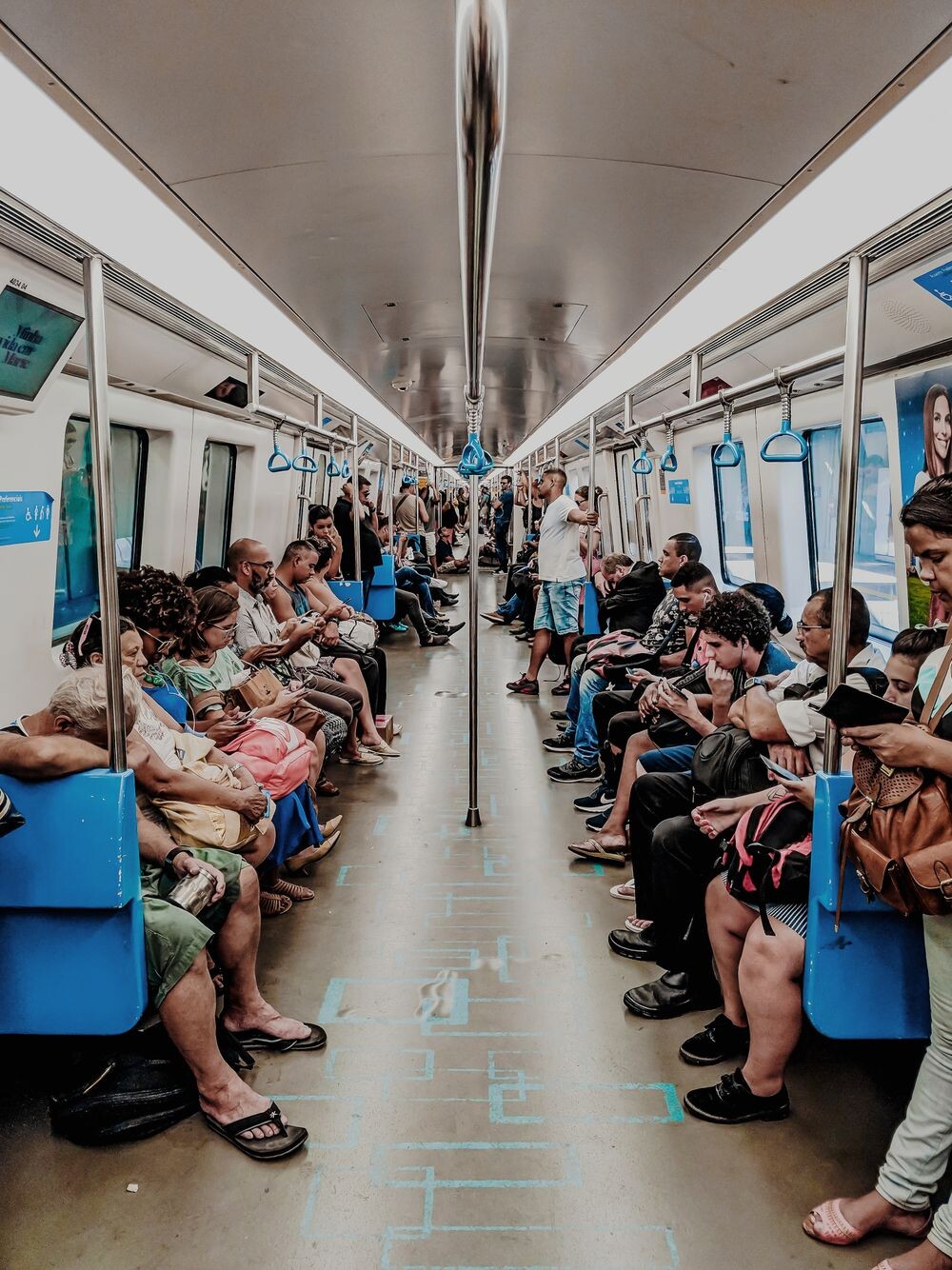
Buses, subways, and trams often cost far less than private rides. The stations may look busy and colorful, with signs, maps, and people heading in many directions.
This is a great way to see how a place really works. You may pass neighborhoods and daily scenes that tourists in cars never notice.
Buy day passes or reloadable cards if they are cheaper than single rides. A little planning here can save money every day of the trip.
12. Look for Free Things To Do
Many places offer free museums, public gardens, street festivals, and scenic viewpoints. These can be just as memorable as paid stops, especially when the light is beautiful.
Free activities help keep your budget steady while still filling your days. They also leave room for one or two special splurges that matter most to you.
Search local event calendars before you go and save a few ideas on your phone. You can shape the day around your interests, like art, music, nature, or history.
Current travel trends often include more outdoor and community-based events. That means more chances to enjoy a place without spending much at all.
13. Book Early for Popular Trips
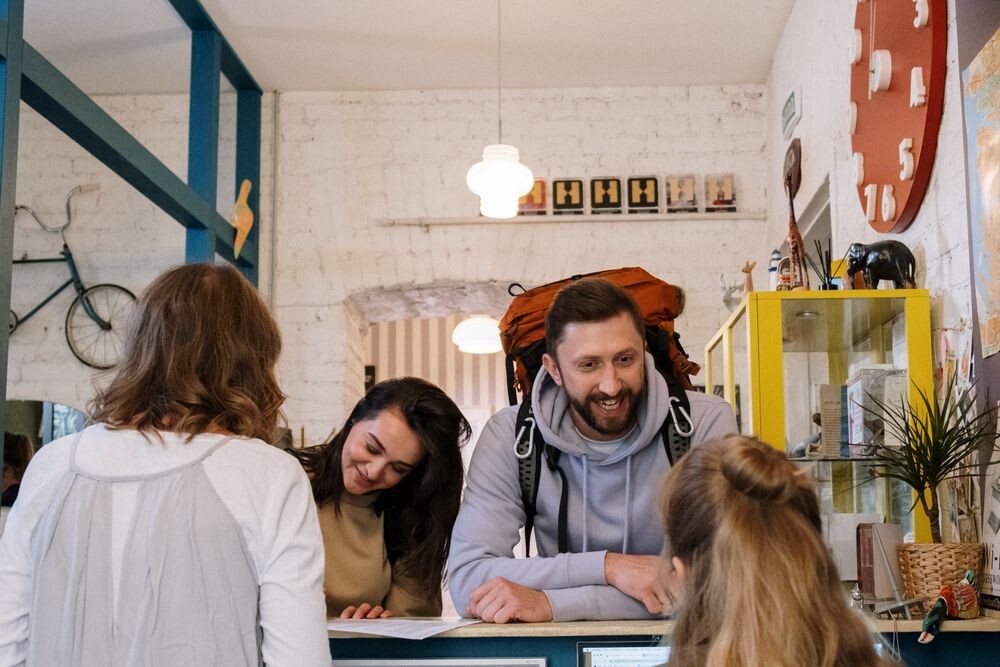
For busy routes and famous destinations, early booking can bring better prices. The calendar view often shows a neat spread of options, which makes the search feel less stressful.
This can be especially helpful for holidays, school breaks, and big events. Waiting too long may leave you with fewer choices and higher costs.
Set a reminder as soon as your dates are known. If the trip is important to you, locking in the basics early can protect your budget and your peace of mind.
14. Stay Outside the Main Tourist Zone
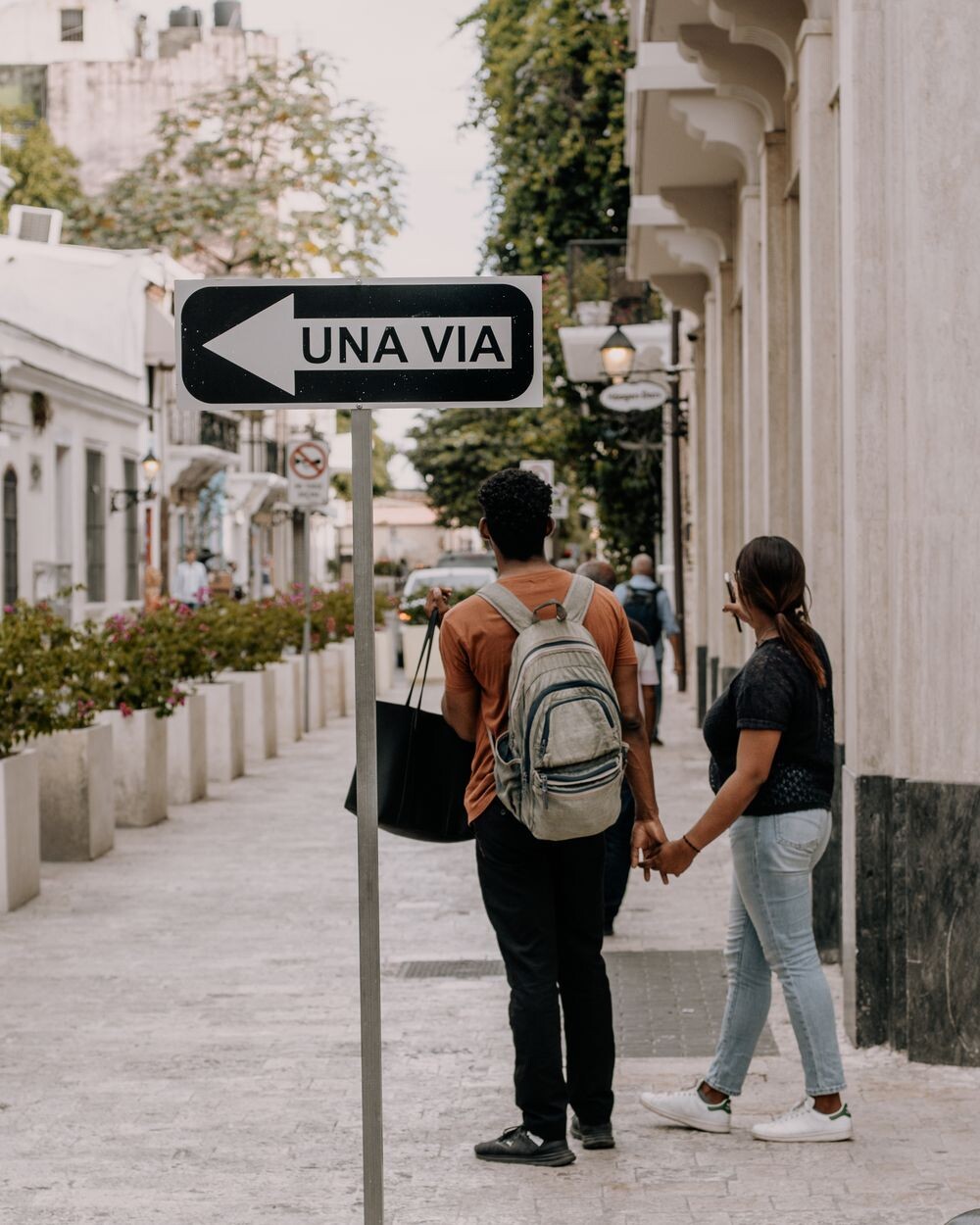
Hotels and rentals near famous sights usually cost more. A nearby neighborhood can feel quieter, with local bakeries, small parks, and more room to breathe.
You may pay less and still reach the main attractions by transit or a short walk. The area can also feel more unique because it shows everyday life instead of just postcard views.
Check commute times before you book so you do not trade savings for long, tiring rides. A place with good access can give you both value and comfort.
15. Use Reward Points and Travel Cards Wisely
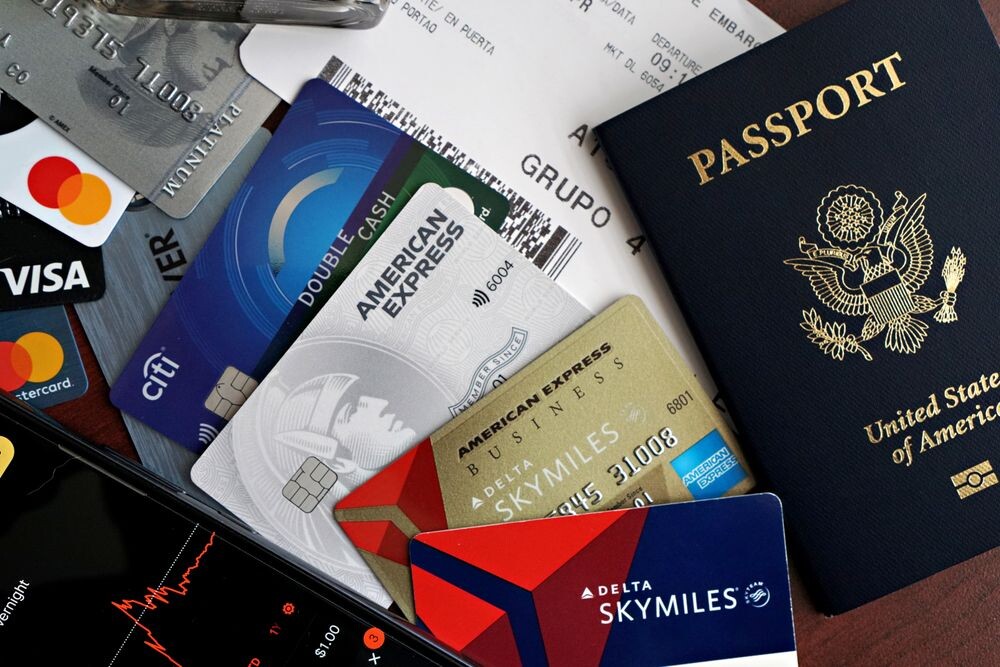
Points can act like tiny travel coins when you use them well. A free flight, hotel night, or baggage credit can make a trip feel lighter on your wallet.
Many cards also come with perks like trip protection or lounge access. That can add comfort without adding much to your out-of-pocket cost.
Choose a card that fits your real spending habits, not just the flashiest sign-up offer. Keep track of fees so the rewards stay worth more than the cost.
Some travelers now pair points with cash bookings to stretch value farther. That mix can work well if you want both savings and freedom in how you plan.
16. Visit Less Famous Spots Nearby

Smaller towns and side trips can be cheaper than the big-name attraction next door. They often have a calmer look, with open streets, local cafés, and friendly faces.
These places can feel more personal because they are less crowded and less polished. You may find better prices on food, rooms, and activities without losing the fun.
Ask locals or read recent travel notes to find nearby gems. A short detour can give you a fresh view and a better deal at the same time.
17. Travel in the Off-Hours

Early flights, late trains, and midweek departures can cost less than prime-time options. The airport or station may look sleepy, but your wallet may feel much happier.
This can also mean shorter lines and a smoother start to the day. If you are an early bird, the quiet hours may even feel peaceful and easy.
Match off-hour travel with your own energy level so the savings do not wear you out. A cheap ticket is only a good deal if you can still enjoy the trip.
18. Bring Reusable Travel Gear
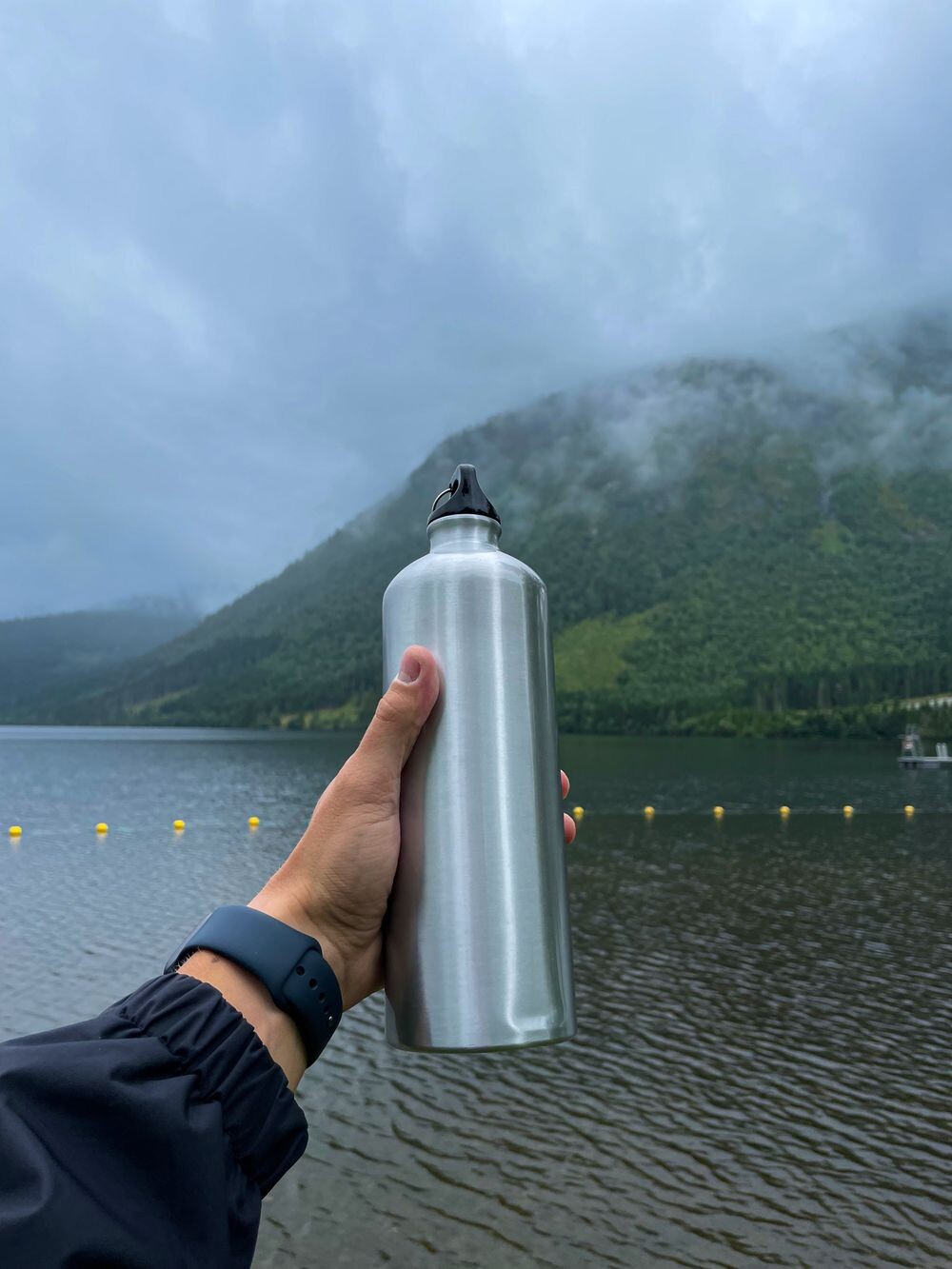
Reusable bottles, snack bags, and shopping totes can save money over time. They also make your bag look tidy and ready for anything.
You will buy fewer single-use items, which is good for both your budget and the planet. That kind of travel feels thoughtful and current, especially for travelers who like simple, low-waste habits.
Pick gear that fits your style, such as a bright bottle or a foldable tote that packs flat. Small tools like these can make daily life on the road much easier.
Some airports and cities now have refill stations and more eco-friendly options. Using them can help you avoid small charges that add up fast.
19. Choose Destinations With a Strong Value Exchange Rate
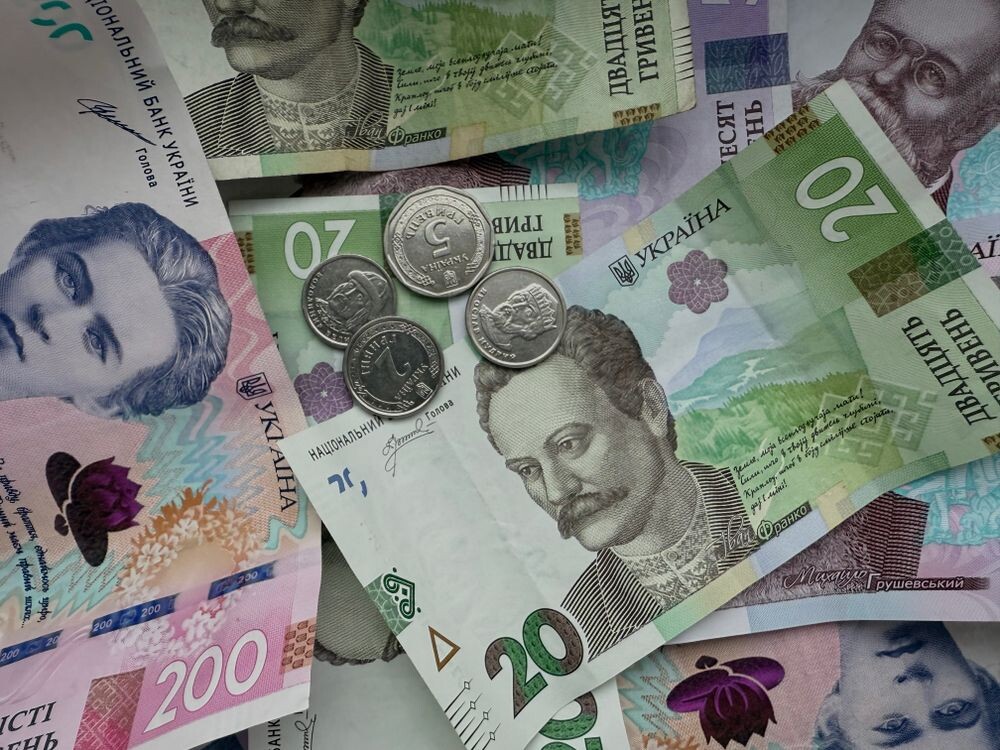
Some places simply give your money more buying power. A meal, museum ticket, or room can feel pleasantly affordable when the exchange rate works in your favor.
This can make a trip feel richer without raising your spending. You may enjoy nicer stays, tastier food, or more activities for the same amount of money.
Check the current exchange rate before booking and compare it with daily costs on the ground. A destination that looks pricey at first may actually be a strong value once you do the math.
20. Use Local Sim Cards or Budget Data Plans

Roaming charges can surprise travelers in a bad way. A local sim card or low-cost data plan often looks simple and can keep you connected without a huge bill.
This helps with maps, ride apps, and quick searches for food or transit. It also makes the trip feel smoother because you are not hunting for Wi-Fi all the time.
Check phone compatibility before you go so the switch is easy. If you use your phone a lot, this small step can save a lot over a long trip.
21. Shop Like a Local
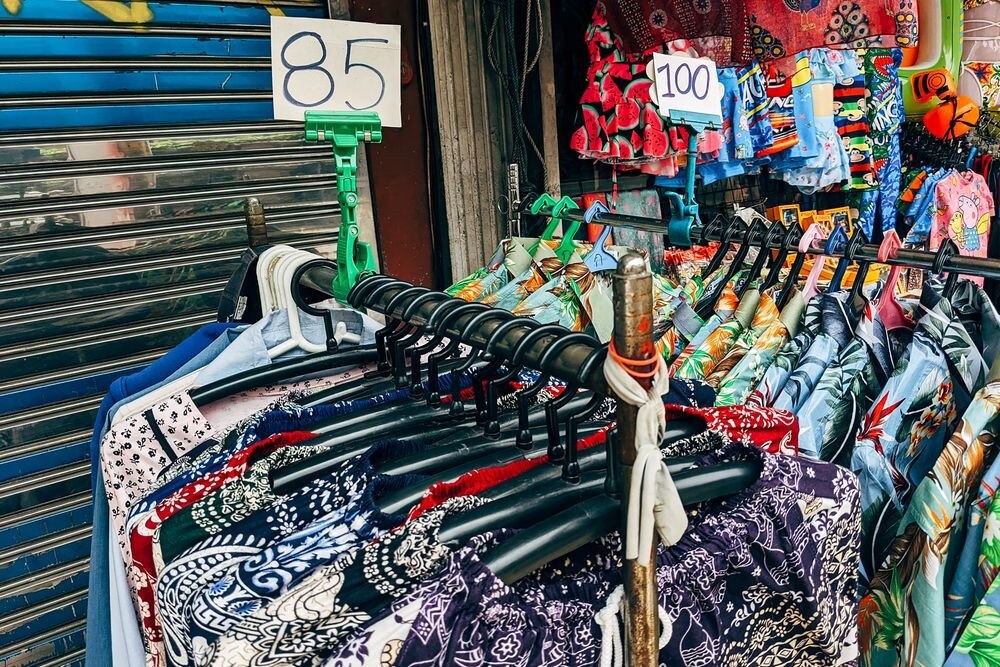
Tourist shops often charge more for the same kind of items. A neighborhood market or corner store can feel more real, with shelves full of everyday goods and local flavors.
Buying snacks, drinks, or small gifts this way can lower costs quickly. It also gives you a better sense of what people in the area actually use and enjoy.
Ask a local host or shop worker where they buy simple things. That advice can lead to better prices and a more personal travel story.
Even souvenirs can be more meaningful when they come from a place locals trust. A small item with a real story is often better than an expensive tourist trinket.
22. Pick Hotels With Breakfast Included

Breakfast included can sound simple, but it can save real money. A bright buffet or small morning spread also makes the day feel easier and more relaxed.
You may not need to rush out looking for food right away. That means less planning, less spending, and a calmer start to sightseeing.
Compare the room rate with nearby café prices before you book. If the breakfast is good, the total value can be much better than it first seems.
23. Use Student, Senior, or Member Discounts

Many places give special rates if you qualify for them. These discounts can apply to transport, museums, tours, and even some hotels.
The savings may seem small at first, but they can add up fast across a whole trip. It is worth asking politely, since some discounts are not shown clearly online.
Bring the right ID or membership card so you are ready at the ticket desk. A quick check can turn a normal price into a much friendlier one.
24. Travel With a Simple Daily Budget
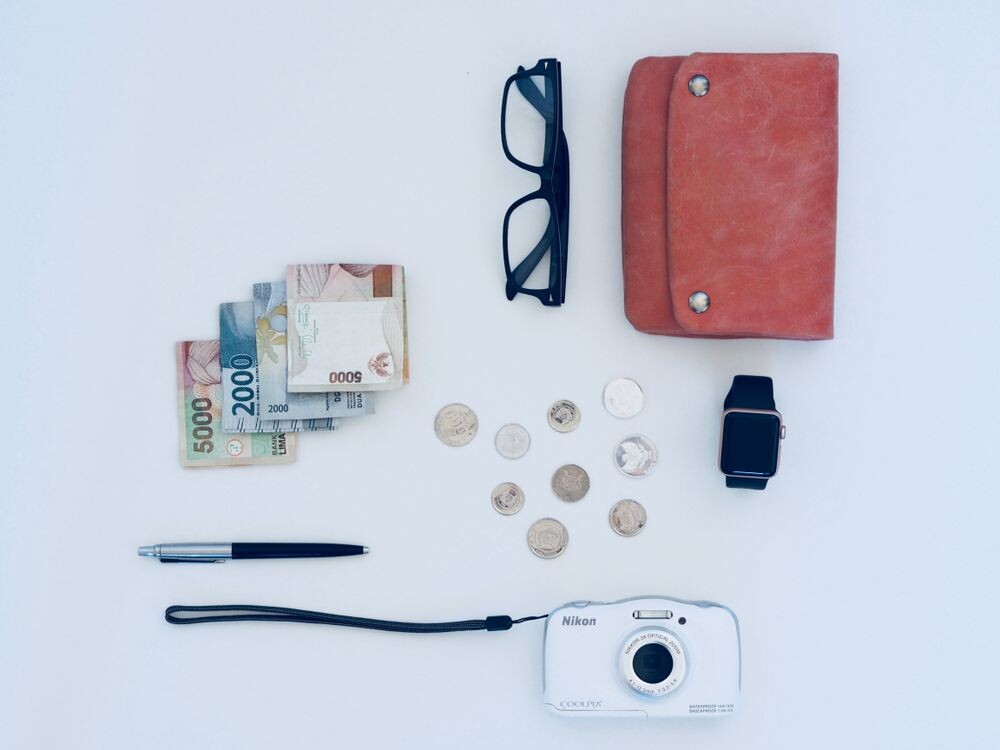
A daily budget gives your trip a clear shape. It can feel like a small map in your head, helping you spend with purpose instead of guessing.
This makes it easier to enjoy treats without going overboard. You can plan for food, transport, and fun separately so each part stays under control.
Write your budget in a note app or on paper and check it once a day. Personalizing the amounts to your own habits helps the plan feel realistic, not strict.
Many travelers now use budget apps that show spending in real time. That can make it easier to adjust on the fly if one day costs more than expected.
25. Mix Splurges With Saver Days

A smart trip does not have to be all strict or all fancy. A nice dinner, special tour, or scenic boat ride can feel more exciting when the rest of the day stays simple.
This balance keeps travel fun while protecting your wallet. It also makes the big moments feel more special because they stand out from the rest.
Choose what matters most to you and save on the rest. That way your trip feels personal, memorable, and still affordable.
Think of it like building a picture with both bright and calm colors. The mix can make the whole journey feel richer without making it costly.