Vacations can feel magical until the bills arrive. A few small slips can turn a happy trip into a costly memory.
1. Forgetting to set a trip budget

It is easy to start a trip with a happy heart and an empty plan for spending. Bright beaches, busy markets, and pretty hotel lobbies can make money choices feel far away.
A simple budget gives your trip a clear shape and helps you enjoy it more. Write down what you can spend on food, rides, rooms, and fun, then add a little extra for surprise costs. If your family likes fancy dinners, build that into the plan so no one feels stressed later.
2. Using airport and hotel money services without checking the cost

Airport exchange desks and hotel front counters look helpful when you need cash fast. They often charge more than local banks or regular card services, and the difference can be bigger than you think.
The bright signs and quick service can make these spots feel easy, but easy is not always cheap. A little planning before you leave can save real money and give you more to spend on fun things. Many travelers now use travel cards, digital wallets, or bank apps to get better rates and track spending on the go.
If you want a trip that fits your style, think about how much cash you really need and where you will use it. Some places still work best with bills in your pocket, while others are very card friendly. Choosing the right mix can make your wallet lighter in a good way.
3. Eating every meal in the most expensive places

Resort restaurants and tourist cafés can look shiny and tempting. The plates may be lovely, but the prices can rise fast when every meal comes from the same pricey spot.
Mixing in local bakeries, food stalls, and grocery stops keeps your trip fun and helps your budget breathe. You can still enjoy one special meal while saving money on breakfast or snacks. This also gives you a more personal taste of the place, which many travelers love right now.
Try asking locals where they eat, because their tips often lead to better food and lower prices. A picnic in a park or on the beach can feel special without costing much. Small choices like these can make your vacation feel more unique and less like everyone else’s.
If you are traveling with kids, share meals or pick places with simple dishes and big portions. That can cut costs and reduce waste at the same time. A little flexibility at mealtime can leave room in the budget for a fun treat later.
4. Paying for convenience every single time

Convenience feels wonderful when you are tired, hungry, or in a hurry. But convenience fees can sneak into rides, snacks, tours, and even bottled water, making each easy choice a little more expensive.
Not every shortcut is bad, yet using them all day can quietly drain your cash. Try walking a few blocks, taking a bus, or packing a refillable bottle to keep costs down. Travelers today often blend comfort with smart habits, because that balance feels both modern and practical.
5. Booking without checking the full price
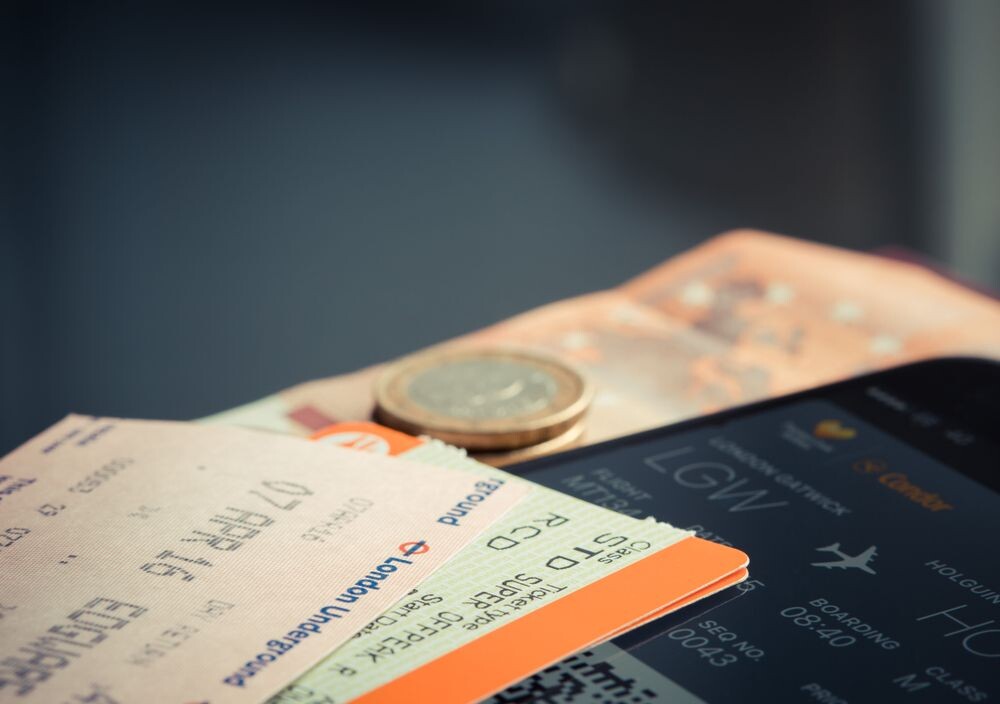
A low room rate can look like a great deal on a bright screen. Then taxes, service charges, baggage fees, and resort fees show up and change the story.
Always read the full price before you click buy, and look for the total cost, not just the first number you see. Some trips seem cheaper at first but become expensive once extras are added. Comparing a few options side by side can help you spot the real value.
It also helps to check what is included, such as breakfast, Wi-Fi, or airport rides. A slightly higher price can be better if it saves you money elsewhere. That kind of choice makes your trip feel smarter and more personal, since you pay for what matters most to you.
6. Ignoring small purchases that add up fast

Souvenirs, snacks, postcards, and little gifts can seem harmless one by one. Together, they can eat through your travel money faster than a fancy dinner.
These tiny buys are often the easiest to forget because each one feels small and fun. Set a daily spending limit for extras, and keep a short list of what you really want to bring home. This makes your shopping more meaningful and helps you avoid random buys that end up in a drawer.
If you like keepsakes, choose one special item instead of many cheap ones. A handmade scarf, a local snack, or a tiny art piece can feel more unique than a bag full of impulse purchases. That way, your memories stay strong without your wallet feeling heavy.
Many travelers also use a simple note app to track little purchases during the day. Seeing the total can help you pause before the next snack or trinket. A few smart pauses can protect your budget while still leaving room for joy.
7. Skipping travel insurance and emergency planning

No one likes to think about lost bags, missed flights, or sudden sickness on vacation. Still, ignoring those risks can turn a small problem into a huge money mistake.
Travel insurance may feel like an extra cost, but it can protect you from much bigger bills later. It is also smart to keep backup cards, emergency cash, and key phone numbers in a safe place. These simple steps can make a trip feel calmer and more secure.
Personalize your safety plan based on your trip style, since a beach break, city trip, and mountain adventure all carry different risks. If you plan to rent gear, drive far, or travel with children, your needs may be different from someone taking a short weekend stay. A little planning now can save a lot of stress and money later.