Travel changes shape after a while. The road starts teaching back.
1. Pack Less Than You Think You Need

The first big lesson is that a lighter bag makes every step easier. A slim suitcase looks calm and tidy, while an overstuffed one feels like a problem with wheels.
People often pack for fear, not for fun. The best trick is to choose clothes that mix well, shoes that can do more than one job, and small items you can wash or reuse. This saves money on baggage fees, leaves room for souvenirs, and makes your trip feel more free.
2. Slow Days Often Feel Richer Than Busy Ones

Fast travel can look exciting, but it can also feel blurry. A quiet morning in a café, a slow walk past bright shop windows, or a long sit by the water can stay in your mind longer than a packed schedule.
Many travelers now like slower trips because they feel more personal and less rushed. You can pick one area, stay longer, and notice tiny details like painted doors, street music, or the smell of fresh bread. It often costs less too, since fewer rides and fewer tickets mean less spending.
To make slow travel work, choose one or two must-see places and leave space around them. Add a small local habit, like buying fruit at a market or taking the same morning route each day. These little routines make a place feel like yours, even for a short stay.
3. Local Food Tells the Real Story

A city can look shiny on the outside, but food shows its true heart. Steam rising from a street cart, bowls of bright spices, and a busy family shop can tell you more than a guidebook.
Trying local dishes is one of the easiest ways to feel connected. It can also be a smart budget choice, since neighborhood spots often cost less than fancy tourist places. If you like sweet, salty, spicy, or mild food, you can shape the trip around your own taste.
Ask a shop worker, driver, or host what they eat on a normal day. Pick one dish that is new to you and one that feels safe, so the meal feels fun instead of scary. Food markets, plant-based menus, and tiny family kitchens are all popular now, and they can make your trip feel fresh and memorable.
4. Not Every Plan Needs to Stay Perfect

Trips often go off script, and that is not always bad. A delayed train, a sudden rain shower, or a closed museum can push you toward a street you would have missed.
Flexible travelers usually feel less stressed and more open to surprise. Keep one backup idea for each day, and carry a small list of indoor and outdoor choices. This helps you avoid waste, since you do not need to pay for rushed changes or panic rides.
5. A Good Base Matters More Than a Fancy Room

After many trips, you start caring less about a huge hotel and more about a smart location. A simple room near a train stop, market, or walkable center can save time, energy, and money.
The view still matters, of course, but comfort often comes from easy access. If you can reach breakfast, transport, and evening fun without long rides, the whole trip feels smoother. Many travelers now choose small stays, guesthouses, or apartments because they feel more local and personal.
Before you book, check the map and not just the pictures. Read recent reviews for noise, safety, and nearby shops, since those details matter every day. A good base also makes it easier to rest, change clothes, and head out again without feeling rushed.
6. Photos Are Nice, But Presence Matters More

It is easy to spend a trip looking through a phone screen. Bright sunsets, old walls, and busy streets can pass by while you try to catch the “perfect” shot.
After many journeys, most people learn that memory beats perfection. Take a few photos, then put the phone away and look around with your own eyes. This gives you a fuller picture of the place, with sounds, smells, and small moments that no camera can hold.
A simple habit helps: snap your photo, then pause for a full minute without touching the screen. Notice the color of the sky, the shape of the trees, or the way people move through the street. If you want a personal touch, keep a tiny travel note with one sentence about each day, so the trip feels alive later.
7. The Best Trips Match Your Own Style
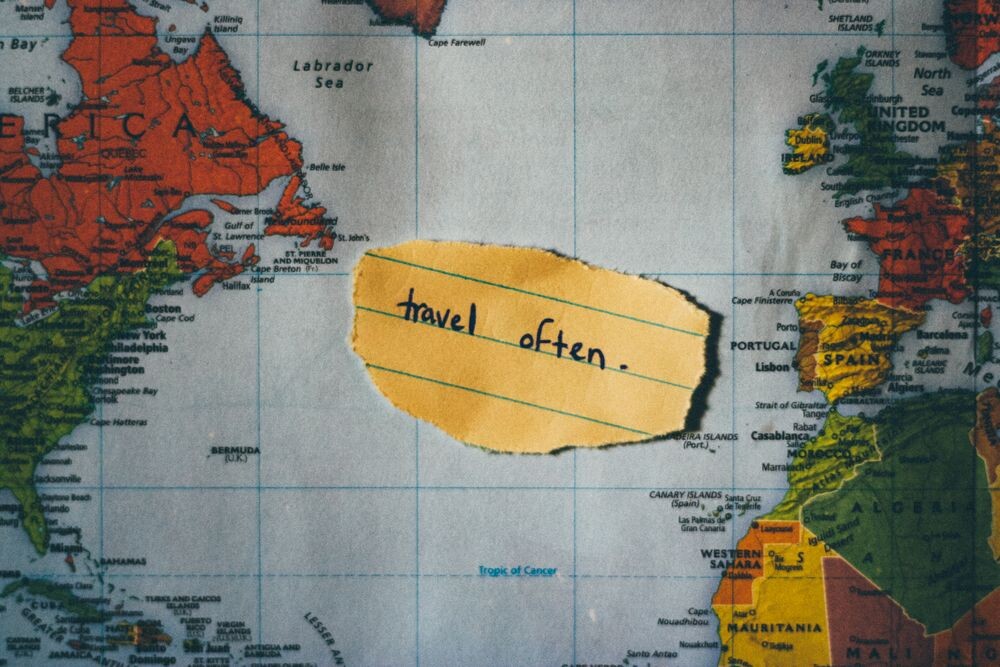
Some people love museums and history, while others want beaches, food, or mountain air. The more you travel, the more you learn that there is no single right way to do it.
Personal taste should lead the plan. If you like quiet mornings, build them in. If you like busy nights, choose a place with music, lights, and late food. This makes the trip feel more like you and less like a copied list from the internet.
Current travel trends often push people toward “authentic” spots, but your comfort still matters most. You do not need to like every famous site to have a great trip. Pick the places that fit your mood, your budget, and your energy, and your days will feel better from the start.
8. Small Costs Add Up Fast

Travel can seem cheap at first, then become expensive in tiny pieces. Snacks, tips, rides, entry fees, and extra drinks can stack up like shells in a pocket.
After enough trips, you start watching the little costs as closely as the big ones. A refillable bottle, a transit pass, or a breakfast bought at a local shop can save a lot over time. Many travelers now use apps to track spending, which helps them stay relaxed instead of shocked later.
It also helps to set a daily spending goal before you leave the room. That gives you room to choose what matters most, like a special meal or a unique handmade gift. When you spend with care, the trip feels richer because your money goes toward moments you truly want.