Art festivals can give you fresh ideas and new ways to look at color, shape, and space. They can also help you meet people, try new tools, and make your own work feel more open and fun.
Many festivals are free or low cost, and each one has its own style. Some focus on big public art, while others show small handmade work, live demos, or new trends that are easy to use at home.
1. Venice Biennale

The Venice Biennale is known for large art shows spread across old buildings and open spaces. You may see painting, video, sculpture, and mixed media in rooms that feel calm one moment and busy the next.
This event can help you see how artists use space in smart ways. It is a good fit if you like to study color, layout, and how art can change when it is shown in a new place.
The cost can be higher than some local events because travel and tickets may add up. If you go, plan ahead and pick a few parts to see so you do not feel rushed.
2. Burning Man

Burning Man has huge art pieces in a desert setting, so the look is very different from a normal gallery. Many works are made to be walked around, touched, or seen at night with lights.
This festival can help you think in big ways and try bold ideas in your own work. It is also known for shared art, so people often make things together and add their own touch.
The cost can be high if you count travel, gear, and entry, but some people save for months to go. A useful tip is to pack for dust, heat, and long walks, since comfort matters a lot there.
3. South by Southwest Art Tracks

South by Southwest has art shows mixed with music, film, and tech, so the scene feels active and varied. You may see digital art, live drawing, and new tools that artists use in fresh ways.
This mix can help you get ideas for art that works with sound, screens, or social media. It is also a good place to notice trends, since many artists use simple tools in smart and modern ways.
Costs can change a lot based on passes and events, so it helps to check what is free and what is not. If you like making art on a budget, this event can show how to use common tools in new ways.
4. Frieze Art Fair

Frieze Art Fair often has clean booth setups with sharp lines, bright works, and a wide range of styles. The feel is neat and modern, and it can help you see how art looks in a sales space.
This event is useful if you want to learn how artists present work to buyers and collectors. It can also help you think about your own style and how to show it in a clear way.
Tickets may cost more than a local fair, but many people go for the ideas as much as the art. A good tip is to take notes on what colors, sizes, and materials catch your eye most.
5. Art Basel
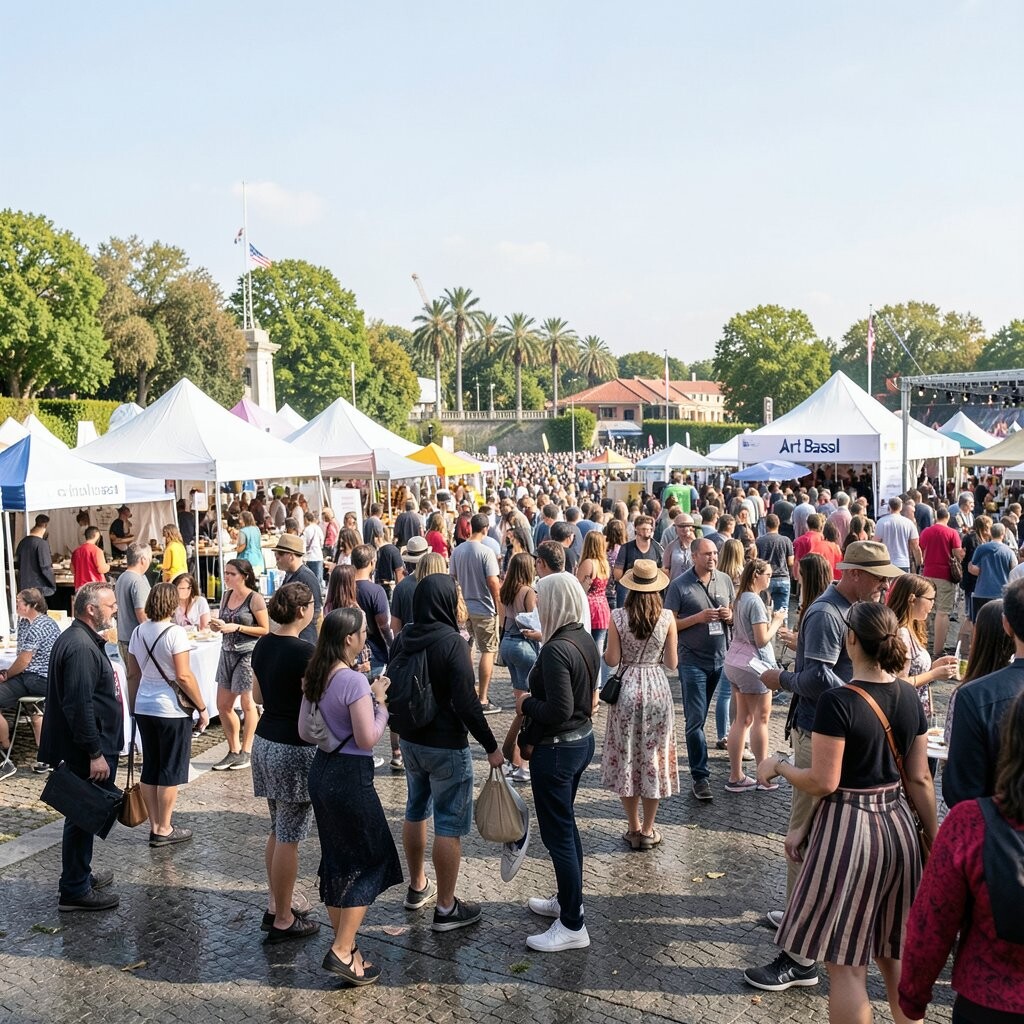
Art Basel is a well-known fair with high-end work, bold booths, and a polished look. You may see big names, but you can also find newer artists who use simple forms in strong ways.
This event can help you study how trends move through the art world. It is helpful for anyone who wants to make work that feels current without copying others.
The cost can be high, and some parts may feel busy, so it helps to go with a plan. If you cannot attend in person, many online posts and videos can still give you useful ideas.
6. Edinburgh Festival Fringe Visual Arts

The Edinburgh Festival Fringe is best known for shows, but it also has many visual art spaces and pop-up displays. You may find posters, street pieces, small galleries, and art in odd corners of the city.
This kind of setting can help you see how art works outside a plain museum room. It is useful for people who like art that feels close to daily life and easy to reach.
Costs can be low if you focus on free shows and public art, which makes it friendly for many visitors. A simple tip is to walk around with a notebook, since you may spot ideas in signs, windows, and walls.
7. Liverpool Biennial
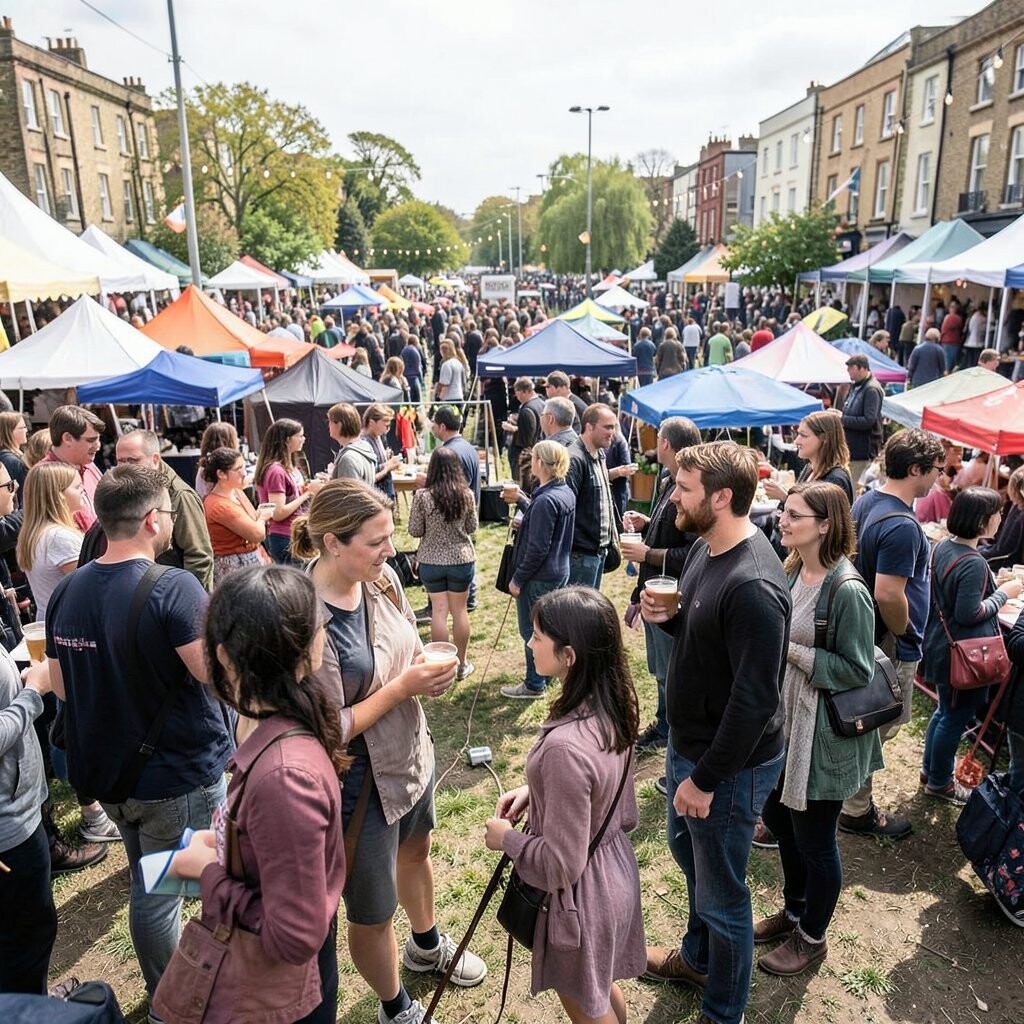
Liverpool Biennial uses city spaces, old buildings, and public spots to show many kinds of art. The work can feel local and personal, which makes it easy to connect with the place around you.
This festival is good for learning how art can fit into a city without needing a fancy room. It can also help you think about your own town and the places where art could be shown.
The cost is often fair, and some parts may be free, so it can work well for a simple trip. If you like street art, public art, or site-based work, this is a strong place to look.
8. The Armory Show

The Armory Show has a mix of modern and new art, with booths that often feel bright and busy. You may see painting, sculpture, photo work, and new media all in one place.
This fair can help you see how artists use small changes in color, size, or texture to make a piece stand out. It is also useful for spotting trends in what galleries choose to show.
Prices can be medium to high, but many visitors go to study ideas rather than buy art. If you are making your own work, look for simple details that you can try later at home or in a studio.
9. Coachella Art Installations
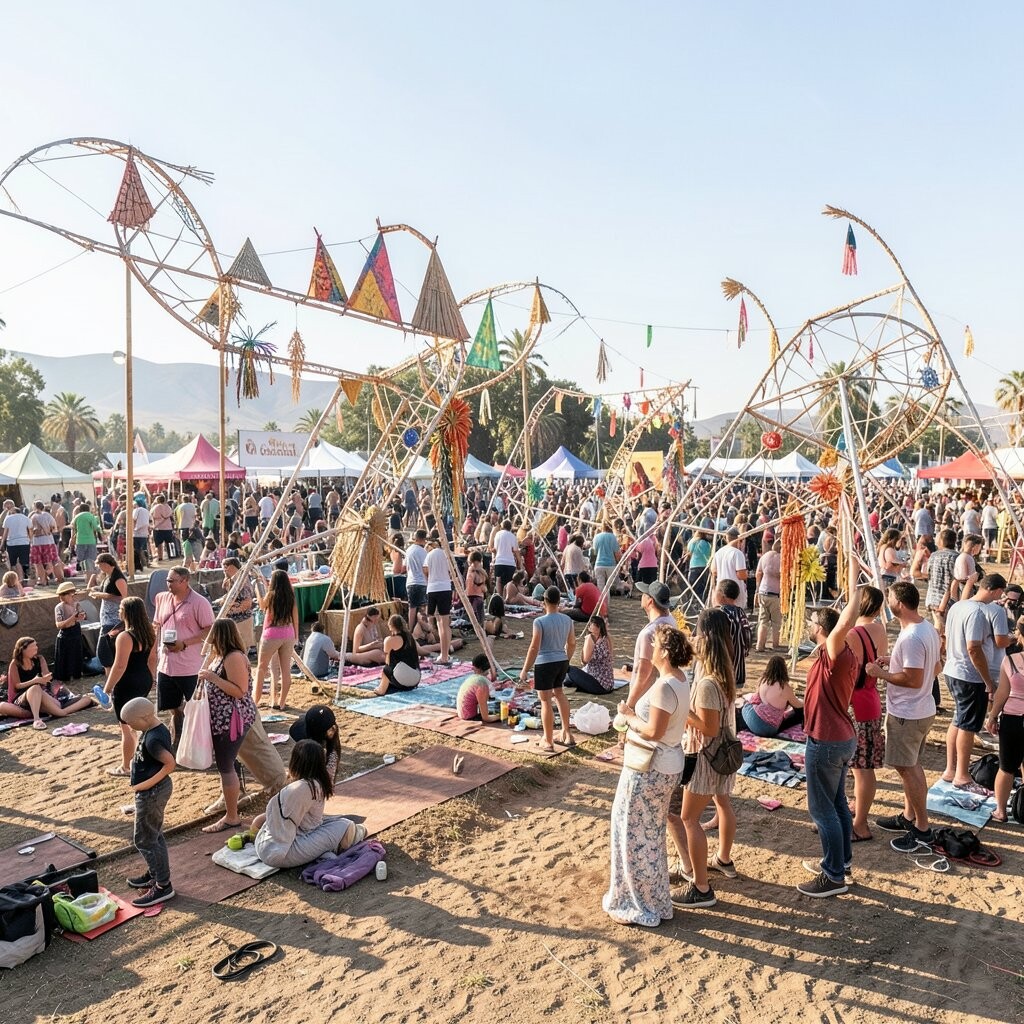
Coachella is known for music, but the art pieces there are often large, bright, and easy to notice from far away. Many works use light, metal, mirrors, or moving parts that change with the sun.
This setting can help you see how art can work in open air and still catch attention. It is also a good place to think about color in strong light and how people move around an artwork.
The cost can be high because of tickets and travel, so it is not the cheapest choice. Still, you can learn a lot from photos and videos if you want ideas for bold outdoor pieces.
10. Documenta
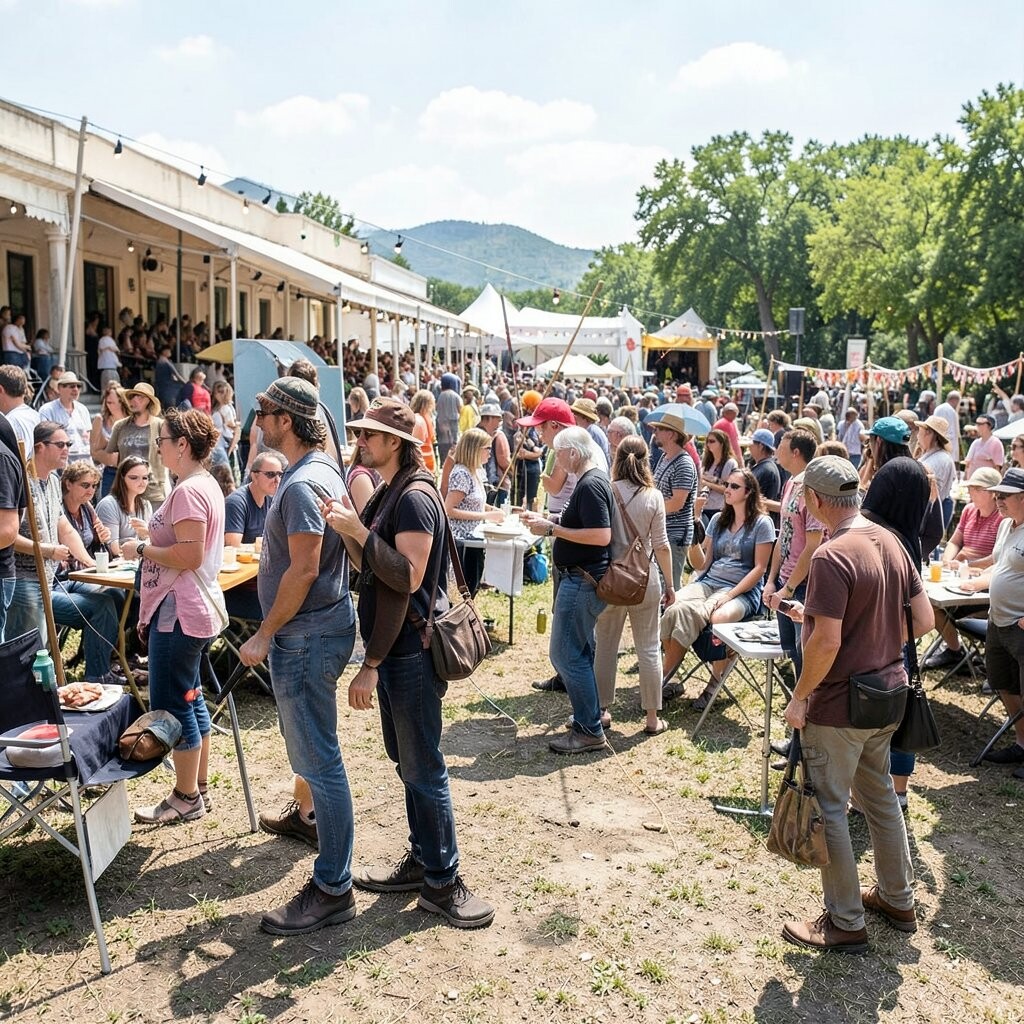
Documenta is a major art event with work that often asks you to slow down and think. The pieces may be quiet, strange, or hard to name, and that can make them memorable.
This festival can help you see art as more than something to hang on a wall. It is good for people who want to make work with meaning, questions, or a strong point of view.
Costs may be fair if you plan a simple visit, but travel can still add up. A helpful tip is to read a little about the artists first, since that can make the visit easier to follow.
11. Sharjah Biennial
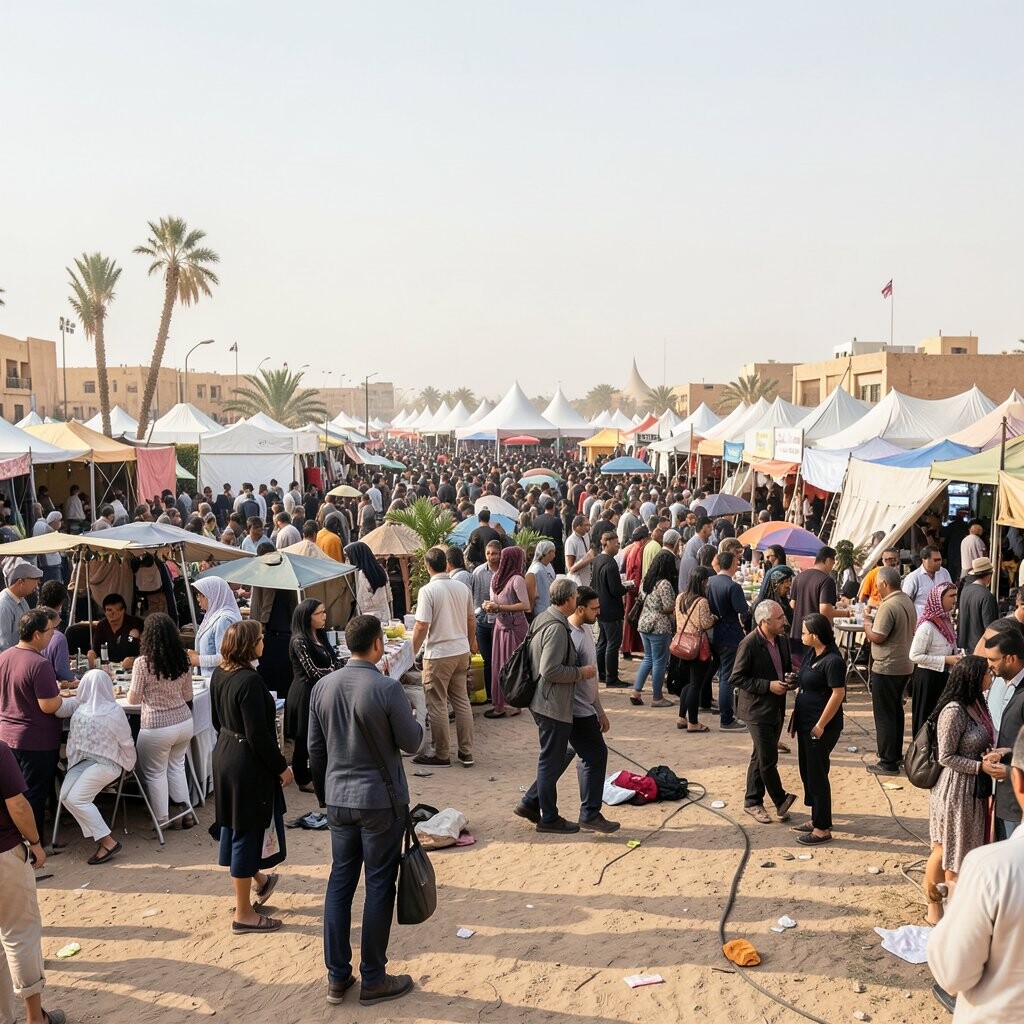
The Sharjah Biennial often has work from many parts of the world, so the styles can feel wide and varied. You may see paintings, films, objects, and room-sized pieces that use light and sound.
This event can help you learn how different cultures use art in their own ways. It is useful if you want fresh ideas beyond the usual art centers in Europe or the United States.
The cost may be lower than some large western fairs, and some parts may be free to the public. If you like art with strong local roots, this is a good place to pay attention.
12. Getty Villa Art Festival Events

The Getty Villa often hosts events with art talks, hands-on work, and displays that feel calm and neat. The setting has old-style buildings and gardens, so the art sits in a very ordered space.
This can help you think about how place changes the way art feels. It is also useful for artists who like classic forms, clean lines, and careful detail.
Many events there are free or low cost, which makes it easier to visit on a budget. A good tip is to look at how the art matches the room, the plants, and the light.
13. Art in the Park Festivals

Art in the Park events are often held in open green spaces with tents, booths, and live demos. The look is relaxed, and you may see painters, potters, printmakers, and craft sellers side by side.
This kind of festival is helpful if you want art to feel close and easy to enjoy. It can also give you ideas for selling work, since many artists show how they price, pack, and present pieces.
Costs are often low, and some events are free to walk through, which makes them good for families and new artists. If you want to join, bring cash, a bag, and a list of colors or styles you like.
14. Mural Festivals
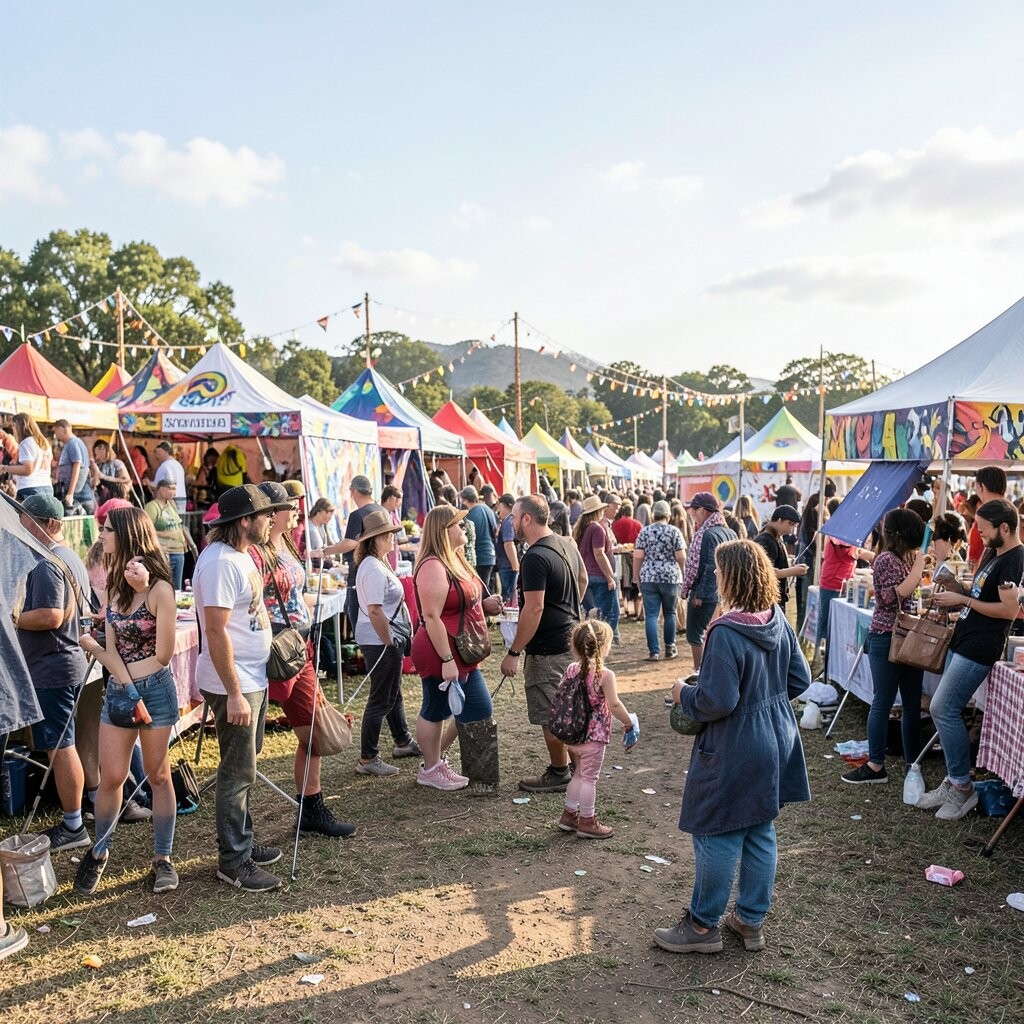
Mural festivals turn plain walls into huge art pieces with paint, spray work, and mixed styles. The art is easy to see as you walk or drive by, so it feels part of daily life.
This can help you think about scale, speed, and teamwork, since many murals are made in public view. It is also a useful place to study color choices that need to work from far away.
The cost is often low for visitors because many murals are free to see in the street. If you are making your own art, try taking photos of wall textures, edges, and paint marks for later use.
15. Local Community Art Fairs
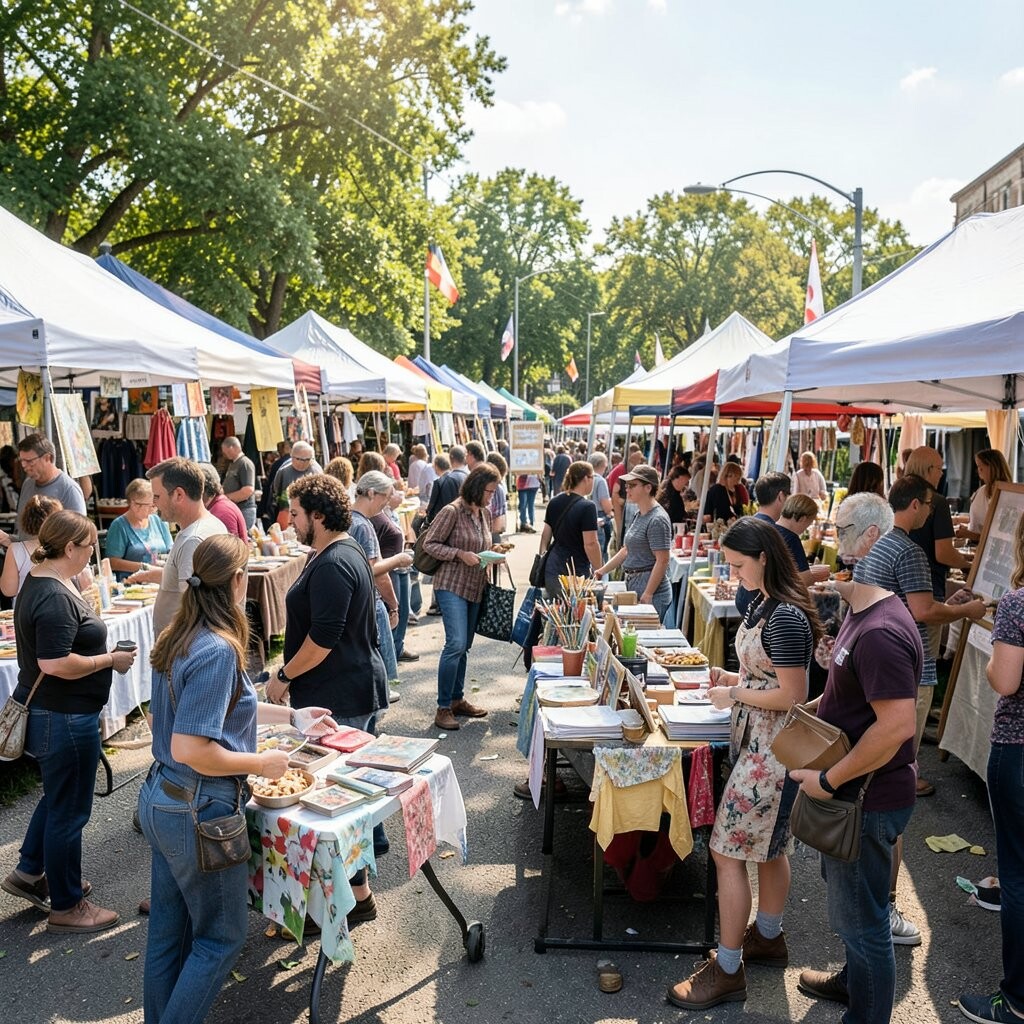
Local community art fairs often have handmade work, school projects, and pieces from nearby artists. The setting may be simple, but that can make it feel warm and easy to enjoy.
This kind of event can help you see what people in your area like to make and buy. It is also a good place to talk with artists about tools, prices, and how they get started.
Costs are usually low, and some fairs are free, which makes them a smart choice for a weekend plan. If you want personal ideas, ask artists what materials they use and why they chose them.
16. Digital Art and Light Festivals
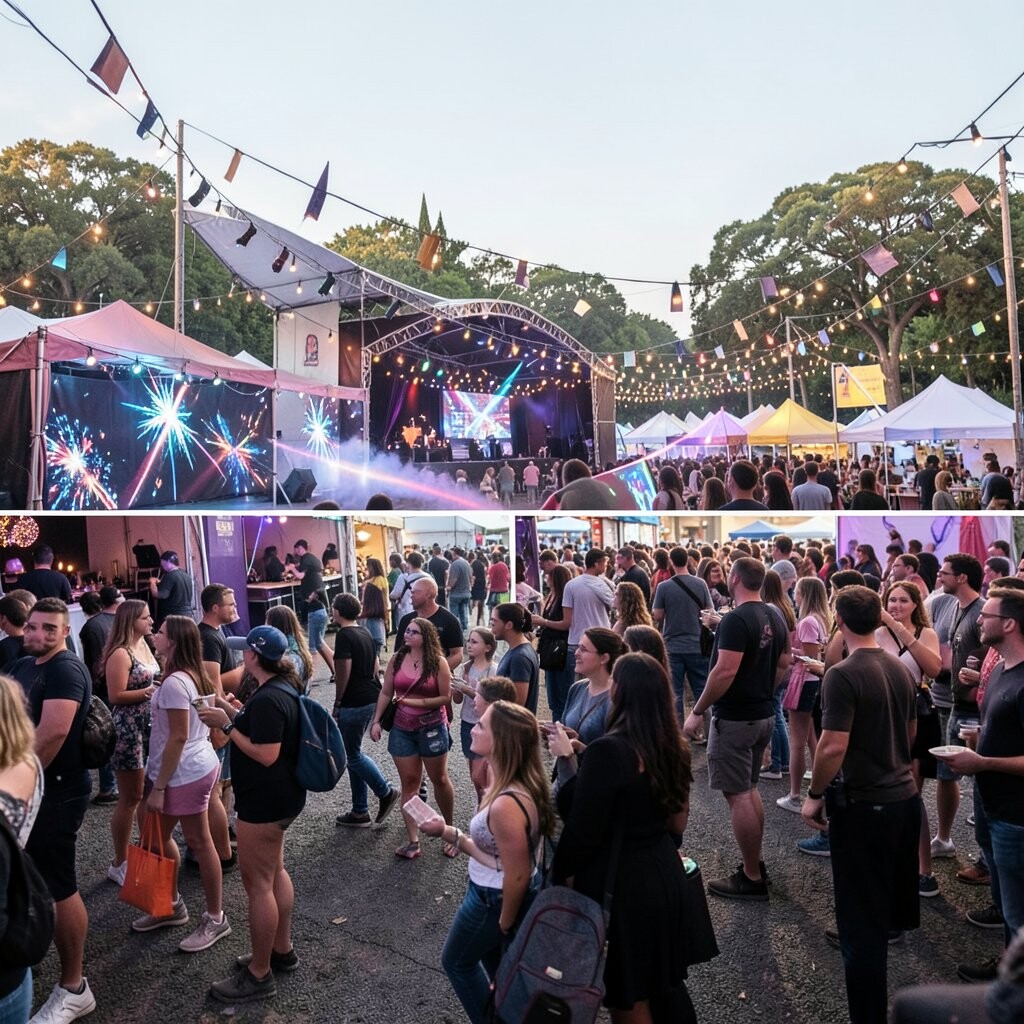
Digital art and light festivals use screens, projections, LEDs, and moving images to make bright scenes after dark. The work can change fast, so each piece may feel different every few seconds.
This type of event can help you think about art in a more modern way. It is useful if you like design, animation, photos, or work that mixes art and tech.
Costs vary, but many light festivals are free in public spaces or low cost in ticketed areas. A good tip is to go at sunset or later, since the colors and lights often look best then.