Going camping can be a fun way to spend time in nature. Packing the right items can make your trip more enjoyable.
1. Tent
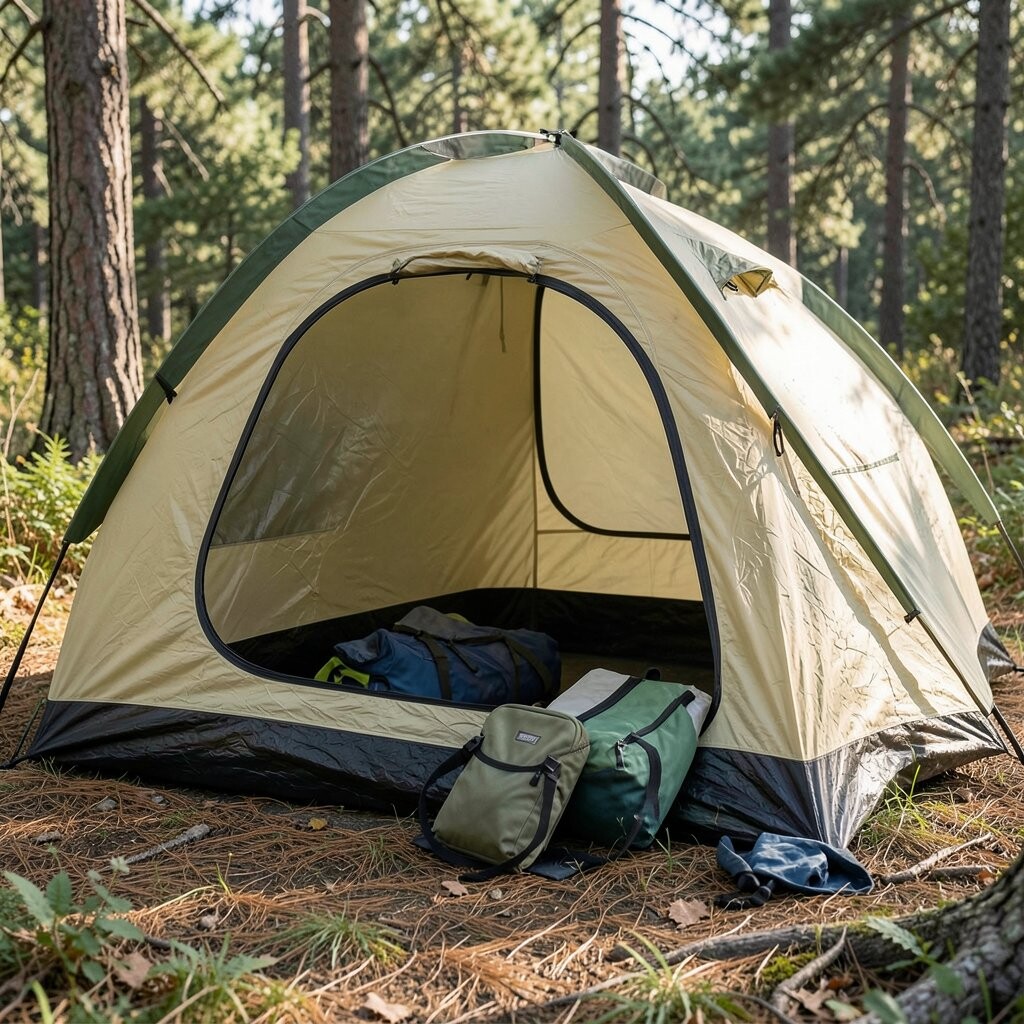
A sturdy tent is essential for any camping trip. Choose one that is easy to set up and matches the weather conditions. A good tent will keep you dry in the rain and provide shade from the sun.
Look for a tent with plenty of ventilation to stay comfortable. Some tents come with extra features like built-in storage pockets. Consider the size you need based on the number of people camping.
2. Sleeping Bag
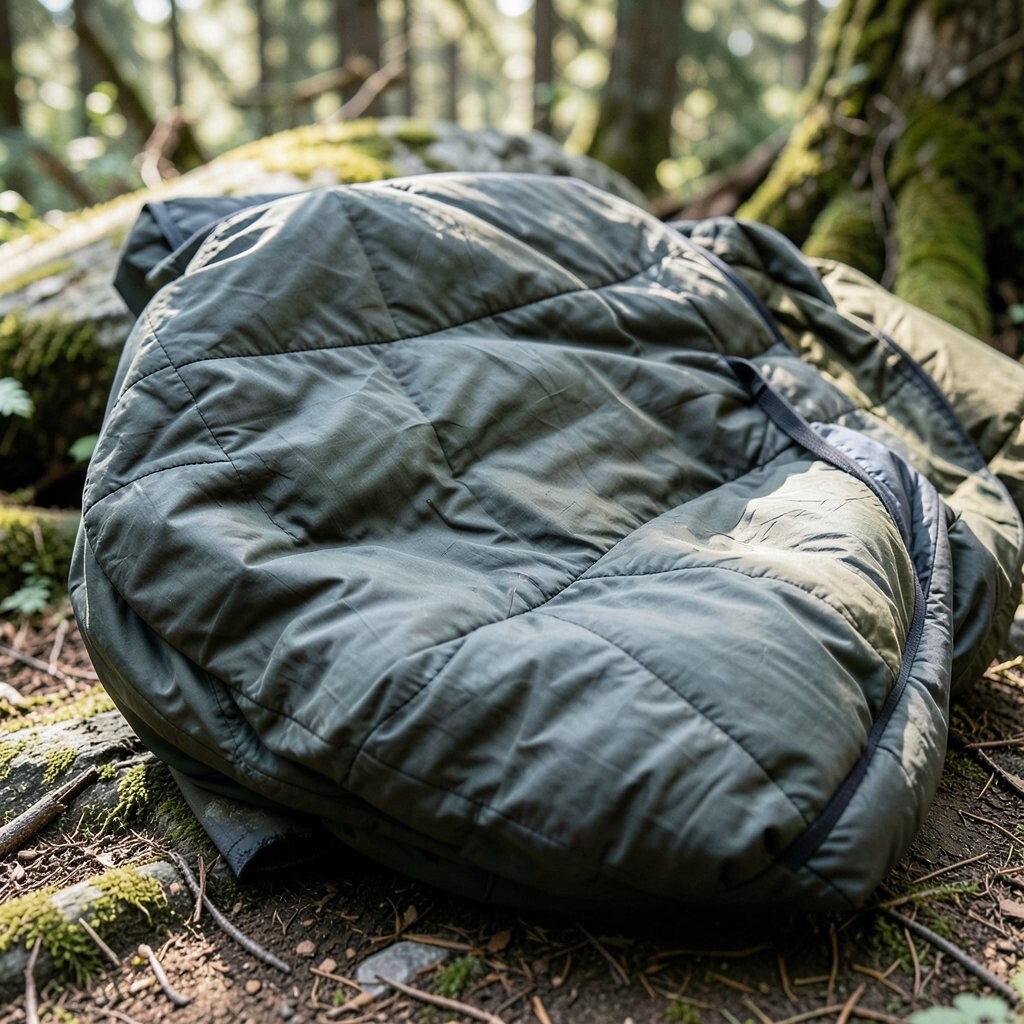
A comfortable sleeping bag can make a big difference in how you sleep outdoors. Choose one that’s suitable for the temperatures you expect. A well-insulated sleeping bag will keep you warm on chilly nights.
Consider the material and weight of the sleeping bag. Some are lightweight for easy carrying, while others are heavier for extra warmth. Make sure it fits your size for the best comfort.
3. Sleeping Pad
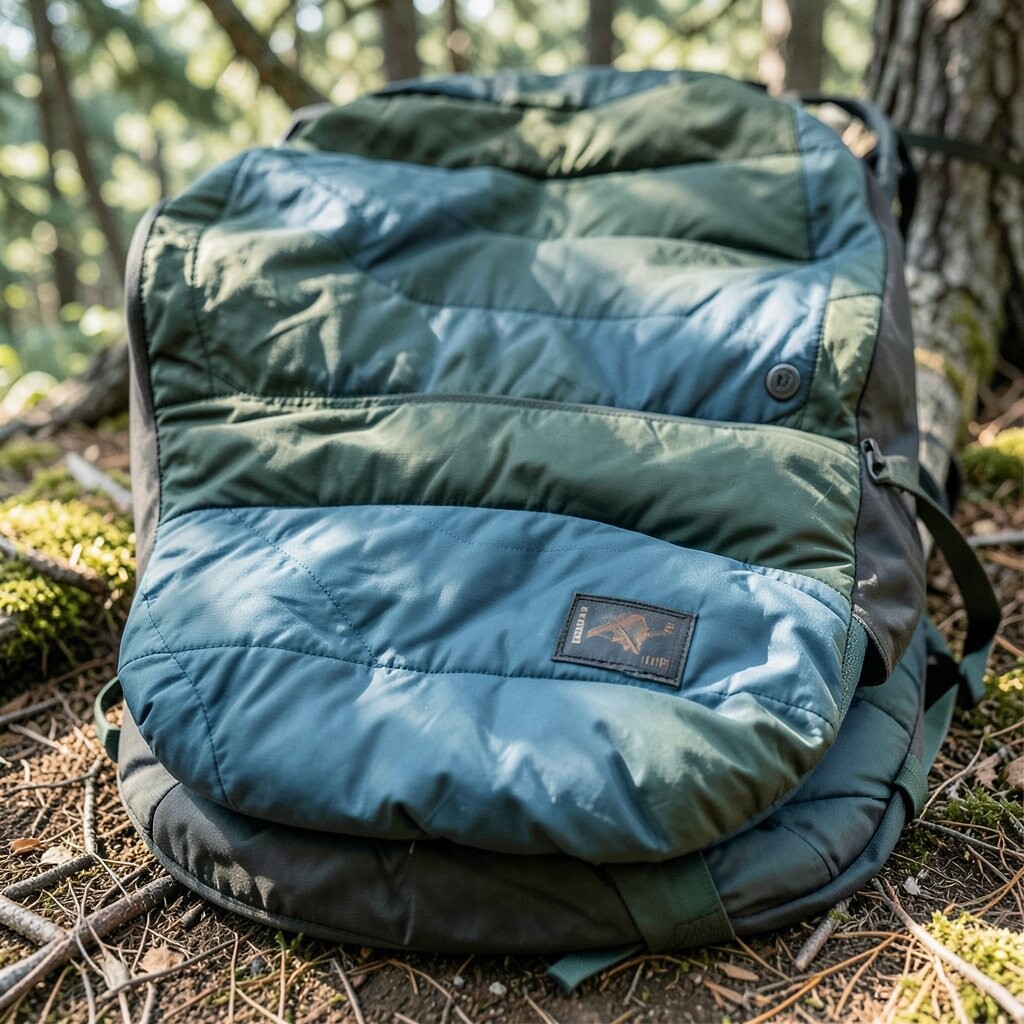
Sleeping pads add a layer of comfort between you and the ground. They can help keep you warm by providing insulation. Look for pads that are easy to inflate and deflate.
Some sleeping pads are self-inflating, which can be convenient. Lightweight pads are great for backpacking trips. Choose a pad that fits your sleeping style, whether you prefer firm or soft surfaces.
4. Camping Stove
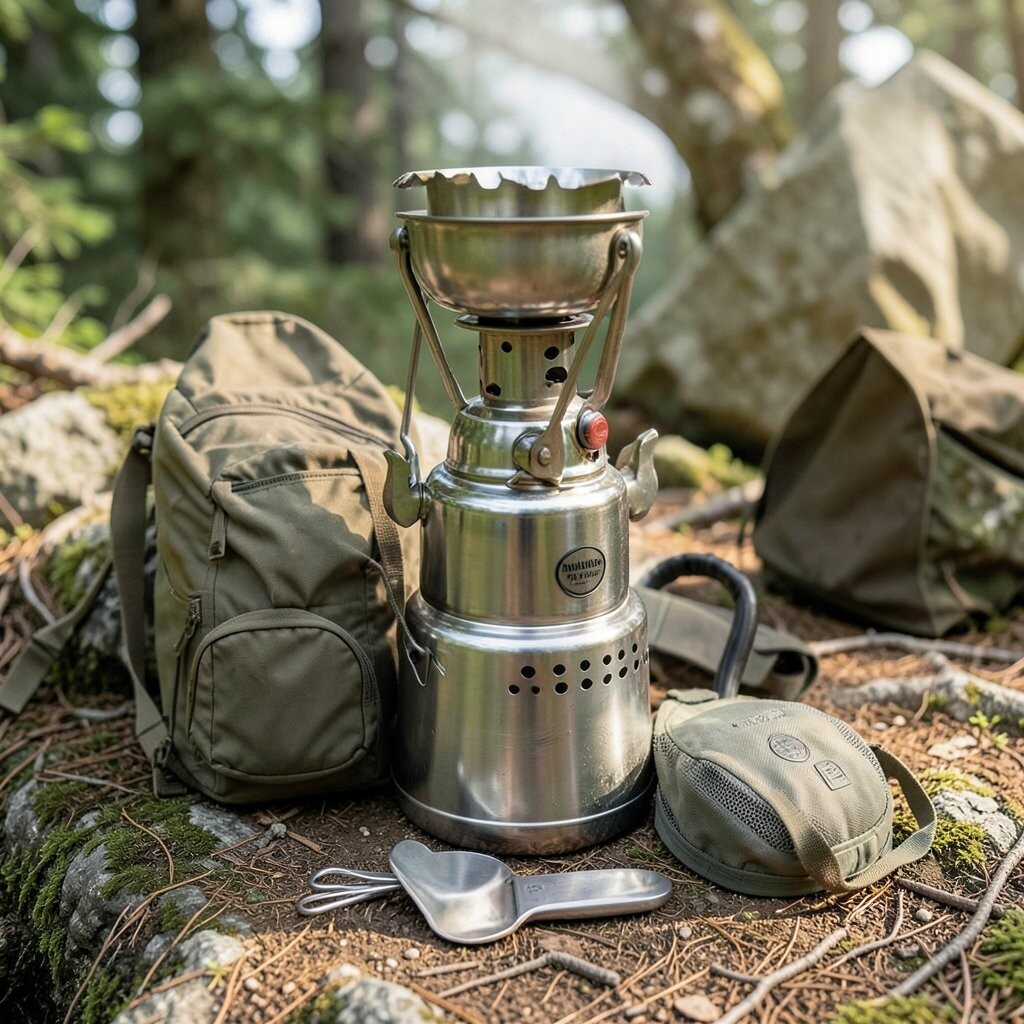
A camping stove allows you to cook meals while enjoying nature. It’s a great way to have hot food even in the wilderness. Choose a stove that is easy to use and fuel-efficient.
Consider the type of fuel your stove uses. Some stoves are compact and lightweight, perfect for backpacking. Make sure to follow all safety guidelines when using a stove.
5. Cooking Utensils
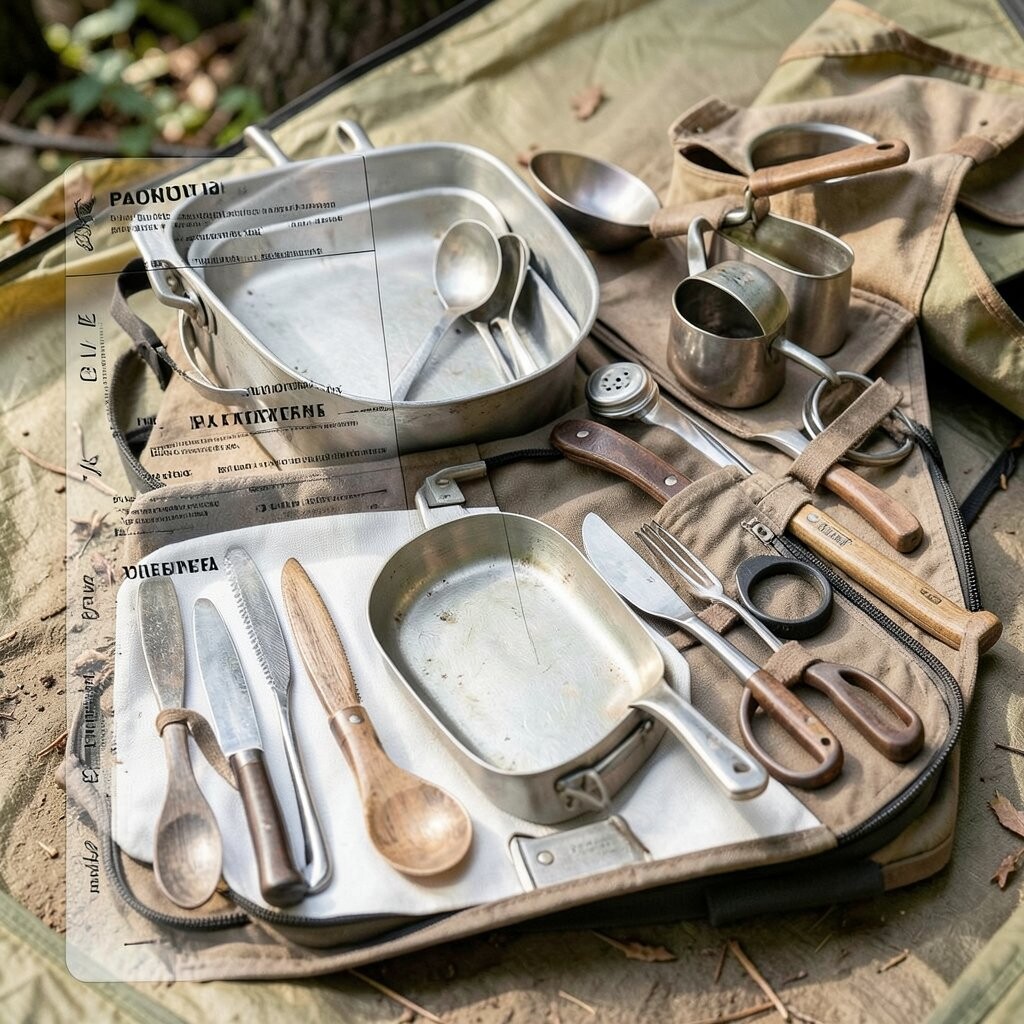
Cooking utensils are needed for preparing and eating meals. Bring items like a spatula, tongs, and a pot for boiling water. Look for utensils that are durable and easy to clean.
Some camping sets come with everything you need in one package. Choose utensils that suit the type of food you plan to cook. Don’t forget items like can openers if needed.
6. Cooler
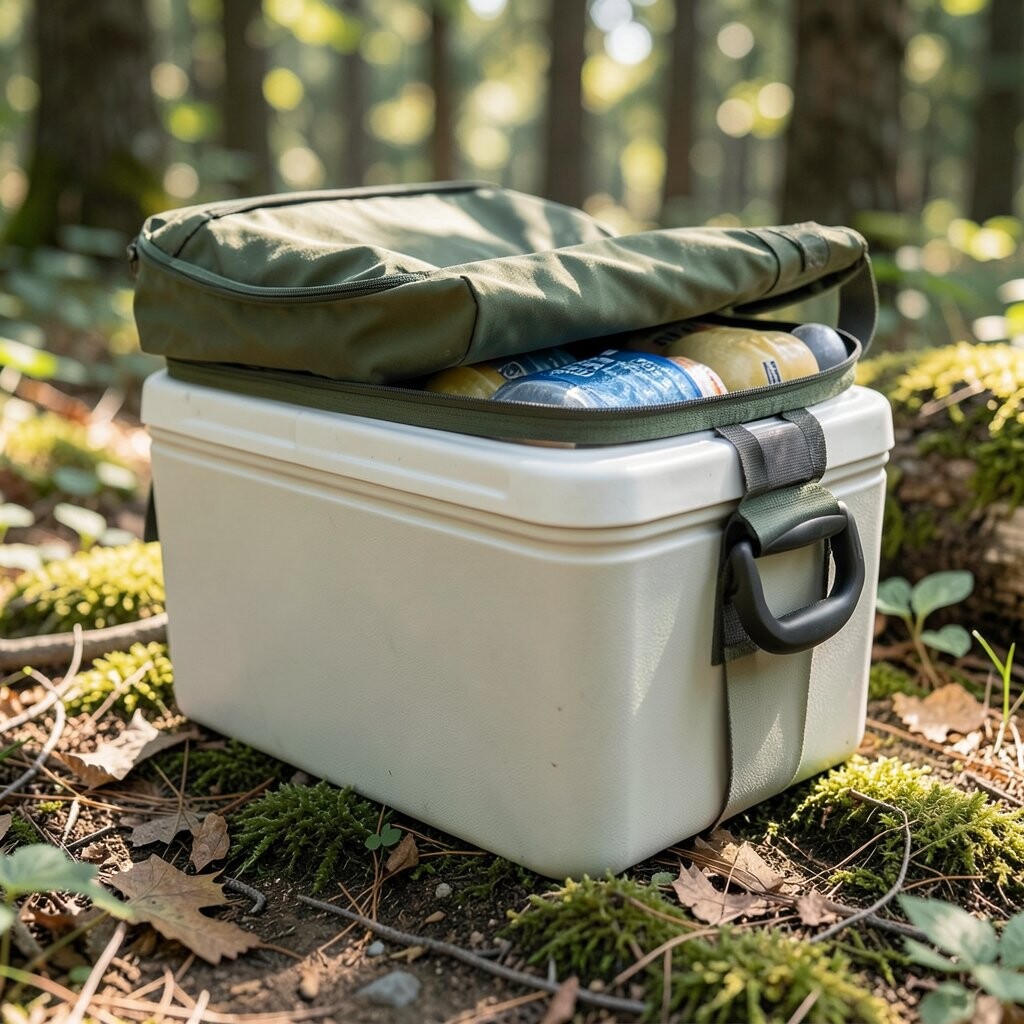
A cooler keeps your food and drinks cold while camping. It helps prevent food from spoiling, especially in warm weather. Choose a cooler with good insulation and ample space.
Some coolers are portable with wheels for easy transport. Consider how long you plan to camp and the amount of food you’ll bring. Ice packs can help keep the cooler cold longer.
7. First Aid Kit
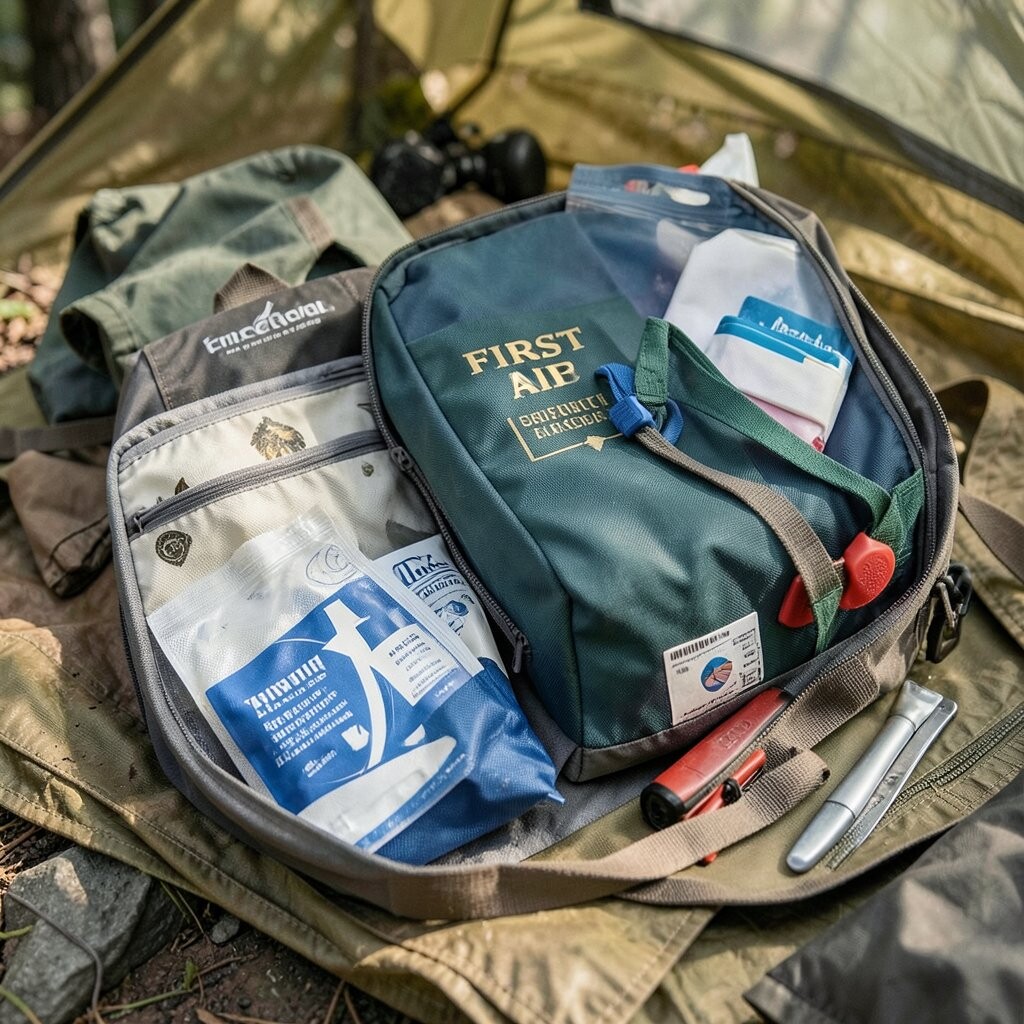
A well-stocked first aid kit is crucial for handling minor injuries. It should include items like bandages, antiseptic wipes, and pain relief medicine. Having a first aid kit can provide peace of mind.
Consider adding personal medications and allergy treatments. A waterproof case can protect the kit from the elements. Regularly check and restock your kit before trips.
8. Flashlight
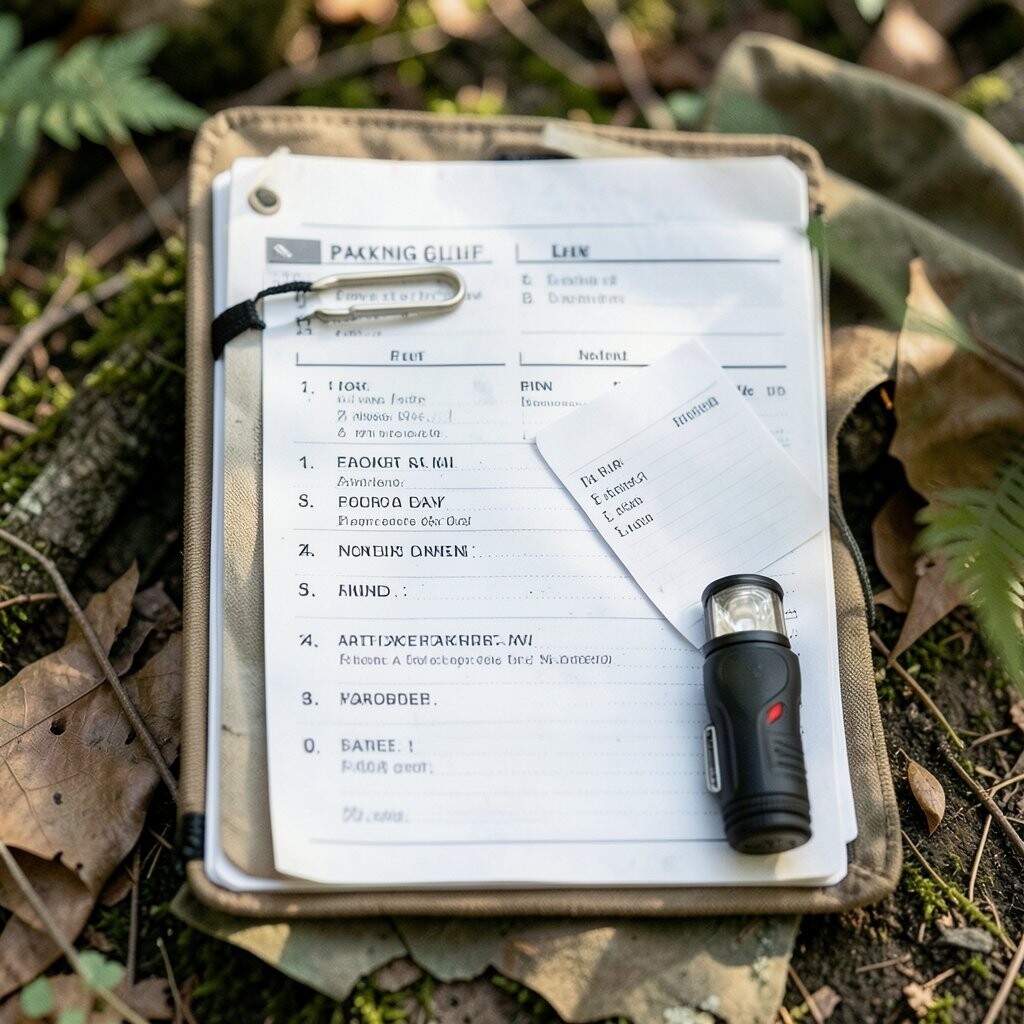
A flashlight is important for navigating in the dark. It can help you find your way around camp at night. Choose a flashlight with a long battery life and bright light.
Some flashlights have adjustable beams and multiple settings. Headlamps are a great hands-free option. Carry extra batteries just in case.
9. Lantern
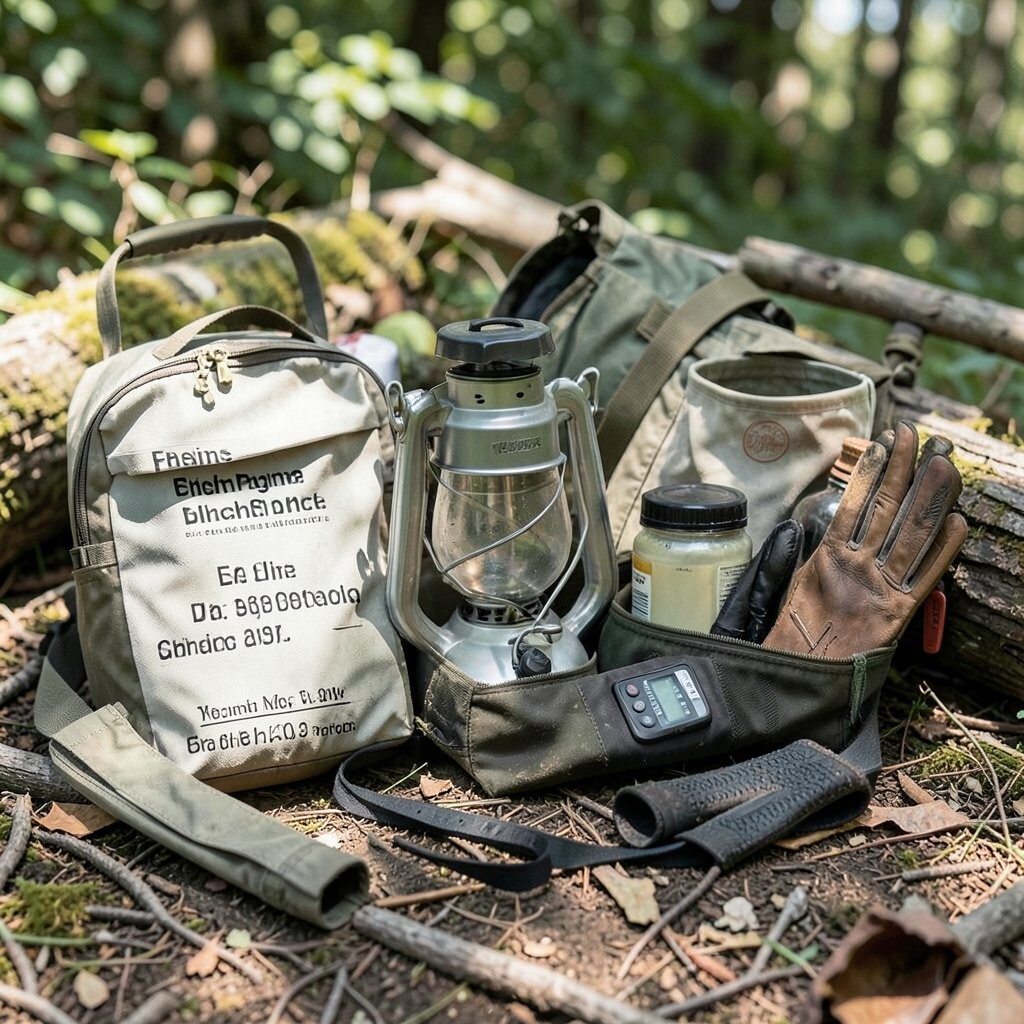
A lantern provides ambient light for your campsite. It can be used for activities like reading or playing games after sunset. Look for lanterns that are sturdy and weather-resistant.
Some lanterns are solar-powered, which can save on battery costs. LED lanterns are energy-efficient and long-lasting. Consider the size and weight for easy packing.
10. Backpack
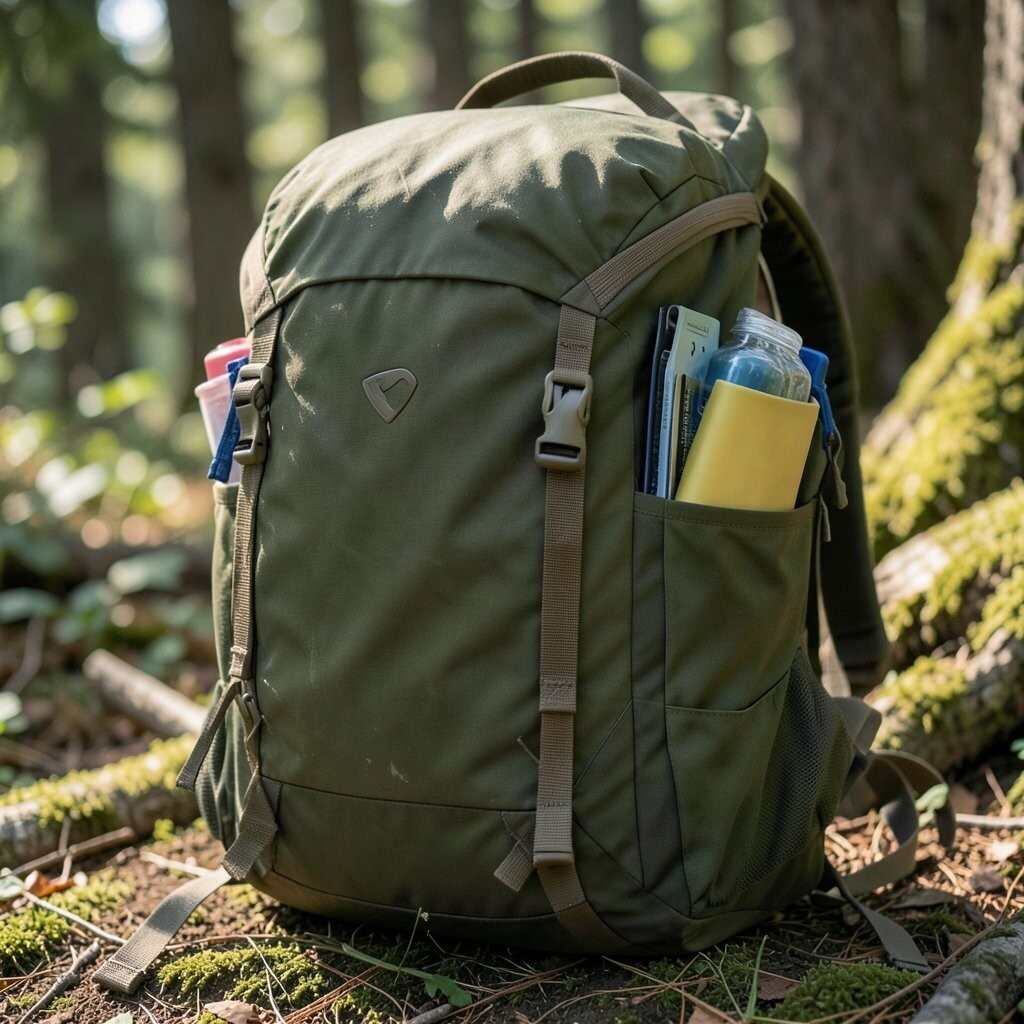
A reliable backpack is necessary for carrying your gear. Look for one with plenty of compartments and comfortable straps. A waterproof backpack can protect your items from rain.
Consider the size based on how much gear you need to bring. Some backpacks come with hydration systems for easy water access. Adjust the straps for a snug fit to avoid strain.
11. Map and Compass
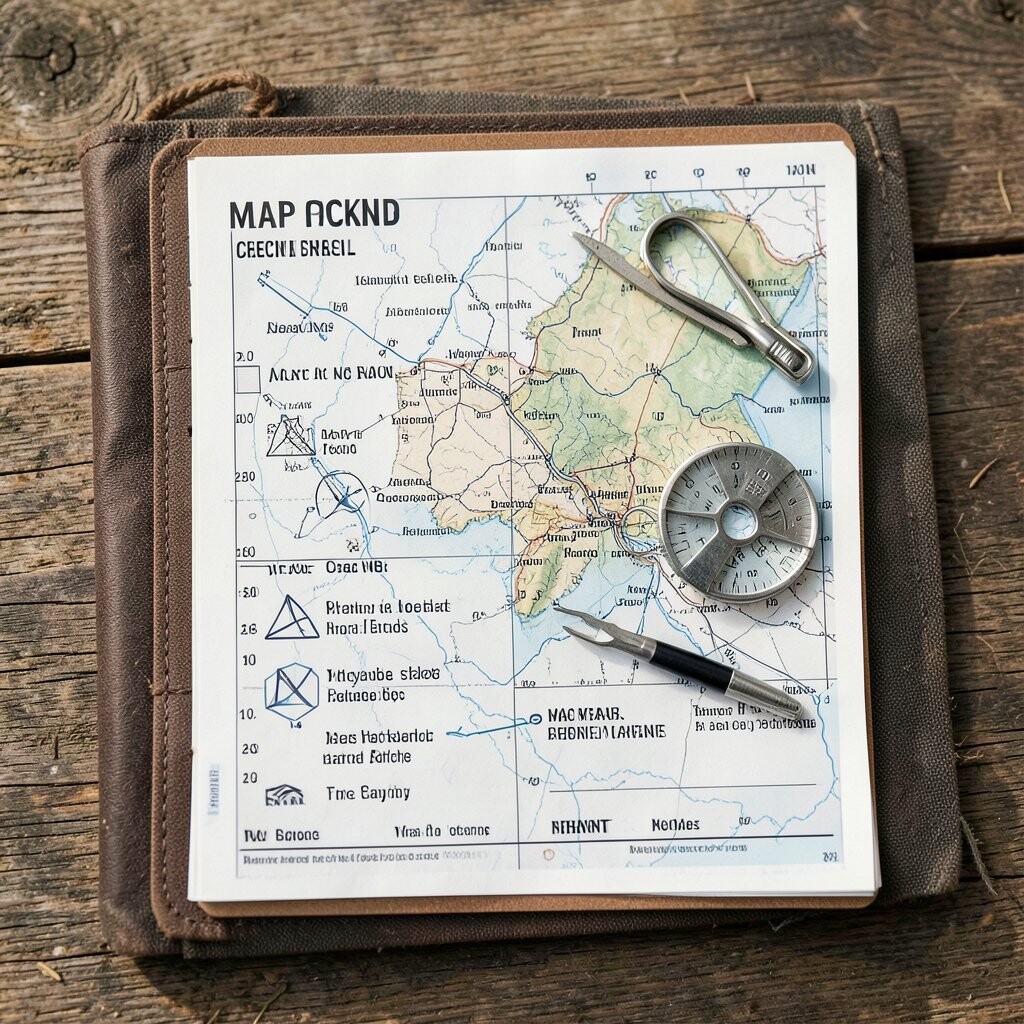
A map and compass are classic tools for navigation. They can help you find your way even without GPS signals. Knowing how to use them is a valuable skill.
Choose a detailed map of the area you will explore. A compass with a clear base plate is easy to use. Practice your navigation skills before heading out.
12. Multi-tool
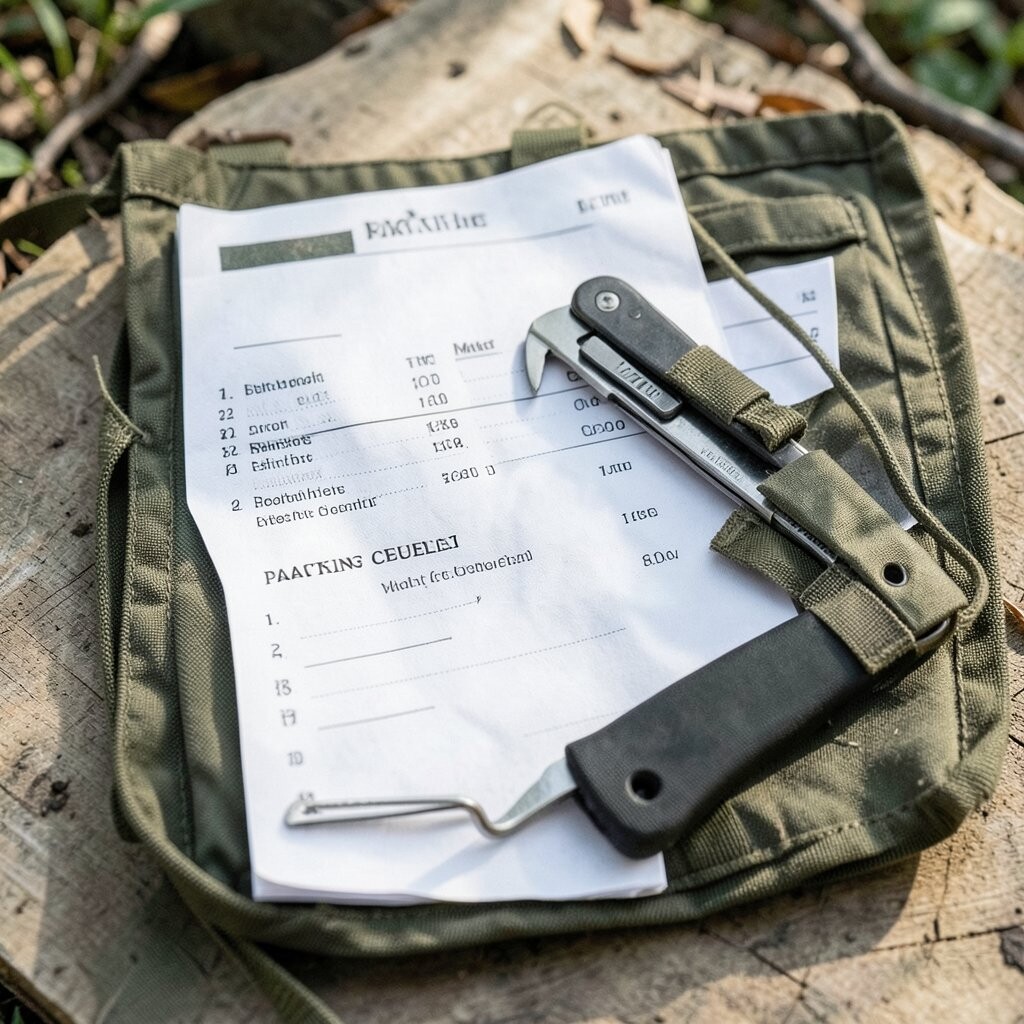
A multi-tool is versatile for many tasks while camping. It usually includes tools like a knife, screwdriver, and bottle opener. Having a multi-tool can be handy for quick fixes.
Choose a multi-tool that suits your specific needs. Some have additional features like scissors or pliers. Keep it accessible for when you need it most.
13. Fire Starter
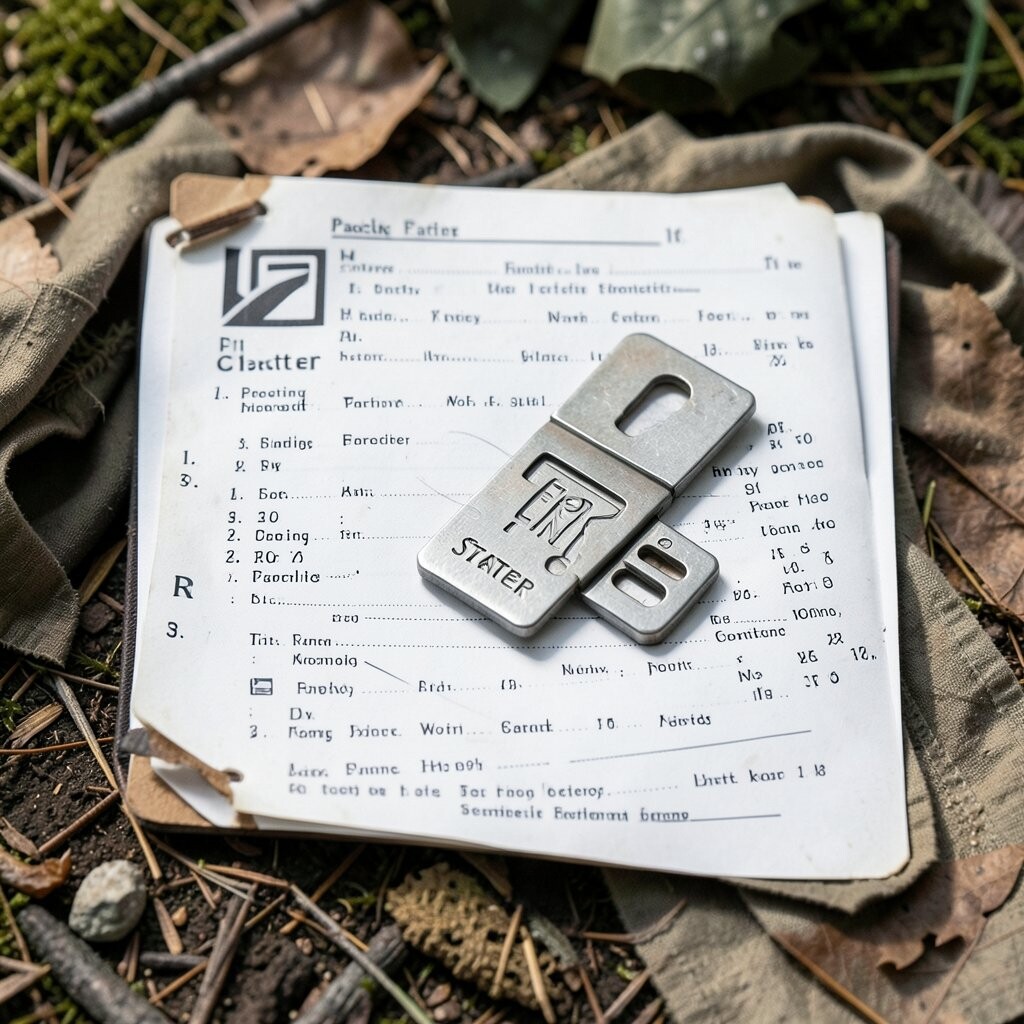
A fire starter is essential for building campfires. It can help ignite your fire quickly without matches. Look for waterproof options that work in damp conditions.
Lighters and magnesium sticks are popular choices. Always practice fire safety and follow local regulations. Carry a backup method in case one fails.
14. Water Bottle
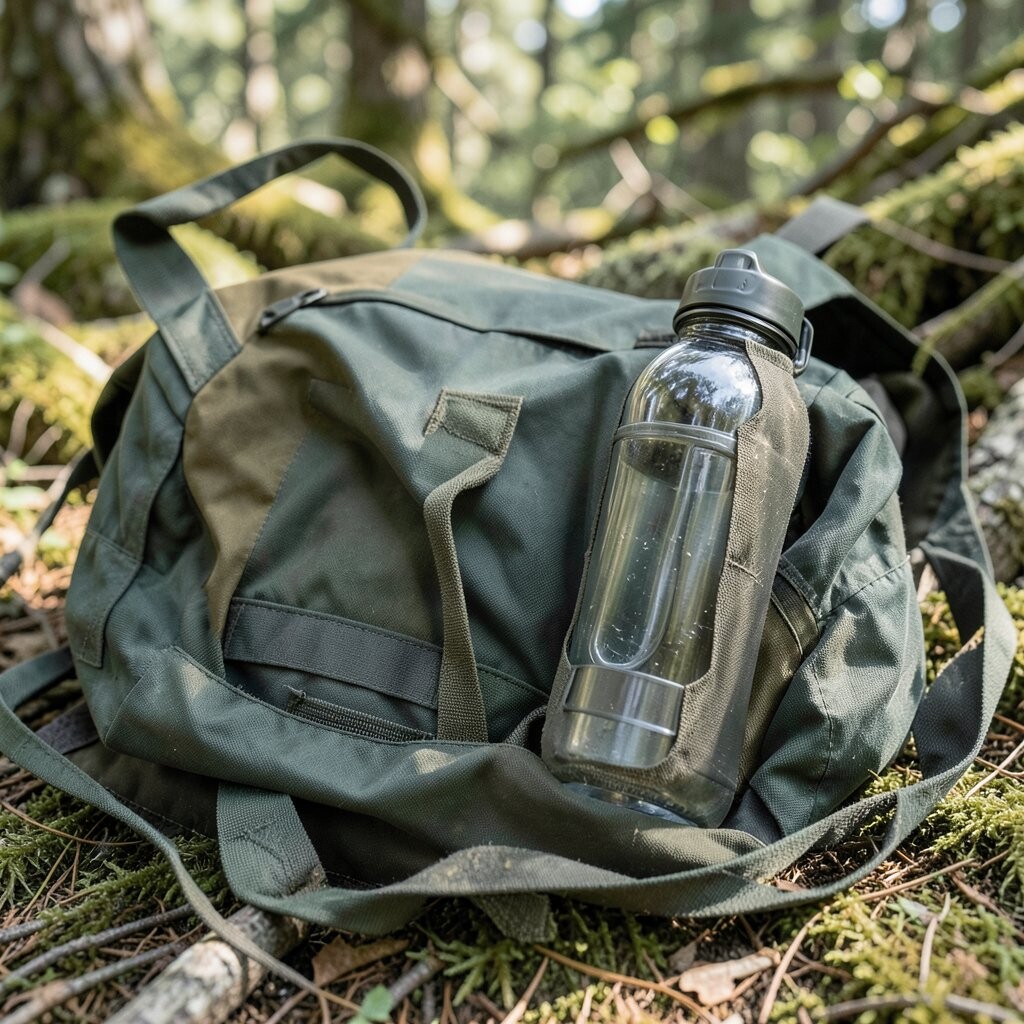
A reusable water bottle is an eco-friendly choice for staying hydrated. Choose one that’s durable and easy to carry. Insulated bottles can keep your drinks cool or warm.
Consider the size based on your hydration needs. Some bottles have built-in filters for purifying water. Carry extra water for longer trips to stay hydrated.
15. Rain Gear
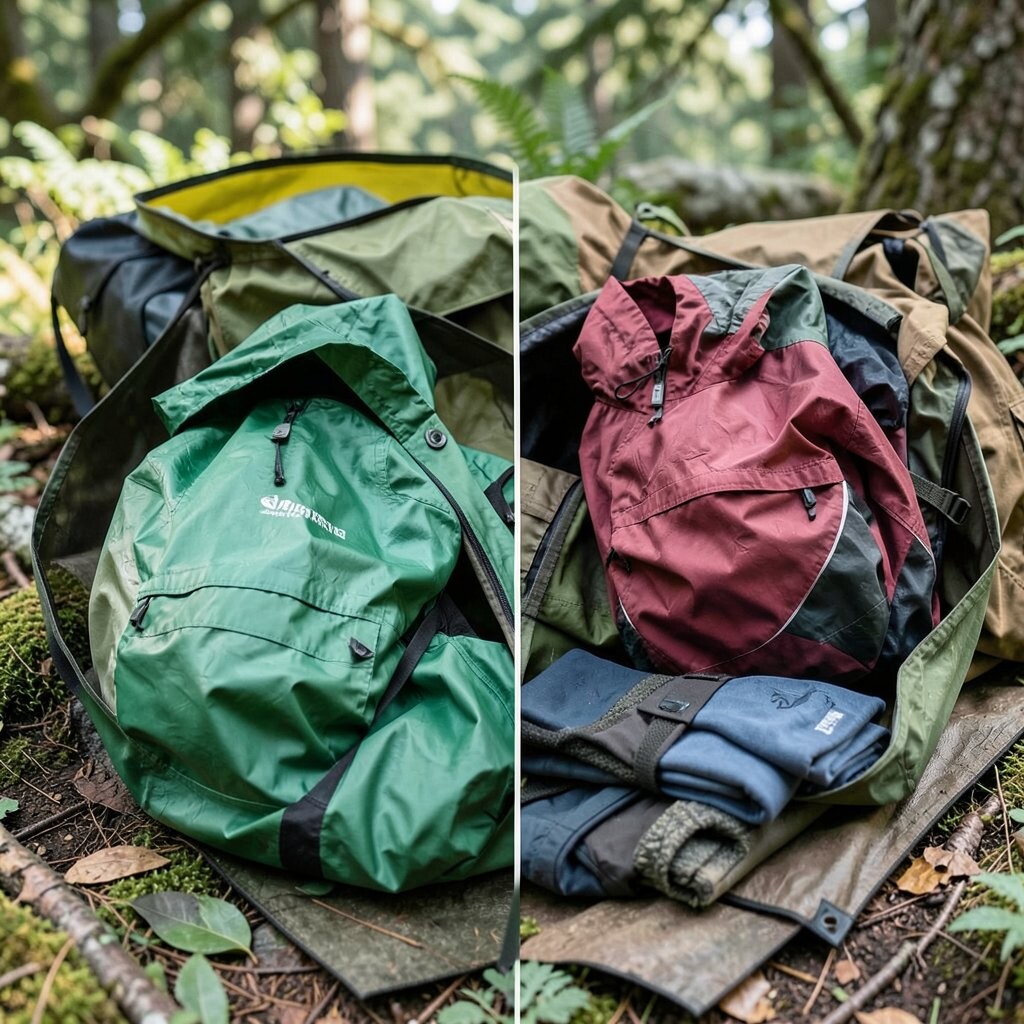
Rain gear helps keep you dry during unexpected showers. A waterproof jacket and pants are good choices. Look for breathable materials to stay comfortable.
Some rain gear packs down small for easy storage. Consider adding waterproof boots for wet conditions. Always check the weather forecast before your trip.
16. Insect Repellent
Insect repellent is a must for keeping bugs away. It can help prevent bites from mosquitoes and ticks. Choose a repellent with ingredients like DEET or natural oils.
Consider sprays or lotions based on your preference. Some repellents offer long-lasting protection. Reapply as needed, especially after swimming or sweating.
17. Sunscreen
Sunscreen protects your skin from harmful UV rays. It’s important even on cloudy days. Choose a broad-spectrum sunscreen with a high SPF.
Consider water-resistant formulas for outdoor activities. Apply generously and reapply throughout the day. Don’t forget to protect areas like your ears and neck.
18. Hat
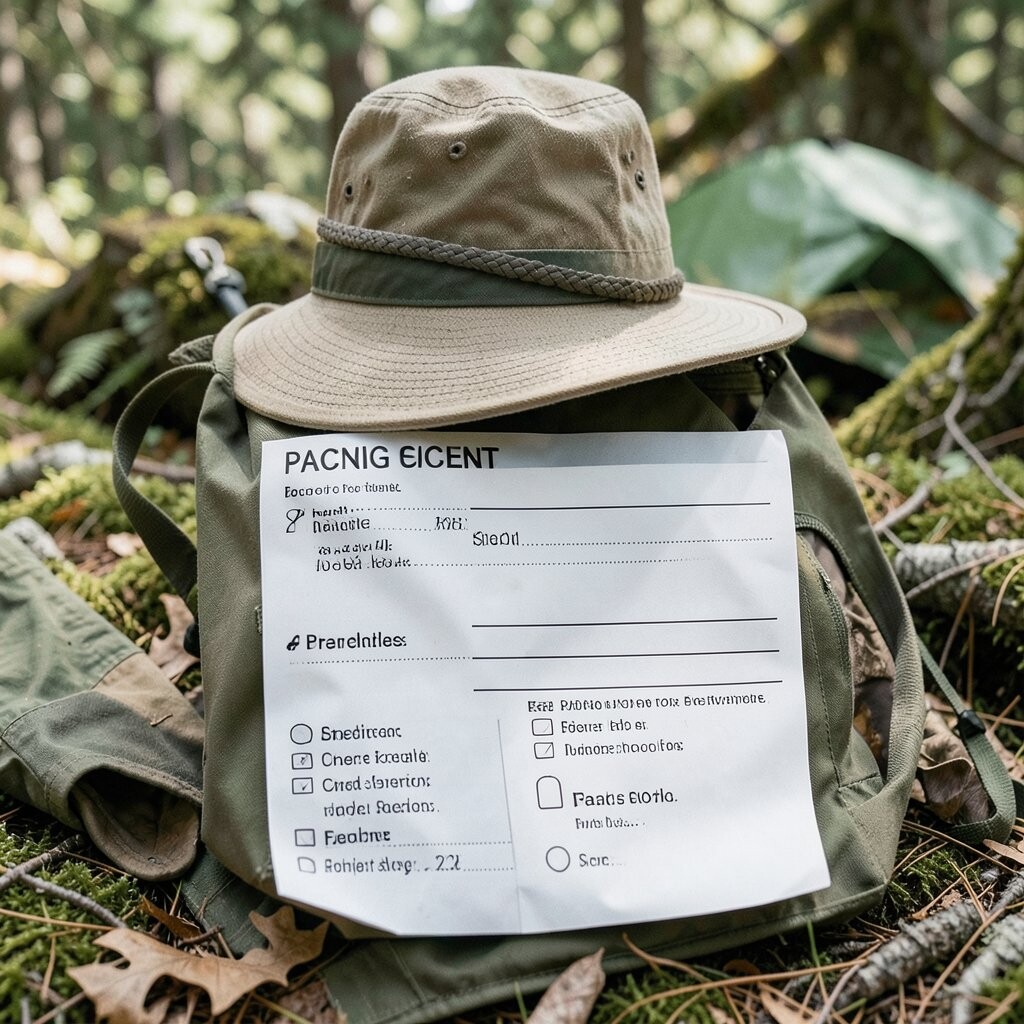
A hat provides shade and protection from the sun. Choose one with a wide brim for maximum coverage. Breathable materials can help keep you cool.
Some hats come with UV protection built-in. Consider packable options that won’t lose shape. A hat can also help keep insects away from your face.
19. Camp Chair
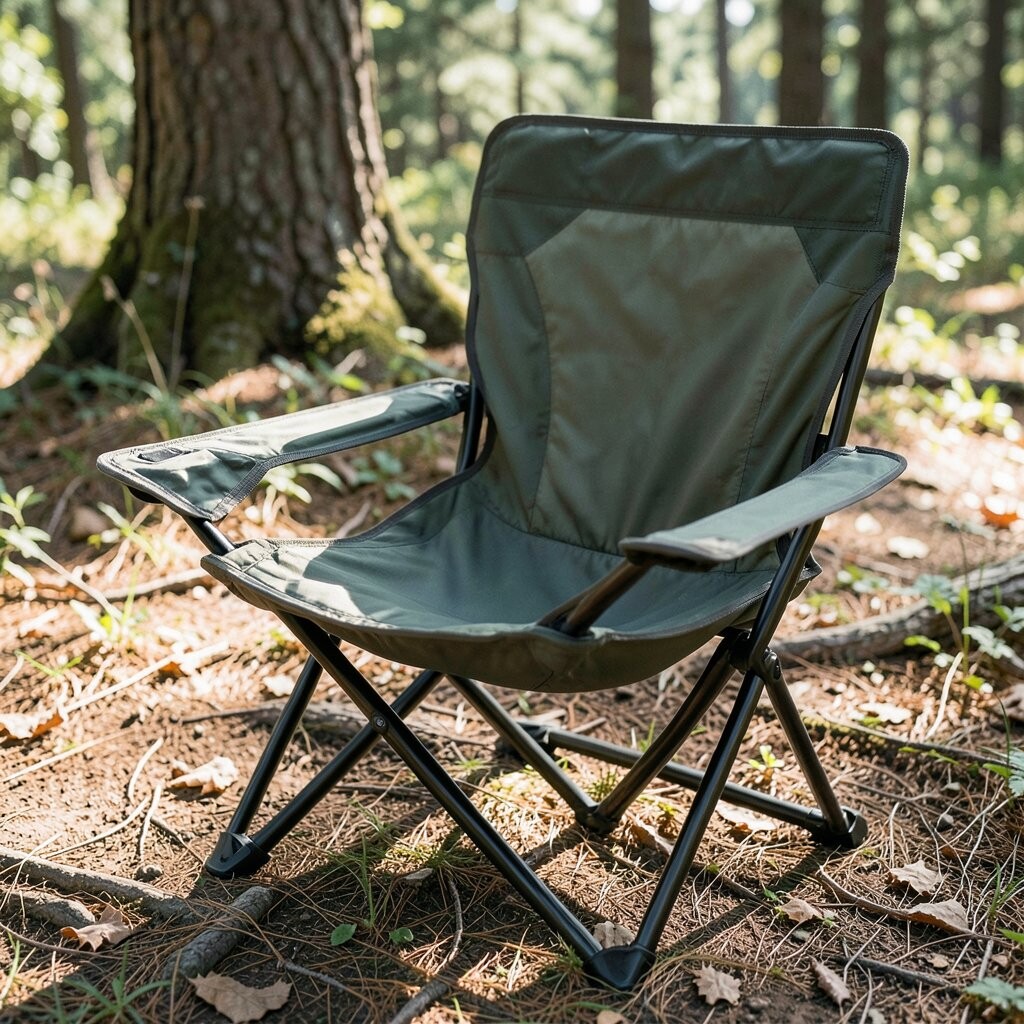
A camp chair offers a comfortable place to sit and relax. Look for one that is lightweight and easy to carry. A sturdy chair can make a big difference in comfort.
Consider chairs with cup holders or storage pockets. Some chairs have adjustable recline settings. Always check the weight limit before purchasing.
20. Binoculars
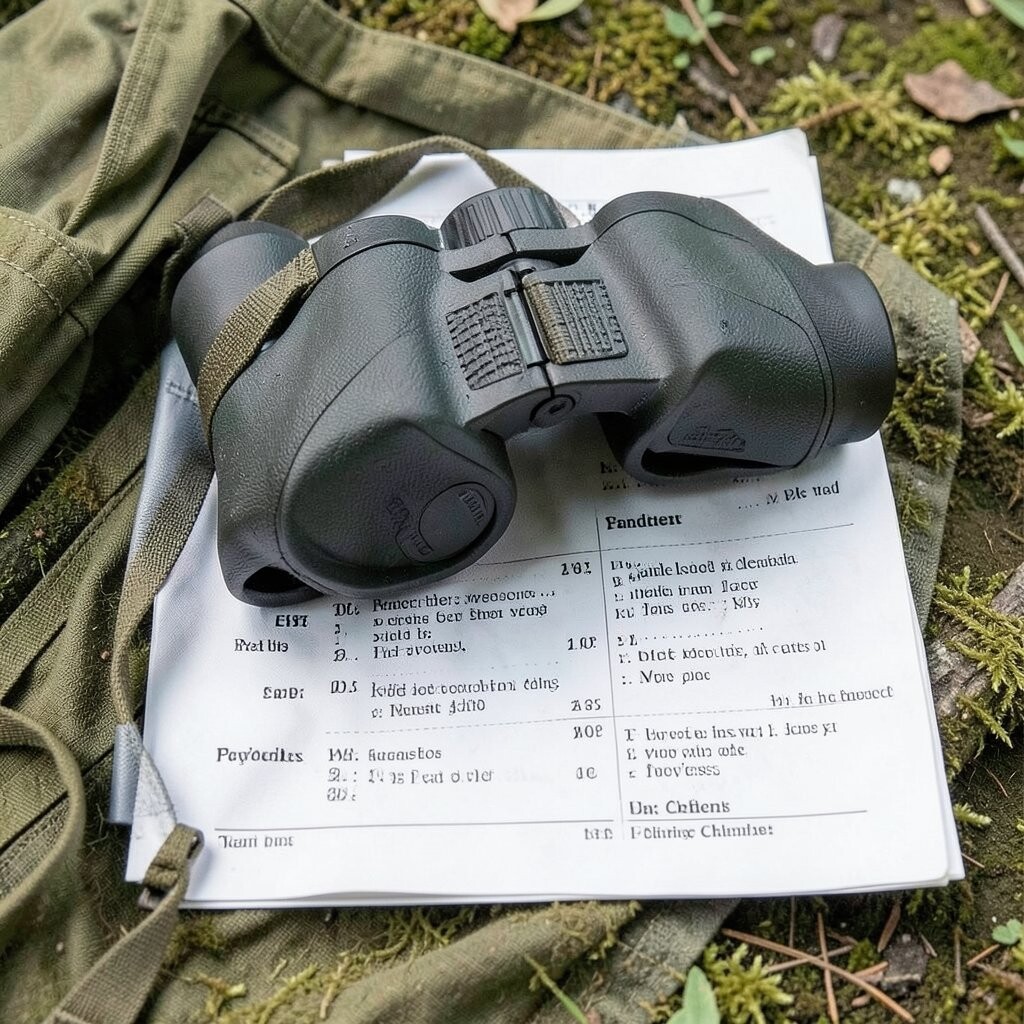
Binoculars can enhance your outdoor experience by bringing distant objects closer. They’re great for bird watching or spotting wildlife. Choose a pair with good magnification and clarity.
Compact binoculars are ideal for easy carrying. Consider waterproof models for all-weather use. Practice focusing them before your trip for the best results.
21. Camera
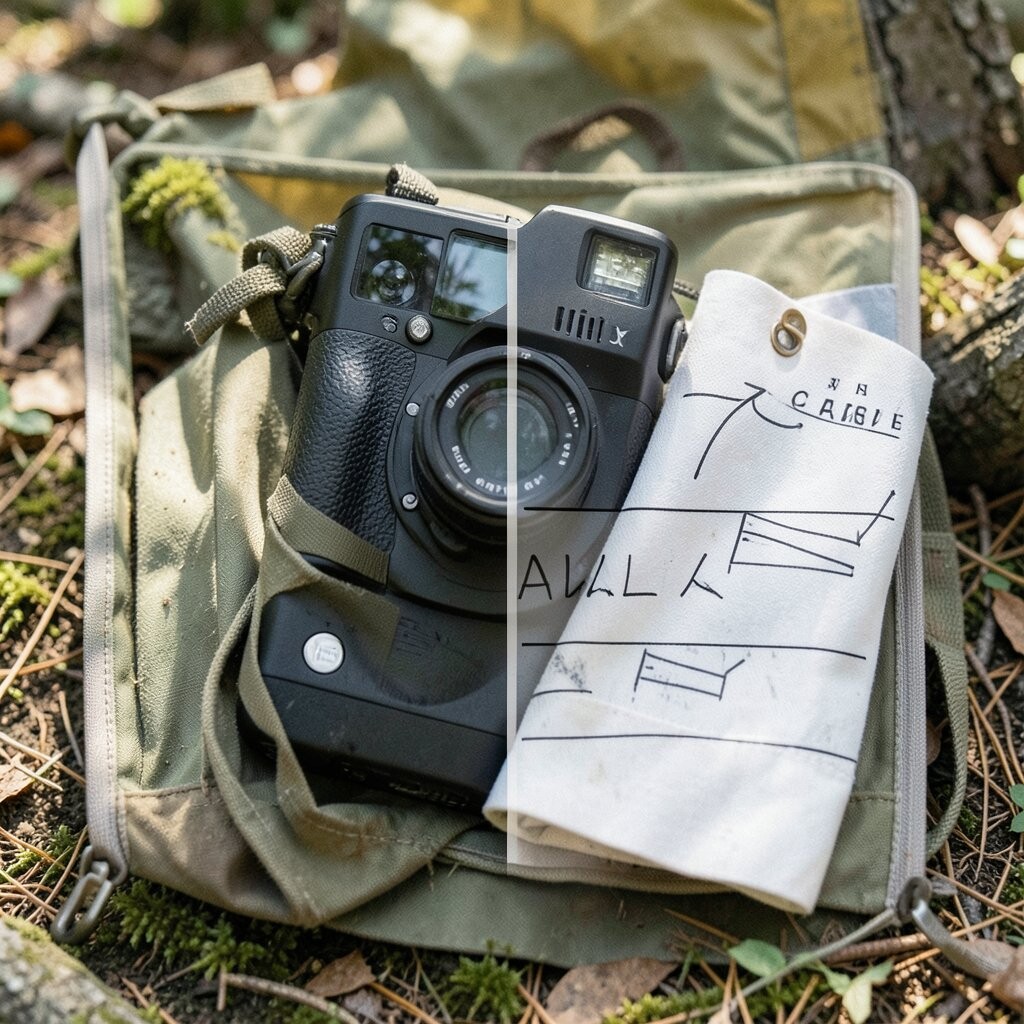
A camera helps capture memories of your camping adventure. Look for one that is durable and easy to use. A waterproof camera can be great for outdoor settings.
Consider the type of photography you enjoy, like landscapes or wildlife. Some cameras have built-in Wi-Fi for easy sharing. Bring extra batteries or a charger for long trips.
22. Trash Bags
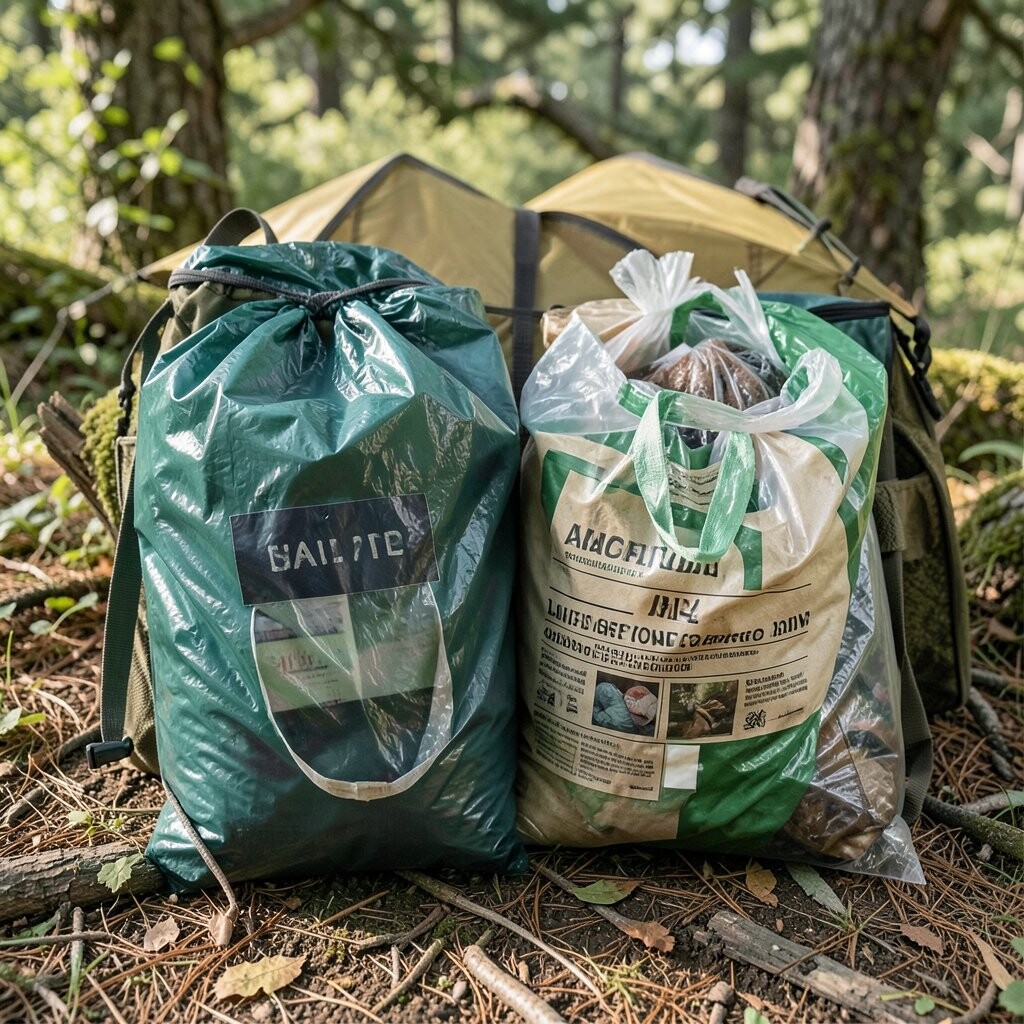
Trash bags help keep your campsite clean and tidy. They are essential for packing out all your waste. Choose sturdy bags that won’t tear easily.
Consider bags with drawstrings for easy closure. Use them to separate recyclables from regular trash. Always follow the Leave No Trace principles when camping.