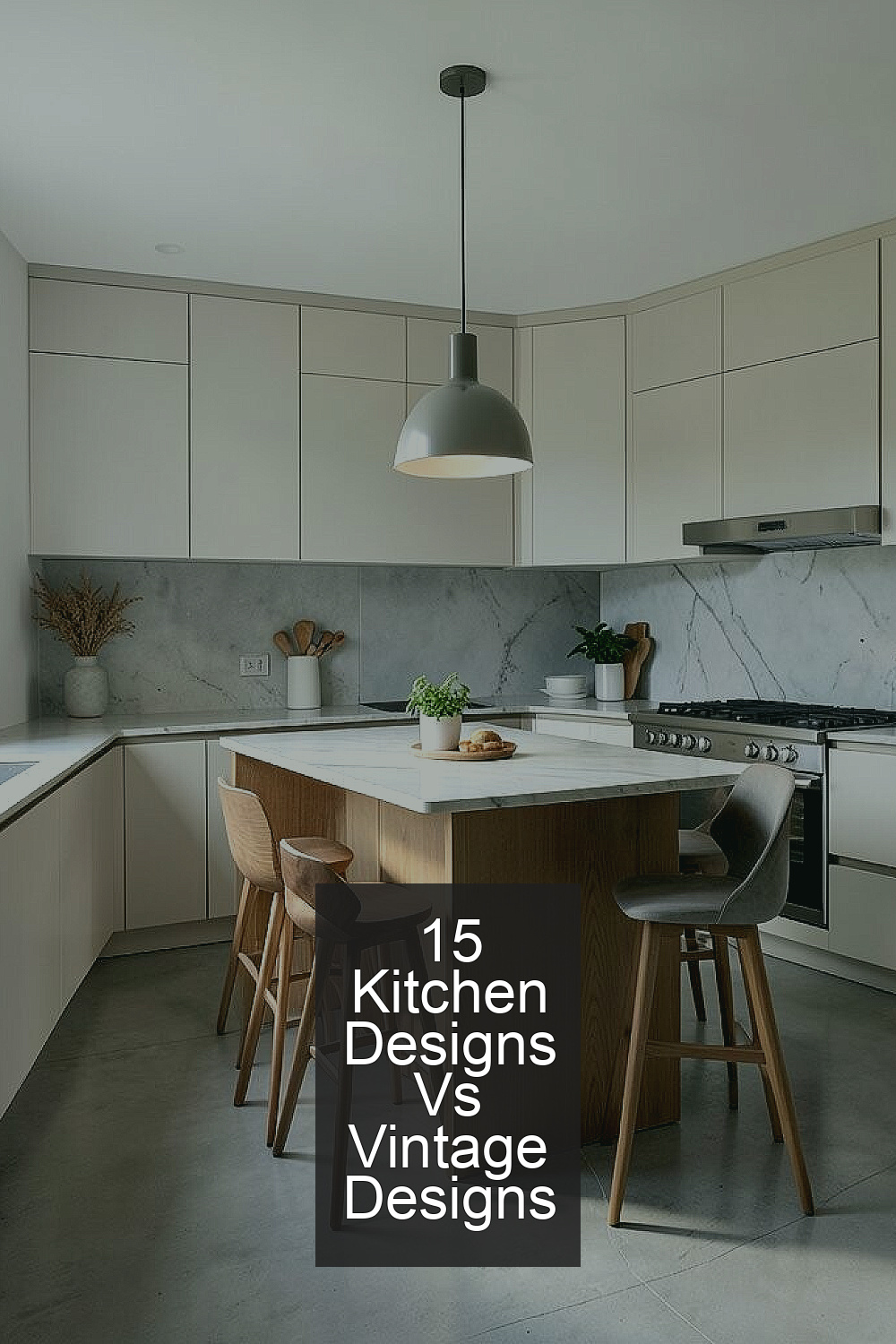
Kitchen styles can shape how a home feels and works each day. Some people like clean modern lines, while others feel at home with older details and warm charm.
1. Clean Lines and Simple Shapes

Contemporary kitchens often use flat cabinet fronts, smooth counters, and very little extra trim. The look feels neat and open, which can help a small room seem less crowded.
Vintage kitchens usually use more detail, like paneled doors, curved edges, or old-style handles. These touches can make the room feel warm and lived in, and they often suit homes with older character.
If you like a calm space, a contemporary style may fit your daily life well. If you want a room with a softer feel, vintage design can give you that without much effort.
2. Bright White vs Warm Color

Many contemporary kitchens use white, soft gray, or black with a few bold accents. These colors make the room feel fresh and tidy, and they work well with daylight.
Vintage kitchens often use cream, pale yellow, mint, or soft blue. These shades can feel friendly and easy to live with, and they often bring a gentle old-home look.
Color choice can also affect cost, since white surfaces may show dirt faster and need more care. If you want a style that feels easy to keep up, think about how much cleaning time you want to spend.
3. Open Shelves vs Closed Cabinets
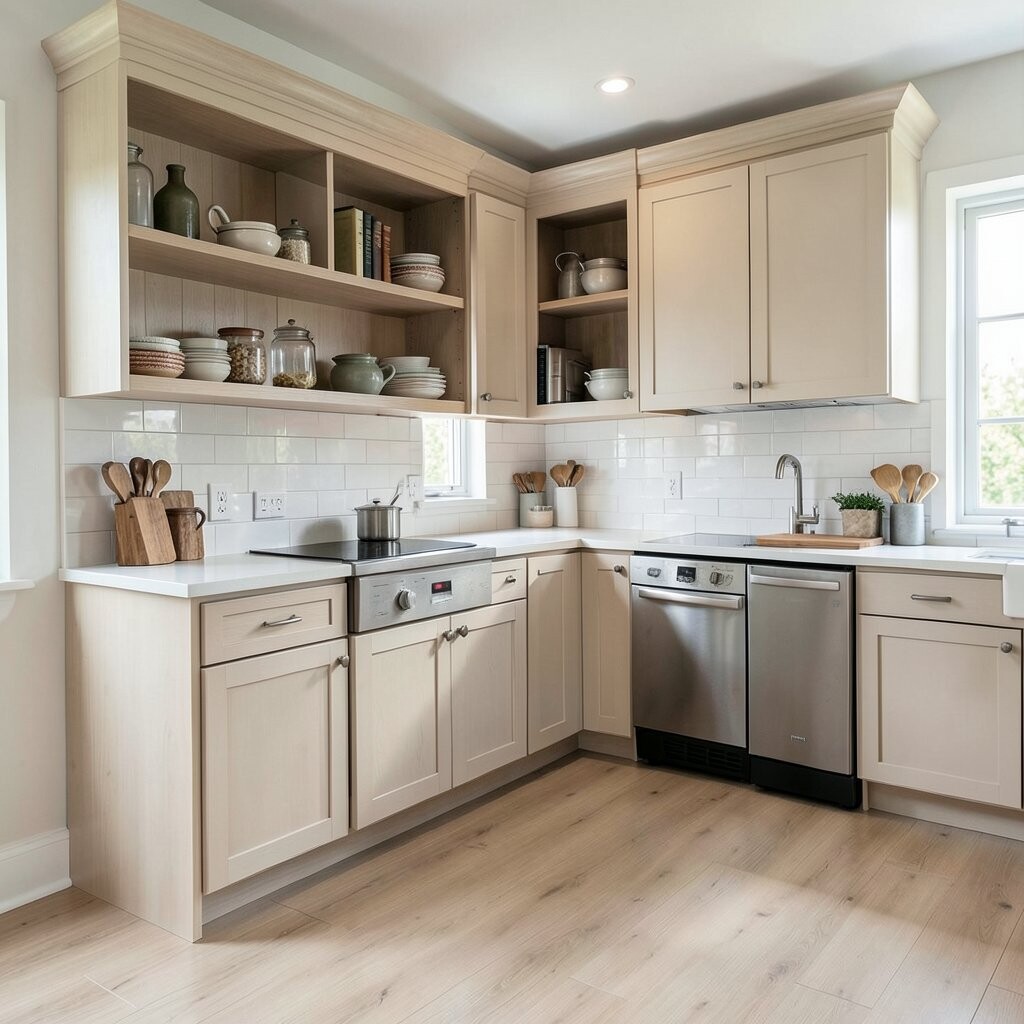
Open shelves are common in many contemporary kitchens because they make dishes easy to reach. They also let you show off bowls, cups, or jars in a neat way.
Vintage kitchens often use more closed cabinets, which hide clutter and give the room a fuller look. This can be a good choice if you want less to clean and more storage out of sight.
You can mix both ideas for a more personal space. Try open shelves for items you use often and closed cabinets for things you want tucked away.
4. Sleek Hardware vs Classic Pulls

Contemporary kitchens often use small metal pulls, hidden handles, or touch-open doors. These parts keep the look simple and help the room feel smooth and up to date.
Vintage kitchens may use round knobs, bin pulls, or old-style brass pieces. These small parts can change the whole mood of the room and make plain cabinets feel more special.
Hardware is one of the easier and lower-cost ways to change a kitchen style. If you rent or want a small update, new pulls can make a big visual difference without a full remodel.
5. Stone Slabs vs Patterned Tile

Contemporary kitchens often use large stone slabs for counters and backsplashes. This gives the room a clean look with fewer lines and less visual noise.
Vintage kitchens often use patterned tile, small squares, or colorful backsplashes. These surfaces add charm and can make the kitchen feel more personal and less plain.
Tile can be a good choice if you want a lower-cost update with strong style. Stone may cost more, but it can be easy to wipe down and may last a long time.
6. Hidden Storage vs Display Space

Many contemporary kitchens use hidden drawers, pull-out trays, and tall pantry units. These features help keep tools and food in order and make the room look less busy.
Vintage kitchens often show more items on counters or shelves, such as canisters, cookbooks, or jars. This can make the space feel homey and full of use.
If you like a tidy look, hidden storage may help you feel less stressed when cooking. If you enjoy decor that feels lived in, display space can help your kitchen show your own taste.
7. Matte Finishes vs Shiny Surfaces

Contemporary kitchens often use matte cabinets, matte black fixtures, and soft-touch finishes. These surfaces feel modern and can hide small marks better than very shiny ones.
Vintage kitchens often use glossy paint, enamel, or polished metal that catches light. The shine can make the room feel brighter and give it an older, classic feel.
Matte finishes are popular right now because they feel calm and simple. Shiny surfaces still work well if you want a look that feels more cheerful and old-fashioned.
8. Large Islands vs Small Work Tables

Contemporary kitchens often have a large island with seating and storage. This gives people a place to cook, eat, and talk in one spot.
Vintage kitchens may use a smaller work table or a built-in breakfast nook. These pieces take less room and can make the space feel more relaxed and less formal.
If your kitchen is small, a compact table may be more useful than a big island. If you cook with others often, an island can help everyone spread out and work with ease.
9. Smart Tech vs Simple Tools

Contemporary kitchens often include smart ovens, touch faucets, and fridges with screens. These tools can save time and help with daily tasks, especially in busy homes.
Vintage kitchens usually keep things more simple, with basic tools and fewer built-in tech parts. This can lower repair costs and make the room easier to use for people who like familiar controls.
Tech can be useful, but it may cost more at the start and need updates later. Simple tools often cost less and can be easier to replace if something breaks.
10. Cool Metal vs Warm Wood

Contemporary kitchens often use stainless steel, chrome, and black metal for sinks, appliances, and trims. These materials give the room a sharp, clean look that fits many new homes.
Vintage kitchens often use warm wood tones, painted wood, or mixed finishes that feel softer. Wood can help the room feel cozy and can work well with older furniture and decor.
You can mix metal and wood to make a kitchen feel more balanced. A wood table with modern steel lights, for example, can give you a look that feels current but not cold.
11. Minimal Decor vs Collected Charm

Contemporary kitchens often keep decor very light, with only a few items on view. This can help the room feel open and make cleaning easier.
Vintage kitchens often show more decor, such as old tins, framed signs, or family dishes. These items can tell a story and make the kitchen feel more personal.
If you like to keep things simple, use only a few items that match your color plan. If you enjoy a fuller look, choose pieces that feel useful so the room does not seem crowded.
12. Neutral Style vs Bold Pattern

Many contemporary kitchens lean on soft neutral colors and plain surfaces. This style works well if you want a room that stays in style for a long time.
Vintage kitchens often use bold patterns on floors, curtains, or tile. These patterns can add energy and make the room feel more lively and fun.
Bold pattern can cost less than full custom work if you use it in small spots. A patterned rug or curtain can give the room style without changing the whole kitchen.
13. Easy Cleaning vs Easy Repair

Contemporary kitchens often use smooth surfaces that are easy to wipe down. This helps save time after meals and can make daily care feel less hard.
Vintage kitchens may use older-style parts that are simple to repair or replace. Basic cabinet fronts and common fixtures can be cheaper to fix than custom modern pieces.
Think about how you use your kitchen each day. If spills happen often, smooth surfaces may help, but if you want parts that are easy to swap out, vintage-style choices may be better.
14. Fresh Trends vs Timeless Feel

Contemporary kitchens often follow current trends like slab doors, hidden storage, and mixed metal finishes. These looks can make a home feel current and ready for today’s way of living.
Vintage kitchens often feel timeless because they use details that have stayed liked for many years. Things like beadboard, checkerboard floors, and old-style lights can still look good long after trends change.
A mix of both styles can help you avoid a look that feels too tied to one year. You can use a modern layout with a few vintage touches so the room feels useful and personal.
15. Personal Touch vs Design Rules

Contemporary kitchens often follow clear design rules, such as matching finishes and clean lines. This can make it easier to plan the room and keep it looking neat.
Vintage kitchens often allow more personal mixing, like old chairs, family dishes, and secondhand finds. This can make the space feel unique and less like a showroom.
The best choice depends on how you live and what makes you feel at ease. You can keep costs in check by reusing items you already own and adding only a few new pieces that fit your style.