Summer travel plans can feel big, but small steps can make them much easier. A simple plan can save time, cut stress, and help you enjoy the trip more.
1. Make a short trip wish list
Start by writing down the places you want to go, even if they are only rough ideas. This list can include a beach town, a city break, a cabin stay, or a visit to family.
A wish list helps you see what fits your time and money. It also makes it easier to spot travel trends that match your style, like road trips, train trips, or short staycations.
Try to keep the list simple and personal. If you like quiet places, add small towns and parks, not just busy spots.
2. Pick your travel dates early
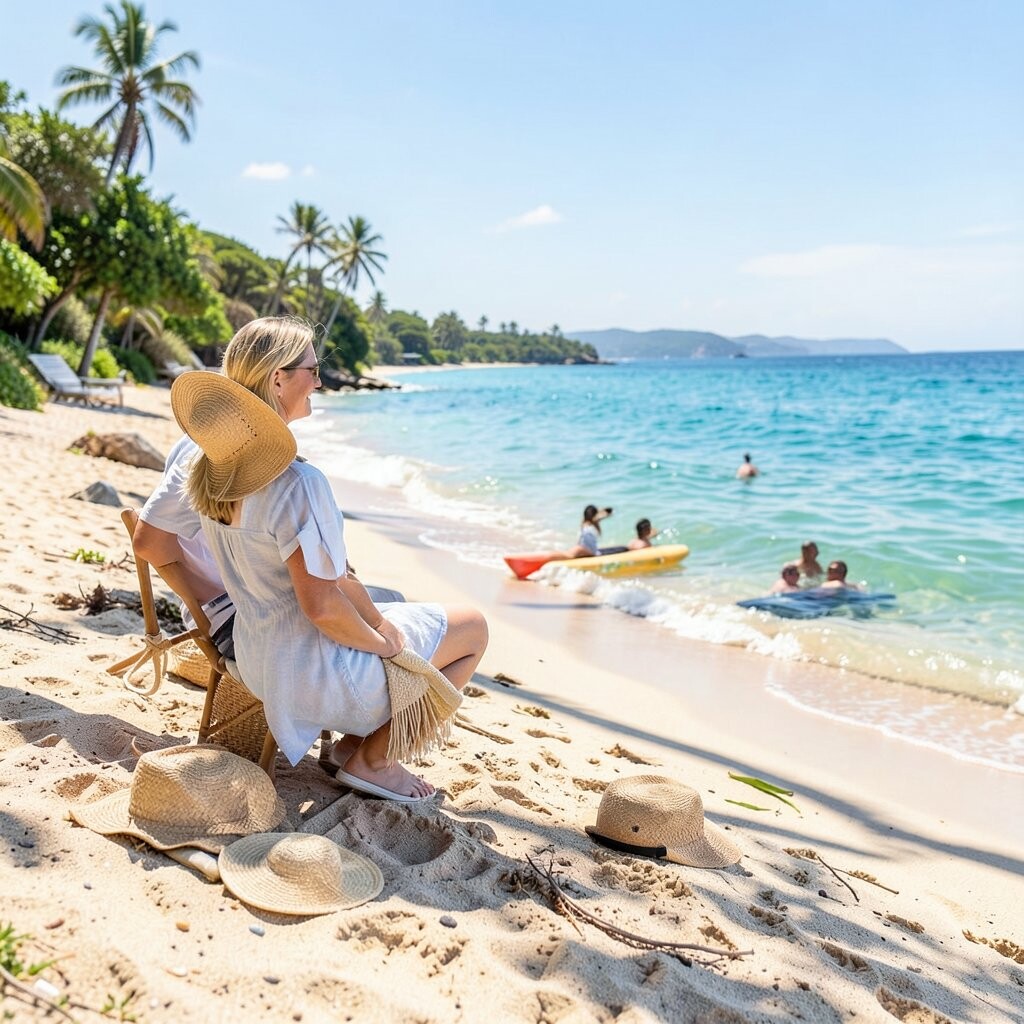
Choosing dates early can help you find better prices and more open choices. It also gives you time to ask for time off, plan child care, or set up pet care if you need it.
Summer dates can fill up fast, so early planning can save money and stress. A clear date range can also help you compare trips in a fair way.
If your dates are flexible, mark a few options on your calendar. That small step can make it easier to catch lower prices and less crowded travel days.
3. Set a simple budget

A travel budget does not have to be hard. You can split your money into basic parts like travel, food, sleep, and fun.
This helps you see what kind of trip fits your life. A tight budget may point to camping, day trips, or a nearby hotel, while a bigger budget may allow flights or longer stays.
Use a note app, a paper list, or a small chart to track costs. Many people now use budget apps, but a plain notebook still works well and costs nothing.
4. Choose the right kind of trip
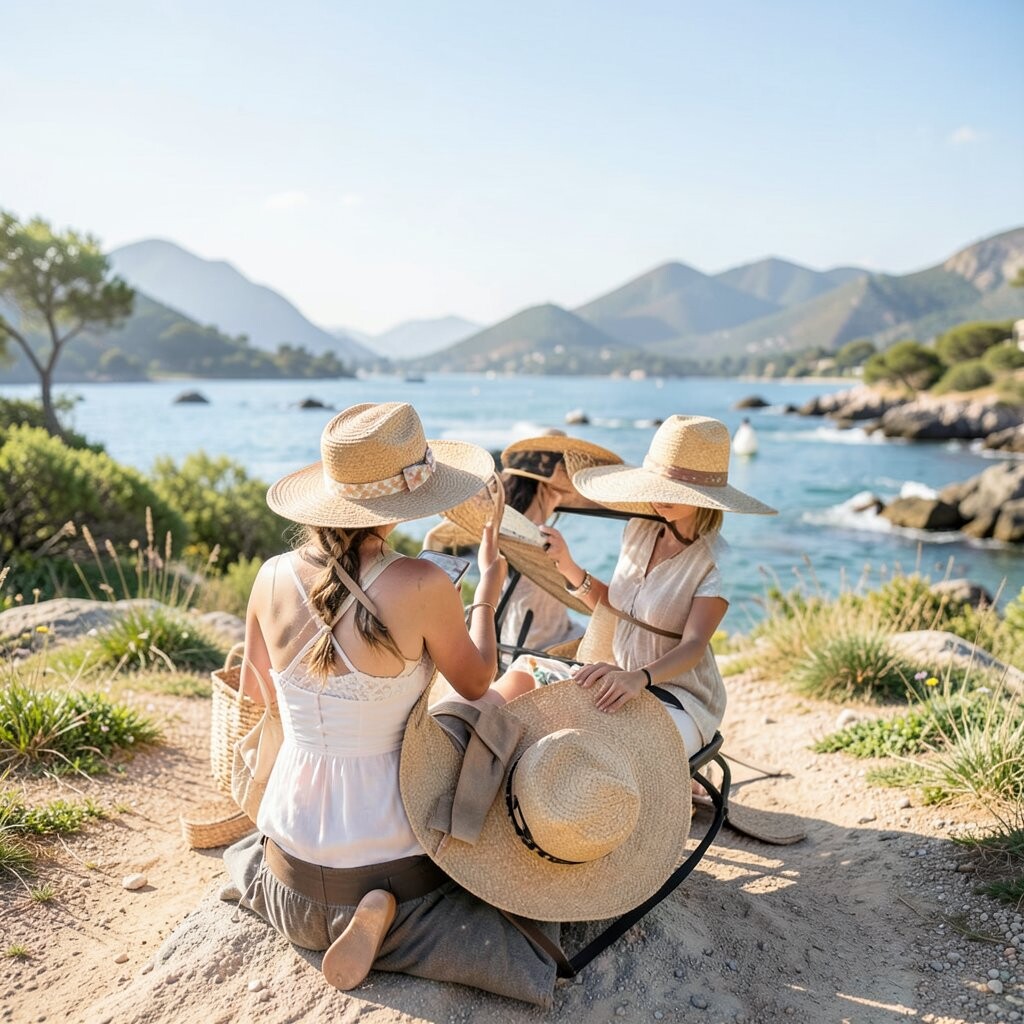
Think about what kind of summer trip feels best for you right now. You may want a busy city, a calm lake, a family road trip, or a solo break.
The right trip is not always the biggest one. A short and easy plan can be better than a long trip that leaves you tired and rushed.
Try to match the trip to your energy, time, and money. If you want rest, do not fill every day with long tours and packed plans.
5. Book sleep early

Places to stay can get pricey in summer, so it helps to book early. Hotels, rentals, hostels, and campgrounds all have their own price swings.
Early booking can give you more room choices and better spots near the things you want to do. It can also help you find deals before the busiest travel weeks start.
Think about what matters most to you, like a pool, kitchen, parking, or a quiet room. Those small details can make a trip more comfortable without adding much cost.
6. Make a pack list for each person

A pack list keeps you from forgetting key things like chargers, sunscreen, or swimwear. It also helps you avoid buying extra items at the last minute.
Each person may need something a little different, so make the list fit the trip. A child, teen, and adult may all need different clothes, snacks, or health items.
Keep the list in your phone so you can use it again next time. Many travelers now keep a shared list for the whole family, which makes packing faster and less messy.
7. Plan around the heat

Summer heat can change how a trip feels, so it helps to plan for it. Try to do outdoor things in the early morning or later in the day when it is cooler.
This can make walks, hikes, and city trips feel easier. It also helps you avoid the middle of the day when the sun is strongest and crowds can be larger.
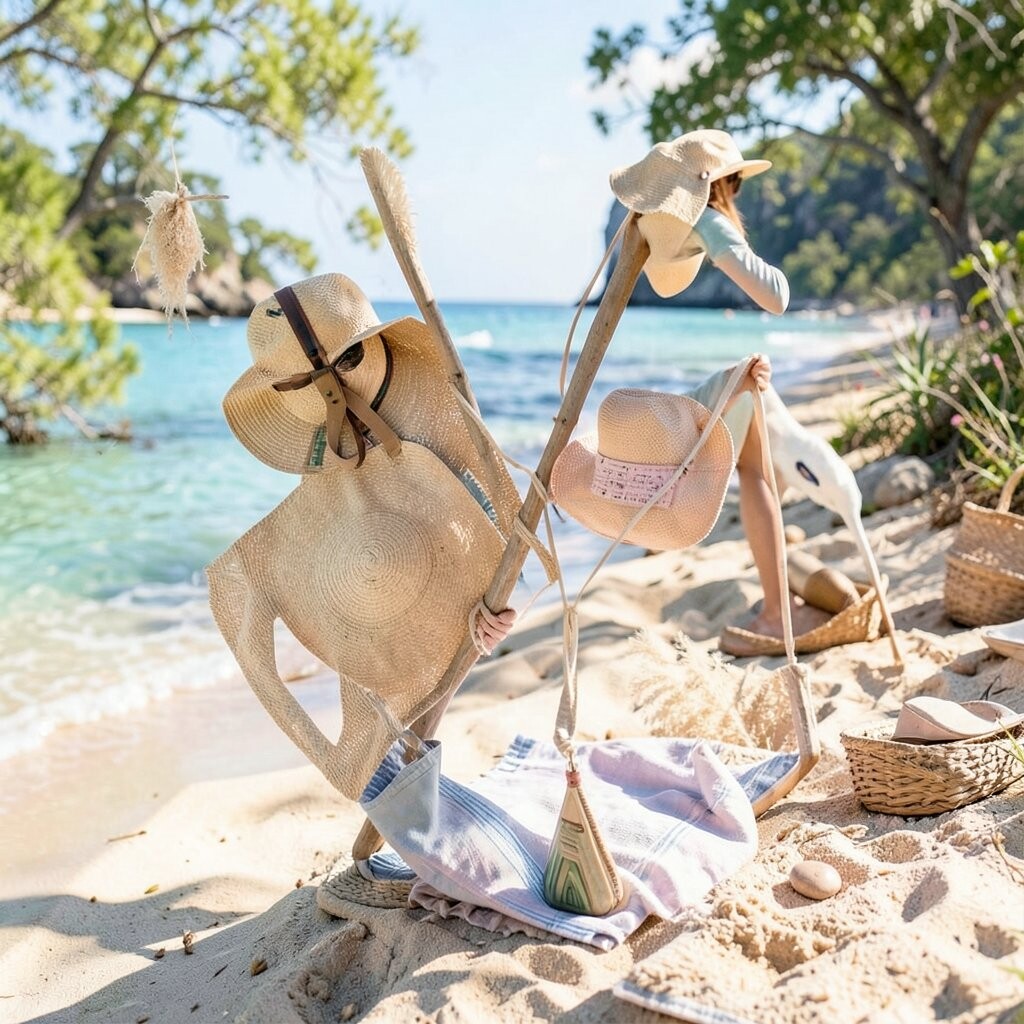
Bring water bottles, hats, and light clothes that dry fast. Small choices like these can make a big difference in comfort and cost, since you may not need to buy as much on the road.
8. Use road trip stops to your advantage
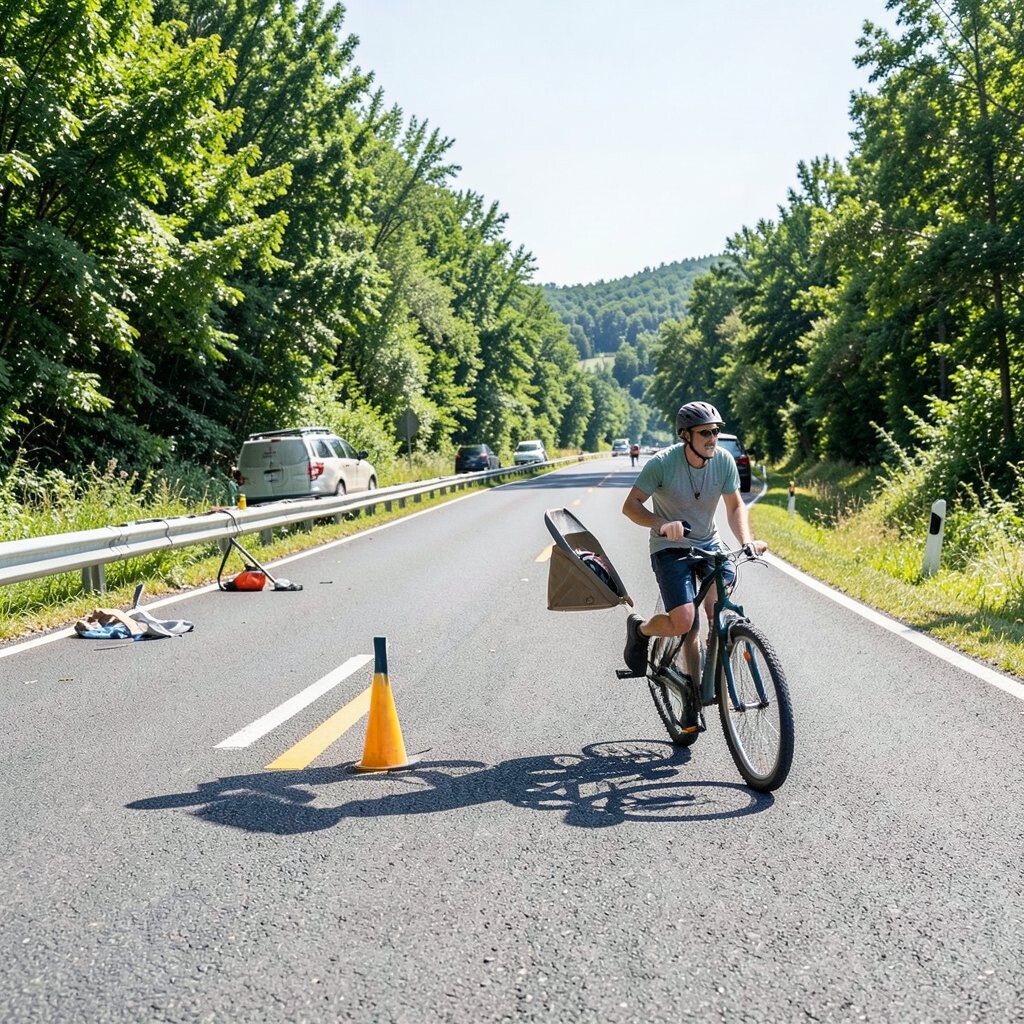
If you are driving, plan a few good stops along the way. A nice rest area, a small diner, or a park can make the drive feel less long.
Road trips are still a strong travel trend because they give you more control. You can stop when you want, change your route, and fit the trip to your own pace.
Look for places that match your style, like lakes, local shops, or free sights. These stops can add fun without adding much to your budget.
9. Mix paid plans with free ones

You do not need to pay for every part of a trip. Many towns have free beaches, museums on special days, walking paths, street fairs, or public parks.
Mixing free and paid plans helps your money last longer. It also gives you a better feel for the place, since you can see both the main sights and the local side.
Make a short list of free things before you go. This can help you fill your days without rushing to book every hour.
10. Keep food plans simple

Food can take a big part of a travel budget, so a simple plan helps. You might eat out once a day and keep one meal or snack from a store or rental kitchen.
This works well for families, groups, and solo travelers. It can also help if you have food needs, because you can choose meals that fit you better.
Try local foods, but keep some easy backup items too. A few snacks, fruit, or sandwich supplies can save time and money when you are busy.
11. Check travel rules and local details
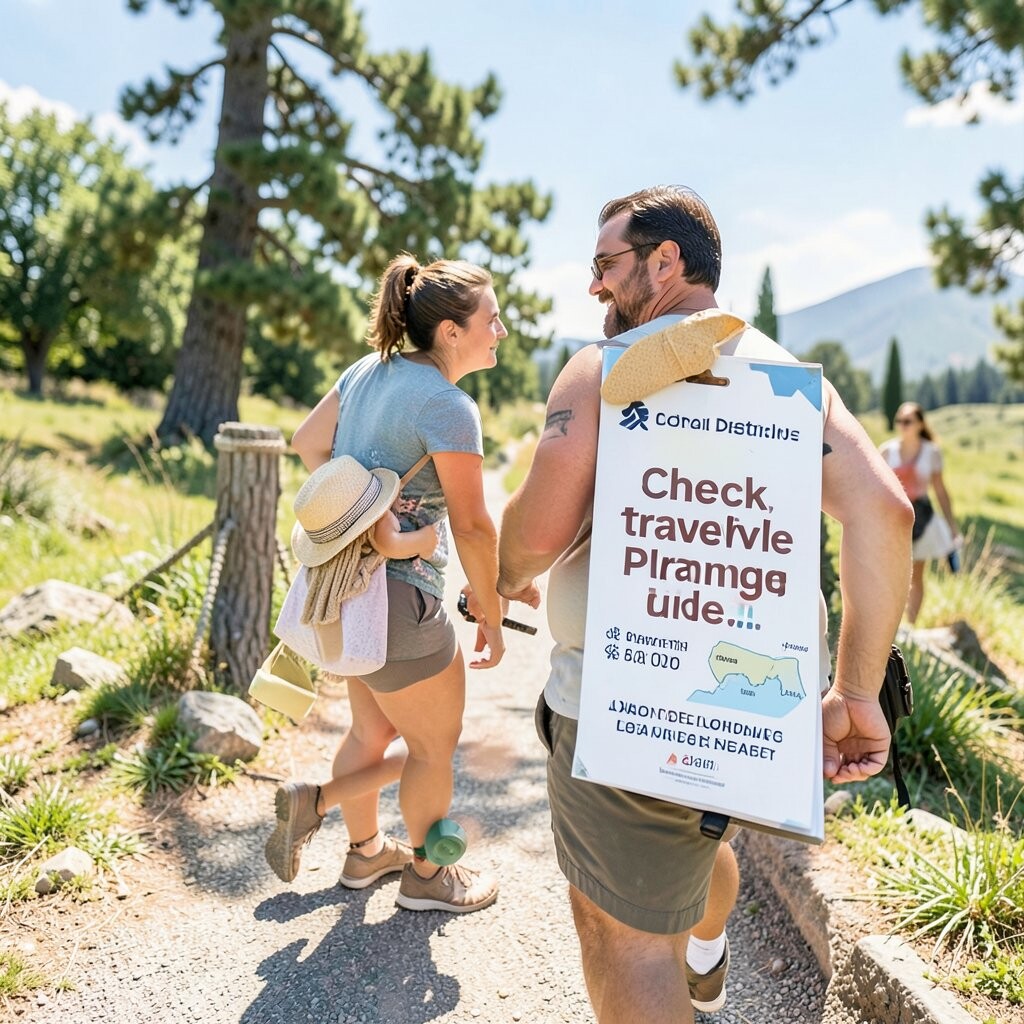
Before you go, look at the rules for your trip. You may need ID, tickets, parking info, pet rules, or checked bag limits.
It also helps to check local weather, store hours, and event times. Summer crowds can change plans fast, so a quick look can keep you from wasting time.
Save the key details in one place on your phone. A small note with addresses, phone numbers, and booking info can be very helpful on the road.
12. Make the trip fit your style
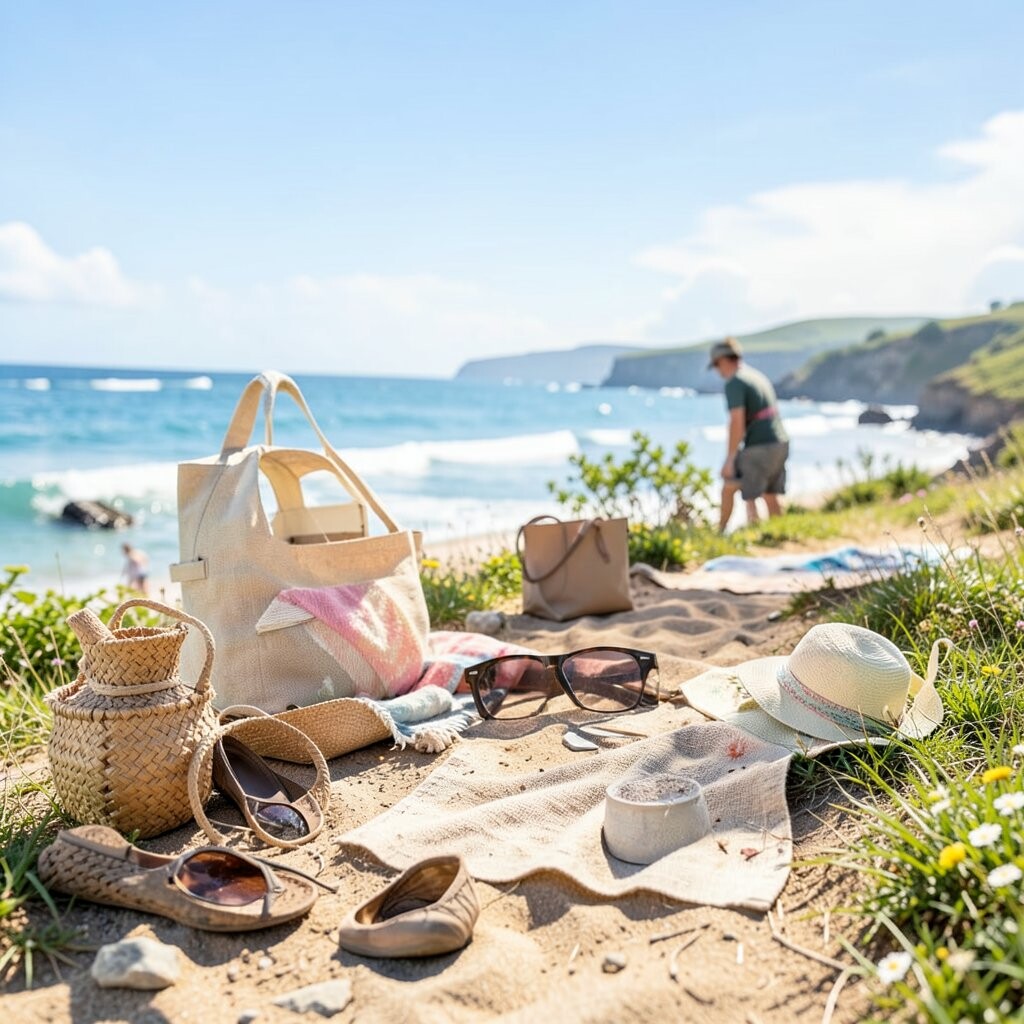
Good travel planning works best when it feels like you. Some people like busy days with many stops, while others want slow mornings and short outings.
You can make a trip feel more personal by adding small things you enjoy. That may mean a book for the beach, a camera for city walks, or a picnic blanket for a park day.
Personal touches do not have to cost much. Simple items from home can make a trip feel more like yours and less like a copy of someone else’s plan.
13. Leave room for changes

Summer trips often change, so a little extra room in your plan can help. A free afternoon or a backup idea can keep a small problem from ruining the day.
This is one of the best planning habits because it lowers stress. If a place is too crowded or the weather shifts, you can switch to a new plan without panic.
Try not to fill every hour. A flexible plan can feel calmer, cost less, and give you space to enjoy the trip in your own way.