Wild animal trips can make a normal trip feel very different. These places can help you see rare animals up close while still giving you a chance to stay safe and calm.
Some trips cost more than a usual day out, but many can fit different budgets with good planning. Each place below has its own look, feel, and best time to go.
1. Mountain Gorillas in Rwanda
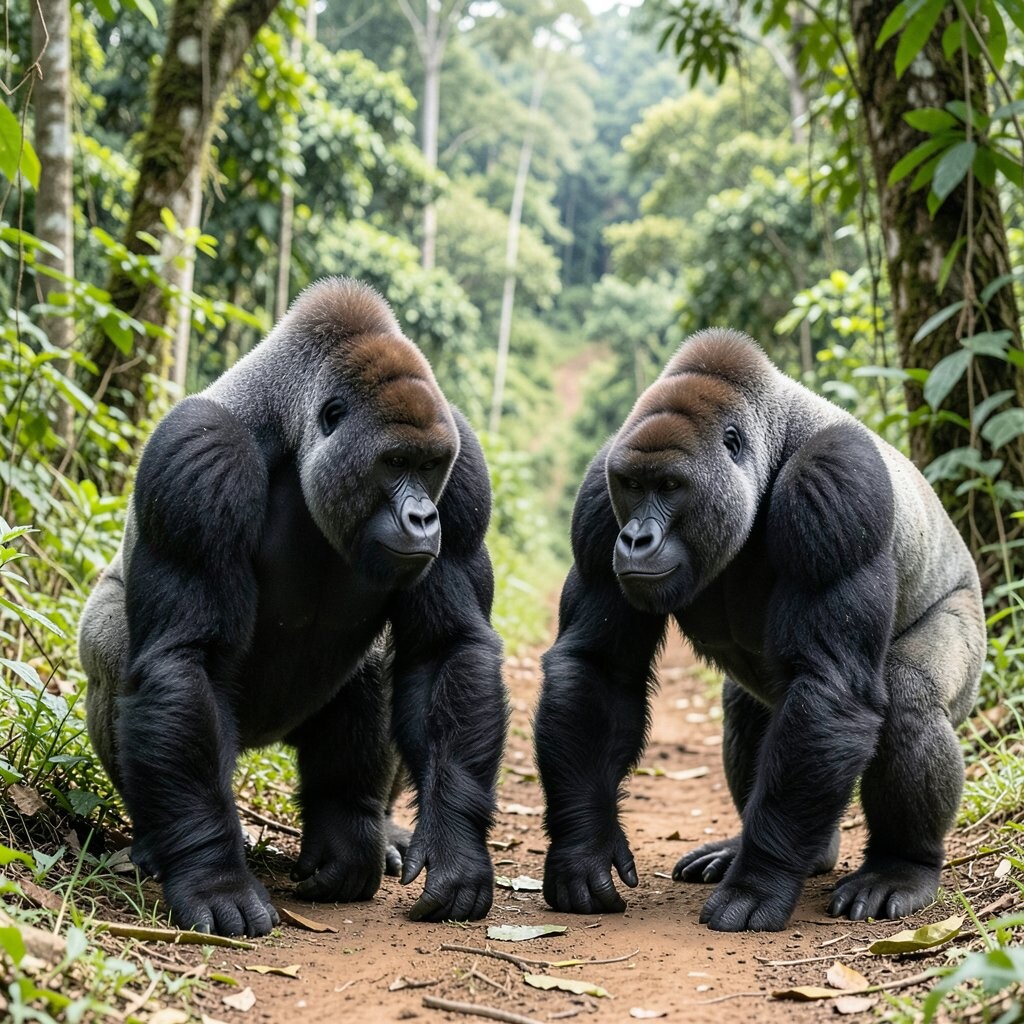
In Rwanda, you can walk through green hills and thick forest to see mountain gorillas in the wild. Their dark fur, slow moves, and close family groups make them easy to watch for a short time, but they still feel wild and strong.
This kind of trip is often high on many travel wish lists because it gives a rare view of an animal that lives in a small part of the world. It can also help local parks and guides, which is a good thing for the area.
Most trips need a permit, and that can cost a lot, so it is best to plan early and compare tour options. If you want a better deal, look at group tours, travel in the less busy months, and pick a lodge that fits your budget.
Wear strong shoes, bring rain gear, and keep your bag light, since the walk can be muddy and steep. Many people like this trip because it feels personal, quiet, and very different from a zoo visit.
2. Komodo Dragons in Indonesia
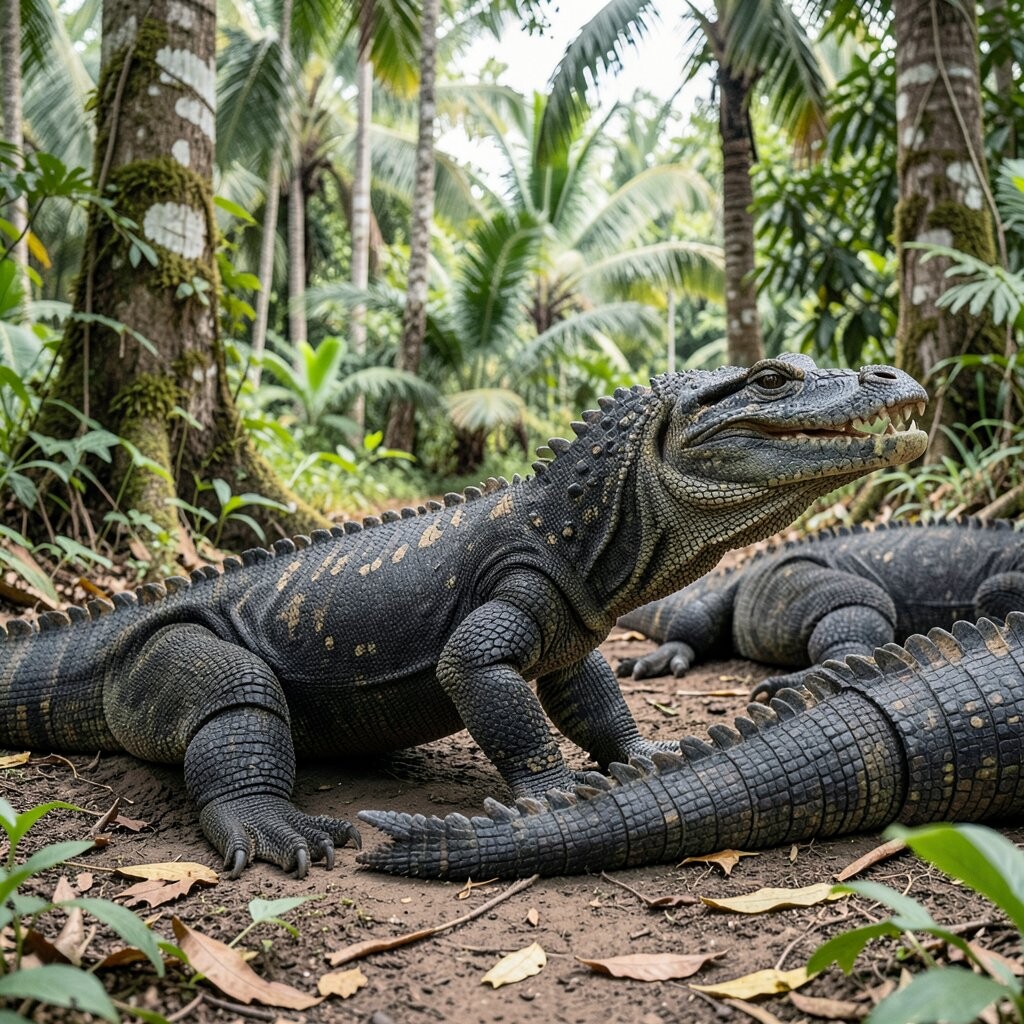
Komodo dragons look like giant lizards with rough skin, long tails, and sharp claws. On a trip to Komodo or nearby islands, you may see them sunning near dry grass or moving slowly across dusty ground.
They are one of the most talked-about wild animals in Asia because they are so large and unusual. Seeing one in its own home can help you understand how animals live in dry island places.
Trips to the islands can cost a fair amount, but boat sharing and day tours can help keep the price lower. Many visitors choose a guide because it adds safety and makes it easier to spot the dragons from a good distance.
Go in the dry season if you want easier walks and clearer views. Keep your camera ready, but stay calm and follow guide rules, since these animals should never be treated like pets or seen too closely.
3. Polar Bears in Svalbard
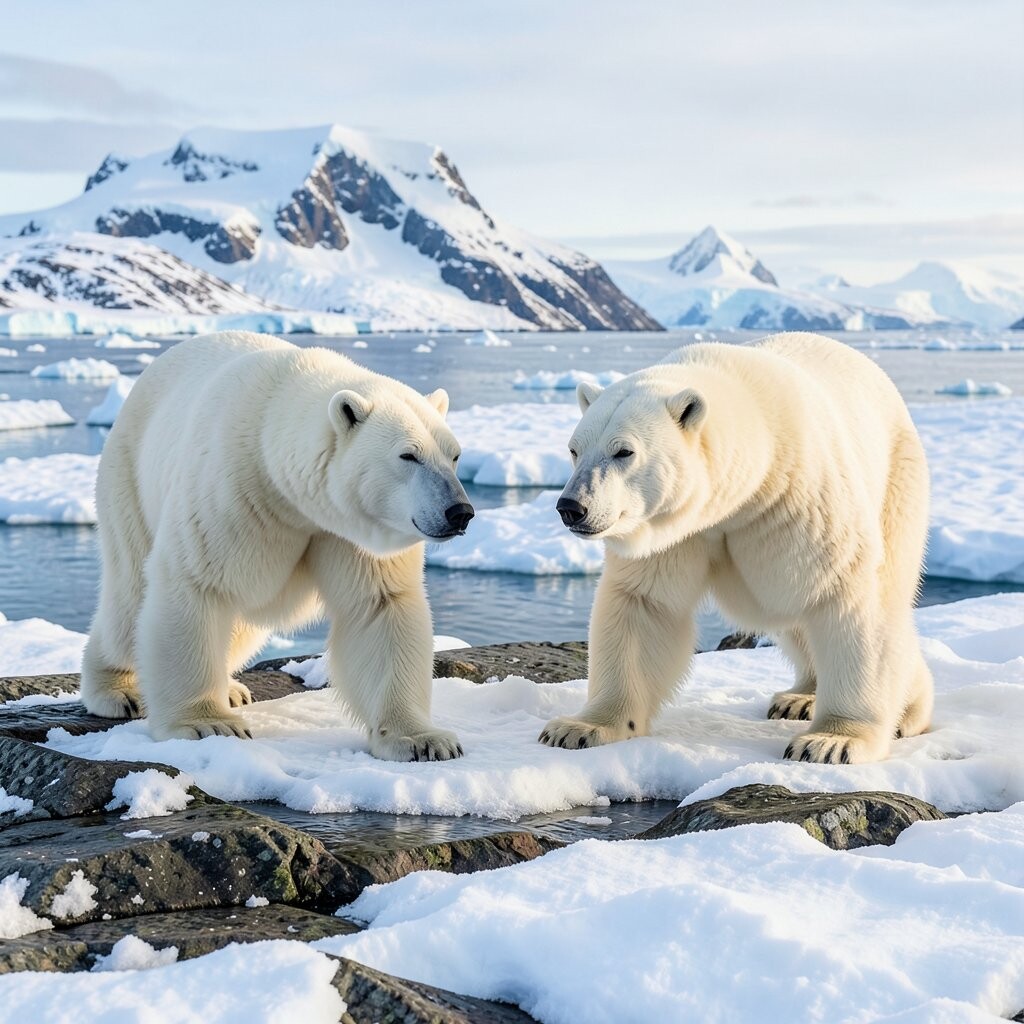
Svalbard is a cold Arctic place with ice, snow, and wide open views. Polar bears there can be seen on boat trips or from safe land points, and their white coats stand out against the dark sea and ice.
This trip is special because very few places let people see polar bears in the wild in a safe way. It also gives you a clear look at how animals live in harsh cold weather, which can be hard to imagine from home.
Costs are often high because travel to the Arctic takes time and needs skilled guides and safe gear. If you want to save money, look for shorter trips, shared cabins, or travel dates that are not in the busiest season.
Bring warm layers, gloves, and a hat, even in months that may seem less cold. Many travelers like this trip because the views feel clean and open, and the animal sighting feels very rare.
4. Whale Sharks in Mexico
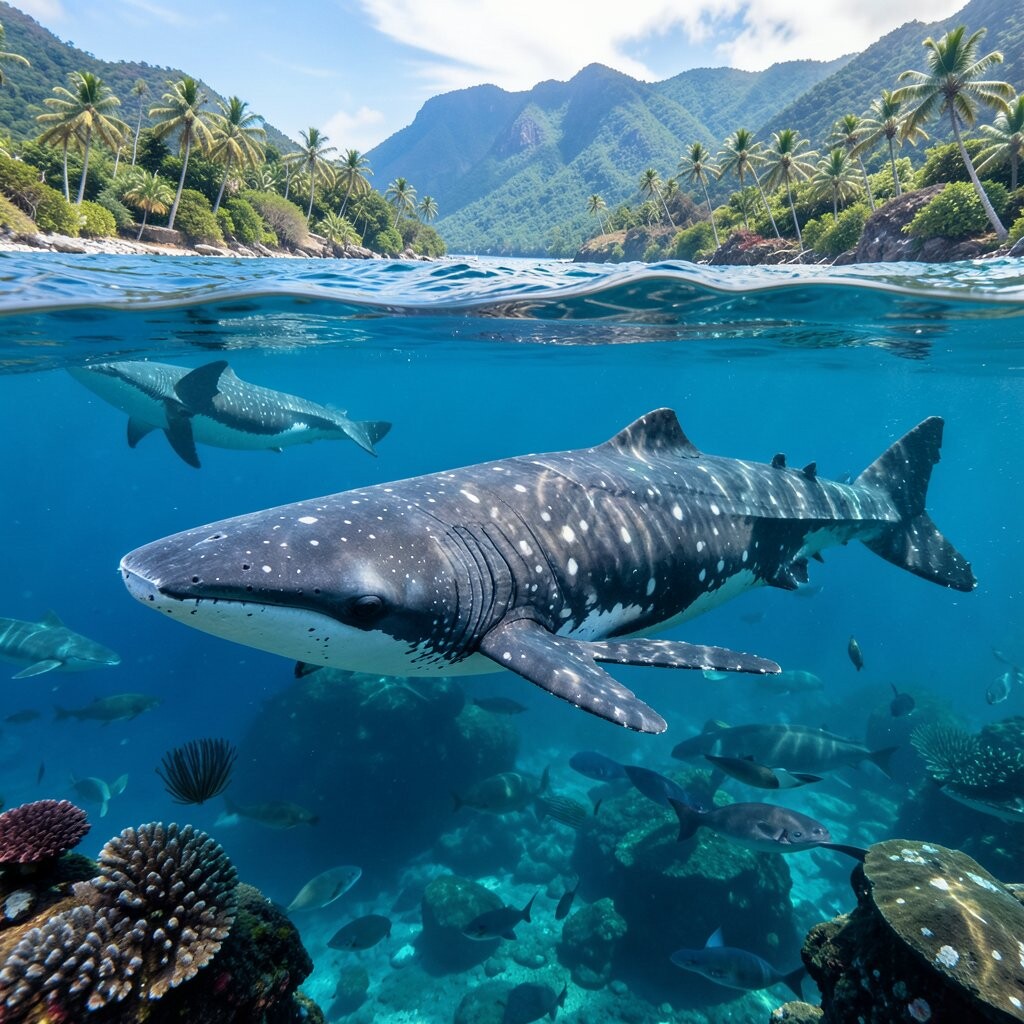
Whale sharks are huge fish with spotted backs and wide mouths, but they move in a calm way. In places like Mexico, you can snorkel near them and see them glide through clear blue water.
They are popular because they are large but gentle, which makes the experience feel safe when rules are followed. Many people enjoy this trip because it gives a close look at one of the biggest sea animals on Earth.
Prices can be mid-range, though private boat trips cost more than group tours. If you want a lower price, book early, choose a shared tour, and avoid add-ons you do not need.
Use reef-safe sunscreen and listen closely to the guide before you get in the water. The best trips are the ones where people keep a respectful distance and let the animal move at its own pace.
5. Kangaroos in Australia
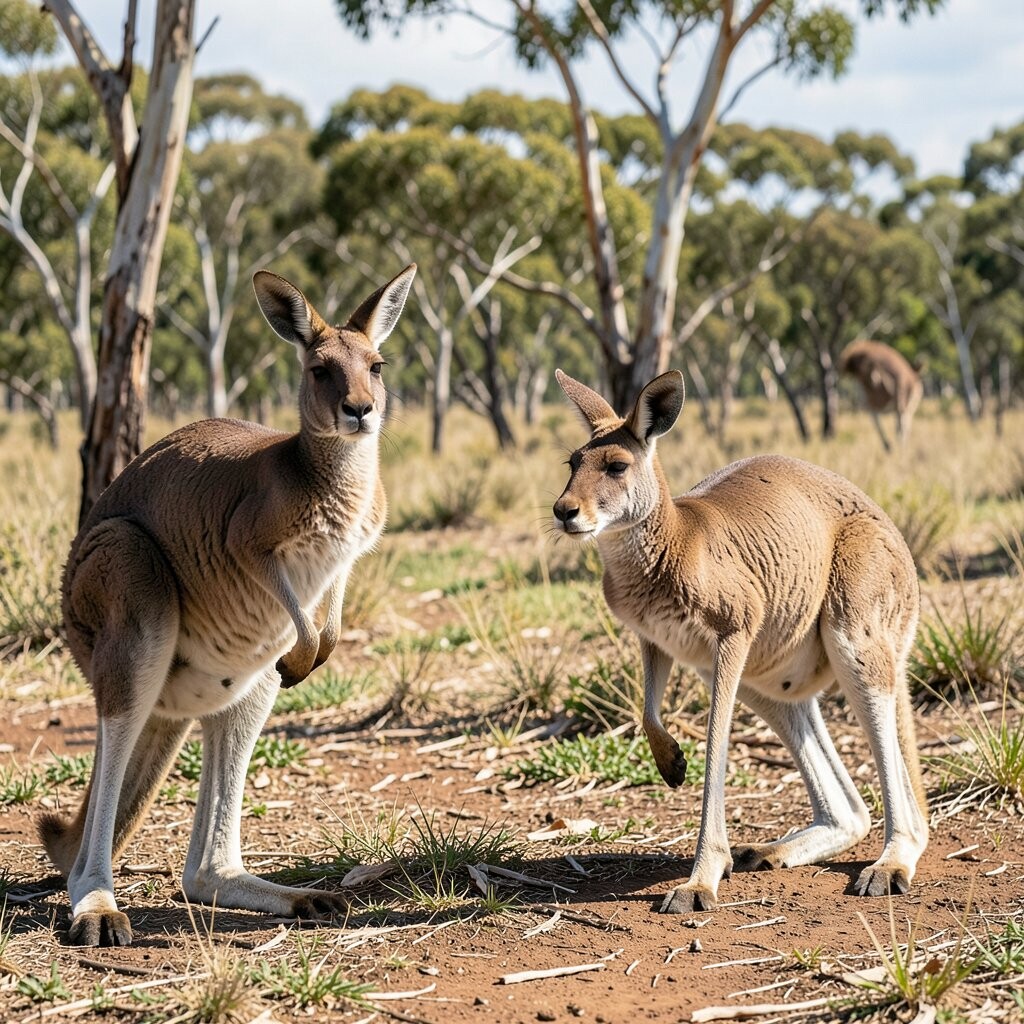
Kangaroos are easy to spot in many parts of Australia, from open grassland to park edges. Their strong back legs and long tails make them look very different from most animals people know.
This is a good trip for families because it can be simple, fun, and not too hard to plan. It is also a nice way to see a local animal that many people only know from books or cartoons.
Some places are free to visit, while guided wildlife parks may charge a small entry fee. If you want to spend less, choose public parks and go at sunrise or sunset, when kangaroos are often more active.
Keep your distance and do not feed them unless a park guide says it is okay. A good pair of walking shoes, water, and a phone camera are often all you need for this kind of outing.
6. Penguins in Antarctica
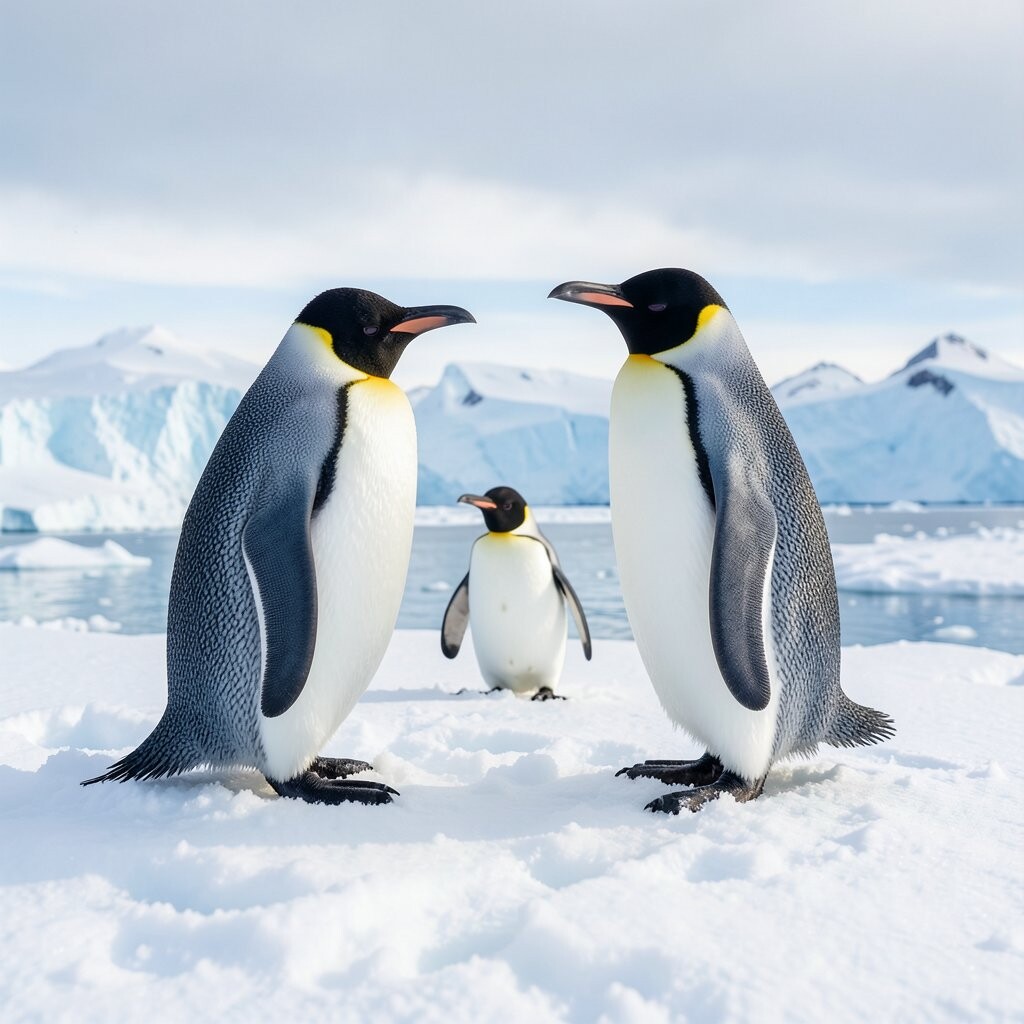
Antarctica is cold, bright, and full of ice, and penguins are one of the main sights there. You may see them waddling on snow, jumping into the sea, or standing in large noisy groups near the shore.
People like this trip because it feels very different from daily life and gives a clear view of an animal that lives in a hard place. It can also help people learn more about the ice world and why it matters.
Trips to Antarctica are usually expensive, so this is often a once-in-a-long-time kind of plan. To manage cost, compare ship types, look for last-minute deals, and choose a shorter route if your time is limited.
Pack warm, waterproof clothes and follow all ship and landing rules. The best part for many travelers is seeing how penguins move in groups and how they stay active in such cold weather.
7. Sloths in Costa Rica
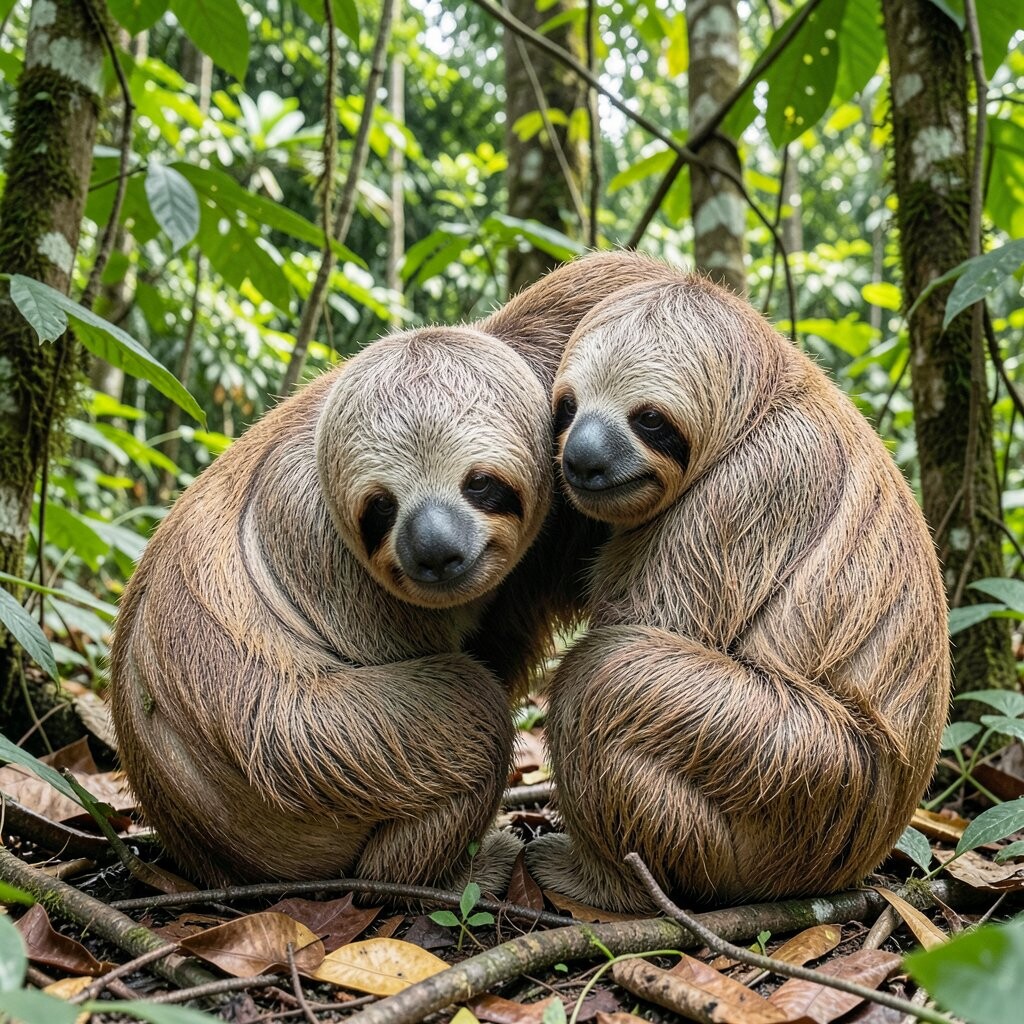
Sloths move slowly through trees and often blend in with leaves and branches. In Costa Rica, you may spot them hanging high above the ground with round faces and long arms.
This is a nice choice for people who want a calm wildlife trip that does not need much hard walking. It also works well for kids and first-time travelers because guides can help you find animals that are hard to see on your own.
Many sloth tours are priced in the middle range, and some can be part of a bigger rainforest day trip. If you want to spend less, pick a group tour and ask if the price includes park entry and transport.
Bring binoculars if you have them, since sloths often stay far up in the trees. A local guide can make the trip better by pointing out other animals too, like birds, frogs, and monkeys.
8. Orangutans in Borneo
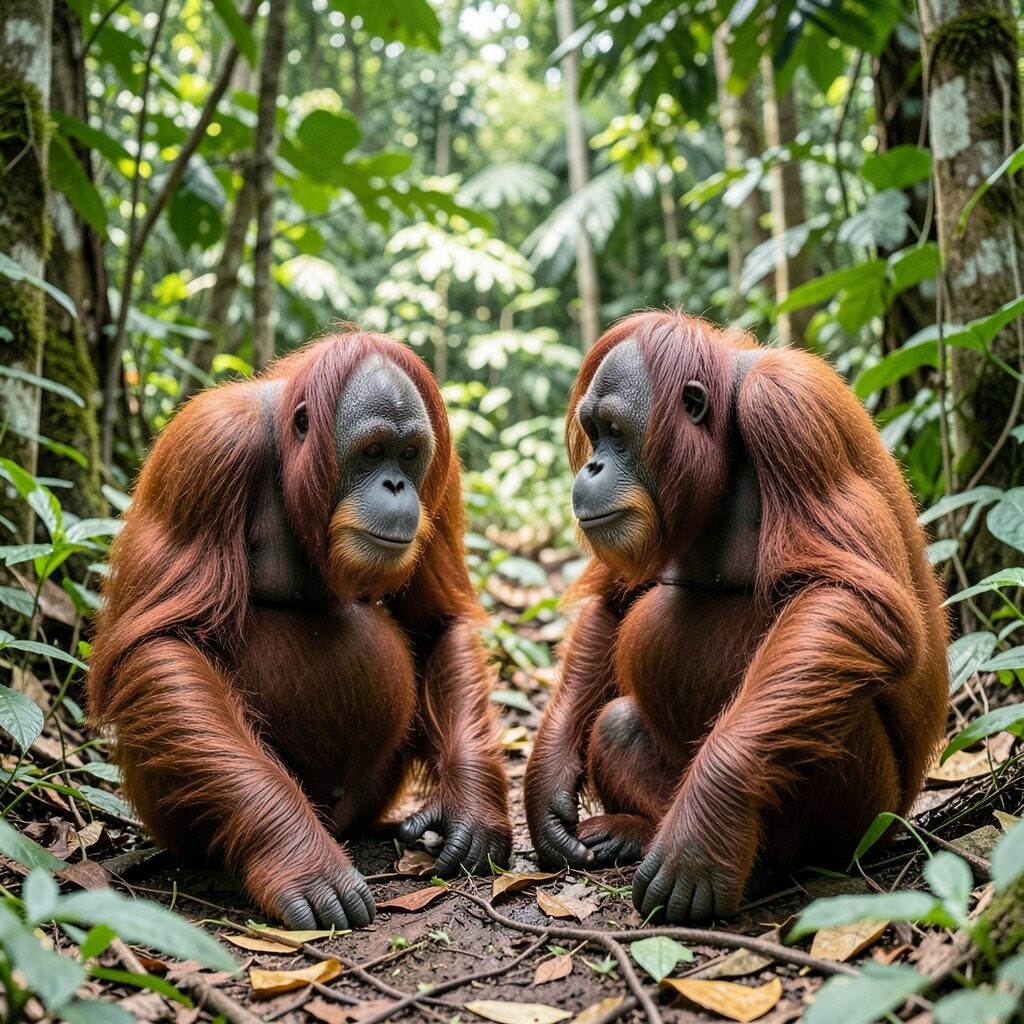
Borneo has thick rainforests where orangutans live in trees and move with careful hand and arm steps. Their orange fur and gentle face shape make them one of the most loved great apes in the world.
Seeing orangutans in the wild can feel quiet and personal, since they often stay high in the canopy. It is also a chance to learn how forest loss affects animals that need trees to live and find food.
Tour prices can change a lot based on boat time, guide help, and how deep into the forest you go. For a better price, look for short river trips or shared tours instead of private stays in remote camps.
Wear light clothes that dry fast and keep bug spray with you. Many travelers like this trip because it feels natural and low-key, and because each sighting can feel different from the last.
9. Lemurs in Madagascar
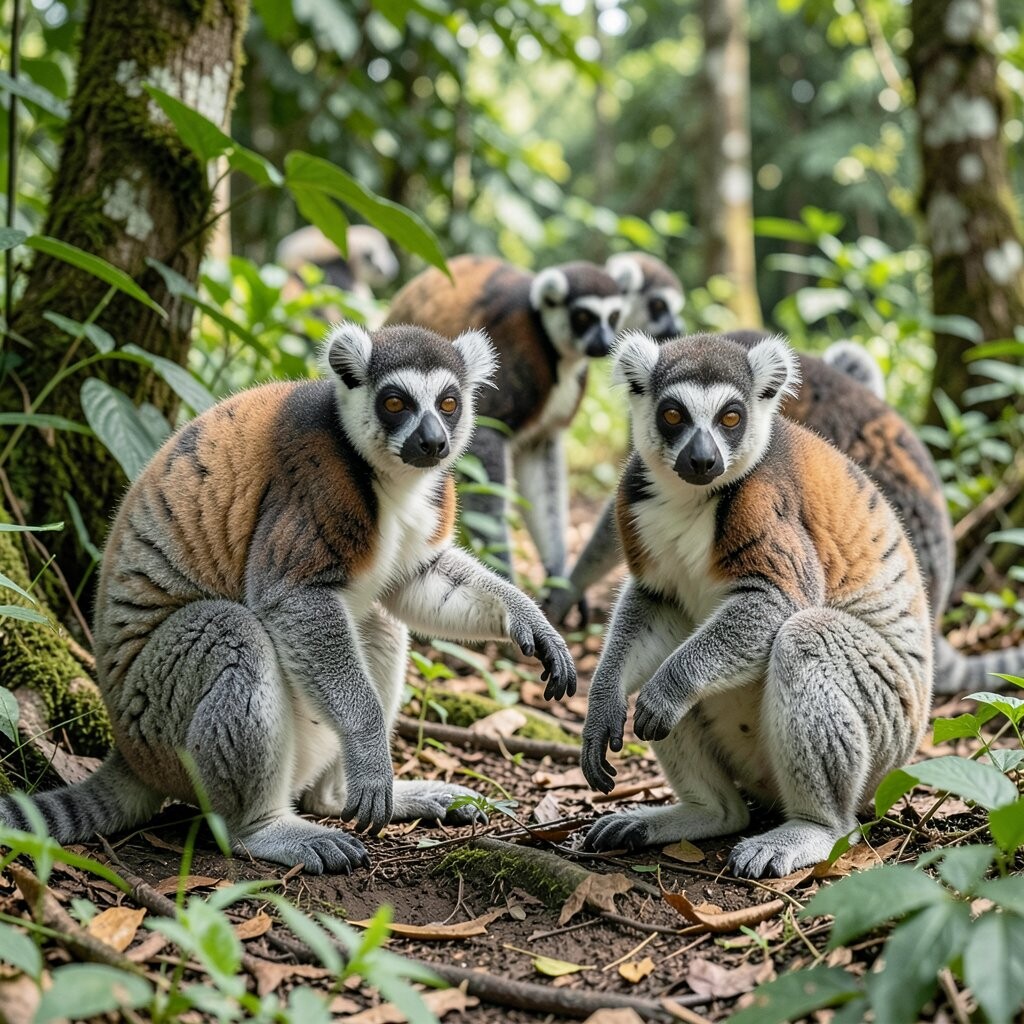
Madagascar is home to many lemur kinds, and some of them have bright eyes, long tails, and quick jumps. They can be seen in dry forests, wet forests, and national parks across the island.
This trip stands out because lemurs live only in Madagascar, so you cannot see them in the wild in many other places. That makes the experience feel special even if you are not a big animal expert.
Costs can be lower than some big wildlife trips, but park fees, guides, and long drives can still add up. If you want to save money, plan a route with more than one park and share transport when you can.
Bring a light jacket, since some areas can feel cool in the morning. A good guide will help you spot movement in the trees and tell you which lemur sounds mean they are nearby.
10. Giant Tortoises in the Galápagos
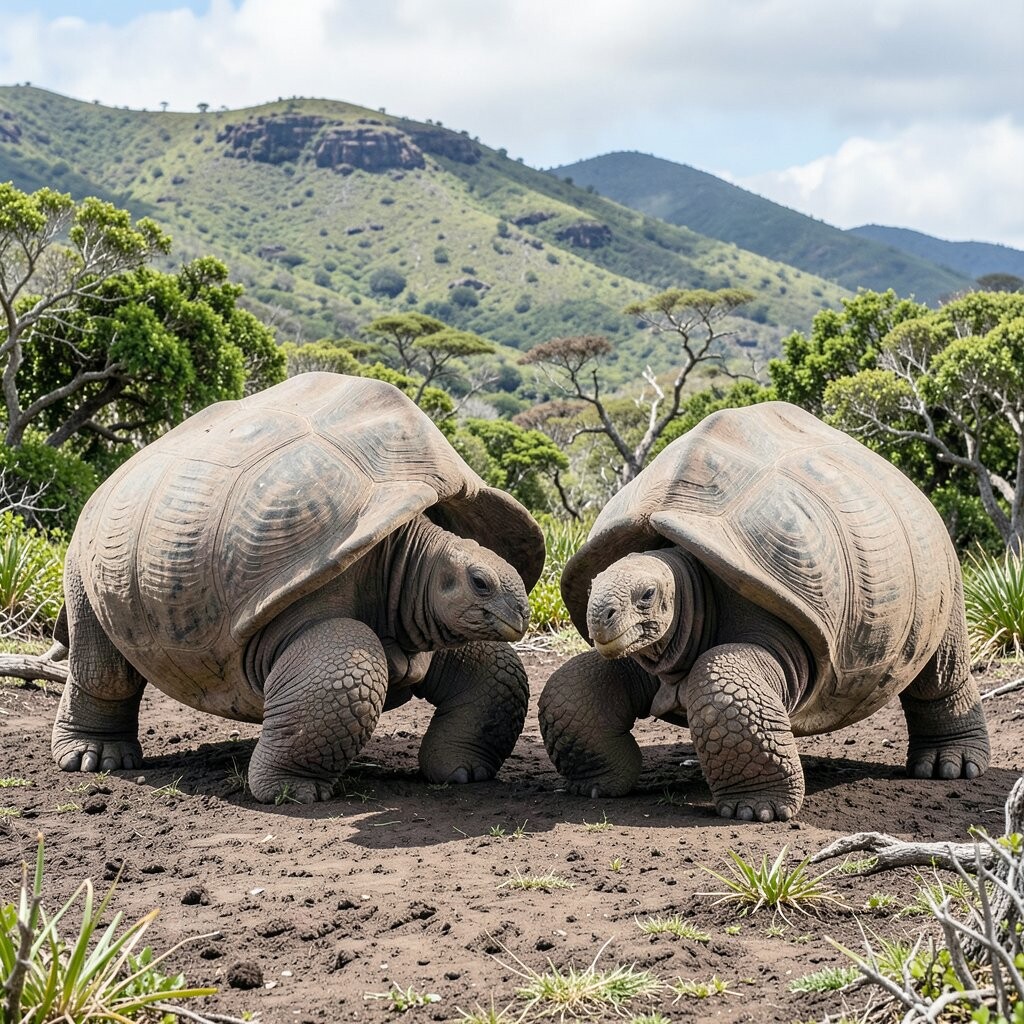
Giant tortoises move slowly across grass, dirt, and lava land in the Galápagos. Their large shells and calm pace make them look very old and steady, even when they are active.
People enjoy this trip because it gives a close look at an animal that has lived for a very long time and can grow to a huge size. The islands also have clear views, so the whole trip can feel relaxed and easy to enjoy.
Galápagos travel can be costly, mainly because of park rules, boats, and island transport. If you want to keep the price down, compare land-based trips, book early, and avoid luxury options you do not need.
Use a guide so you know where you may walk and what you should not touch. Many travelers like to pair tortoise visits with bird and sea life stops, which makes the day feel full without being rushed.
11. Bison in Yellowstone
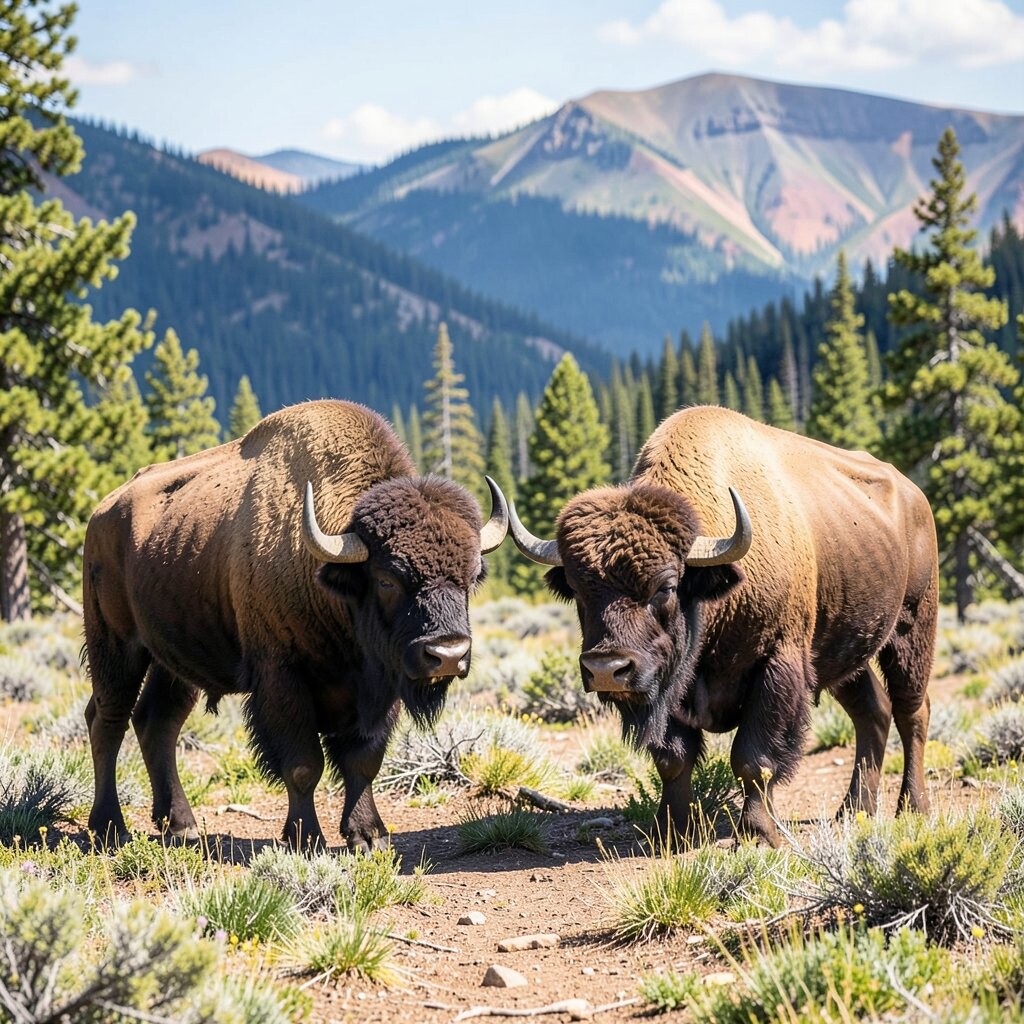
Yellowstone has wide roads, open fields, and steam from hot ground, and bison often move through these spaces. Their dark coats and heavy heads make them easy to spot, even from far away.
This is one of the easier wildlife trips for people in North America because the park is well known and has many viewing points. It is a good choice if you want a trip that mixes animal watching with simple road travel.
Park entry is not too costly compared with far-off animal trips, but lodging inside the park can be pricey. To save money, stay outside the park, bring your own snacks, and visit in a less busy month.
Keep your car and body at a safe distance, since bison can move fast when they feel bothered. A pair of binoculars and a patient attitude can make the trip much better.
12. Snow Leopards in the Himalayas
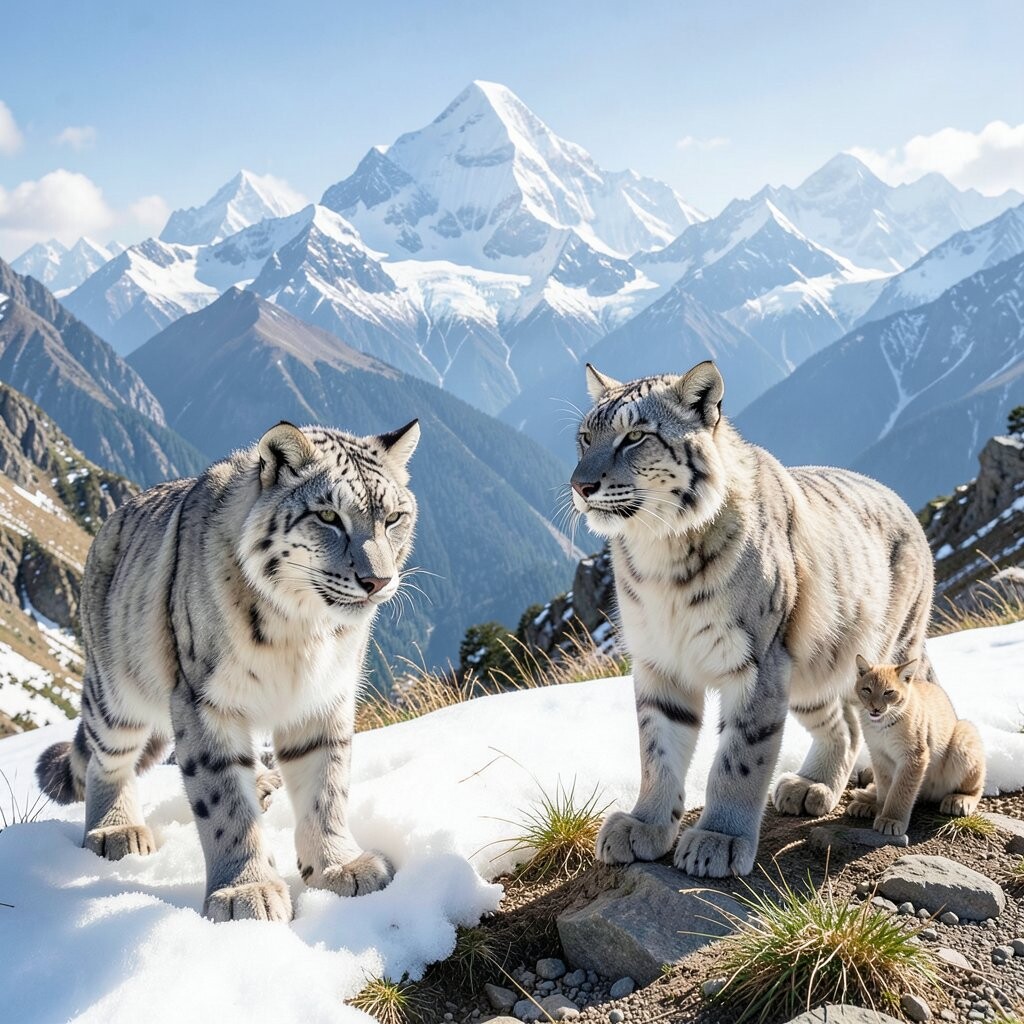
Snow leopards live in cold, rocky mountain areas where they are hard to spot. Their gray fur, long tail, and quiet steps help them blend into the hills and cliffs.
This trip is special because seeing a snow leopard in the wild is rare and takes time, care, and luck. Many travelers also enjoy the mountain views, which can be wide, rough, and very peaceful.
Costs can be high because guides, local stays, and long mountain travel all add to the price. If you want to spend less, choose a shorter stay, travel with a small group, and ask local operators about the best season.
Warm layers, good boots, and patience are very important for this kind of trip. Many people also like it because it feels more personal than a fast tour, and the search itself can be part of the fun.

