
Herbs can make a garden look neat and useful at the same time. They also give you fresh leaves for cooking, tea, and simple home use.
1. Windowsill Herb Garden
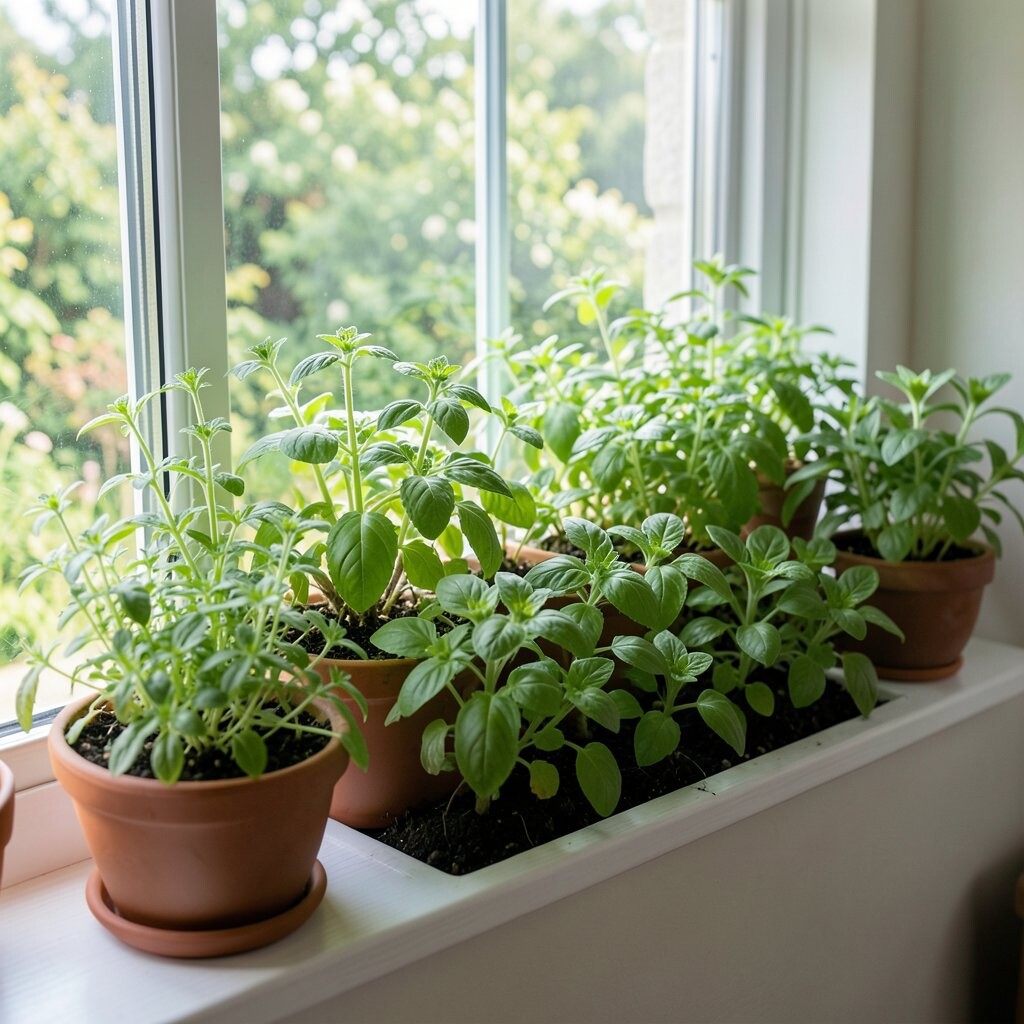
A windowsill herb garden is a small and easy way to keep fresh herbs close by. It looks clean and bright when you place small pots in a row near a sunny window.
This setup works well for basil, mint, chives, and parsley. It is a low-cost choice because you only need a few pots, some soil, and seeds or young plants.
You can make it fit your own style by using plain clay pots, painted cans, or small jars with drain holes. Many people like this idea because it saves space and keeps herbs easy to reach while cooking.
2. Raised Bed Herb Patch

A raised bed gives herbs a tidy space with good soil and easy care. The bed can sit a little higher than the ground, which makes it simpler to plant and weed.
This is a good choice if you want to grow more kinds of herbs in one place. It also helps with drainage, so roots do not stay too wet after rain or watering.
You can make a raised bed from wood, stone, or even old bricks, depending on your budget. A mixed herb patch with green, gray, and purple leaves can look very nice and feel more like a small garden room.
3. Vertical Herb Wall
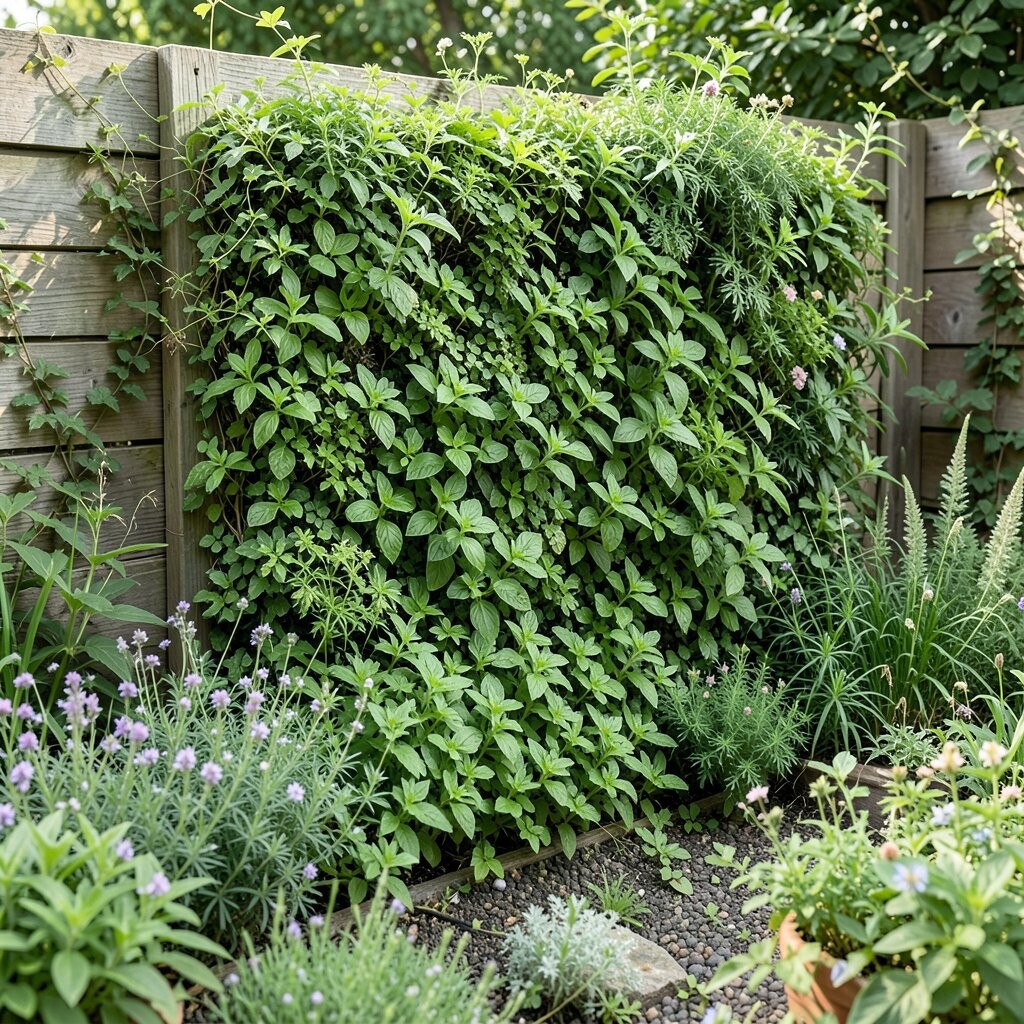
A vertical herb wall uses wall space instead of floor space. It can look neat and modern, with small pots or pockets lined up in a tall pattern.
This idea is great for small yards, patios, and balconies. It helps you grow many herbs in a tight area, and it can keep leaves cleaner since they sit higher off the ground.
You can use hanging planters, wooden frames, or recycled shoe organizers for a low-cost version. Pick herbs that do well in small spots, like thyme, oregano, and cilantro, and place the sun-loving ones near the top.
4. Kitchen Door Pot Garden

A kitchen door pot garden keeps herbs just steps from where you cook. It looks simple and useful, with pots lined up outside or near the door.
This setup makes it easy to snip a few leaves while making soup, pasta, or salad. Fresh herbs can help food taste better without much effort.
You can group pots by use, such as cooking herbs in one row and tea herbs in another. Use colorful labels if you want a personal touch, and choose pots that match your home style.
5. Mixed Herb and Flower Border
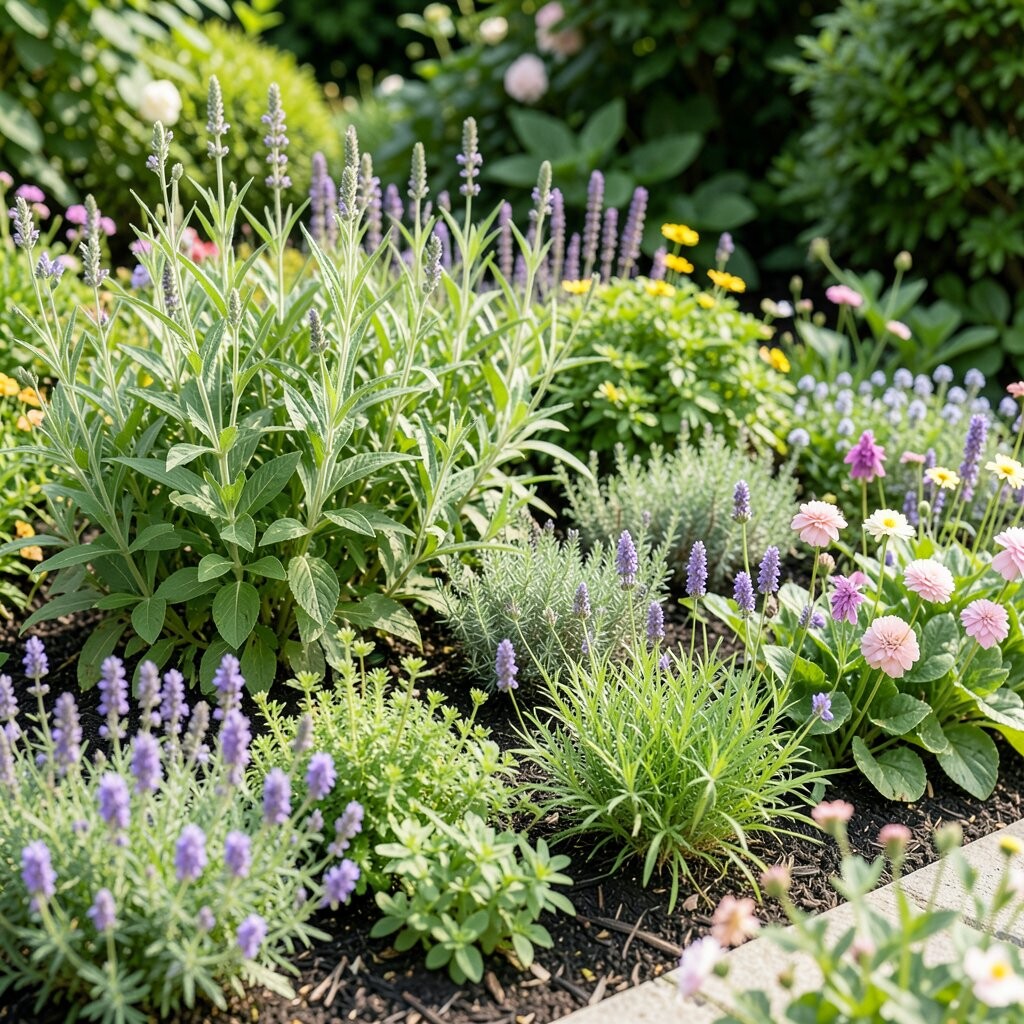
A mixed border blends herbs with flowers, so the garden looks soft and full. The different leaf shapes and flower colors can make the edge of a yard feel lively.
This style can help bring in bees and other helpful insects. It also gives you a garden that is both pretty and useful, which many people like.
Try pairing lavender with rosemary, or calendula with dill, for a nice mix of color and smell. This trend works well for people who want a garden that does more than one job.
6. Container Herb Garden
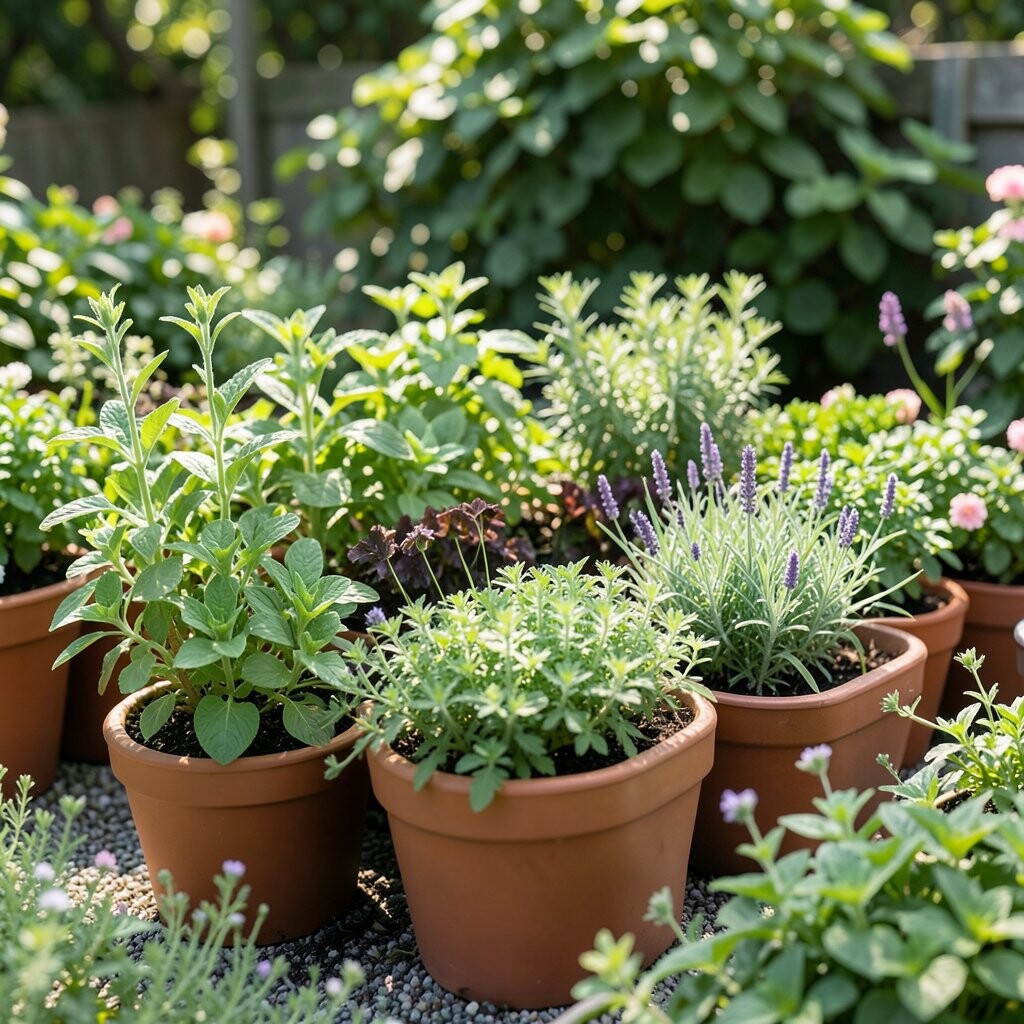
A container herb garden is a flexible choice for porches, decks, and small yards. You can move the pots around to catch more sun or make room for other things.
This is a smart option if you want to start small and keep costs down. You can use many kinds of containers, from store-bought pots to old buckets with holes in the bottom.
Containers also make it easier to keep herbs with different water needs apart. For example, mint likes more moisture, while rosemary and thyme prefer drier soil.
7. Spiral Herb Garden
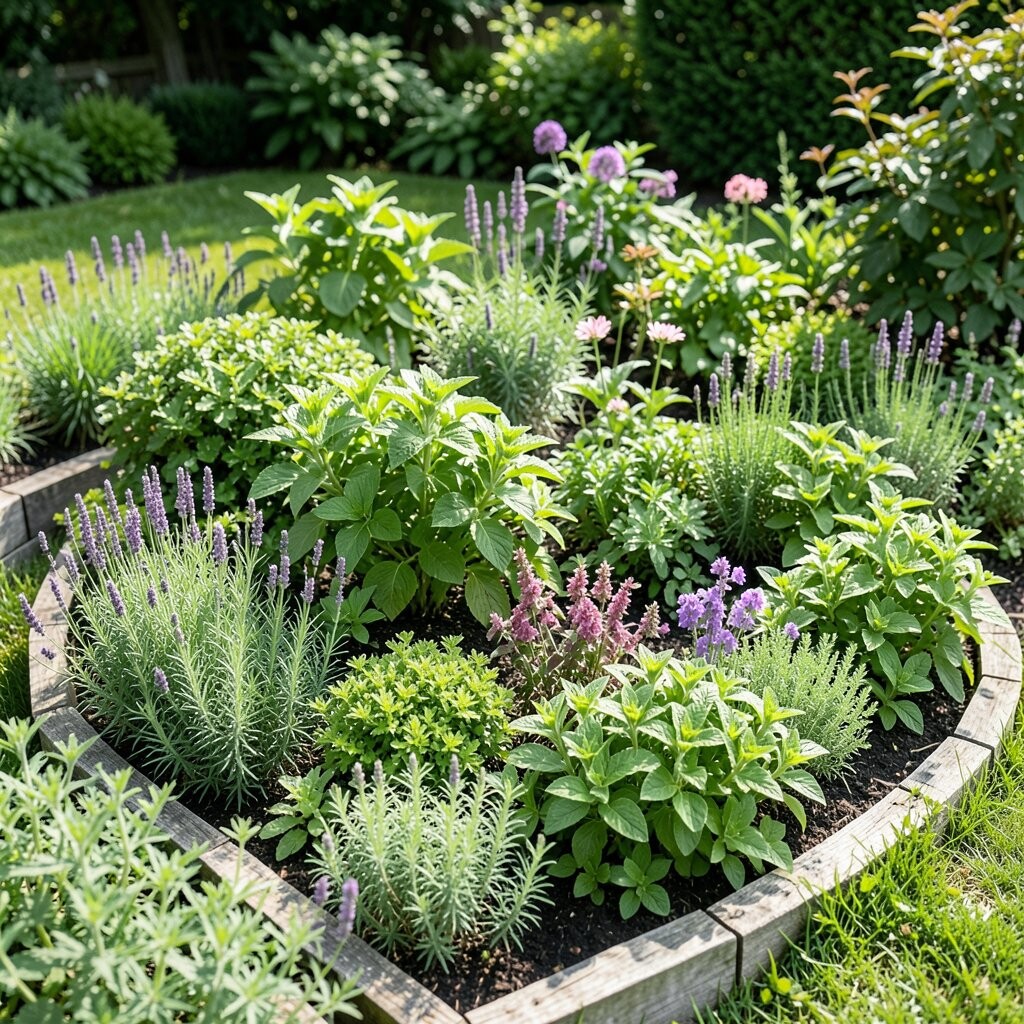
A spiral herb garden has a round shape that rises in a twist from the center. It looks unique and gives your yard a handmade feel.
This design works well because the top, middle, and bottom parts can have different levels of sun and water. That means you can place herbs where they grow best without needing a large space.
Many people use stones or bricks to build the spiral, which can keep costs fair if you use extra materials from home. It is a good fit for gardeners who like a garden that stands out a little.
8. Tea Herb Corner
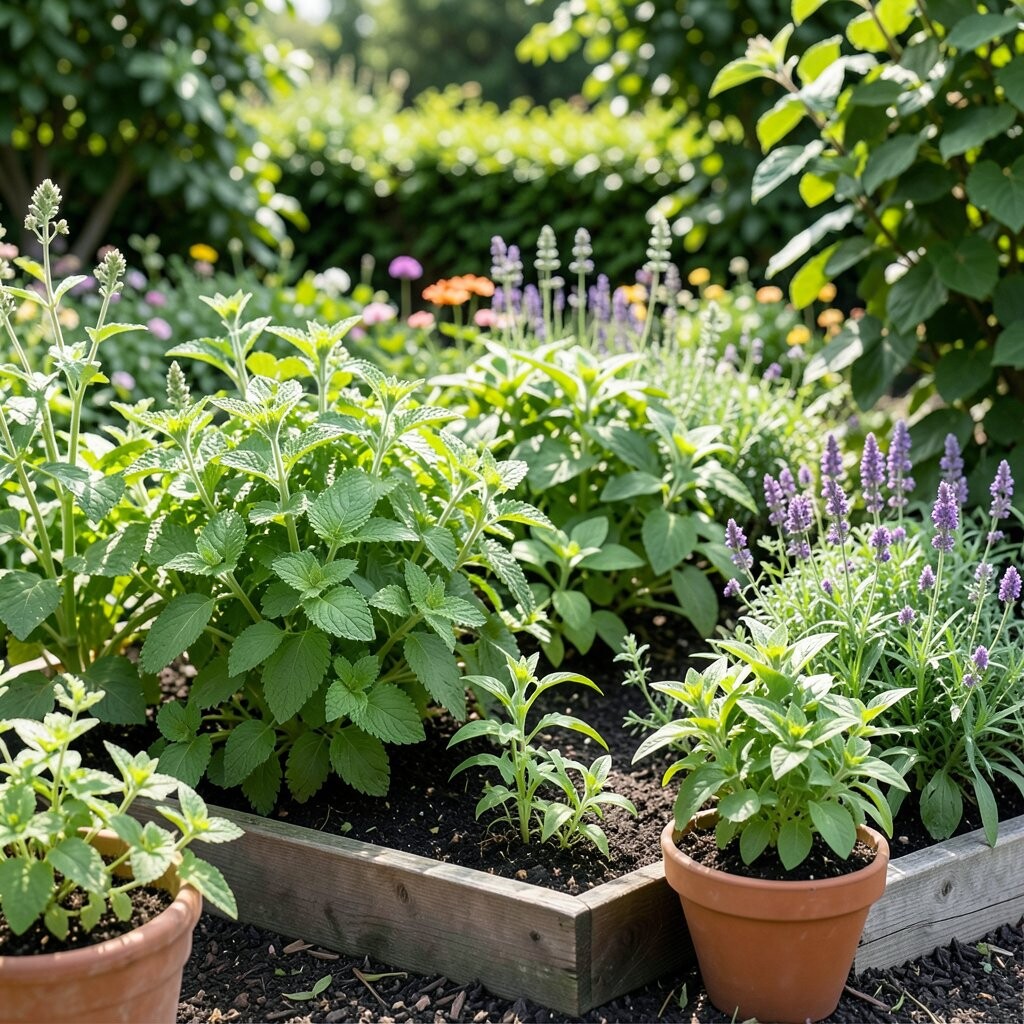
A tea herb corner is a small area set aside for herbs you can dry and use in drinks. It can look calm and neat, with soft leaves and small flowers in one spot.
Good herbs for this idea include mint, lemon balm, chamomile, and sage. These plants can help you make simple tea blends at home, which can save money over store-bought tea bags.
You can add a small bench, a watering can, or a basket for drying stems to make the space feel more personal. This kind of garden is nice for people who enjoy quiet time and simple home habits.
9. Pollinator Herb Garden
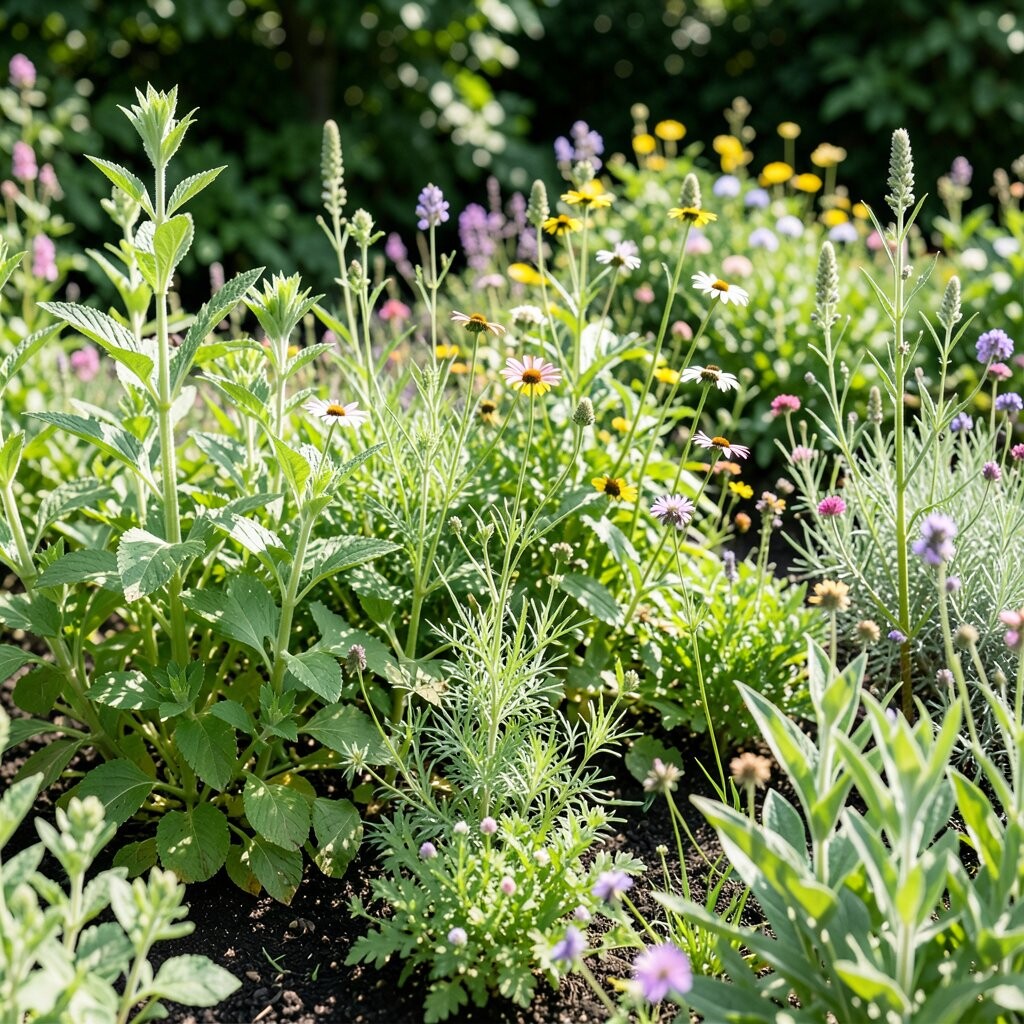
A pollinator herb garden is made to bring in bees, butterflies, and other helpful insects. It can be full of movement and color, with herbs that bloom and sway in the wind.
Herbs like lavender, thyme, oregano, and dill can help support pollinators when they flower. This can also help the rest of your garden by making it easier for plants to set seed and fruit.
Many gardeners like this style because it fits with current garden trends that focus on helpful plants. You can keep the look simple by planting in loose groups and letting some herbs flower instead of cutting them all back.
10. Herb Path Border
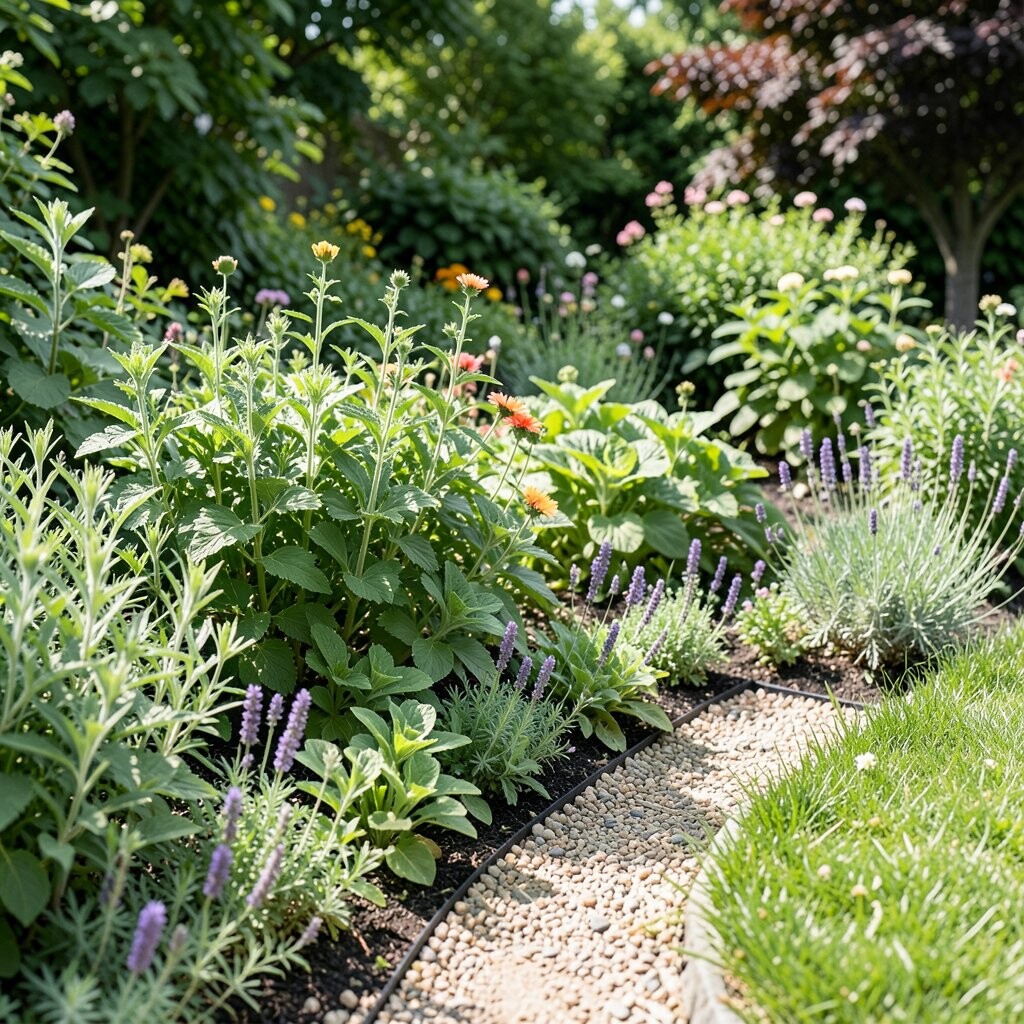
An herb path border lines a walkway with herbs on both sides or along one edge. It can make a path smell nice when you brush past the leaves.
This idea is useful because it uses space that might otherwise stay empty. It also makes herbs easy to reach, so you can cut a few sprigs as you walk by.
Low herbs like thyme, chamomile, and creeping oregano work well here. If you want a neat look, keep the plants trimmed, but if you like a softer style, let them spill over the edge a little.
11. Indoor Shelf Herb Garden

An indoor shelf herb garden uses shelves, ledges, or a small rack to hold plants inside the house. It can look clean and fresh, with rows of green leaves near a bright light.
This is a good choice for people who do not have much outdoor space or who want herbs year-round. A shelf setup can also keep plants safe from cold weather and strong wind.
Grow herbs that do well inside, like basil, parsley, mint, and chives, and give them enough light from a sunny window or grow lamp. You can use simple pots to keep the cost low and still make the space look neat.
12. Family Herb Learning Garden
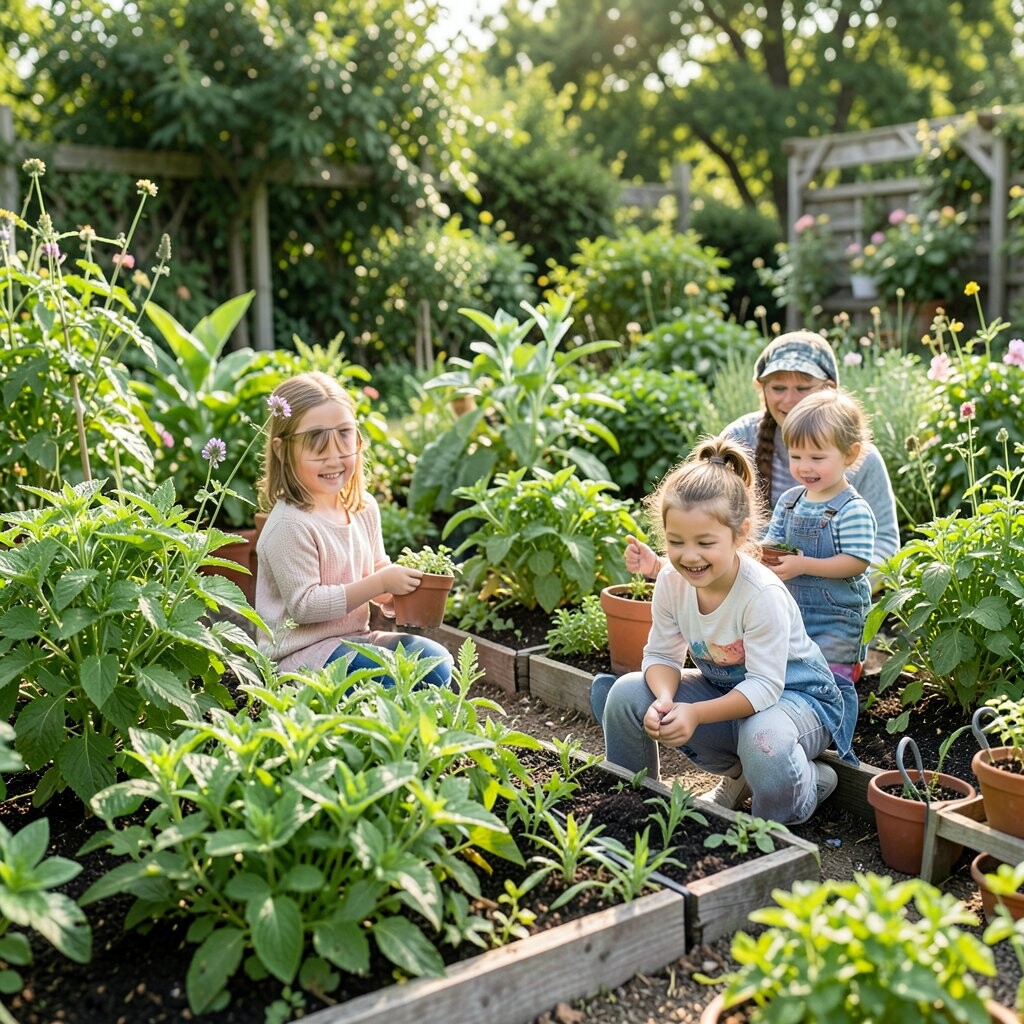
A family herb learning garden is made for hands-on use and simple lessons. It can be a small patch where kids and adults plant, water, and pick herbs together.
This kind of garden helps people learn plant names, leaf shapes, and how herbs grow over time. It can also help kids feel more interested in food and cooking when they see where flavors come from.
You can make it personal by adding name signs, painted rocks, or a small chart for each herb. Many families like this idea because it is low-cost, useful, and a nice way to spend time together in the garden.