Old small towns can make a summer trip feel calm and full of meaning. Their streets, buildings, and local spots can show how people once lived and traveled.
These places also give simple ways to spend less, slow down, and enjoy the day. A good visit can mix history, local food, and easy walks.
1. River Town Ferry Stops

Old ferry towns often sit by wide water with docks, brick shops, and old signs that still face the road. In summer, the light on the river can make the whole place look bright and easy to enjoy.
These stops can be a low-cost trip because many sights are free to see from the street or riverbank. You can save money by bringing snacks, using a local shuttle, and picking a simple guesthouse near the water.
The best part is how personal the trip can feel, since each ferry town has its own story about trade, travel, and daily life. If you like photos, try early morning or late afternoon when the water is soft and the streets are less busy.
2. Main Street Rail Towns
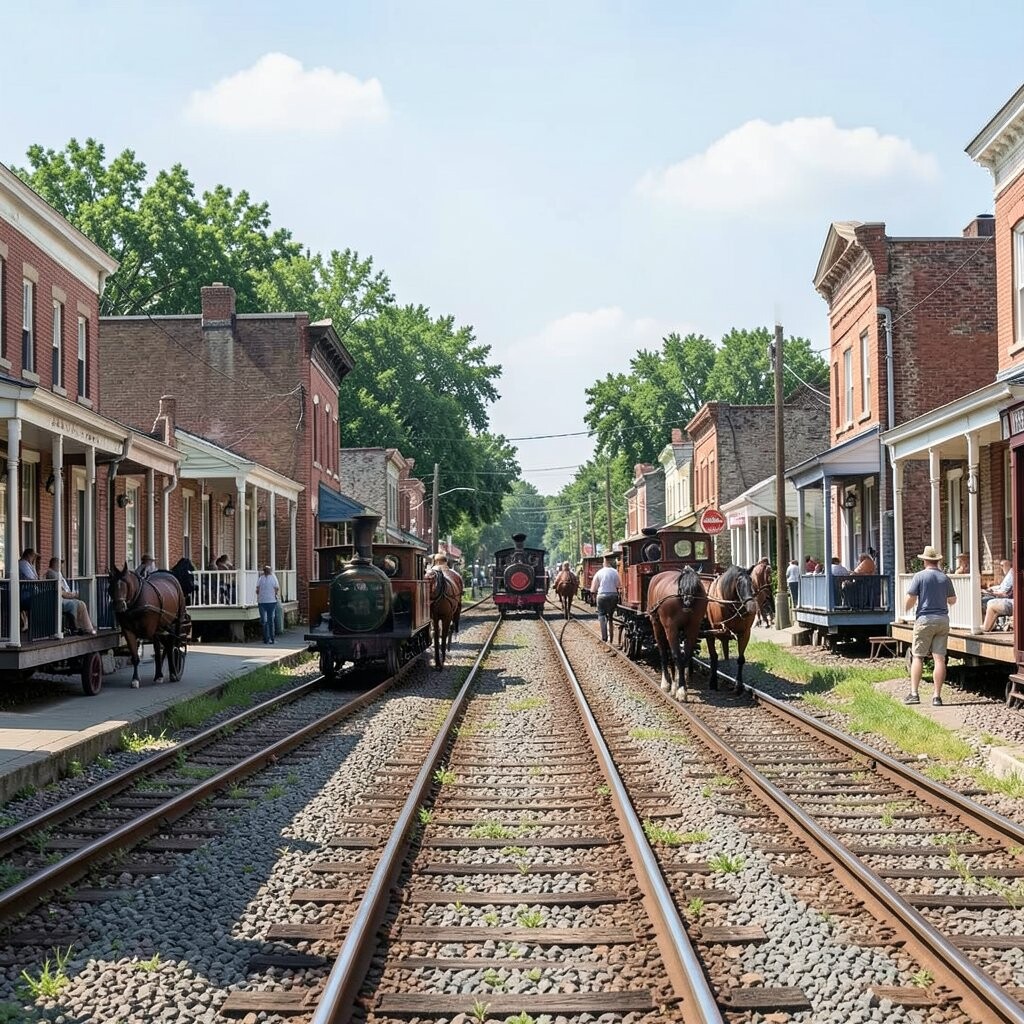
Rail towns often grew along old tracks, so you may see a station, a long main street, and homes built for workers and shop owners. The mix of wood fronts, old lamps, and train sounds gives the town a clear old-time feel.
Many rail towns now use their old stations as small museums, cafes, or local shops, which makes them easy to visit in one day. This trend helps keep costs down because you can walk from place to place instead of paying for many rides.
If you want a better visit, check train times and local event days before you go. A quiet weekday can feel more calm, while a weekend may bring live music, market stalls, and more people to talk with.
3. Hilltop Fort Villages
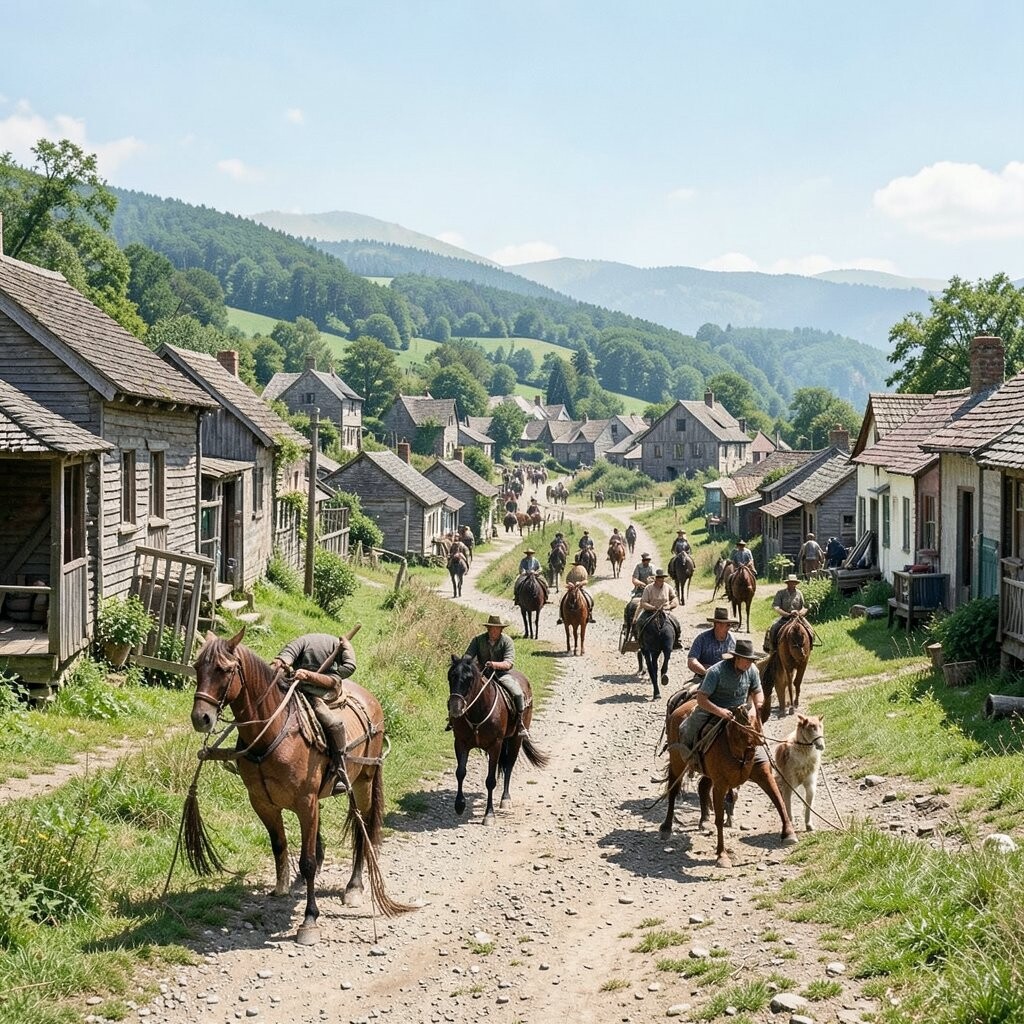
Some small towns grew around forts on hills, and their high spots still give wide views of fields, rivers, or old streets below. Stone walls, narrow paths, and old gates can make the town feel strong and simple at the same time.
These places are good for summer walks because the higher ground may catch a breeze. Wear good shoes, carry water, and plan rest stops, since steep streets can take more energy than flat ones.
Hilltop forts also offer a clear way to see how people once watched for danger and kept trade safe. If you want to make the visit fit your style, spend more time on views and less time in the museum, or do the reverse if you enjoy local facts.
4. Canal Side Market Towns
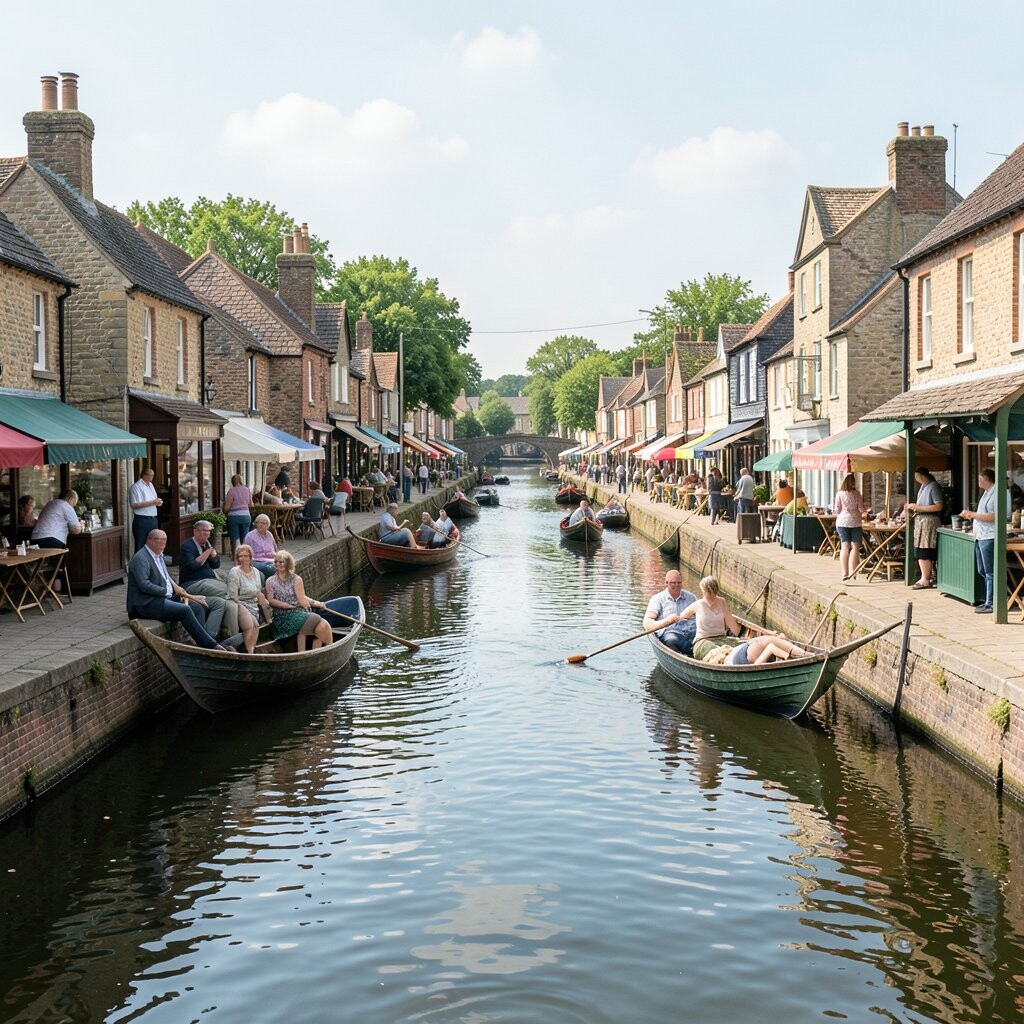
Canal towns often have narrow water roads, small bridges, and old market squares that still feel busy in summer. The sight of boats, stone edges, and hanging signs can give the town a neat and neat-looking shape.
These towns are good for travelers who like food, craft stalls, and easy walks near the water. You can keep costs low by sharing dishes, buying one local treat, and using the canal path as your main route.
Many canal towns now focus on slow travel, which means people stay longer and enjoy each stop more. If you like a more local feel, go early before the market gets crowded and ask sellers what foods are made nearby.
5. Old Mill Villages

Mill villages often sit near streams or small rivers, with old stone mills, water wheels, and simple homes close by. The sound of water and the look of worn stone can make the place feel calm and easy to picture.
Some mills are now small museums, while others are used for shops, cafes, or art spaces. This mix of old and new is a big trend in small towns because it helps save old buildings and gives visitors more to do.
If you plan a trip, check if the mill opens only on set days, since some small sites have short hours. A picnic by the water can be a cheap and pleasant way to rest between stops.
6. Coastal Harbor Settlements
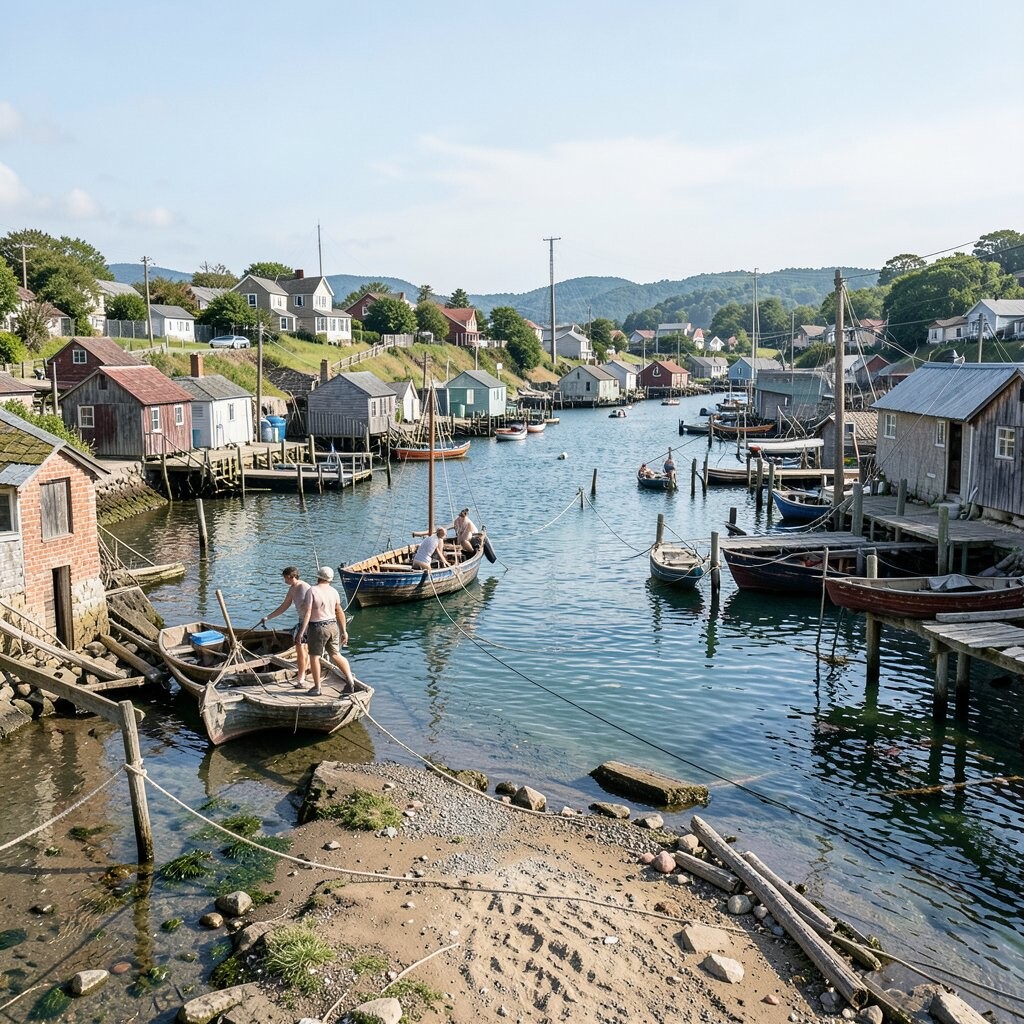
Old harbor towns often have weathered docks, fish sheds, and narrow lanes that face the sea. In summer, bright boats and blue water can make the town look simple but full of life.
These towns can suit many budgets because you can enjoy the shore, watch boats, and walk the old harbor without paying much. If you want to spend more, local seafood and boat tours can add a nice touch, but they are not needed for a good day.
A good tip is to check tide times, since some harbor views change a lot with the water level. For a more personal trip, ask a local about old storms, boat work, or family stories tied to the port.
7. Prairie Stagecoach Stops
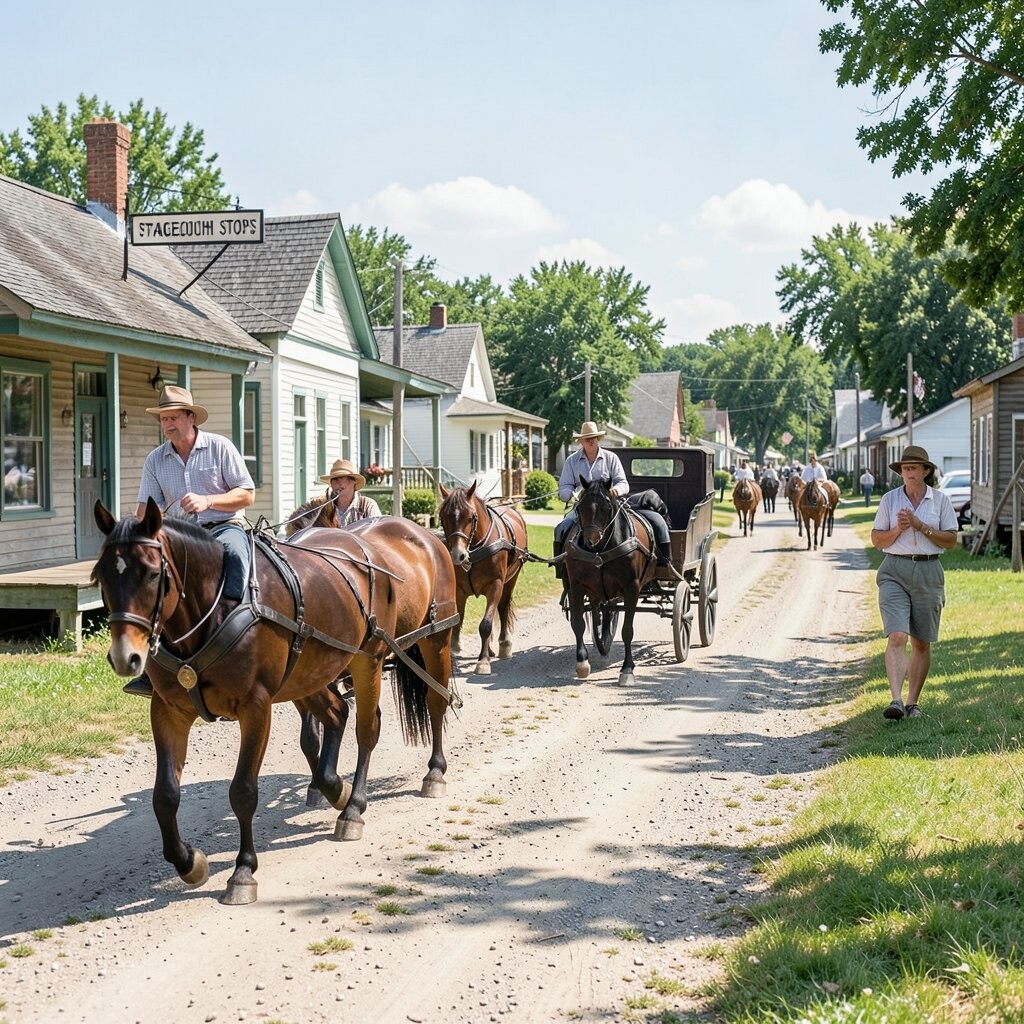
Stagecoach towns on open land often have wide streets, old inns, and plain buildings that once served travelers on long road trips. The open sky, dry air, and simple layouts can make the place feel very different from a city.
These towns are often easy on the wallet because many of the old sites are small and close together. You can park once, walk around, and spend more on a local meal if you want to keep the day simple.
Look for old barns, hitching posts, and museum rooms with maps and travel tools from the past. If you like making the trip your own, plan one stop for history and one stop for a quiet sunset view.
8. Lake Shore Resort Towns
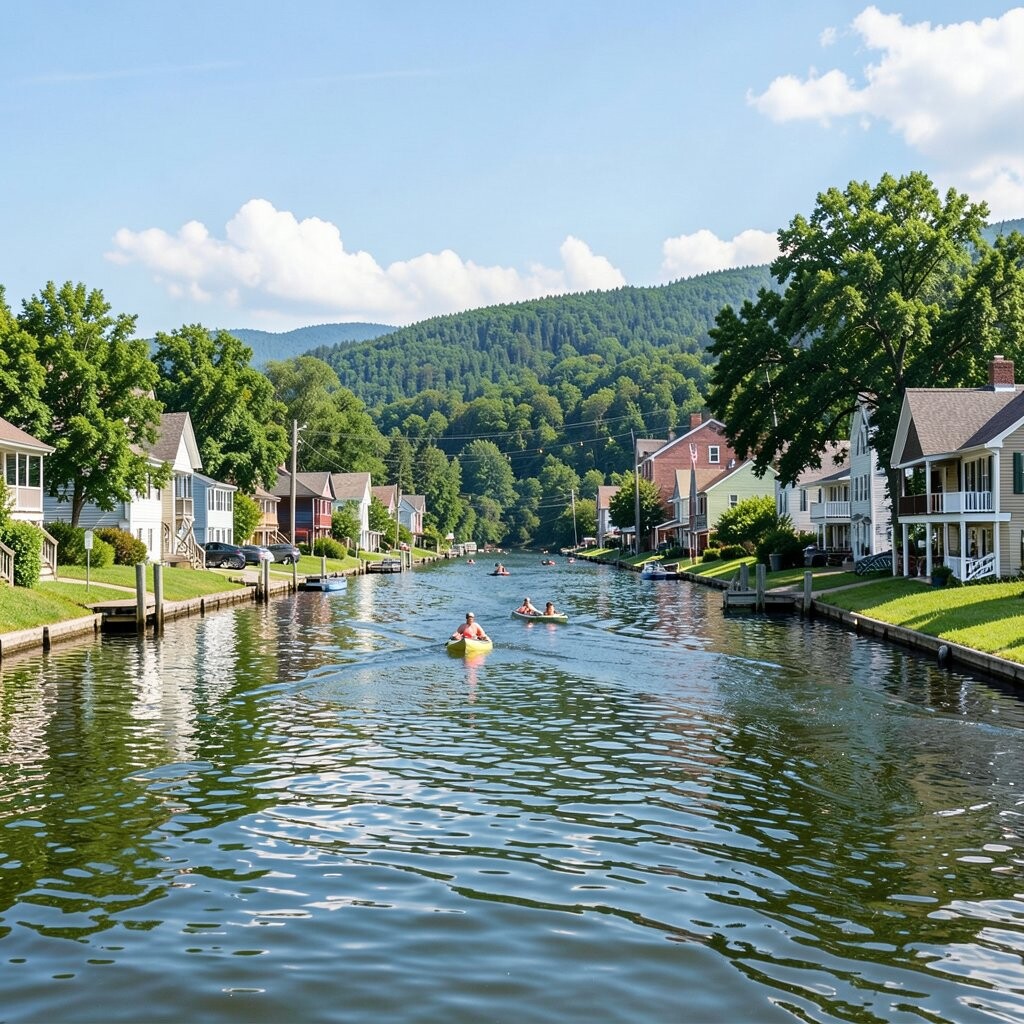
Some old towns grew near lakes where people once came for rest, fishing, and summer air. You may see old hotels, wooden piers, and tree-lined streets that still hold a soft, relaxed feel.
These towns are a good match for travelers who want history with easy outdoor time. You can swim, rent a kayak, or just sit by the shore, and many of these choices cost little or nothing.
Lake towns often follow the current trend of short stays with many small stops, so one day can be enough for a nice visit. Try to book early in summer, since small lake places can fill fast and still keep prices fair if you plan ahead.
9. Farming Crossroads
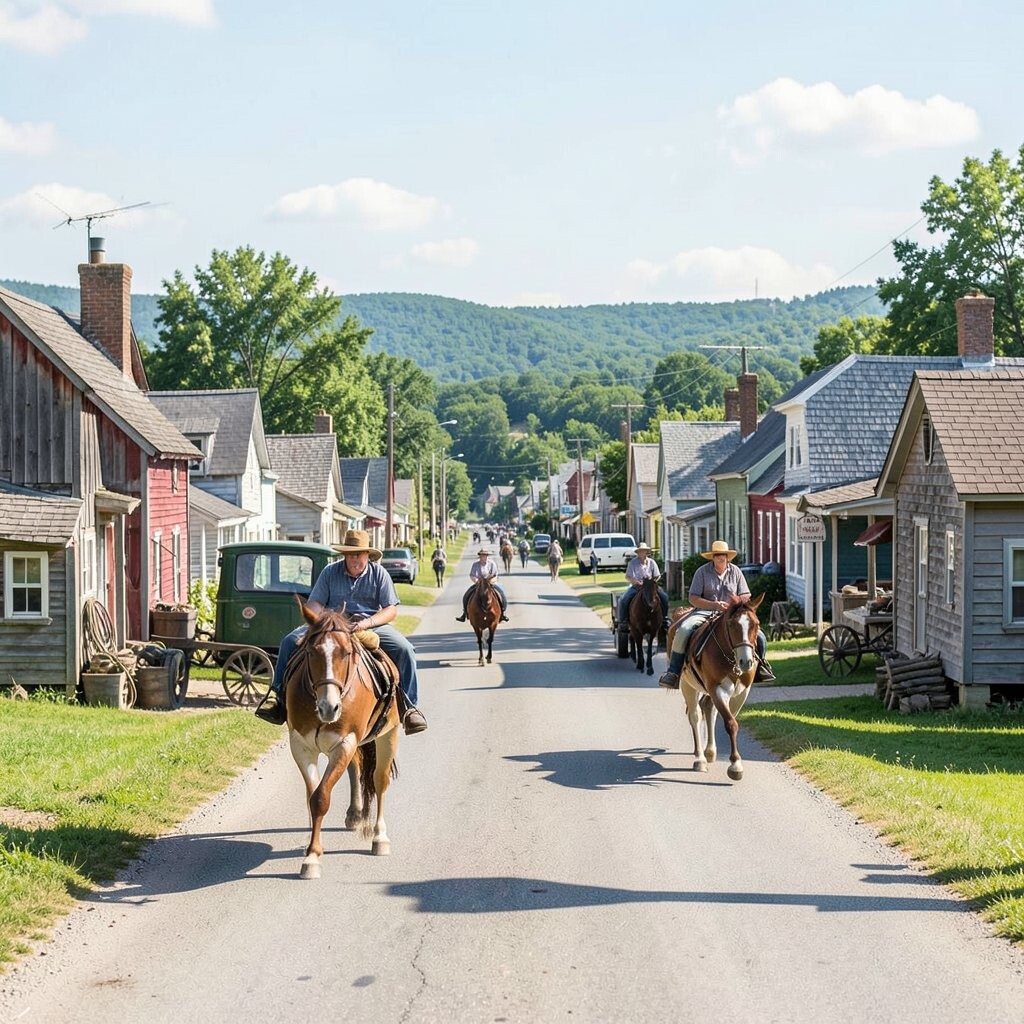
Crossroads towns in farm country often sit where old roads meet, with grain stores, feed shops, and a square that once served many nearby farms. The streets may be quiet, but the buildings can show a long history of work and trade.
These towns are often best for travelers who like plain, honest places with local food and simple shops. A meal at a diner or bakery can be cheap, and it can also give you a better sense of daily life than a big tourist stop.
For a unique visit, look for farm museums, old wagons, or summer fairs that still use the town square. If you want to make the trip fit your pace, stay a little longer and talk with shop owners instead of rushing through.
10. Mining Camp Streets
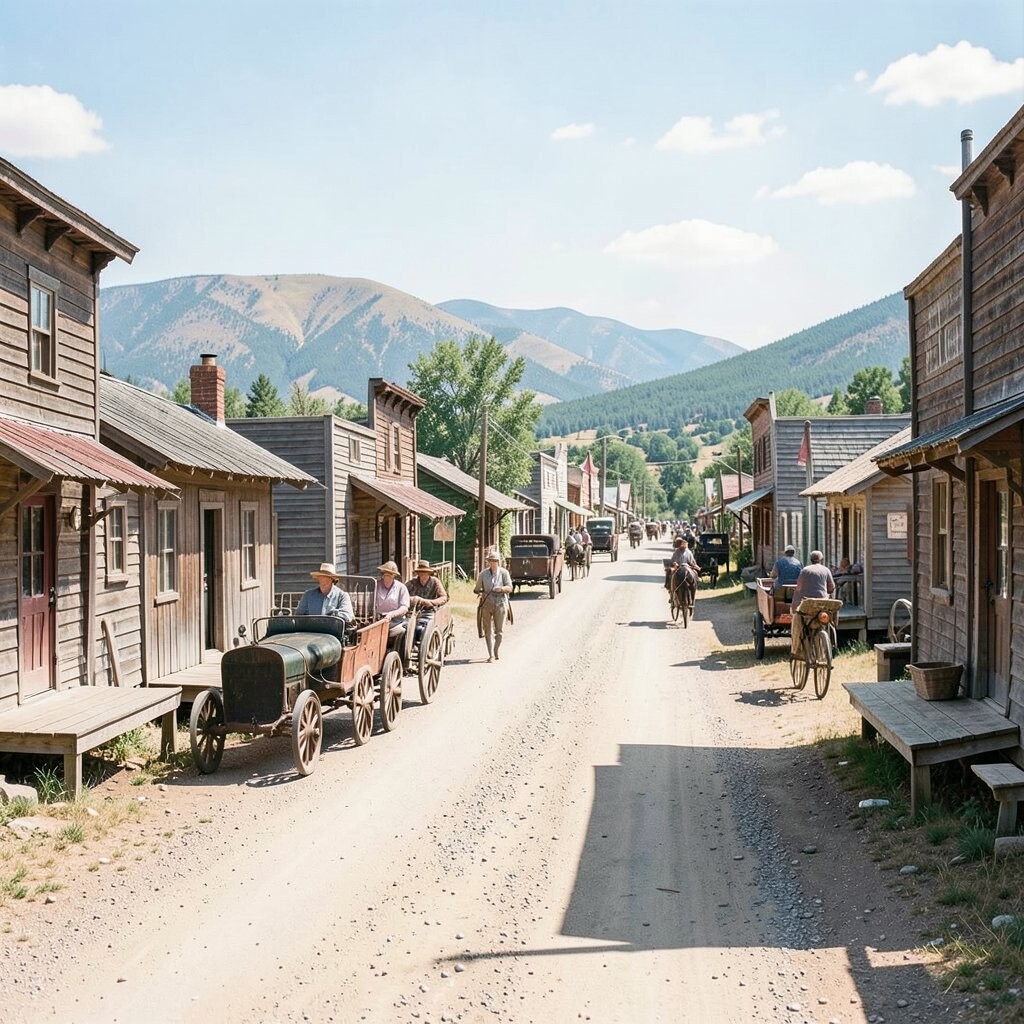
Old mining towns can have steep streets, rough stone walls, and buildings that look like they were made for hard work and quick change. In summer, the dry hills and bright sun can make the town’s old shape easy to see.
These places are often full of strong stories about rushes, strikes, and the people who came hoping for work. Many mining towns now use old shafts, tools, and maps in small museums, which helps visitors learn without spending much.
Bring a hat, water, and good walking shoes, since some roads may be uneven or dusty. A self-guided walk can be a smart choice if you want to save money and still see the main sites at your own pace.
11. River Bridge Boroughs
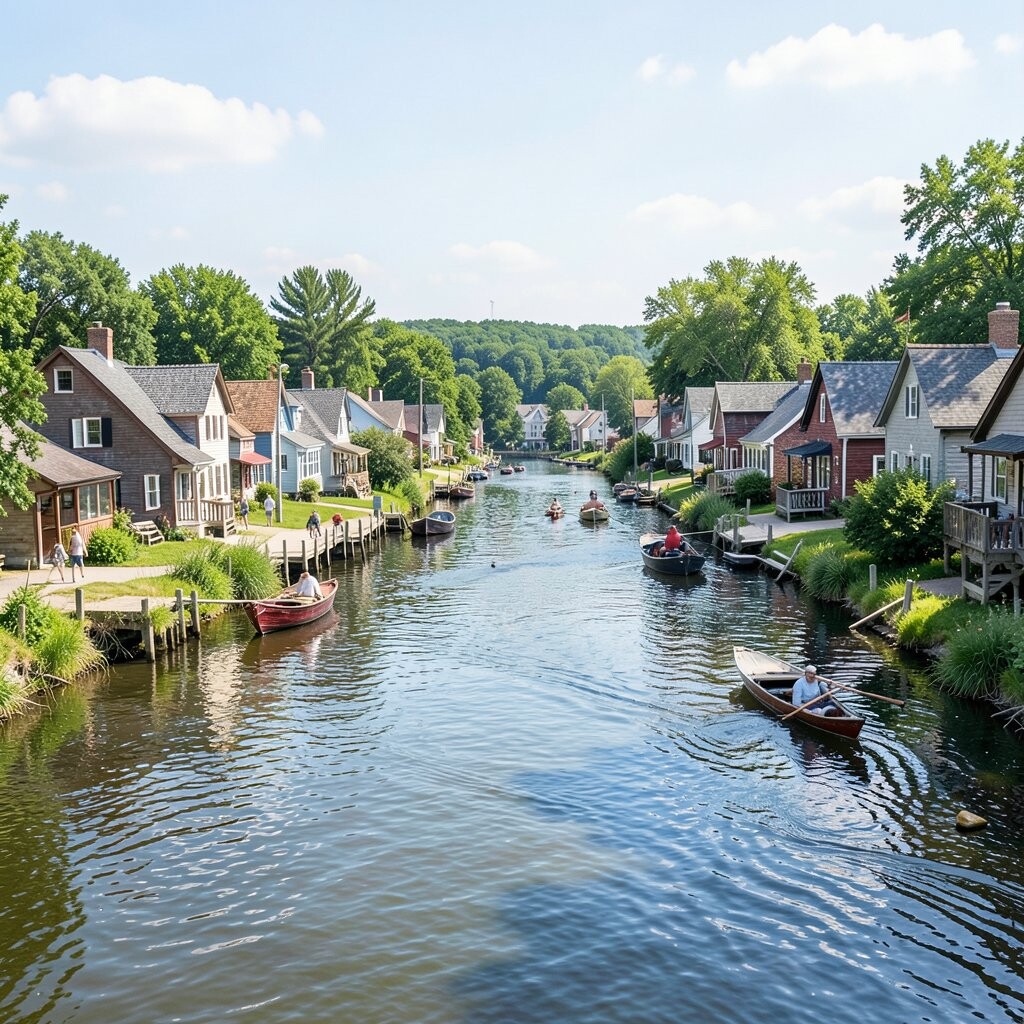
Towns built around old bridges often have a clear shape, with one side of the river linking to the other through a strong stone or iron span. The bridge itself can be the main sight, with shops and homes lined up close by.
These towns are good for summer travel because you can walk the river edge, take photos, and watch boats pass under the bridge. Many visitors like these places now because they are easy to reach and do not need a big budget.
If you want a better view, stand on both sides of the river and compare how the town looks from each bank. A small cafe near the bridge can be a nice place to rest, plan your next stop, and enjoy the local feel.
12. Old College Town Centers

Some small towns grew around old schools or colleges, and their streets may have brick halls, green lawns, and old bookshops. In summer, the campus areas can feel open and quiet, with just enough shade for a slow walk.
These towns often mix history with young energy, since student places later become cafes, gift shops, or art rooms. That mix is a growing trend in many small towns because it keeps old buildings in use and gives visitors more variety.
You can keep the trip low-cost by using free walking paths and public spaces instead of paid tours. If you like a more personal trip, check for old plaques, campus museums, or talks that tell the school’s own story.
13. Historic County Seat Squares

County seat towns often have a courthouse square with old trees, benches, and buildings that show the town’s long role in local life. The square can feel neat and steady, with a mix of law offices, shops, and places to eat.
These towns are useful for history trips because so much of the old town plan still stays in one place. You can see a lot in a short time, which makes them a good pick for families or travelers with a tight schedule.
Look for summer fairs, old car shows, or farmers markets that bring the square to life without adding much cost. If you want to make the day fit your taste, spend more time on the courthouse area or wander the side streets for older homes.
14. Desert Oasis Towns

Small towns in dry land often grew near springs, wells, or shaded stops where travelers could rest before moving on. Palms, adobe walls, and bright paint can make the town look very different from places with lots of rain.
These towns can be a smart summer choice because many sites are close together and easy to visit on foot. They also tend to work well for low-cost travel, since a simple motel, a local diner, and a short museum stop can make a full day.
For a better visit, go early or later in the day when the heat is softer and the streets are easier to walk. If you like a trip that feels more personal, ask about the old water source, the first homes, or the way the town stayed alive in a dry place.