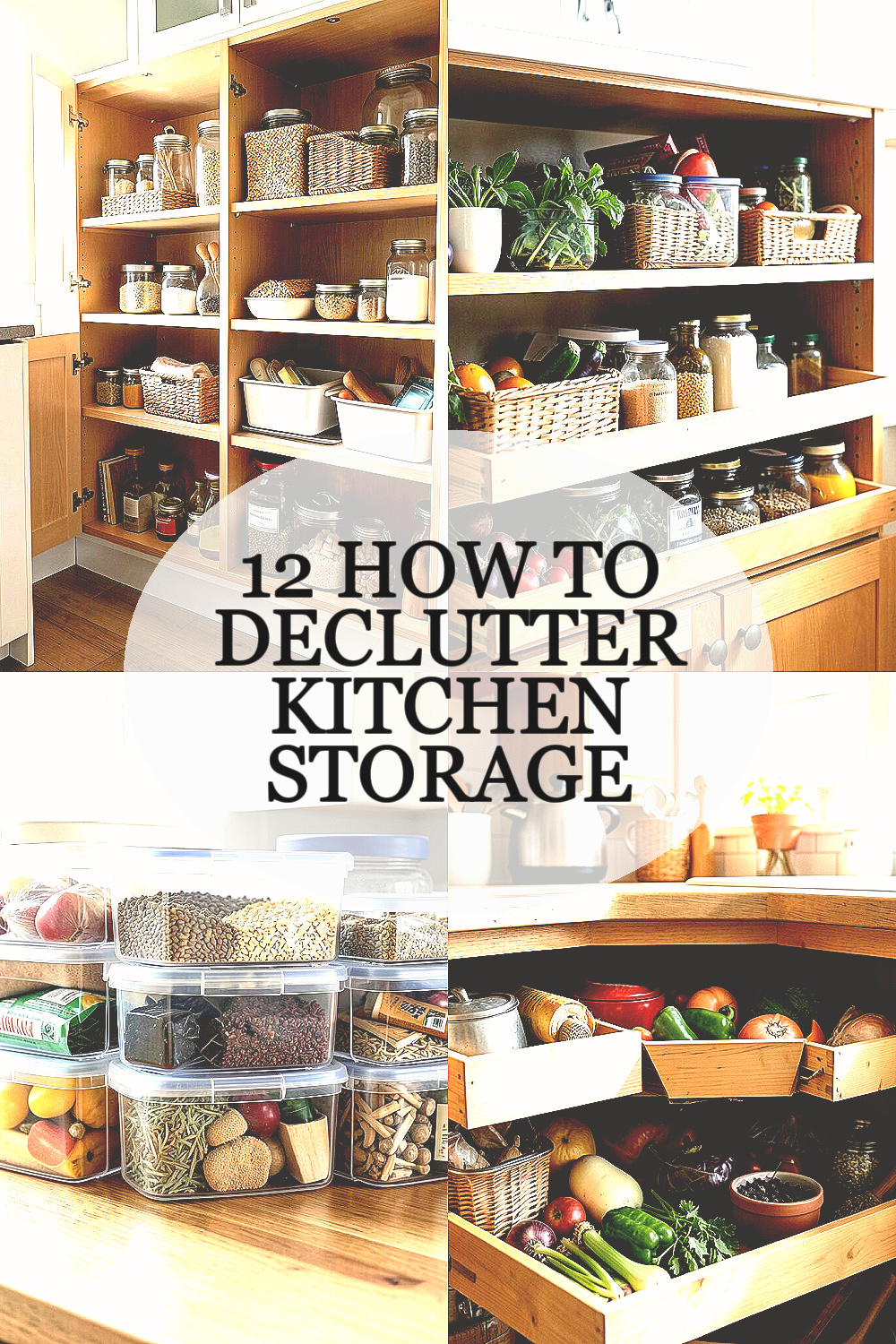
Kitchen storage can get messy fast when tools, food, and small items pile up in the same spots. A simple plan can help you make more room, find things faster, and keep the space easy to use.
1. Empty One Area at a Time

Start with one shelf, one drawer, or one cabinet instead of the whole kitchen at once. This keeps the job from feeling too big and helps you see what is really there.
As you clear each spot, place items on the counter in small groups. You can make piles for keep, give away, toss, and move to another place.
This step costs nothing and gives you a clear view of what you own. It also helps you spot extras, like five spatulas or three open bags of the same snack.
2. Sort by Use, Not Just by Type

Put items where you use them most, not only where they seem to fit. For example, keep plates near the dishwasher and cooking tools near the stove.
This makes daily tasks smoother and cuts down on extra steps. It also helps the kitchen feel calmer because each item has a clear home.
You can make this fit your own habits. If you bake a lot, keep baking tools in one easy reach spot, even if that is not where they were before.
3. Use Clear Bins for Small Items

Clear bins are useful for snacks, tea bags, spice packs, and other small things that slide around. You can see what is inside without opening every box.
This gives shelves a neat, lined-up look and stops tiny items from getting lost in deep cabinets. It also makes it easier to pull out one group at a time.
These bins come in many prices, from low-cost store sets to nicer ones with handles. A simple clear bin can do a lot without taking much money or space.
4. Keep Daily Items in Front

Place the things you use every day near the front of shelves and drawers. Items like coffee mugs, plates, and cooking oil should be easy to reach.
Less-used items can go behind them or on higher shelves. This setup saves time and helps stop clutter from building up in the front where you can see it.
The look is clean and easy, with the most used things lined up in plain sight. It also makes the kitchen feel more personal because it matches your real routine.
5. Add Shelf Risers for Extra Space

Shelf risers make one shelf feel like two. They are good for plates, bowls, cans, and jars that need more room than a flat shelf gives.
This can help you stack items without making a shaky pile. It also lets you see the items in the back more clearly, which cuts down on forgotten food.
Many risers are low cost and easy to find in stores or online. Some newer styles use simple metal frames or wood tops, so you can pick one that fits your kitchen look.
6. Use Drawer Dividers for Small Tools

Drawer dividers help keep forks, spoons, peelers, and other small tools in order. Instead of a mixed-up drawer, each item has its own spot.
This makes the drawer look tidy and saves time when you are cooking or setting the table. It also stops sharp or small tools from getting damaged or hidden under bigger things.
You can buy ready-made dividers or make your own with small boxes. A low-cost fix like this can make a big change in how the drawer works day to day.
7. Group Food by Category

Keep like items together, such as pasta, rice, baking goods, canned food, and snacks. When food is grouped well, it is easier to check what you have and what you need.
This helps cut down on extra shopping and old food that gets pushed to the back. It also gives shelves a neat, store-like look that many people enjoy.
Some people like to use labels on bins or baskets for a cleaner feel. Labels are a simple trend that can help everyone in the home put things back in the right place.
8. Make a Spot for Odd Shapes

Every kitchen has odd items like tall bottles, baking pans, lids, and cutting boards. These shapes can make storage messy if they do not have a set place.
Try using a file holder, a basket, or a narrow bin for these items. This keeps them standing up or lined together instead of sliding into a pile.
It is a small fix that can save a lot of space. You can also use low-cost tools from office stores or discount shops, which makes this a smart option for tight budgets.
9. Store Lids and Containers Together

Plastic containers often get messy because lids and bottoms drift apart. Keep each set in one area so you do not waste time searching for a match.
You can stack the containers by size and stand the lids in a small bin or rack. This makes the shelf look more even and helps you use the space better.
Many people now use simple baskets or drawer trays for this job instead of buying a full new set. That makes the storage feel fresh without spending much money.
10. Use the Inside of Cabinet Doors

The inside of a cabinet door can hold light items like measuring spoons, wraps, or small cleaning tools. This is a good way to make use of space that often goes unused.
Hooks, slim racks, or small stick-on holders can keep these items easy to grab. It also helps free up shelf space for larger things that need more room.
This idea works well in small kitchens where every bit of storage matters. It is also a nice way to make the layout fit your own needs, since you can place things where they feel most handy.
11. Keep a Small Donate Box Nearby

Set a small box or bag in the kitchen for items you no longer use. When you find a cup, tool, or gadget that does not fit your life, place it there right away.
This makes it easier to let go of extra things over time instead of saving them all. The kitchen stays lighter, and the shelves have more open space to work with.
A plain box costs very little and can sit on top of the fridge or in a corner. Some people use a woven basket or a simple tote so it blends in with the room.
12. Keep a Simple Reset Habit

Spend a few minutes each day putting items back in their spots. This small reset keeps clutter from growing and helps your kitchen storage stay neat longer.
You can wipe a shelf, straighten a bin, or put stray tools away before the day ends. These small actions make the whole space feel more under control without a big effort.
The best part is that this habit can fit any home style, from small apartments to busy family kitchens. It costs nothing, and over time it helps your storage stay clear, easy, and ready for use.