
Summer travel can cost more than people expect, but small choices can help a lot. These tips can help you spend less and still enjoy your trip.
1. Pick The Right Time To Book

Timing can change the price of your trip in a big way. Flights, hotels, and even rental cars can cost less when you book at the right time.
Many people book too late and end up paying more. Try to check prices over a few days so you can spot a better deal.
Some travel sites show price charts that make it easy to see busy days and low-cost days. That simple view can help you choose a trip that fits your budget.
2. Travel On Less Busy Days

Midweek travel is often cheaper than weekend travel. Airports and roads can also feel calmer, which makes the trip less stressful.
Flying on a Tuesday or Wednesday can sometimes save a good amount of money. If you can be flexible, this is one of the easiest ways to cut costs.
This can also help you find more open seats and better hotel rates. A quieter travel day often gives you more choice and less rushing.
3. Use Fare Alerts

Fare alerts are a simple tool that can save time and money. You set the route you want, and the site sends a note when the price changes.
This works well if you are planning early and do not need to book right away. It helps you watch the market without checking every day by hand.
Many apps now give color charts and easy price notes, so the process feels simple. That makes it easier to pick a good fare before it goes up again.
4. Pack Light

Carrying less can save money on bags and make travel easier. A small suitcase or backpack also moves faster through airports and train stations.
Airlines often charge extra for checked bags, and those costs can add up fast. If you can fit everything in one carry-on, you may avoid those fees.
Light packing also helps you keep only what you need. That can make your trip feel cleaner and less crowded, both in your bag and in your mind.
5. Stay In Places With A Kitchen

Eating every meal out can use up your travel money very fast. A place with a kitchen lets you cook simple food and keep more cash for other plans.
You do not need a full home kitchen to save money. Even a small fridge, microwave, or hot plate can help you make breakfast or snacks.
This choice is also nice for families or groups with different food needs. You can keep your own food and make meals that fit your taste and budget.
6. Look At Short-Term Rentals And Hostels
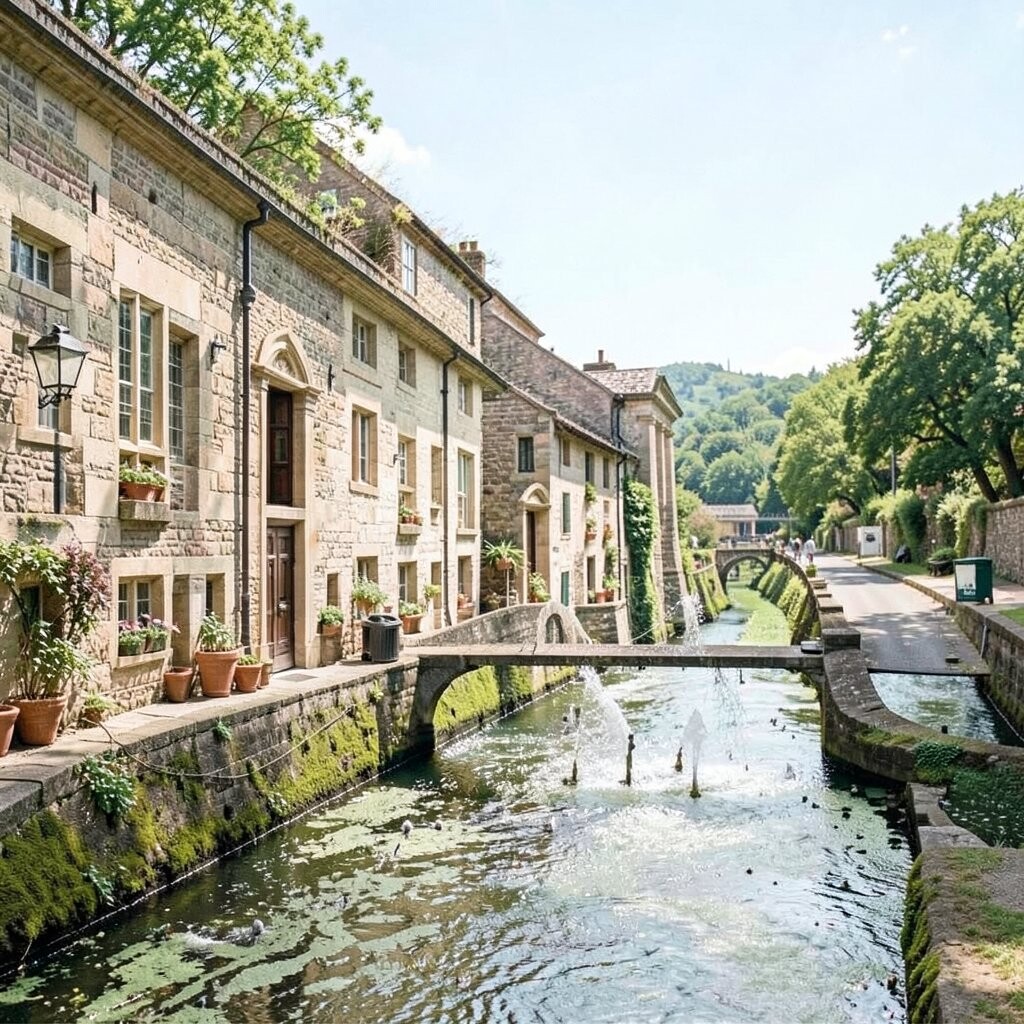
Hotels are not the only place to sleep on a summer trip. Short-term rentals and hostels can be cheaper, and they often give you more space or a more local feel.
Hostels now come in many styles, from simple shared rooms to private rooms with clean, modern looks. That gives you more ways to match your comfort level and your budget.
Short-term rentals can also work well for longer stays. You may save money by cooking, doing laundry, and staying in one place for a few days.
7. Use Public Transit

Trains, buses, and subways can cost much less than taxis or rideshares. They can also help you see a city in a more real and local way.
Many places now offer day passes or travel cards that make moving around easier. That can be a smart pick if you plan to visit more than one stop in a day.
Public transit can also save time in busy cities where traffic is slow. You may get where you need to go with less waiting and less money spent.
8. Plan Free Or Low-Cost Activities

Summer travel does not have to mean paying for every stop. Parks, beaches, walking trails, public art, and local events can give you a full day without a big bill.
Many cities post free event lists online, and that makes planning easy. You can build a trip around things that cost little or nothing and still have a good time.
This kind of plan also feels more personal. You can pick places that match your style, like a quiet garden, a busy market, or a simple walk near the water.
9. Eat Like A Local

Tourist spots often charge more for food and drinks. If you walk a few blocks away from the main sights, you may find better prices and better meals.
Local cafés, bakeries, and small markets can be great for simple food. A fresh sandwich, fruit, or pastry can cost less than a full meal at a busy tourist place.
This also gives you a chance to try foods that people in the area really eat. It can make your trip feel more natural and help your money go farther.
10. Bring Snacks And Water
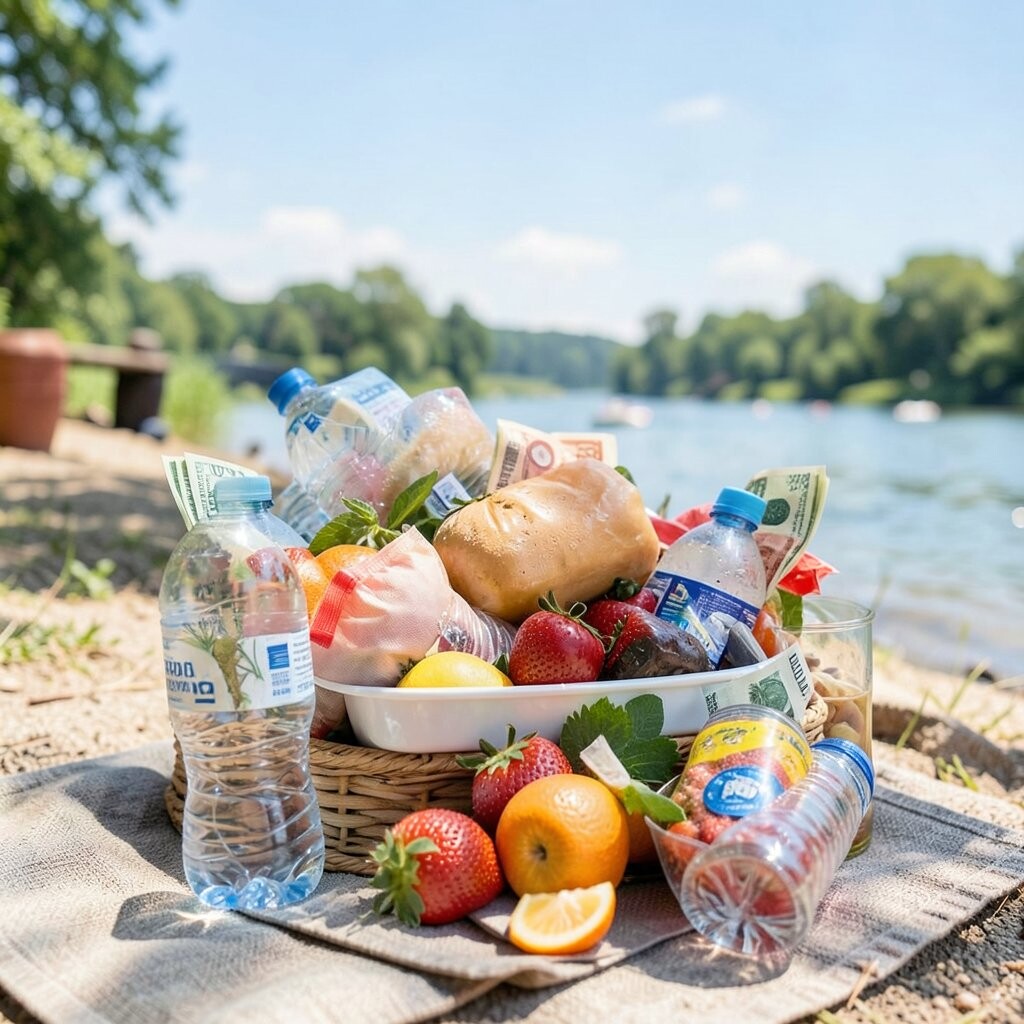
Small food stops can add up fast when you travel. Packing snacks and a refillable water bottle can help you avoid extra spending at airports, rest stops, and theme parks.
This is a simple habit, but it can save a lot over a long trip. It also helps if you travel with kids or if you get hungry between meals.
Try easy items like nuts, crackers, fruit, or granola bars. These are light, cheap, and easy to keep in a bag while you move around.
11. Compare Gas, Parking, And Toll Costs

Driving can seem cheap at first, but the full cost may be higher than you think. Gas, parking, tolls, and car wear can change the real price of the trip.
Before you leave, check the route and look for parking rates near your hotel or stop. That small step can help you avoid a surprise bill later.
If you are traveling with friends or family, sharing a car can lower the cost for each person. That makes driving a better deal for some trips, especially short ones.
12. Use Reward Points And Travel Cards Carefully

Reward points can help cut the cost of flights, hotels, and bags. If you already have points, summer travel is a good time to use them in a smart way.
Some travel cards also give cash back or trip perks, but you should check the fees and rules first. A card only helps if it fits your normal spending and does not add debt.
Many people now track points in apps so they can see what they have in one place. That can make it easier to plan a trip around the best value.
13. Book One Main Base Instead Of Moving Around Too Much

Changing hotels often can raise costs and waste time. If you stay in one main place, you may pay less for transport, check-ins, and extra fees.
This works well for summer trips where you want to visit nearby spots. You can take day trips and still come back to the same room each night.
A single base also makes packing easier and can feel less tiring. It gives you a more steady trip and may help you spot local deals near where you stay.
14. Watch For Simple Deals, Not Just Big Sales

Big sale signs can look exciting, but the best deal is not always the loudest one. Small savings on food, transport, and stays can matter more than one flashy offer.
Check total cost, not just the first price you see. A cheap room with high fees may cost more than a slightly higher room with free breakfast or parking.
It also helps to make a short list of what matters most to you. Some people want a low room rate, while others care more about location, comfort, or easy food options.