
New cooks often buy tools that look useful but do not fit how they cook. A few simple kitchen choices can save space, money, and stress.
1. Buying Too Many Tools at Once
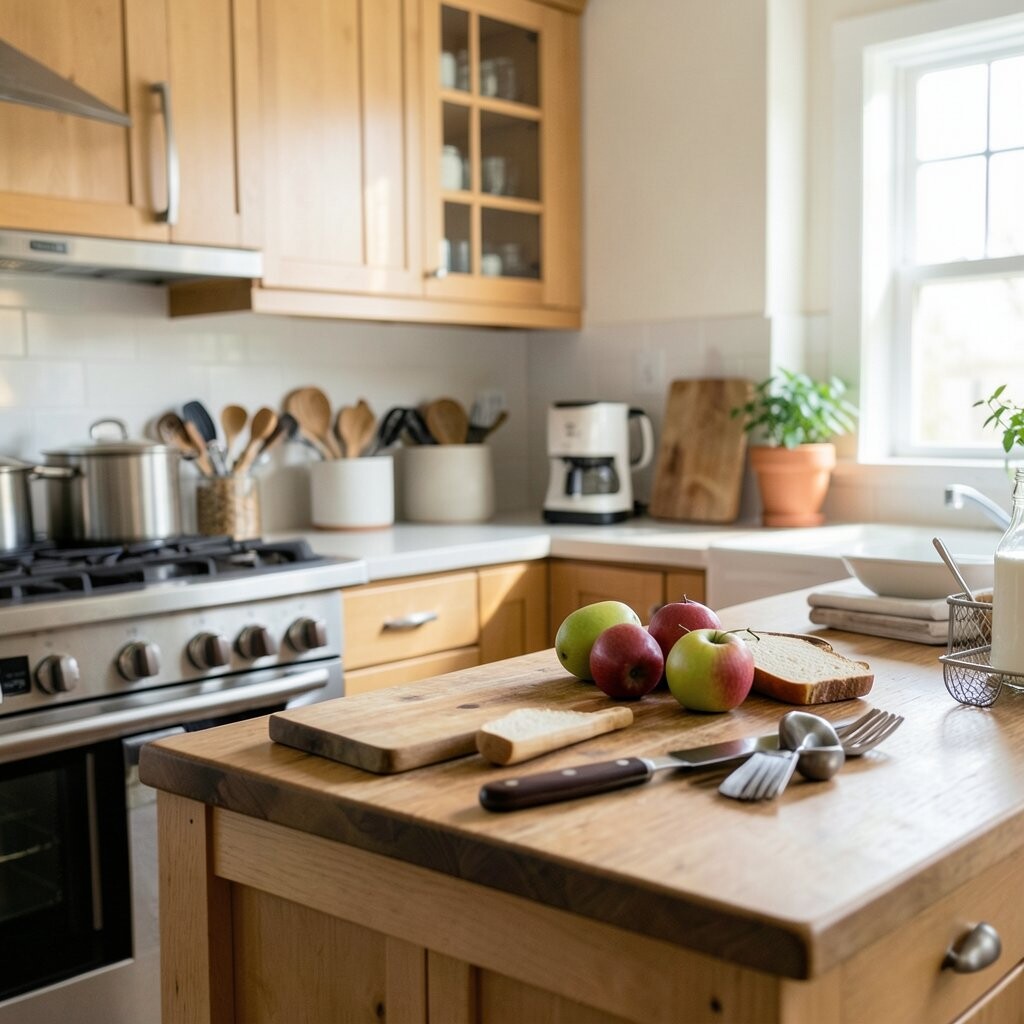
Many new cooks fill drawers with gadgets they see online or in stores. The counter can end up crowded, and half the items stay in the box.
A small set of basic tools is often enough for most meals. A good knife, a cutting board, a pot, a pan, a spatula, and a spoon can handle a lot of daily cooking.
This choice also helps with cost, since good basics can last for years. If you want a personal touch, pick tools that feel good in your hand and fit the way you cook, not just the ones that look nice.
2. Picking Cheap Knives That Do Not Stay Sharp

A dull knife can make food prep slow and a little messy. It can also look rough, with torn herbs, crushed tomatoes, and uneven slices.
New cooks often think any knife will do, but a sharp chef’s knife can make work much easier. One solid knife is often better than a full block of low-cost knives that need to be replaced fast.
Good knives do not have to be the most costly ones in the store. A mid-range knife that feels balanced in your hand is a smart pick, and many people now like simple, easy-care styles with plain handles and clean lines.
3. Using the Wrong Cutting Board

A thin or tiny cutting board can slide around and make prep feel awkward. It may also leave little room for chopped food, which can make a clean task feel crowded.
New cooks often use whatever board is on hand, even if it is too small for the job. A large board gives more space for cutting, sorting, and moving food without spills.
Wood boards look warm and classic, while plastic boards are easy to wash and often cost less. Many people keep more than one board for different jobs, which helps keep raw meat away from ready-to-eat foods.
4. Choosing Pots and Pans That Are Too Small
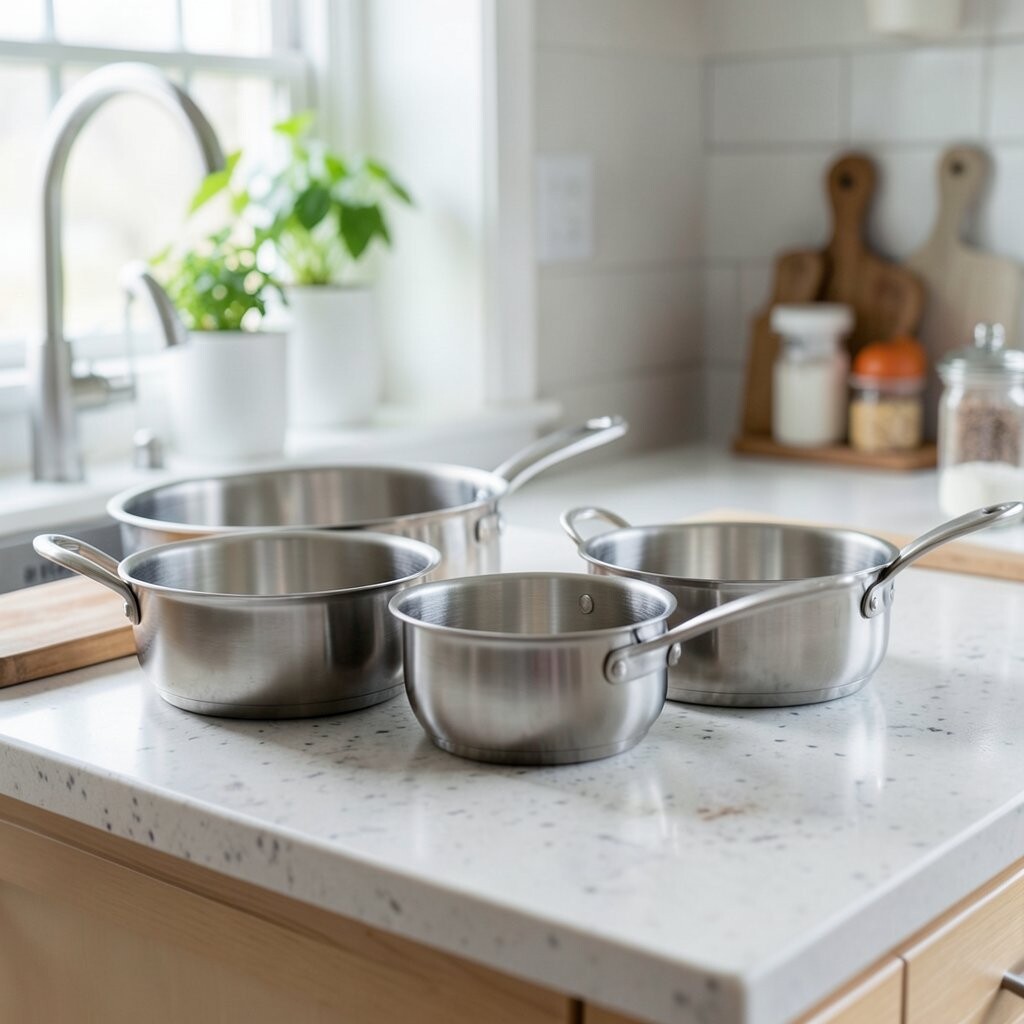
Small pans can be fine for one egg or a quick sauce, but they can cause trouble for bigger meals. Food may crowd together, steam too much, or spill over the sides.
New cooks often buy small cookware because it seems easier to store. A medium skillet and a medium pot usually give more room and work for many meals, from pasta to soup to stir-fry.
Cookware in simple shapes and plain colors is still very popular, and it often fits modern kitchens well. If your budget is tight, start with one good pan and one good pot instead of a full set you may not use.
5. Forgetting a Good Sheet Pan
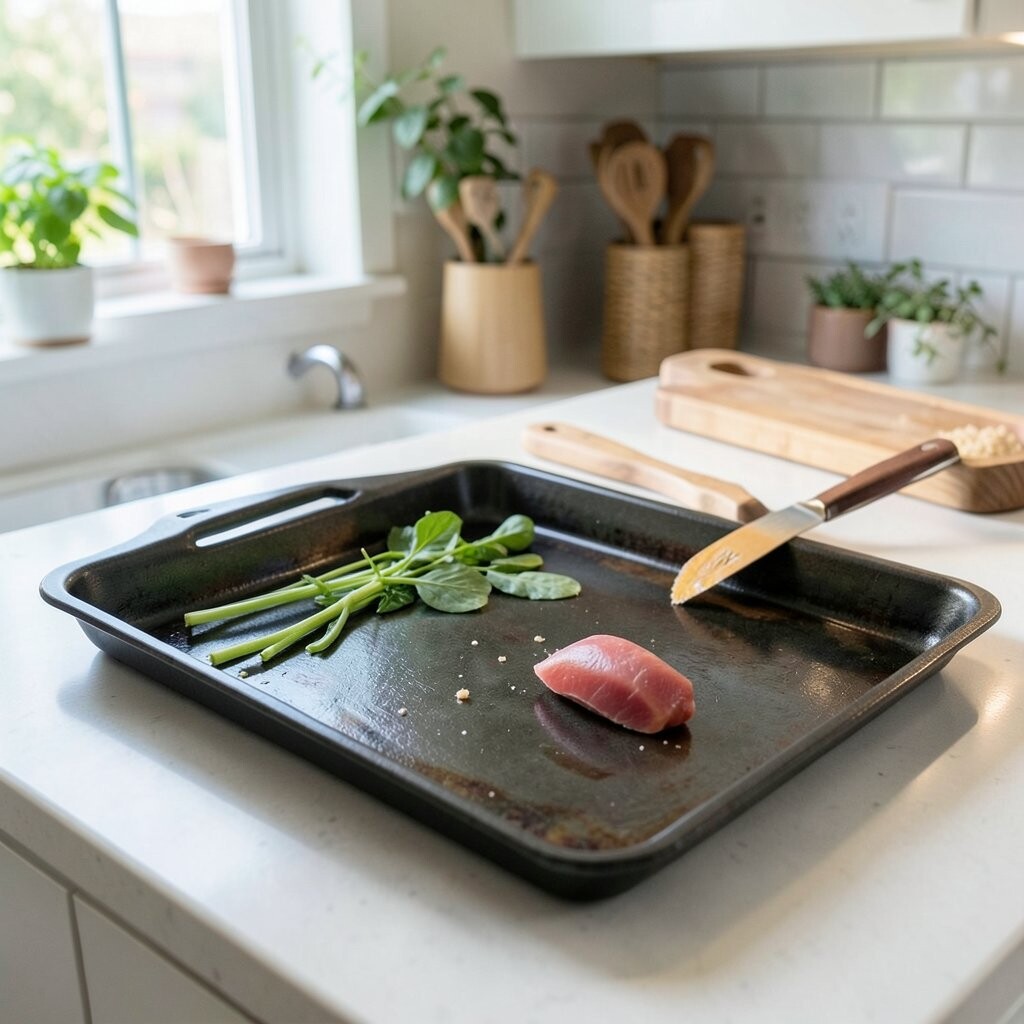
A sheet pan may look plain, but it can do a lot of work. It can roast vegetables, bake chicken, toast bread, and hold cut food before cooking.
New cooks sometimes skip this item and then miss how useful it is. A sturdy pan with a flat surface helps food cook in a more even way and makes cleanup easier.
Many kitchens now use heavy, rimmed sheet pans because they are simple and flexible. If you want one that lasts, choose a thick one that does not bend too much in a hot oven.
6. Buying Fancy Gadgets Before Basic Measuring Tools
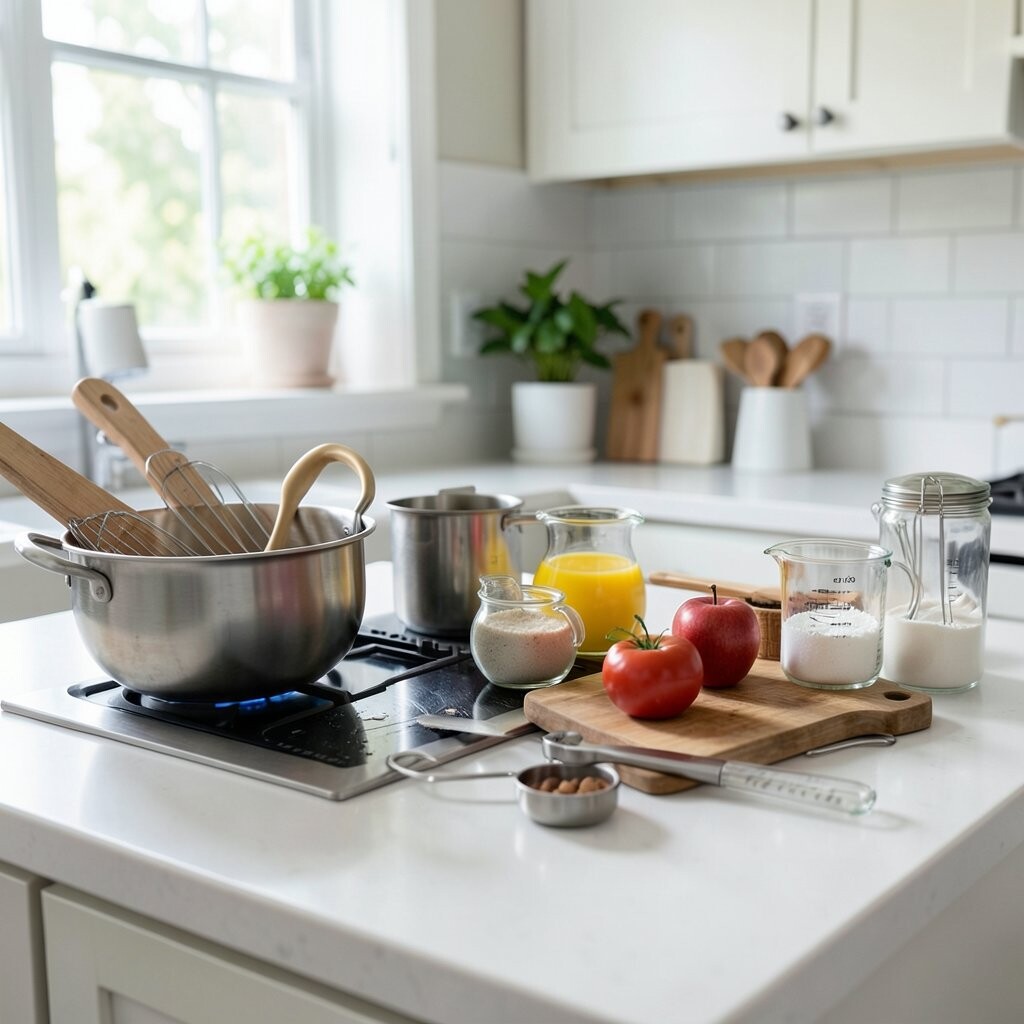
It is easy to get drawn to special tools that do one small job. Still, measuring cups and spoons are often more useful than a gadget that only gets used once in a while.
New cooks may guess amounts, but that can lead to food that is too salty, too dry, or too sweet. Clear measuring tools help with baking, sauces, and simple meals where balance matters.
These tools are also low-cost, so they are one of the best buys for a small budget. Many sets now come in bright colors or neat stackable styles, which makes them easy to store and easy to spot.
7. Ignoring Storage Containers
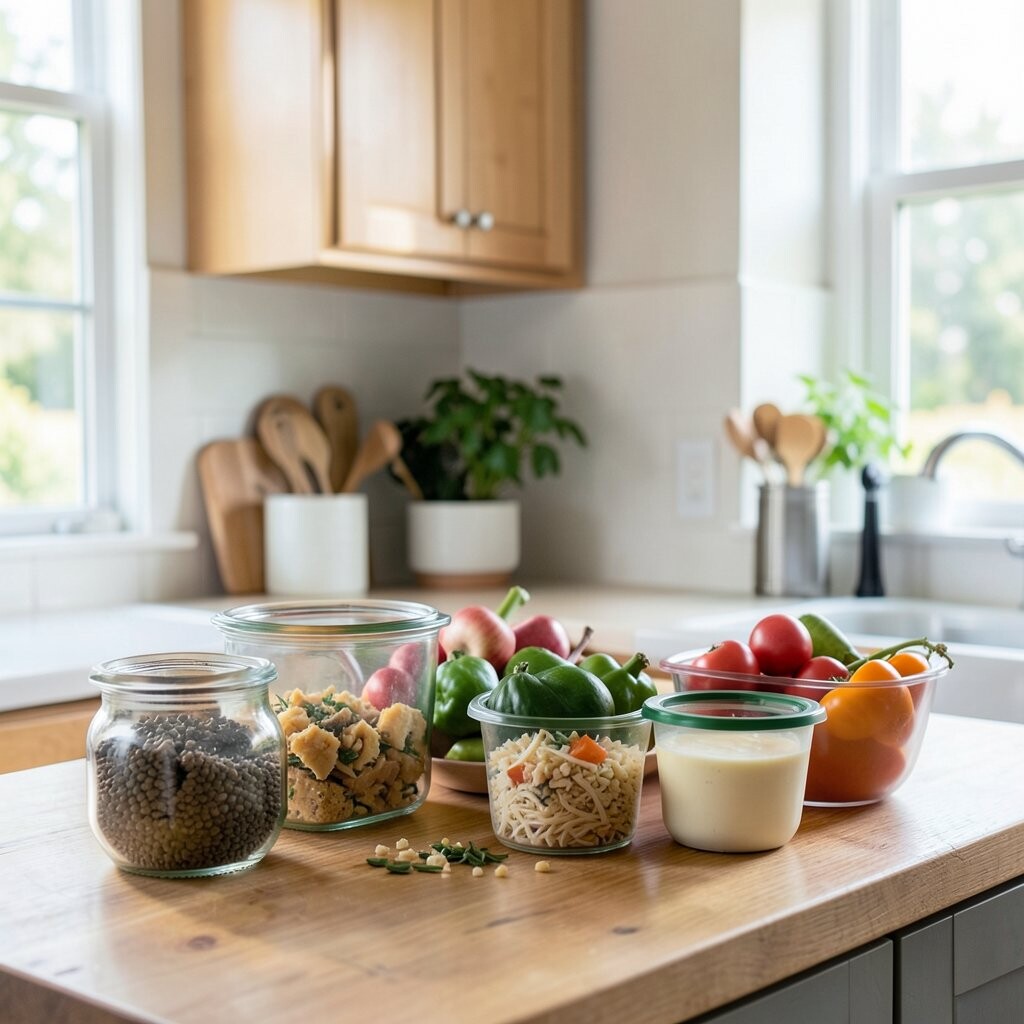
Leftovers can go bad fast if they are not stored well. A fridge with loose bowls, open wraps, and random covers can look messy and make food hard to find.
New cooks often wait too long to buy storage containers, then waste food they could have saved. Clear containers help you see what is inside, which makes meal prep and lunch packing much easier.
Glass containers cost more at first, but they often last longer and can go from fridge to oven in some cases. Plastic containers are lighter and cheaper, so many people keep both kinds for different uses.
8. Not Getting a Kitchen Thermometer
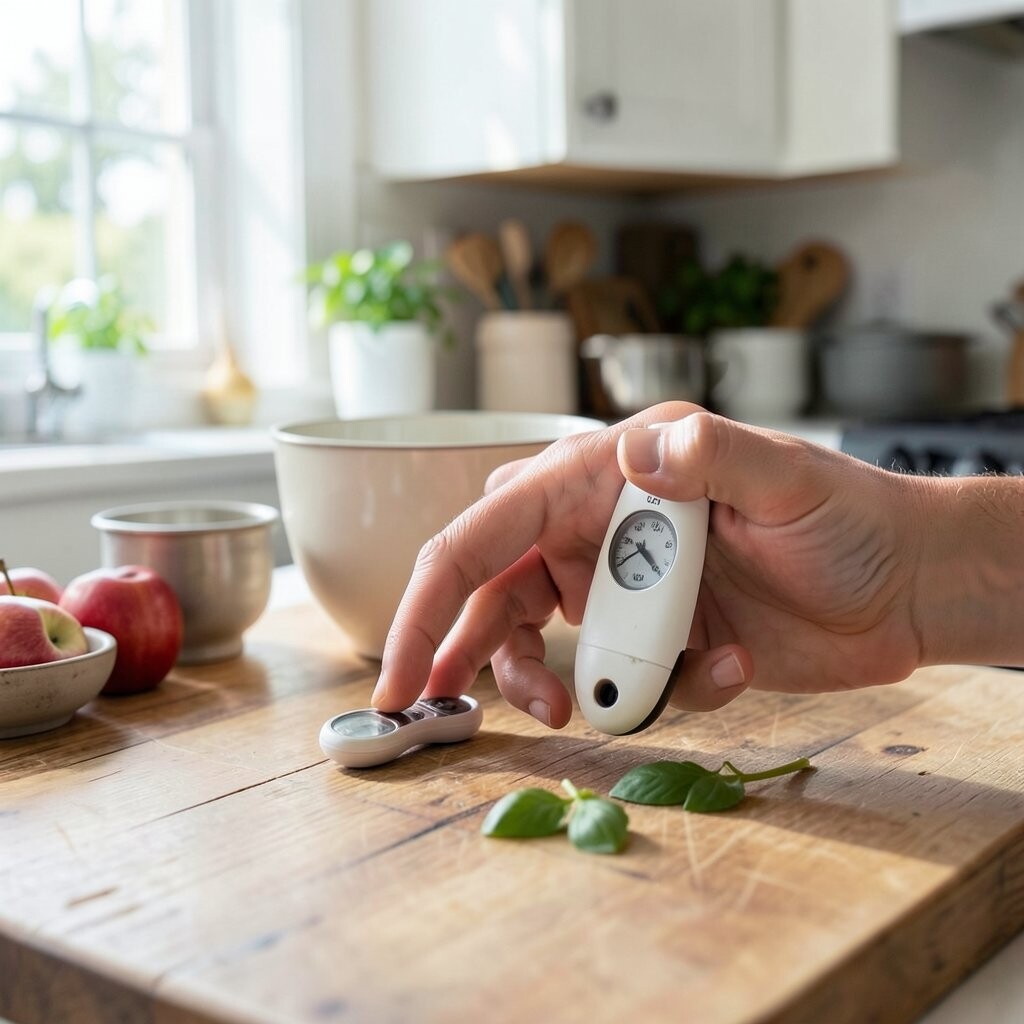
Food can look done on the outside and still be undercooked inside. That is a common problem with chicken, roasts, and even some baked items.
New cooks often rely only on color or time, but a thermometer gives a better check. It helps with safety and also keeps meat from drying out too much.
A simple digital thermometer is not costly and takes up very little space. This small tool is part of a bigger trend toward more exact home cooking, even in small kitchens.
9. Using the Wrong Spatula or Spoon
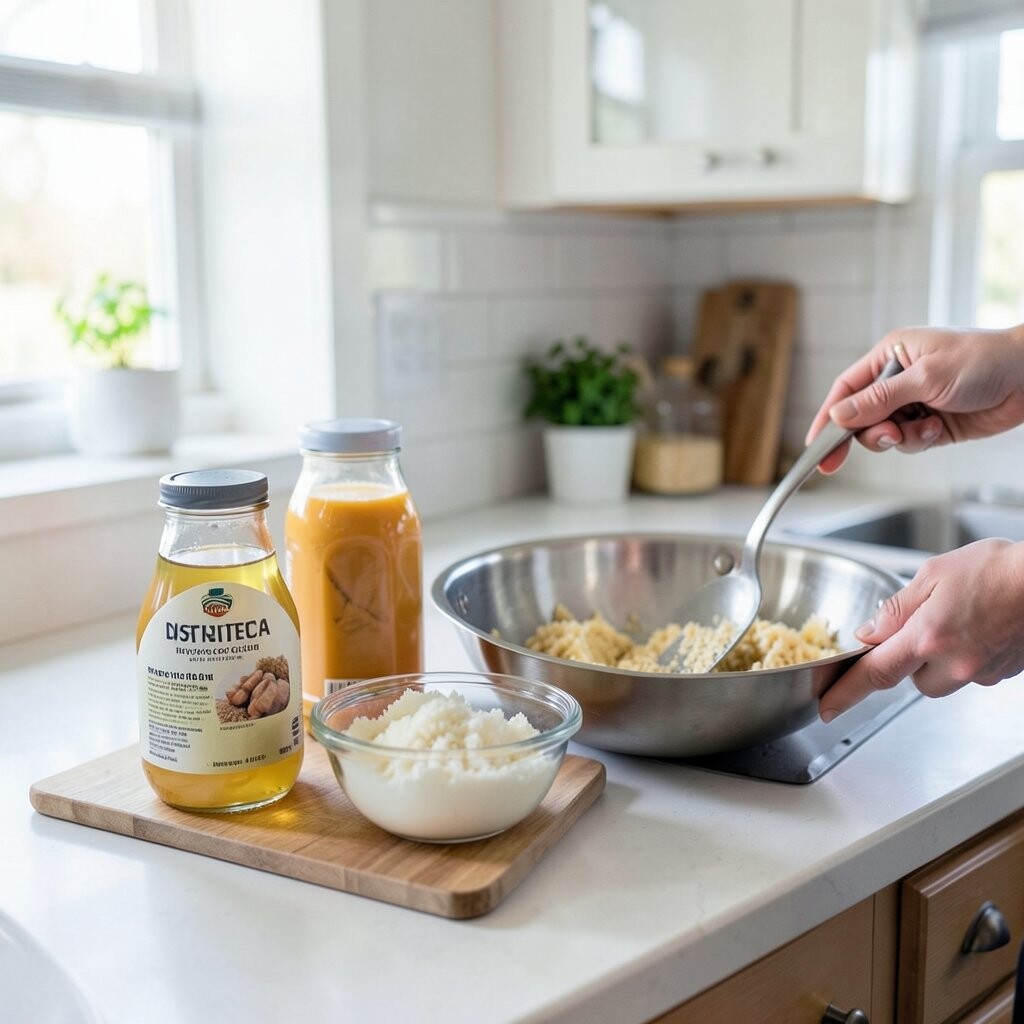
A metal spoon may scratch a pan, and a weak spatula may bend when food gets heavy. The wrong tool can make cooking feel harder than it should be.
New cooks often use one spoon for everything, but different tools work better for different jobs. A heat-safe spatula, a wooden spoon, and a sturdy turner can help with eggs, sauces, and pan meals.
Simple tools in soft colors or plain black are common now, and they often match many kitchen styles. If you cook often, it is worth spending a little more on tools that feel solid and are easy to hold.
10. Skipping a Colander or Strainer
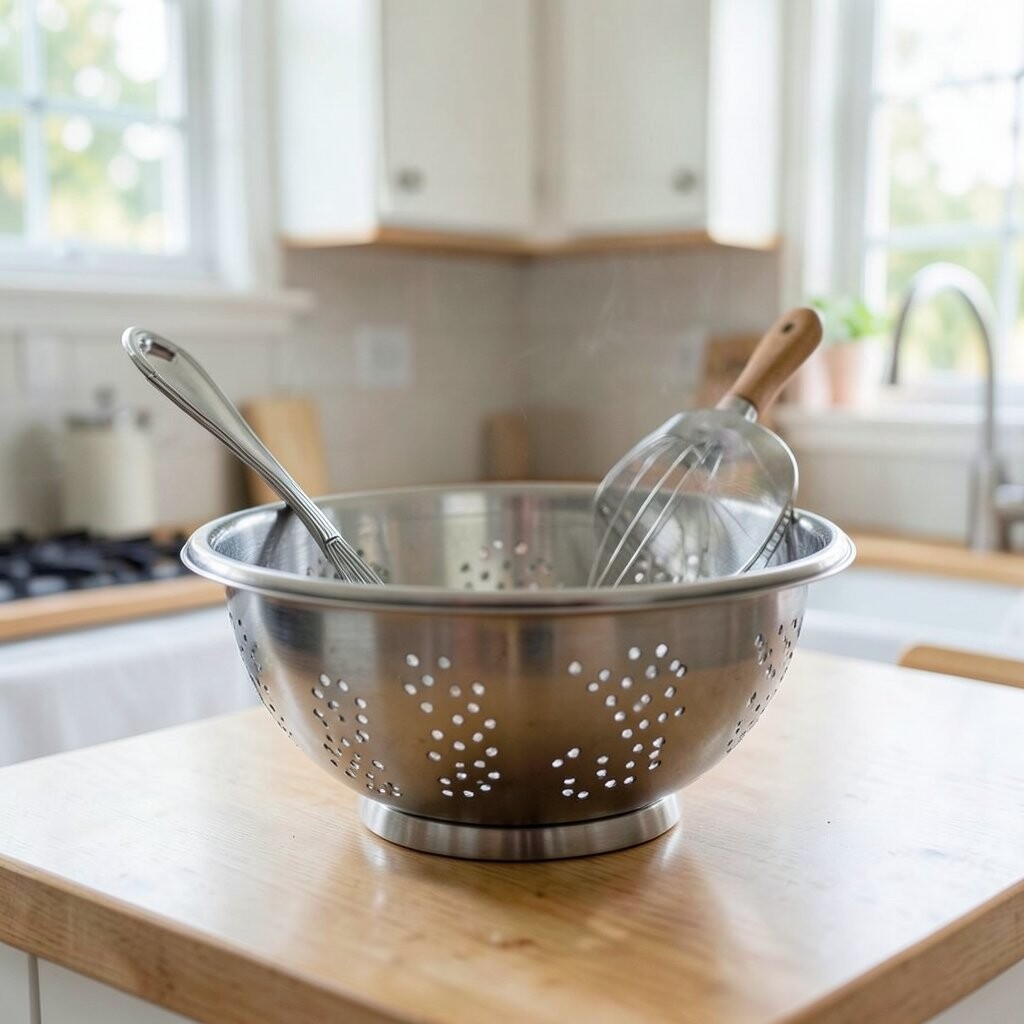
Draining pasta with the pot lid or a random bowl can be clumsy and risky. Hot water can splash, and food can fall into the sink.
New cooks may not think this tool matters, but it helps with pasta, beans, berries, and rinsed vegetables. A colander makes kitchen work cleaner and faster.
Plastic colanders are usually cheap, while metal ones can feel stronger and last longer. Some people now like nesting sets that fit inside each other, which saves space in small kitchens.
11. Buying Only One Baking Dish

One baking dish can be fine at first, but it may not fit every meal. A small dish can overflow, while a very large one can dry out food or spread it too thin.
New cooks often use the same pan for casseroles, baked pasta, and roasted sides, then run into size problems. A basic set with one small and one medium dish gives more room to work.
Glass dishes are easy to watch while food cooks, and ceramic ones can look nice on the table. If cost matters, start with one plain dish and add more only when you know what you use most.
12. Not Having a Sharp Peeler
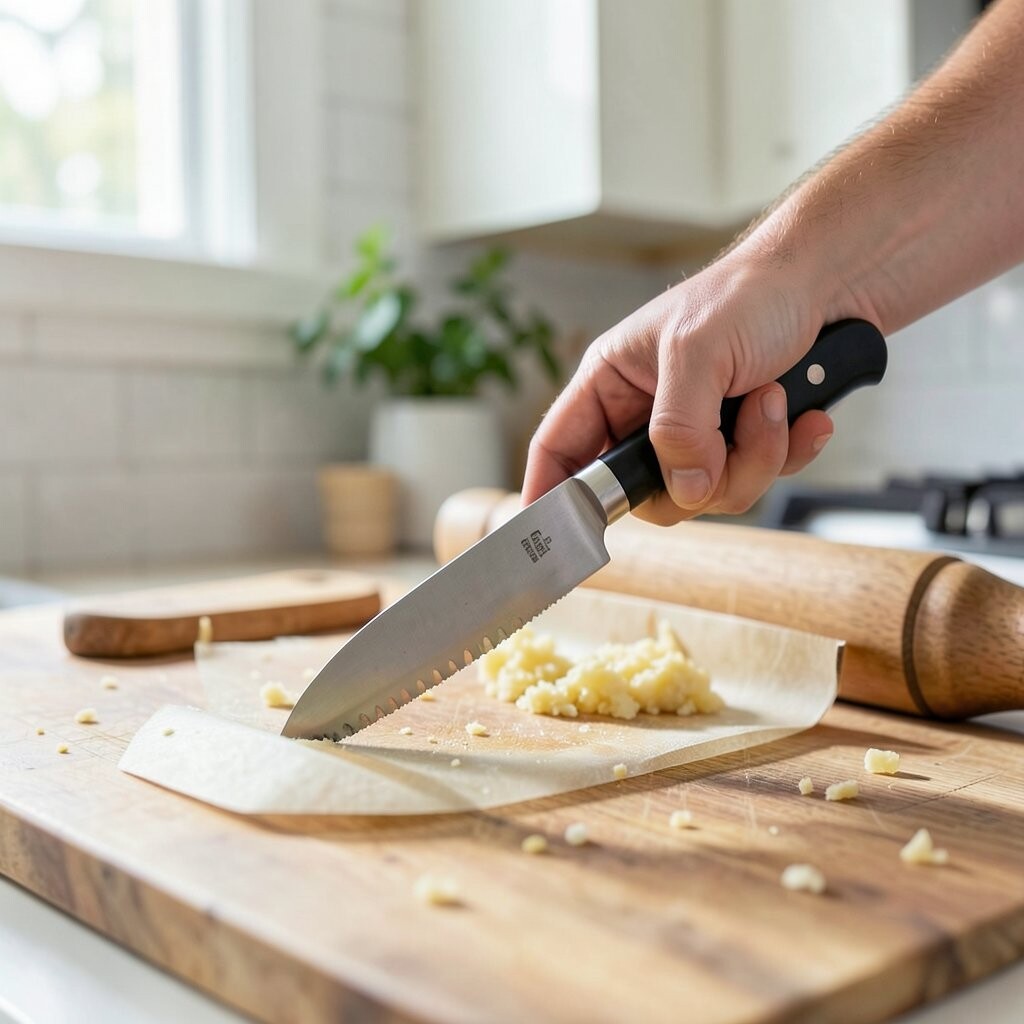
Peeling carrots, potatoes, and apples with a dull peeler can feel slow and tiring. It can also waste more food than needed because the skin comes off in thick strips.
New cooks often forget this small tool until they need it in a hurry. A sharp peeler makes prep smoother and can be easier to control than a knife for many fruits and vegetables.
Good peelers are usually low-cost and easy to store in a drawer. Some newer styles have soft grips or swivel blades, which many people like because they feel more comfortable in the hand.
13. Forgetting Mixing Bowls in Different Sizes

One bowl is rarely enough when you cook often. You may need one for mixing batter, one for salad, and one for holding chopped food.
New cooks sometimes use any pot or plate they can find, but that makes prep feel messy. A set of nesting bowls saves space and helps keep tasks separate.
Stainless steel bowls are light and strong, while glass bowls let you see the mix as you go. Many homes now use stackable bowls because they are neat, simple, and easy to store on a shelf or in a cabinet.
14. Choosing Tools That Are Hard to Clean

Some kitchen items look nice but trap food in small cracks and corners. If cleaning takes too long, you may stop using the tool as much.
New cooks often buy things based on style alone, then regret the extra scrubbing. Smooth surfaces, simple shapes, and fewer tiny parts usually make cleanup easier and faster.
This matters for both time and cost, since tools that stay clean tend to last longer. Many people now prefer items that can go in the dishwasher, which fits busy daily life.
15. Not Making the Kitchen Fit Your Own Habits
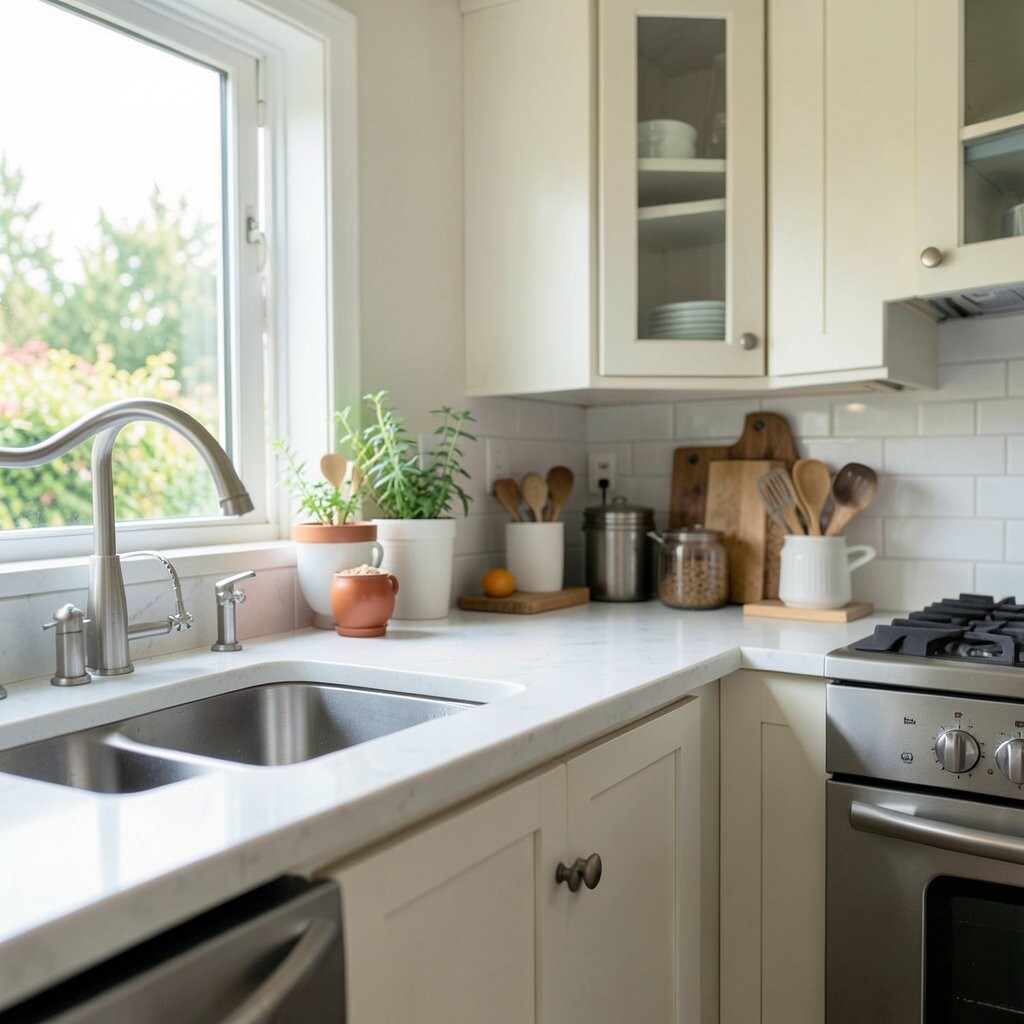
Every cook works in a different way, so a kitchen should match real habits, not just store displays. A setup that feels nice to one person may feel awkward to another.
New cooks often copy what they see in videos or on shelves, then end up with tools they do not reach for. Think about the meals you make, the space you have, and how much you want to spend before you buy more.
Personal choice matters here, and that is what makes a kitchen feel useful. Some people like bright tools, some want plain ones, and some care most about low cost, but the best setup is the one you use with ease every day.