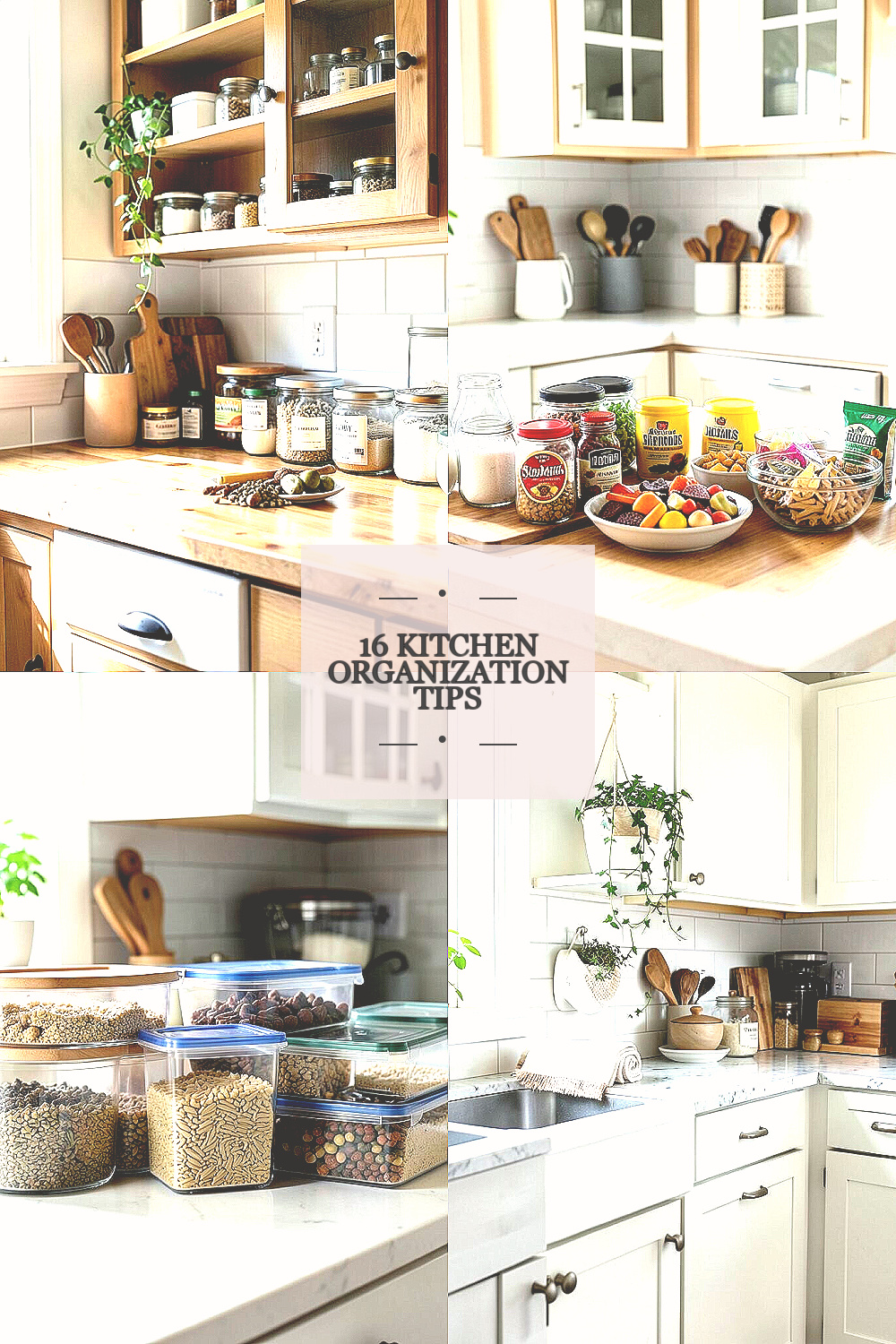
Busy days can make the kitchen feel messy fast. A few simple habits can help keep it neat and easy to use.
1. Make a Home for Daily Items

Start by giving the things you use every day a clear home. Keep plates, cups, snacks, and cooking tools in the same spots so your hands know where to go.
This helps cut down on search time and keeps the counters from filling up. It also makes it easier for kids to put things back, which is a big help on rushed mornings.
Use clear bins, small baskets, or low shelves so items are easy to see. These tools are often low cost, and many stores sell them in simple styles that fit most kitchens.
2. Set Up a Snack Zone

A snack zone can save a lot of time when kids get hungry between meals. Put easy snacks in one drawer, bin, or shelf so everyone knows where to look.
Use see-through containers or labeled boxes for crackers, fruit cups, granola bars, and other quick bites. A neat snack area also helps you spot when supplies are low, so you can add them to your shopping list.
This idea works well in small kitchens because it keeps snack items from spreading all over the pantry. It can also fit different family needs, since you can fill it with healthy foods, school snacks, or weekend treats.
3. Use Clear Containers for Dry Foods

Clear containers make shelves look clean and calm. They also help you see what you have at a glance, which can stop you from buying extra items you do not need.
Use them for pasta, rice, cereal, flour, and oats. Many busy moms like this setup because it makes the pantry easier to use and gives the kitchen a more finished look.
You do not need expensive jars to get this done. Simple plastic bins or glass canisters from discount stores can work well and still look nice on open shelves.
4. Keep a Small Command Spot

A command spot is a small place for notes, keys, school papers, and meal plans. It can be a wall space, a side counter, or even a corner of the fridge.
This helps keep paper piles from taking over the kitchen table. It also makes it easier to check the day’s plans while you make breakfast or pack lunch.
Try a wall pocket, a magnet board, or a simple tray for mail and forms. Many families like this setup because it brings order without taking much space or money.
5. Group Tools by Task

Keep tools together based on what you use them for. For example, put baking tools in one drawer, coffee items in one cabinet, and lunch tools in one bin.
This makes cooking feel smoother because you do not have to move around the kitchen as much. It also helps when someone else needs to help with meals, since the setup is easy to understand.
Try using drawer dividers or small tubs to keep each group in place. This method is simple, low cost, and easy to change if your cooking habits shift over time.
6. Make the Fridge Easy to Read

A tidy fridge can save food and time. Keep leftovers, drinks, and fresh foods in clear spots so you can see what needs to be used soon.
Use bins for yogurt, cheese, fruit, and lunch items. When food is grouped well, kids can help themselves without making a mess, and you can clean the fridge faster.
Many families now use clear bins and label strips because they look neat and work well in busy homes. You can keep this system simple by using what you already have before buying new items.
7. Use Labels That Fit Your Style

Labels can make a kitchen feel much easier to use. They help everyone know where things go, which is useful when many people use the same space.
You can use plain text labels, printed tags, or even hand-written tape labels. Some moms like a clean black-and-white look, while others use soft colors that match their kitchen style.
This is a small change, but it can bring a big payoff in daily life. Labels are also cheap, and you can make them at home with paper, tape, or a basic label maker.
8. Keep Cleaning Supplies in One Spot

Cleaning supplies should be easy to grab when spills happen. Keep dish soap, wipes, sponges, and trash bags in one cabinet or under the sink.
This saves time when you need to clean up fast after meals or craft projects. It also keeps dangerous items away from food and makes it easier to check when things run out.
Use a small caddy or bin to hold bottles and cloths upright. This setup is useful in many homes because it looks neat and can be changed as your needs change.
9. Create a Kid-Friendly Drawer

A kid-friendly drawer can help children help themselves. Fill it with cups, napkins, small plates, and safe utensils that are easy for little hands to reach.
This can build good habits and cut down on the number of times kids ask for help. It also gives them a simple way to take part in daily routines, which can make mornings feel less rushed.
Use a low drawer and add dividers if you want things to stay in place. The cost can stay low if you use a basic tray or repurpose a box from another part of the house.
10. Make Use of Wall Space

Wall space can help free up crowded counters. Add hooks, shelves, or rails for mugs, tools, and small baskets so items are easy to reach.
This works well in small kitchens because it uses space that often stays empty. It also gives the room a lighter look and can make cooking feel less cramped.
Open wall storage is a popular style right now, but it does not have to look fancy. Simple metal hooks or wooden shelves can do the job well and keep costs down.
11. Sort Pots and Pans by Size

Pots and pans can take over a cabinet if they are stacked in a messy way. Sort them by size and keep lids close by so you can find the right piece fast.
Use lid holders, shelf risers, or pull-out racks if your budget allows it. These tools help stop loud clanging sounds and keep heavy pans from falling when you reach for one.
If you want a low-cost fix, try nesting smaller pans inside larger ones. This simple setup can make a deep cabinet much easier to use and clean.
12. Keep a Meal Prep Shelf

A meal prep shelf can make dinner planning easier during a busy week. Put cutting boards, mixing bowls, meal containers, and wrap in one place.
This helps you get ready for lunch packing, school snacks, or quick dinners without hunting through several cabinets. It also makes the kitchen look more open because items are grouped in one zone.
Many families like this idea because it supports batch cooking and simple meal plans. You can use low-cost bins or trays to keep the shelf neat and ready for use.
13. Use Drawer Dividers

Drawer dividers can stop small items from turning into a jumbled pile. They work well for spoons, forks, cooking tools, bag clips, and measuring cups.
This makes drawers look tidy and helps you grab what you need without wasting time. It also makes it easier to tell when you have too many of one item and need to sort through extras.
You can buy adjustable dividers or make your own with small boxes. That gives you room to shape the space in a way that fits your kitchen and your budget.
14. Keep a Donation Bin Nearby

A donation bin can help you clear out items you no longer use. Set it in a pantry corner, garage shelf, or laundry area so it is easy to fill over time.
This is useful for extra mugs, old containers, duplicate tools, and unused gadgets. When the bin gets full, you can take it out and make more room for the things that truly help your family.
Many busy moms like this habit because it keeps clutter from building up again. It also supports a more simple kitchen style, which is a trend many people enjoy right now.
15. Plan for Quick Grab-and-Go Meals

Busy mornings go better when some food is ready to grab fast. Keep lunch items, breakfast bars, fruit, and drink cups in one easy spot.
This can help school days, work days, and after-practice nights feel less stressful. It also cuts down on last-minute searching, which can be one of the biggest pain points in a busy home.
Use small bins or baskets so each meal type has its own place. This setup can be as cheap or as fancy as you want, since even simple plastic bins can work well.
16. Make the System Fit Your Family

The best kitchen system is the one your family can keep using. Think about your space, your habits, and the ages of your kids before you choose what goes where.
Some homes need open shelves, while others do better with closed cabinets. Some moms like a neat, minimal look, while others want bright bins and easy labels that stand out.
Try small changes first and keep what works. A kitchen that fits your real life will feel easier to manage, and it can still look clean, welcoming, and simple without a big cost.