
Summer trips can feel busy, so a clear plan can make each day feel easier. These before and after ideas can help you make better use of your time and money.
1. Beach Day Swap

Before: Pack a full beach day with too many stops, heavy bags, and no clear plan for food or shade. This can leave you tired, sunburned, and spending more than you meant to.
After: Keep the day simple with one beach, one meal plan, and a small bag of items you really need. You can bring a light chair, a cooler, and a towel, which makes the day feel calm and easy.
This kind of plan works well for families, couples, and solo travelers. It also fits current travel trends, since many people want slower days and lower costs.
2. City Walk Rewrite

Before: A city trip may be packed with too many museums, shops, and food stops in one long stretch. That kind of plan can make the day feel rushed and hard to enjoy.
After: Group nearby spots into one walk, then add a café break and a short rest. You get a better look at street art, old buildings, and local life without needing a car or a big budget.
Try making one part of the day free so you can follow a local tip or stop at a place that looks interesting. This gives your trip a more personal feel and can help you spend less on rides.
3. Road Trip Rest Stop Plan
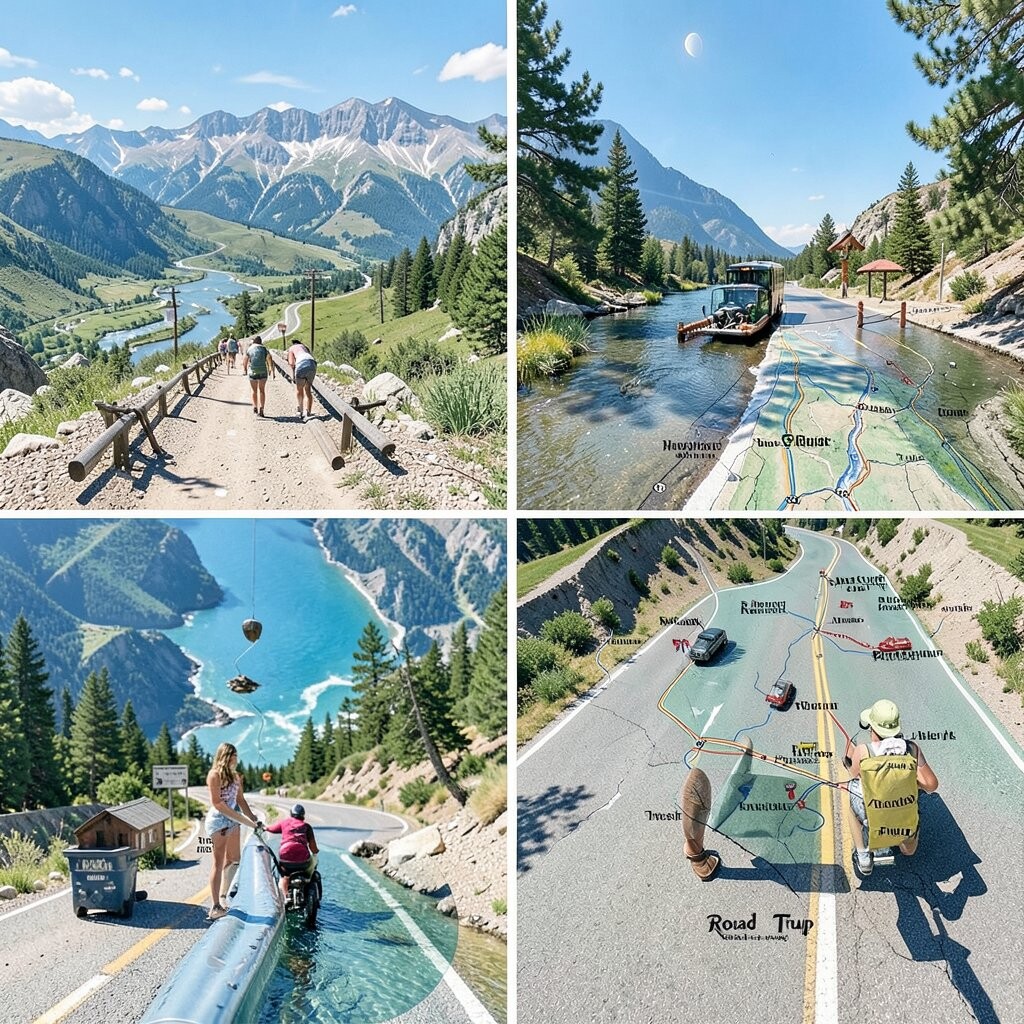
Before: Many road trips turn into long drives with quick gas stops and too little time to enjoy the places in between. That can make the trip feel like a chore instead of a fun summer break.
After: Add short stops at parks, diners, lakes, or small town main streets. These places often give you nice views, a break from the car, and a chance to eat for less.
Pick one or two stops that match your style, like a quiet picnic spot or a busy local market. A road trip feels more special when it has small moments that fit your mood and pace.
4. Island Hopping Edit

Before: Some island trips try to fit in too many ferries, tours, and beach visits in one day. That can lead to stress, missed boats, and extra costs for rides and snacks.
After: Choose one main island base and add only a few side trips that are easy to reach. You can spend more time in the water, take better photos, and enjoy the view without always packing up.
This plan is useful for people who want a mix of rest and movement. It also helps with cost, since fewer transfers usually mean fewer fees and less time wasted.
5. Camping Trip Makeover

Before: A camping plan can go wrong when people bring too much gear, too many meals, and a full list of activities. The result can be a crowded site and more work than fun.
After: Keep the camp setup light with one tent area, easy food, and a short list of things to do. A simple fire meal, a walk in the woods, and time by the water can be enough for a good summer day.
Use a checklist made for your group, since kids, friends, and couples may need different items. This kind of plan also keeps costs down because you buy less and use what you already have.
6. Theme Park Time Saver

Before: A theme park day often starts with no plan, long lines, and a lot of walking back and forth. People may spend more time waiting than riding, which can make the day feel long and tiring.
After: Make a simple route with your top rides, meal times, and a place to rest. Use the park map, mobile app, or a paper note so you can move with less guesswork.
Many travelers now use timed entry and food orders to save time. This helps you spend more of the day on what you came for and less on standing around.
7. Cruise Port Day Plan

Before: A cruise stop can feel wasteful when people get off the ship with no clear plan and end up near the same shops. That can make the port day feel too short and not very useful.
After: Pick one port goal, like a beach visit, a local food stop, or a short guided walk. This keeps the day focused and gives you a better chance to see something real and local.
Choose one easy outfit, one small bag, and one backup plan in case the weather changes. A simple port plan can help you spend less and still get a nice view of the place.
8. Mountain Town Refresh

Before: A mountain trip can get crowded with too many hikes, too many stops, and a hard schedule that leaves no room to rest. The cool air and views may be nice, but the pace can still feel too fast.
After: Mix one easy trail, one scenic drive, and one slow meal in town. This gives you time to see the trees, hills, and rivers without turning the trip into a workout.
Mountain towns often have local shops, small bakeries, and low-key events that cost less than big tourist spots. You can make the trip feel more like your own by choosing the kind of quiet time you enjoy most.
9. Lake Weekend Cleanup

Before: A lake weekend may start with too many snacks, too many toys, and no thought for shade or cleanup. That can leave your car messy and your group tired by the end of the day.
After: Pack a small set of items, like towels, water, sunscreen, and one or two games. A neat setup by the water can look calm and feel much easier to manage.
This kind of trip works well for groups with mixed ages because it gives room for both play and rest. It also keeps spending in check, since lakes often have low entry costs or free public spots.
10. Food Trip Balance
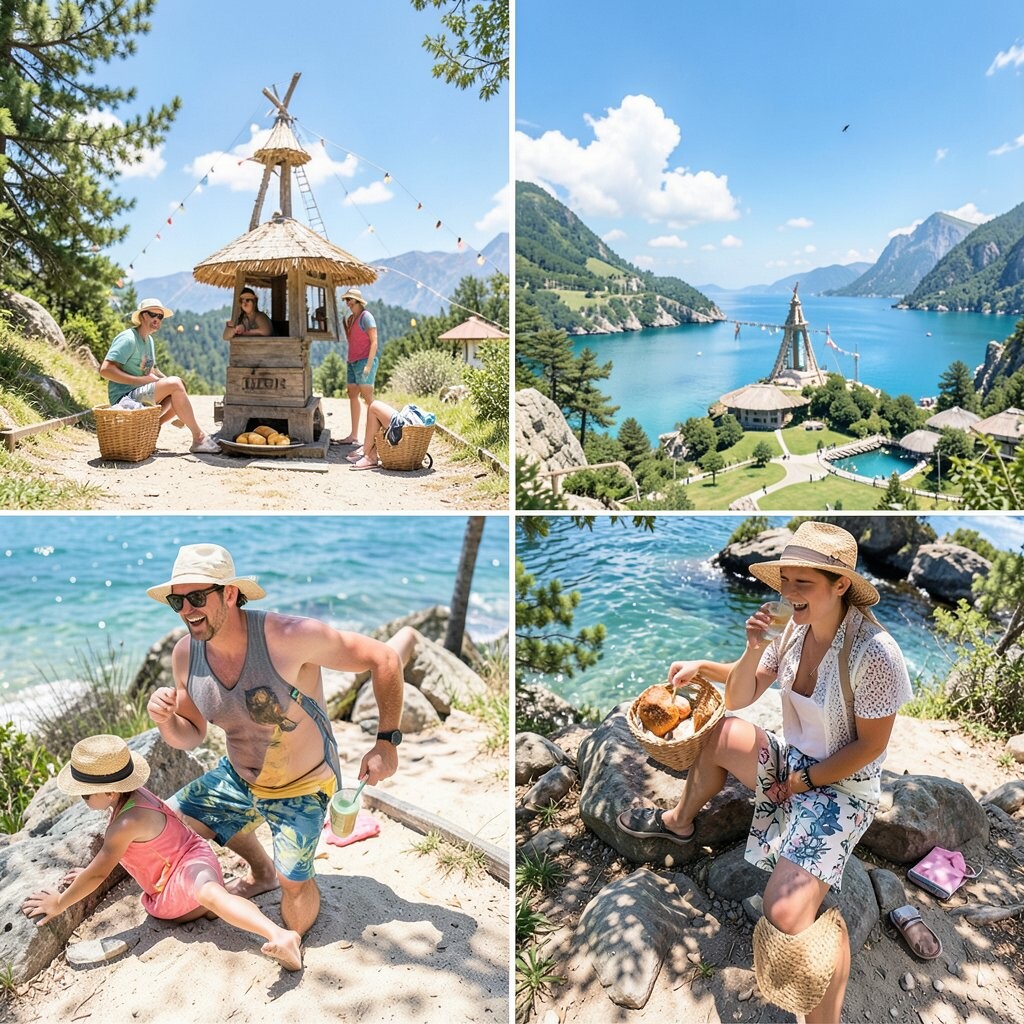
Before: A summer food trip can turn into one big list of famous places with long waits and high bills. That can make the day feel more like a task than a meal plan.
After: Build your route around a few local spots, a market, and one special meal. You get more taste variety and a better sense of the area without trying every place in one day.
Ask locals for tips on what to try, since their picks are often cheaper and more real than the most talked-about stops. This style also fits a growing trend of casual food travel with less pressure and more choice.
11. Home Base Day Split

Before: Some summer trips keep changing hotels or rentals, which can make packing feel endless. Moving too often can also raise costs and make it hard to settle in.
After: Use one home base and plan day trips from there, so you unpack once and keep your things in one place. This can save money, cut stress, and give you more time to enjoy each day.
Choose a base that fits your style, like a beach town, a city edge, or a quiet village. A good home base makes it easier to add your own touch to the trip and keep the whole plan simple.

