
Summer trips with kids can feel busy, but good planning can make them much easier. Small choices before you leave can help the whole family have a calmer and happier trip.
These tips can help you save money, cut stress, and keep kids busy on the road. They also make room for simple fun, so the trip feels good for everyone.
1. Pick a Trip That Matches Your Child’s Age

A trip that works for a toddler may not work for a teen, so age matters a lot. A beach day, city walk, or short road trip can fit different kids in different ways.
Young kids often do best with short rides, open space, and easy plans. Older kids may want more choice, such as a museum stop, a water park, or a hike with a clear goal.
This kind of fit helps kids stay in a better mood and helps parents avoid too much stress. It can also save money, since you can pick places that fit your child instead of paying for things they will not use.
2. Keep the First Travel Day Very Light

The first day of a summer trip often sets the tone for the whole visit. If you pack too much into that day, kids can get tired fast and the trip can start with tears or grumpy faces.
Try to keep the first day open and simple. A short drive, one meal out, and a little time by the pool or in a park can be enough.
This gives kids time to settle in and get used to the new place. It also gives you room to deal with delays, lost bags, or traffic without feeling rushed.
3. Pack a Small Bag for Each Child

A small bag for each child can make travel much easier. Put in snacks, a water bottle, a book, a toy, wipes, and one comfort item like a soft blanket or stuffed animal.
Kids like having their own things close by, and it can help them feel more in charge. It also cuts down on the “Can I have that?” problem that can happen when all the items are in one big bag.
Use clear pouches or bright bags so each child can spot their own stuff fast. This simple trick is cheap, easy, and useful on planes, trains, cars, and hotel stays.
4. Plan Breaks Before Kids Ask for Them

Kids often wait too long to say they need a break, and then they get upset fast. If you plan stops ahead of time, you can avoid that crash.
On road trips, look for parks, rest stops, or picnic spots where kids can move around. On city trips, build in calm time at the hotel, on a bench, or at a shady spot.
Planned breaks help kids reset and give parents a chance to rest too. They also make the trip feel less packed, which can help everyone enjoy the day more.
5. Use Snacks as a Travel Tool

Snacks are not just for hunger. They can help with mood, boredom, and long waits, which is why they are one of the best summer travel tools for kids.
Try easy foods like crackers, fruit, cheese sticks, pretzels, or small cereal bags. Mix in a few treats so the snack bag feels fun, but keep some healthy choices too.
Buying snacks before the trip usually costs less than buying them at airports or gas stations. You can also pack foods that fit your child’s needs, such as low-sugar snacks or items that do not make a mess.
6. Pick Fun Stops Instead of Long Stretches

Long stretches with no change can make kids restless fast. A mix of short stops can turn a plain drive into a better part of the trip.
Look for small places with a fountain, playground, farm stand, or ice cream shop. These stops give kids a reason to look out the window and stay calm between rides.
This trend is popular because it makes travel feel less like waiting and more like part of the fun. It can also be cheaper than adding a big attraction every day.
7. Bring a Few Quiet Games
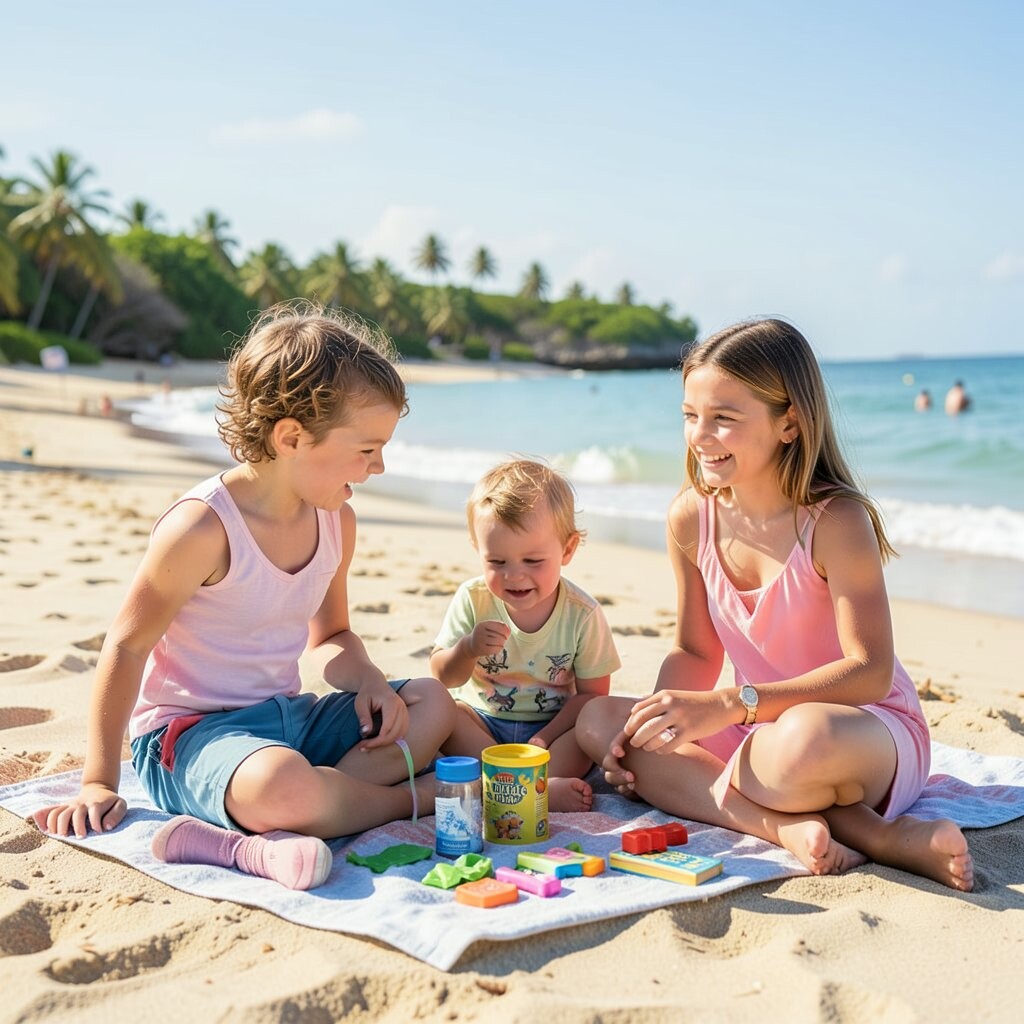
Quiet games are helpful when kids need to sit still for a while. Simple games like “I Spy,” card games, sticker books, and travel puzzles can work well in small spaces.
Choose games that match your child’s age and attention span. A younger child may like matching cards, while an older child may enjoy word games or a small sketch pad.
These games help pass time without a screen all day. They also give kids a break from noise and can make shared time feel more friendly.
8. Use Screens With Clear Limits

Screens can help on long travel days, but they work best with clear rules. If kids know when and how long they can use a tablet or phone, they may argue less.
Download shows, games, and music before you leave so you do not depend on weak Wi-Fi. Bring headphones for each child if you can, since that keeps the car or plane quieter for everyone.
This is a common travel trend because it is simple and low cost if you already own the device. Still, it works best when you mix screen time with other things, like snacks, games, and rest.
9. Choose Places With Water Play

Water play is a big summer win for many kids. Pools, splash pads, lakes, and beach areas give kids a place to cool off and move their bodies at the same time.
Water spaces also look bright and fun, with kids laughing, running, and jumping through sprays or waves. That kind of setting can help the whole family feel more relaxed in hot weather.
Many water spots are low cost or free, which helps families save money. Just make sure to bring towels, swim gear, sunscreen, and a close eye on safety.
10. Make the Hotel Room Feel Like Home

A hotel room can feel strange to kids at first, especially after a long day of travel. Small touches can help the room feel calmer and more familiar.
Bring a night light, a favorite pillow, a small toy, or a bedtime book from home. If your child likes a certain sleep sound, a phone app or small sound machine can help too.
This can make bedtime easier and cut down on middle-of-the-night wakeups. It is a simple way to help kids rest better, which also helps parents get more sleep.
11. Give Kids a Small Job on the Trip

Kids often do better when they have a job to do. A small task can make them feel useful and can help them stay focused on the trip.
You can ask one child to keep track of snacks, another to hold the map, or another to count red cars on the road. Older kids may like to help with the schedule or check off places you visit.
This gives the trip a personal feel because each child has a role. It can also cut down on complaints, since kids are busy in a simple and clear way.
12. Leave Room for a Little Spontaneity
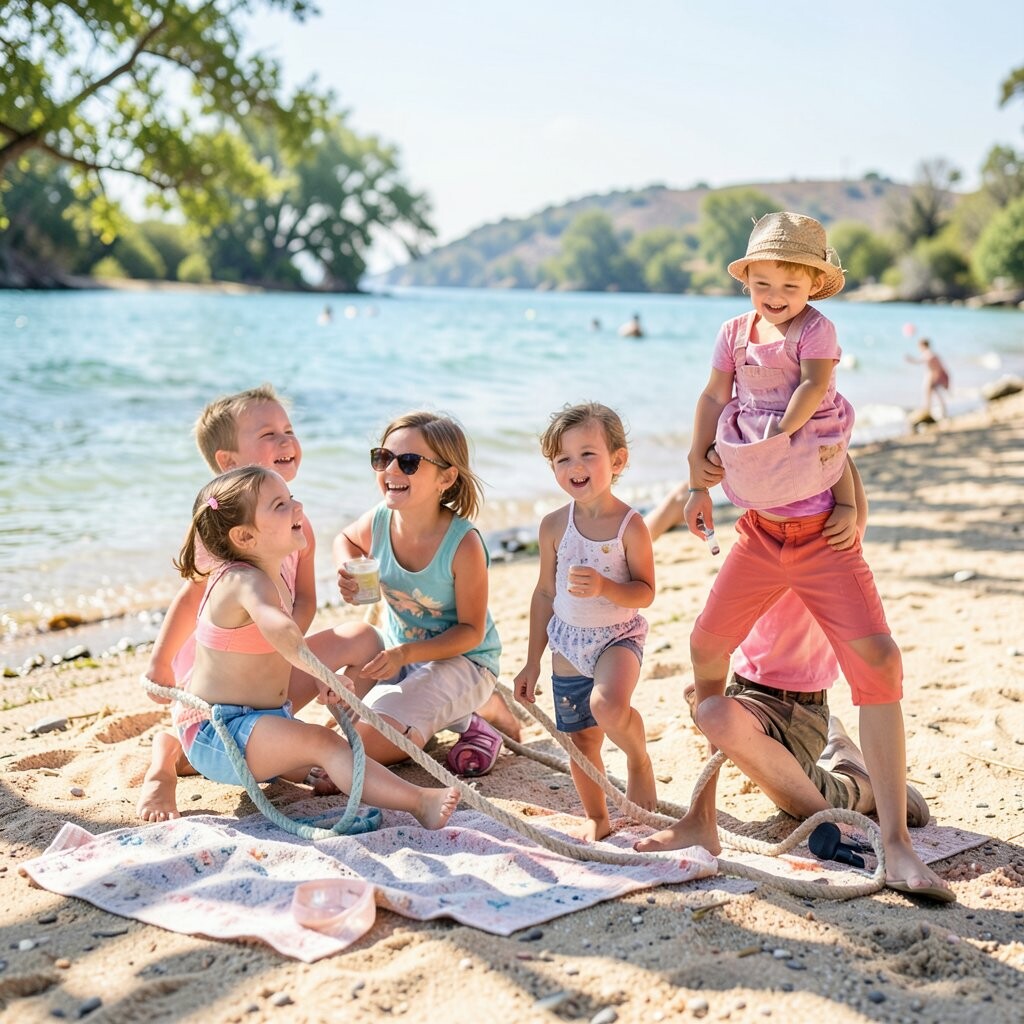
Good plans matter, but a little room for change can make summer trips more fun. Kids often enjoy the surprise of a new park, a street fair, or a quick stop for ice cream.
If you keep one part of the day open, you can follow the mood of the family. That can be helpful when the weather changes, a line is too long, or kids need a slower pace.
This style is popular because it feels more natural and less stiff. It can also help you find low-cost fun that was not on your original plan.
13. Take Photos That Show Real Moments

Travel photos do not need to be perfect to be good. Some of the best ones show sandy shoes, messy hair, big smiles, or kids sleeping in the car.
Try to take a mix of posed shots and quick real-life pictures. You can also let kids take a few photos, since they may notice small things like shells, signs, or snacks in a very different way.
These photos help you remember what the trip felt like, not just where you went. They also let kids look back and see that the trip was full of simple, real moments they helped create.