Traveling with pets can be simple when you plan ahead and keep your pet’s needs in mind. A good trip can feel calm, safe, and fun for both of you.
1. Plan the route with pet breaks in mind
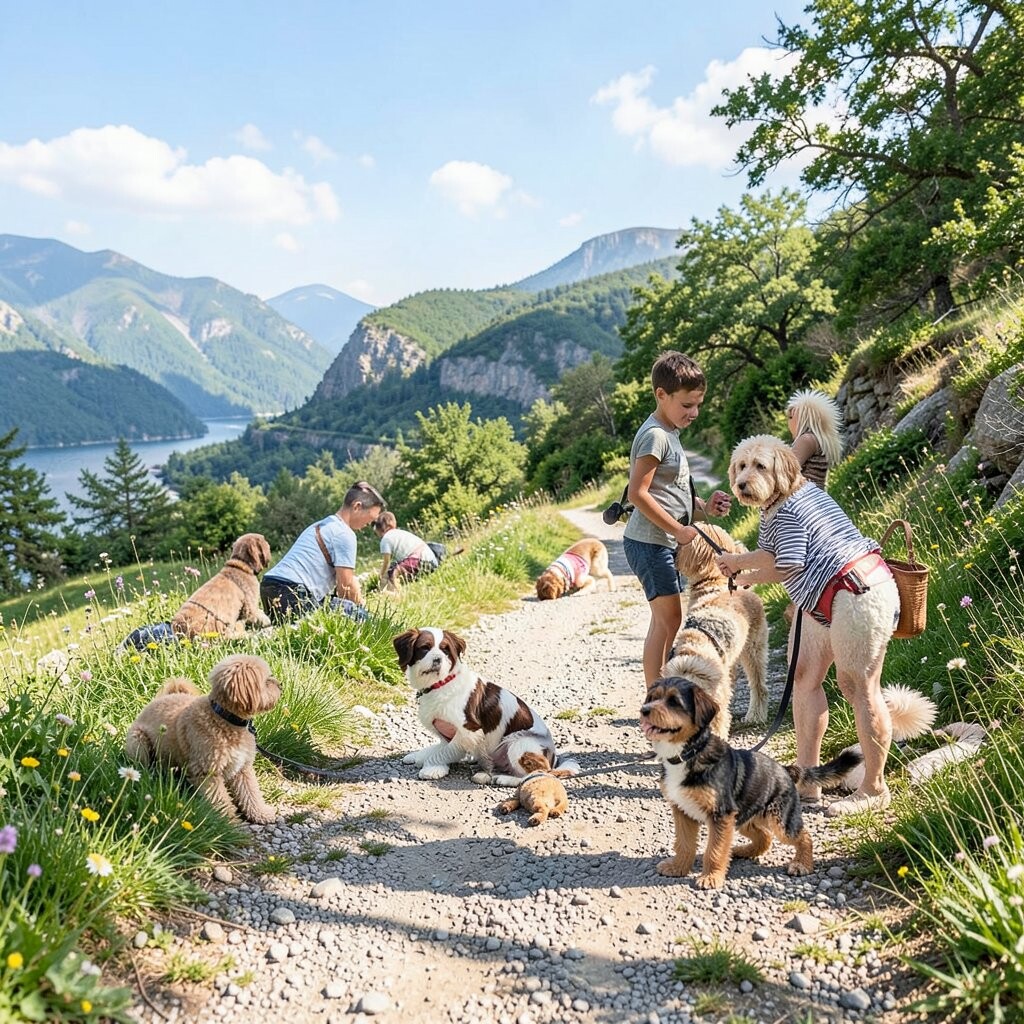
A trip goes better when you map out stops before you leave. Look for rest areas, parks, and pet-friendly spots where your dog or cat can stretch, drink water, and relax.
This helps cut stress and makes the ride feel less long. It also gives you more control over costs because you can pack food and water instead of buying them on the road.
Many pet owners now use travel apps to find safe stops and pet-friendly places fast. That small bit of planning can make the whole day feel smoother and more relaxed.
2. Pack a pet travel bag
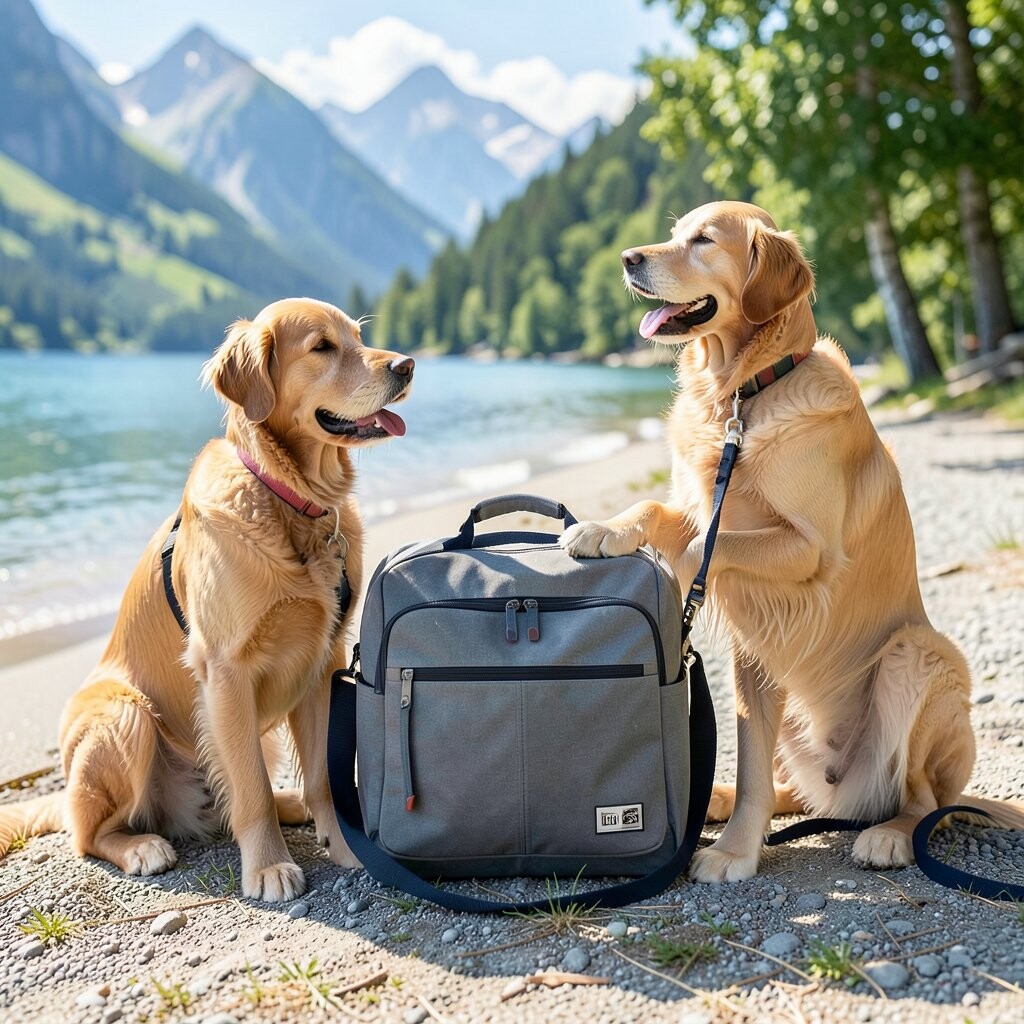
A small travel bag for your pet keeps things neat and easy to reach. Put in food, water, bowls, waste bags, wipes, a leash, a brush, and any medicine your pet needs.
This kind of bag saves time and helps you avoid last-minute store runs. It also makes your pet feel more at home because you can keep their normal items close by.
Try to use a soft bag with pockets so you can sort items by type. Clear packing also helps if you are sharing the car or staying in a hotel with a tight space.
3. Bring familiar items from home
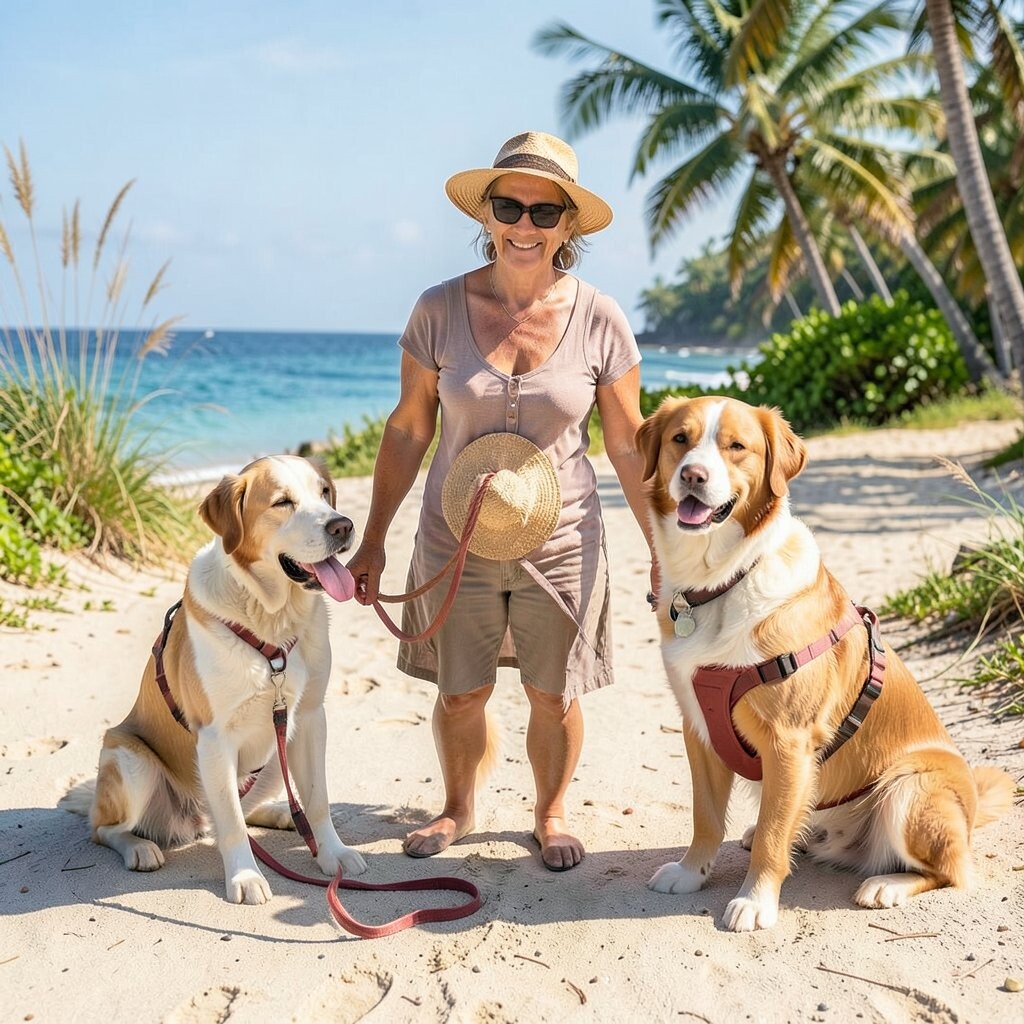
Pets often feel better when they have a blanket, bed, or toy that smells like home. A plain, used item can calm them more than a new one because it feels known and safe.
This is a simple way to help with nerves in cars, planes, or new rooms. It can also help your pet sleep better, which makes the trip easier for everyone.
Many people now pack one favorite item instead of a lot of gear, since it saves space and cost. A small touch like this can make a new place feel less strange to your pet.
4. Keep your pet safe in the car

A pet should not move loose in a car, since that can be unsafe for both of you. Use a pet seat belt, crate, or car seat made for animals so they stay in one place.
This helps with sudden stops and keeps your pet from jumping into the front seat. It also lowers stress because many pets feel better when they have a set spot.
Choose a setup that fits your pet’s size and habits. Some pets like a soft carrier, while others do well with a seat harness and a blanket.
5. Make water easy to reach
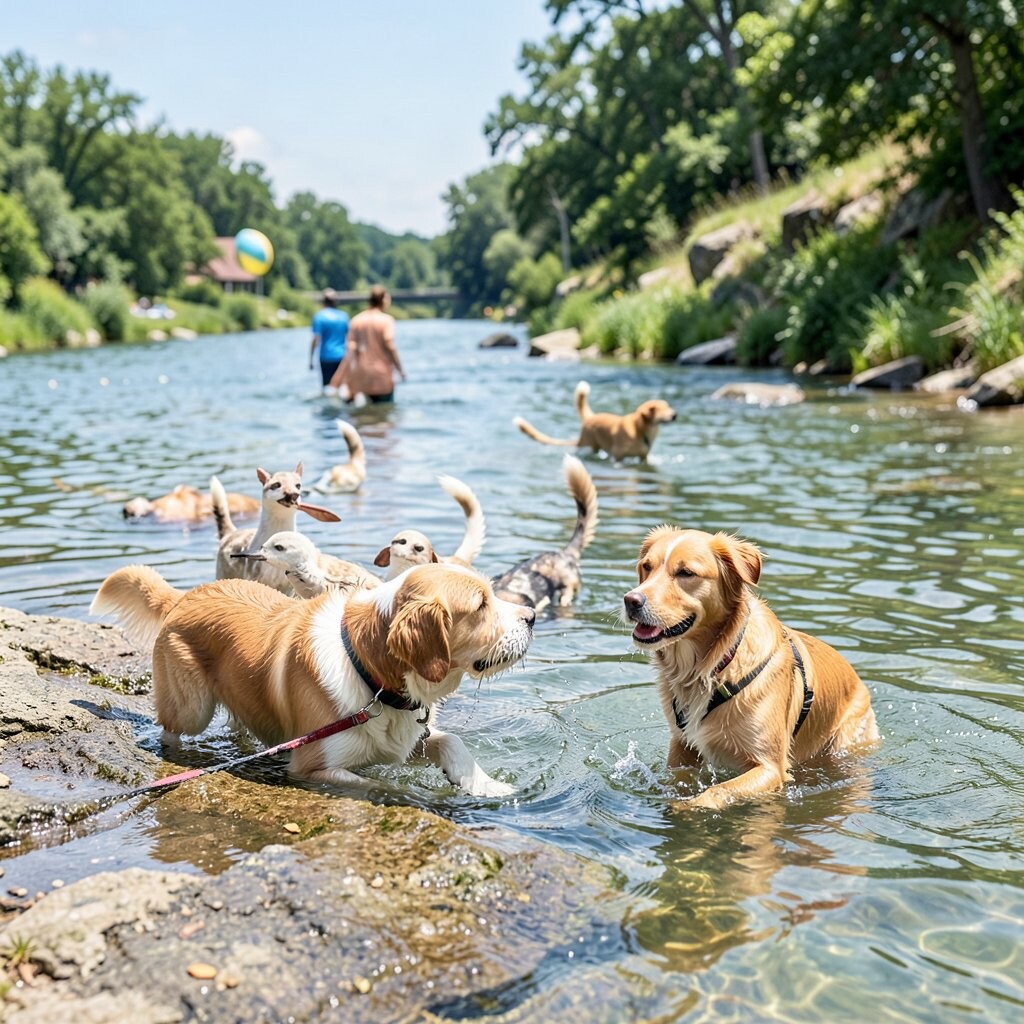
Pets can get hot and thirsty fast in summer travel. Keep fresh water close and offer it often, even if your pet does not ask for it.
A foldable bowl or spill-free bottle can help a lot on the road. These items are low-cost and easy to carry, which makes them a smart pick for trips of any size.
If your pet is picky, bring the same bowl they use at home. A familiar bowl can help them drink more, especially in new places with new smells and sounds.
6. Watch the heat closely
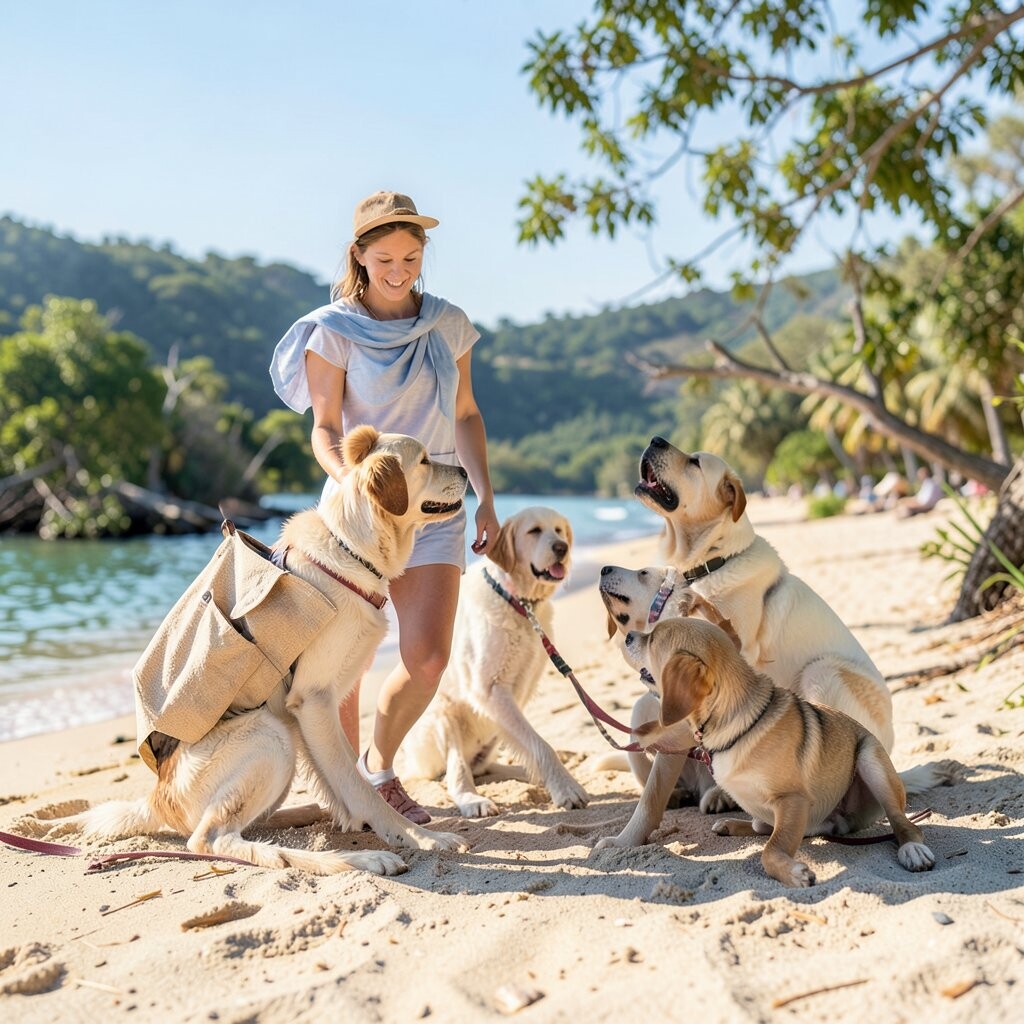
Summer heat can be hard on pets, even for short trips. Never leave a pet alone in a parked car, since the inside can get hot very fast.
Try to travel early in the day or later in the evening when the air feels cooler. This can help your pet stay calm and can also make walks and potty breaks more pleasant.
Many pet owners now check the weather before every stop, not just the start of the trip. That small habit can help you avoid heat stress and choose shady places to rest.
7. Pick pet-friendly places to stay
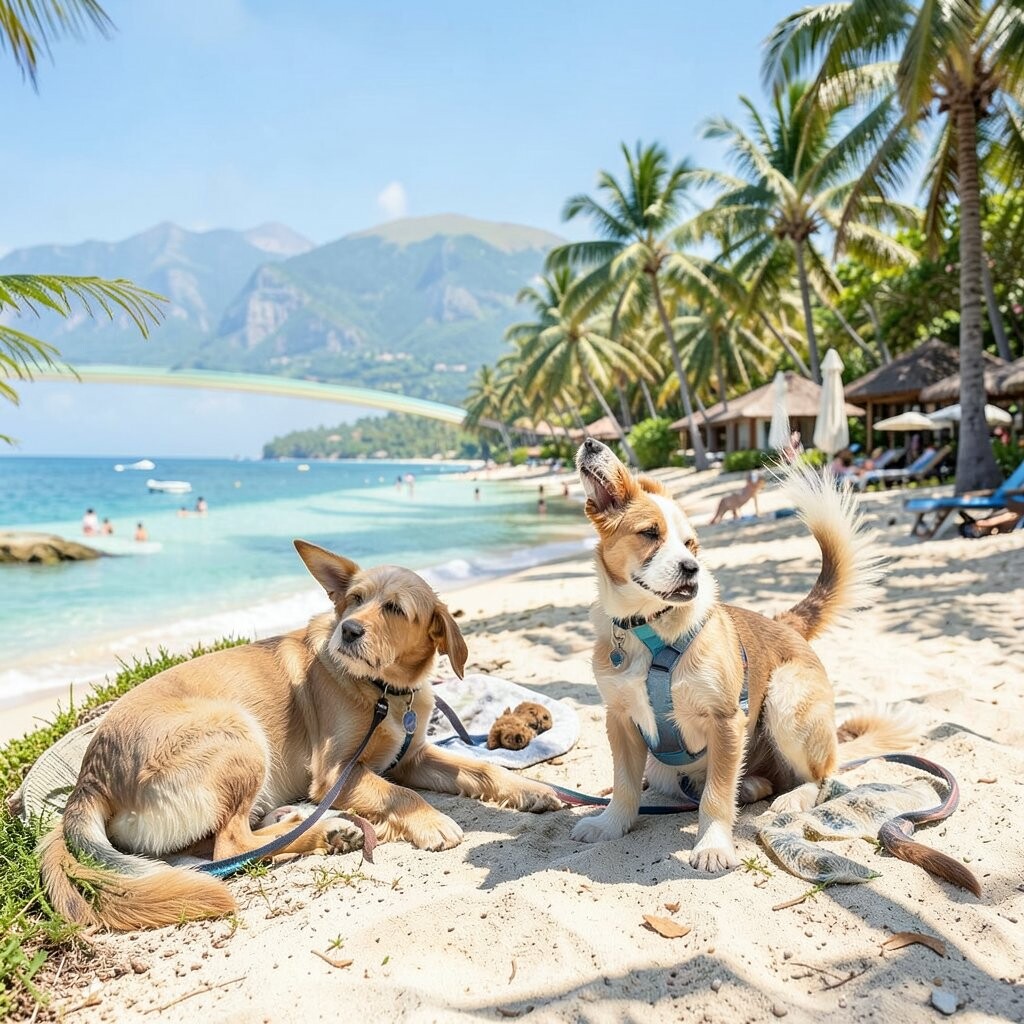
Not every hotel or rental allows pets, so check the rules before you book. Look at fees, size limits, and any extra cleaning costs so you do not get a surprise bill.
Some places now offer pet beds, bowls, and small welcome kits, which can make travel easier. These extras are nice, but they can also raise the price, so compare options before you choose.
A room near a ground-floor exit can be helpful for late walks and quick potty breaks. That small choice can save time and make the stay feel less busy.
8. Keep meals on a normal schedule
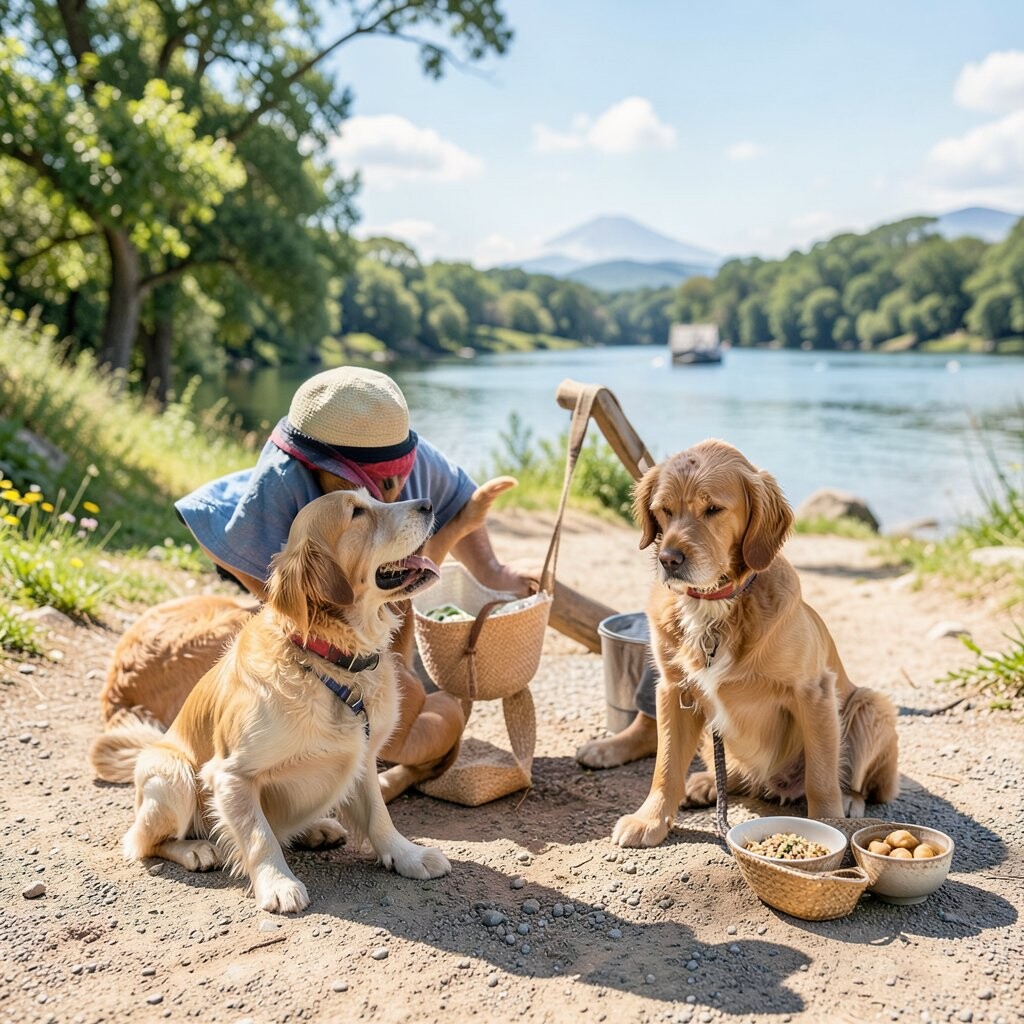
Pets often do best when meals stay close to their home routine. Try to feed them at the same times you usually do, and use the same food if you can.
This can help avoid upset stomachs and messy cleanups in the car or hotel. It also gives your pet a steady rhythm, which can lower stress during a busy trip.
If your pet gets nervous while riding, give smaller meals instead of one large one. That simple change can help with motion sickness and make travel more comfortable.
9. Use short walks and play breaks
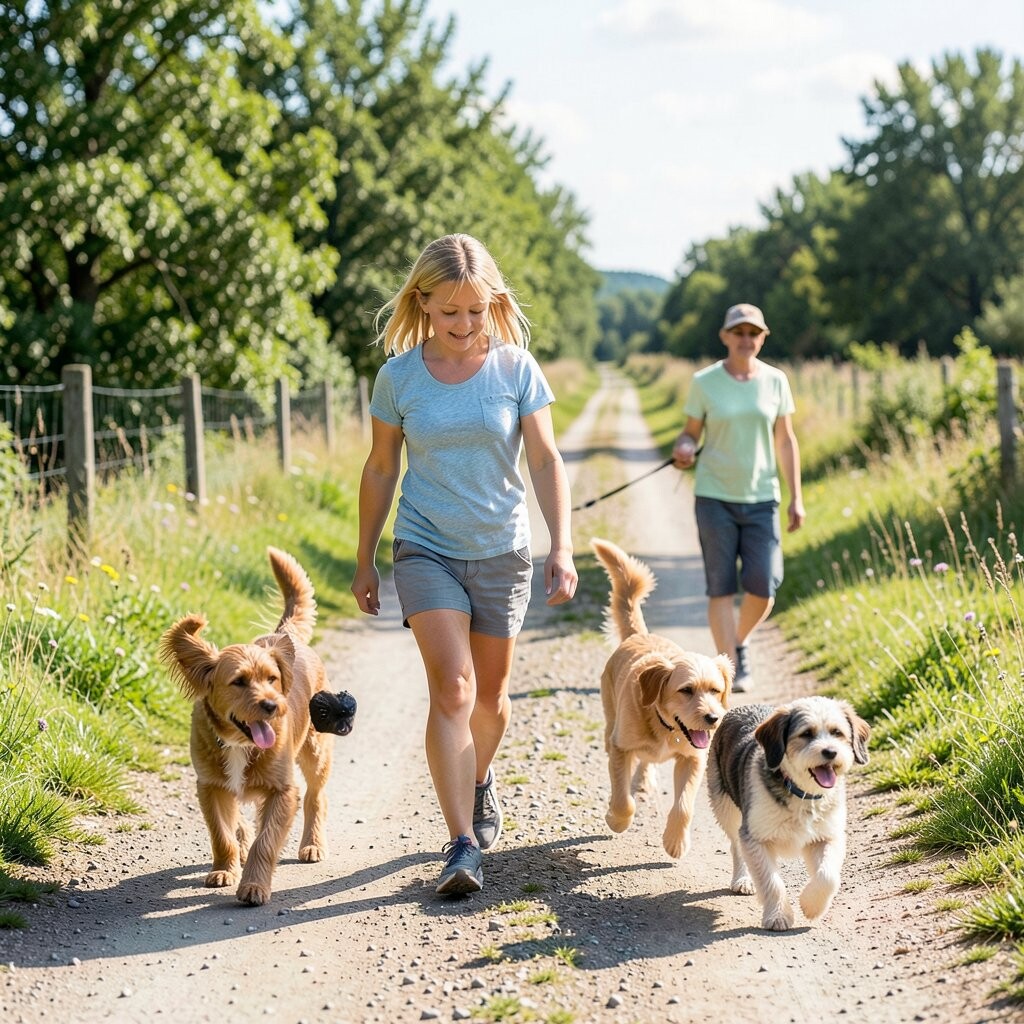
Short walks can help pets burn off extra energy and stay calm on the road. A quick game of fetch or a short leash walk can make a big difference after long sitting time.
These breaks also give you a chance to check paws, water, and overall mood. A pet with a clear routine often acts more settled and less restless.
Look for grassy areas, shaded paths, or quiet corners where your pet can move around safely. Many travelers now plan these breaks into the day, since they help both pets and people feel less stuck.
10. Keep ID and health papers ready
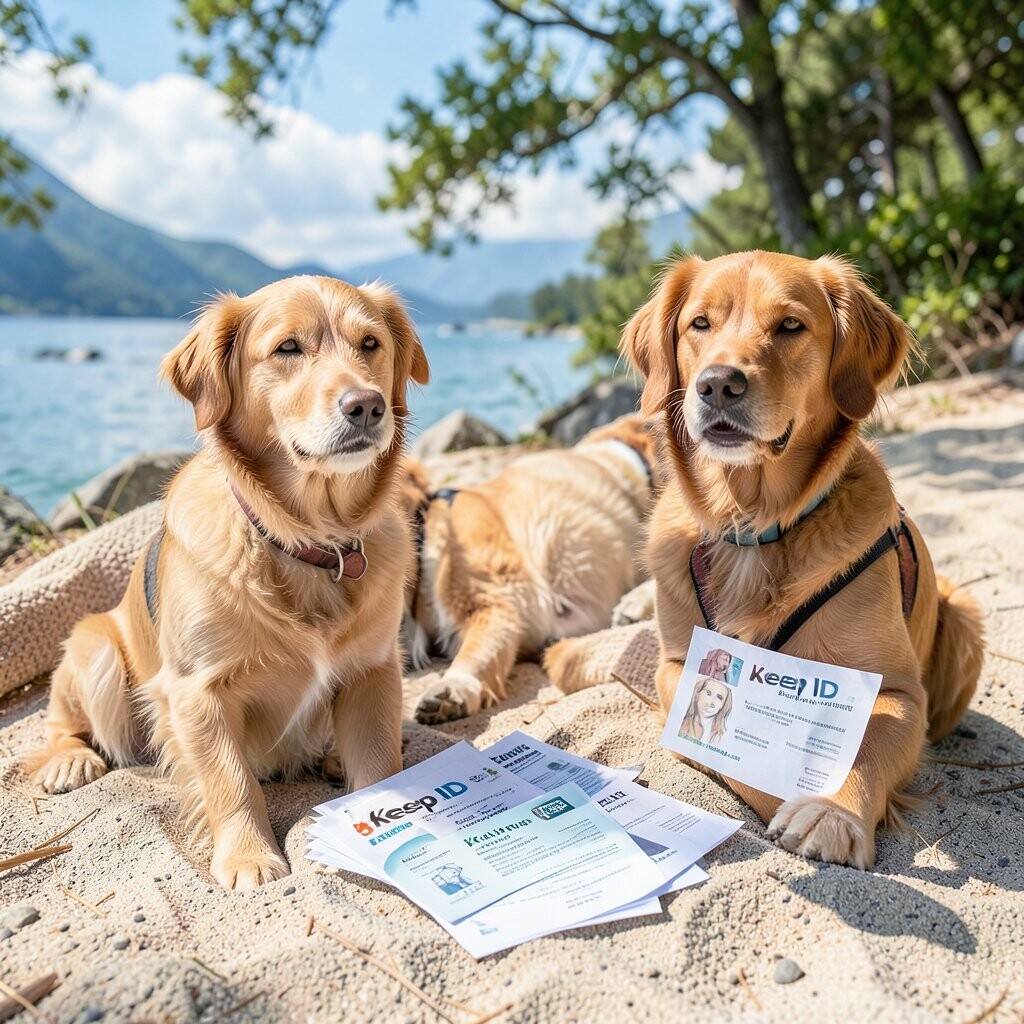
Bring your pet’s ID tag, microchip info, and health records with you. If you cross state lines or stay at a new place, these papers can help if someone needs to check your pet’s care.
This is also useful if your pet gets lost or needs a vet visit far from home. A simple folder or phone file can save time and help you handle a problem faster.
Some airlines, hotels, and parks may ask for proof of shots or other records. Keeping everything in one place makes the trip feel more organized and less rushed.
11. Think about your pet’s personality
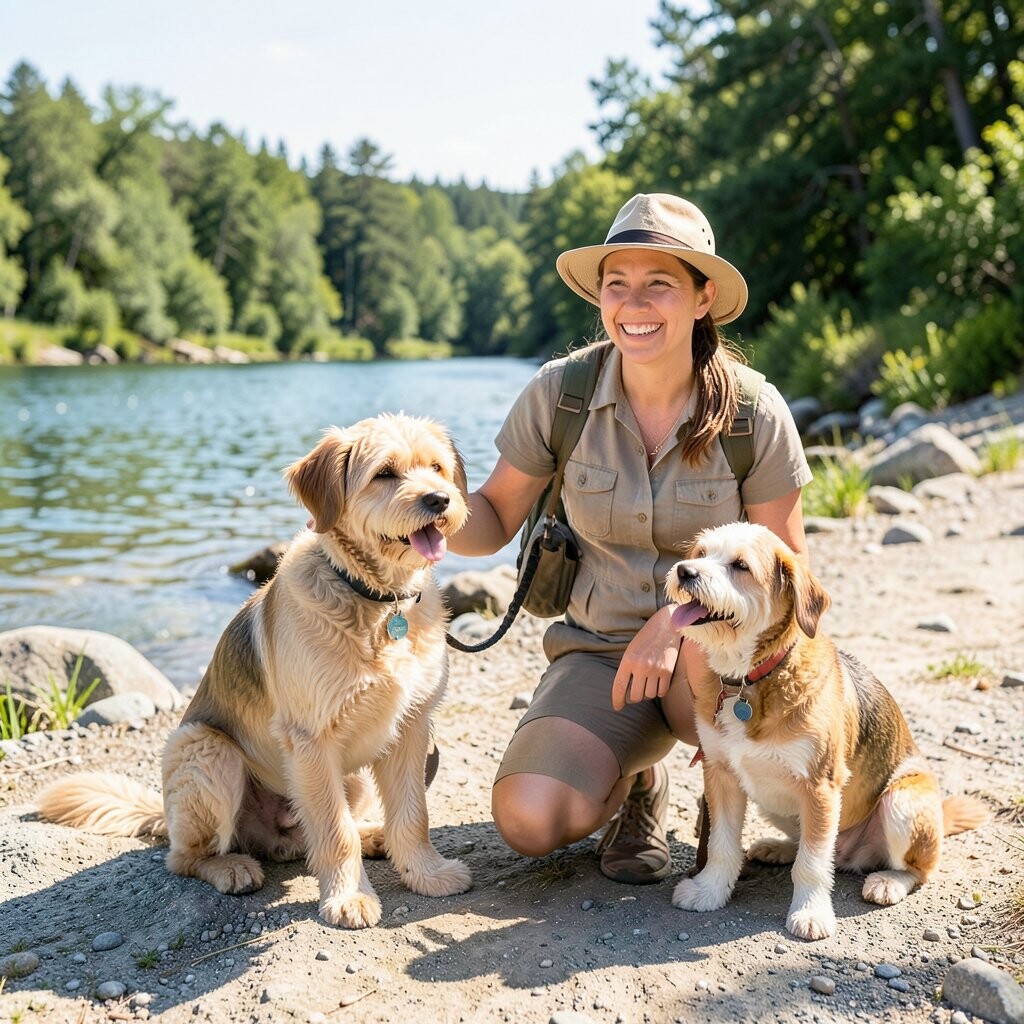
Every pet is different, so a good plan for one pet may not fit another. A shy cat may need a quiet carrier, while a social dog may like more stops and more people time.
When you match the trip to your pet’s style, you can avoid a lot of stress. That personal touch also helps you make better choices about routes, rooms, and daily plans.
Some pets do well with busy places, but others need calm spaces and less noise. Pay attention to what your pet seems to enjoy, and build the trip around that as much as you can.
12. Keep the trip simple and flexible
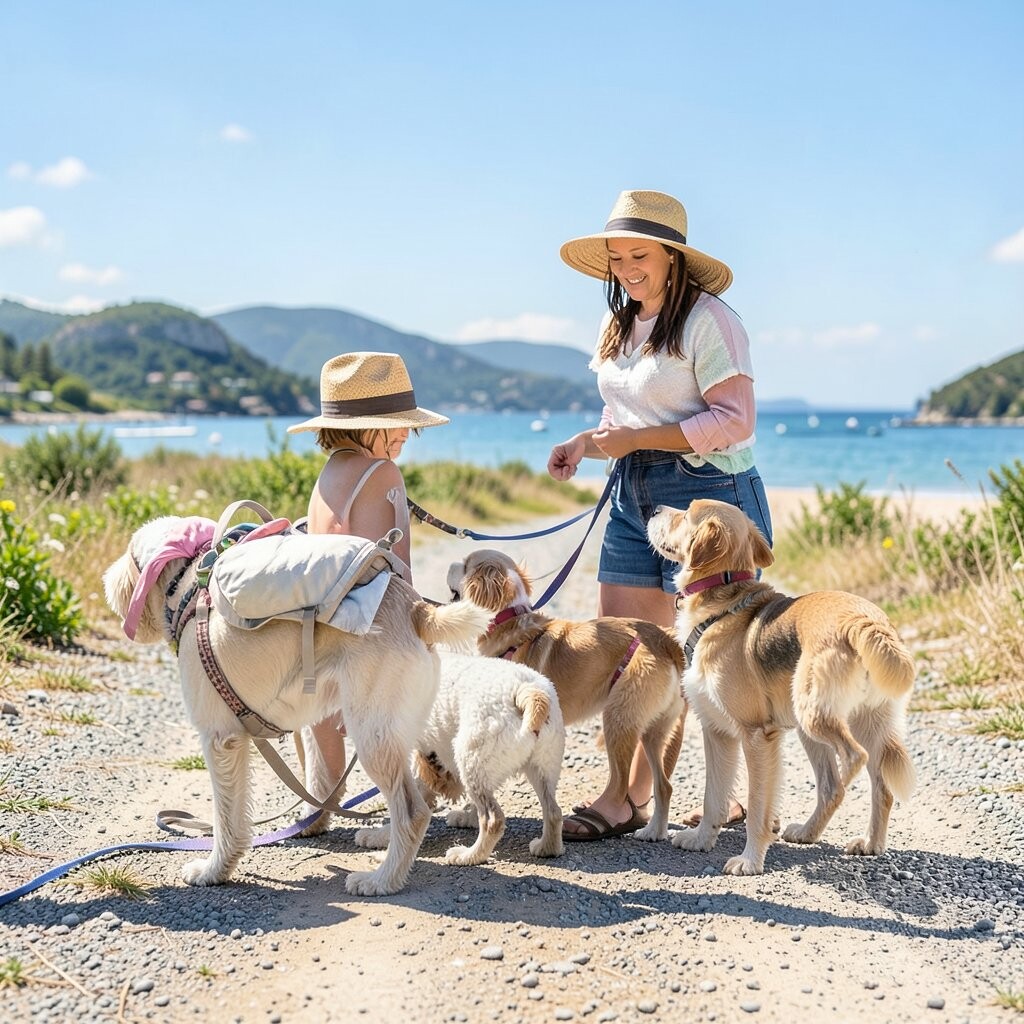
Summer travel with pets works best when you do not pack the day too full. Leave room for delays, extra bathroom breaks, and time to rest if your pet seems tired.
This simple style can save money too, since you may not need as many paid stops or last-minute pet services. It also fits a trend many travelers like now: slower trips with fewer hard plans.
When you stay flexible, you can change plans without worry if the weather shifts or your pet needs more care. That makes the trip feel easier and helps you enjoy the time you spend together.