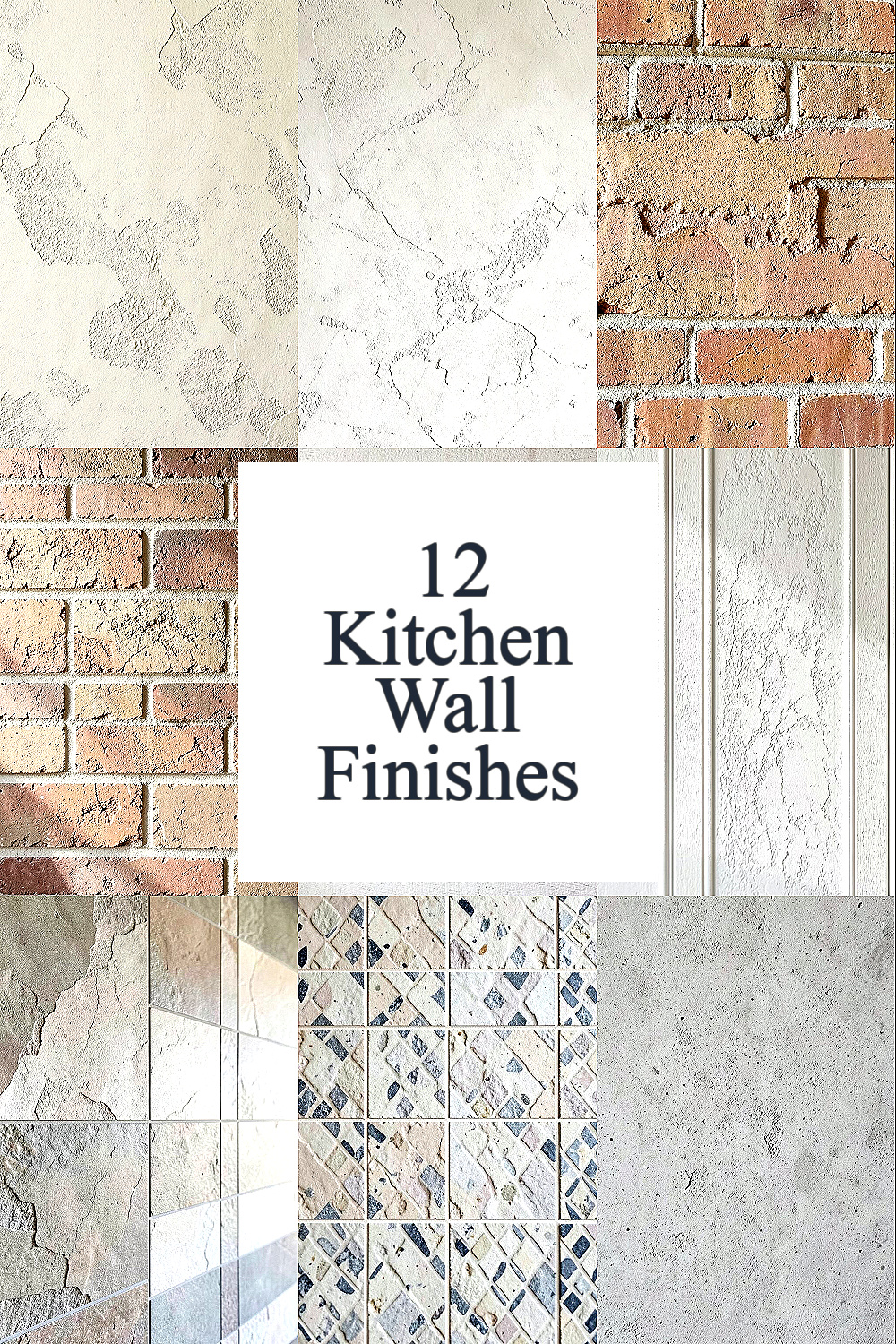
Kitchen wall finishes can change how a room looks and feels. Some bring soft touch, some add depth, and some help with cleanup.
1. Limewash Paint

Limewash paint gives walls a soft, cloudy look that feels calm and lived-in. It has a light brush mark finish that makes plain kitchen walls look less flat.
This finish works well if you want a low-cost update that still feels special. It can hide small wall marks better than a smooth paint job, which is useful in busy kitchens.
Many people like limewash because it fits both old homes and newer ones. You can keep the color light for a quiet look or use a deeper tone for more depth.
2. Venetian Plaster

Venetian plaster has a smooth but rich feel with a soft shine. It gives walls a stone-like look that can make a kitchen feel more finished.
This finish is known for its depth and small color shifts, so the wall changes a bit as light moves. It can cost more than paint, but many people like it because it feels high-end without needing strong patterns.
If you want this look, ask for a sample board first. That helps you see how the finish will look next to your cabinets, counters, and floor.
3. Exposed Brick

Exposed brick adds rough texture and a warm, honest look. It can make a kitchen feel older in a good way, with a wall that has real touch and detail.
This finish is popular in loft-style homes and in kitchens that mix old and new pieces. It can be left natural or painted for a softer color story.
Brick walls are strong and do not need much care, but they may need sealing to help with grease and dust. If full brick is too costly, brick veneer can give a similar look for less money.
4. Brick Veneer

Brick veneer gives the look of brick without the full weight or price. It has a real texture that feels close to brick, but it is easier to add to many wall types.
This is a smart choice for renters or people who want a faster project. It can work behind open shelves, around a range hood, or on one accent wall.
Color choice matters here, since red brick feels warm while white brick feels lighter. A matte sealer can help keep the wall easy to clean in a kitchen.
5. Shiplap

Shiplap uses flat wood boards with small gaps or lines between them. It brings a neat pattern that feels simple, clean, and a little rustic.
This finish can make a kitchen seem wider because the lines guide the eye across the wall. It is a good fit for farmhouse looks, but it can also work in modern rooms with the right paint color.
Wood boards can cost more than paint, yet they often add a lot of charm for the price. If you want less upkeep, use painted MDF or similar boards made for indoor walls.
6. Beadboard

Beadboard has thin vertical grooves that give walls a gentle texture. It feels classic and tidy, and it can make a kitchen look more cared for.
This finish is often used on lower walls or as wainscoting, which also helps protect the wall from chairs and splashes. It is a good way to add detail without making the room feel busy.
White beadboard is still a common choice, but soft green, blue, and cream are also popular now. It is usually not too costly, so it works well for smaller budgets.
7. Tiled Feature Wall

Tile adds a hard, cool surface with many texture choices. You can use smooth tile, handmade tile, or small uneven tile for more touch and shadow.
A tiled wall is useful near sinks and cooking areas because it is easy to wipe clean. This makes it one of the best picks for both style and daily use.
Handmade-style tile is a strong trend because it has small changes in shape and glaze. If you want to save money, use tile in one key area instead of covering the whole wall.
8. Zellige Tile

Zellige tile has a hand-cut look with slight size changes and a shiny surface. The small uneven edges make the wall feel alive, not too perfect.
This finish works well when you want a kitchen to feel warm and personal. Light hits each tile in a different way, so the wall can look different from morning to night.
Zellige can cost more than plain ceramic tile, and it often needs careful install work. To keep the look calm, use simple cabinets and plain counters around it.
9. Concrete Finish

Concrete walls have a smooth, cool touch with small marks that give them character. The look can feel modern, plain, and strong at the same time.
This finish is good for kitchens that use black, gray, wood, or metal. It helps create a clean backdrop that does not fight with other parts of the room.
Concrete can be made with real material or with a paint and plaster look for less cost. If you want a softer feel, pair it with warm lights and wood shelves.
10. Textured Wallpaper

Textured wallpaper gives you pattern and touch without major wall work. Some styles look like linen, grass cloth, brick, or woven fabric.
This is a nice option if you want a quick change and a lower price than tile or plaster. It can also be easier to swap out later if your taste changes.
In kitchens, pick wallpaper made for damp rooms or use it away from heavy splash zones. Soft neutral colors are common, but bold patterns are also showing up more in modern homes.
11. Wood Slat Wall

Wood slats bring thin lines, warm grain, and a calm rhythm to a kitchen wall. The look feels neat and modern, but still soft enough for a home space.
This finish can help a plain kitchen feel more planned and personal. It also works well if you want to add texture without using stone or tile.
Wood slats can cost more than paint, yet you can save by using them on one wall or a small nook. Stained wood gives a rich look, while painted slats feel lighter and more casual.
12. Mixed Material Wall

A mixed material wall uses two or more finishes together, like wood and tile or plaster and brick. This gives the kitchen layers that you can see and feel.
This kind of wall is a good way to make the room match your own style. You can keep one part simple and let another part stand out near shelves, a sink, or a cooking zone.
Mixed walls are a strong trend because they feel custom, even when the parts are simple. They can cost more if you use many materials, but smart planning can keep the budget under control.