Summer is a good time to visit places with old stories and strong local roots. These trips can be simple, calm, and full of useful things to see and do.
History fans can make each trip fit their own style, from old towns to battle sites and museum streets. A good plan can keep costs in check and make the days feel easy.
1. Walk the Stone Streets of Old European Towns
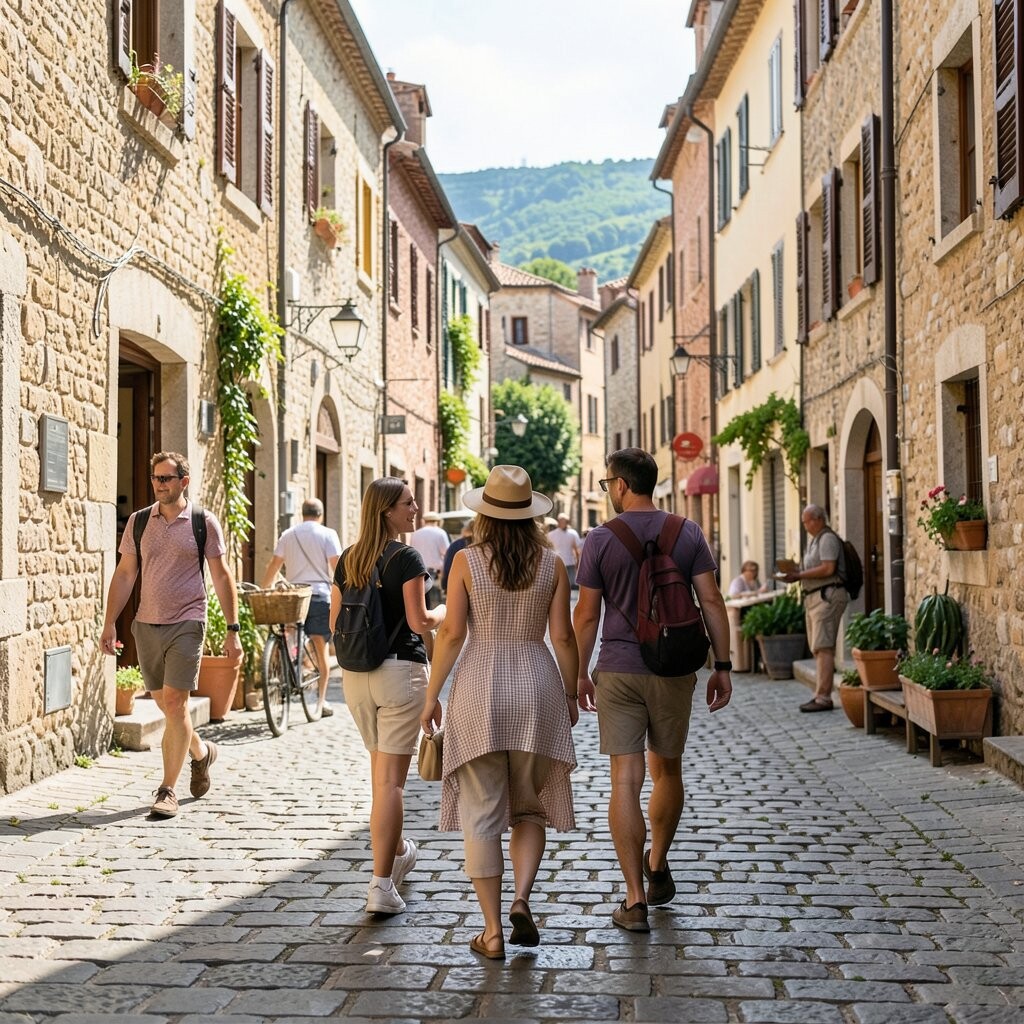
Old European towns give you narrow lanes, stone homes, and small squares that still feel lived in. You can often see church towers, market halls, and old walls all in one walk.
This kind of trip works well for people who like slow days and simple plans. Many towns are easy to enjoy on foot, so you can save money by skipping cars and long rides.
To make the trip fit your style, pick a town with a past that matches your interests, like trade, kings, or old crafts. Try an early walk when the streets are quiet, and bring a small guide or phone map so you can notice signs and dates.
2. Follow the Road of Ancient Ruins
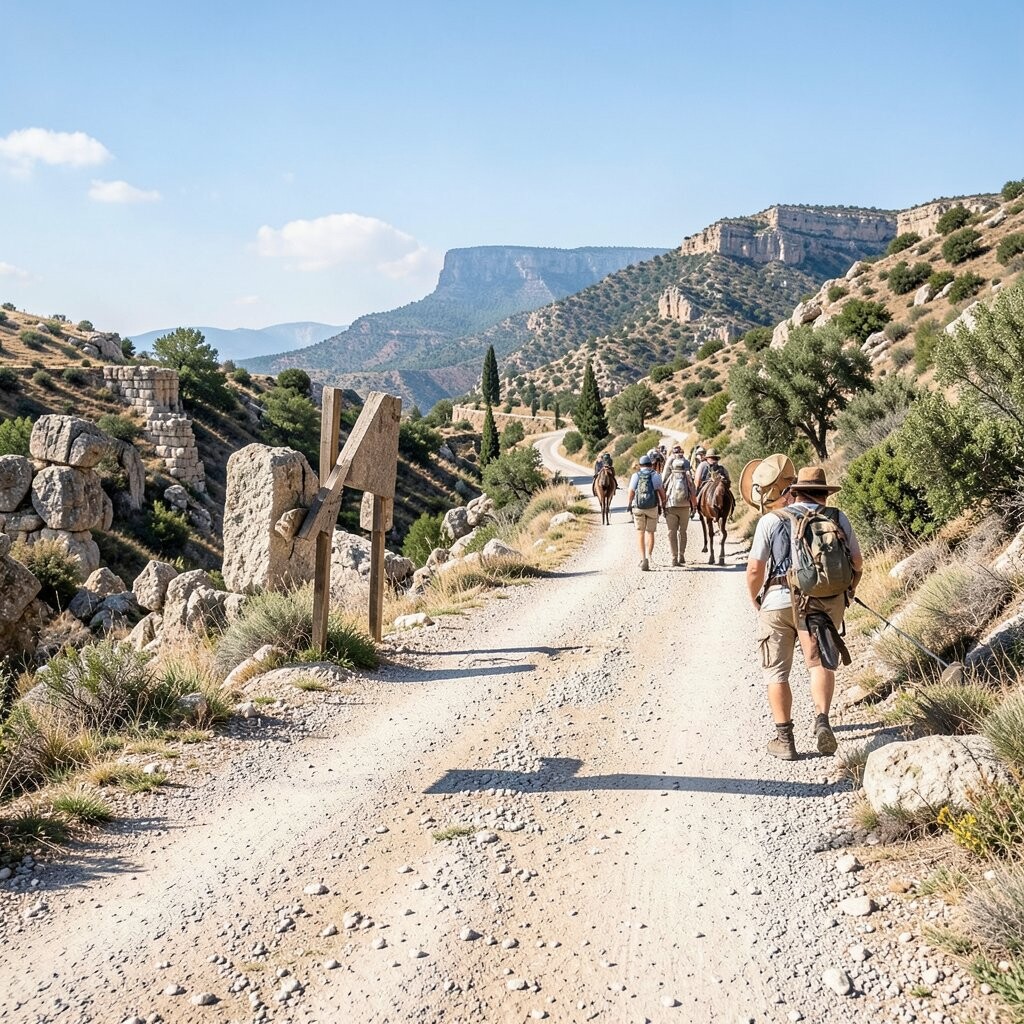
Ancient ruins can feel very real when you stand near worn columns, broken walls, and old steps. The setting is often open and bright, with dry grass, blue sky, and wide views all around.
These sites are often low cost, and some are free or only ask for a small entry fee. They are also good for people who want fresh air, easy walking, and a clear look at how old people built things.
A useful tip is to go early before the heat gets strong, since many ruins have little shade. If you want a more personal trip, read a short story about the site before you go, so the place feels less like stones and more like a lived past.
3. Spend Time in a Colonial Harbor Town
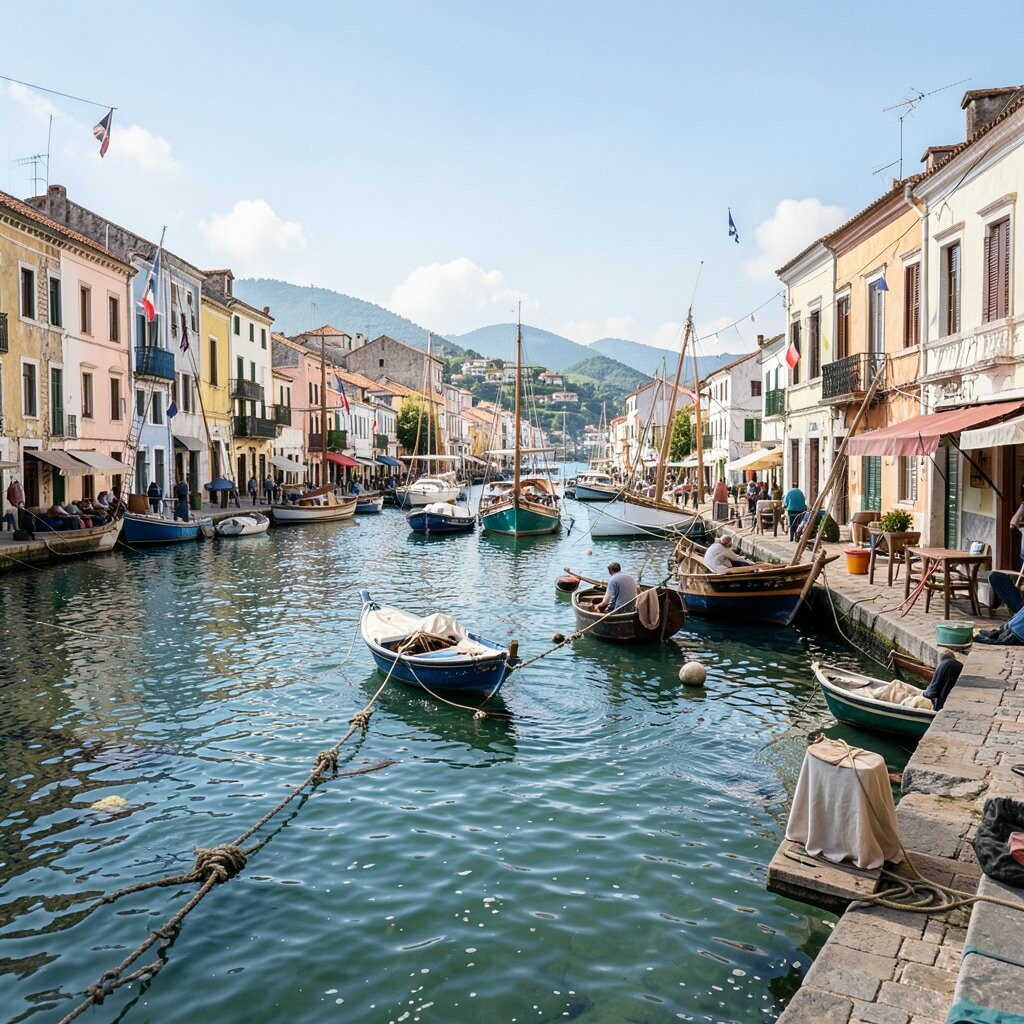
Colonial harbor towns often have old docks, painted homes, and streets that seem to point toward the water. You may hear gulls, see boats bobbing in the port, and smell salt in the air.
These towns can show how trade, travel, and sea life shaped daily life long ago. They are also nice for budget travel because you can walk a lot, eat at small local spots, and skip pricey tours if you want.
Look for a harbor walk, a small history room, or a restored warehouse area to get a fuller view of the town. If you enjoy food as part of history, try a local dish that came from old sea trade, since that can add a nice personal touch.
4. Visit a Civil War Battlefield in Summer Green
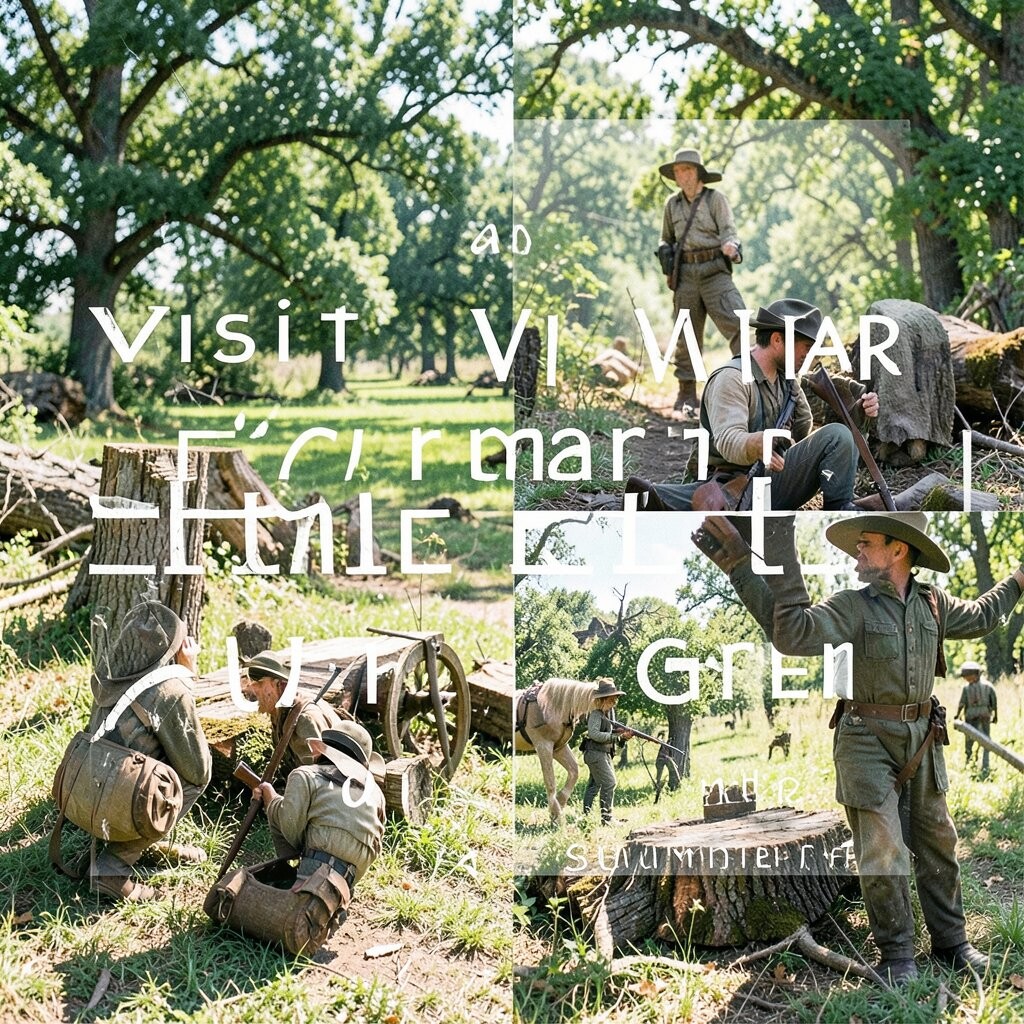
A battlefield in summer often looks calm and green, even if the place holds hard stories. Open fields, low fences, and old markers can help you picture troop lines and camp areas.
This kind of trip can help you learn in a clear way because the land itself gives clues. It can also fit many budgets, since many sites charge little or nothing and have free walking paths.
Bring water, a hat, and a short list of names or events you want to learn about, so the visit feels focused. If you like quiet places, go on a weekday morning, when the site may feel less busy and easier to take in.
5. Take a Museum and Market City Break
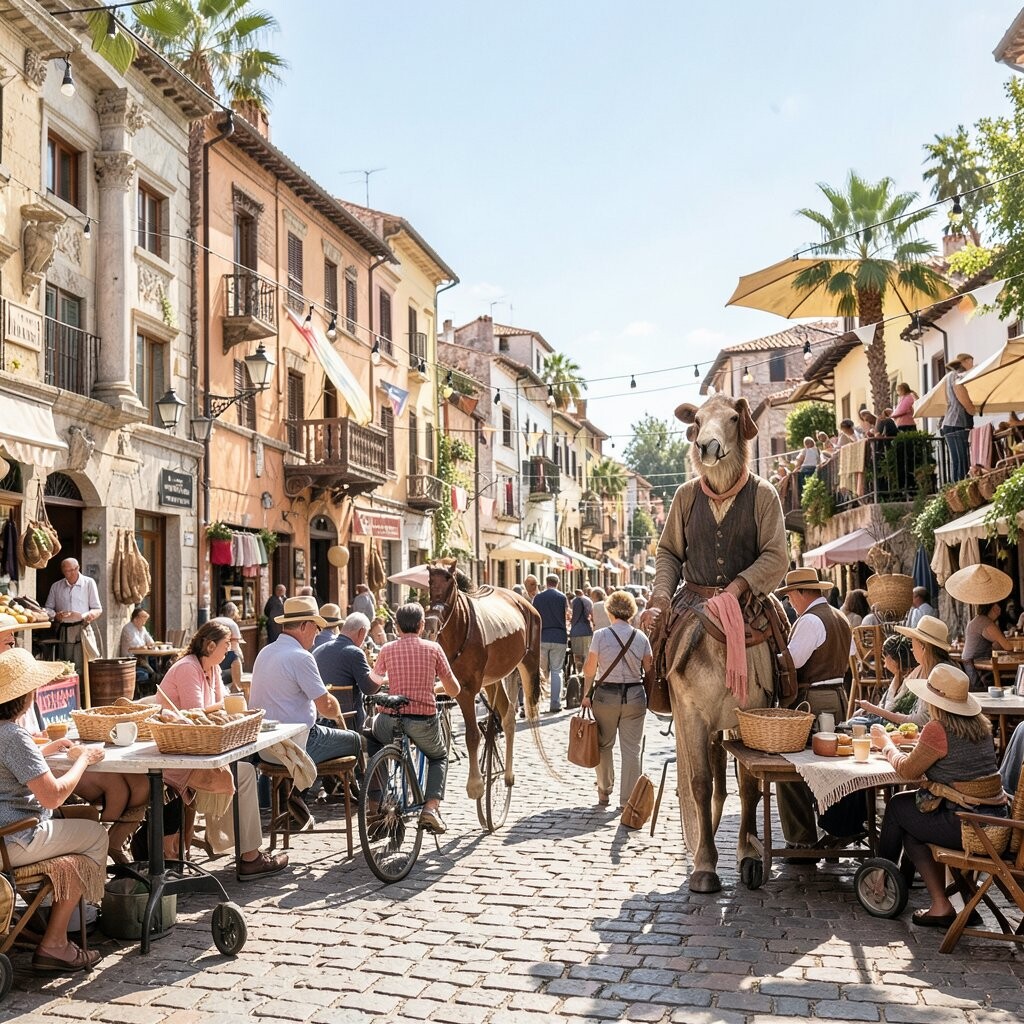
Some cities mix old museums with busy street markets, which makes them great for a history trip with variety. You can see old tools, art, maps, and then step outside to streets full of color and sound.
This kind of trip is good for travelers who want both learning and daily life in one place. It is also easy to shape to your budget, since you can pick one paid museum and then spend the rest of the day in free public spaces.
Try to plan your day around one main museum and one market area, so you do not feel rushed. If you want a more personal trip, look for a small museum about a part of history you care about, like ships, food, or local work.
6. Ride the Rails Through Old Industrial Towns
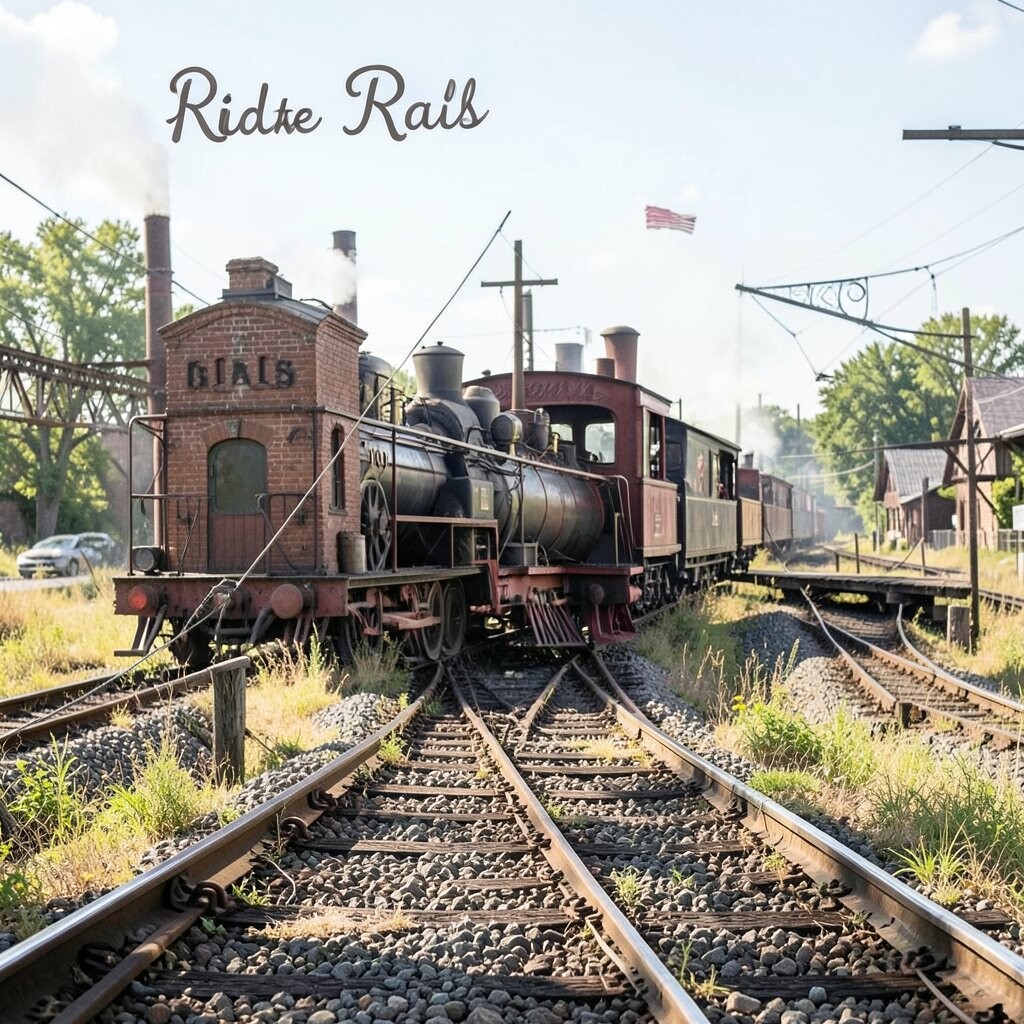
Old industrial towns often have brick mills, tall chimneys, rail lines, and river edges that tell a strong work story. The look can be rough but still rich, with old buildings set near water and tracks.
This theme works well for people who like how daily work shaped modern life. It can also be a smart way to travel on a budget, since train trips are often cheaper than many short flights and can link several towns in one route.
When you plan this trip, look for local museums, old factory tours, or preserved worker homes. A good tip is to mix one rail ride with one walking day, so you can see both the old transport system and the town streets at an easy pace.
7. Spend a Week in a Castle and Fortress Region
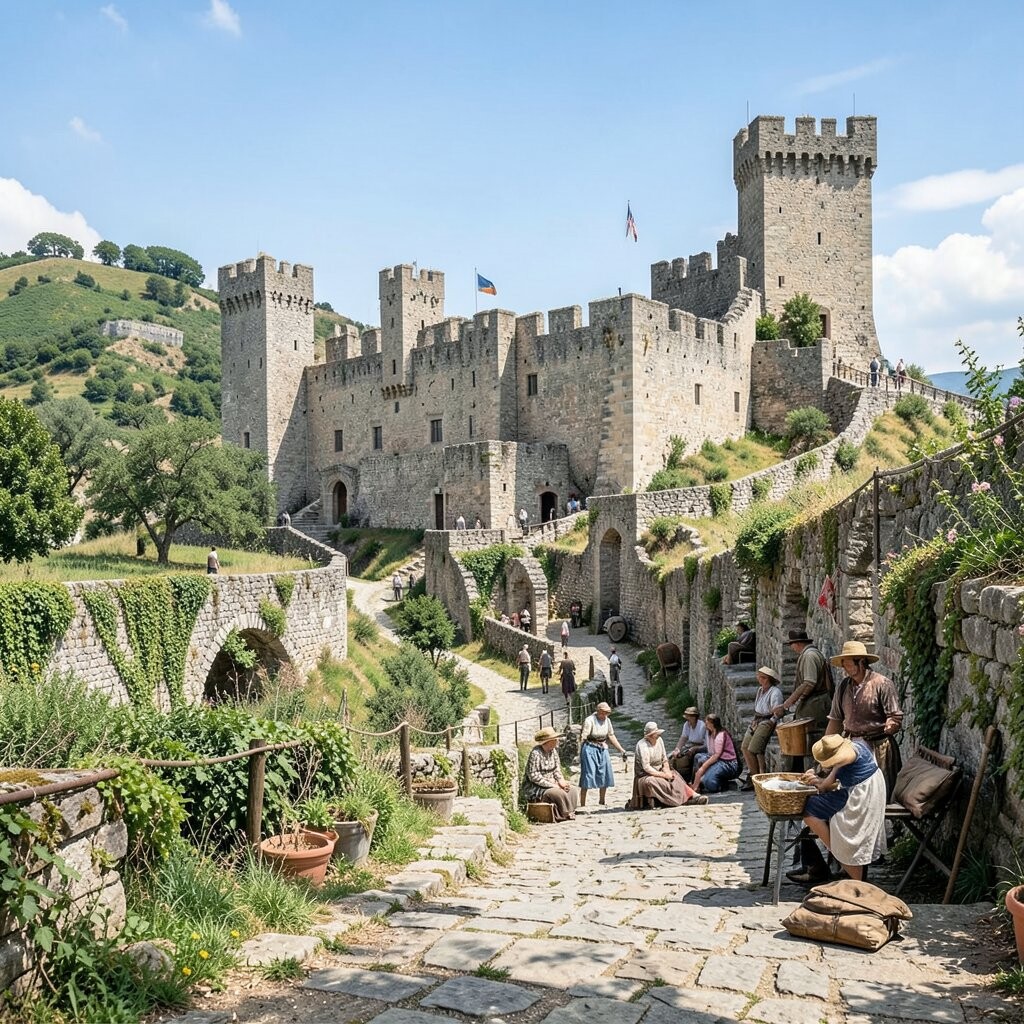
Castle regions often have high stone walls, towers, and hill views that stand out right away. In summer, the grass may be bright green, and the stone can look warm in the sun.
These places are great for people who like strong visual scenes and clear signs of old power. Many regions also offer more than one site, so you can visit a main castle, a smaller fort, and a village museum without long drives.
To make the trip your own, pick castles with different uses, such as royal homes, border forts, or sea defenses. Tickets can add up, so check for combo passes or city cards that may lower the cost if you plan to see more than one site.
8. Follow a Native Heritage Trail
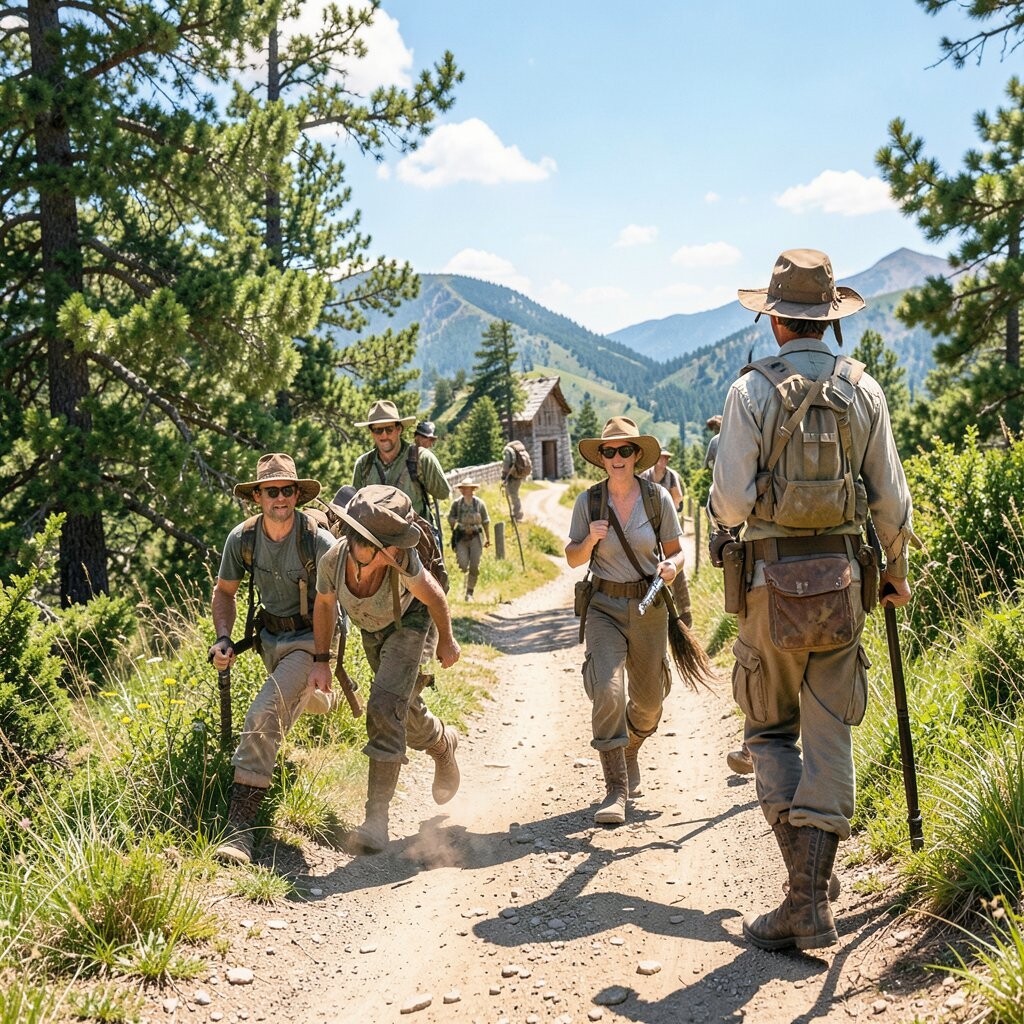
A native heritage trail can show old paths, craft sites, story places, and land that still matters to local people. The views may include rivers, hills, forests, or open plains that help explain how people lived with the land.
This kind of trip can be very meaningful because it can teach respect for living cultures, not just old objects. It may also be low cost if you use public sites, community centers, and guided walks run by local groups.
Try to read site rules before you go, and be careful with photos where they are not wanted. If a local guide is available, that can make the visit much more personal, since you can hear names, stories, and meanings that are hard to get from signs alone.
9. Tour a Route of Old Churches and Cathedrals
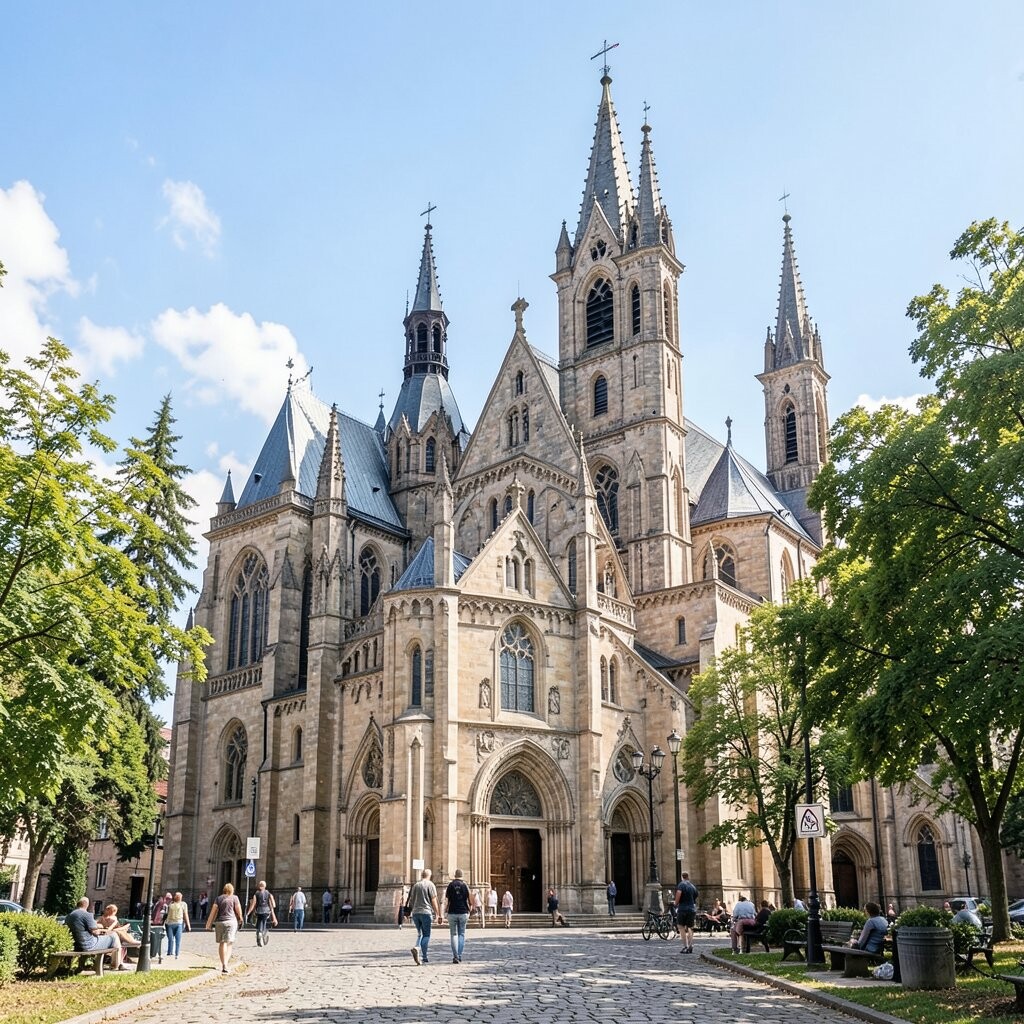
Old churches and cathedrals often have tall roofs, stained glass, carved doors, and quiet spaces that feel very calm. Even from the outside, the stone work and towers can show a lot about the time they came from.
This route is good for travelers who like art, faith history, and building design. Many churches ask for no fee or only a small donation, so the trip can stay affordable if you choose your stops with care.
Wear simple clothes and bring a light layer, since some places stay cool inside even on hot days. If you want to make the trip fit your interests, focus on one theme like music, royal burial sites, or old painting styles.
10. Spend Time in a Frontier or Pioneer Town
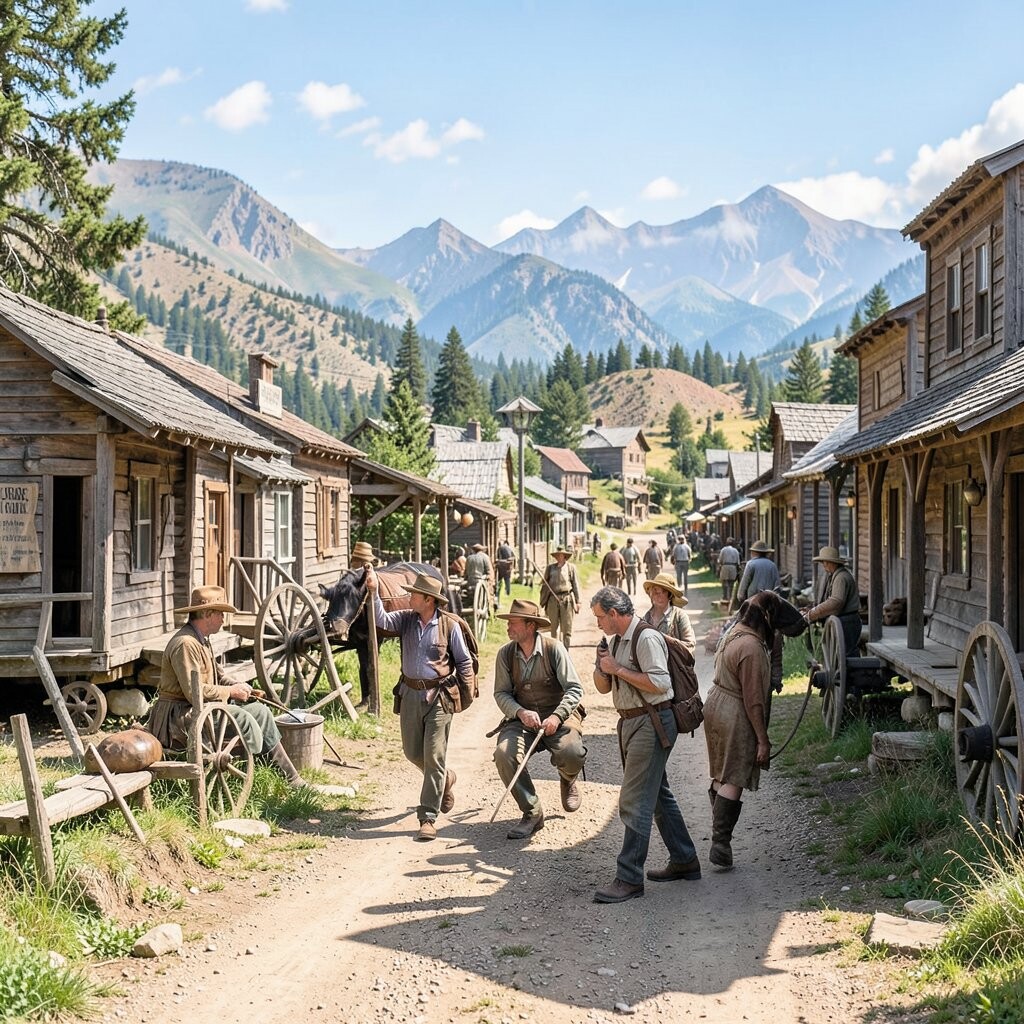
Frontier towns often have wooden fronts, old inns, dusty roads, and open land nearby. Some are rebuilt to look like the past, while others still keep real old buildings and tools from earlier days.
These towns can be fun for people who like hands-on history and simple street scenes. They often work well for families too, since you can walk around, see craft shows, and keep costs low with free outdoor areas.
Look for live demos, like blacksmith work, rope making, or old-style cooking, since these can make the visit feel more real. If you like photos, late afternoon light can help the wood, dust, and old signs look clear and warm.
11. Travel to a World War Site with Memorials
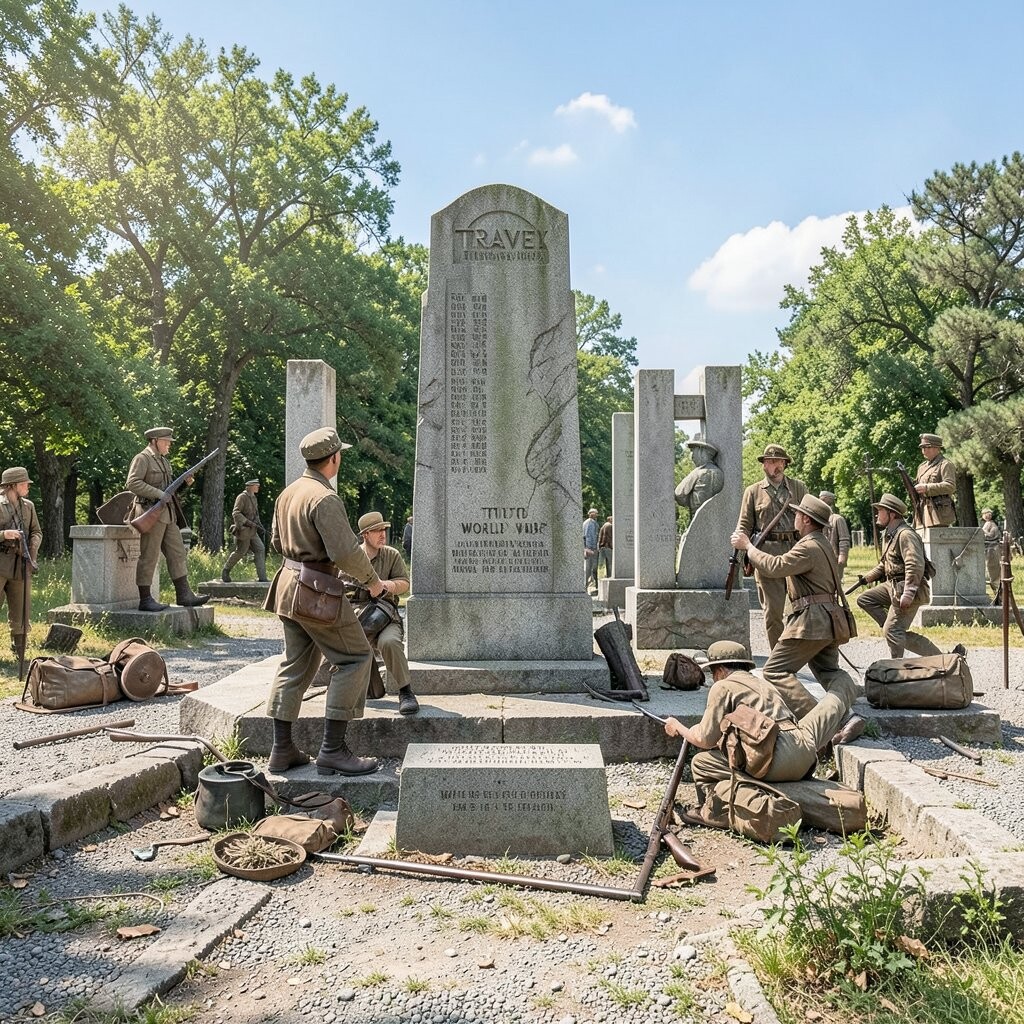
World War sites often have memorials, old bunkers, cemeteries, and quiet fields that ask for a calm pace. The mix of open land and strong markers can give the place a serious and clear mood.
This kind of trip can help you better understand the human cost of war and the choices people made. Many sites are free or low cost, and some have walking paths that make it easy to visit without a big tour fee.
Go with a plan, since these places can feel heavy and may take more time than you expect. If you want a trip that fits your own learning style, choose one site tied to a family story, a book you read, or a local event from home.
12. Build a Summer Route Around Living History Festivals
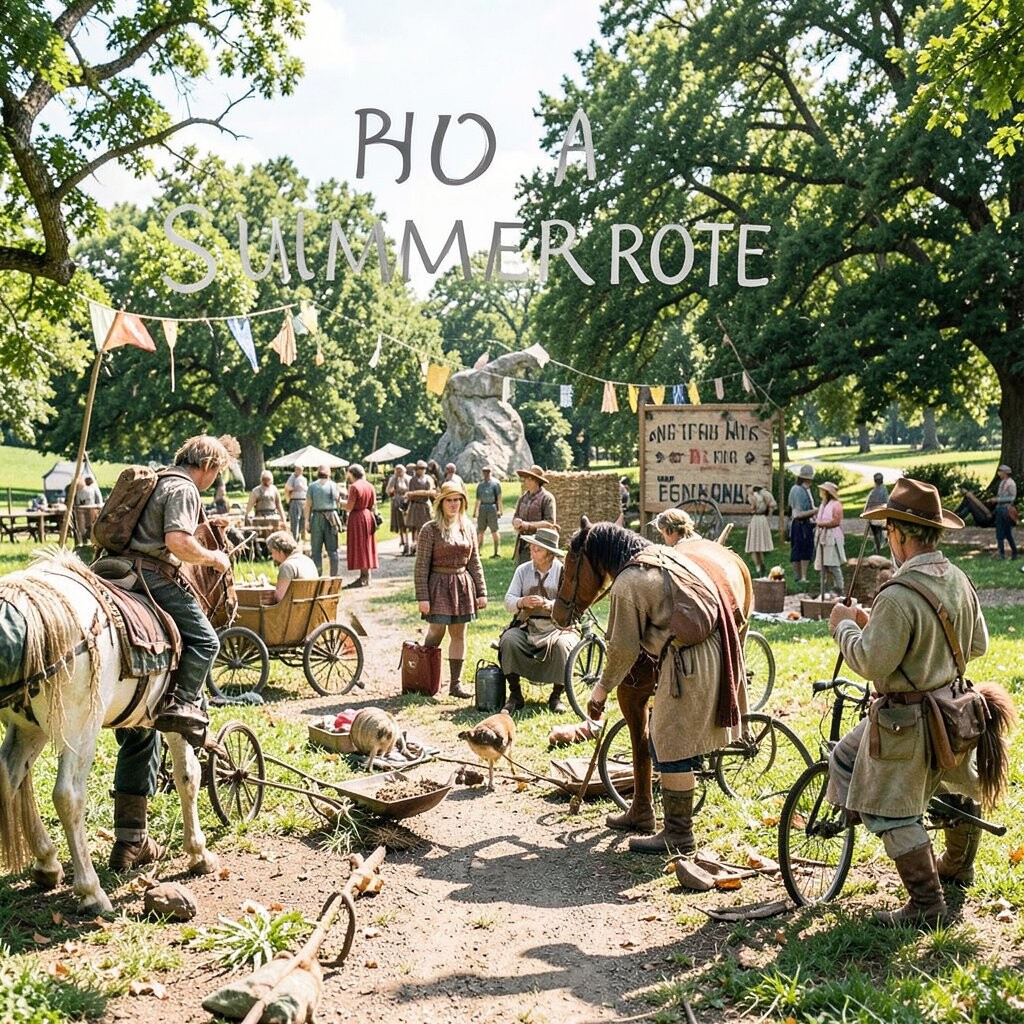
Living history festivals can fill a town with old clothes, music, food, games, and craft work. You may see tents, stage shows, and people acting out daily life from another time.
This is a good choice for travelers who want history that feels active and social. It can also be a smart budget trip, since many festivals have low entry fees and give you a lot to do in one place.
Check the event list before you go, because some festivals focus on one time period while others mix many eras. To make the day more personal, pick one thing to follow closely, like old cooking, armor, weaving, or folk music, so the visit feels less busy and more clear.