Spring travel can look easy from the outside, but a lot of small things can change the whole trip. The weather shifts fast, crowds move in new ways, and your plans may need more care than you think.
These simple notes can help you feel more ready and make better choices on the road. They also show the small details that often matter most in spring.
1. Spring Weather Can Change by the Hour
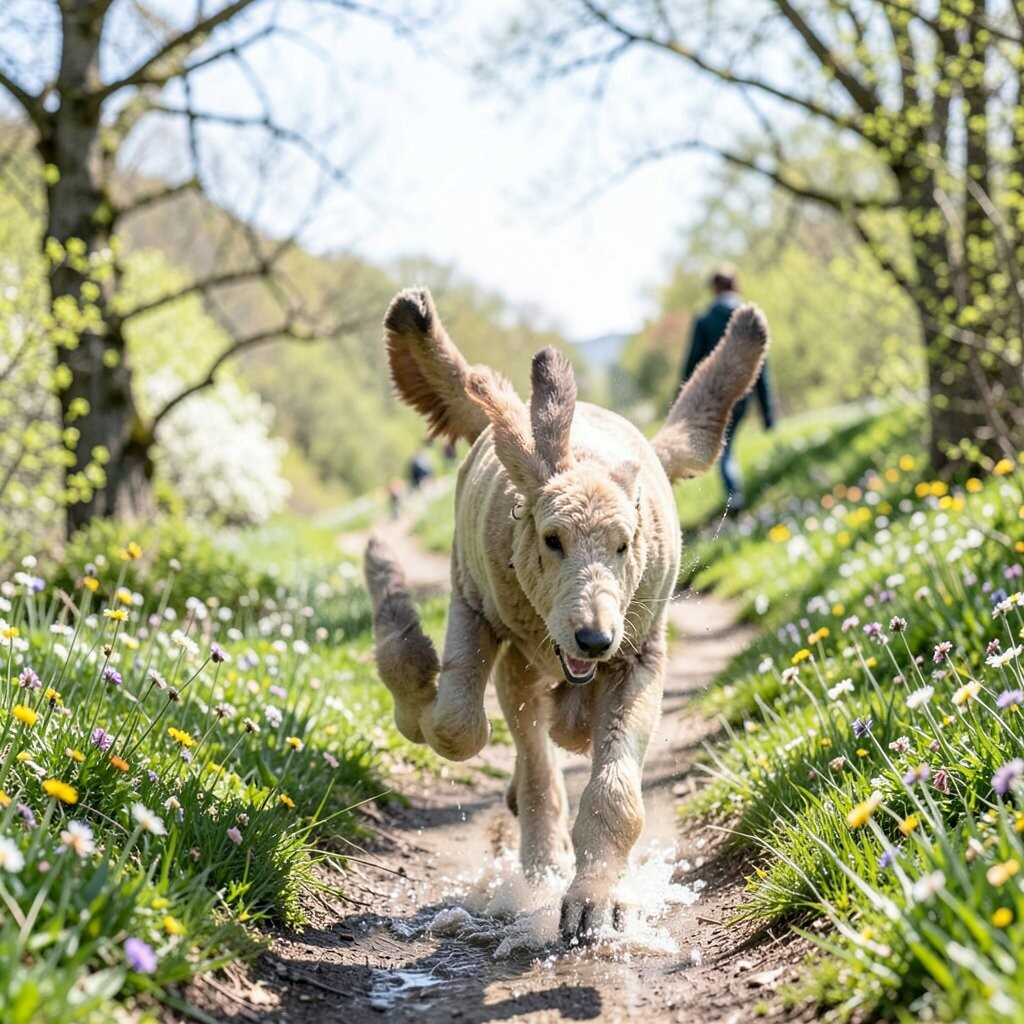
Spring days can start cool, turn warm, and end with rain all in the same trip. A bright sky in the morning does not always mean you can leave the jacket behind.
This is why layered clothes help so much. A light sweater, a thin rain shell, and shoes that can handle wet ground can make your day easier and save you from buying extra gear at the last minute.
The look of spring can also fool you in a nice way. Trees may be green, flowers may be out, and the air may feel soft, but the wind can still be cold near water or in open spaces.
Many travelers now check the weather more often than they used to, and that is a smart trend. It helps you plan walks, boat rides, and outdoor meals with less stress.
2. Crowds Can Be Strange and Hard to Predict
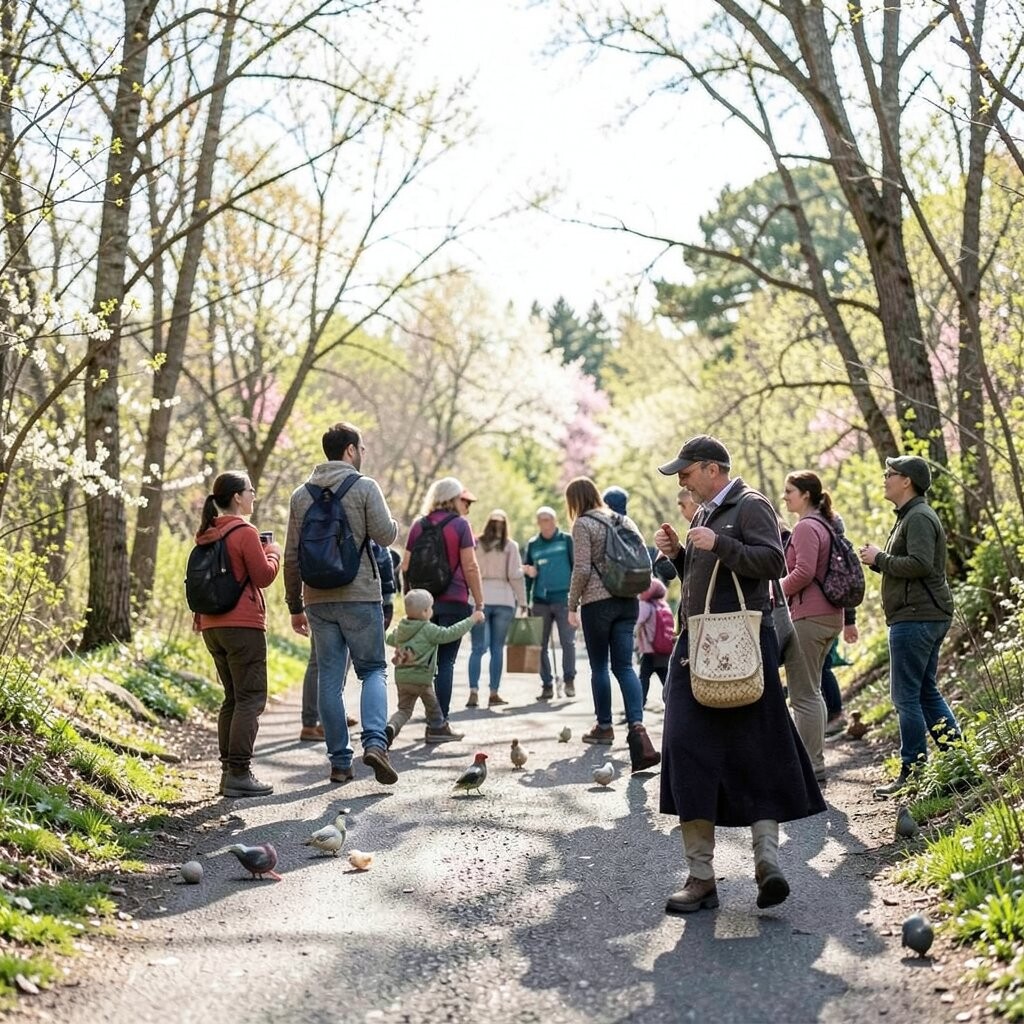
Spring travel is not always packed in the same way as summer, but crowds can still show up fast. A school break, a long weekend, or a local event can fill hotels and sights before you expect it.
That means a place that feels calm on one day may feel busy on the next. If you want a quieter trip, try going early in the day or choosing places a short ride away from the main center.
This can also help with cost. When you avoid peak times, you may find lower room rates, shorter lines, and better table choices at restaurants.
Some people like the busy feel because it gives more energy and more things to watch. Others want space and quiet, so it helps to match the trip style to what you enjoy most.
3. Spring Can Be a Good Time for Lower Prices
Many travelers think spring always costs more, but that is not the full story. In some places, spring sits between the winter rush and the summer rush, so prices can be softer.
You may find better deals on flights, trains, and hotels if you book at the right time. It can also help to stay a little outside the main tourist area, where rooms are often cheaper and still easy to reach.
The savings can make a real difference if you are traveling with family or staying for a long time. That extra money can go toward food, local rides, or a special day trip.
Cost trends also change fast in spring, so it pays to check prices more than once. A fare that looks high one week may drop later if demand stays low.
4. Flowers Are Lovely, but They Can Change Your Plans
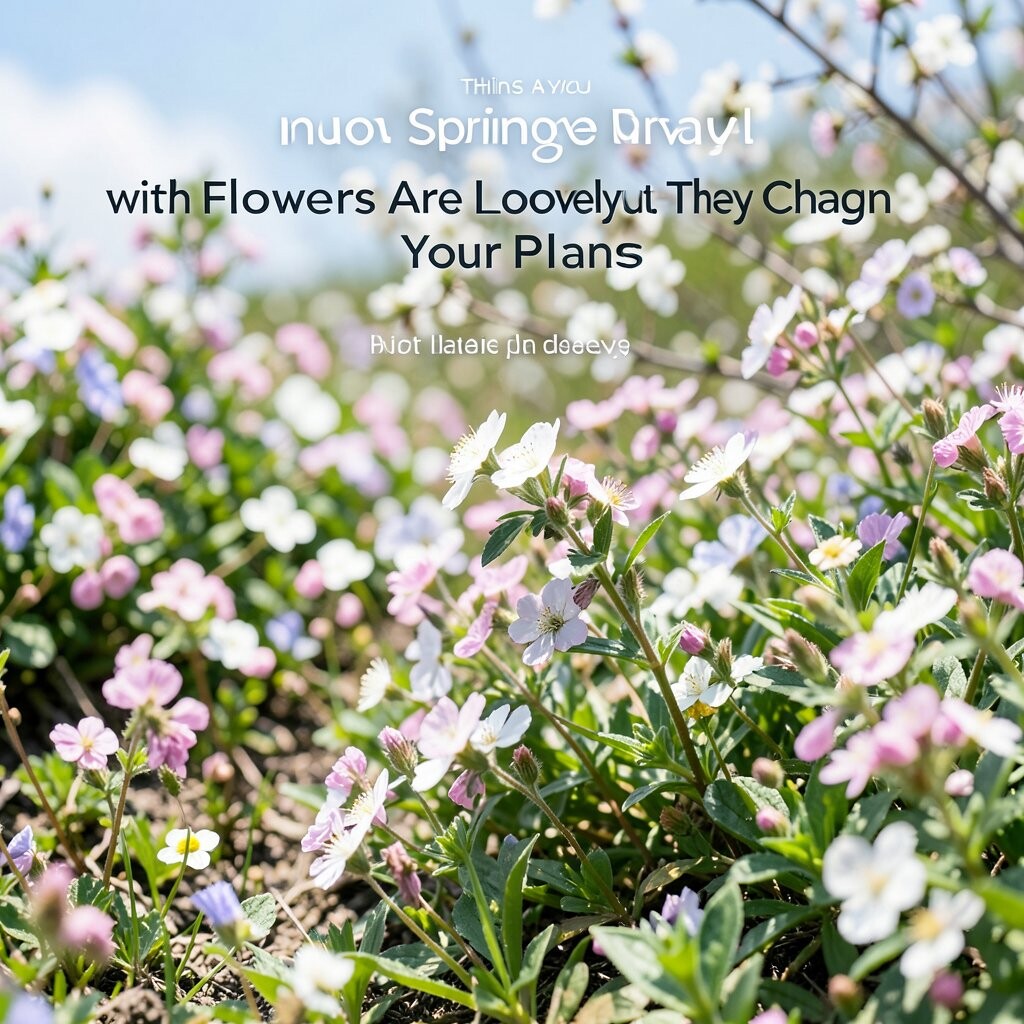
Spring flowers are one of the best parts of the season. Parks, hills, and city streets can fill with color, and that can make even a short walk feel fresh and new.
But flowers also bring more people, more photos, and sometimes more traffic. If you want a better view, try going very early or late in the day when the light is soft and the crowds are thinner.
Some places are known for short bloom times, so timing matters a lot. A trip that is one week off can mean missing the best look, which is why many people now plan around bloom maps and local reports.
This kind of trip is very personal too. Some travelers want the famous flower spots, while others like small gardens, side streets, or a quiet path with a few blooms.
5. Spring Travel Often Means More Packing Choices
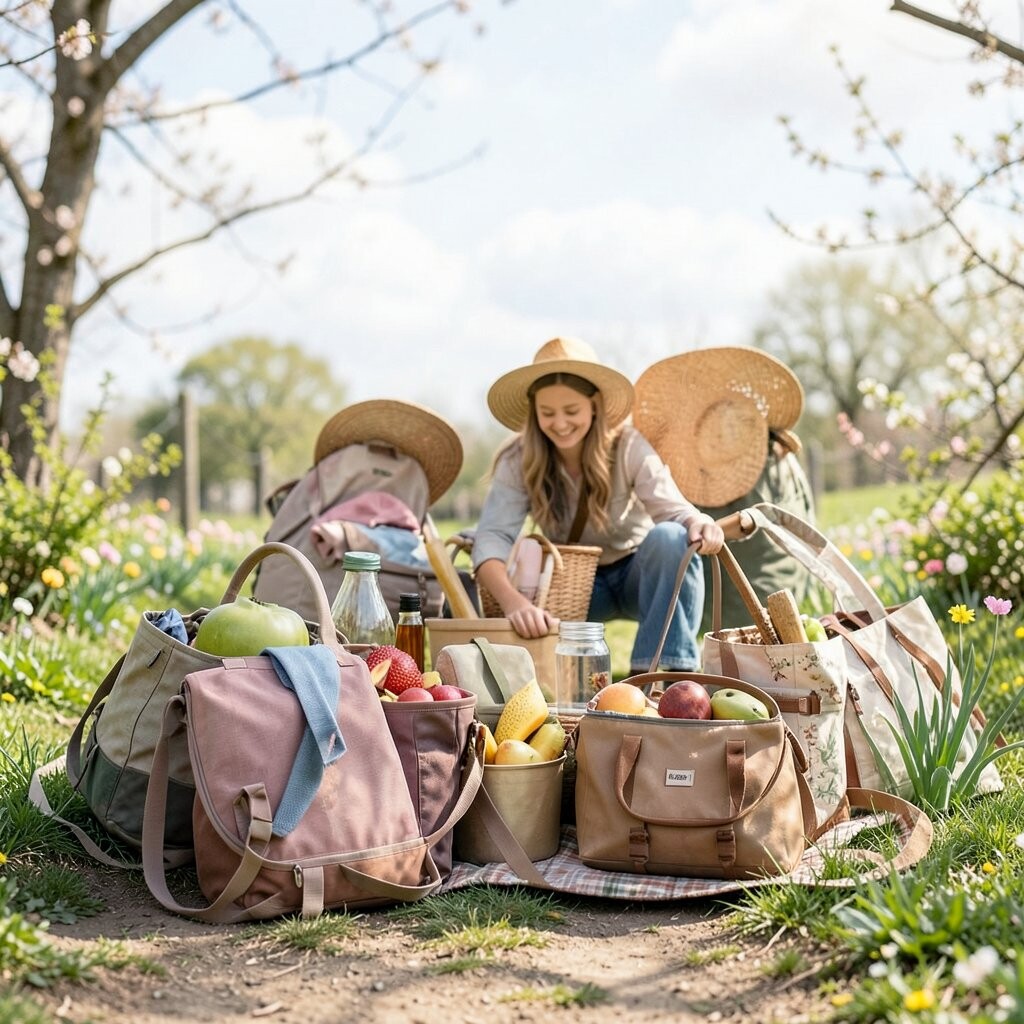
Packing for spring can be harder than packing for summer or winter. You may need warm clothes, cool clothes, rain gear, and shoes that work in damp places.
A small bag can still work well if you choose items that do more than one job. A scarf can help on a cold bus, a light jacket can work in rain, and shoes with good grip can help on wet stones or park paths.
This is where personal style and comfort meet. Some people like to pack light and wash clothes on the road, while others feel better with extra layers and a backup pair of shoes.
Travel trends now lean toward simple, mix-and-match packing. That can save space, save money, and make it easier to move through stations, airports, and hotel lobbies.
6. Rain Does Not Have to Ruin the Day
Spring rain can feel annoying at first, but it can also make a place look calm and clean. Streets shine, trees look brighter, and some sights feel more peaceful when the crowds thin out.
If you plan for rain, you can still enjoy the trip. A light umbrella, a water-safe bag, and a backup list of indoor spots can keep the day on track.
This is also a good time to try local cafés, museums, markets, or old train stations. These spots often feel more special in spring because they give you a warm break from the wet weather.
Rain can even help with cost if it lowers demand for some tours or day trips. Many travelers skip rainy days, which can leave better openings and sometimes better prices.
7. Spring Food Can Be Fresh and Different
Spring travel often brings foods that are not as common in other seasons. Fresh greens, early fruit, soup, fish, and light baked goods may show up more often on menus.
This can make eating out feel new even if you visit a place you know well. Local food in spring may also cost less when farms are in season and supplies are easier to get.
Food is one of the best ways to make a trip feel personal. You may enjoy a market snack, a picnic in a park, or a simple meal at a small family place instead of a busy tourist spot.
Many travelers now look for local food trends, such as farm-to-table meals and small seasonal menus. These choices can give you a more real taste of the place without making the trip feel fancy or hard.
8. Nature Looks Different Than It Does in Summer
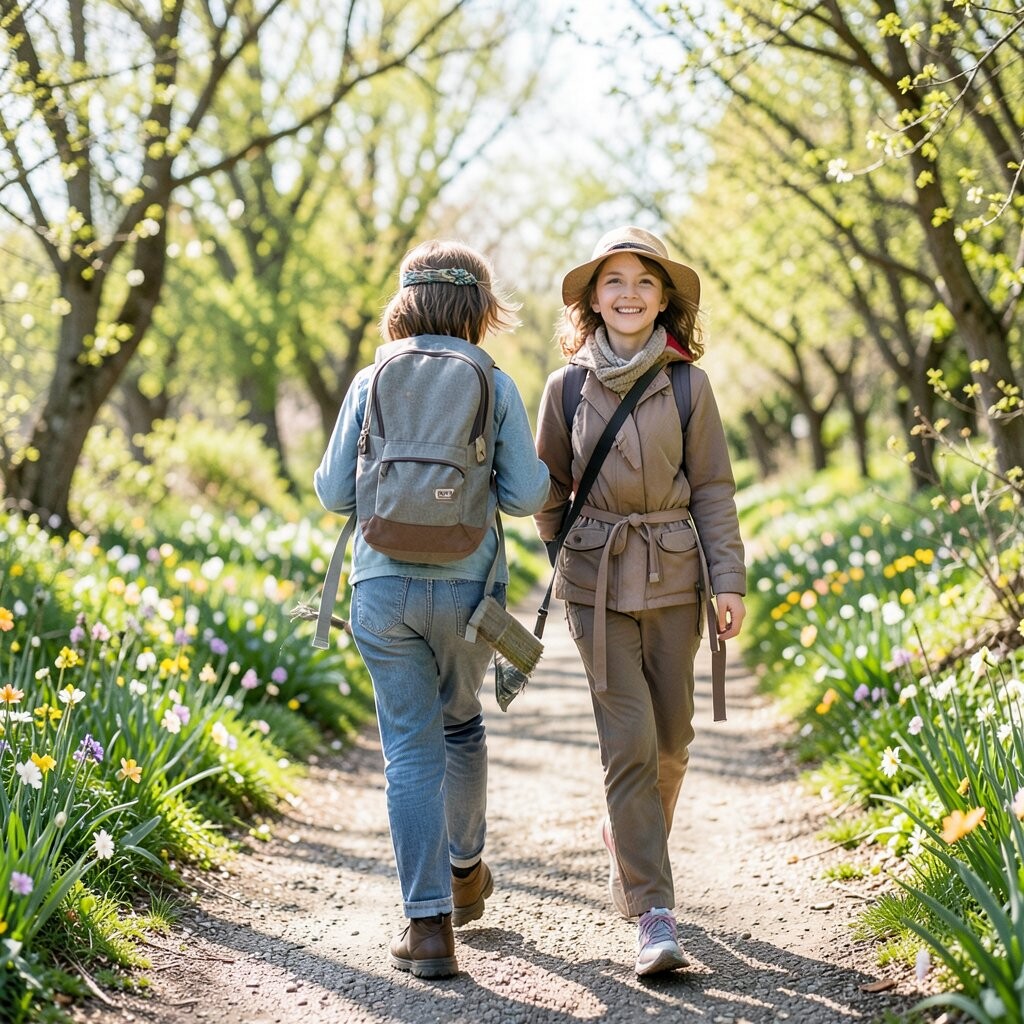
Spring nature has its own look that many people miss when they wait for summer. Rivers can run full, hills can be bright green, and the air can feel clear after winter.
That makes spring a good time for walks, bike rides, and short drives through the country. You may also see birds, buds, and wild plants that are not there later in the year.
For some travelers, this is the main reason to go in spring. The setting feels alive but not too hot, and that can make outdoor time more pleasant and less tiring.
It helps to check trail conditions before you go. Some paths stay muddy longer in spring, and a beautiful view can still mean slippery shoes and slow steps.
9. Daylight Can Help You Do More
As spring goes on, the days often get longer. That gives you more time to walk, eat, and see places without rushing as much.
Longer daylight can also help if you are in a new city and still learning your way around. You can reach your hotel before dark, spot landmarks more easily, and feel more sure when you move from place to place.
This can be a real benefit for families and first-time travelers. Kids may have more energy in the light, and adults may feel less pressure to squeeze everything into a short window.
Some travelers now plan around sunset views, evening markets, and late walks because of this trend. It is a simple way to get more from the same trip without adding much cost.
10. Spring Break Can Change the Feel of a Place

In some places, spring break brings a big shift in mood. Beaches, theme parks, college towns, and warm-weather cities can get much busier for a short time.
This can mean more noise, more traffic, and higher prices for rooms and rides. If you are not looking for that kind of trip, it helps to check local school holiday dates before you book.
On the other hand, some people enjoy the lively feel. There can be more events, more open patios, and more chances to meet other travelers.
The best choice depends on your style. If you like calm and space, pick dates outside the rush. If you like activity and energy, a spring break trip may fit you well.
11. Small Towns Can Be Better Than Big Hot Spots
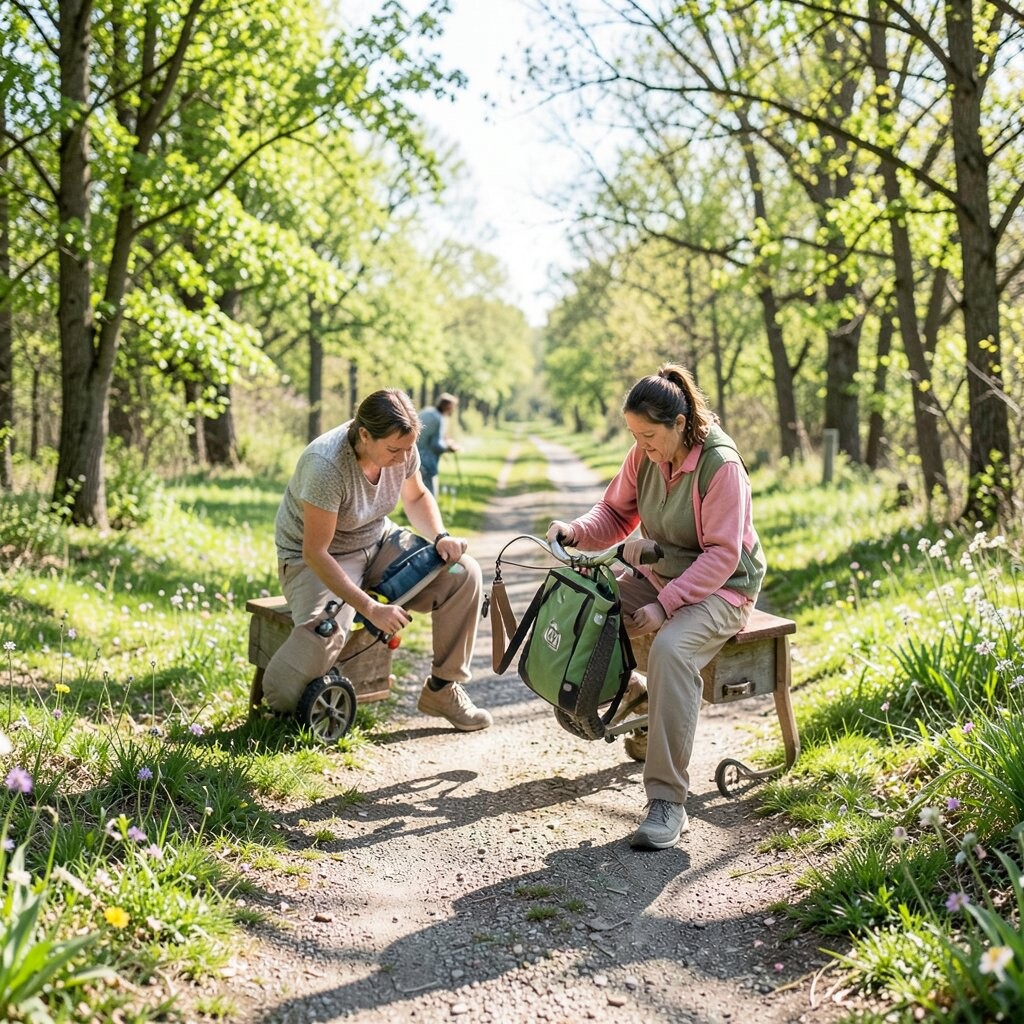
Big places get most of the attention in spring, but small towns often give a nicer pace. You may find flower streets, local cafés, and easy walks without long lines or heavy traffic.
These spots can also cost less. Hotels, meals, and parking may be cheaper, and you may get more room for the same money.
Small towns can feel more personal too. Shop owners may chat with you, local events may be easy to join, and the whole trip can feel more relaxed.
This is one reason more travelers now look beyond the usual names. It is a trend that can help you save money and still have a trip that feels special.
12. Sun and Wind Can Trick Your Skin
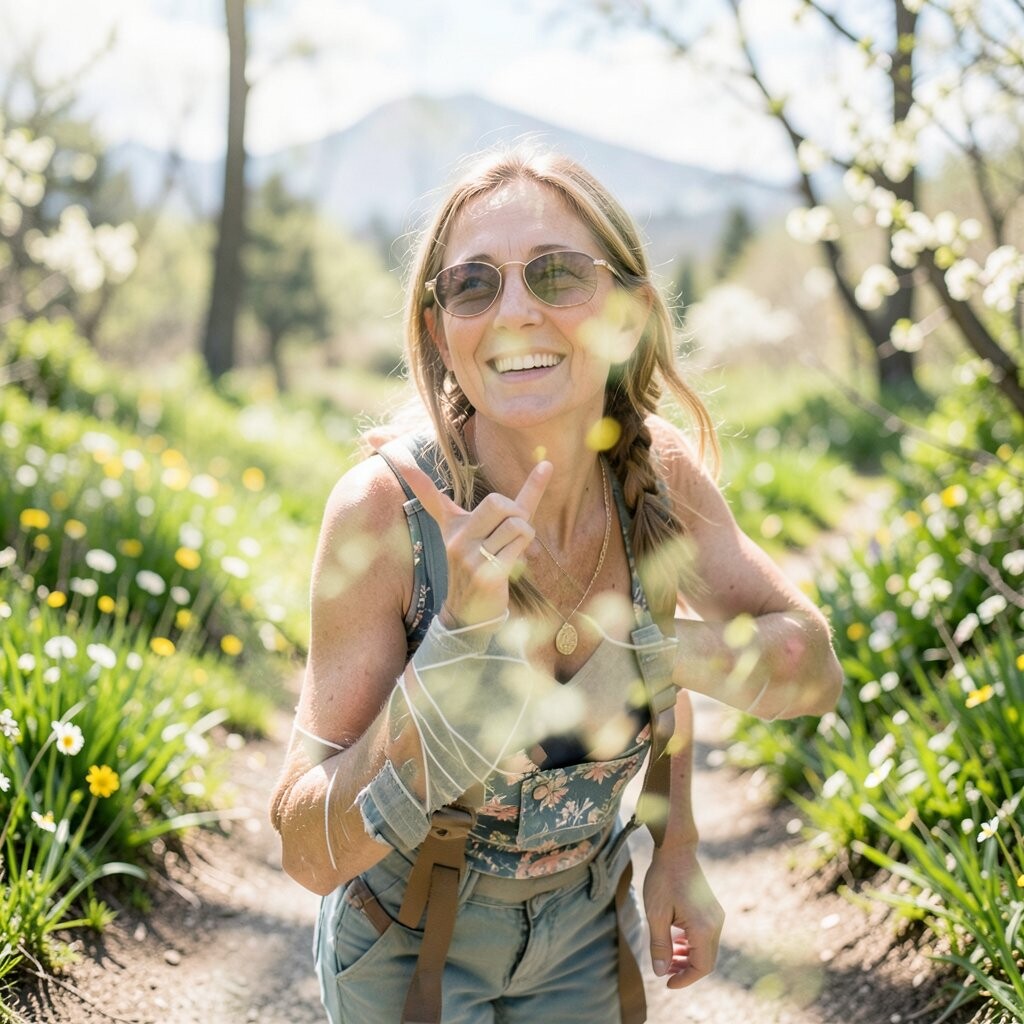
Spring sun can feel mild, but it can still burn your skin. A cool breeze can hide the fact that UV rays are strong, especially when you spend more time outside.
That means sunscreen matters even on days that do not feel hot. A hat, sunglasses, and lip balm can also help, and they are easy to keep in a day bag.
Wind can make you feel dry faster too. If you are walking a lot, it helps to carry water and take short breaks so you do not feel worn out.
These small habits can make a big difference in how you feel at night. They also cost less than dealing with a sunburn or headache after a long day out.
13. Spring Is Good for Short Trips and Slow Trips
Spring works well for both quick getaways and longer stays. A short trip can give you fresh air and a change of scene, while a slow trip can let you enjoy parks, markets, and side streets at your own pace.
This season is often less intense than summer, so you may feel less pressure to do everything. That can help you make a trip that fits your time, energy, and budget.
For some people, a slower spring trip is the best kind. You can sit at a café, watch people pass by, and enjoy the place without a packed schedule.
Travel trends now show more people choosing fewer plans and more open time. That style can make the trip feel calmer and often costs less because you are not paying for so many tours or tickets.
14. Local Events Can Be the Best Part
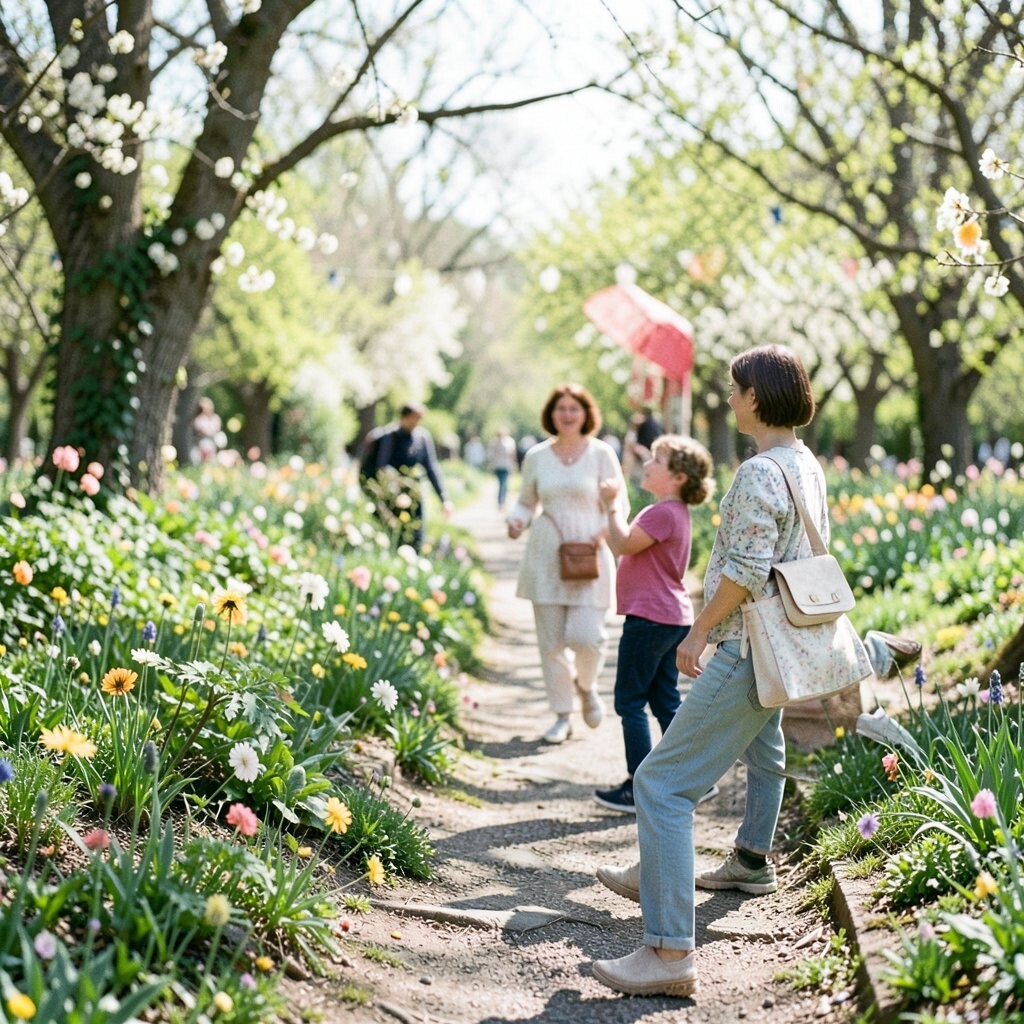
Spring often brings fairs, markets, garden shows, music days, and local food events. These can give you a better feel for a place than the main tourist sights.
They also help make the trip more personal. You may talk to local people, try new foods, or see crafts and plants that tell you more about the area.
Many of these events are cheap or free, which makes them a nice choice for travelers watching spending. Even a small market visit can add a lot to the day without taking much time.
It helps to check local calendars before you go. A single event can change traffic, hotel rates, and restaurant wait times, so a little planning can save time and money.
15. Spring Travel Works Best When You Leave Room for Change

Spring trips often go better when you keep your plans a little open. The weather may shift, a path may close, or a sight may be more crowded than you hoped, and that is normal for the season.
If you leave room for change, you can switch from outdoor plans to indoor ones without feeling stuck. That can make the whole trip smoother and less stressful.
This flexible style also helps you notice good things you did not plan for. A quiet café, a small park, or a local bus ride can become one of the best parts of the trip.
Many travelers now use simple trip plans with a few must-do stops and space in between. It is a practical way to enjoy spring without spending too much or feeling rushed.