
Living a healthier lifestyle can be simple and fun. Here are some ideas to help you get started.
1. Morning Yoga Routine
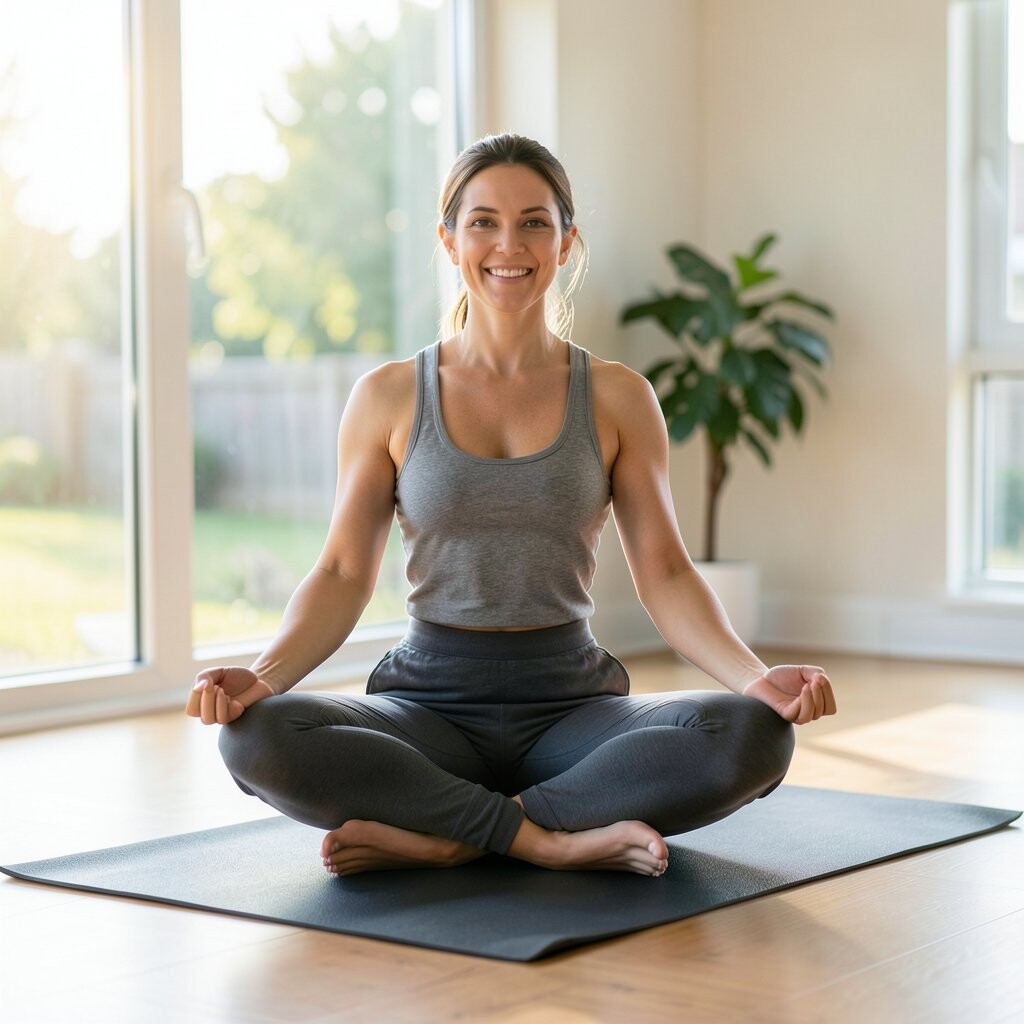
Start your day with a gentle yoga routine. Yoga helps you feel calm and focused, and it can increase your flexibility. Find a quiet spot in your home, roll out a mat, and enjoy the peaceful start to your day.
You can find many free yoga videos online to guide you. Try to pick routines that fit your skill level and time availability. Morning yoga is a great way to wake up your body and mind.
2. Green Smoothies

Green smoothies are a delicious way to get more veggies in your diet. You can mix spinach, kale, or other leafy greens with fruits like bananas and apples. Add a bit of water or almond milk to blend it all smoothly.
These smoothies are packed with vitamins and minerals. They are a quick breakfast option that you can take on the go. Experiment with different ingredients to find your favorite combination.
3. Walking Breaks

Taking short walking breaks during your day can boost your energy. Walking helps clear your mind and can improve your mood. Try to take a five-minute walk every hour if you can.
You don’t need any special equipment, just a comfortable pair of shoes. Walking outside can also give you a dose of fresh air and sunshine, which is an added bonus. Invite a friend to join you for a social walk.
4. Mindful Eating

Mindful eating means paying attention to your food and savoring each bite. It helps you enjoy your meals more and can prevent overeating. Turn off distractions like TV and focus on your meal.
Take smaller bites and chew slowly. Try to notice the flavors and textures of your food. This practice can also help you appreciate the effort that went into preparing your meal.
5. Journaling

Keeping a journal can be a great way to express your thoughts and feelings. Writing helps you process your emotions and reflect on your day. You don’t need to write much—just a few lines each day can be enough.
Choose a notebook that you like and keep it handy. You can write about anything that comes to mind. Journaling can be a private, safe space for your thoughts and ideas.
6. Home-Cooked Meals

Cooking at home lets you control what you eat and how it’s prepared. Home-cooked meals are often healthier and cheaper than eating out. You can try new recipes and make meals that suit your taste.
Consider planning your meals for the week to save time. Cooking can be a fun activity to do with family or friends. It’s also a way to ensure that you are eating fresh and nutritious foods.
7. Hydration

Staying hydrated is important for your overall health. Drinking enough water helps keep your body functioning properly. Carry a reusable water bottle with you to remind yourself to drink throughout the day.
Try adding slices of lemon or cucumber to your water for a refreshing twist. Keep track of how much water you drink and aim for at least eight cups a day. Proper hydration can improve your skin, energy levels, and mood.
8. Plant-Based Meals

Eating more plant-based meals can be good for your health and the planet. Plant-based diets are rich in nutrients and can be lower in calories. Experiment with dishes that use beans, lentils, and vegetables as the main ingredients.
You don’t have to give up meat entirely; try having a meatless day once a week. Look for recipes that are easy to make and don’t require special ingredients. Plant-based meals can be colorful, tasty, and satisfying.
9. Digital Detox

Taking a break from screens can help reduce stress and improve sleep. A digital detox means setting aside time to disconnect from your devices. Try to unplug for an hour before bed for a better night’s rest.
Use this time to do something you enjoy, like reading or taking a bath. Limiting screen time can also help you be more present and engaged with your surroundings. Set boundaries for device use during meals and family time.
10. Gardening

Gardening is a relaxing hobby that can also provide you with fresh produce. Growing your own herbs and vegetables is rewarding and can cut down grocery costs. Even if you don’t have a backyard, you can start a small indoor herb garden.
Gardening gets you outside and moving, which is great for your health. It also teaches patience and responsibility as you care for your plants. Enjoy the satisfaction of eating something you’ve grown yourself.
11. Stretching
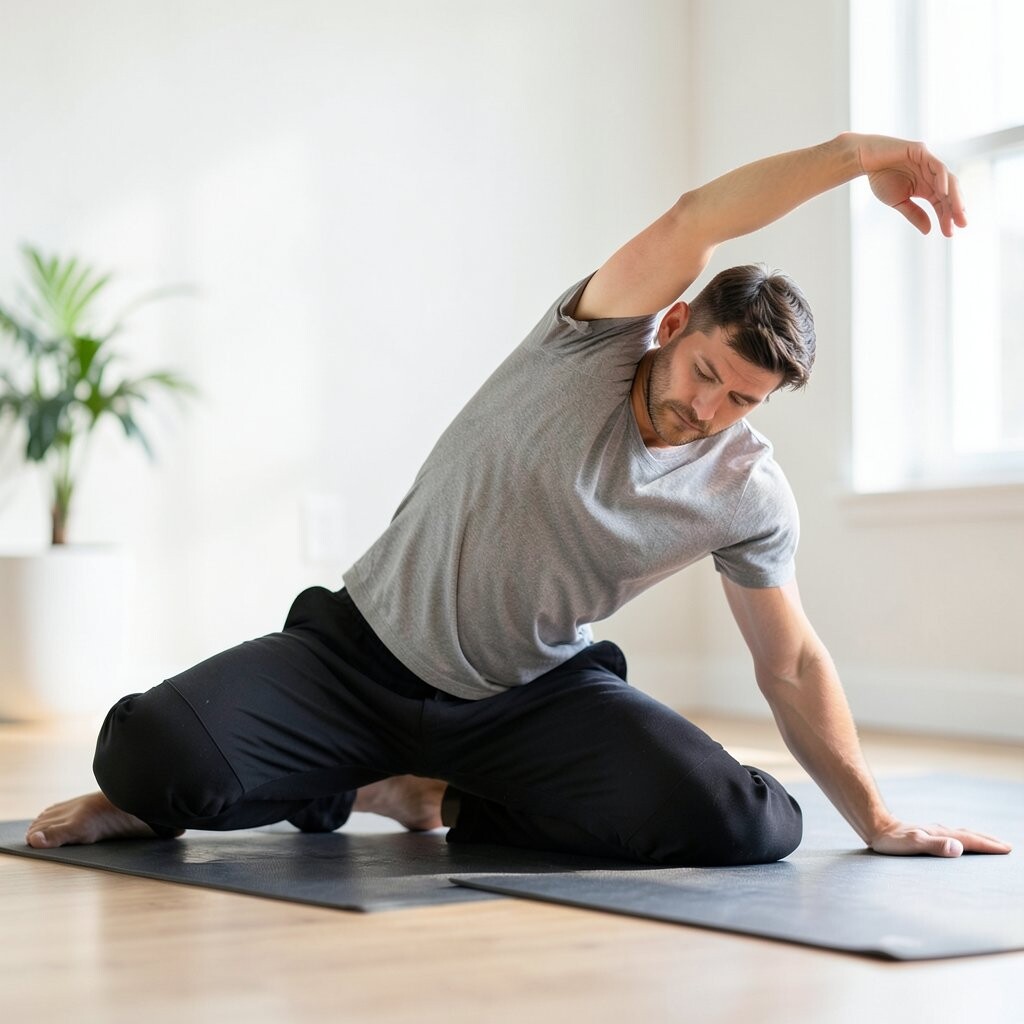
Incorporating stretching into your daily routine can improve your flexibility and reduce tension. Stretching helps relieve muscle soreness and can prevent injuries. Spend a few minutes each day stretching major muscle groups.
Listen to your body and stretch gently to avoid strain. You can find guided stretching routines online that fit different needs and levels. Regular stretching can also help you relax and de-stress.
12. Meditation
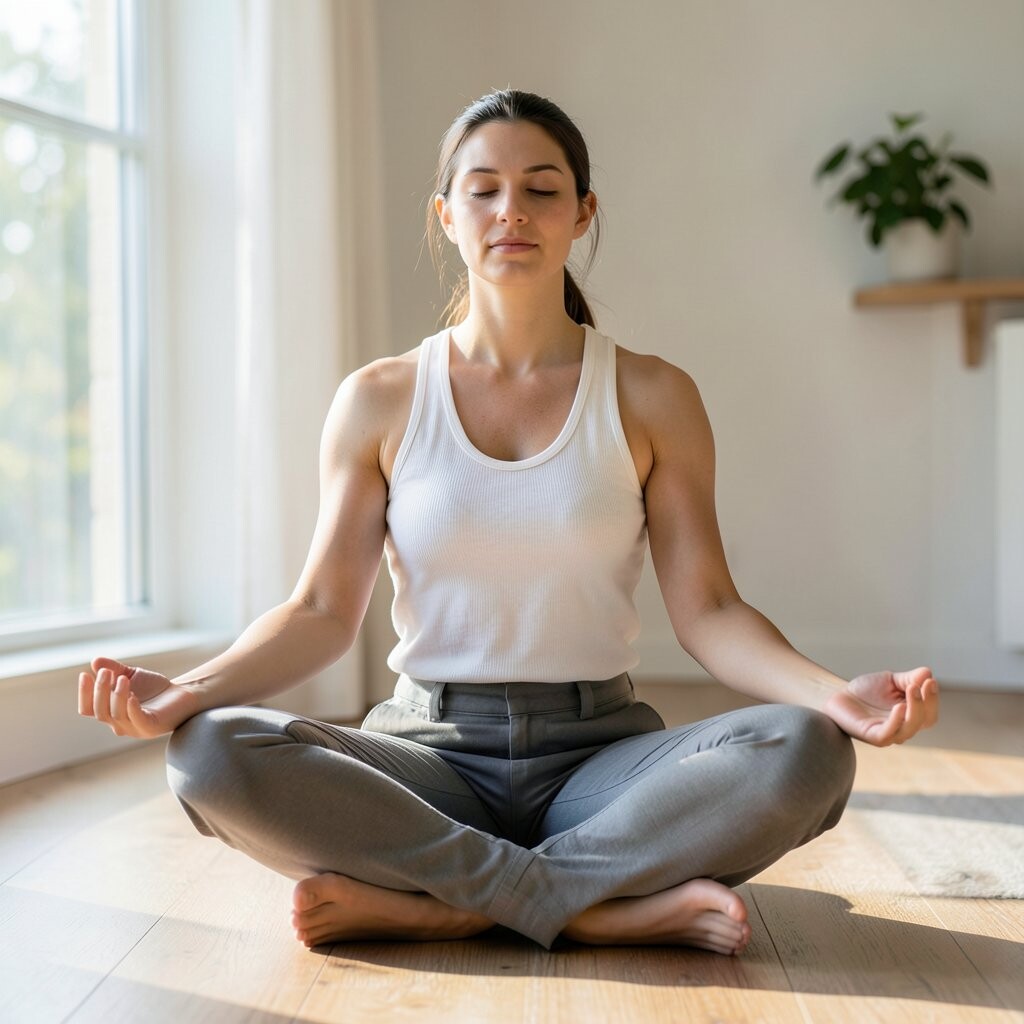
Meditation is a practice that can help calm your mind and body. It involves focusing your attention and eliminating distractions. Set aside a few minutes each day to sit quietly and breathe deeply.
There are many meditation apps available to guide you. You can meditate in the morning to start your day or at night to unwind. Meditation can help improve focus, reduce anxiety, and increase self-awareness.
13. Gratitude Practice
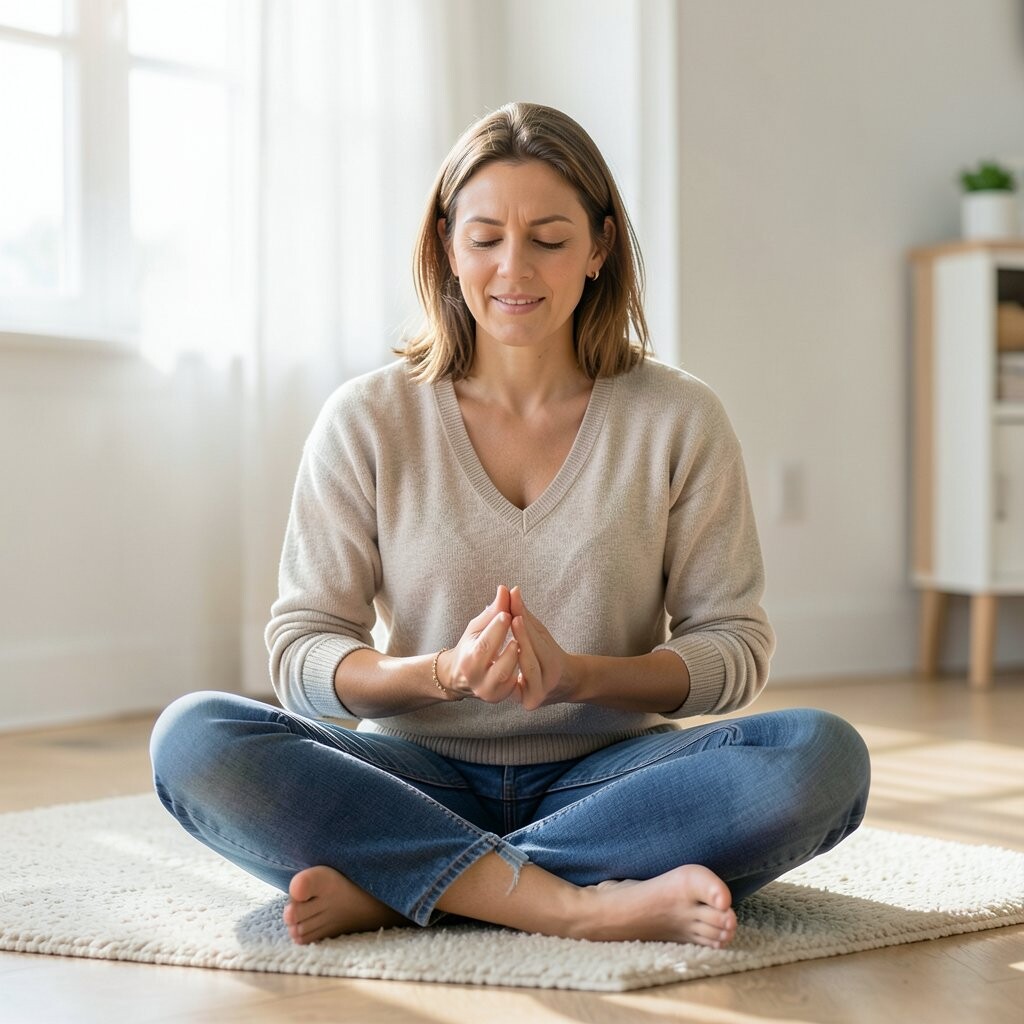
Practicing gratitude can enhance your mood and outlook on life. It involves recognizing and appreciating the good things in your life. Try writing down three things you’re grateful for each day.
This practice can be done in the morning or before bed. Focusing on gratitude can help shift your mindset from negative to positive. It’s a simple yet powerful way to boost happiness and resilience.
14. Social Connections

Maintaining strong social connections is important for mental and emotional health. Spend time with friends and family who support and uplift you. Plan regular meet-ups, calls, or video chats to stay connected.
Joining clubs or groups with shared interests can also expand your social circle. Positive social interactions can reduce stress and improve your well-being. Remember to prioritize quality time with loved ones.
15. Sleep Hygiene

Good sleep hygiene is essential for restful and restorative sleep. Establish a regular sleep schedule by going to bed and waking up at the same time each day. Create a relaxing bedtime routine to help your body wind down.
Keep your bedroom cool, dark, and quiet for optimal sleep conditions. Avoid caffeine and electronics before bed to improve sleep quality. Prioritizing sleep can enhance your mood, concentration, and overall health.
16. Healthy Snacking

Choosing healthy snacks can keep your energy levels steady throughout the day. Opt for snacks that are high in protein and fiber, like nuts, yogurt, or fruit. Prepare snacks in advance to avoid reaching for unhealthy options.
Keep a stash of healthy snacks at home and work. Snacking mindfully and portioning out servings can help you avoid overeating. Enjoying nutritious snacks can be satisfying and beneficial for your health.
17. Limit Sugar Intake

Reducing sugar intake can have positive effects on your health. Excess sugar is linked to various health issues, including weight gain and dental problems. Try to limit sugary drinks and snacks in your diet.
Read food labels to identify hidden sugars in packaged foods. Use natural sweeteners like honey or fruit to satisfy your sweet tooth. Making small changes can lead to significant improvements in your health.
18. Regular Exercise

Regular exercise is crucial for maintaining a healthy lifestyle. It boosts your mood, strengthens your muscles, and supports heart health. Aim for at least 30 minutes of moderate activity most days of the week.
Choose activities you enjoy, like walking, cycling, or dancing. Exercise can be a fun way to stay fit and socialize with others. Consistency is key, so find a routine that you can stick with long-term.
19. Learn a New Skill

Learning a new skill can be exciting and beneficial for your mind. It challenges your brain and keeps it active and engaged. Pick something you’re interested in, like cooking, painting, or playing an instrument.
Look for online classes or local workshops to get started. Learning with friends can make the experience more enjoyable. Developing new skills can boost your confidence and open up new opportunities.
20. Volunteer

Volunteering is a rewarding way to give back to your community. It provides a sense of purpose and can improve your mood. Look for volunteer opportunities that align with your interests and schedule.
Volunteering can also help you meet new people and learn new skills. It’s a great way to make a positive impact and feel more connected. Even small acts of kindness can have a big effect on your well-being.
21. Spend Time in Nature

Spending time in nature can reduce stress and improve your mood. Take a walk in the park, hike a trail, or just sit outside and enjoy the fresh air. Nature has a calming effect that can help clear your mind.
You don’t need to travel far; even a small garden or balcony can be a natural retreat. Bring a book or just listen to the sounds around you. Enjoying nature is a simple yet powerful way to improve your health.