Wildflower meadows can make a garden feel calm and full of life. They also give you a simple way to add color, help bees, and use less water.
1. Pick a Small Meadow Spot First

A wildflower meadow does not need a huge yard. A small patch near a fence, path, or back corner can still look full and bright.
This is a good choice if you want a low-cost garden idea. Seed packets for a small area are often cheap, and you can test the look before you make it bigger.
Try a spot with good sun and basic soil. If the area is plain now, the change will be easy to see once the flowers start to grow.
2. Mix Annuals and Perennials

A mix of annual and perennial flowers gives your meadow more color through the seasons. Annuals can bloom fast, while perennials come back year after year.
This mix also helps the meadow look less flat. You may see bright pops of color early on, then more steady growth later.
If you want a simple plan, choose a few easy flowers like poppies, black-eyed Susans, and coneflowers. This kind of mix is common in garden trends because it looks natural and does not need much care.
3. Use Native Wildflowers

Native wildflowers fit your local weather and soil better than many other plants. They often need less water and less help once they are settled.
They also bring in bees, butterflies, and birds. That makes the garden feel busy and alive without much work from you.
Ask a local nursery or garden group for seed ideas. Native seed packs can cost a little more than common mixes, but they often save time and care later.
4. Add a Curved Edge
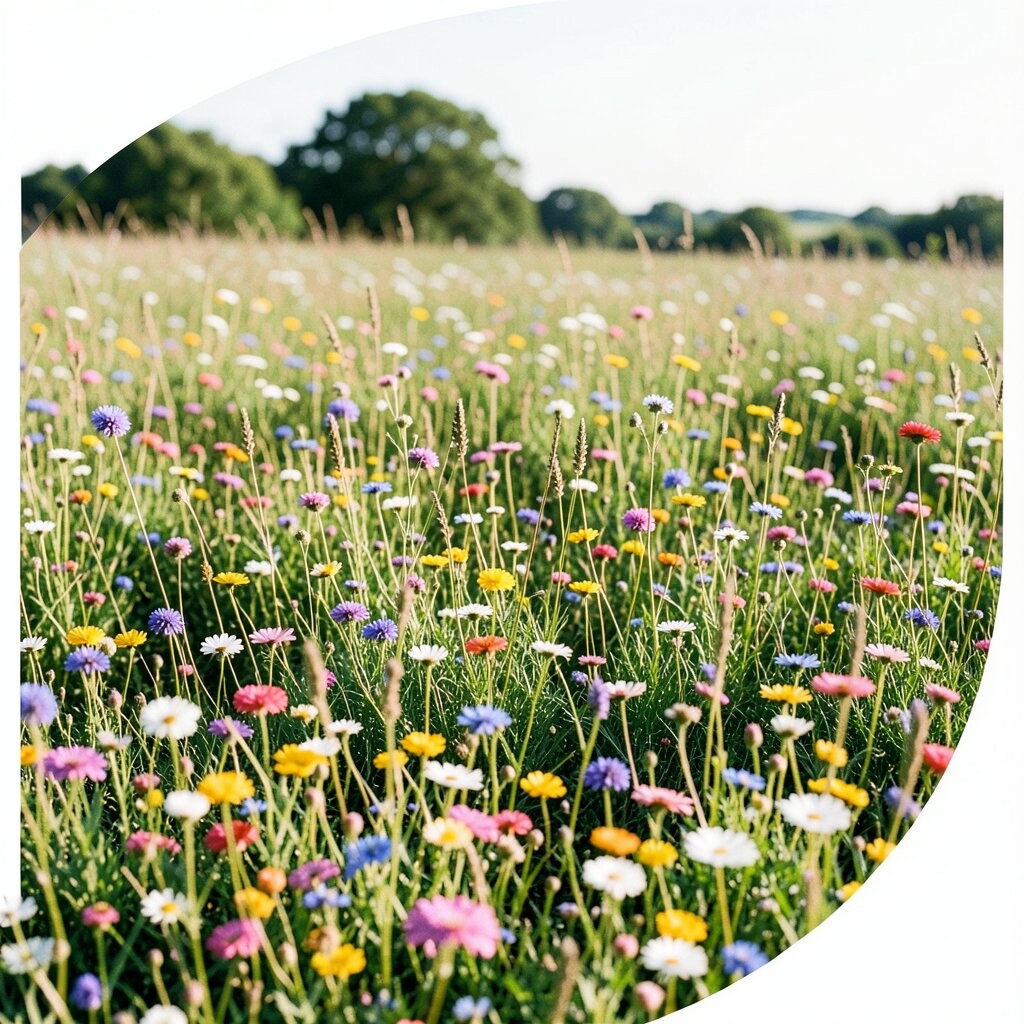
A meadow with a soft curve can look more natural than a straight line. It makes the space feel like it belongs in the yard, not like it was dropped in by chance.
You can use stones, short wood pieces, or a simple mow line to shape the edge. These small touches help the meadow stand out from the rest of the lawn.
This idea works well if you want a neat look with a wild feel. It is also easy to change later if you want a wider or smaller patch.
5. Plant for Different Bloom Times
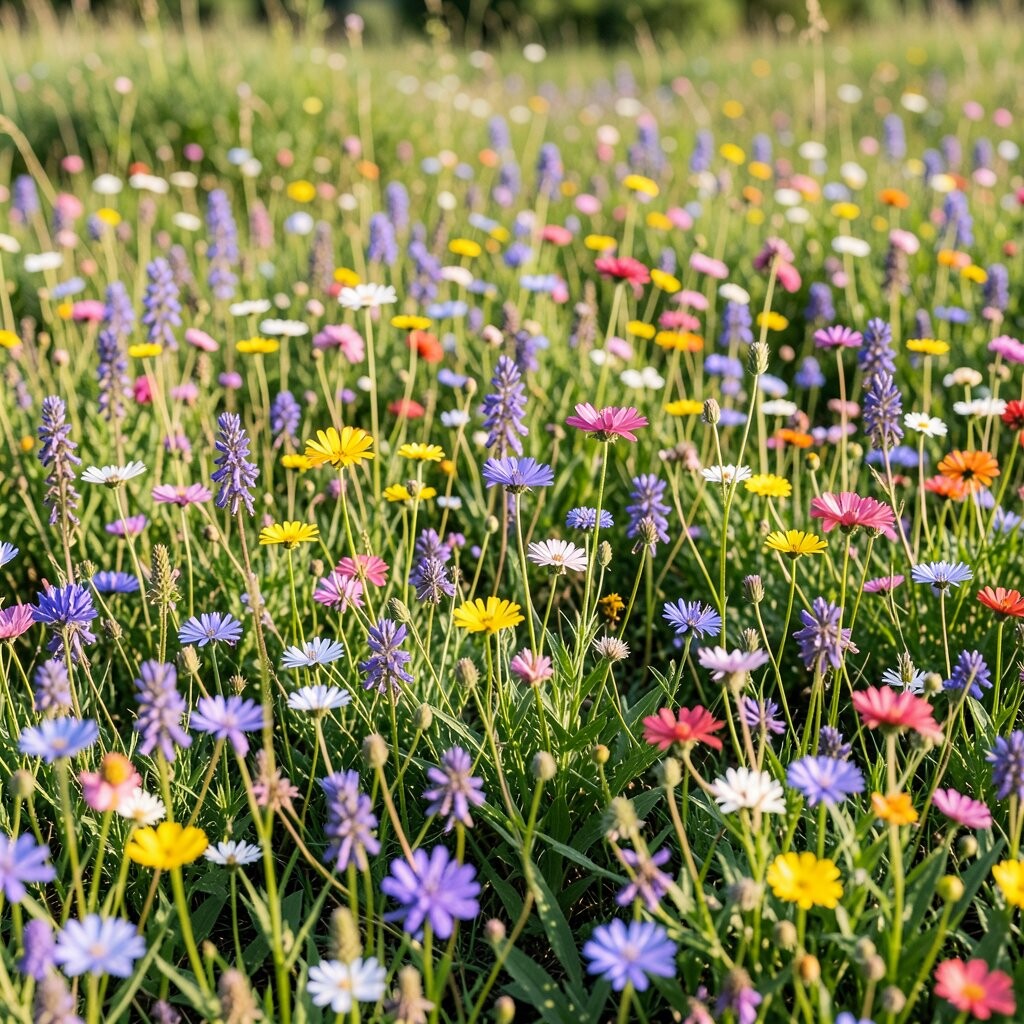
Wildflower meadows can look best when flowers open at different times. That way, the space keeps changing instead of looking full for only a short while.
Early bloomers, midseason flowers, and late bloomers can all work together. This gives you more color for a longer time and helps pollinators find food across the year.
Try to read the seed label before you buy. A good mix may cost a bit more, but it can save you from having to replant so often.
6. Make a Path Through the Flowers

A narrow path can make a meadow feel easy to use. You can walk through the flowers, check on growth, and enjoy the view without stepping on plants.
Paths can be made with mulch, stepping stones, or short grass strips. They do not need to be fancy, and simple paths often look best in a wildflower space.
This idea also helps with care. It is easier to pull weeds, cut back plants, or take photos when you can reach the middle of the patch.
7. Add Tall and Short Plants Together
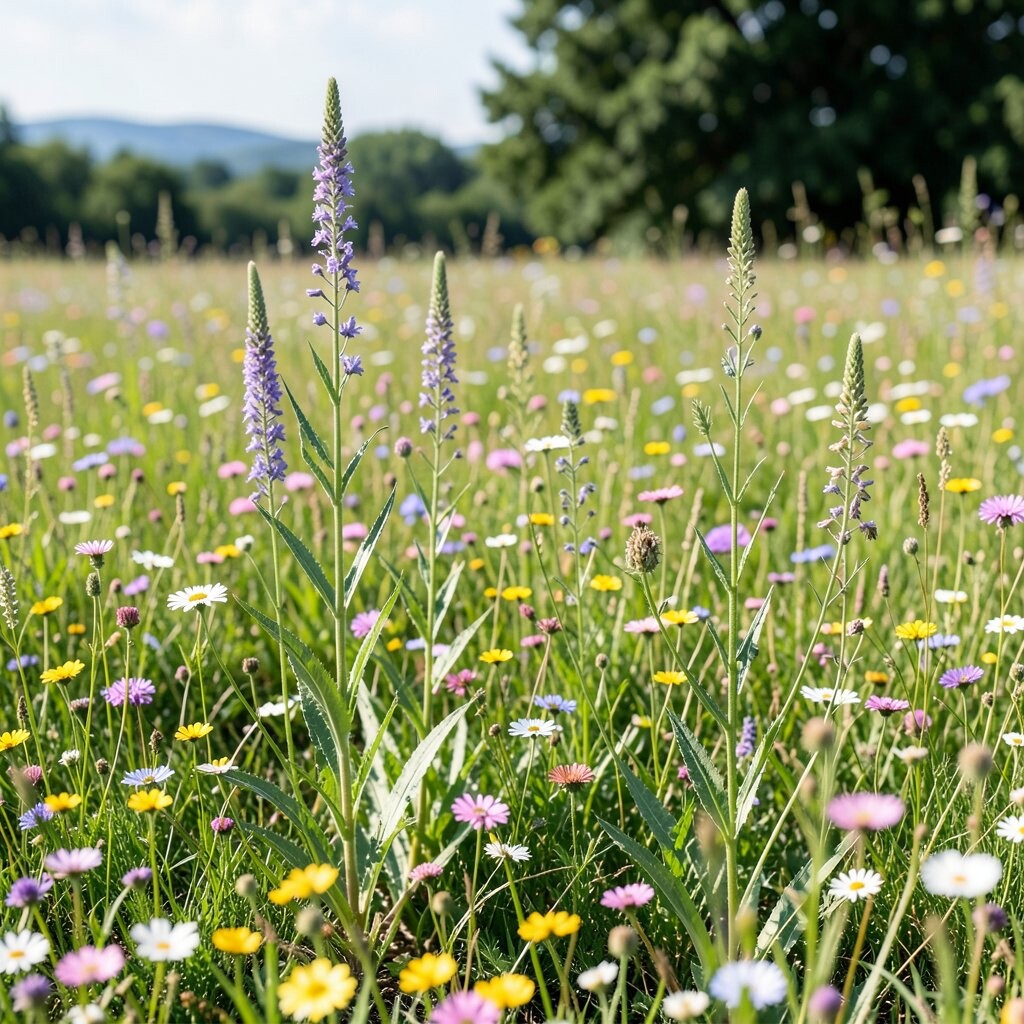
A meadow looks richer when plant heights are mixed. Tall stems can rise above low blooms and make the whole space look fuller.
Try pairing tall flowers with low ones near the front. This adds layers, which helps the garden look more deep and natural.
If you want a modern garden feel, this is a strong trend to try. It also makes it easier to match the meadow to the size of your yard, since you can keep tall plants in the back and shorter ones near the front.
8. Use Color Groups That Fit Your Style
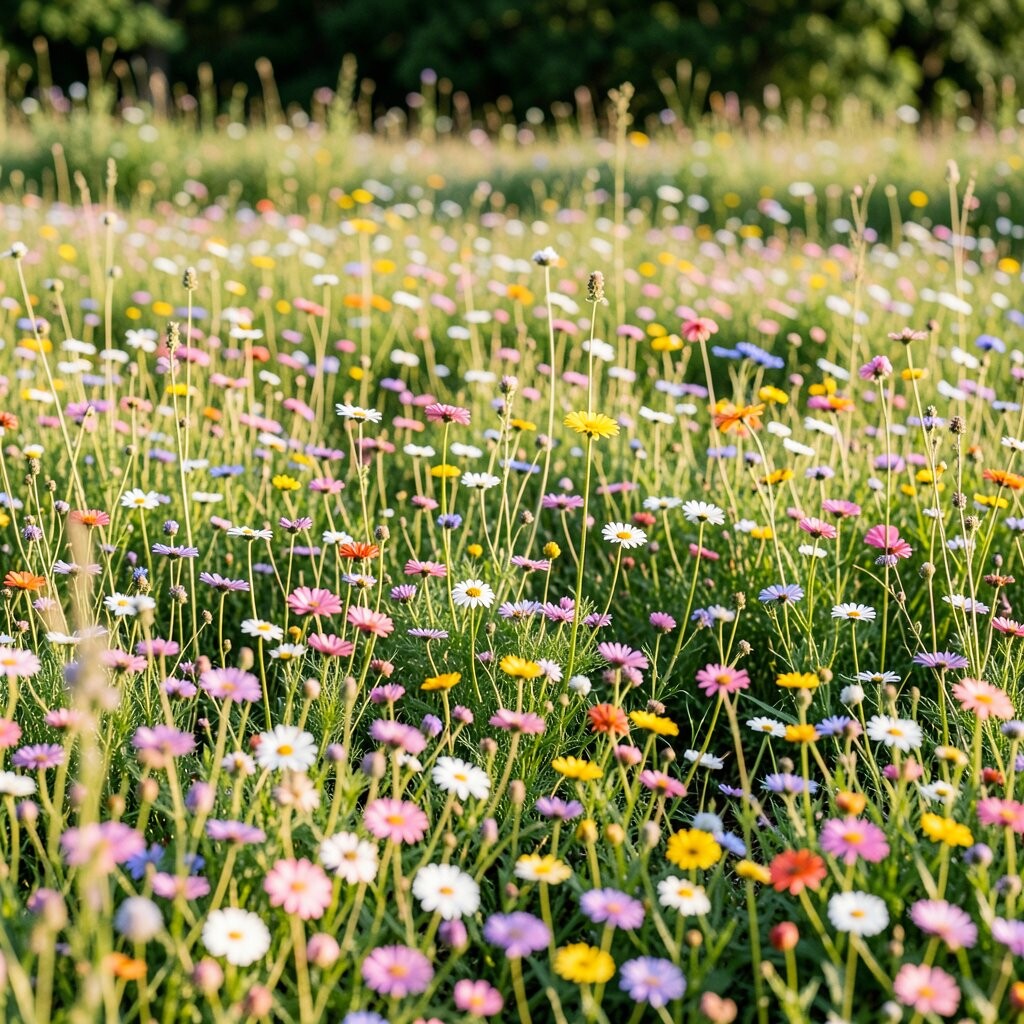
You do not have to use every color at once. A meadow can look calm with soft pinks and whites, or bright with yellows, reds, and blues.
Color groups help the garden feel more planned. They also make it easier to pick seeds if you want a look that fits your home or fence color.
If you like a simple style, try two or three main colors. If you want a more lively feel, mix many shades but keep one color as the main one.
9. Add One or Two Garden Seats
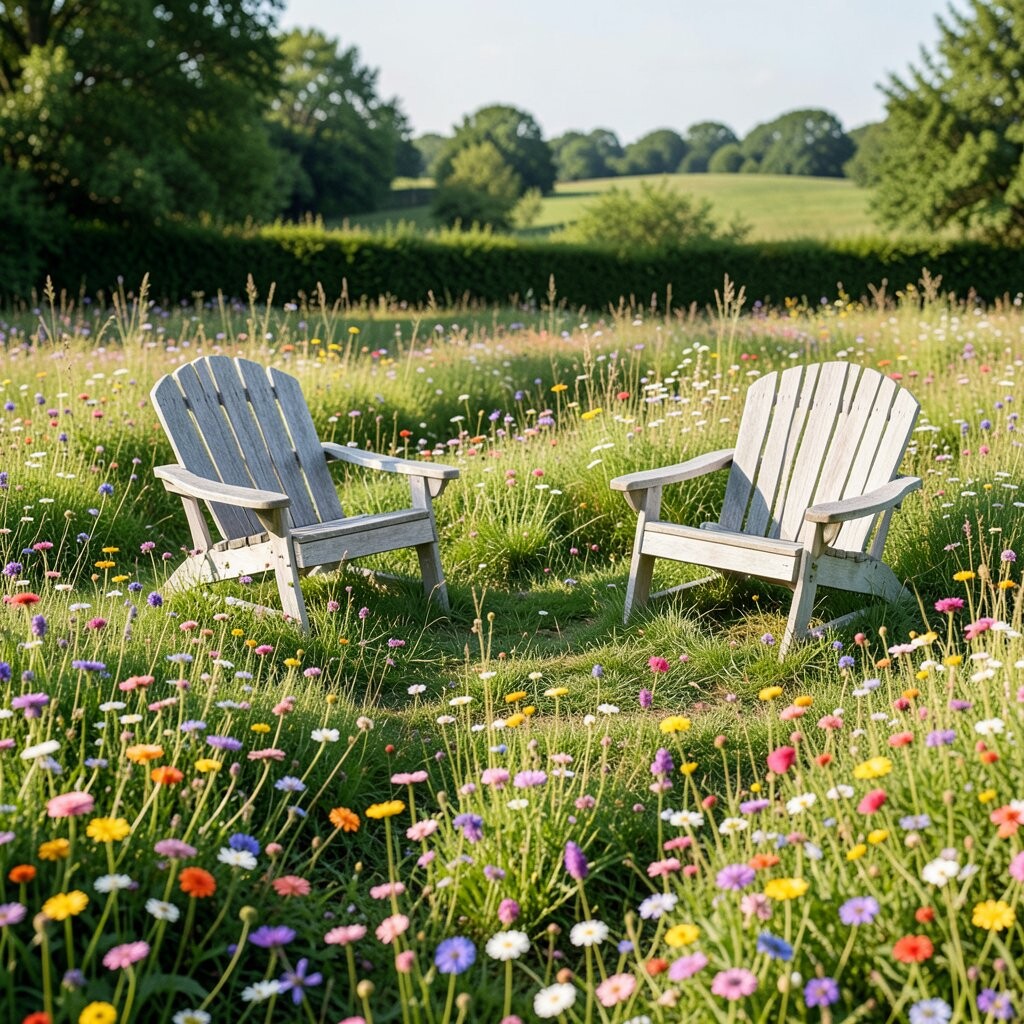
A bench, stool, or small chair can make a meadow feel like a place to stay for a while. It gives you a spot to rest and look at the flowers up close.
This kind of seating does not need to cost much. A used chair, a painted bench, or even a simple wood seat can fit well beside a wildflower patch.
Place the seat where you can see the best part of the meadow. A quiet corner or a spot near the path can make the whole area feel more useful and personal.
10. Try a Meadow Along a Fence
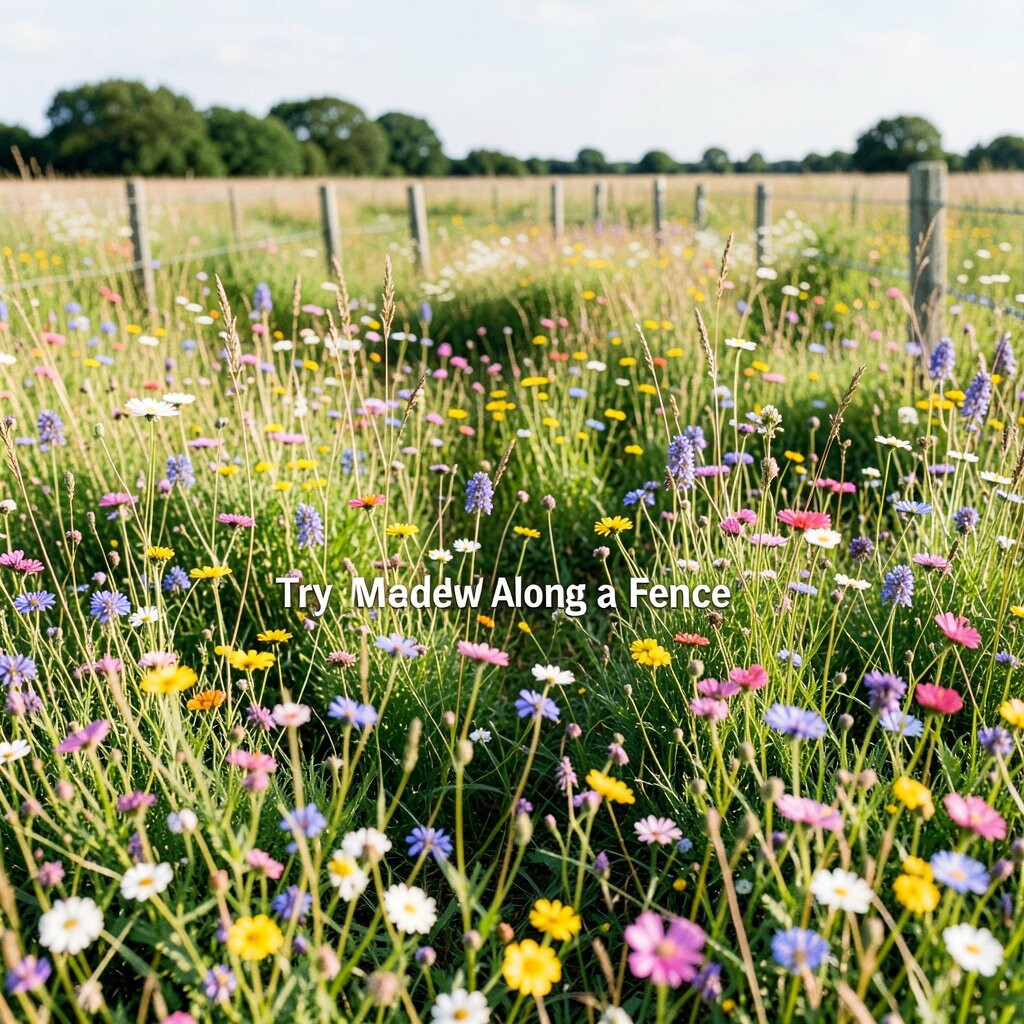
A fence line is a smart place for wildflowers. It uses space that may not work well for a lawn and turns it into something bright and full.
Flowers near a fence can also hide plain boards or wire. This makes the yard feel softer and more finished without a lot of extra work.
This idea is good for small yards because it leaves the center open. You can keep the cost low by using a narrow seed strip instead of planting a large bed.
11. Add a Few Grass Types Too
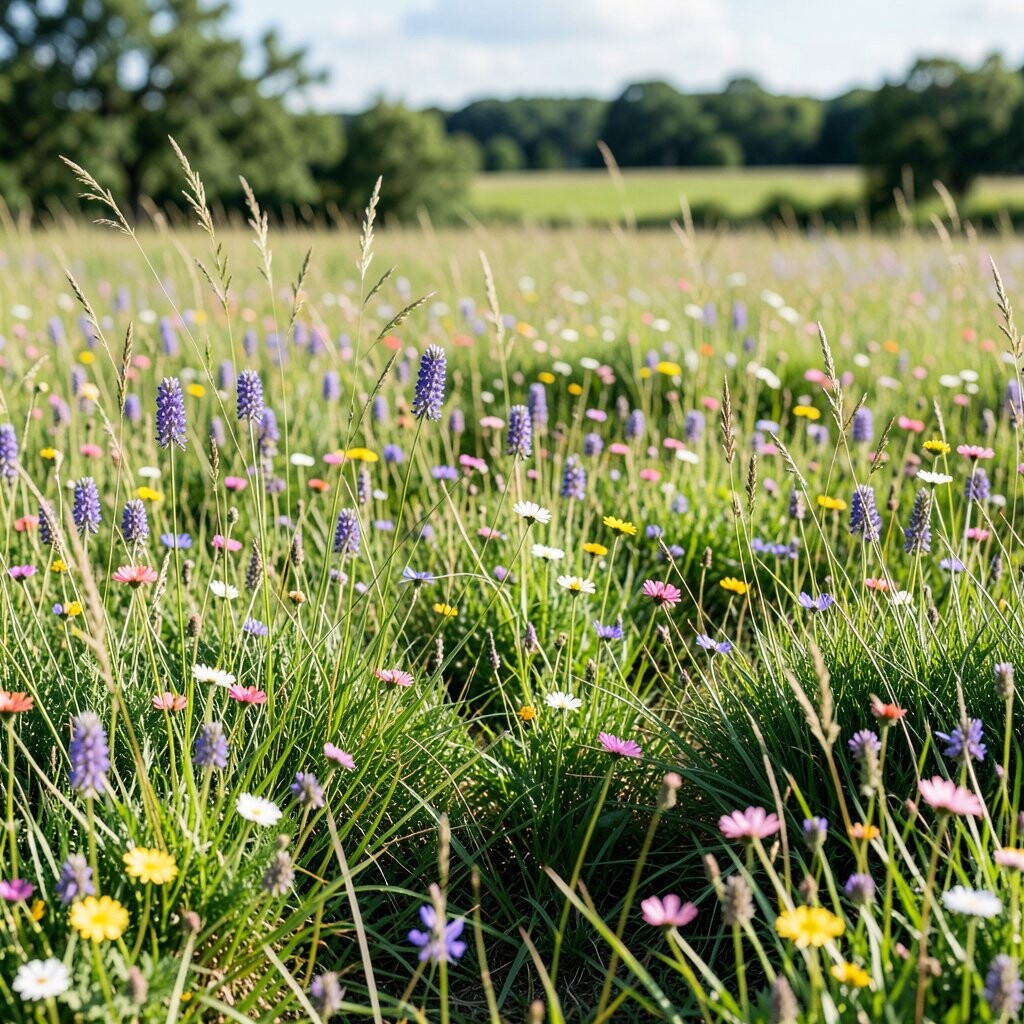
Wildflower meadows do not have to be only flowers. A few soft grasses can add movement and make the space look more natural in the wind.
Grass also helps fill gaps between blooms. That can keep the meadow looking green even when some flowers are not in season.
Choose grasses that fit your area and do not grow too fast. This mix is a common garden trend because it gives a relaxed look and often needs less mowing.
12. Keep It Easy to Care For
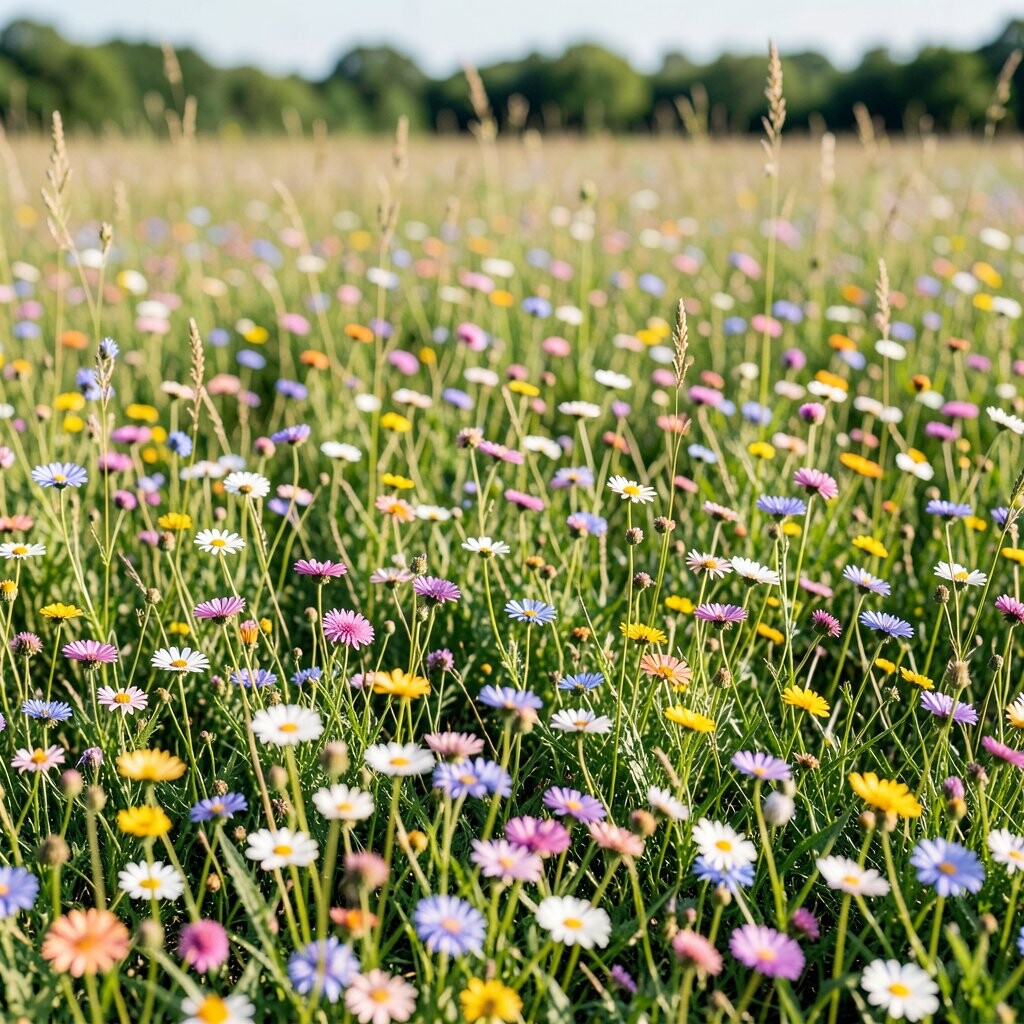
A good wildflower meadow should fit your life, not add stress. If you keep the plan simple, it will be easier to water, weed, and trim when needed.
Use seed mixes that match your soil and sun level. That small choice can save money and help the flowers grow better with less extra care.
You can also make the meadow your own by changing the mix over time. Add more of the flowers you like best, leave room for new plants, and shape the space so it works for your yard.