Winter trips can feel smooth when you plan for cold weather, short days, and busy travel spots. Small steps before you leave can save time, money, and stress on the road.
1. Check the Weather Before You Pack
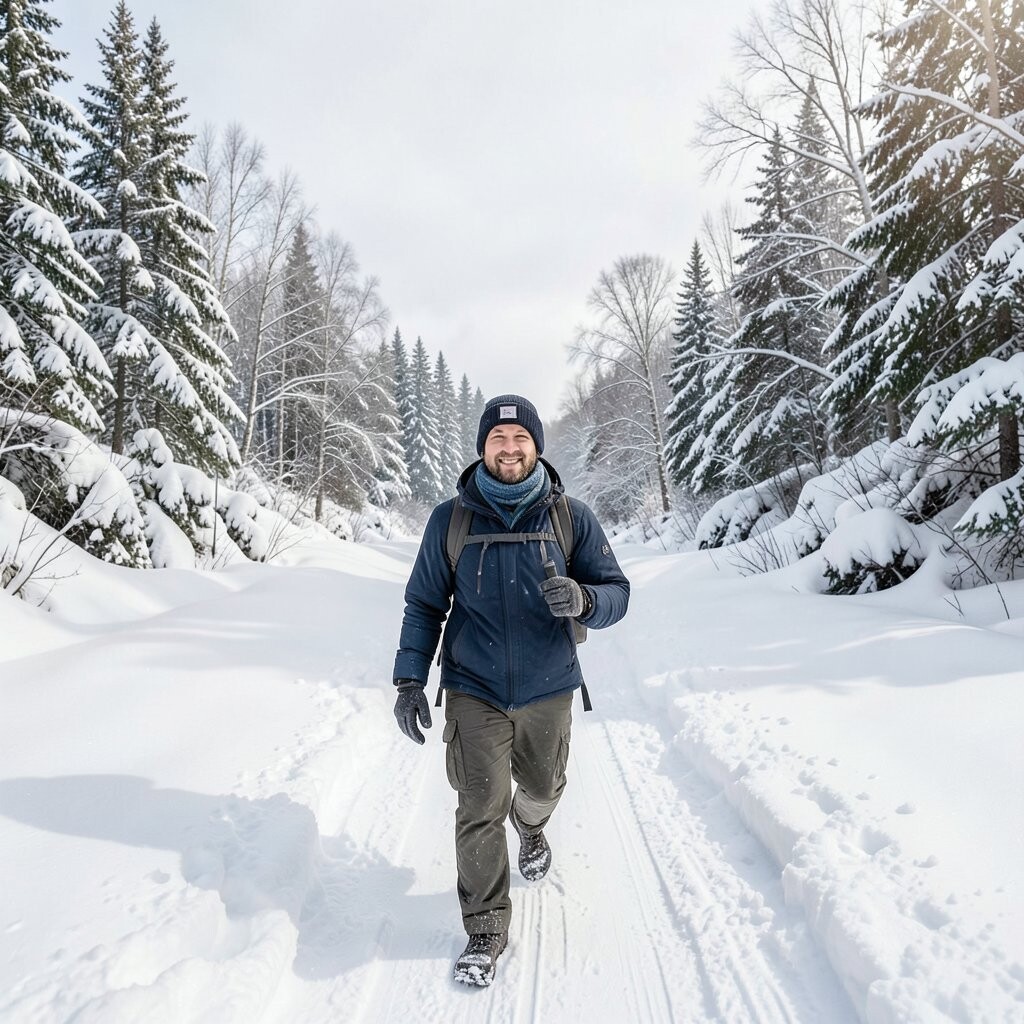
Winter weather can change fast, so it helps to check the forecast for each place on your trip. A calm, clear morning can turn into snow, ice, or strong wind by afternoon.
This simple habit helps you pack the right clothes and plan your day with less guesswork. It can also save money because you are less likely to buy extra items after you arrive.
Try to look at the weather for both your starting point and your stopovers. That way, you can make smart choices about shoes, coats, gloves, and even travel times.
2. Pack Layers You Can Add or Remove
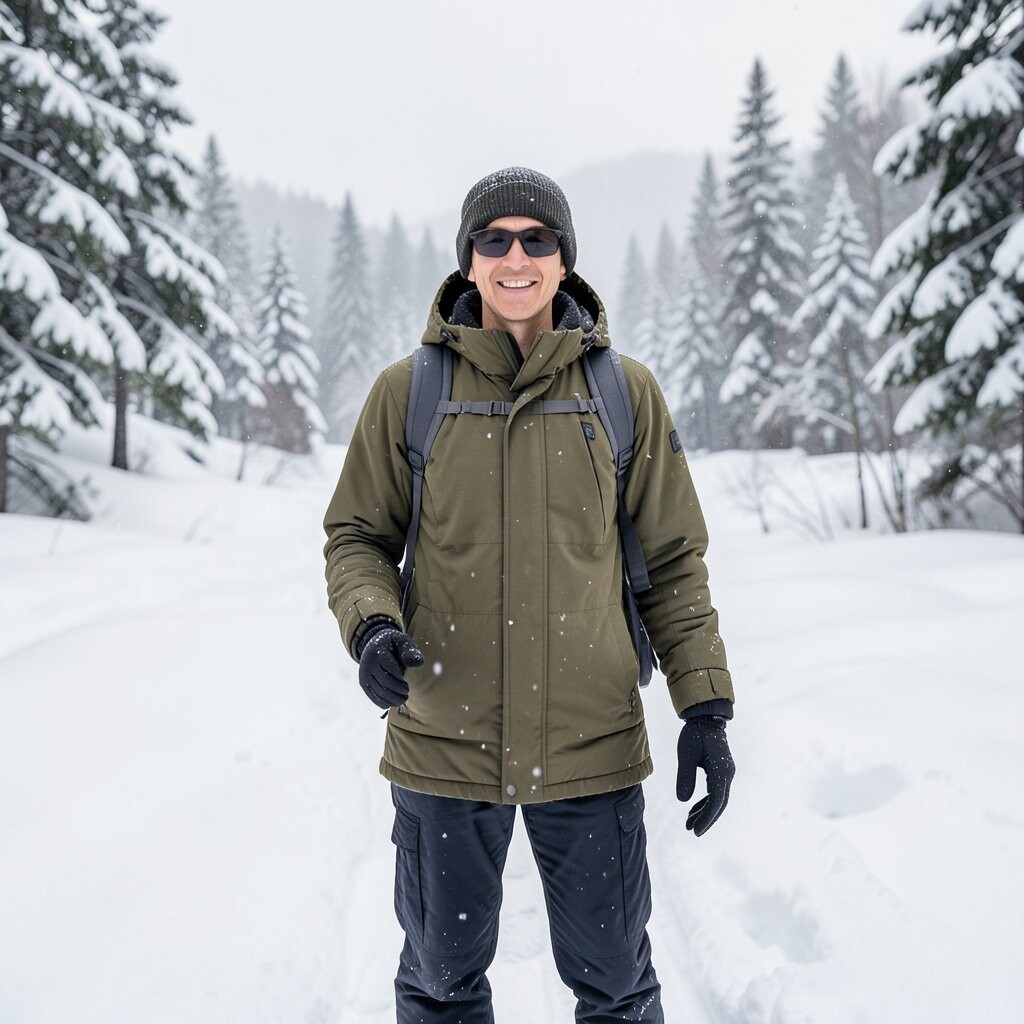
Layering is one of the easiest ways to stay warm without carrying a huge coat all day. A thin shirt, a warm middle layer, and a light outer layer can work well in many winter places.
This gives you more control when you move between cold streets, warm cars, and heated buildings. It also helps you make one outfit work in more than one setting, which is useful for both comfort and cost.
Pick layers that feel soft and fit well, so you do not feel bulky. Many travelers now use simple base layers and light puff jackets because they are easy to fold and carry.
3. Keep Your Travel Bag Small and Simple
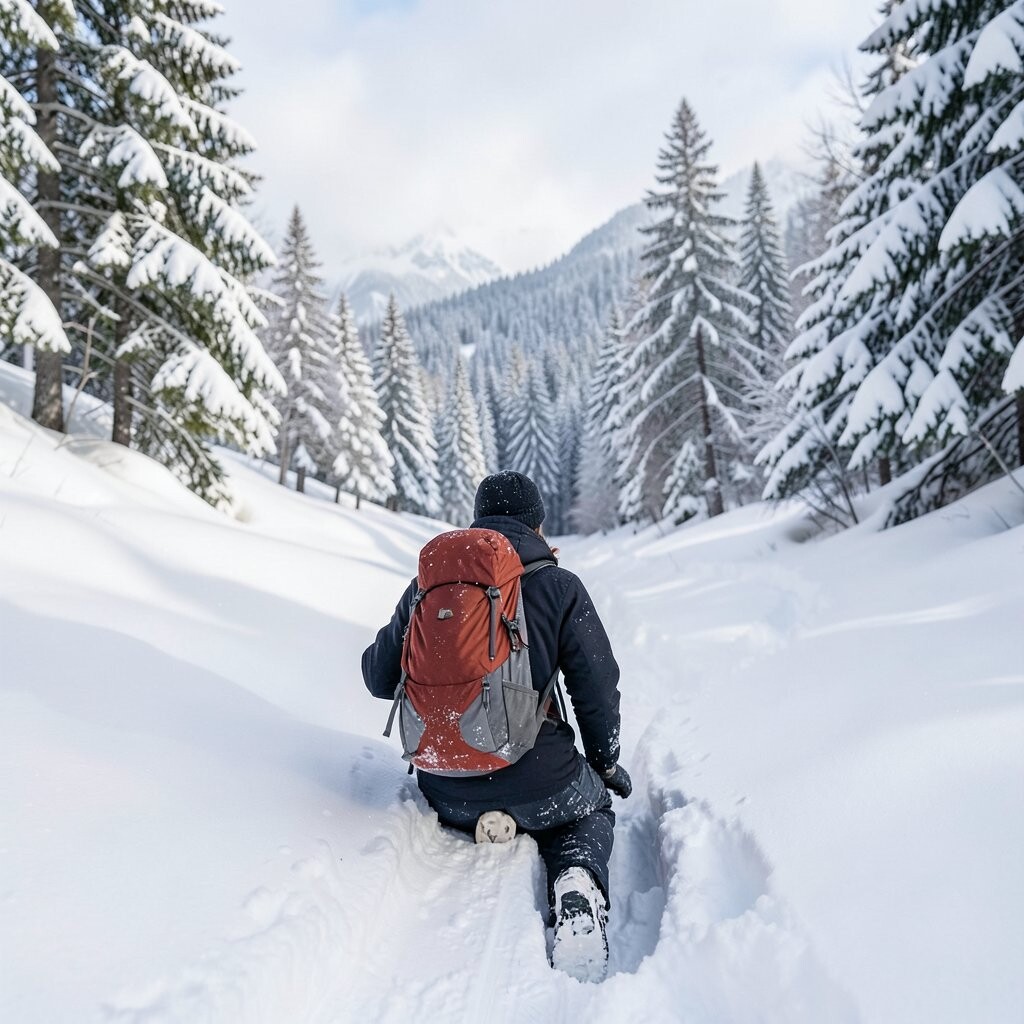
A heavy bag can make winter travel feel much harder than it needs to be. Snow, wet sidewalks, and crowded stations are all easier to deal with when your bag is light and easy to move.
Choose items that do more than one job, like a scarf that can also cover your neck and ears. This can help you save space and avoid paying extra for checked bags or storage.
Use a bag with good pockets so you can reach your phone, tickets, and gloves fast. A simple setup also helps you stay calm because you spend less time searching for things.
4. Wear Shoes That Handle Ice and Wet Ground
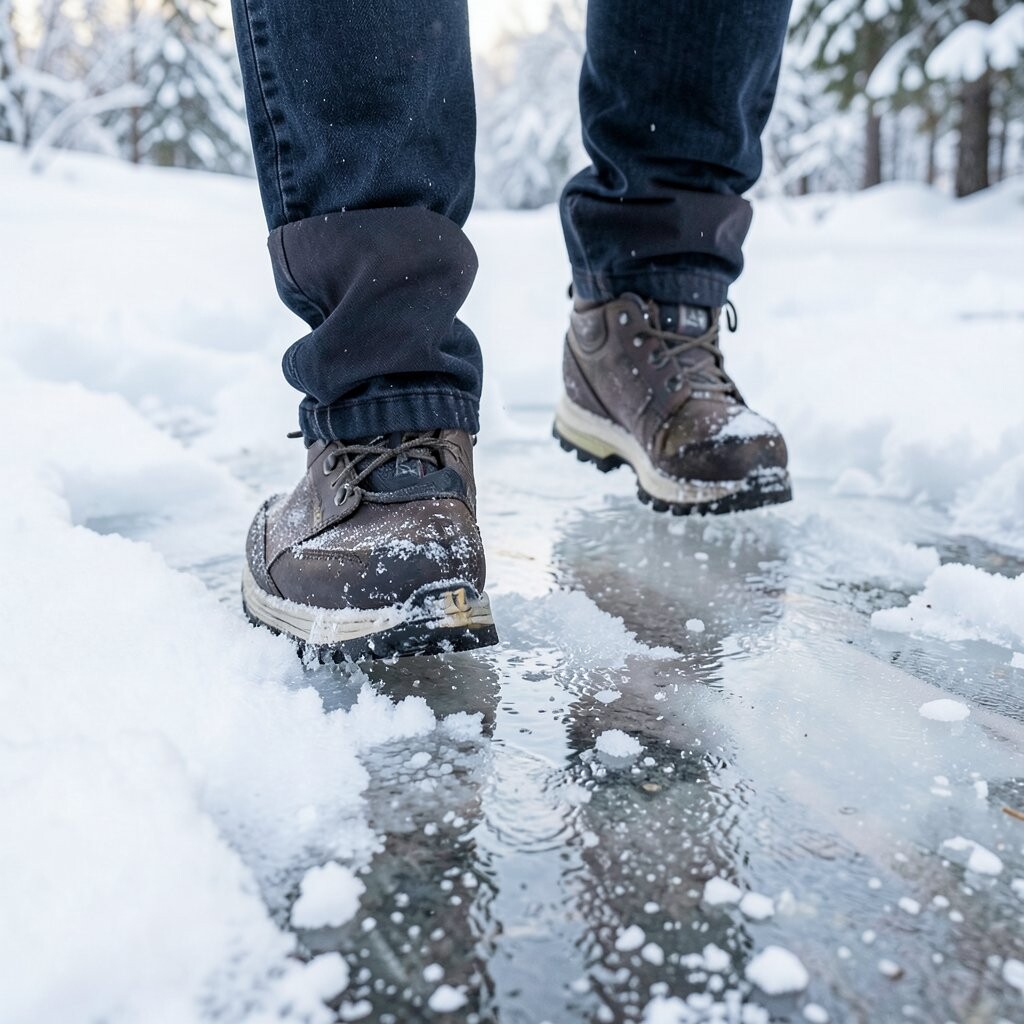
Winter shoes matter a lot because cold feet can ruin a whole day. Look for shoes with a strong grip, warm lining, and a shape that feels good after long walks.
Good shoes can help you move with more confidence on slush, snow, and wet floors. They can also keep you from buying new shoes at your destination, which can save a fair amount of money.
If your shoes are not fully waterproof, use a spray made for winter wear. Many travelers now choose simple boots that look clean enough for dinner but still work on rough sidewalks.
5. Plan for Slower Travel Times
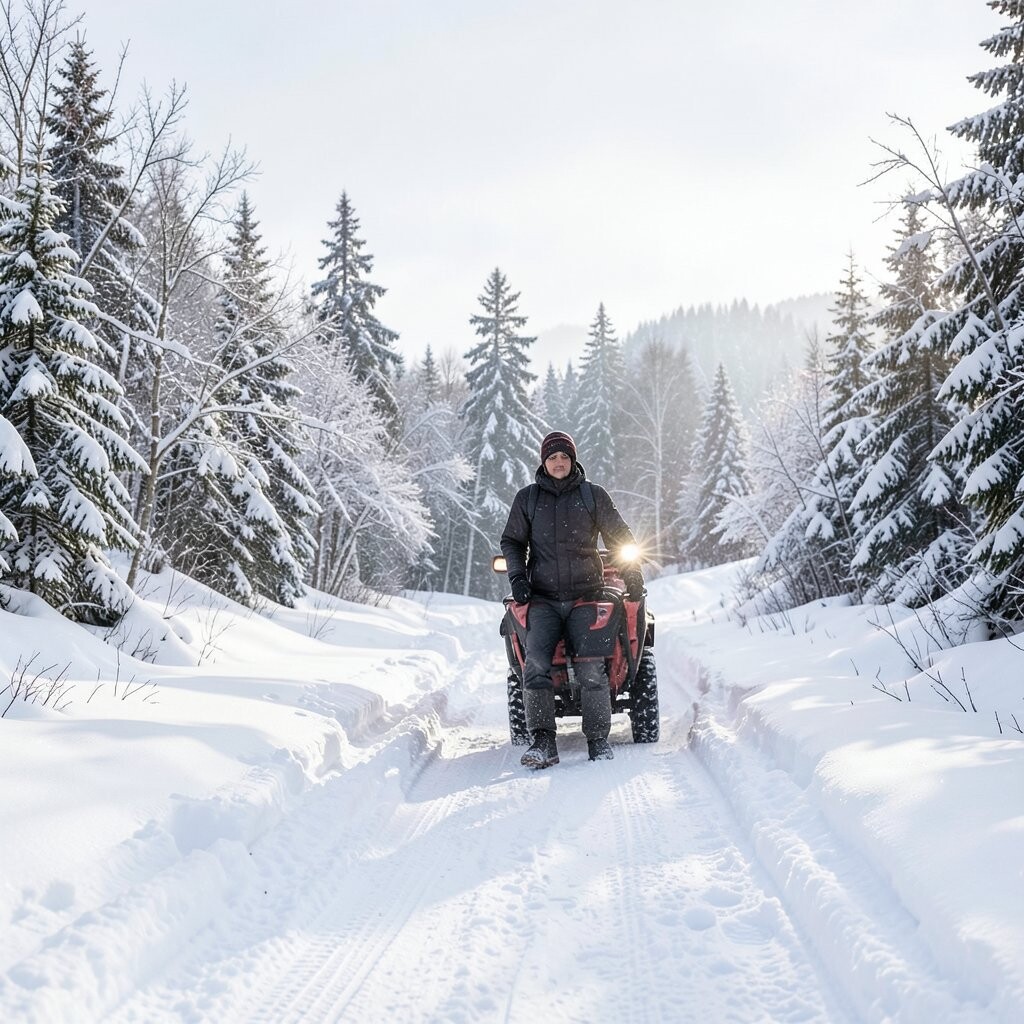
Winter roads, trains, and flights often run slower than people expect. Snow, ice, and busy holiday travel can all add delays, even when the trip looks short on a map.
Give yourself extra time so you do not feel rushed at every stop. This helps you stay calmer and gives you room to handle small problems without panic.
It can also help to book earlier travel times when possible, since late-day plans may be more likely to slip. A slow, steady plan often feels better than a tight one during cold months.
6. Keep Snacks and Water Close
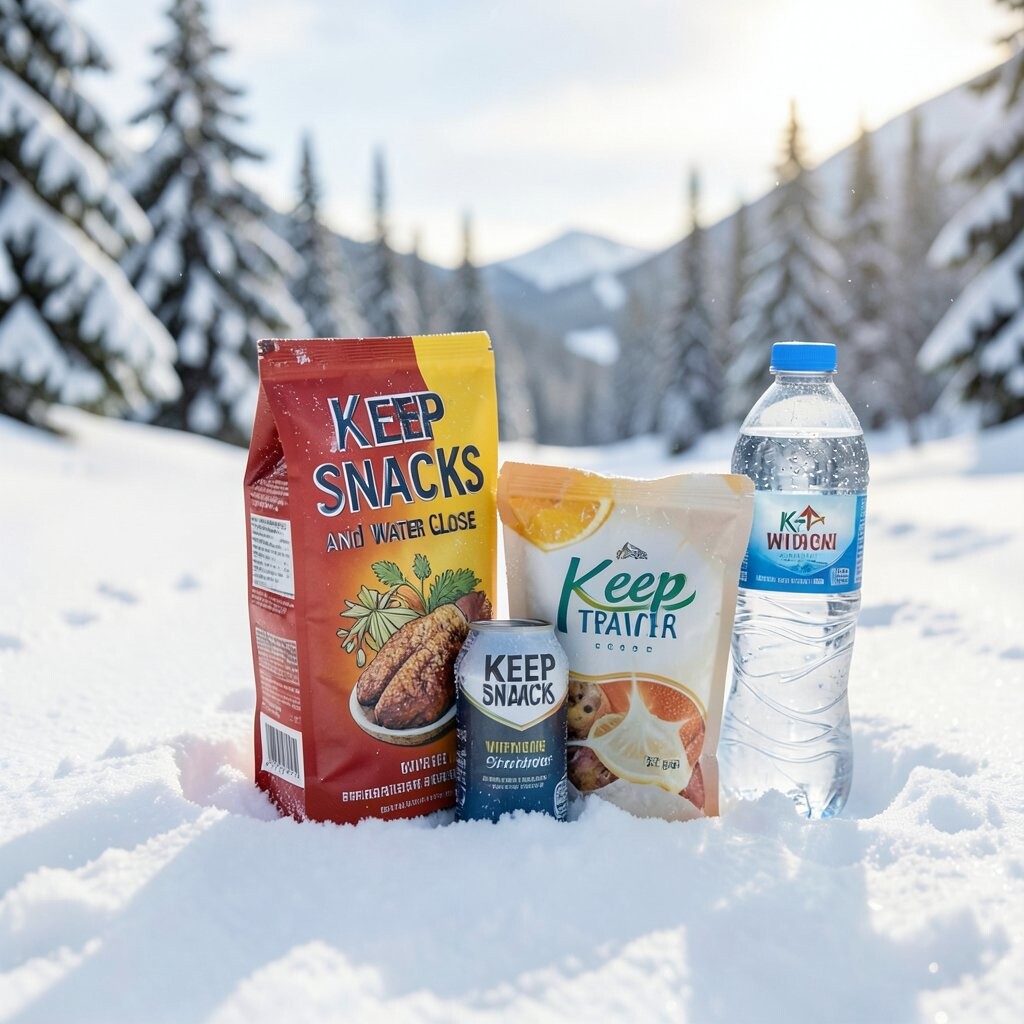
Winter travel can leave you tired and hungry faster than you expect. Cold air, dry spaces, and long waits can make your body want more water and food.
Bring easy snacks like nuts, fruit, crackers, or granola bars so you do not need to hunt for food right away. This is useful in small towns, late-night stops, and places where food costs more than usual.
A refillable water bottle can also help, even if the weather is cold. Many people forget to drink enough in winter, and that can make travel feel harder than it should.
7. Make a Simple Plan for Each Day
A short daily plan can keep winter trips from feeling messy. You do not need a full hour-by-hour schedule, just a few key stops and a rough idea of when to move.
This helps you use daylight well, which matters because winter days are often short. It also makes it easier to fit in indoor breaks when the weather turns rough.
Write down the most important places first, then add a few extra ideas if you have time. A flexible plan gives you freedom without making the day feel open and unsteady.
8. Book Places That Feel Warm and Easy
Where you stay can shape your whole winter trip. A warm room, easy check-in, and a good location can save time and lower stress after a cold day outside.
Look for places with strong heat, good reviews, and simple access to buses, trains, or main roads. This can help you spend less on rides and more time resting or enjoying your trip.
Some travelers now choose rentals with kitchens so they can make breakfast or warm soup. That small choice can feel nice, save money, and make the trip feel more like home.
9. Use Tech to Stay on Track
Your phone can be a big help during winter travel if you use it in a smart way. Maps, weather apps, airline alerts, and hotel messages can all keep you from missing key details.
Save tickets, addresses, and contact info in more than one place so you are not stuck if your battery drops. A portable charger can be worth the cost because cold weather can drain batteries fast.
Try to keep useful apps in one folder so they are easy to find with cold fingers. Many travelers now use digital boarding passes and ride apps because they cut down on paper and waiting.
10. Leave Room for Rest
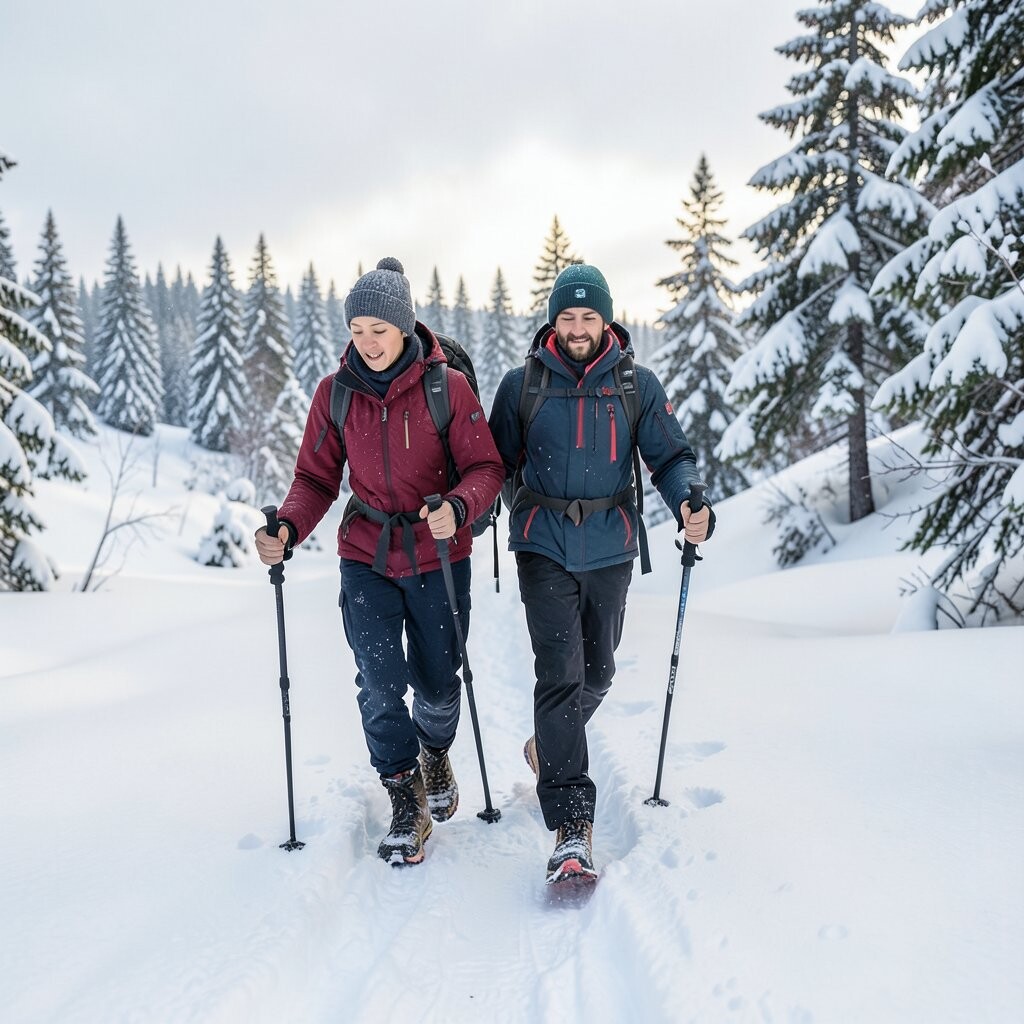
Winter trips can feel better when you do not fill every minute. Cold weather often takes more out of your body, so rest is not lazy, it is useful.
Plan short breaks for tea, a warm meal, or a quiet stop indoors. These pauses can help you enjoy the trip more and keep small problems from piling up.
If you are traveling with kids or older family members, rest time matters even more. A slower pace can make the trip feel safe and steady for everyone.
11. Keep Important Items Easy to Reach
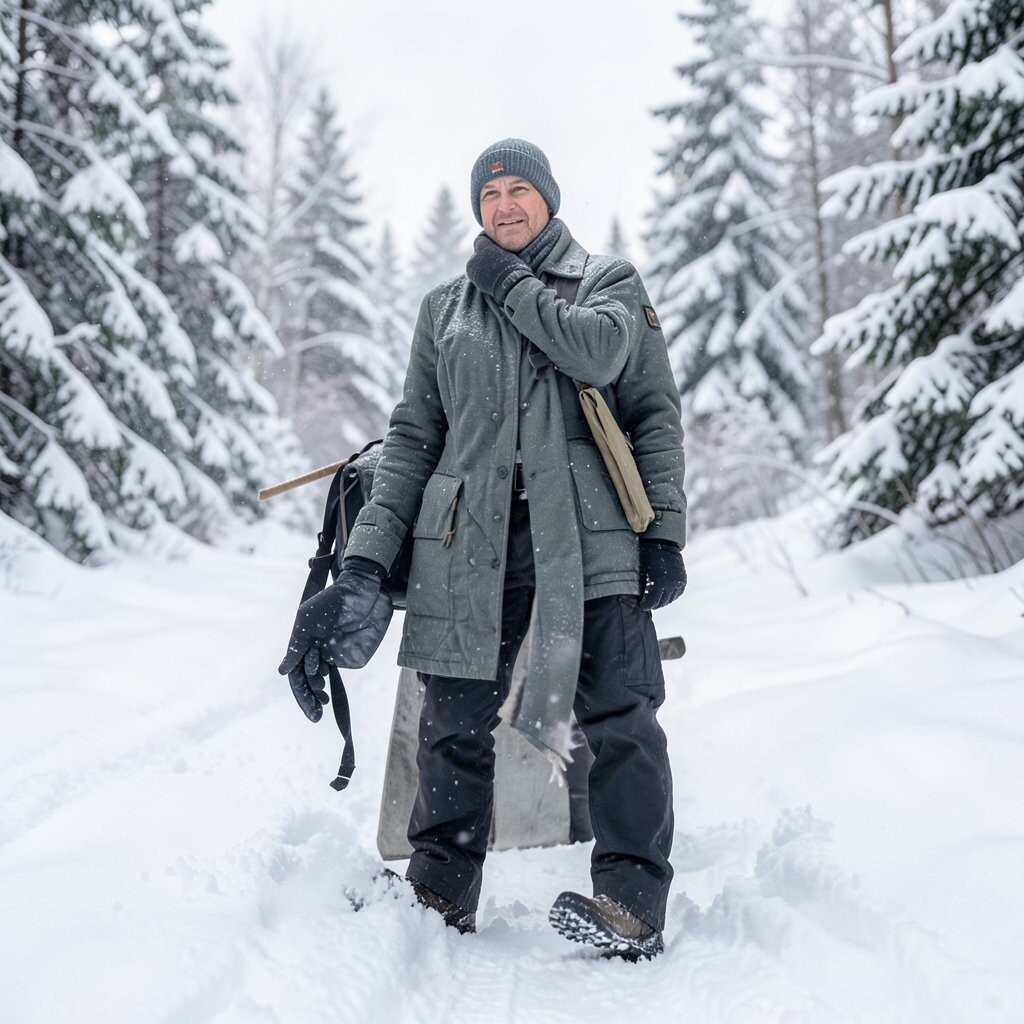
When it is cold, you do not want to dig through your bag for every small thing. Keep your phone, wallet, keys, tissues, lip balm, and gloves in spots you can reach fast.
This helps you move through airports, stations, and hotel lobbies with less fuss. It also lowers the chance of losing something when your hands are cold and your mind is busy.
Some travelers use small pouches or clear bags for winter basics. That simple setup can make a big difference when you are standing in the wind or waiting in line.
12. Dress for Indoor and Outdoor Changes
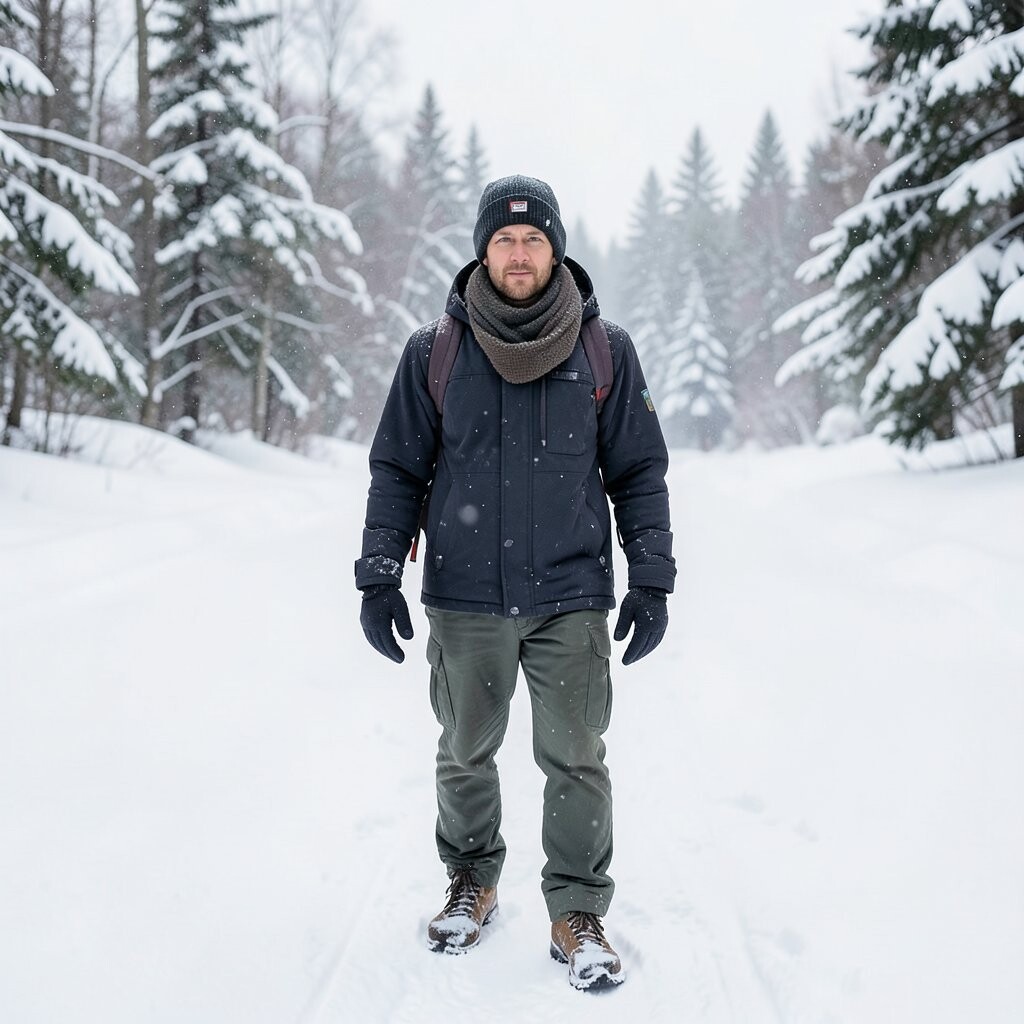
Winter travel often means going from cold air to hot rooms and back again. If you dress only for the outside, you may feel too warm indoors and too cold outside.
Choose clothes that work in both places, like easy layers, breathable shirts, and socks that keep feet warm without feeling too thick. This makes it easier to move through shops, museums, cars, and hotels.
It can also help to wear clothes that look neat enough for both travel and dinner. That way, you do not need to pack extra outfits just to feel ready for the day.
13. Watch Your Budget Before and During the Trip
Winter travel can bring extra costs, like winter gear, checked bags, hot drinks, and last-minute ride changes. A simple budget helps you see where your money is going before the trip starts.
Look for deals on travel dates, lodging, and local transport, but do not book something that will make the trip hard or unsafe. Sometimes paying a little more for a better location or warmer room saves money in other ways.
It helps to set aside a small amount for surprise costs, like a taxi after a storm or an extra meal during a delay. That cushion can make the whole trip feel less tight and less stressful.
14. Make the Most of Winter Views
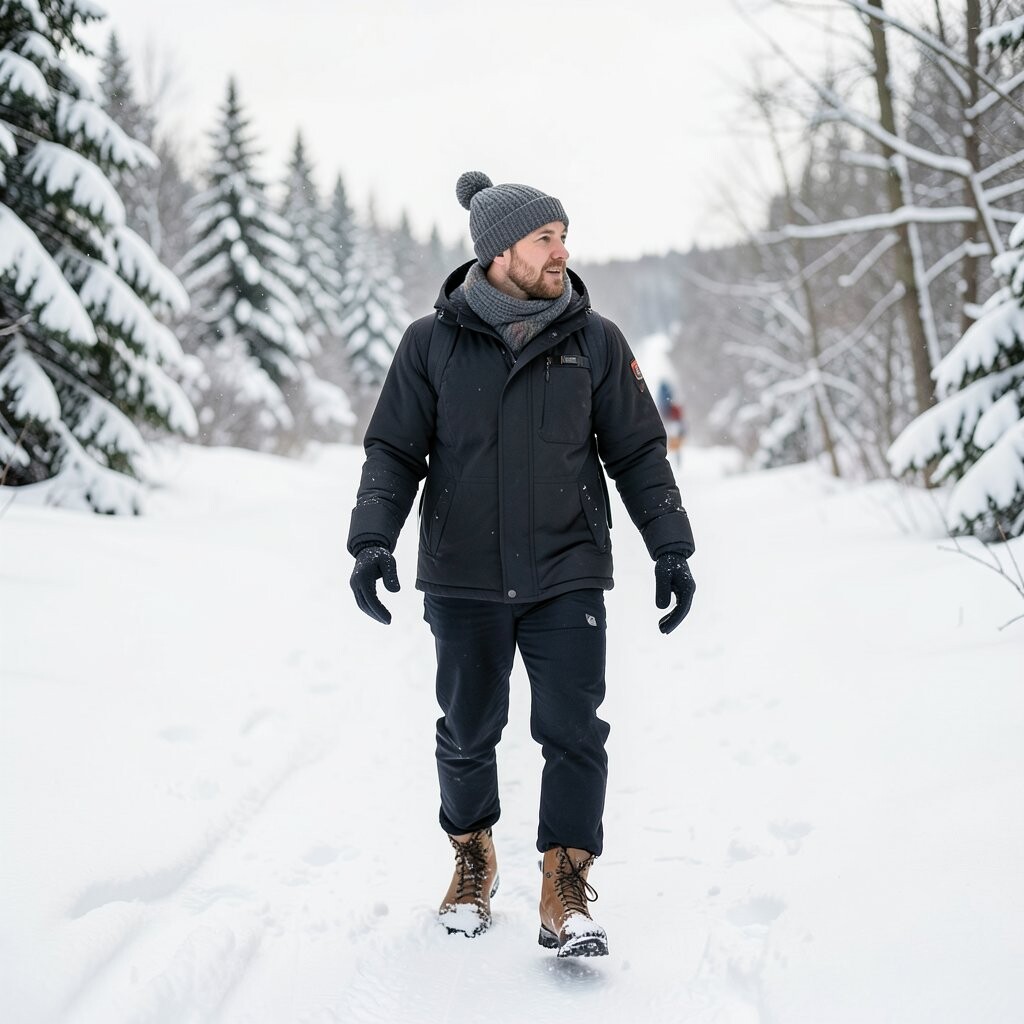
Winter can look very different from other seasons, with bright snow, bare trees, and soft gray skies. These scenes can feel calm and simple, even in busy places.
Take time to enjoy the look of the trip instead of rushing past it. A stop by a frozen lake, a quiet street, or a snow-covered park can give you a nice break without much cost.
Many travelers now plan a few photo stops or short walks just to enjoy the season. If you like taking pictures, use the low winter light in the morning or late afternoon for a clean, soft look.
15. Keep Your Plans Flexible
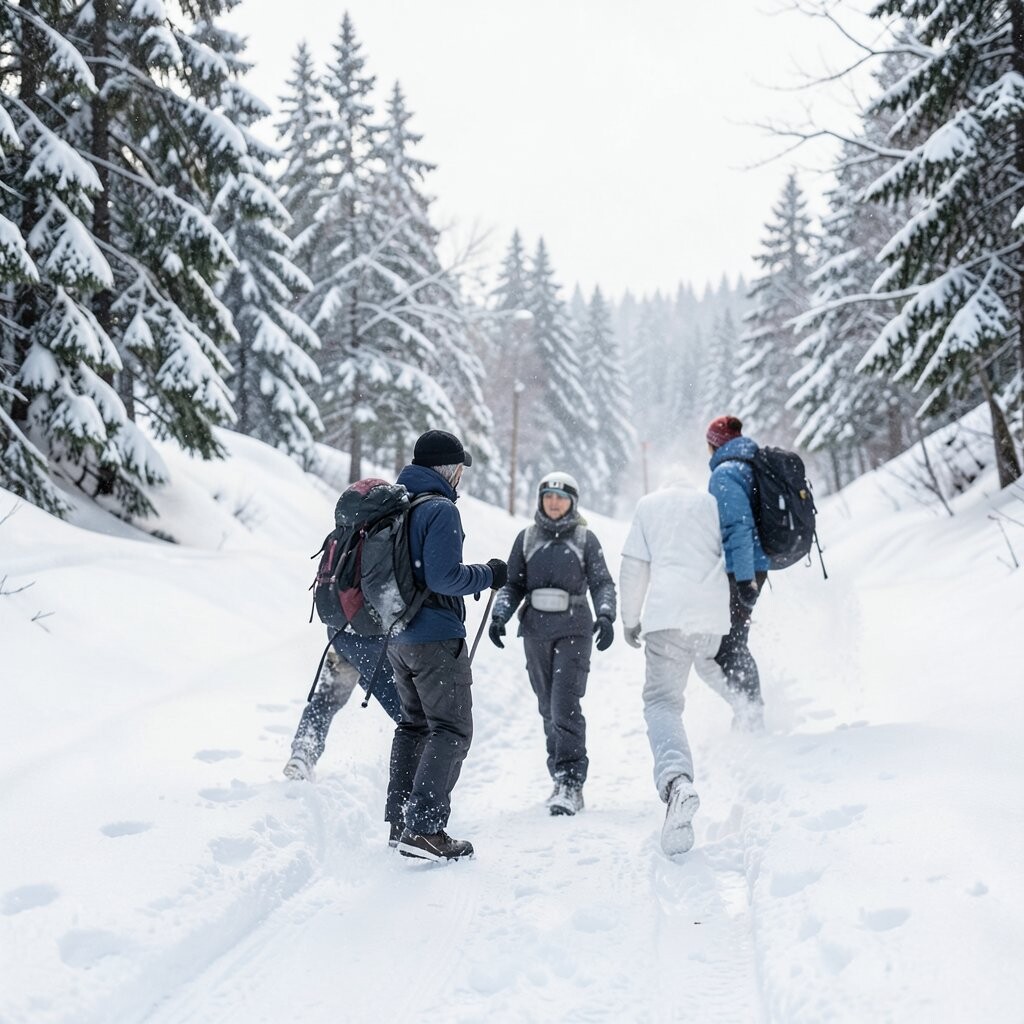
Flexibility is one of the best tools for winter travel. A road closure, late train, or snowy morning can change your day, so it helps to have backup choices.
Make a list of indoor places, local cafes, or simple nearby stops in case your main plan does not work. This keeps the trip moving and helps you avoid the stress of feeling stuck.
Flexible plans also fit the way many people travel now, with short stays, last-minute changes, and mixed work and leisure trips. When you leave space in your schedule, winter travel feels easier to manage and more your own.