The best trips often begin long before the bags are packed. A little planning can turn a simple break into a memory that feels bright for years.
1. Check your travel dates with care
Dates shape the whole mood of a getaway, from busy streets to quiet beaches. A smart date choice can save money and make the trip feel calmer.
Try looking at school breaks, local holidays, and big events before you book anything. Some places feel lively and full of energy during festival time, while others feel more peaceful in the off-season. If you want a trip that fits your style, choose dates that match your pace and your budget.
2. Set a travel budget that feels real
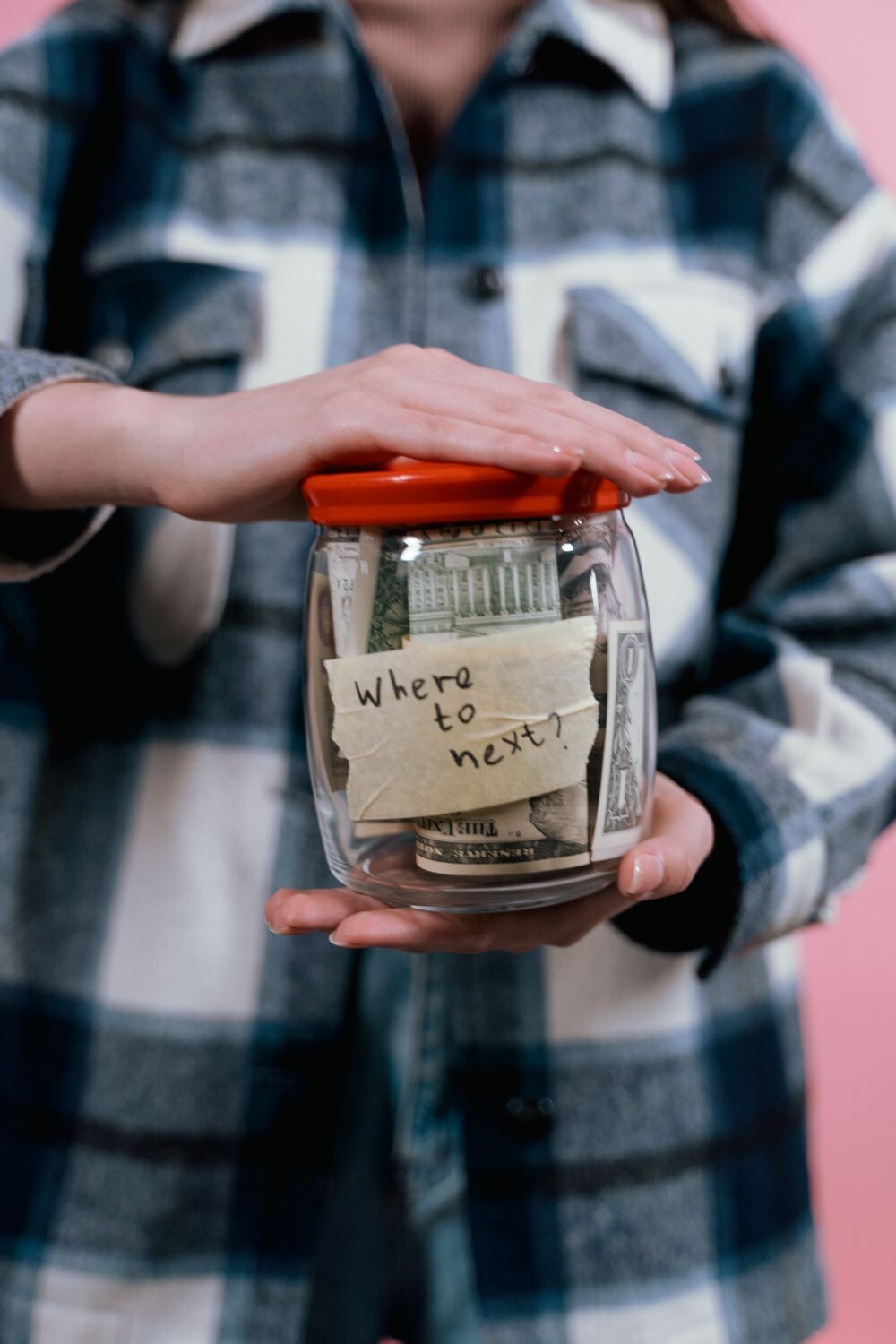
Money can vanish fast on a trip if you do not give it a plan. A clear budget helps you enjoy more and worry less.
Think about transport, food, stays, snacks, gifts, and fun extras. It also helps to leave room for surprise costs like parking, baggage fees, or a last-minute taxi ride. Many travelers now use simple phone apps or notes to track spending, which makes the whole trip feel easier to manage.
If you want the trip to feel more personal, set a budget around what matters most to you. Maybe you care more about a cozy hotel bed than fancy meals, or maybe you would rather spend on local treats than souvenirs. That kind of choice makes the getaway feel like it was made for you.
3. Pick a place that fits your mood
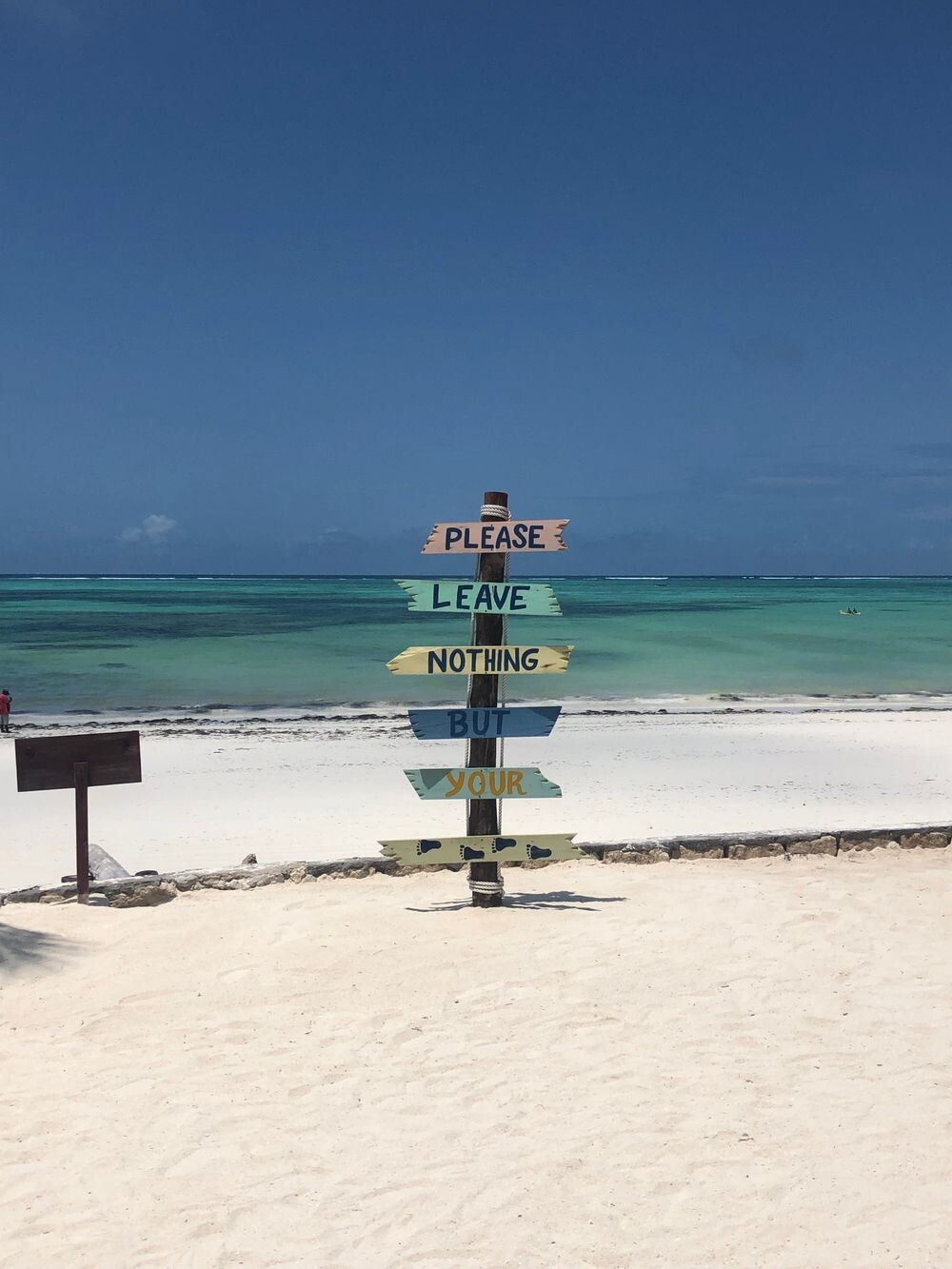
Not every getaway should feel the same. A beach town, mountain cabin, city stay, or small village each gives a different kind of joy.
Think about what sounds best right now. If you need rest, a quiet place with soft colors and slow mornings may be perfect. If you want excitement, a busy street with bright signs, local shops, and lively food spots might bring more fun.
It helps to match the place with the people coming along too. A family trip may need easy walks and simple meals, while a friend trip may work better near music, art, or nightlife. Unique places often feel more memorable, so even a tiny town with a strong local feel can be a great choice.
4. Pack light, but pack smart
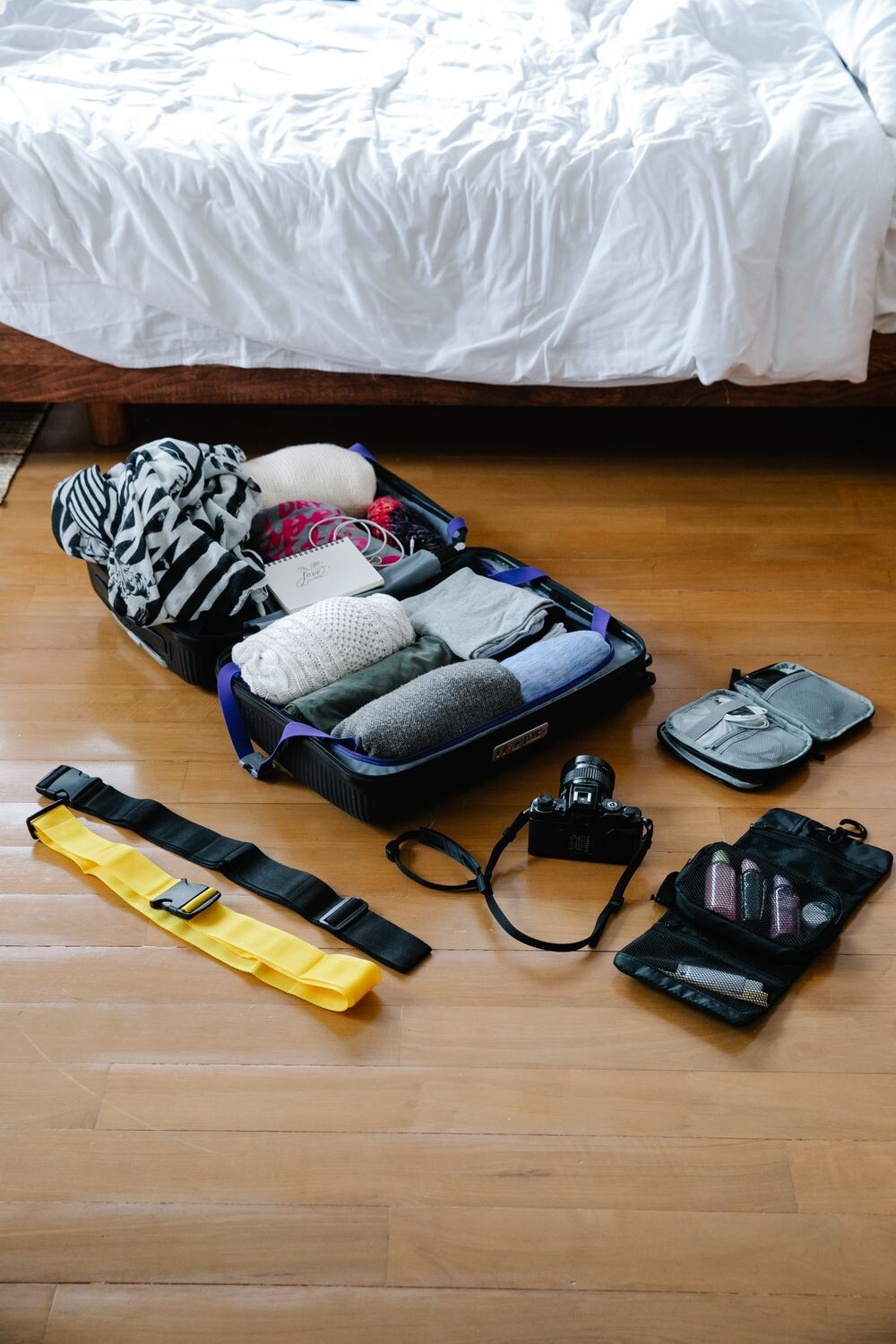
Heavy bags can slow down a trip and make every step feel harder. A lighter bag gives you more freedom and less stress.
Start with the basics you know you will use, then add only what truly helps. Fold clothes that can mix and match, and choose shoes that work for many plans. This is also a good time to check current travel trends, since many people now prefer simple carry-ons and fewer items.
5. Make a simple plan for each day
A loose plan can keep your getaway smooth without making it feel strict. It gives the day shape while leaving room for fun surprises.
Write down a few things you really want to do, then leave open space around them. You might want a morning coffee stop, one main activity, and a relaxed evening walk. That kind of plan feels useful because it keeps you from wasting time, but it still leaves room to follow your mood.
Personal touches make the plan better. If you love art, add a local gallery; if you love food, add a market or bakery; if you love quiet moments, add a park bench or beach sunset. The best plans often feel simple, clear, and made just for you.
6. Keep your phone and documents ready
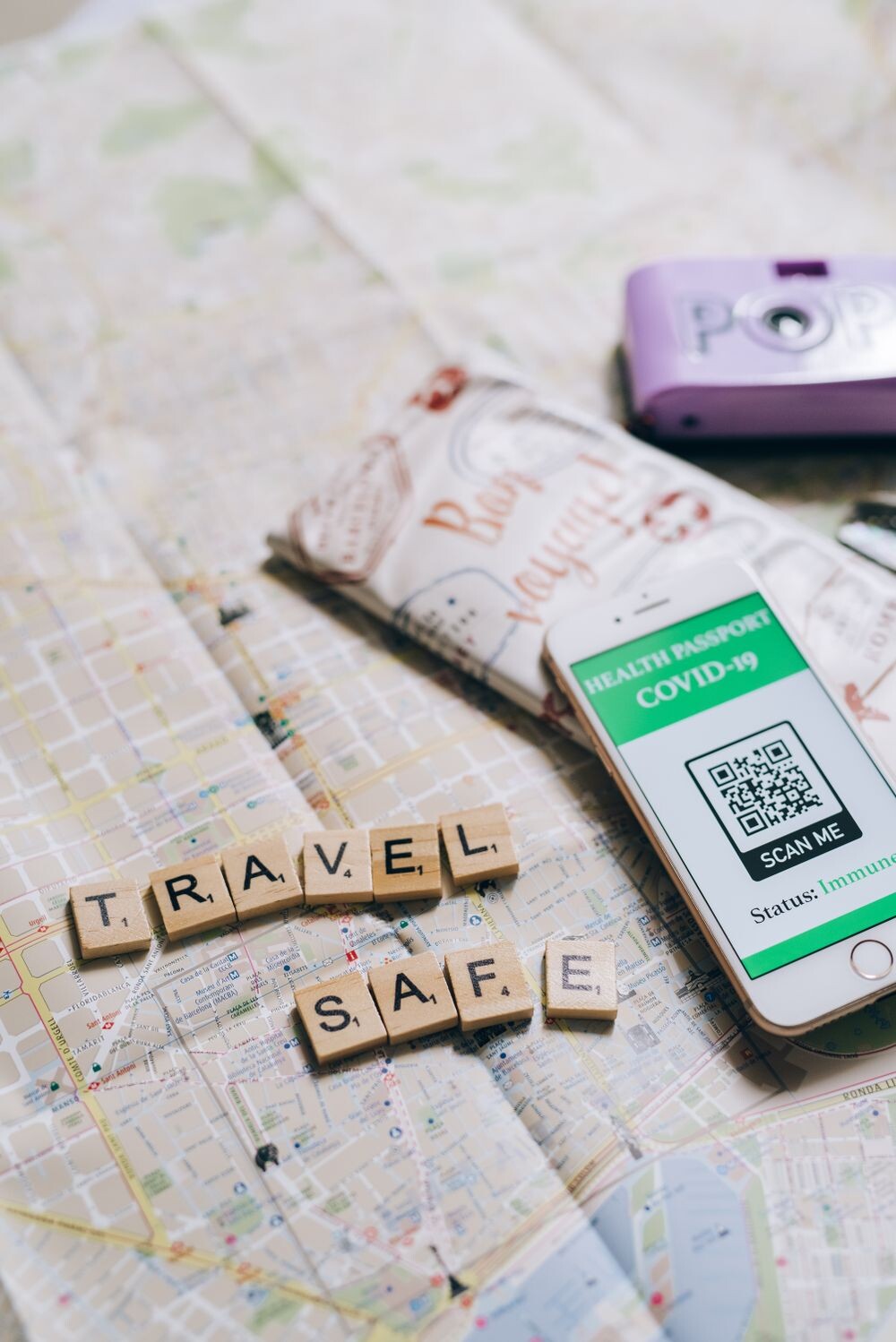
Travel feels much easier when your important items are easy to find. A missing ticket or dead phone battery can turn a nice day into a messy one.
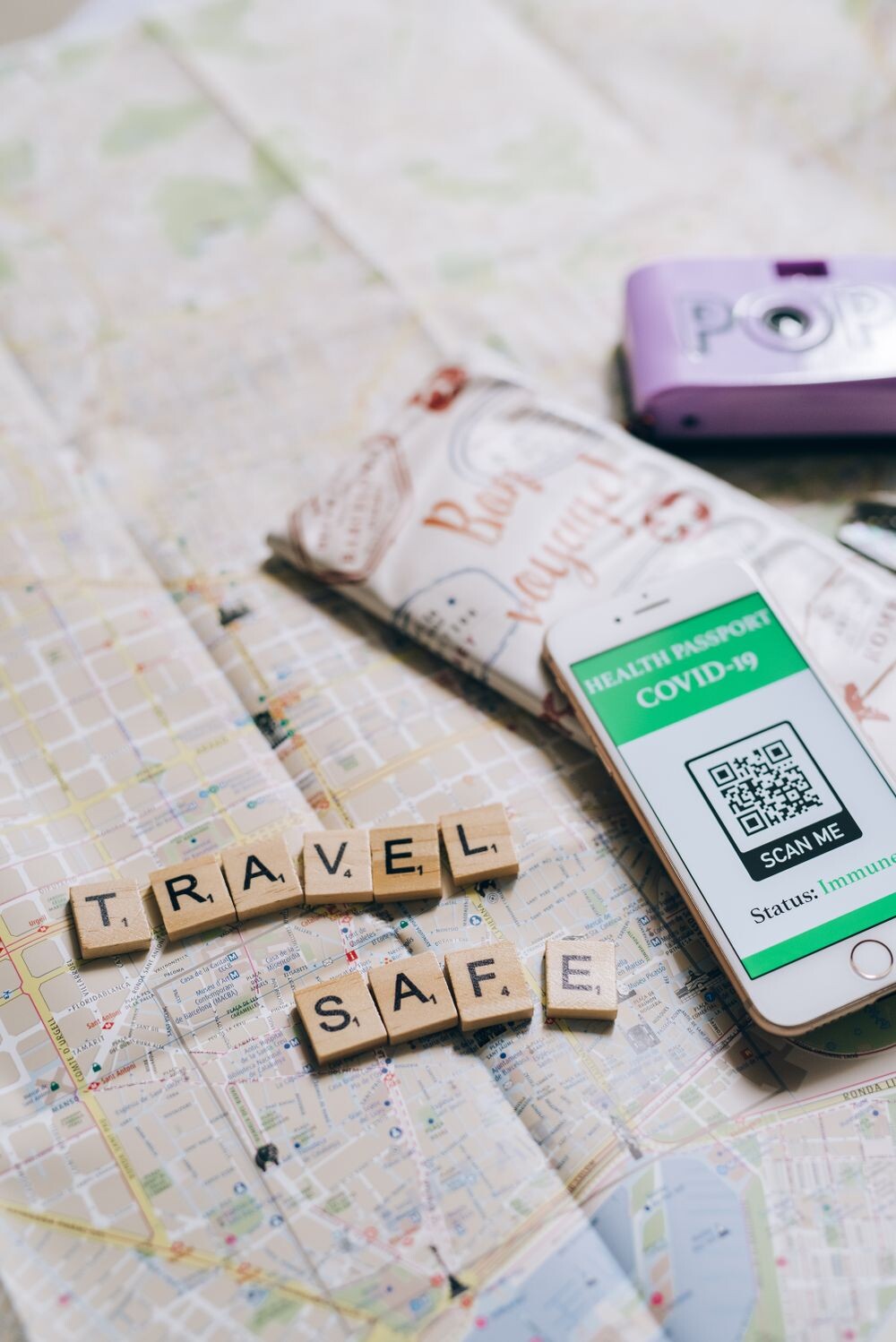
Save copies of your ID, reservation details, and travel passes in more than one place. A small folder, a secure app, or an email you can open offline can be a big help. It is also wise to charge your phone fully before you leave and pack a power bank if you will be out all day.
Many travelers now use digital wallets and mobile check-ins because they save time. Still, it is smart to keep a paper backup for places with weak internet or slow service. That mix of old and new can make your trip feel both modern and safe.
7. Think about food before hunger hits
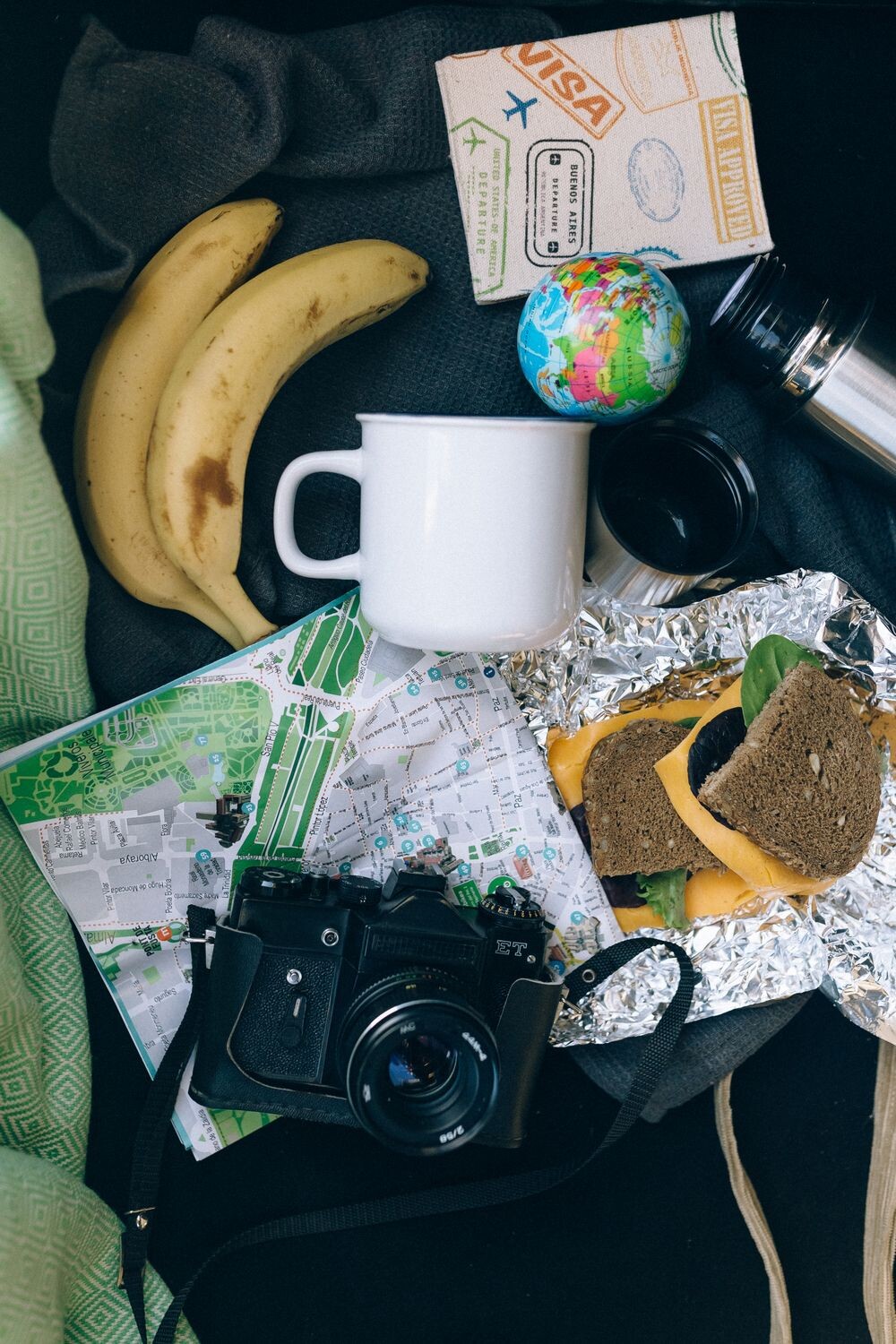
Good food can be one of the best parts of any getaway. A little planning helps you enjoy local flavors without overspending or getting too tired.
Look up a few places to eat before you arrive, especially if you have allergies or strong food likes and dislikes. Street food, family-run cafes, and small bakeries often give a trip its special taste. If you want to keep costs down, mix one nice meal with simple snacks or picnic items from a shop or market.
Food can also be a fun way to make the trip feel personal. Some people love trying the local breakfast, while others want dessert from a famous shop or a fresh meal by the water. When you plan around your own taste, the whole trip feels warmer and more memorable.
8. Leave room for rest and slow moments

A getaway can feel packed with fun and still leave you tired if every hour is full. Rest is part of the trip, not a break from it.
Slow time can be beautiful. Watching clouds, reading in a chair, or sipping something cold at a quiet table can become the memory you talk about later. These moments also help you enjoy the busy parts more because you are not worn out.
If you are traveling with others, talk about rest time before you go. Some people need a nap, some want a quiet walk, and some just want time alone with music or a book. Making space for those needs keeps the trip kind and balanced.
9. Pack for the weather, not just the photo
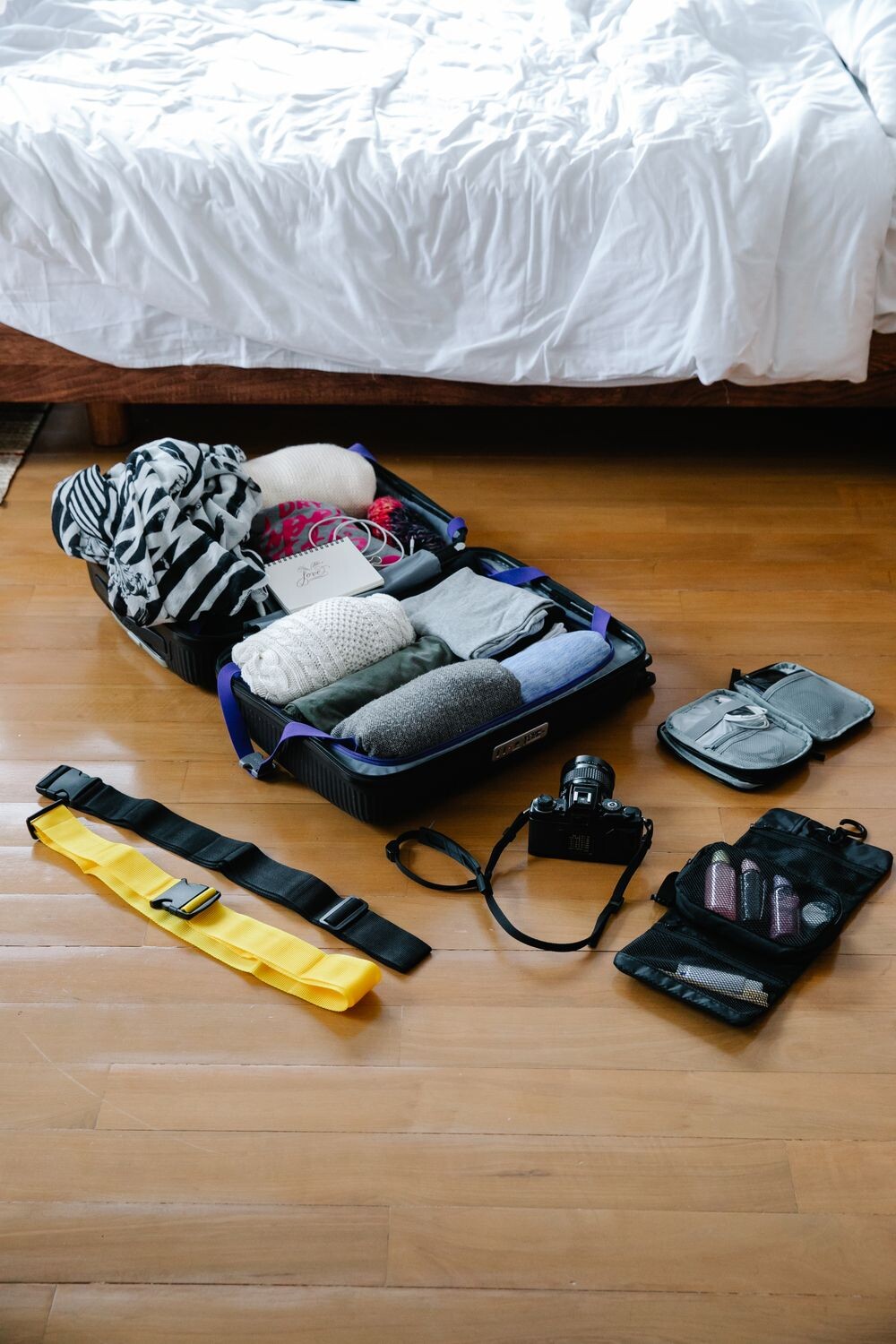
A sunny picture can hide a windy morning or a sudden rain shower. Dressing for real weather keeps you comfortable and ready for anything.
Check the forecast close to your travel day, then pack layers that can be added or removed. A light jacket, a small umbrella, or a hat can save the day in a big way. It also helps to choose clothes that dry fast and feel good after a long walk or a surprise change in plans.
Style still matters, of course, and many travelers now like clothes that look nice and work well in different places. Neutral colors, simple layers, and one bright piece can make packing easier and photos better. That mix gives you comfort, value, and a look that feels like your own.
10. Plan for memories, not just movement
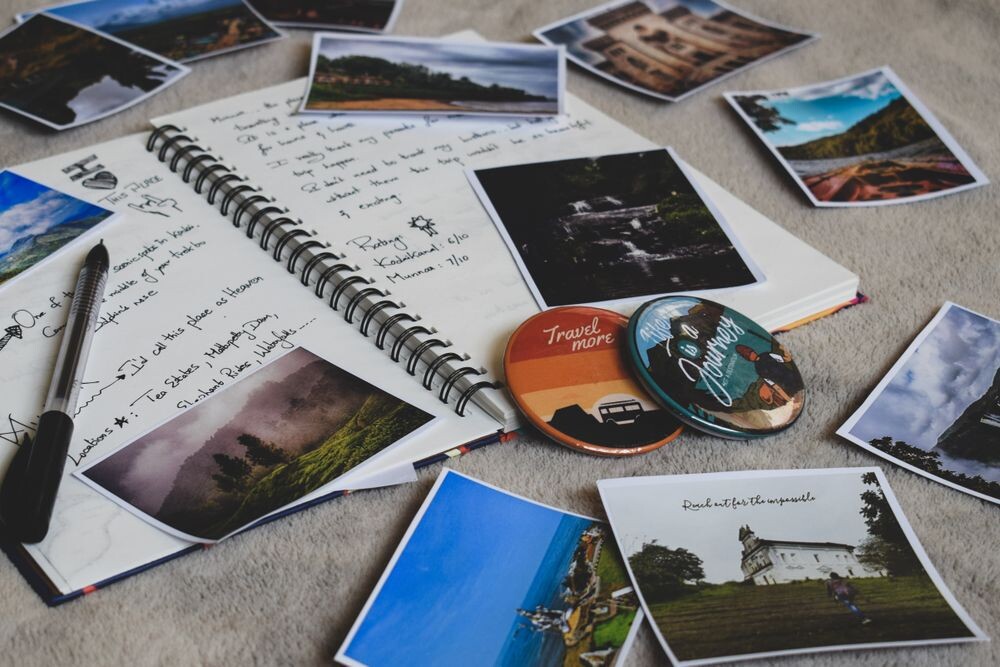
The best getaways are not only about where you go, but also about what you keep from them. Small memory habits can make the trip stay with you much longer.
Take a few photos, save a ticket stub, write down a funny quote, or keep a tiny map from a place you loved. These little things cost very little, yet they can mean a lot later. You can also make the trip more unique by choosing one thing to collect, like postcards, pressed flowers, or local snack wrappers.
Personal memory habits can fit any style. Some people like a travel journal, some love a shared photo album, and some prefer a short voice note at the end of each day. Whatever you choose, the goal is to hold on to the feeling of the trip, not just the facts of where you went.