The first glimpse can feel like a spark. A new place often carries more than maps and photos can show.
1. Learn the local rhythm before you arrive

Every destination has its own daily beat, from quiet mornings to busy late nights. Watching that rhythm helps you fit in and feel calm.
Some places wake up early with market stalls and fresh bread, while others shine after dark with music and bright lights. A quick search about meal times, shop hours, and rest days can save you from closed doors and empty streets. It also helps you plan your day in a way that feels easy, not rushed.
2. Check the weather and pack for more than one mood

The sky can change the whole feel of a trip, from sunny and warm to wet and windy. A place may look soft and bright in photos, but feel very different when the rain starts.
Bring layers, a small umbrella, and shoes that can handle long walks. If the area is known for heat, cold, or sudden storms, pack with that in mind so you stay comfortable. This simple step can save money too, since you may not need to buy extra clothes after you arrive.
Think about how you want to look in pictures as well as how you want to feel in real life. A scarf, hat, or light jacket can add style and also keep you ready for changing conditions.
3. Study the local customs so you can blend in with ease

Small habits can mean a lot in a new place, like how to greet people or when to tip. Knowing these details can help you feel welcome right away.
In some spots, quiet voices and modest clothes are a sign of respect, while other places feel relaxed and casual. You can personalize your trip by learning a few local words, trying a common greeting, or matching your style to the setting. That little effort often opens the door to warmer smiles and better service.
Trends in travel now lean toward respectful, low-impact visits, and that makes cultural awareness even more useful. It shows care for the place and the people who live there.
4. Look at the real cost, not just the ticket price

A cheap flight can hide a pricey stay, costly rides, or expensive meals. The full trip budget matters more than one low number.
Check hotel rates, local transport, entry fees, and food prices before you go. A destination may feel affordable at first, but small extras can add up fast. Planning ahead gives you more freedom to enjoy special treats without worry.
5. Choose the right neighborhood for your travel style

Where you stay can change the whole feel of your trip. A busy center may suit some travelers, while a quiet street may suit others.
Look for places near the things you care about most, like parks, cafes, museums, or the beach. If you enjoy bright city scenes, pick a lively area with easy transit and late-night food. If you want peace, choose a calmer spot and enjoy slower mornings.
Neighborhood choice can also affect safety, walk time, and cost. A room a bit farther out may save money, but it could add travel time each day.
6. Learn how people get around

Transportation can shape your whole mood in a new city or town. A smooth ride feels good, while confusion can make even a beautiful place feel stressful.
Check trains, buses, taxis, ride apps, bike rentals, and walkable routes before you arrive. Some destinations are easy to cross on foot, while others need a car or strong transit plan. Knowing this ahead of time helps you pick the best home base and avoid surprise costs.
Many travelers now like bike sharing and electric scooters, but those are not always the safest or cheapest choice. Pick the option that matches your comfort level and the roads around you.
7. Make a loose plan, not a packed one

A full calendar can sound exciting, but it may leave no room for surprise. A softer plan gives you space to enjoy the place as it comes.
Choose a few must-see spots, then leave open time for wandering, resting, or finding a nice cafe. This makes the trip feel less like homework and more like a story. It also helps you adjust if the weather changes or a place is closed.
You can personalize the plan around your energy level, too. Early birds may want sunrise walks, while night owls may prefer markets and evening views.
8. Check safety basics without feeding fear

Safety is not about being scared; it is about being smart. A little care can help you relax more once you arrive.
Read up on common scams, busy areas, and local rules before you go. Keep a copy of your ID, share your plans with someone you trust, and know the emergency number for the place you are visiting. These simple habits can protect your time, money, and peace of mind.
Many travelers now use phone trackers, digital wallets, and small anti-theft bags. Those tools can be helpful, but awareness still matters most.
9. Taste the food with an open mind

Food can be one of the best parts of a new destination. A local meal often tells you more than a guidebook ever could.
Try a mix of familiar dishes and new flavors so you do not feel overwhelmed. Street food, market snacks, and family-run cafes can offer great taste at a lower cost than fancy restaurants. If you have allergies or special needs, learn the key words before ordering so you can eat with confidence.
For a more personal trip, choose one dish you have never had before and make it your own little adventure. That small choice can create a memory you will talk about for years.
10. Pack with purpose, not panic

Overpacking can turn a fun trip into a heavy chore. A smart bag makes movement easier and keeps your mind clear.
Bring only what matches the weather, your plans, and the culture of the place. A good pair of shoes, a reusable bottle, and a small day bag often matter more than many extra outfits. If laundry is cheap where you stay, you can pack even lighter and save room for souvenirs.
Travel trends now favor simple packing and useful items over big suitcases. That style feels fresh, easy, and less stressful on the road.
11. Know the best time to visit your chosen spot

Timing can change everything, from crowd size to price. A place may feel magical in one season and crowded or costly in another.
Look at festivals, school breaks, weather patterns, and busy holiday times before you book. Off-season travel can bring lower costs and calmer streets, while peak season may offer more events and longer opening hours. Pick the time that matches your mood and your budget.
If you like bright energy, go when the area is lively and full of action. If you want calm photos and easier movement, choose a quieter stretch of the year.
This choice can also shape your personal experience in a big way. A slower season may give you more space to talk with locals and enjoy details you might miss in a crowd.
12. Keep your phone and internet plan ready

In a new place, your phone can be a map, translator, ticket, and camera all in one. That makes a good connection very useful.
Check roaming fees, local SIM cards, or travel data plans before you leave. Download maps, translation tools, and important bookings so you can still use them offline. This can save money and reduce stress when you need quick help.
Many travelers now like eSIMs because they are fast and easy to set up. If that fits your device, it can be a handy modern choice.
13. Leave room for local surprises

Some of the best moments happen when you stop chasing a fixed plan. A small side street, a street performer, or a tiny shop can become the heart of the trip.
Give yourself time to follow a pretty view, a good smell, or a friendly tip from a local person. These little turns often show the true character of a destination. They can also cost less than big tours and feel more personal.
To make this work, keep one part of each day open on purpose. That space can turn into a lovely meal, a quiet bench, or a photo spot with perfect light.
Travel today often leans toward slow moments and meaningful experiences. This habit fits that trend well and makes your trip feel richer.
14. Think about language before you go

You do not need to speak like a local, but a few words can go a long way. Even simple phrases can make people smile.
Learn how to say hello, thank you, please, and excuse me. A translation app can help with signs, menus, and quick questions, but a few spoken words can feel warmer and more human. This makes daily tasks easier and can also help you feel more brave.
If you want a personal touch, write down a small list of useful phrases and keep it in your pocket. That tiny card can be a quiet helper when your phone battery is low.
15. Respect the place by traveling lightly

Many destinations are working hard to stay beautiful and healthy. Your choices can help with that effort.
Use refillable bottles, skip wasteful plastic, and choose tours or stays that care for the land and people. Walking, biking, and public transit can lower your impact and let you see more of the real place. These habits often cost less too, which is a nice bonus.
More travelers now look for green stays, local shops, and small businesses that give back to the community. That trend makes it easier to travel in a kinder way.
Even tiny actions matter, like turning off lights and reusing towels. Those simple steps show respect and help your trip feel thoughtful.
16. Decide what kind of memories you want to bring home
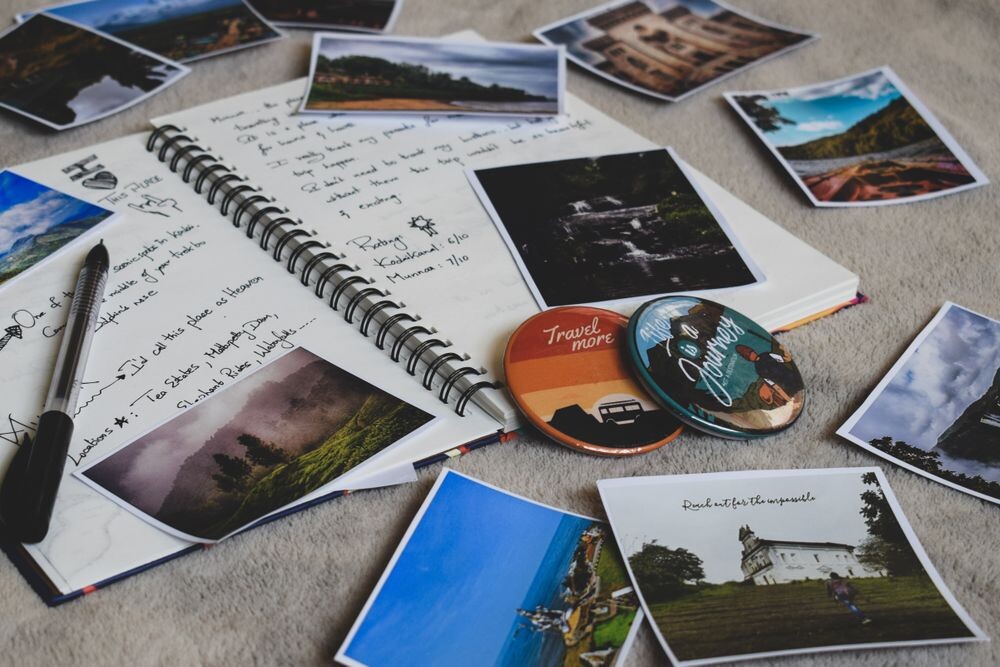
A new destination becomes more special when you know what you hope to feel there. Maybe you want calm, fun, food, art, or time with family.
When you name your goal, it becomes easier to pick the right places, pace, and budget. You can choose a colorful market for lively photos, a quiet trail for fresh air, or a museum day for a deeper look at local life. That makes the trip feel personal instead of generic.
Think about the little things you want to remember, like a sunset, a flavor, or a friendly chat. Those are often the moments that stay bright long after the trip ends.