The best trips often start with a smart plan. A few small money moves can make a big journey feel easier and brighter.
1. Pick a trip style that fits your wallet
Start by choosing the kind of adventure that matches your budget, not just your wish list. A simple road trip, a cabin stay, or a city break can feel just as exciting as a faraway escape.
Picture a cozy backpack, a map spread on a table, and a list of places that spark joy. The big benefit is clear: when your trip style fits your money, you feel calm before you even pack. Try making your own trip theme, like beach days, mountain air, or food stops, so the plan feels personal and fun.
2. Travel when the crowds are light
Off-season travel can save a lot and still give you a lovely experience. Streets look calmer, lines get shorter, and the whole place can feel more open and relaxed.
Many places now offer better rates in quiet months, and that trend can work in your favor. You may also find prettier photos, easier bookings, and more room to enjoy local life. If you want a special touch, pick a season that fits your favorite weather or hobby, like cool hiking days or warm beach walks.
Check local events before you book, because a festival can raise prices fast. Small timing changes can make a big difference, and that is one of the easiest ways to save. You still get the same destination, but with a friendlier price tag and a softer pace.
3. Pack with purpose and skip the extra buys
A well-packed bag can save money before the trip even starts. When you bring the right shoes, layers, and basics, you avoid buying costly items on the road.
Think of your suitcase as a neat little shelf with only the things you truly need. That simple idea helps you travel lighter and keeps your style easy to manage. A personal packing list can match your trip type, your favorite colors, and the weather you expect.
Reusable bottles, snack containers, and a small laundry kit are smart choices that many travelers love right now. They help cut waste and cut costs at the same time. If your bag feels tidy and ready, you also feel more relaxed when the trip begins.
Try laying out everything on the bed first, then remove one or two items you can live without. This little habit keeps your luggage from becoming a heavy burden. It also leaves room for souvenirs without paying for a bigger bag.
4. Book the basics early
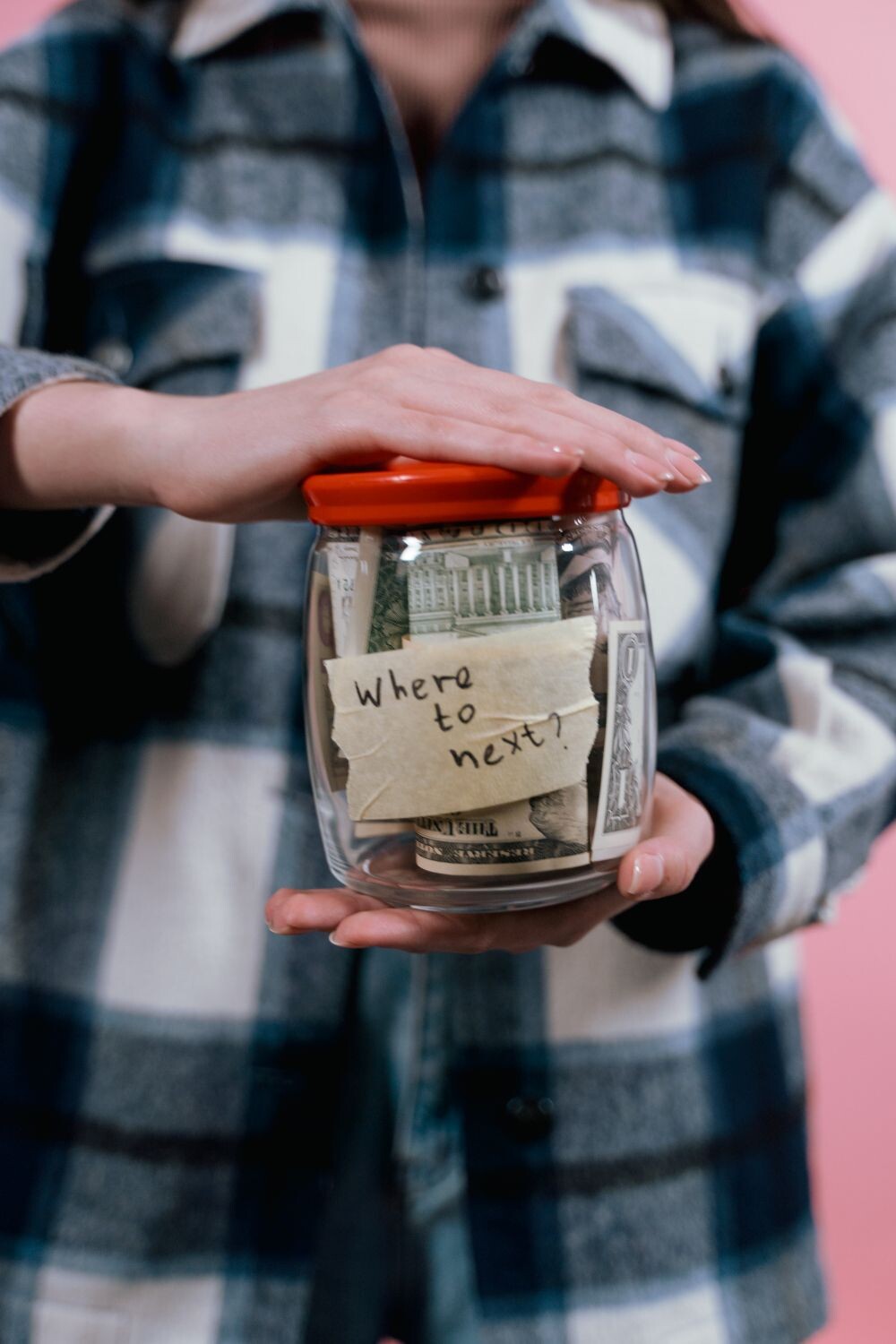
Flights, trains, and rooms can jump in price when you wait too long. Early booking often gives you better choices and a nicer sense of control.
Imagine seeing the best seat, the best bed, or the best route already waiting for you. That feeling is a reward in itself, and it can save real cash too. Set alerts, compare a few sites, and choose the option that gives you the best value, not just the lowest number.
5. Make food part of the adventure
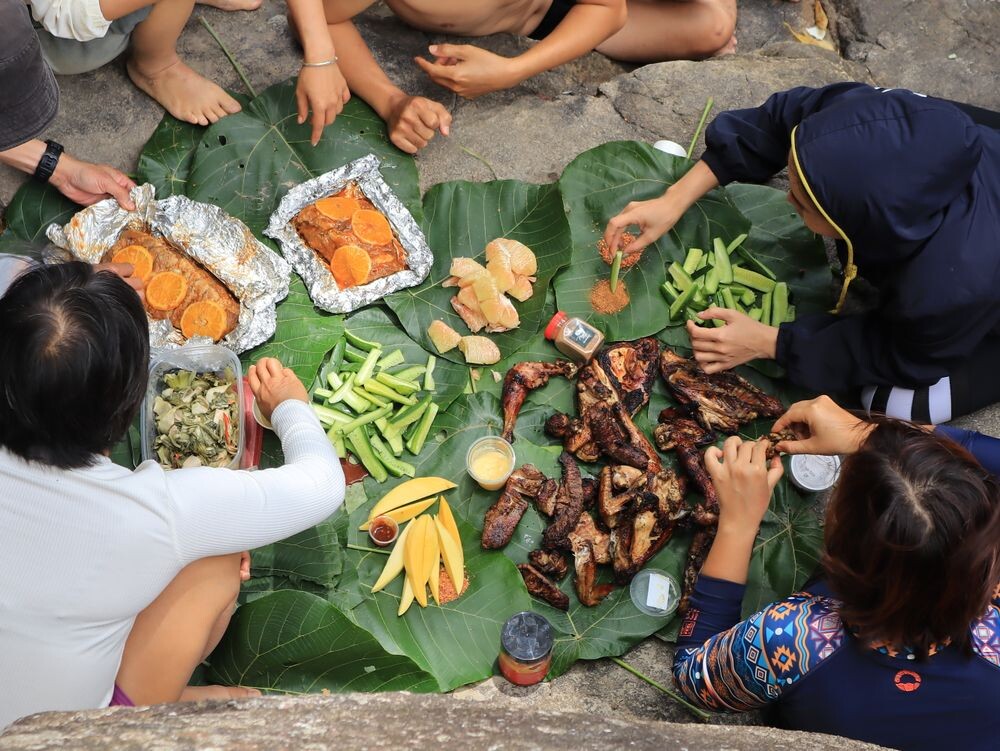
Eating out for every meal can drain your budget fast. A mix of store snacks, local markets, and one or two special meals can keep things fun without going overboard.
Street food, picnic lunches, and simple breakfasts are popular travel trends because they feel local and cost less. You can still enjoy bold flavors and pretty plates without spending too much. Build a food plan around your tastes, like sweet treats, fresh fruit, or hearty soups, so it feels like your own trip story.
Look for places where locals eat, since those spots often give better value and a more real feel. A market with bright produce and warm bread can be just as memorable as a fancy dining room. When food spending stays balanced, you have more left for the parts of the trip that matter most to you.
6. Use free fun wherever you go
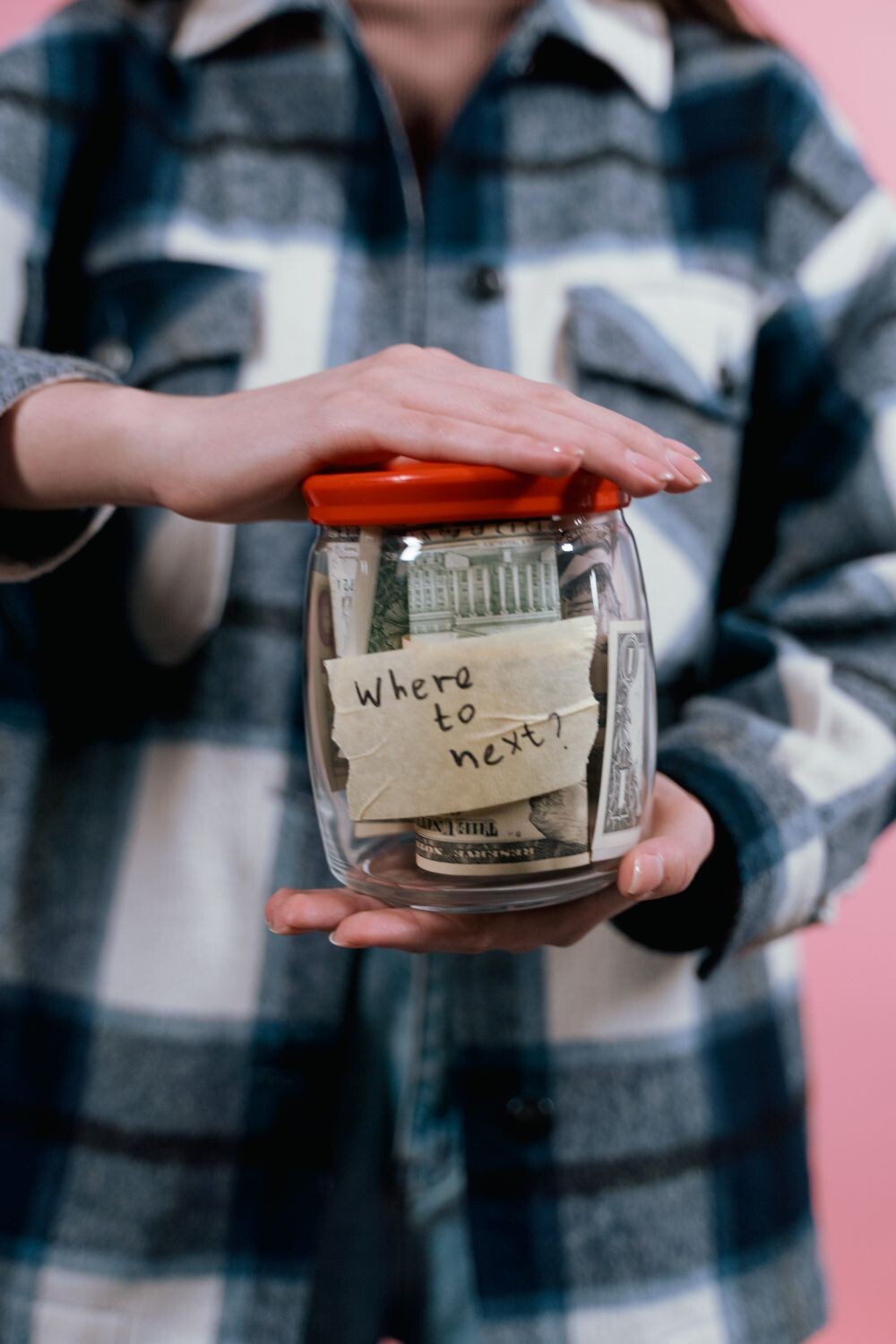
Many places offer free parks, beaches, museums on special days, and walking paths with great views. These spots can make your trip feel rich even when your spending stays low.
Picture a sunny path, a skyline at dusk, or a quiet garden with birds singing nearby. Free activities often become the memories people talk about the most. Make a list of the no-cost things you love, such as art, nature, music, or people-watching, and shape your days around them.
Local tourism pages and city apps now highlight free events more often, which makes planning easier. You can also ask hotel staff or shop owners for favorite low-cost spots. That personal touch can lead you to hidden corners that feel special and unique.
Try mixing one paid activity with a few free ones so the day feels full but still affordable. This balance keeps the trip lively without making your wallet tired. It is a simple way to get more joy from every hour away from home.
7. Choose stays with useful extras
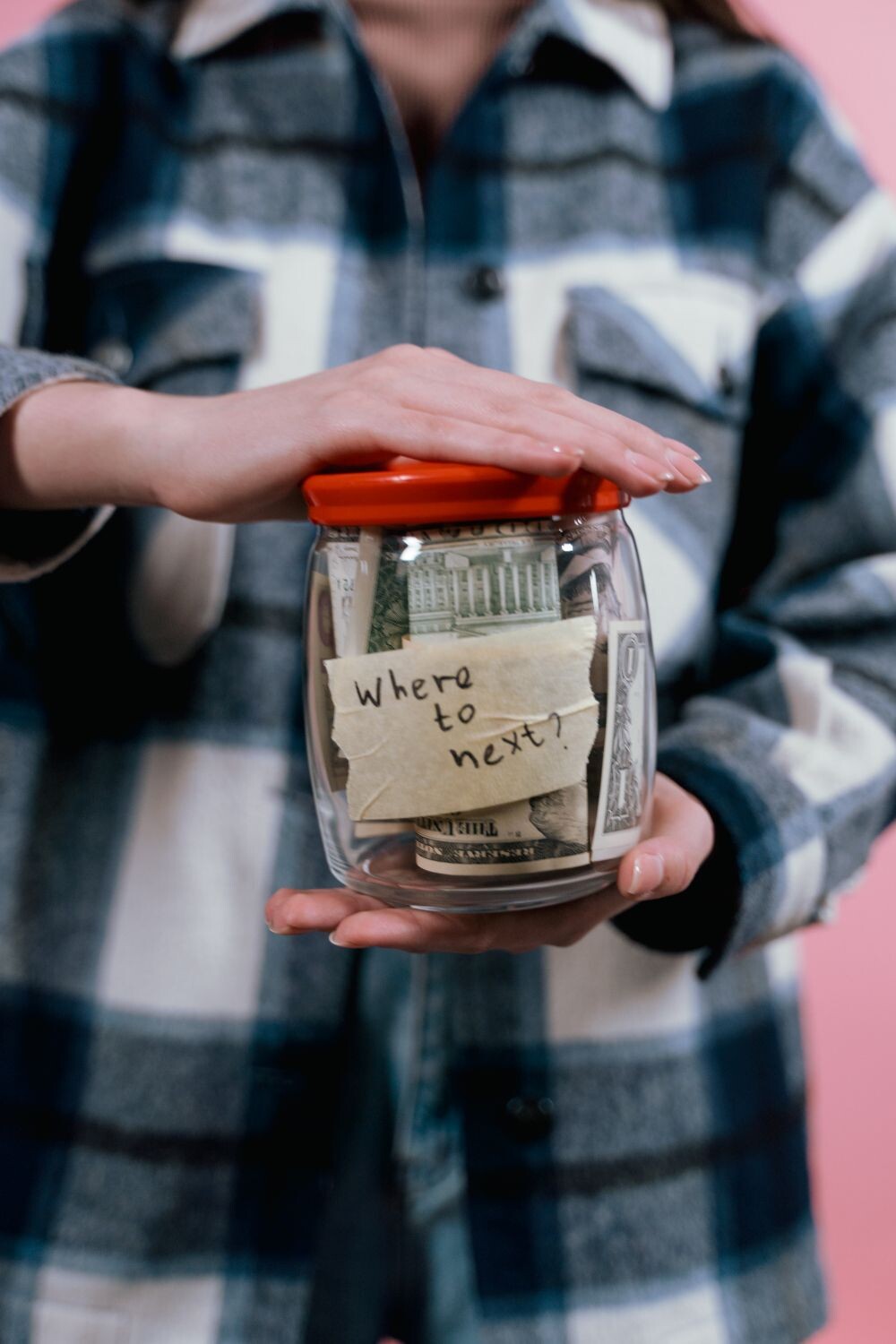
A room with a kitchen, laundry, or breakfast can save money in quiet ways. These extras help you spend less on meals, clothes, and little daily needs.
Think about a bright room with a tiny table, a kettle, and space to spread out maps. Those small comforts can make a stay feel more like home. Pick the extras that fit your style, like a pool for kids, a desk for work, or a balcony for morning tea.
Short-term rentals, hostels with kitchens, and family-run guesthouses are still popular because they can offer more value. Always compare the total cost, not just the nightly price. A place that seems cheap at first may cost more once you add food, laundry, and transport.
Read recent reviews to see if the extras really work well. A kitchen that is too small or a breakfast that is too plain may not help much. The best stay is the one that matches your real needs and keeps your day simple.
8. Share rides and split costs
Shared rides can lower travel costs and make the journey feel more social. A carpool, shuttle, or group taxi often costs less than going alone.
There is something fun about looking out the window with new travel friends and a road stretching ahead. Shared travel can also make long rides feel shorter. If you plan with friends, agree on costs early so everyone feels comfortable and the trip stays smooth.
Travel apps now make it easier to split bills, track shared expenses, and keep things fair. That can be a big help on group trips or family outings. You can also personalize the plan by choosing music, snack stops, or scenic routes that fit your group’s mood.
For city travel, buses and trains can be a smart choice when parking is costly or hard to find. In some places, day passes give great value and cut stress too. A shared ride can save money while adding a friendly part to the adventure.
9. Set a daily spending limit
A daily limit gives your money a clear job. It helps you enjoy the day without guessing how much is left.
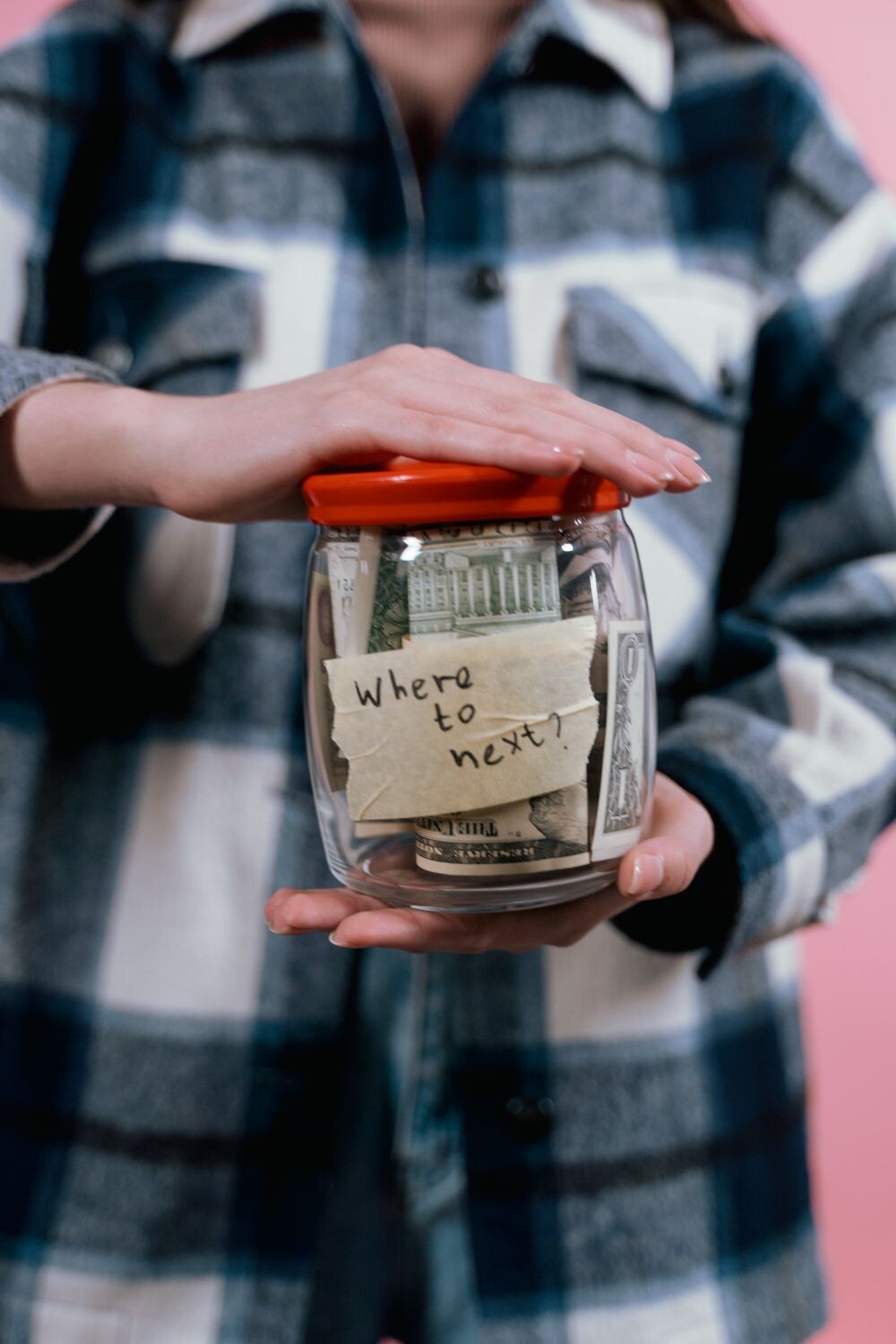
Imagine a small envelope, a phone note, or a travel wallet that keeps your plan neat. That simple system can stop tiny purchases from piling up. You can shape the limit around your trip style, with more room for food days and less for quiet sightseeing days.
Many travelers now use budget apps or phone alerts to stay on track in real time. This trend makes it easier to avoid surprises. If you like paper better, a tiny notebook works just fine and can feel more personal.
Give yourself a little flex space for treats, because trips should still feel joyful. A sweet drink, a postcard, or a bus ride to a nice view can fit if you plan for it. The goal is not to feel strict, but to feel free and steady.
10. Buy memories, not clutter
Souvenirs can be lovely, but they can also eat up cash fast. Choosing small, meaningful items keeps your budget safe and your bag light.
Think of a handmade keychain, a local snack, or a tiny print that reminds you of the trip. These items often hold more heart than big, pricey gifts. You can make the choice personal by picking something tied to your favorite color, place, or moment from the day.
Many travelers now prefer local makers and simple keepsakes instead of mass-made gifts. That choice can support small shops and give you something more unique. It also helps you avoid buying things that sit on a shelf and never get used.
If you want a stronger memory, take photos and write short notes about what you see and feel. Those cost little and mean a lot later. A small souvenir plus a good story can be the best mix of all.
11. Plan for little surprises
Trips often bring extra costs like tips, snacks, rain gear, or a sudden taxi ride. A small backup fund can keep those moments from becoming stressful.
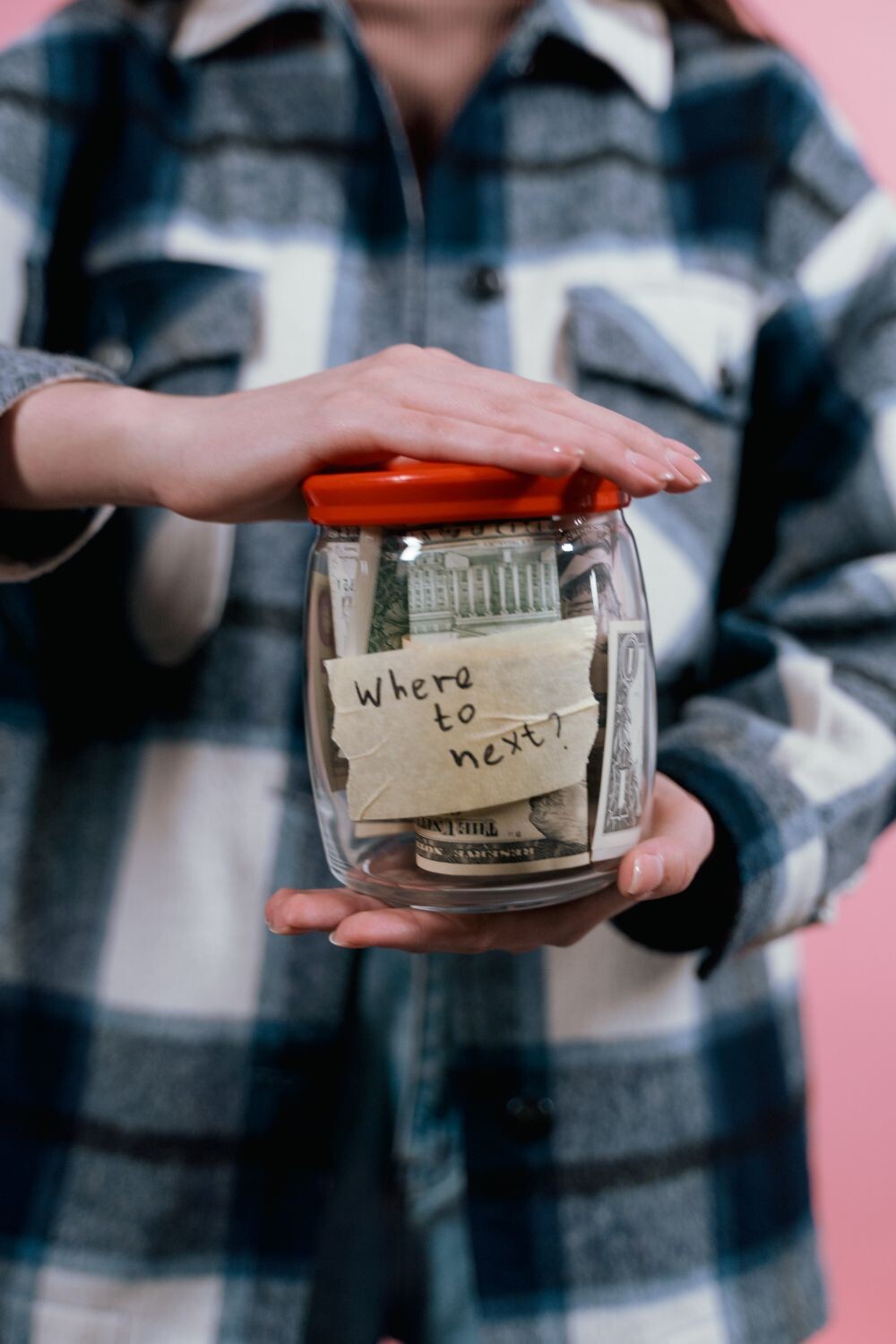
Picture a bright pouch tucked into your bag, ready for the unexpected. That safety net can make a huge difference when plans shift. Set aside a bit of money for surprises, and give it a job so you do not spend it too soon.
Weather apps, local news, and route maps are useful tools that help you stay ready. They can warn you about changes before they cost you time or money. You can also personalize this buffer by saving more for your own weak spots, like extra snacks, kids’ needs, or museum stops.
Some travelers now keep part of their budget in a separate card or wallet for peace of mind. That trend helps with control and makes spending feel less messy. When surprise costs show up, you will be glad you planned a little cushion.