Some trips fade fast, while others stay bright in your mind for years.
The secret often hides in small choices that make the whole day feel alive.
1. Turn Every Stop Into a Tiny Story

One of the easiest ways to make a trip feel special is to treat each stop like a little story waiting to happen. A train station, a roadside diner, or a windy beach can all feel more vivid when you notice the colors, sounds, and people around you.
Try giving each place a name in your own mind, like “the blue door cafe” or “the hill with the red flags.” This simple habit makes the trip feel unique and helps you remember it later. It also costs nothing, which is great when you want fun without spending extra money.
You can make the story even better by adding one personal detail at each stop. Maybe you take a photo of a funny sign, write down a smell, or pick a snack that matches the mood of the place.
Many travelers now like short “micro adventures,” and this idea fits that trend very well. It works for family trips, solo trips, and weekend getaways because it turns plain moments into something playful and easy to remember.
If you travel with kids, ask them to name the place too, since their answers are often silly and sweet. Those small ideas help everyone feel involved and make the trip feel like it belongs to your group, not just the map.
2. Pack a Small Memory Kit

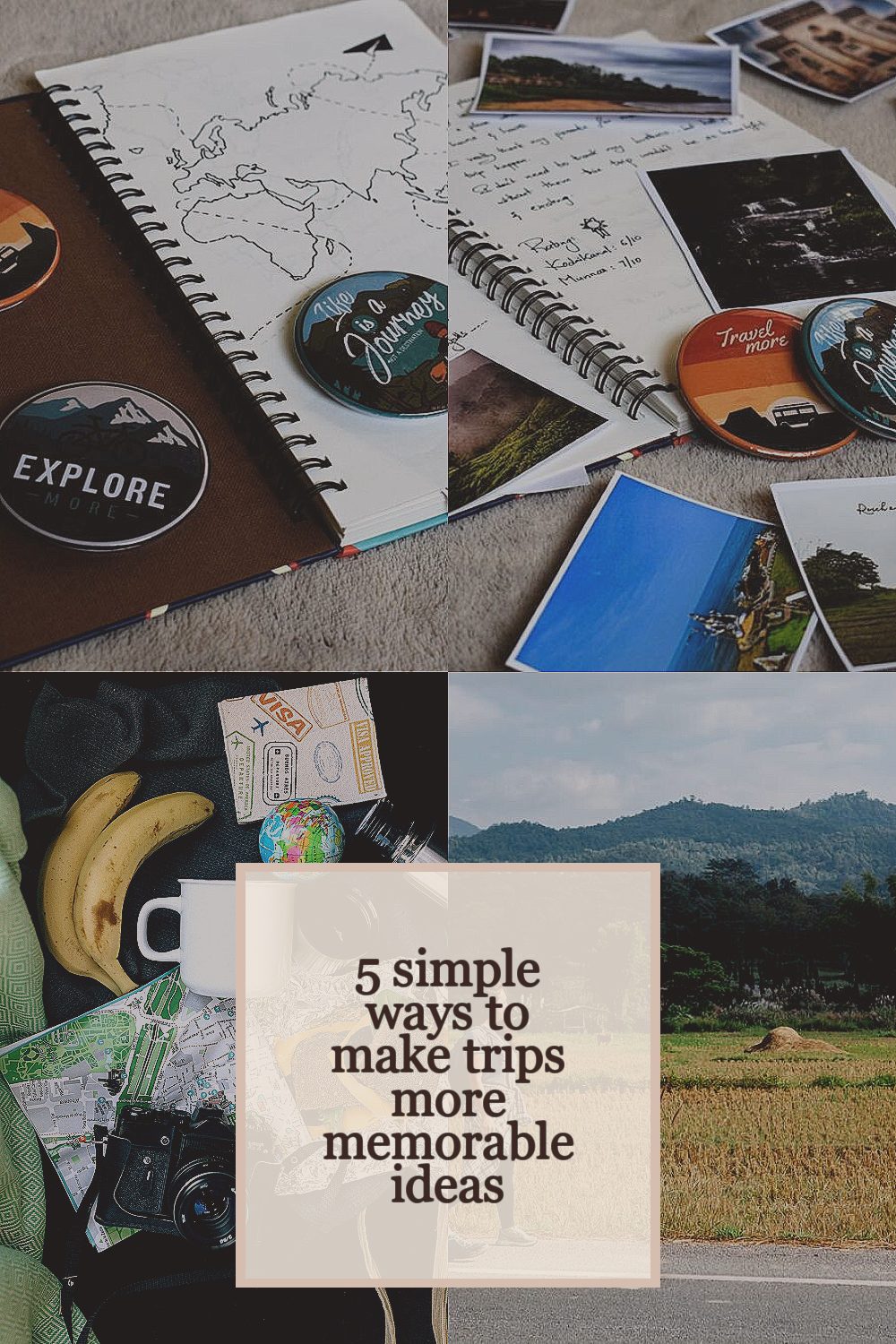
A tiny memory kit can make a big difference on any trip. It might hold a notebook, colored pens, a phone charger, a sticker sheet, and a few keepsakes like tickets or postcards.
This idea is helpful because it gives you a place to save the best parts before they slip away. You do not need fancy gear, and you can build the kit with low-cost items from home or a discount store.
Make the kit match your style so it feels personal and fun to use. Some people like a neat pouch with labels, while others prefer a messy little bag full of bright things and travel scraps.
You can also add a small scent item, like hand cream or a mint tin, because smell is a strong memory helper. That tiny detail can bring the trip back later in a very clear way.
Many travelers today enjoy keeping analog memories in a digital world, and this kit supports that trend in a simple way. It works well for city trips, camping, road trips, and even day outings, since you can carry it almost anywhere.
3. Eat One Local Thing on Purpose

Food can turn an ordinary trip into something unforgettable very fast. A warm pastry, a spicy soup, or a street snack can show you the flavor of a place in a way no guidebook can.
Choose one local item on purpose and give it your full attention. Look at its shape, smell it first, and notice how the taste feels different from what you eat at home.
This small habit adds uniqueness without needing a big budget. You can pick a cheap snack from a market, a shared dessert, or a simple dish from a neighborhood cafe and still get a strong memory from it.
If you want to personalize the moment, pair the food with a tiny ritual. Maybe you eat it while watching the sunset, while sitting on a bench, or while listening to music from that region.
Food journaling is also a growing travel trend, and it is easy to join. Write one sentence about the taste, one sentence about the place, and one sentence about who you were with, and the memory becomes much richer.
For extra fun, ask someone local what they eat when they want comfort or celebration. Their answer can lead you to a hidden favorite and make the trip feel more real and human.
4. Take a Slow Walk With No Rush

Fast trips can be useful, but slow walks often create the strongest memories. When you stop hurrying, you notice shop windows, tree shadows, old signs, and the way the air changes from street to street.
Pick one neighborhood, trail, or waterfront and give yourself time to wander with no strict plan. This costs very little, and it can feel more special than an expensive tour because the pace is your own.
You can make the walk personal by choosing a theme, such as doors, birds, murals, or colors. That simple focus gives your eyes a job and helps the place feel more alive.
Slow walks also match a current travel trend that values calm over crowded schedules. Many people want fewer packed days and more real moments, and this is a great way to get that feeling.
5. Make One Shared Ritual

Shared rituals give a trip a heart. It could be a morning check-in, a sunset toast with juice, a daily photo pose, or a bedtime question about the best part of the day.
These little habits are easy to repeat and easy to love. They help friends or family feel close, and they create a pattern your mind can hold onto long after the trip is over.
You can keep the ritual simple so it stays fun and does not cost much. A shared ritual works best when everyone can join without stress, extra gear, or a big plan.
To make it unique, let each trip have its own version. On a beach trip, maybe you collect shells in a cup; on a city trip, maybe you pick the best window view; on a mountain trip, maybe you tell one brave story before bed.
Personal touches matter here, so ask each person to add one idea that feels like them. That way the ritual becomes a memory of the group, not just a task on a list.
Travelers today often want moments that feel real and shareable, and this kind of ritual fits that idea well. It can also create great photos and warm feelings without needing a pricey activity or a crowded attraction.
6. Save the Little Details in a Fun Way

The smallest details often become the strongest memories later. A hotel key card, a bus ticket, a leaf from a park, or a receipt from a tiny shop can bring back a whole day in a flash.
Collecting these bits does not have to cost much, and it can be done in a neat envelope or a decorated box. The fun part is making the storage style feel like you, not like a boring drawer.
You can sort the keepsakes by day, color, or place to make them easier to enjoy later. Some people glue them into a scrapbook, while others tuck them into a travel journal with short notes.
That mix of visual pieces and written memories gives the trip more depth. It also helps if you like to share stories later, since you will have real objects to point to and talk about.
If you are on a tight budget, use what you already have at home, like envelopes, jars, or folders. The goal is not to buy more stuff, but to save the tiny things that already carry the feeling of the trip.
7. Try One New Viewpoint

Seeing a place from a new angle can make it feel fresh and exciting. A rooftop, a bridge, a ferry deck, or even a park bench on a hill can give you a view that changes the whole mood.
This idea is powerful because it helps you notice shape, light, and distance in a new way. It often costs little or nothing, yet it can make a place feel much bigger and more special.
Pick a viewpoint that matches your trip style and your comfort level. If you like calm scenes, choose sunrise over a quiet lake; if you like energy, choose a lively city overlook with lights and motion.
For a personal touch, bring a snack, a sketchbook, or a favorite song to that spot. A small ritual like this can make the moment feel like it belongs only to you.
Many travelers now look for scenic moments that are less crowded and more personal, so this idea fits current travel tastes well. It also gives you a strong photo without needing a fancy camera or a pricey ticket.
8. Ask Better Questions Along the Way

Good questions can make a trip feel deeper right away. Instead of only asking “Did you like it?” try asking “What surprised you?” or “What would you want to see here again?”
These questions help people notice more and talk more, which makes the trip richer for everyone. They also cost nothing and can be used on car rides, walks, meals, or quiet breaks.
You can make the questions fit the people with you. Kids may enjoy silly questions, while adults may like questions about favorite smells, sounds, or places that felt calm.
This is a great way to personalize the trip because it turns feelings into words. Once people speak about what they notice, the memory becomes easier to keep.
Conversation-based travel is a small but growing trend, especially among people who want less screen time and more real connection. A few thoughtful questions can do more than a long schedule full of crowded stops.
9. Add a Surprise Moment

Surprises make the brain wake up, and that is why they help trips stick in your mind. A surprise ice cream stop, a secret detour, or a tiny gift in a backpack can create a happy spark.
You do not need a big budget to make this work. A surprise can be as simple as choosing a new park, bringing a favorite candy, or planning an extra stop that fits the day.
Try to match the surprise to the person or group so it feels thoughtful. If someone loves animals, a stop at a small farm might be perfect; if someone loves art, a mural street could feel magical.
This kind of moment is unique because it breaks the pattern in a good way. It gives the trip a burst of energy and often becomes the story people tell first when they get home.
Many modern travelers like “hidden gem” moments, and surprises can give that feeling without a lot of planning. Just keep the surprise simple, kind, and easy to enjoy so it stays fun for everyone.
10. End the Day With a Memory Check

A short memory check at night can lock the day into place. Before bed, ask what made you smile, what looked beautiful, and what felt new.
This tiny habit helps the best parts stand out instead of blending together. It costs nothing, takes only a little time, and works well after any kind of trip, from a long vacation to a quick outing.
You can make the check personal by using a notebook, voice note, or family chat message. Some people like drawing one small picture, while others like listing three words that match the day.
That simple wrap-up helps with both memory and gratitude. It also gives you a nice way to relive the trip later, since the notes will point you back to the feelings, sights, and sounds.
If you want to keep it fresh, change the question each night so it does not feel repetitive. One night can focus on food, another on people, and another on places, which keeps the habit lively and useful.
11. Make Photos Feel More Personal

Photos become more meaningful when they show real life, not just posed smiles. A hand holding a snack, shoes on a trail, or a shadow on a wall can tell a stronger story than a stiff group picture.
Try taking photos that show the place and the feeling at the same time. This is a low-cost way to make your trip memories more vivid, and it works with any phone camera.
You can give the photos a personal style by choosing a color theme or a repeating pose. Some travelers like one photo of hands, one of food, and one of a view, which creates a neat set that feels like a visual diary.
Current travel trends often favor natural, unfiltered moments, and that makes this idea even easier to enjoy. You do not need perfect lighting or fancy editing; you just need honest scenes that make you smile later.
Before leaving each place, pause for one last photo that shows the mood of the moment. That final image often becomes a strong memory anchor because it captures the feeling of saying goodbye.
12. Bring Home One Small Meaningful Thing

A tiny souvenir can hold a big memory if you choose it with care. A stone, a magnet, a bookmark, or a small handmade item can remind you of the place in a quiet and lasting way.
Pick something that feels tied to the trip, not just something random from a gift shop. That makes the item more unique and more likely to bring back a real moment instead of just a price tag.
It is smart to think about cost before buying, since souvenirs can get expensive fast. Set a small limit in your head, and look for local crafts or simple items that fit your budget better.
You can personalize the souvenir by writing the date on it or storing it with a note about why you chose it. That little extra step gives the object a story and makes it feel more special at home.
Many people now prefer fewer, better keepsakes instead of lots of random stuff, and that trend is easy to follow. One thoughtful item can do more for your memory than a bag full of things you never use.
When you see that object later, it can bring back the smell of the air, the sound of the street, or the look of the sky. That is the kind of memory that stays bright for a long time.